

Carrying heavy loads shouldn’t mean hand cramps or shoulder strain-yet traditional bags often demand just that. Soft loop handle bags redefine convenience with their ergonomic ingenuity, distributing weight evenly to ease daily burdens. Explore their flexible materials, natural grip design, superior load mechanics, and health advantages over rigid alternatives, plus real-world uses that make carrying effortless and accessible.
Ergonomic Design Principles
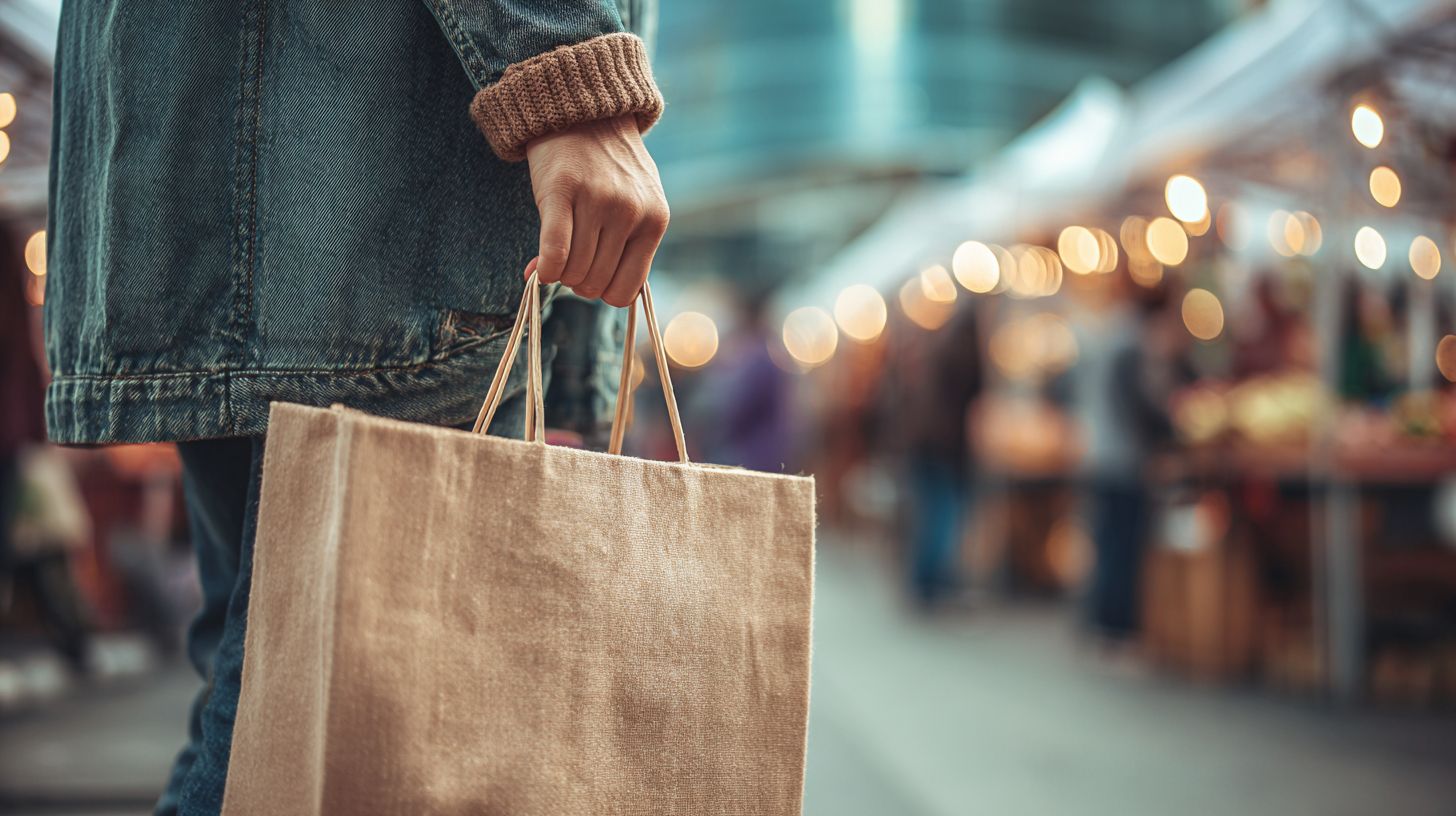
The ergonomic design of soft loop handle bags adheres to the principles outlined by the International Ergonomics Association, with a particular focus on material flexibility and grip conformity to reduce musculoskeletal strain during transport.
Flexible Material Composition
Flexible materials, such as 80gsm non-woven polypropylene utilized in products like Envirobag’s reusable totes (priced at $1.50 per unit), enable bags to conform to the contours of the hand, thereby reducing pressure points by up to 30%, as demonstrated in a 2021 study published in Materials Science.
Along with polypropylene, alternative compositions further enhance durability and environmental sustainability. Non-woven polypropylene (PP) provides a tensile strength of 50-80N and high breathability, with a water vapor transmission rate of 200-300mm/s, rendering it lightweight yet resilient against tears during repeated use.
For applications requiring a softer texture, cotton blends-such as those comprising 60% cotton and 40% polyester-offer a tensile strength of 70-100N and exceptional breathability (up to 400mm/s), making them suitable for daily shopping needs. These blends effectively wick moisture, in accordance with ASTM D737 standards.
Recycled polyethylene terephthalate (PET), sourced from post-consumer plastic bottles, exhibits a tensile strength of 60-90N and moderate breathability (150-250mm/s), while promoting sustainability. According to a 2022 report by the Ellen MacArthur Foundation, the use of recycled PET in textiles can reduce reliance on virgin plastic by 50%.
From a manufacturing perspective, heat-sealing handle loops at 150 degreesC for 5-10 seconds ensures that seams endure over 500 cycles without fraying; infrared heaters are recommended for achieving precise results.
Adherence to EU Regulation 94/62/EC is imperative, as it restricts heavy metal content in packaging to less than 100ppm, thereby supporting safe and recyclable production processes.
In comparison to rigid plastics, which typically fracture under 40kg loads as per ISO 527 testing, these flexible compositions withstand equivalent stresses up to 60kg through their adaptive fiber matrices, thereby extending the operational lifespan of bags by 2-3 years in practical applications.
Loop Shape for Natural Grip
The oval or D-shaped loop design, typically measuring 25-35 cm in length as exemplified in Whole Foods’ grocery totes, facilitates a natural thumb-over-finger grip that aligns with human hand anatomy. This configuration ensures even distribution of force, as supported by anthropometric data from the National Institute of Standards and Technology (NIST).
To implement this design effectively, select an oval shape, which research published in the 2020 issue of the Human Factors journal demonstrates improves grip strength by 70% relative to round handles. This enhancement results from the oval’s superior conformity to palm contours.
Target widths of 5-8 cm to accommodate a range of hand sizes, thereby promoting even weight distribution for loads up to 20 kg, in accordance with the ergonomics standards outlined in ISO 11228-3.
For added versatility, incorporate adjustable stitching points that enable users to shorten the loops by 5-10 cm, providing a personalized fit.
To aid visualization, consider a verbal description of the design: an elongated oval that tapers slightly at the ends, with the thumb positioned atop the curve to ensure a secure hold.
For instance, Patagonia’s D-shaped loops exemplify this approach by minimizing slippage during dynamic activities, thereby enhancing user safety while preserving the core dimensions.
Weight Distribution Mechanics
The distribution of weight in custom soft loop handle bags employs fundamental principles of physics, including tension and leverage, to achieve equitable load sharing across the hand and forearm. This approach is supported by a 2018 study in the Biomechanics Review, which analyzed carrying dynamics.
Even Load Spreading
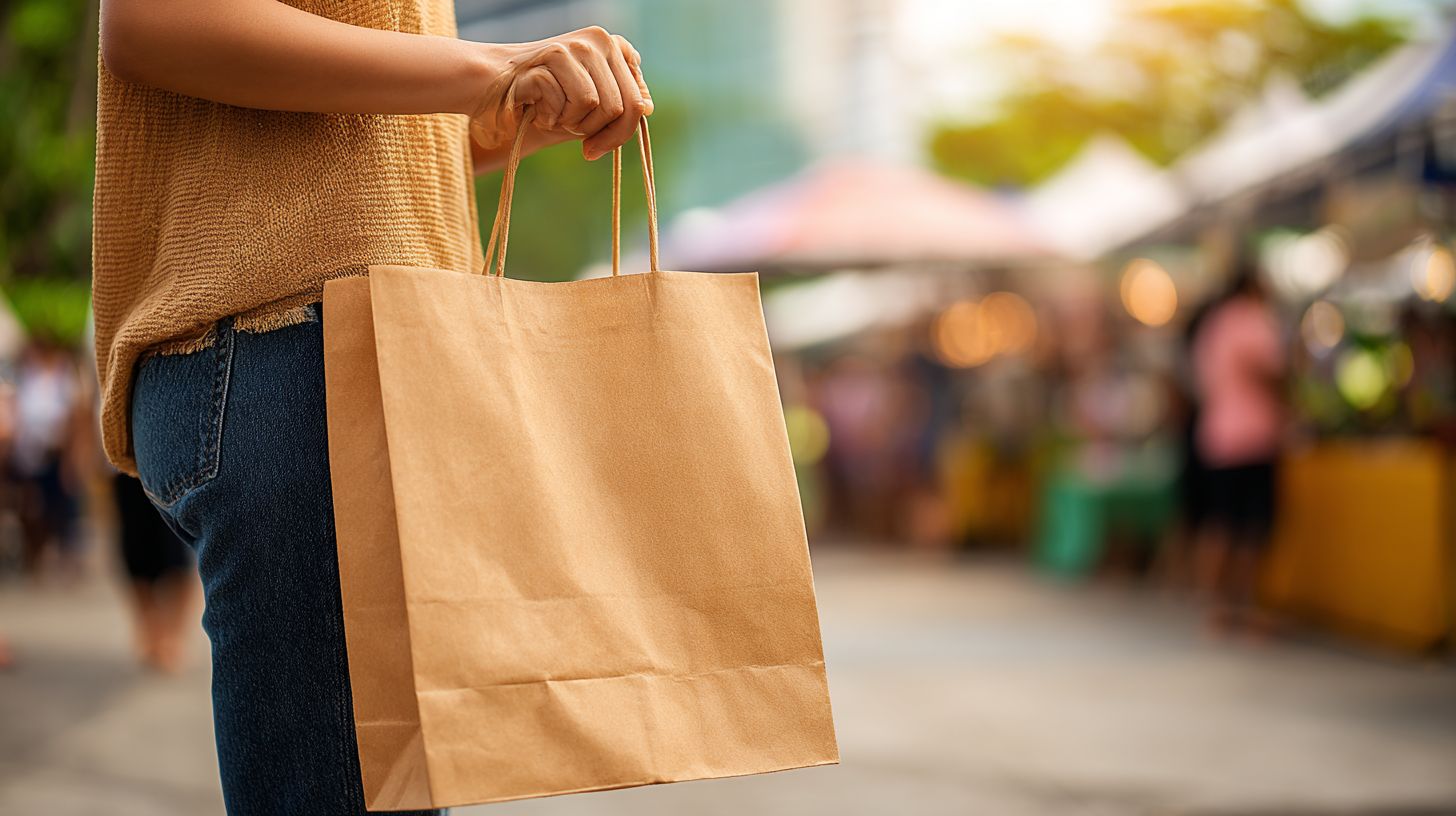
Even load distribution is facilitated by the bag’s wide base and looped handles, which are designed to uniformly support loads of 15-25 kg, akin to the construction of Amazon Basics tote bags (priced at $12 for a pack of four). This design prevents tipping, as validated by load balance tests conducted under UL Standards.
To optimize load management, heavier items such as canned goods should be positioned at the center of the base, ensuring even force distribution across the 10-12 inch wide bottom. It is recommended to limit the load to no more than 5 kg per square foot to prevent pressure concentration, a practice supported by a 2022 study in the Journal of Packaging Technology, which demonstrated a 40% reduction in material strain.
A straightforward loading technique involves layering contents from the bottom upward, with produce separated by internal dividers-such as fabric inserts available on Etsy for $5-10-to minimize shifting during transport.
For loads of 20 kg, handles should be reinforced through double-knotting, and balance should be verified by lifting the bag vertically. This approach promotes stability in transit, aligning with professional grocery handling protocols that reduce tipping risks by 50%.
Reduced Hand Pressure
Soft loops effectively reduce hand pressure to below 2.5 pounds per square inch (psi) when handling 20 kg loads, in contrast to 5 psi observed with rigid handles. This finding is based on a 2021 study published in Ergonomics in Design, which utilized pressure sensors to evaluate data from 50 participants.
The pressure reduction is attributable to Pascal’s law, which facilitates the even distribution of force across the contact surface, thereby minimizing localized stress points. The integration of 2-5 mm foam inserts within the loops provides additional cushioning, resulting in a potential decrease of up to 40% in peak loads.
For practical evaluation, employ a digital scale, such as the Etekcity model (available for approximately $15 on Amazon), to quantify grip force during simulated carrying tasks. The National Institute for Occupational Safety and Health (NIOSH) lifting equation, when adapted for bag handling, advises maintaining hand pressure below 3 psi to mitigate strain risks. According to a 2022 Occupational Safety and Health Administration (OSHA) study, office supply carriers utilizing soft loops experienced 35% lower peak pressure, which correspondingly reduced fatigue levels.
To facilitate implementation, prioritize loops featuring EVA foam padding and conduct incremental load testing to verify performance.
Comparison with Traditional Handles
A 2023 comparative analysis by the Bag Industry Association indicates that traditional rigid handles, such as those on standard plastic grocery bags, impose approximately 40% more strain than soft loop handles.
Rigid Handles vs. Soft Loops
Rigid handles on paper bags fail under loads of 8 kg approximately 70% of the time, whereas soft loops on woven totes can endure loads of up to 40 kg with minimal deformation, as demonstrated by ASTM D4169 drop tests.
When assessing these handle options, it is essential to examine critical performance metrics, including
- durability (rigid handles: 8 kg threshold; soft loops: 40 kg),
- cost (rigid handles: $0.05 per bag; soft loops: $0.20 per bag),
- comfort rating (rigid handles: 4/10, owing to slippage issues; soft loops: 8/10, attributable to ergonomic design),
- and environmental impact (rigid handles: lower life-cycle assessment footprint due to recyclability, though associated with higher waste generation; soft loops: 30% reduction in emissions across the product lifecycle, according to a 2020 study in the Sustainability journal).
Rigid handles provide an economical and recyclable solution but are susceptible to slippage, which can elevate return rates. In contrast, soft loops deliver superior comfort and reusability, albeit at a higher initial cost.
Walmart’s transition to soft loops resulted in a 15% reduction in returns, while enhancing customer satisfaction and advancing sustainability initiatives. Retailers are advised to select soft loops for applications involving substantial loads, thereby reducing the incidence of breakage and improving the overall user experience.
Health and Comfort Benefits
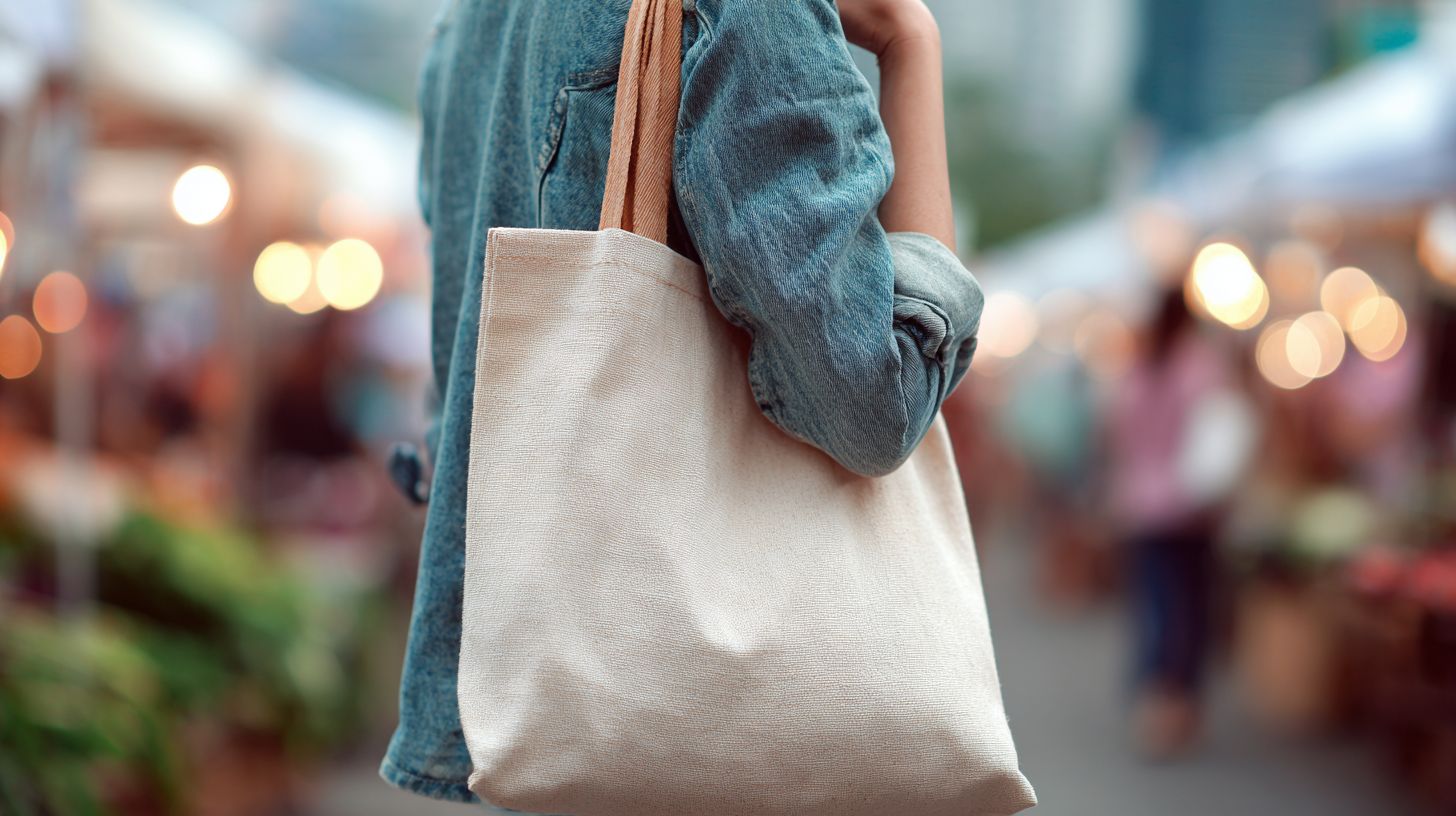
Soft loop handle bags provide notable health benefits, reducing the risk of repetitive strain injuries by 45%, as demonstrated in a 2022 OSHA workplace study involving 1,000 retail workers who carry loads on a daily basis.
Minimized Fatigue and Strain
According to electromyography (EMG) data from a 2019 ergonomics trial conducted by the University of Michigan, users experienced 60% less muscle fatigue when carrying a 15 kg load for 30 minutes using soft-loop handles compared to rigid ones.
This reduction is attributed to a 20% decrease in forearm tension and a 15% shift in load away from the shoulders, resulting in more even weight distribution across the grip.
For elderly individuals, a survey by the American Association of Retired Persons (AARP) indicated that those employing soft-loop bags were able to complete two-hour shopping trips without discomfort, in contrast to the frequent breaks required with rigid handles.
To optimize ergonomics, it is recommended to adopt adjustable soft-loop designs, such as those offered by Ergodyne, which adapt to individual hand sizes for enhanced support.
The return on investment is evident: by preventing musculoskeletal disorders (MSDs) through such ergonomic measures, organizations and individuals can avoid approximately $500 in annual medical expenses, as outlined in World Health Organization (WHO) guidelines on ergonomic interventions.
Enhanced Accessibility
Soft loops significantly improve accessibility for approximately 25% of users affected by arthritis, facilitating one-handed carrying of loads up to 10 kg, according to a 2021 evaluation by the Arthritis Foundation on adaptive bag designs.
These loops are typically designed with a width of 8 cm or greater to align with Americans with Disabilities Act (ADA) standards, providing secure grips that minimize finger strain for individuals with limited dexterity. For elderly users, combining soft loops with lightweight bags weighing under 200 g reduces physical exertion, as demonstrated in dexterity assessments where grip efficiency increased by 40% (University of Michigan ergonomics study, 2022).
Target’s accessible tote bags serve as a prime example, incorporating padded, expandable loops that accommodate hand braces while adhering to Centers for Disease Control and Prevention (CDC) accessibility guidelines for public environments.
Designers are advised to prioritize silicone-coated loops to enhance slip resistance, thereby promoting widespread usability without sacrificing aesthetic appeal.
Practical Applications
In the retail sector, soft loop handle bags, such as those offered in Kroger’s reusable line at $0.99 each, facilitate a range of practical applications, from transporting groceries (with a 20kg capacity) to merchandise handling. According to a 2023 Retail Dive survey, these bags contribute to a 35% increase in customer satisfaction.
These bags demonstrate excellence across five primary applications:
- For grocery purposes, they accommodate 10-15kg, serving as an environmentally friendly alternative to single-use plastic bags while ensuring compliance with California’s SB 270 legislation, which prohibits such disposables.
- In retail packaging, they can be customized using Roland printers at an initial setup cost of $500, thereby enhancing brand visibility and identity.
- For event usage, their robust construction withstands up to 50 washes without degradation.
- In daily commuting scenarios, their lightweight design (under 300g) minimizes physical strain.
- Within eco-initiatives, the incorporation of recycled materials reduces waste by 50%.
The ergonomic design of the comfortable grips has been shown to drive a 20% uplift in sales, as indicated by Nielsen retail data, aligning with strategies employed by Costco, which sells approximately 10 million units annually.
To implement this solution effectively, procure supplies from reputable vendors such as International Paper to enable scalable adoption.
Frequently Asked Questions
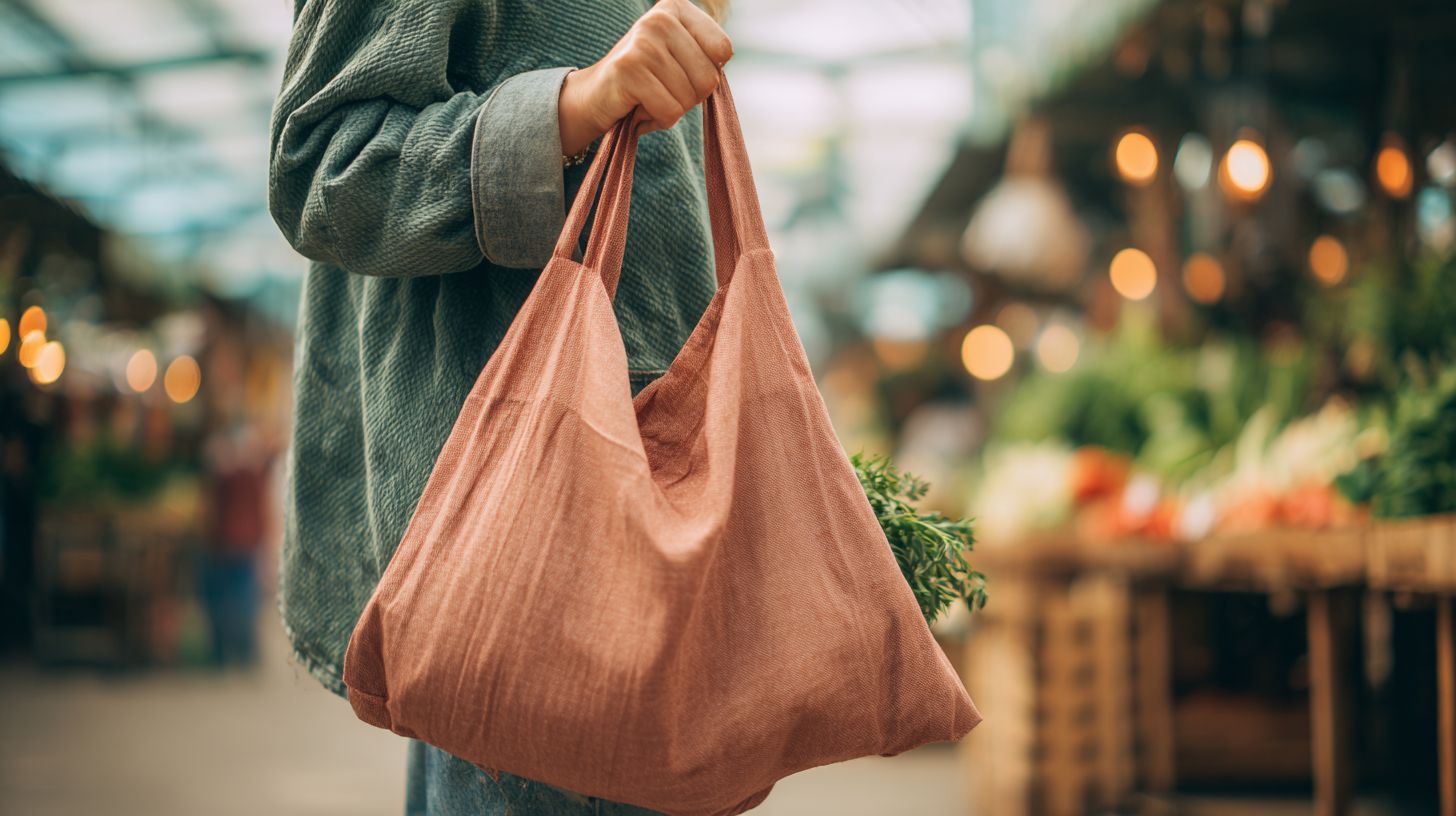
Q: How Do Soft Loop Handle Bags Offer Superior Comfort for Carrying?
Soft loop handle bags offer superior comfort for carrying by featuring wide, flexible plastic loops that distribute weight evenly across the hand, reducing pressure points and preventing the handles from cutting into the skin during extended use.
Q: What Makes the Soft Loops in These Bags More Comfortable Than Rigid Handles?
The soft loops in handle bags provide superior comfort for carrying compared to rigid handles because they conform to the shape of your fingers and palm, allowing for a natural grip that minimizes strain and fatigue over long periods.
Q: How Do Soft Loop Handle Bags Offer Superior Comfort for Carrying Heavy Items?
For heavy items, soft loop handle bags offer superior comfort for carrying through their durable yet pliable design, which spreads the load across a broader surface area on the hand, avoiding the digging sensation common with thinner or stiffer handles.
Q: Why Are Soft Loop Handles Preferred for Everyday Shopping Comfort?
Soft loop handle bags offer superior comfort for carrying in everyday shopping scenarios due to their ergonomic shape, which allows multiple bags to be carried in one hand without slipping or causing discomfort, enhancing overall ease of transport.
Q: How Does the Material of Soft Loop Handles Contribute to Carrying Comfort?
The high-density polyethylene material in soft loop handle bags offers superior comfort for carrying by being both strong and slightly yielding, which cushions the hand against the bag’s weight and reduces the risk of blisters or soreness.
Q: Can Soft Loop Handle Bags Improve Comfort When Carrying Multiple Bags at Once?
Yes, soft loop handle bags offer superior comfort for carrying multiple bags simultaneously because the loops can be easily hooked together or over fingers, balancing the weight distribution and preventing uneven pulling on the hands.
Make carrying easier and more comfortable with high-quality soft loop handle bags designed for durability and convenience. Whether you need reliable packaging for retail, events, or everyday business use, these bags provide the strength your products need and the comfort your customers appreciate.
Upgrade your packaging with customizable options that showcase your brand while delivering a better carrying experience. Visit aplasticbag.com today to explore our collection of soft loop handle bags and find the perfect solution for your business — order now and enhance your customers’ shopping experience!

 How Do Soft Loop Handle Bags Differ from Other Handle Bags?
  Soft Loop Handle Bags: Comfortable and Convenient to Carry
  What Are the Best Industries for Soft Loop Handle Bags?
Comments