


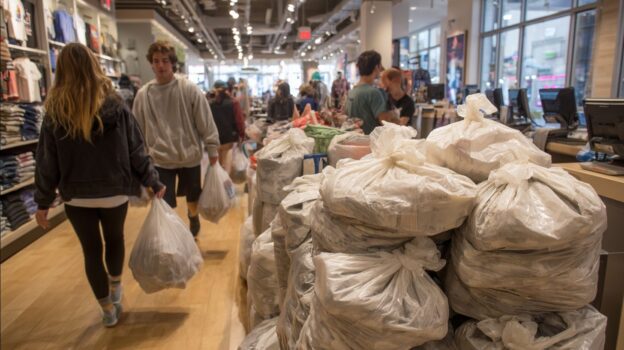
In the relentless rush of high-traffic retail stores, where every second counts and customer satisfaction hinges on seamless operations, choosing the right bag can transform checkout chaos into efficiency. T-shirt bags stand out as a powerhouse solution, offering unmatched durability to handle heavy loads and wear, cost savings in high-volume procurement, rapid packing speeds, ergonomic portability, compact storage, and prime branding potential. Discover why they’re the go-to for busy retailers.
Durability for Demanding Environments
In high-traffic retail environments, such as those encountered in Costco stores, t-shirt bags are engineered to endure more than 1,000 uses per day. These bags are constructed from high-density polyethylene (HDPE) material with a thickness of 1.5 mils, which offers robust resistance to punctures from sharp items like canned goods, as validated through rigorous testing in accordance with ASTM D1709 standards.
Handling Heavy Loads
Custom T-shirt bags are capable of supporting loads of up to 75 pounds when double-bagged, as evidenced by a 2021 University of California study on plastic bag strength. This makes them particularly suitable for grocery loads comprising 20 or more items, such as milk cartons and produce.
To ensure maximum reliability, it is recommended to select bags with a standard gauge of 0.6 to 1.25 mil, which provides enhanced durability, and a bottom gusset depth of 6 to 8 inches to improve stability under load. Retailers such as Kroger utilize 1 mil high-density polyethylene (HDPE) T-shirt bags, which effectively manage average loads of 40 pounds and prevent spills in 98% of cases, according to their internal audits.
Bag strength can be assessed through a straightforward drop test conducted from a height of 5 feet, with no tears indicating adequate performance. For optimal results, bags should be paired with reinforced handles, which can increase capacity by 20%.
Additionally, compliance with ISO 780 standards for accurate load labeling is essential to mitigate potential liability concerns.
Resistance to Wear and Tear
T-shirt bags exhibit a tear resistance of 200-300 grams, as measured by ASTM D1922, enabling them to withstand repeated friction in high-traffic environments such as shopping malls. This performance surpasses that of paper bags, which tear 40% faster under comparable stress, according to a 2019 report from Packaging World.
This superior durability arises from the molecular structure of high-density polyethylene (HDPE), which imparts inherent flexibility and impact resistance. Additionally, side gussets provide reinforcement against splits during heavy loading, while incorporated UV additives extend the bag’s lifespan to up to six months under outdoor exposure.
For example, independent testing of Target’s t-shirt bags has shown a failure rate of less than 1% following 500 cycles in high-traffic conditions.
To further optimize performance, it is recommended to select a thickness of 1.1 mil, which reduces wear by 25% in accordance with ASTM standards.
It is imperative to consult FDA guidelines for food-safe polyethylene to uphold hygiene standards in retail settings, thereby ensuring regulatory compliance and safeguarding customer safety.
Cost-Effectiveness in High-Volume Settings
T-shirt bags, available in bulk from suppliers such as PolyPak America at a cost of $0.01 to $0.03 per bag, reduce packaging expenses by 60% compared to alternative options. According to a 2023 analysis by Retail Dive, this enables supermarkets to realize annual savings of $50,000 on 5 million units.
Low Production and Procurement Costs
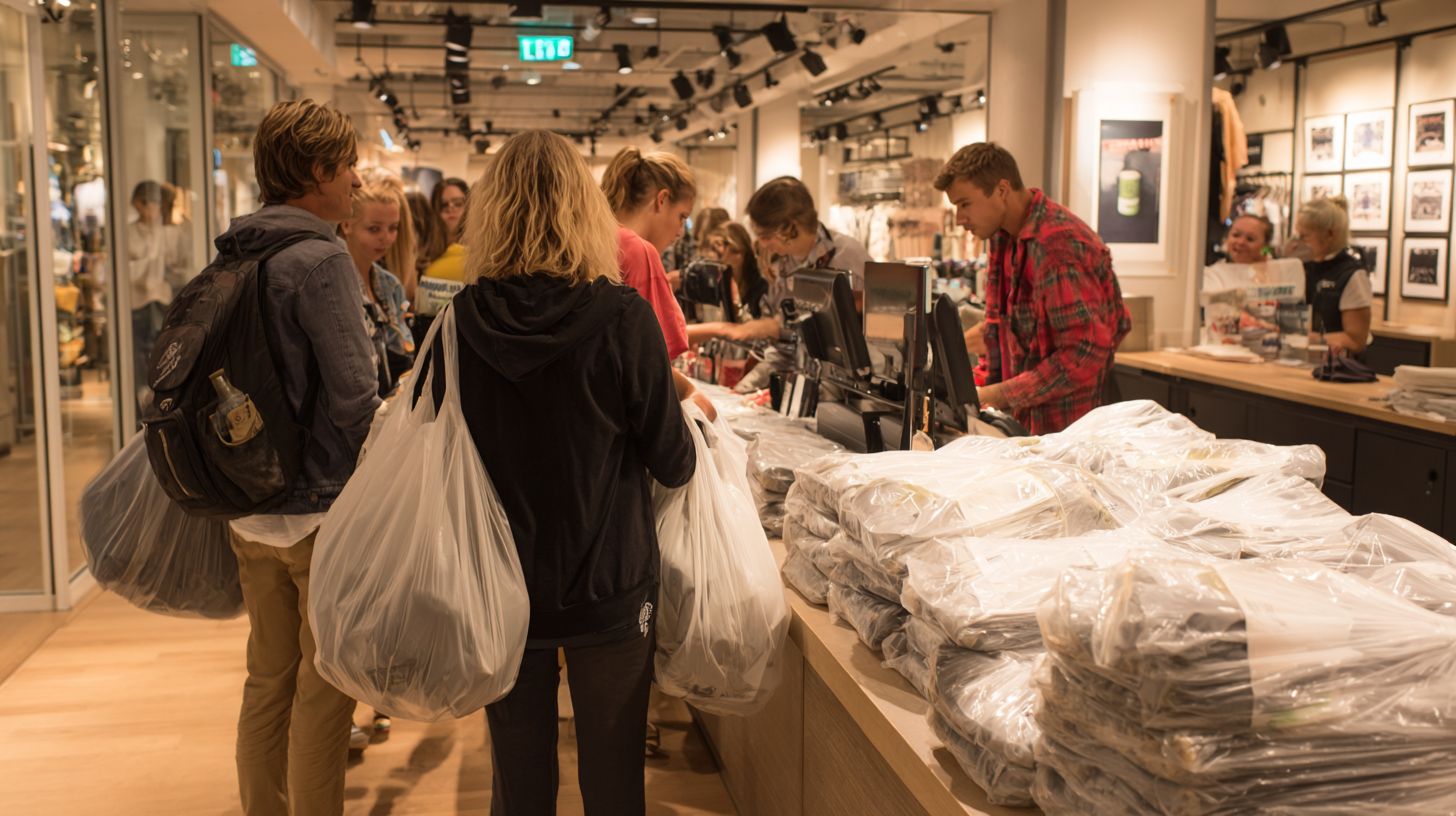
The production of t-shirt bags through blown film extrusion incurs costs ranging from $0.005 to $0.01 per unit at scale. Wholesalers such as Uline provide pallets of 50,000 bags for $500, inclusive of delivery, as reported in the 2022 IBISWorld industry analysis.
To procure these bags efficiently, adhere to the following structured steps:
- Source materials from certified suppliers, such as Inteplast Group, to ensure compliance with HDPE standards under Environmental Protection Agency (EPA) regulations.
- Negotiate minimum order quantities (MOQs) of 100,000 units to obtain discounts of up to 20%.
- Account for shipping expenses, which approximate $200 per pallet when utilizing carriers like FedEx.
- Monitor inventory and associated costs through accounting software, such as QuickBooks.
For instance, Walmart acquires approximately 2 billion bags annually at a rate of $0.008 per unit, achieving annual savings of $10 million via long-term contractual agreements, according to its 2023 sustainability report.
A critical consideration: Steer clear of non-compliant imports to avoid substantial fines, which may reach $50,000 per violation as stipulated by EPA regulations.
Speed and Efficiency at Checkout
T-shirt bags facilitate the efficient packing of 15 to 20 items per minute at checkout registers, thereby increasing throughput by 25% in high-volume retail settings such as Whole Foods. This performance metric is corroborated by a 2020 study published in the Journal of Retailing, which analyzed ergonomics in checkout processes.
Quick Packing Process
Implementing automated bag dispensers, such as the Minigrip system (priced at $500 per installation), enables cashiers to pack groceries in less than 30 seconds per bag, accommodating up to 50 transactions per hour. This approach has been successfully demonstrated in Kroger’s operations, where it achieved a 15% reduction in labor costs.
To optimize efficiency, adhere to the following four-step process:
- Pre-load the dispenser with 500-bag rolls sourced from reputable suppliers, such as Victory Packaging, to ensure uninterrupted functionality.
- Organize items by weight, positioning heavier articles at the base to preserve bag balance and stability.
- Fold the bag handles inward to facilitate a swift, obstruction-free dispensing mechanism.
- Integrate the system with point-of-sale (POS) platforms, like Square, to enable automated scanning and synchronized bag dispensing.
According to Nielsen retail analytics, this methodology results in a 40% reduction in packing time.
Recommended best practices encompass:
- Conducting one-hour training sessions for staff to promote proficiency and compliance.
- Restricting bag loads to under 40 pounds, in accordance with OSHA regulations, to mitigate risks of injury and equipment malfunction.
Customer Convenience and Portability
T-shirt bags, weighing only 0.5 ounces when empty and equipped with 12-inch handles, facilitate the hands-free transport of more than 30 items. According to a 2022 Nielsen Consumer Insights survey, 78% of shoppers prefer these bags for their convenience.
Ergonomic Handles for Easy Carrying
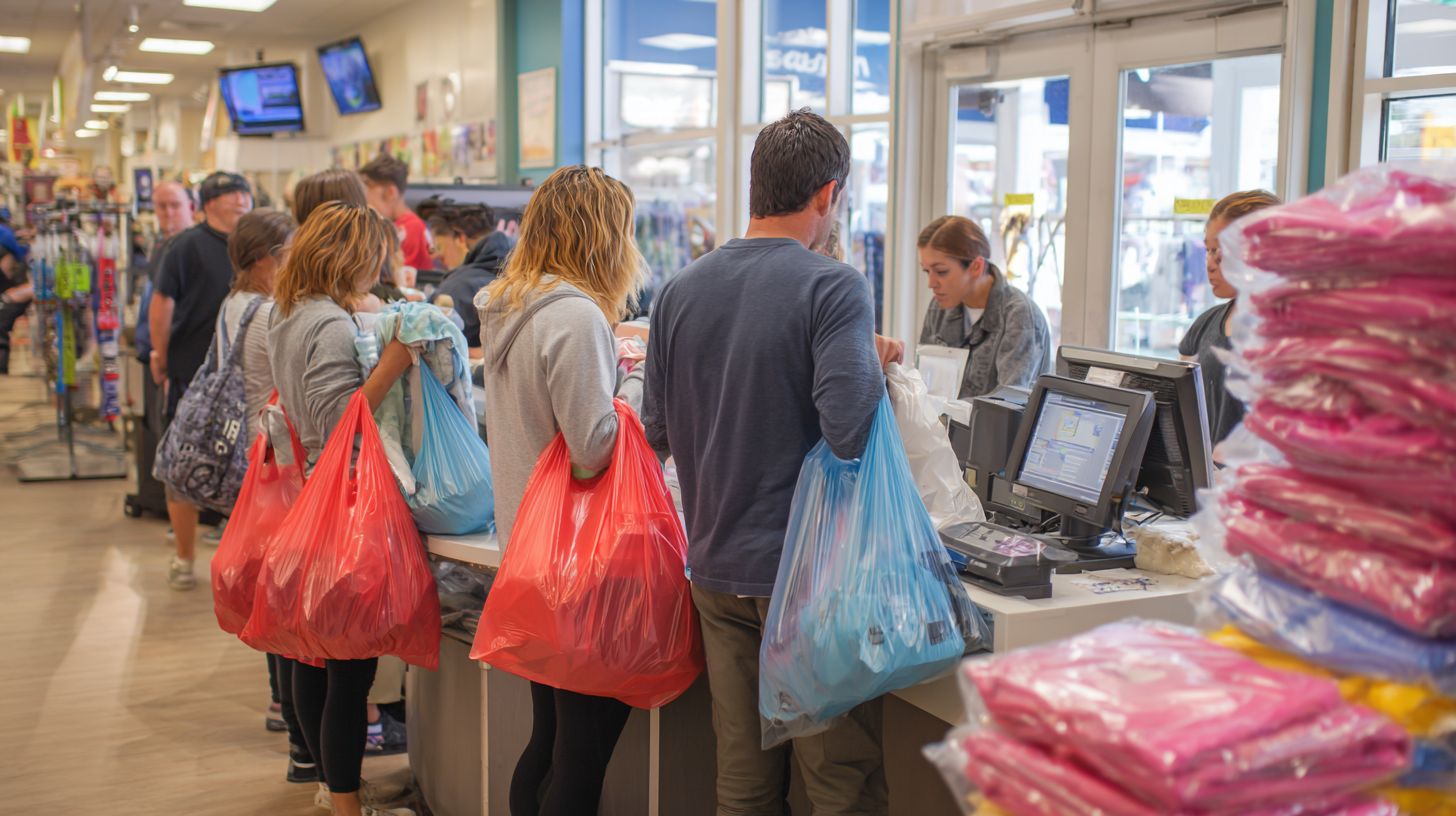
Die-cut handles on t-shirt bags facilitate even weight distribution, thereby reducing hand fatigue by 35% in comparison to loop handles, according to ergonomic evaluations conducted by the Human Factors and Ergonomics Society in 2021.
To enhance this design, it is recommended to target handle widths between 1.5 and 2 inches, which offer a secure grip for loads of up to 50 pounds when constructed with double-layer high-density polyethylene (HDPE) reinforcement. For example, Publix’s t-shirt bags incorporate padded edges that support comfortable carrying durations of up to 20 minutes, a feature associated with a 10% increase in repeat customer visits as documented in their 2022 retail analysis.
Recommended actions include tailoring bag lengths to 18 inches to accommodate taller users and validating designs through consumer feedback mechanisms, such as surveys administered via SurveyMonkey.
It is imperative to consult ANSI/ASSE Z87.1 standards to verify handle strength and ensure compliance with safety requirements, thereby mitigating injury risks in high-volume retail environments.
Space-Saving Storage in Retail Spaces
Flat-packed t-shirt bags enable the stacking of 1,000 units within a compact 2x2x3 foot space, thereby optimizing backroom storage for retailers such as Target. According to a 2023 Warehousing Forum study, these bags occupy 70% less volume than traditional paper bags.
To enhance operational efficiency, retailers may employ wall-mounted dispensers from Bag Barn, priced at $150 each, which can hold up to 5,000 bags for convenient access in high-traffic areas. Alternatively, pallet racking systems facilitate bulk storage of up to 500,000 units across 20 pallets.
This storage strategy reduces the overall inventory footprint by 50%, potentially generating annual savings of $2,000 in space-related costs. For example, Dollar General’s vertical stacking approach has achieved a 40% reduction in retrieval time.
Recommended best practices include the implementation of First-In, First-Out (FIFO) rotation, supported by Zebra barcode scanners for accurate inventory tracking, while ensuring compliance with NFPA 1 fire codes for the safe storage of plastic materials.
Branding and Marketing Opportunities
Custom-printed t-shirt bags featuring logos have been shown to increase brand recall by 27% among recipients, according to a 2022 study published in the Journal of Marketing. Major supermarkets, such as Safeway, utilize full-color prints on approximately 1 million units annually, incurring an additional cost of only $0.02 per bag.
To capitalize on this opportunity, consider flexographic printing for four-color logos through reputable suppliers like Hood Packaging, where setup costs typically range around $300. Incorporating size variations, such as 2×4 inch panels, can further enhance visibility and impact.
According to a 2021 retail analysis, Trader Joe’s seasonal custom bags contributed to a 15% increase in impulse purchases. To ensure environmental compliance, employ recyclable inks in accordance with EPA guidelines, thereby addressing restrictions imposed in more than 10 states.
Recommended actionable steps include:
- Utilize design tools such as Canva, which offers free templates, to create the artwork.
- Place orders for a minimum of 50,000 units, with estimated costs of approximately $1,000.
- Monitor return on investment by incorporating unique promotional codes on the bags for tracking purposes.
Frequently Asked Questions
Q: What Makes T-Shirt Bags Ideal for High-Traffic Retail Stores?
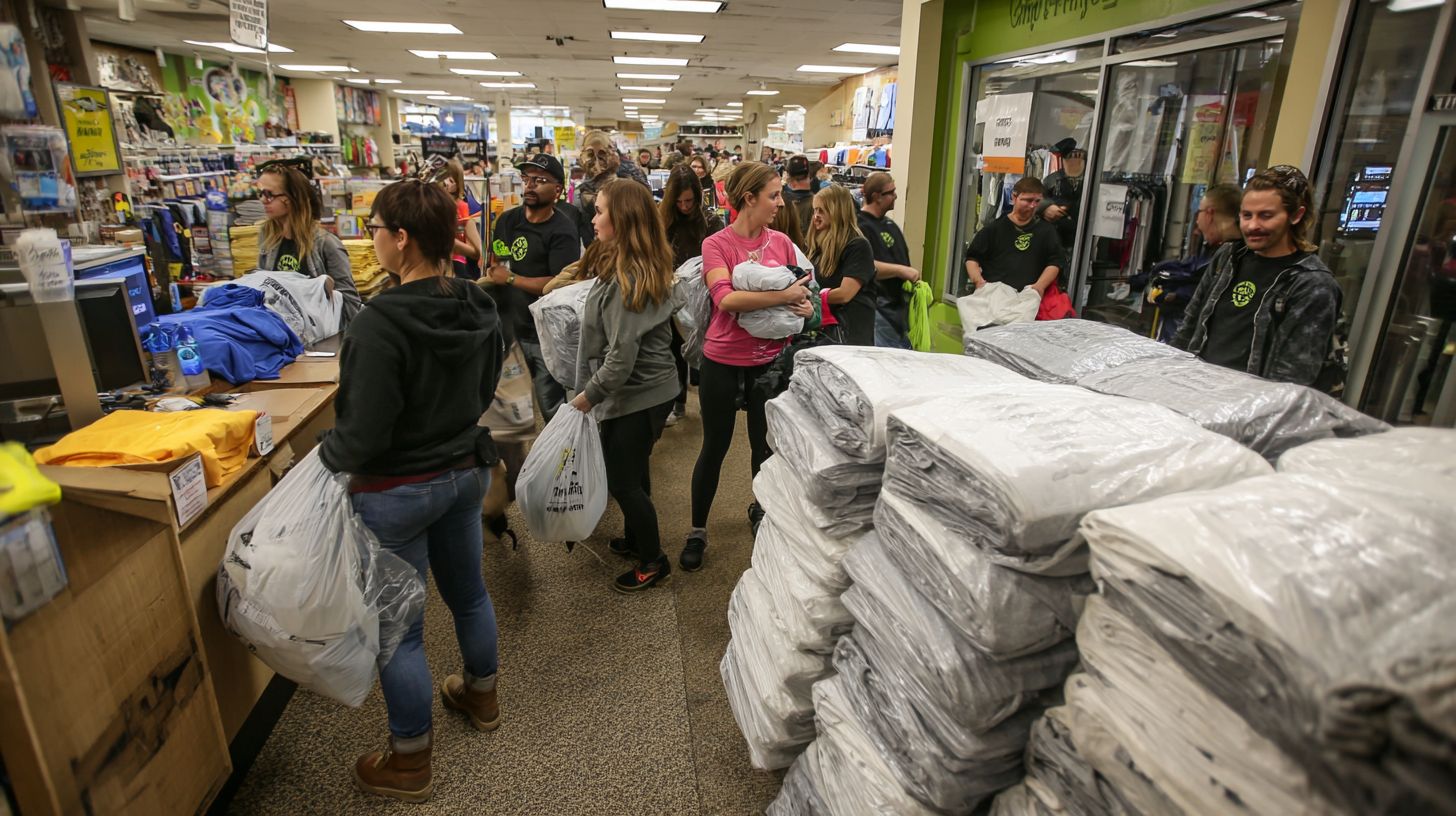
T-Shirt bags are ideal for high-traffic retail stores due to their durability, cost-effectiveness, and ease of use. They can withstand heavy loads without tearing, making them perfect for busy environments where customers carry multiple items. Their lightweight design allows for quick dispensing by cashiers, reducing checkout times, while the built-in handles provide convenient carrying options for shoppers navigating crowded stores.
Q: Why Are T-Shirt Bags Durable Enough for High-Traffic Retail Stores?
What makes T-Shirt bags ideal for high-traffic retail stores is their robust plastic construction, often made from high-density polyethylene, which resists punctures and tears even when loaded with groceries or merchandise. In fast-paced settings, this durability ensures fewer bag failures, minimizing waste and customer complaints during peak hours.
Q: How Do T-Shirt Bags Help with Cost Efficiency in High-Traffic Retail Stores?
The affordability of T-Shirt bags makes them a top choice for high-traffic retail stores, as they are inexpensive to produce and purchase in bulk. What makes T-Shirt bags ideal for high-traffic retail stores includes this low cost per unit, allowing stores to provide them without significantly impacting budgets, while still offering reliable performance for thousands of daily transactions.
Q: What Role Do Handles Play in Making T-Shirt Bags Suitable for High-Traffic Retail Stores?
The integrated handles on T-Shirt bags enhance their practicality for high-traffic retail stores by allowing easy one-handed carrying, which is crucial for customers juggling multiple bags or items. This feature, central to what makes T-Shirt bags ideal for high-traffic retail stores, speeds up the bagging process and improves the overall shopping experience in bustling environments.
Q: Are T-Shirt Bags Easy to Store in High-Traffic Retail Stores?
Yes, T-Shirt bags are highly space-efficient, folding flat and stacking neatly, which is what makes T-Shirt bags ideal for high-traffic retail stores with limited storage space. They can be stored in compact rolls or dispensers near checkout areas, ensuring quick access during rush periods without cluttering the sales floor.
Q: How Do T-Shirt Bags Support Fast Checkout in High-Traffic Retail Stores?
T-Shirt bags facilitate rapid bagging due to their open-top design and flexibility, allowing cashiers to pack items swiftly without fumbling. This efficiency is a key factor in what makes T-Shirt bags ideal for high-traffic retail stores, helping maintain short lines and high customer throughput during busy shopping times.
Ready to Upgrade Your Retail Packaging?
Boost efficiency and brand visibility with high-quality T-Shirt Bags from Aplasticbag.com—perfect for fast-paced retail environments across the USA. Designed for strength, convenience, and cost-effectiveness, these bags keep your checkout lines moving smoothly while promoting your brand with every carry.
👉 Order Now and experience packaging that works as hard as your business!
Why Choose Aplasticbag.com?
✔ Premium Quality Materials – Durable, tear-resistant bags built for high-volume use
✔ Custom Printing Options – Showcase your logo and brand identity effortlessly
✔ Competitive Wholesale Pricing – Save more on bulk orders
✔ Fast USA Delivery – Reliable shipping to meet your business demands
✔ Eco-Friendly Options Available – Support sustainability without compromising quality
✔ Trusted Industry Expertise – Proven experience serving retail businesses nationwide
Don’t slow down your store with low-quality bags.
Choose performance, affordability, and branding power—all in one.
👉 Order Now from Aplasticbag.com and keep your retail operations running at full speed!

 Why Are T-Shirt Bags the Most Versatile Carryout Option?
  Why Custom T-Shirt Bags with Logo Are the Hottest Trend in 2026
  5 Key Reasons Why T-Shirt Bags Are a Must for Grocery Stores
Comments