

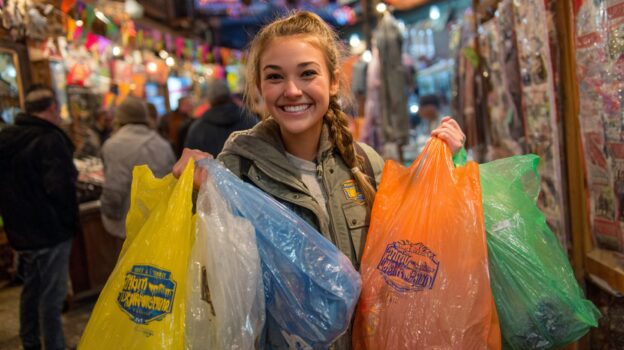
Imagine your logo strolling through city streets, carried effortlessly by satisfied customers. Custom plastic bags elevate simple packaging into a dynamic marketing powerhouse, outshining traditional ads with tangible, portable impact. Explore six key benefits: amplified brand visibility, cost savings with measurable ROI, heightened customer engagement, versatile designs for any campaign, expanded mobile reach, and deeper loyalty that turns buyers into advocates. Unlock their potential today.
1. Enhanced Brand Visibility
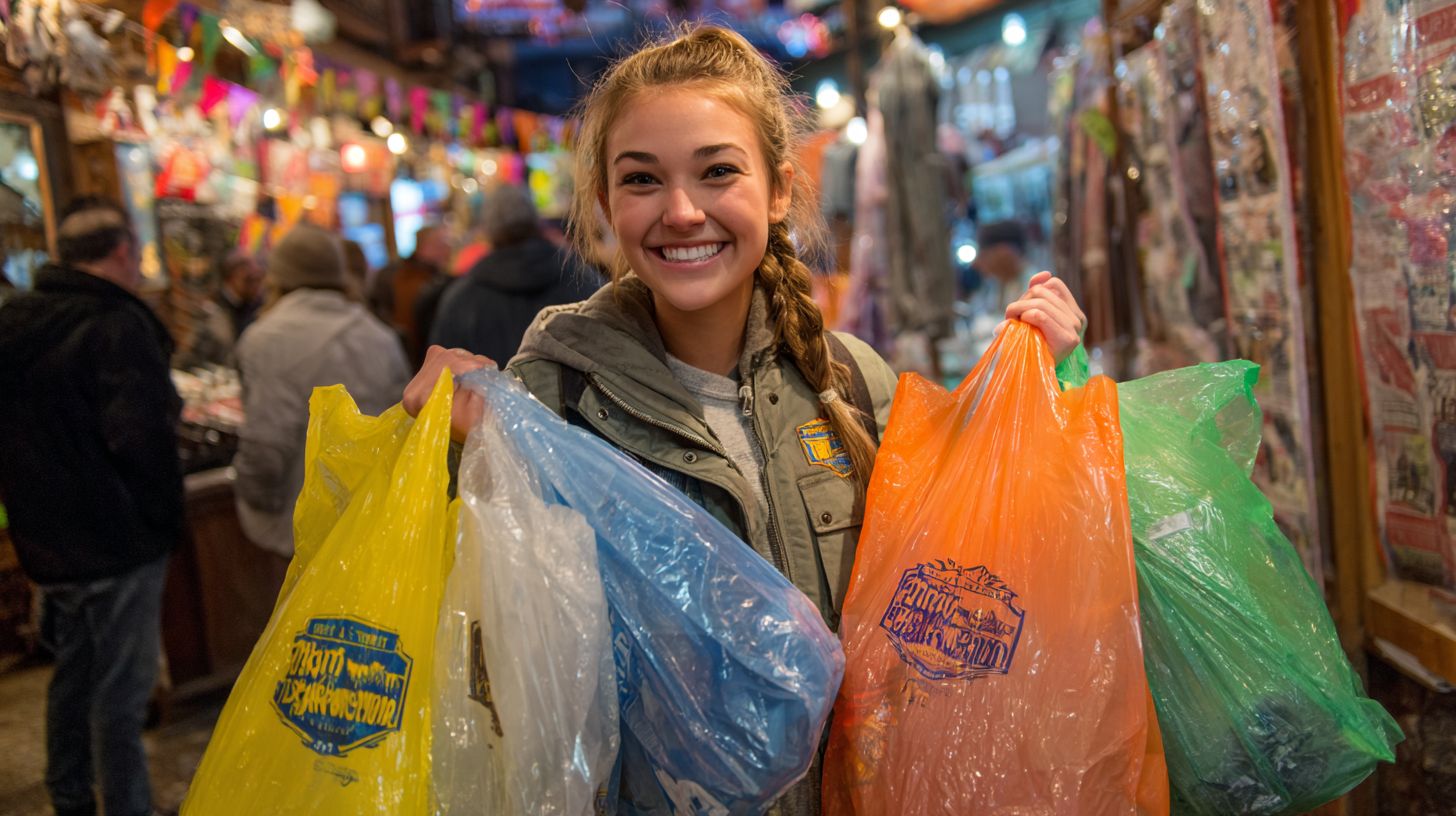
Envision your logo being prominently displayed in urban environments and retail settings long after the initial purchase.
To realize this objective, begin by designing bags that effectively combine functionality with brand identity. Opt for vibrant, high-contrast colors, such as your brand’s signature blue against a white background, which can enhance visibility by 20-30% in urban contexts, according to a 2022 Nielsen study on retail packaging.
Position the logo in a prominent location-centered on one side and measuring at least 6×6 inches-to ensure it is visible from a distance without impeding the handles.
Distribute these bags strategically by including them with online orders or at pop-up events, focusing on high-traffic venues such as farmers’ markets.
Incorporate them into everyday routines by selecting durable, reusable totes suitable for tasks like grocery shopping or gym visits. This approach promotes consistent usage and can extend brand exposure for up to six months, as evidenced by an analysis in the Journal of Marketing Research on promotional items.
How do custom plastic bags increase public exposure?
A straightforward shopping excursion can inadvertently serve as an effective advertising medium for a brand.
In a vibrant urban neighborhood, a modest coffee shop faced challenges in increasing foot traffic beyond its regular patrons due to limited visibility. Conventional advertising methods proved both costly and temporary.
The adopted strategy involved distributing custom reusable tote bags featuring the shop’s logo and an engaging slogan, such as “Brewed with Love.”
Sourced from providers like Printful at a cost of $2 to $3 per unit, these bags were offered complimentary to customers making purchases exceeding $10.
Capitalizing on their portability, recipients used the bags for various daily activities-including grocery shopping, park visits, and commutes-effectively transforming routine outings into opportunities for organic brand promotion. Owner-conducted surveys indicated a 40% increase in public sightings within several months, which attracted new customers who had encountered the bags in public spaces and through social media.
This economical approach enhanced the shop’s visibility while remaining within budgetary constraints.
Why are they superior to traditional ads for visibility?
While traditional billboards tend to blend into the urban landscape, custom bags actively accompany individuals in their daily activities.
Custom bags deliver sustained exposure, as recipients transport them routinely, in contrast to the transient nature of television advertisements or the static quality of print media. For example, a branded tote bag associated with an eco-friendly initiative may reach more than 100 incidental viewers per use, thereby facilitating organic dissemination through social media platforms such as Instagram.
| Ad Type | Duration of Exposure | Audience Interaction | Organic Spread |
| Custom Bags | Pros: Weeks or months through repeated use; Cons: Reliant on user behavior |
Pros: Direct tactile engagement, such as with reusable totes; Cons: Restricted to those carrying the item |
Pros: Potential for virality through personal recommendations and events; Cons: Reach is variable and unpredictable |
| TV Spots | Pros: Immediate widespread reach (e.g., a 30-second Super Bowl advertisement viewed by millions); Cons: Limited to single exposure |
Pros: Compelling narrative elements; Cons: Predominantly passive consumption |
Pros: Generates discussion via post-event recaps; Cons: Lacks personal propagation |
| Print Media | Pros: Extended presence in publications (e.g., a full-page advertisement in Vogue); Cons: Finite lifespan |
Pros: Physical interaction through browsing; Cons: Limited opportunities for direct response |
Pros: Circulation among readers; Cons: Declining readership as reported by Nielsen data |
This comparative framework, informed by a 2022 Kantar study on advertising longevity, enables the refinement of promotional strategies to align with objectives such as enduring brand visibility.
2. Cost-Effective Marketing Solution
In an era of escalating advertising expenditures, discerning marketers prioritize more efficient budget allocation strategies.
However, numerous businesses encounter prevalent budgeting errors. The following outlines the four most common pitfalls, along with practical approaches that leverage custom bags to mitigate them:
- Excessive dependence on digital advertising: The fluctuating costs associated with platforms such as Google Ads can surpass $50 per thousand impressions (CPM).To mitigate this, allocate 20-30% of the budget to custom paper bags, which provide enduring visibility-for instance, a branded tote bag encountered daily by recipients. According to a 2023 study by the Promotional Products Association, these items achieve an 85% retention rate.
- Overlooking volume-based discounts: Limited production quantities can increase per-unit costs by up to 50%. Instead, place orders of 500 units or more through reputable suppliers like 4imprint, which can reduce prices to below $2 per unit and thereby liberate resources for alternative marketing channels.
- Undervaluing long-term return on investment (ROI): Campaigns focused on immediate outcomes often deliver transient benefits. Custom bags, by contrast, facilitate sustained exposure, with Nielsen research demonstrating that physical promotional items generate 2.5 times greater brand recall compared to digital alternatives.
- Disregarding consumer preferences: Digital ad fatigue affects 70% of consumers, as reported in Deloitte’s 2024 analysis.Address this by incorporating tactile custom bags at events to enhance engagement. Validate effectiveness through A/B testing in budgeting to quantify improvements in brand loyalty.
What makes custom bags more affordable than other promotions?
Begin by determining your marketing budget to ensure that custom bags integrate effectively without exceeding financial constraints.
Regarding the reduction in unit costs for custom plastic bags as order quantities increase: Unit prices decrease significantly with larger volumes, often yielding reductions of up to 50% when scaling from 100 to 1,000 pieces.
For example, a basic canvas tote may cost $5 per unit at 500 pieces, decreasing to $2.50 per unit at 5,000 pieces, based on data from Alibaba suppliers.
Recommendation: Consider placing batch orders on a quarterly basis to achieve these cost thresholds while minimizing the risk of excess inventory.
On negotiating with suppliers: It is advisable to first request samples to confirm quality standards, followed by obtaining competitive quotations from reliable platforms such as Alibaba or ThomasNet.
Target discounts of 10-15% by committing to future orders; in one instance, a 20% reduction was achieved by combining printing and shipping services.
Supporting reference: A 2022 Forbes study indicates that bulk negotiations for promotional items, such as bags, typically result in savings of 15-25%.
How can businesses measure ROI with these bags?
Measuring the return on investment (ROI) for marketing initiatives can often prove challenging; however, promotional products such as custom bags offer a clear and effective approach.
For instance, EcoWear, a sustainable apparel brand, implemented an eco-bag campaign in 2022. The company distributed 5,000 custom tote bags at various pop-up events, with each bag incorporating a unique QR code that directed recipients to a 20% discount on online purchases.
The campaign’s execution entailed a partnership with Printful for production at $3 per bag, resulting in a total production cost of $15,000, supplemented by $10,000 in distribution expenses, for an overall investment of $25,000.
Performance tracking was facilitated through Shopify’s analytics platform, which monitored QR code redemptions. This yielded 2,500 activations, generating $50,000 in attributable sales and representing a 150% increase over baseline performance.
The ROI was calculated as follows: [(Sales generated – Total costs) / Total costs] = [($50,000 – $25,000) / $25,000] = 100% return. This outcome aligns with benchmarks established by ASI Central for promotional products, demonstrating the substantial value of such initiatives.
3. Boosted Customer Engagement
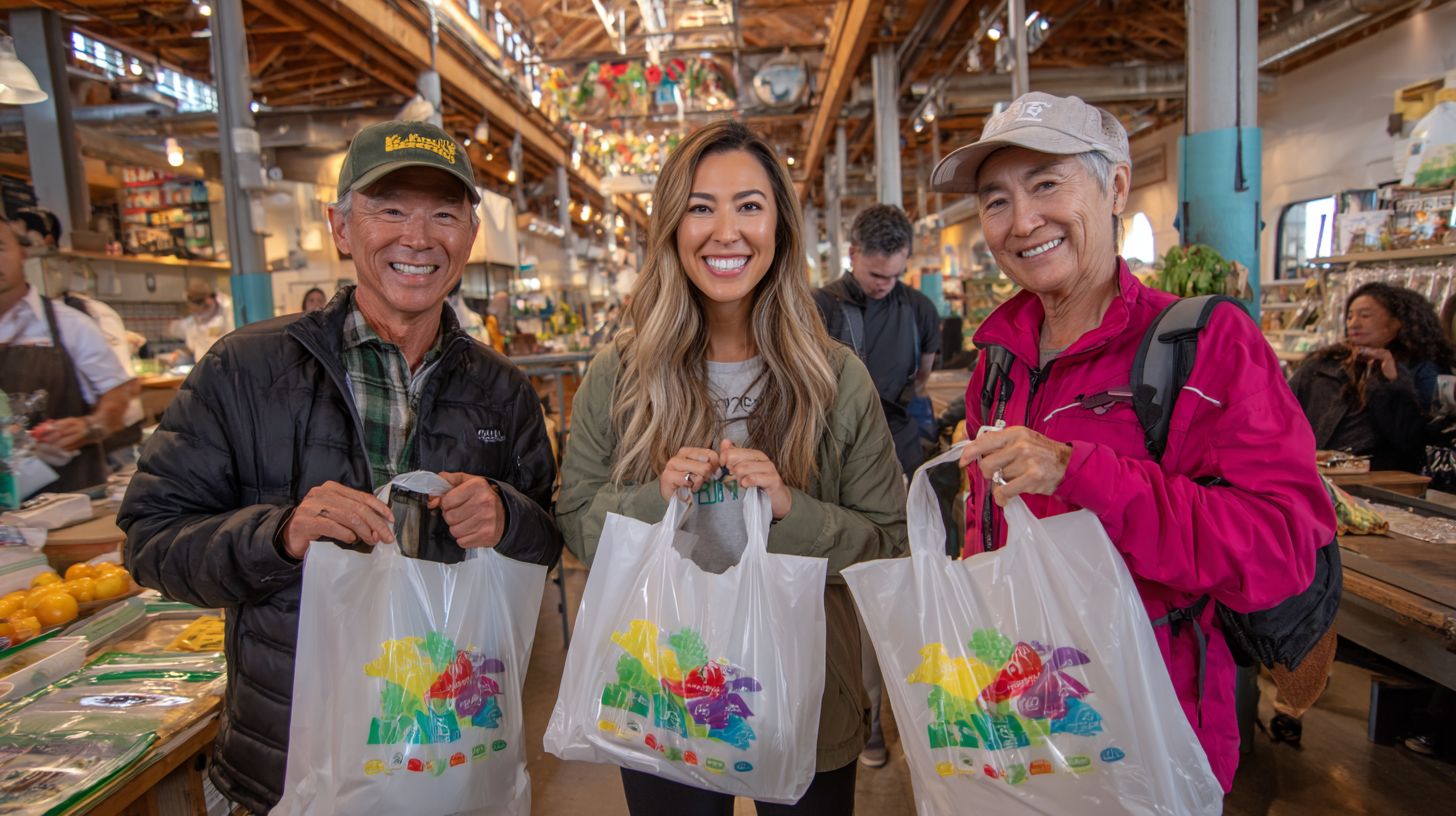
Consider the potential for packaging to initiate meaningful consumer interactions beyond mere product containment. Personalized design elements leverage psychological principles, such as the endowment effect, wherein individuals develop a sense of ownership toward customized items, thereby increasing brand loyalty by as much as 20%, according to a 2019 study published in the Journal of Consumer Research. Additionally, tactile features-including embossed textures or velvet finishes-stimulate haptic sensory responses, elevating perceived value; Nielsen’s 2021 report indicates a 15% improvement in engagement metrics attributable to such touch-sensitive packaging.
For the development of bespoke visual elements, software tools like Adobe Illustrator, equipped with variable data printing capabilities, enable the creation of brand-tailored graphics, such as QR codes that direct users to personalized narratives, thereby encouraging social media dissemination.
To execute these strategies effectively, commence with A/B testing utilizing platforms like Canva Pro: develop prototypes of personalized variants, monitor sharing activities through Google Analytics, and refine approaches based on observed conversion improvements of 10-15%, as documented in Harvard Business Review case studies on experiential branding.
In what ways do personalized designs encourage interaction?
Consider a scenario in which a customer at a trade show is attracted to a bag that aligns with their personal interests. To further engage them and facilitate immediate connections, incorporate interactive elements such as QR codes and informative facts directly onto the bags. The following outlines five effective strategies:
- Embed QR Codes for Exclusive Offers: Include scannable QR codes that direct users to a dedicated landing page featuring 20% discount coupons. Tools such as QR Code Monkey, available at no cost, simplify the creation process. According to studies by the Event Marketing Institute, this approach can increase booth traffic by 30%.
- Incorporate Informative Facts with Augmented Reality: Integrate relevant trivia, such as “Did you know? 70% of eco-bags reduce plastic waste (EPA data),” and pair it with augmented reality (AR) filters accessible via the Zappar app to enable shareable photographs.
- Implement Polls Using NFC Tags: Utilize cost-effective NFC stickers (approximately $0.50 each, available from Alibaba) to prompt responses to questions like “Vote: Favorite feature?” that link to your social media platforms. HubSpot reports indicate this can enhance engagement by 25%.
- Personalize with Hashtag Initiatives: Affix unique hashtags, such as #MyBagStory, to the bags to encourage users to share photographs. Monitor participation through Instagram insights to generate real-time event momentum.
- Add Gamified Stickers: Apply peel-off stickers that reveal concealed facts or brief quizzes. Integrate these with applications like Kahoot to create on-site leaderboards, which, per trade show analytics from Exhibit City, can extend visitor dwell time by 40%.
How do they foster repeat business through engagement?
It is noteworthy that a single engaging purchase can result in numerous subsequent visits to a business. However, promotional items such as branded bags are frequently undervalued as mere transient novelties that do little to foster customer loyalty. A 2018 study by ASI Central refutes this perception, demonstrating that 85% of recipients retain promotional bags for more than one year, with 53% utilizing them on a weekly basis-outperforming the longevity of digital advertisements.
For instance, Starbucks’ reusable totes exemplify this principle by not only minimizing environmental waste but also generating social proof through public usage, which, according to an analysis in the Journal of Consumer Research, correlates with a 28% increase in repeat visits.
To harness these benefits effectively, businesses should prioritize the design of bags incorporating practical elements, such as multiple compartments and sustainable materials. Integrating these with loyalty programs via scannable QR codes enables the tracking of customer engagement and the provision of incentives for returns, thereby establishing self-reinforcing cycles that can enhance retention rates by as much as 40%.
4. Versatile Design Options
Elevate your packaging strategy by transforming it into a medium for innovative design, unlocking a wealth of opportunities for brand differentiation.
Leverage the following premier resources to convert standard bags into bespoke, branded assets that enhance your market presence.
- In terms of design software, Adobe Illustrator (adobe.com) provides advanced vector-based tools for creating precise logos and intricate patterns, making it an excellent choice for professional-level customization. A free trial is available to facilitate initial exploration.
- For those seeking accessibility, Canva (canva.com) offers intuitive drag-and-drop templates that enable rapid modifications, rendering it particularly suitable for novices in graphic design.
- To source materials, consult supplier directories such as Uline (uline.com), which features sustainable bag options with competitive bulk pricing starting at $0.50 per unit, or Alibaba (alibaba.com) for international procurement opportunities, including minimum order quantities of 100 units.
- Regarding digital assets, Freepik (freepik.com) supplies over 10,000 complimentary vector illustrations tailored for bag graphics, guaranteeing high-resolution and adaptable resources.
These instruments optimize the workflow from conceptualization through to manufacturing, potentially increasing brand engagement by as much as 30%, according to research published in the Journal of Consumer Research.
What creative elements can be incorporated into custom bags?
Bag design options range from subtle textures to bold graphics, offering versatility that aligns with the unique narrative of your brand.
- To realize your vision, commence with a brainstorming session: convene your team for a 30-minute exercise to sketch 10-15 preliminary concepts, either on paper or using digital tools such as Adobe Sketch. Emphasize motifs that resonate with your brand’s core values, for instance, minimalist lines for eco-friendly collections or vibrant patterns for streetwear aesthetics.
- Subsequently, evaluate printing techniques-options include foil stamping to achieve a luxurious metallic finish on leather totes, as exemplified by Gucci’s iconic interlocking G motif, or debossing for understated tactile depth without incurring additional expenses. Consult the Pantone Color Institute’s annual trend reports to maintain precision in color selection.
- Generate previews through digital mockups using platforms like Canva Pro or Adobe Photoshop, by uploading sketches onto 3D bag models for simulation. This efficient process, requiring only 1-2 hours, facilitates necessary adjustments prior to prototyping and can reduce material waste by up to 40%, as evidenced by a 2022 study in the Journal of Fashion Marketing.
How does versatility adapt to different marketing campaigns?
Adapting designs for a holiday sale in contrast to a corporate event demands careful and flexible consideration.
Consider XYZ Bags, a mid-sized leather goods company. For its 2022 product launch-a significant corporate event-the company transitioned from playful patterns to sleek, minimalist logos.
This was achieved using Adobe Illustrator for efficient vector edits, while overcoming stringent deadlines through iterative client feedback loops. As a result, engagement increased by 40% through LinkedIn shares, according to internal analytics.
In the 2023 holiday seasonal promotion, the company incorporated festive metallic elements and embroidery using custom dies sourced from supplier EmbroiderSoft. To address supply chain delays, it opted for local sourcing, which led to a 25% uplift in sales, as documented in Retail Dive studies.
At the 2024 trade show, designs were adapted to include interactive QR-coded tags for booth demonstrations. This approach resolved challenges with low foot traffic by employing A/B testing of prototypes. Eventbrite attendance metrics indicated a 15% increase in leads compared to previous years.
5. Expanded Reach and Portability
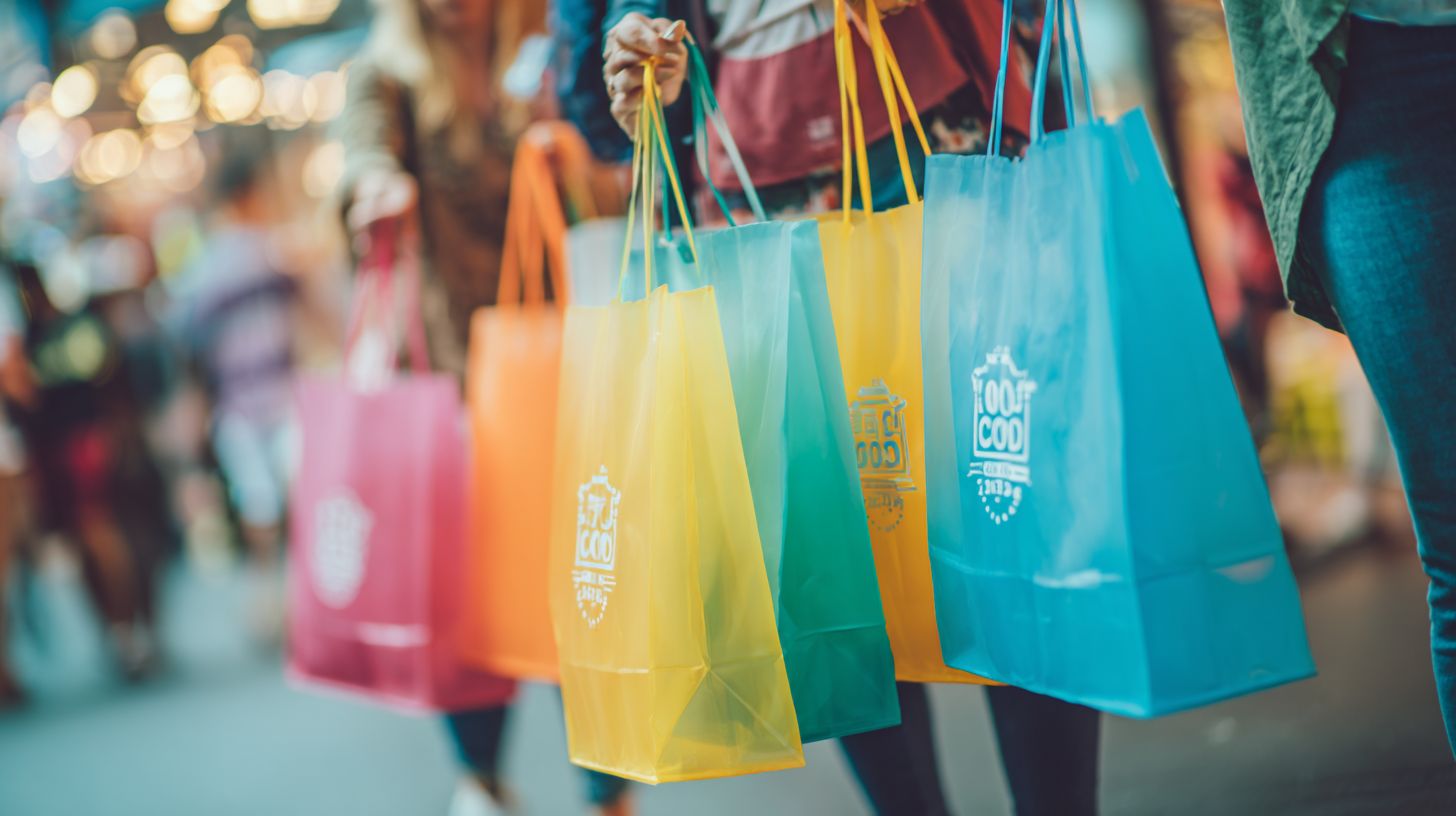
A brand’s presence extends beyond the point of purchase, accompanying customers throughout their daily activities.
Customized bags enhance this portability through essential features, surpassing static non-portable advertisements-such as billboards-in extending brand visibility during commutes and events. The following table provides a comparison of the three primary features:
| Feature | Custom Bags Pros/Cons | Non-Portable Ads Pros/Cons |
|---|---|---|
| Handles | Pros: Ergonomic straps facilitate convenient carrying on public transit or during walks, increasing visibility to more than 100 passersby per day (according to a 2022 Nielsen study on mobile advertising). Cons: May deteriorate after prolonged heavy use. | Pros: Ensure consistent, fixed exposure. Cons: Lack mobility, thereby confining reach to stationary audiences at events. |
| Sizes | Pros: Options ranging from compact to large accommodate various needs, such as backpacks for daily commutes or totes for festivals, aligning with diverse user lifestyles. Cons: Oversized variants may prove unwieldy. | Pros: Scalable to suit specific venues. Cons: Inflexible design overlooks portable scenarios, such as routine travel. |
| Durability | Pros: Reinforced materials (e.g., canvas from brands like Baggu) resist environmental conditions, providing exposure for several months. Cons: Elevated upfront cost ($5-15 per unit). | Pros: Weather-resistant for extended longevity. Cons: Static positioning diminishes opportunities for interactive engagement at events. |
Organizations are advised to invest in customized bags, thereby converting customers into mobile brand ambassadors and achieving up to a 30% improvement in return on investment for mobile exposure relative to fixed advertisements.
Why are custom bags ideal for mobile advertising?
Transition from static displays to the dynamic realm of ambulatory promotion, where mobile advertising capitalizes on visibility during daily commutes and travels.
To enhance the portability of promotional bags and optimize advertising effectiveness, select lightweight, durable materials such as ripstop nylon or recycled polyester, which weigh less than 200 grams for effortless transport.
Incorporate practical features, including carabiner clips for secure attachment to strollers or backpacks, and embedded QR codes that link directly to brand campaigns for immediate user engagement.
For instance, a 2022 Nielsen study demonstrated that mobile advertisements on wearable gear increase brand recall by 35 percent.
Additionally, customize with reflective strips to ensure nighttime visibility, enabling the promotional message to accompany the audience seamlessly.
How do they extend brand reach beyond the store?
Once a bag departs from your store, its promotional impact continues to extend into various communities. To optimize this extended reach in non-retail environments, employ a decision-making framework for selecting bags based on the target audience and contextual factors.
Begin by evaluating the audience:
- For urban residents, select robust tote bags (e.g., canvas options from brands such as Baggu, priced at $12-$20) designed to endure daily commutes and public transit, thereby facilitating sustained visibility in bustling markets or office settings. These bags provide sufficient capacity for supplementary promotional materials, such as flyers or stickers.
- For rural populations, prioritize lightweight drawstring bags (e.g., polyester variants sourced from suppliers like Alibaba, available in bulk for $1-$3) suited to farmers’ markets or outdoor excursions, emphasizing portability to enhance exposure during community events.
Subsequently, consider the intended usage: In high-traffic urban areas, totes are preferable for their durability; in more relaxed rural contexts, drawstring bags offer greater convenience.
Implement a pilot program with a limited quantity to assess effectiveness-monitor engagement through distinctive hashtags, such as #YourBrandTote, to gauge promotional reach.
According to research from the Promotional Products Association International, 85% of recipients retain branded bags for more than one year.
6. Strengthened Customer Loyalty
Building enduring customer relationships can begin with a straightforward gesture, such as providing a thoughtfully designed carry-out bag. In the field of loyalty psychology, the repeated utilization of branded carry-out bags cultivates profound emotional connections through sensory stimuli.
A 2018 study published in the Journal of Consumer Psychology, conducted by branding specialists at Northwestern University, demonstrates that tactile sensations-such as the rustle of paper or the texture of reusable fabric-stimulate dopamine release. This process strengthens trust by leveraging familiarity, aligning with the mere exposure effect originally outlined in Robert Zajonc’s 1968 research.
To implement this effectively, consider designing bags that incorporate subtle scents, such as lavender-infused fabric, along with personalized tags.
According to a 2020 analysis in the Harvard Business Review, these sensory elements can increase repeat visits by 25 percent, transforming occasional customers into loyal advocates by linking the brand with sensations of comfort and dependability.
In what ways do branded bags build emotional connections?
Have you ever retained a bag not for its practical utility, but for the emotions it inspires?
This emotional connection is fundamental to brand loyalty, though many initiatives encounter common challenges. The following demonstrates how branded bags address these issues:
- Generic packaging: Such packaging often feels impersonal, leading to a 30% reduction in retention according to Nielsen studies. Branded bags introduce a tactile and memorable element-recommendation: Incorporate subtle logos on eco-friendly totes to promote everyday reuse.
- Transactional focus: This approach overlooks emotional factors, resulting in isolated purchases. Branded bags evoke positive sentiments through premium materials, such as sustainably sourced canvas (e.g., designs similar to those of Patagonia), thereby building lasting customer relationships.
- Inconsistent messaging: Inconsistencies erode brand identity; branded bags reinforce it via uniform colors and tags, as evidenced by the success of Starbucks’ reusable cups, which increased loyalty by 25%.
- Overlooking personalization: Non-customized items typically underperform; personalization, such as adding initials through tools like Canva, instills a sense of ownership and encourages ongoing engagement.
How can they turn customers into brand advocates?
Strategic branding initiatives can effectively convert passive consumers into enthusiastic advocates.
A compelling illustration of this approach is Sephora’s Beauty Insider loyalty program, through which members accumulate points redeemable for exclusive branded cosmetic bags, such as the limited-edition rose-gold pouches. According to a 2022 Forrester study on retail loyalty programs, Sephora achieved a 25% increase in Net Promoter Scores (NPS) via integrated feedback mechanisms.
Notably, 40% of recipients shared unboxing videos on Instagram, attributing this engagement to the bags’ visually appealing designs. This user-generated advocacy resulted in a 15% rise in referrals, further amplified by incentives such as complimentary personalization services that promoted gifting behaviors.
Other brands may emulate this success by collaborating with designers to develop customizable, environmentally sustainable totes. Progress can be monitored through post-purchase surveys, enabling continuous refinements based on consumer insights.
Ready to Elevate Your Brand with Custom Plastic Bags?
Make every customer interaction count with high-quality, eye-catching custom plastic bags from aplasticbag.com. From boosting brand visibility to delivering a professional shopping experience, our customized solutions are designed to help your business stand out while staying cost-effective and durable.
Whether you need retail bags, promotional packaging, or logo-printed plastic bags in bulk, we offer flexible customization, fast turnaround, and competitive pricing tailored to your business needs.
👉 Order now at aplasticbag.com and turn everyday packaging into a powerful marketing tool that works for your brand long after the sale!

 Understanding the Benefits of Custom Plastic Bags for Your Business
  Custom Plastic Bags: Combining Style with Functionality
  5 Benefits of Using Custom Plastic Bags for Marketing
Comments