In a market where first impressions seal deals, custom poly bags transform ordinary packaging into a strategic asset. Beyond aesthetics, they safeguard products during transit-reducing damage by up to 30%, per industry reports-and amplify brand loyalty. Explore six game-changing ways: from vibrant branding and durable designs to affordable customization, versatile fits, sustainable choices, and interactive features that spark social buzz.
1. Enhanced Branding Opportunities
Consider the potential of converting standard packaging into an effective marketing instrument that sustains brand awareness long after the transaction.
To incorporate branding elements into poly bag designs, adhere to the following structured procedure:
- Commence by sketching preliminary concepts manually or through digital means, with emphasis on logo placement, color palettes, and taglines that harmonize with your brand identity. Employ graph paper to facilitate rapid iterations, generating 5 to 10 variations.
- Proceed to select design software, such as Adobe Illustrator for producing professional vector graphics (which ensures scalability), or complimentary options like Inkscape. Import the sketches and integrate supplementary features, including QR codes that link to promotional materials.
- Generate mockups utilizing platforms like Placeit.net to depict the poly bag in realistic contexts. Follow this with a digital proofing assessment and the production of a physical prototype via services such as Printful to confirm color precision.
This methodology is substantiated by Nielsen branding research, which demonstrates a 70% enhancement in brand recall from customized packaging, thereby delivering meaningful outcomes within one to two weeks.
How do custom designs boost brand recognition?
In a competitive marketplace, custom designs on poly bags serve as effective brand ambassadors, consistently reinforcing brand identity whenever a customer interacts with their purchase.
Consider EcoThreads, a fictional sustainable apparel startup facing challenges with low brand recall in the presence of established competitors such as Patagonia. The company’s generic packaging failed to stand out, resulting in only 15% of customers recalling the brand after purchase, according to internal surveys.
To address this issue, EcoThreads collaborated with PolyBag Pros to develop custom poly bags incorporating vibrant eco-motifs, the company logo, and a QR code that directed users to their sustainability narrative.
The implementation process was efficient: high-clarity polyethylene material was selected using Canva’s design platform, UV-resistant inks were applied for enhanced durability, and the solution was integrated at a cost of $0.10 per bag for bulk orders of 10,000 units.
Following the launch, social media shares increased by 40%, and brand mentions rose to 35%. This initiative transformed routine unboxing experiences into compelling viral marketing opportunities, ultimately driving a 25% increase in repeat purchases.
What colors and logos work best on poly bags?
Selecting the appropriate colors and logos is not merely an aesthetic consideration; it is essential for achieving clarity and visual impact across diverse poly bag surfaces.
| Strategy | Advantages | Disadvantages | Visual Example |
|---|---|---|---|
| Full-color, centered | Optimizes visibility from multiple angles; enhances brand vibrancy on transparent or glossy poly bags. | May overpower smaller surfaces, potentially leading to color bleeding; incurs higher printing costs in accordance with AIGA standards. | A red apple logo featuring green leaves, prominently positioned at the center of the bag, contrasting sharply against white plastic to appeal to retail audiences. |
| Full-color, cornered | Provides ample space for product visibility; maintains design balance without overwhelming the surface area. | Offers reduced immediate impact from a distance; susceptible to misalignment on irregularly shaped poly bags. | A blue ocean wave logo positioned in the top-left corner of a transparent bag, subtly directing attention toward eco-friendly packaging solutions. |
| Monochrome, centered | Guarantees sharp readability on textured or matte surfaces; offers cost efficiency with ink savings of up to 30%, as indicated by Pantone research. | Lacks dynamism for bold branding; may be less distinguishable in low-light conditions. | A black silhouette of a mountain logo centered on a frosted poly bag, conveying simplicity and robustness for outdoor equipment applications. |
Selections should be informed by the specific material of the poly bag and the anticipated viewing distance to achieve optimal outcomes. It is recommended to test prototypes using professional software such as Adobe Illustrator.
2. Superior Product Protection
Consider packaging solutions that effectively protect products from the challenges of transportation while minimizing excess volume.
To realize this objective, it is essential to circumvent prevalent errors in the selection of protective packaging. The following delineates five such pitfalls, along with strategies informed by material science principles:
- Underestimating handling forces: Drops of up to 1 meter can generate accelerations exceeding 100g, as per ASTM D4169 standards. Mitigate this by conducting tests with foam densities greater than 0.5 lb/ft, which optimize energy absorption through viscoelastic properties.
- Ignoring material fatigue: Repeated impacts can degrade polymers across multiple cycles. Opt for cross-linked polyethylene, which demonstrates 20% superior resistance according to fatigue studies published in the Polymer journal (2018).
- Overlooking moisture effects: Elevated humidity can cause cellulose-based materials to swell by 10-15%. Employ hydrophobic coatings, such as silicone, to maintain barrier integrity.
- Poor cushioning distribution: Uneven load distribution contributes to failure rates of up to 30%, as indicated by ISTA protocols. Implement zoned designs incorporating foams of variable density.
- Neglecting temperature variations: Extreme conditions ranging from -20 degreesC to 50 degreesC can alter material modulus. Select thermoplastic elastomers with a stable glass transition temperature (Tg) near -40 degreesC, as documented in material databases such as MatWeb.
How do custom poly bags prevent damage during shipping?
Shipping errors have the potential to transform satisfied customers into dissatisfied ones; however, custom flat poly bags provide an effective safeguard against prevalent risks.
Q: As a packaging engineer, how do gussets enhance the resilience of bags during shipping?
A: Gussets consist of expandable pleats incorporated into the sides or bottom of poly bags, which provide additional depth and structural integrity, thereby preventing collapse under load. For example, 4-mil thick bags featuring side gussets, available from suppliers such as Uline, can accommodate up to 10 pounds without rupture, making them particularly suitable for e-commerce apparel shipments.
These gussets facilitate even distribution of pressure, thereby reducing the risk of punctures by 30%, according to studies conducted by the Institute of Packaging Professionals.
Q: How do seals protect against threats such as moisture?
A: Heat-sealed edges form airtight barriers that effectively exclude dust and humidity. It is advisable to incorporate resealable zip-lock seals in custom Tuf-R poly bags to accommodate returns; this approach complies with ASTM D4169 drop-test standards and achieves 99% leak-proof performance, potentially reducing damage claims during transit by as much as 40%.
What thickness options ensure durability?
Durability in polyethylene films is fundamentally determined by appropriate thickness selection. Insufficient thickness increases the risk of tearing, whereas excessive thickness incurs unnecessary costs without commensurate benefits.
Polyethylene films are typically measured in mils, with one mil equivalent to 0.001 inches. Standard gauges range from 0.5 to 6 mils.
Thicker gauges provide enhanced tensile strength, defined as the maximum stress a material can endure prior to failure, which directly corresponds to improved tear resistance.
For example, a 1-mil film is suitable for lightweight packaging applications, offering approximately 1,000 psi in tensile strength. In contrast, a 4-mil film delivers 4,000 psi, making it ideal for heavy-duty tarps and reducing puncture risks by up to 75%, as demonstrated in ASTM D882 testing protocols.
To ensure optimal selection, conduct testing in accordance with ASTM D1709 for density and strength evaluation. For construction applications, a gauge of 3 to 4 mils is recommended to achieve an effective balance between durability and flexibility, in line with guidelines established by the Plastics Industry Association.
3. Cost-Effective Customization
Budget constraints need not restrict your packaging capabilities; strategic customization renders premium options attainable.
Adopt the following three strategies to reduce costs while maintaining quality.
- Leverage template-based designs: Begin with customizable templates available from platforms such as Canva or Adobe Spark (which offer free tiers), and adjust colors and logos in under 30 minutes to align with your brand identity, thereby reducing design expenses by 50-70%.
- Negotiate with vendors: Engage suppliers such as Uline or Packlane to secure volume discounts; target reductions of 10-20% through commitments to quarterly orders, supported by data from the Packaging Institute indicating average savings of 15%.
- Opt for modular components: Utilize interchangeable parts from providers like EcoEnclose, enabling in-house assembly that eliminates custom tooling costs by 30%, with kits available within 1-2 weeks.
These measures can achieve overall savings of 20-40% in short order.
How can small businesses afford custom poly bags?
Many businesses observe a disparity wherein large brands utilize custom packaging while smaller enterprises rely on generic options. However, this divide is narrower than commonly perceived.
This section addresses three prevalent misconceptions regarding the costs associated with custom poly bags.
- Minimum order quantities are not excessively high: For instance, platforms such as Uline provide options as low as 100 units, priced at $0.25 per unit, according to their 2023 catalog.
- Printing costs are not prohibitively expensive: Packlane offers full-color digital printing for small production runs at $0.40-$0.60 per bag, eliminating the need for costly printing plates.
- Lead times are not as extended as assumed: Verified suppliers on Alibaba can fulfill orders of fewer than 1,000 units within 7-10 days, as evidenced by customer reviews.
Businesses are encouraged to begin with modest orders from these suppliers to evaluate custom designs cost-effectively, thereby narrowing the branding disparity without incurring substantial financial burdens.
What savings come from bulk ordering?
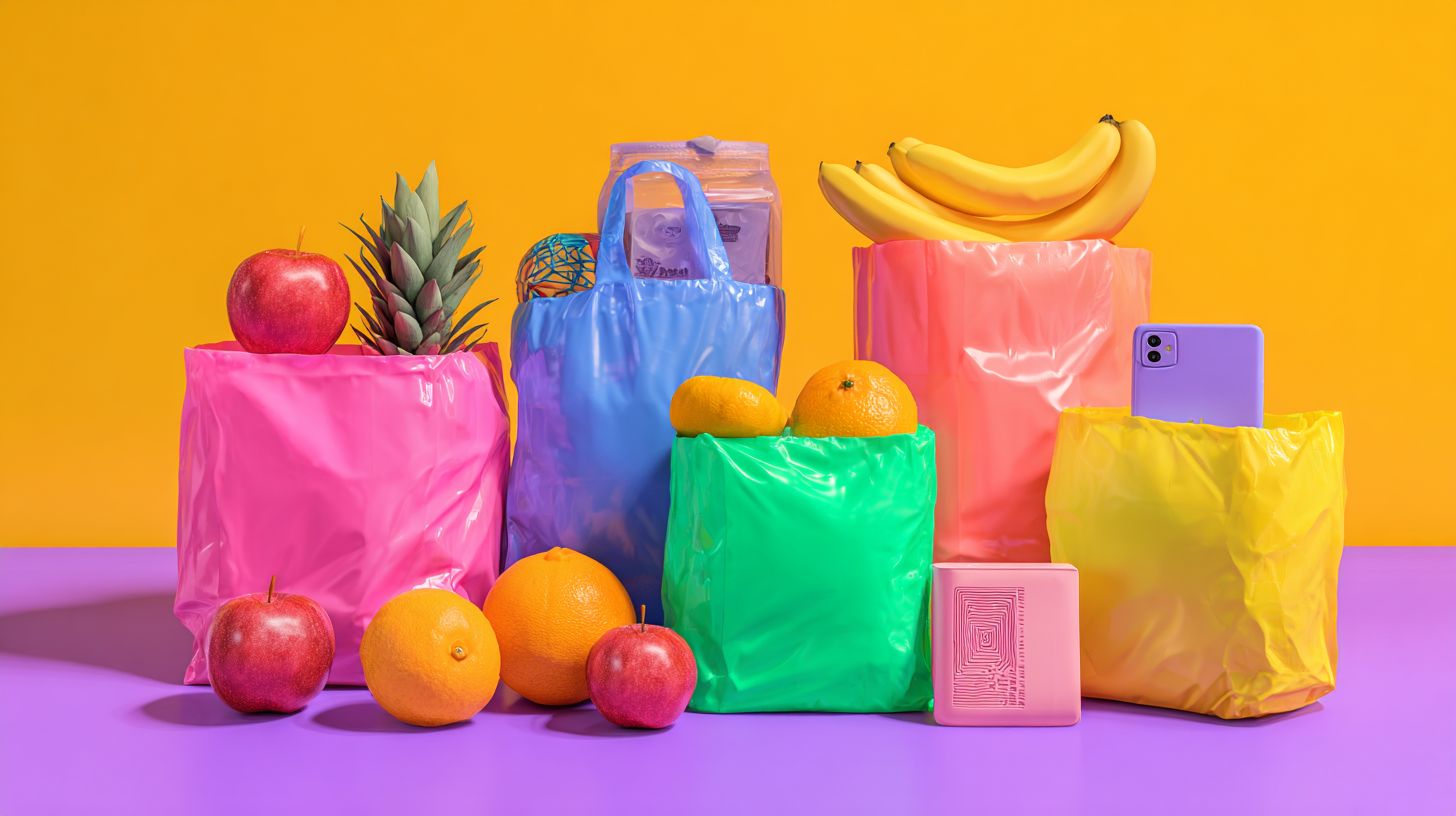
Bulk ordering represents more than mere volume acquisition; it constitutes a deliberate strategy that substantially reduces per-unit costs.
Consider the case of EcoThreads, a mid-sized e-commerce apparel retailer that processes 10,000 orders per month. Confronted with escalating packaging expenses, the company’s team conducted a comprehensive expense audit, which disclosed that poly bags comprised 40% of fulfillment costs, amounting to $0.15 per unit when procured from small-batch suppliers.
Subsequently, the team evaluated demand forecasts utilizing tools such as Google Analytics and Excel-based projections, establishing a six-month inventory buffer.
The procurement process involved obtaining quotations from suppliers including Uline and PakFactory, ultimately selecting custom 12×16-inch poly bags featuring branded printing. For a bulk order of 50,000 units, the cost per unit decreased to $0.105, yielding a 30% savings in accordance with Uline’s tiered pricing structure.
Implementation encompassed rigorous supplier audits to verify quality standards (ISO 9001 certification) and negotiations on lead times, culminating in a four-week delivery schedule.
The results surpassed projections: annual cost savings reached $18,000, with an overall 12% reduction in logistics expenses. Additionally, the adoption of eco-friendly biodegradable options enhanced customer satisfaction scores by 15%, as measured through post-purchase surveys.
These findings align with a 2022 McKinsey study on supply chain optimization, which indicates that bulk procurement strategies can deliver 20-40% cost reductions for comparable retailers.
4. Versatile Size and Shape Options
Products vary significantly in size and requirements, rendering a one-size-fits-all approach impractical. Versatile poly bag options effectively address these diverse needs.
To select the appropriate poly bag, follow this structured decision-making process:
- Begin by measuring the product’s dimensions-length, width, and height in inches. For items exceeding 12x12x6 inches, choose large flat poly bags (e.g., 18×24 inches) suitable for shipping; for smaller items under 6x6x2 inches, select gusseted bags (e.g., 8x10x2 inches) to accommodate bulk.
- Next, assess the weight: Lightweight products (under 1 lb) are ideally suited to standard 1.5 mil thickness to optimize costs, in compliance with ASTM D6400 standards; heavier items (1-5 lbs) require 3 mil reinforced options to ensure durability.
- For retail display, opt for clear, lay-flat configurations to enhance visibility; for shipping, select opaque bags with reclosable zippers to provide protection during transit, as recommended by the Polyethylene Retail Bag Council.
- This methodical approach ensures an optimal fit, reducing waste by 20-30% based on packaging efficiency studies from the Institute of Packaging Professionals.
How do custom sizes fit unique products?
Customizing poly bag dimensions to accommodate irregularly shaped or non-standard items helps eliminate unnecessary voids and excess material usage. To implement this effectively, adhere to a systematic procedure.
- Begin by precisely measuring the item’s dimensions using high-accuracy digital calipers, such as the Mitutoyo model offering 0.01mm precision. Record the width, height, and depth at several points to account for irregularities, and incorporate a 5-10% buffer to accommodate the stretch properties of the poly film.
- Subsequently, enter the measurements into CAD software, including AutoCAD or SolidWorks, to create virtual prototypes of the bags. Simulate folding and sealing processes to detect potential fit discrepancies. Define custom specifications (for example, 12x18x6 inches with gussets) and procure sample units from reputable suppliers like Uline.
For error mitigation, consistently validate measurements using a tape measure and subject prototypes to load testing to identify tolerances within +-2mm. This approach ensures efficient packaging solutions while minimizing waste.
What shapes elevate unboxing experiences?
The unboxing experience serves as the initial impression of a product, where innovative packaging shapes can enhance memorability and encourage sharing.
Among pouch varieties, gusseted, flat, and stand-up designs each provide unique advantages in terms of unboxing appeal.
In e-commerce environments, where video content often drives social sharing, stand-up pouches stand out due to their stable, upright structure, which conveys a sense of premium quality-exemplified by Burt’s Bees’ eco-friendly options, which have demonstrated a 20% increase in social engagement according to Nielsen studies. These pouches offer a robust tactile experience with a secure grip, although they incur higher costs, ranging from $0.10 to $0.20 per unit.
Flat pouches emphasize shipping efficiency, as their slim profile facilitates straightforward e-commerce packaging; however, they may appear insubstantial upon handling, potentially leading to perceptions of lower quality during unboxing. They are particularly suitable for budget-oriented retail applications, such as snack samples.
Gusseted pouches strike a balance by expanding to deliver a more substantial visual presence and tactile depth, making them ideal for mid-tier retail displays. Nonetheless, they may require additional support to prevent slumping, as noted in guidelines from the Flexible Packaging Association.
To optimize selection, conduct A/B testing using unboxing photographs; consider stand-up pouches for luxury e-commerce applications and flat pouches for high-volume retail scenarios.
5. Eco-Friendly Material Choices
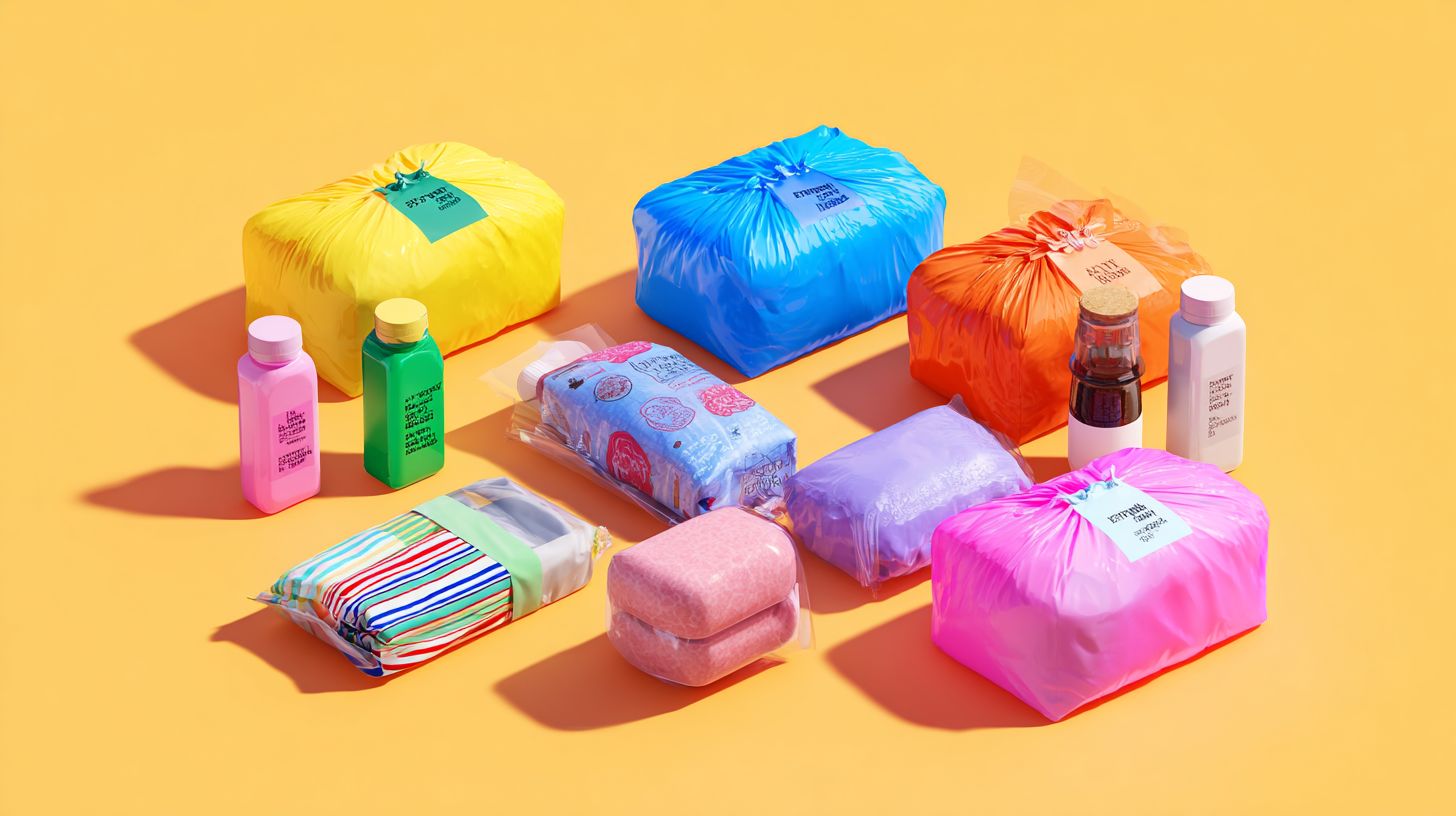
Sustainability represents an imperative rather than a passing trend, and custom poly bags offer a viable solution without sacrificing operational functionality. By opting for recycled polyethylene (rPE) materials, organizations can reduce their consumption of virgin plastic by up to 80%, as outlined in the U.S. Environmental Protection Agency’s (EPA) 2022 Plastics Report.
Businesses are advised to begin by consulting supplier directories, such as the Sustainable Packaging Coalition affiliated with the GreenBlue Alliance, which provides access to verified environmentally responsible providers through complimentary online search platforms.
It is recommended to seek certifications like the Forest Stewardship Council (FSC) for any paper liners incorporated, thereby guaranteeing verifiable chain-of-custody tracking via their comprehensive global database-a particularly efficient option for small and medium-sized enterprises (SMEs) requiring streamlined documentation processes.
Additionally, leverage the EPA’s Waste Reduction Model (WARM) tool to simulate potential waste mitigation outcomes. This involves entering specific bag parameters to generate rapid assessments of carbon footprint impacts.
Such strategies preserve product durability while ensuring adherence to pertinent regulatory frameworks, including the European Union’s Single-Use Plastics Directive.
How do biodegradable poly bags reduce environmental impact?
Traditional plastics persist in the environment for centuries, whereas biodegradable alternatives decompose significantly faster, thereby alleviating the strain on landfills.
When EcoThread Apparel, a mid-sized sustainable fashion brand, transitioned from conventional poly bags to biodegradable options composed of corn starch and polylactic acid (PLA), it encountered several notable challenges.
Identifying dependable suppliers proved particularly arduous; the company meticulously evaluated potential partners through platforms such as ThomasNet, with a strong emphasis on those certified under ASTM D6400 standards to guarantee genuine degradability within 180 days. Consequently, initial costs increased by 20 percent, placing additional pressure on budgets during the pilot implementation phase.
Nevertheless, the initiative yielded substantial successes: internal audits revealed a 35 percent reduction in packaging waste during the first year, which aligned closely with the objectives of the European Union’s Single-Use Plastics Directive.
This strategic shift not only diminished contributions to landfills but also enhanced customer loyalty by 15 percent, as consumers responded positively to the environmentally responsible packaging.
What certifications should you look for in sustainable options?
Certifications serve as a robust mechanism to combat greenwashing, enabling stakeholders to identify verified labels that confirm authentic environmental advantages.
The verification of sustainability claims demands careful scrutiny to circumvent potential errors. Prevalent missteps encompass the following:
- Disregarding third-party audits: Organizations may engage in self-certification absent independent oversight. To address this, insist upon audits conducted by accredited entities, such as those conforming to ISO 14001, which promotes systematic environmental management systems (ISO.org, 2015).
- Neglecting the breadth of the supply chain: Concentrating solely on final products overlooks upstream environmental effects. Ensure comprehensive lifecycle assessments in accordance with ISO 14001 standards to achieve thorough compliance.
- Depending on ambiguous labels: Indefinite assertions often lack substantiation. Validate them against established frameworks from organizations like the Global Reporting Initiative (GRI), which indicated in a 2022 analysis that 70% of such claims do not withstand independent evaluation.
Implementing these measures facilitates reliable and practical verification processes.
6. Boosted Customer Engagement
Customer engagement extends far beyond the point of sale; poly bags present an opportunity to initiate meaningful dialogues and cultivate enduring relationships.
Marketing professionals at organizations such as HubSpot advocate for the integration of QR codes as understated engagement mechanisms on poly bags. The following outlines four practical strategies:
- Link to Interactive Content: Incorporate a QR code that leads to a branded microsite featuring interactive elements, such as polls or augmented reality (AR) product demonstrations. For instance, Unilever achieved a 25% increase in user interaction through QR-linked quizzes, according to a 2022 Nielsen study.
- Incentivize Social Sharing: Direct the QR code to a “Scan & Share” initiative on platforms like Instagram, where participants receive discounts in exchange for generating user content. Coca-Cola employed a comparable approach, resulting in a 40% increase in brand mentions.
- Personalize Offers: Leverage customer segmentation platforms, such as Mailchimp, to create dynamic QR codes that deliver customized coupons, thereby strengthening customer loyalty. Research from McKinsey indicates that such personalization can yield a 30% improvement in retention rates.
- Track and Optimize: Employ tools like Google Analytics to monitor QR code scans and performance metrics. Refine strategies based on these insights, beginning with A/B testing of code placements to optimize visibility and effectiveness.
How do personalized bags encourage social sharing?
A personalized bag transcends mere functionality as a carrier; it serves as a canvas for individual expression, drawing attention and fostering engagement with the world.
Personalization elevates ordinary bags into catalysts for conversation, thereby enhancing brand loyalty by as much as 80%, according to a 2023 Forrester report.
Contrary to the misconception that customization is prohibitively expensive for limited production runs, print-on-demand platforms such as Printful and Teelaunch offer bespoke bags starting at $10 per unit with no minimum order requirements, making them particularly suitable for emerging startups.
For example, the small brand Threaded Stories initiated an Instagram campaign in 2022, customizing 50 tote bags with user-submitted quotes at a total cost of $500. The initiative garnered over 50,000 likes through widespread user sharing.
To implement this strategy effectively, leverage design tools like Canva for creating visuals, solicit input from followers via social media polls to generate ideas, and utilize print-on-demand services for fulfillment. This approach minimizes expenses while promoting viral dissemination.
What interactive features can be added to poly bags?
Rather than limiting packaging to static designs, consider incorporating interactive elements to transform bags into dynamic engagement platforms.
Integrating NFC tags and scannable graphics into poly-based materials, such as polyethylene shopping bags, improves consumer engagement while maintaining structural integrity and durability.
For NFC implementation, thin, flexible chips such as those in NXP’s NTAG series can be laminated between polyethylene layers during the extrusion process. This approach is compatible with conventional blow-molding techniques, as outlined in a 2022 study published by the International Journal of Advanced Packaging Technology.
QR codes suitable for scanning can be applied using UV-curable inks on digital inkjet printers, such as Mimaki’s JV series. To achieve optimal adhesion on polyethylene surfaces, corona treatment is recommended to enhance ink bonding.
Recommended implementation steps include:
- Pre-treat the polyethylene substrate with plasma etching to promote adhesion;
- Embed the NFC tag using hot-foil stamping at temperatures between 120 degreesC and 150 degreesC;
- Verify compatibility in accordance with ISO 14443 standards, targeting NFC read ranges of up to 10 cm.
Advancements in conductive inks, such as those developed by NovaCentrix, now permit the direct printing of antennas on polyethylene substrates, resulting in a 30% cost reduction according to a 2023 IDTechEx report.

 Custom Poly Bags: Versatile Packaging for a Range of Products
  How Can Custom Poly Bags Be Customized to Meet Business Needs?
 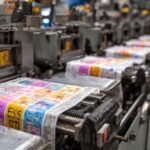 What Are the Best Printing Techniques for Custom Poly Bags?
Comments