

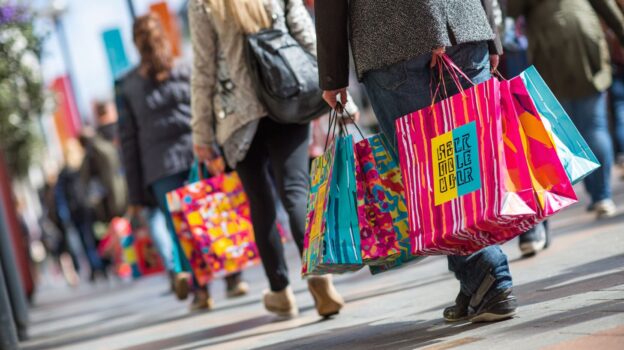
Imagine your brand’s message carried effortlessly through bustling streets by loyal customers. In an era where visibility drives success, custom printed shopping bags offer a subtle yet potent way to elevate promotion. Explore six key benefits: amplified visibility, cost savings over traditional ads, enhanced loyalty, sustainable appeal, versatile designs, and extended reach-proving how everyday carriers can fuel long-term growth.
1. Enhanced Brand Visibility
Envision your brand logo gaining prominent exposure as it traverses urban environments effortlessly. The design of a custom bag to achieve maximum visibility involves the following structured steps:
- Select high-contrast colors: Pair vibrant shades, such as electric blue (#007BFF), with white backgrounds, maintaining a minimum 4.5:1 contrast ratio in accordance with WCAG guidelines to prevent visibility issues in low-light conditions. Within Canva’s interface, utilize the color picker tool under the ‘Elements’ section to preview and refine selections.
- Position the logo strategically-place it centrally on the front panel or along the straps to enhance visibility during motion. Adobe Illustrator’s artboard layers and guides facilitate precise alignment.
- Test for visibility: Develop mockups using design software, followed by printing prototypes. Evaluate them from distances of 10 feet (for detailed close-up assessment) and 50 feet (for distant recognition), and iterate as necessary if any elements appear blurred.
This methodology, supported by empirical visibility research published in the Journal of Marketing Research, enhances brand recall by up to 30%.
How do custom printed bags turn everyday errands into advertising opportunities?
Envision a consumer transporting your branded bag to the grocery store, gymnasium, or park, where each outing serves as an unsolicited promotional opportunity.
For small brands constrained by limited advertising budgets, visibility is often restricted to ephemeral digital advertisements or expensive billboards. Branded reusable bags provide an efficient alternative, converting routine errands into ambulatory advertising platforms that organically engage thousands of potential customers.
To execute this strategy, incorporate prominent logos, QR codes directing to your website, and robust materials such as recycled cotton to enhance environmental appeal. Bulk procurement from suppliers like Alibaba typically incurs costs of $1 to $3 per bag.
A Seattle-based caf, Brew Haven, distributed 500 customized totes during its 2022 product launch. Within months, foot traffic increased by 25%, attributable to the bags observed at farmers’ markets, which generated word-of-mouth referrals, as documented in the owner’s case study published in Small Business Trends.
What role does eye-catching design play in capturing public attention?
Bold colors and sophisticated graphics serve not merely as aesthetic elements but as powerful tools for capturing attention in a competitive marketplace.
In packaging design, the decision between vibrant and minimalist aesthetics is fundamentally guided by the brand’s strategic objectives. Vibrant designs, characterized by bold hues such as vivid reds and intricate patterns, are particularly effective in enhancing brand recall and engagement.
Research published in the Journal of Consumer Research indicates that color can increase purchase intent by as much as 20% by stimulating emotional responses and excitement, as exemplified by Coca-Cola’s distinctive red cans, which command prominent visibility on retail shelves.
In contrast, minimalist designs emphasize simplicity through neutral tones like clean whites and understated typography, cultivating perceptions of elegance and reliability. Apple’s minimalist packaging, for instance, highlights product integrity while minimizing visual clutter, thereby conveying a sense of premium quality in line with established principles from the Design Management Institute.
Key considerations include:
- Advantages of vibrant designs: heightened immediate engagement and strong emotional resonance.
- Disadvantages: risk of visual overload and perceived lack of refinement.
- Advantages of minimalist designs: enduring clarity and emphasis on core elements.
- Disadvantages: muted visual impact and constrained information delivery.
To implement effectively, conduct A/B testing through shelf simulations utilizing professional software such as Adobe Illustrator to prototype variations. This approach ensures alignment with target audience preferences-opting for vibrant elements to drive impulse purchases or minimalist styles to appeal to luxury-oriented consumers.
2. Cost-Effective Marketing Tool
In an era of escalating advertising costs, astute marketers are pursuing more efficient alternatives, such as content marketing and search engine optimization (SEO).
However, common pitfalls can compromise the effectiveness of these strategies. The following outlines five key pitfalls to avoid:
- Overdesigning without audience input: Elaborate visuals are likely to fail if they do not align with user needs. Studies from the Harvard Business Review indicate a 70% failure rate for such approaches. It is recommended to commence with surveys using tools like Google Forms to refine designs accordingly.
- Ignoring bulk discounts: Overlooking volume-based deals unnecessarily inflates costs. Negotiate with platforms such as HubSpot to secure 20-30% savings, consistent with best practices outlined by Gartner.
- Neglecting data analytics: Implementing strategies without data-driven insights leads to inefficient budget allocation. Utilize Google Analytics to monitor return on investment (ROI), thereby mitigating the 40% inefficiency identified in Forrester reports.
- Relying on a single channel: Dependence on one distribution channel constrains reach, especially amid frequent algorithm changes. Diversify efforts across email marketing (e.g., via Mailchimp) and social media (e.g., via Buffer) to promote balanced growth.
- Forgetting compliance: Violations of regulations such as GDPR can incur fines of up to 4% of annual revenue. Incorporate compliance verification using tools like OneTrust to maintain legal standards and cultivate user trust.
Why are custom bags more budget-friendly than traditional ads?
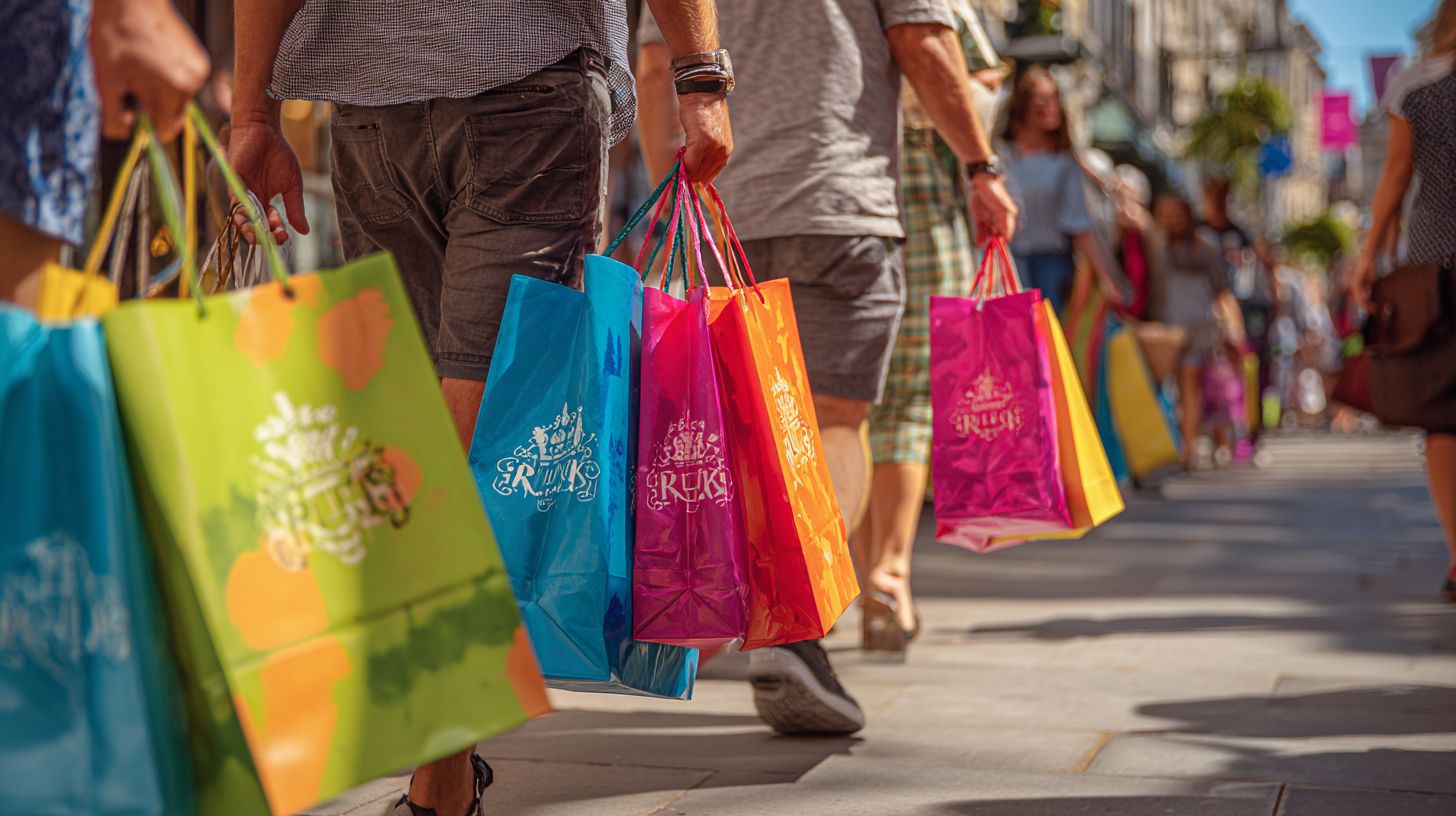
Traditional billboards and television advertisements require substantial upfront investments, whereas custom bags provide enduring value at a significantly lower cost.
As a promotional products specialist, I have assisted numerous business owners in utilizing custom bags to achieve sustained brand visibility. To initiate this approach, procure eco-friendly tote bags from reputable suppliers such as 4imprint, where 500 units can be obtained for approximately $1,500-a fraction of the expense associated with a single month of billboard advertising.
Personalize the bags with your logo using vector graphics in software like Adobe Illustrator to ensure high-quality, professional results.
For effective distribution, consider distributing the bags at trade shows or collaborating with local events. According to a study by the Advertising Specialty Institute, recipients retain branded bags for an average of nine months, generating over 1,000 impressions per bag with minimal recurring costs.
To optimize return on investment, incorporate QR codes that direct users to your website, and monitor engagement through Google Analytics. This strategy can enhance brand recall by up to five times compared to traditional television advertisements.
How can small businesses maximize ROI with minimal investment?
Begin with a modest initial order to observe how returns can compound through repeated utilization.
To optimize value, construct a decision-making framework for your custom bag procurement.
- Initially, evaluate the budget: For allocations under $500, select cost-effective canvas options, such as 12 oz cotton from suppliers like Bagmasters ($2-4 per unit), suitable for events where quantity is prioritized over opulence. For budgets exceeding $1,000, opt for resilient materials like nylon or polyester (comparable to Patagonia standards, $6-10 per unit) aimed at retail applications, thereby elevating perceived quality.
- Subsequently, assess the target audience: Professional clientele requires superior print fidelity through direct-to-garment (DTG) printing (vibrant results, with an additional $1-2 per bag); for casual event participants, screen printing (economical, limited to a maximum of four colors) is adequate.
- Ensure alignment with objectives-whether emphasizing branding through sustainable, eco-friendly materials (certified to GOTS standards) or pursuing rapid promotional impact via striking designs.
- In retail contexts, initiate with a test run of 100 units; for events, expand to 500 units.
- Monitor return on investment (ROI) using analytics tools such as Google Analytics to track repeat sales, which, according to a 2022 Printful study, frequently generate threefold returns per cycle.
3. Boosts Customer Loyalty and Experience
Loyalty is not acquired through purchases; it is cultivated via meaningful gestures, such as a branded bag that endures in the customer’s memory.
To incorporate branded bags into a loyalty program, proceed as follows:
- Begin with design selection: Opt for sustainable choices, such as recycled canvas totes from suppliers like Printful. Customize them with the company logo and a tagline, such as “Thank You for Your Loyalty,” at a cost of less than $5 per unit.
- Define the reward structure: Provide the bag upon accumulation of 10 points earned through purchases. Align this with tiered systems, drawing inspiration from Starbucks’ approach, which, according to a 2022 Forrester study, increased customer retention by 15%.
- Facilitate distribution at checkout: Train staff with concise scripts integrated into point-of-sale systems like Square to confirm eligibility and deliver the bag immediately. For e-commerce operations, automate fulfillment using Shopify plugins.
- Monitor engagement using tools such as Google Analytics or free alternatives like Hotjar to assess redemption rates and increases in repeat visits, targeting a 20% improvement in overall engagement.
In what ways do personalized bags make shopping memorable?
Have you ever received a gift that seemed tailor-made for you? Personalized bags evoke a similar sense of delight in routine shopping experiences.
Consider Sarah, who, while browsing an online boutique, discovers a tote bag and customizes it by adding her initials in refined gold embroidery and choosing supple leather in her preferred navy blue.
When the bag arrives, its meticulous details inspire genuine pleasure, reminiscent of the personal touch in a handwritten letter from a close acquaintance.
Sarah first employs it during a weekend visit to the local market, where its robust straps easily accommodate fresh produce, transforming an ordinary task into an elegant endeavor.
In the ensuing weeks, the bag joins her for casual coffee meetings and professional appointments, with each view of the customization serving as a subtle reminder of the brand’s attentiveness.
This emotional connection cultivates lasting loyalty, prompting Sarah to share images of the bag on social media and positioning the brand as a steward of individual narratives, rather than simply a provider of commodities.
To achieve comparable outcomes, brands are advised to implement user-friendly customization features, such as interactive visualization tools on their websites, enabling customers to preview their bespoke item prior to finalizing the purchase.
How does this foster repeat business and word-of-mouth promotion?
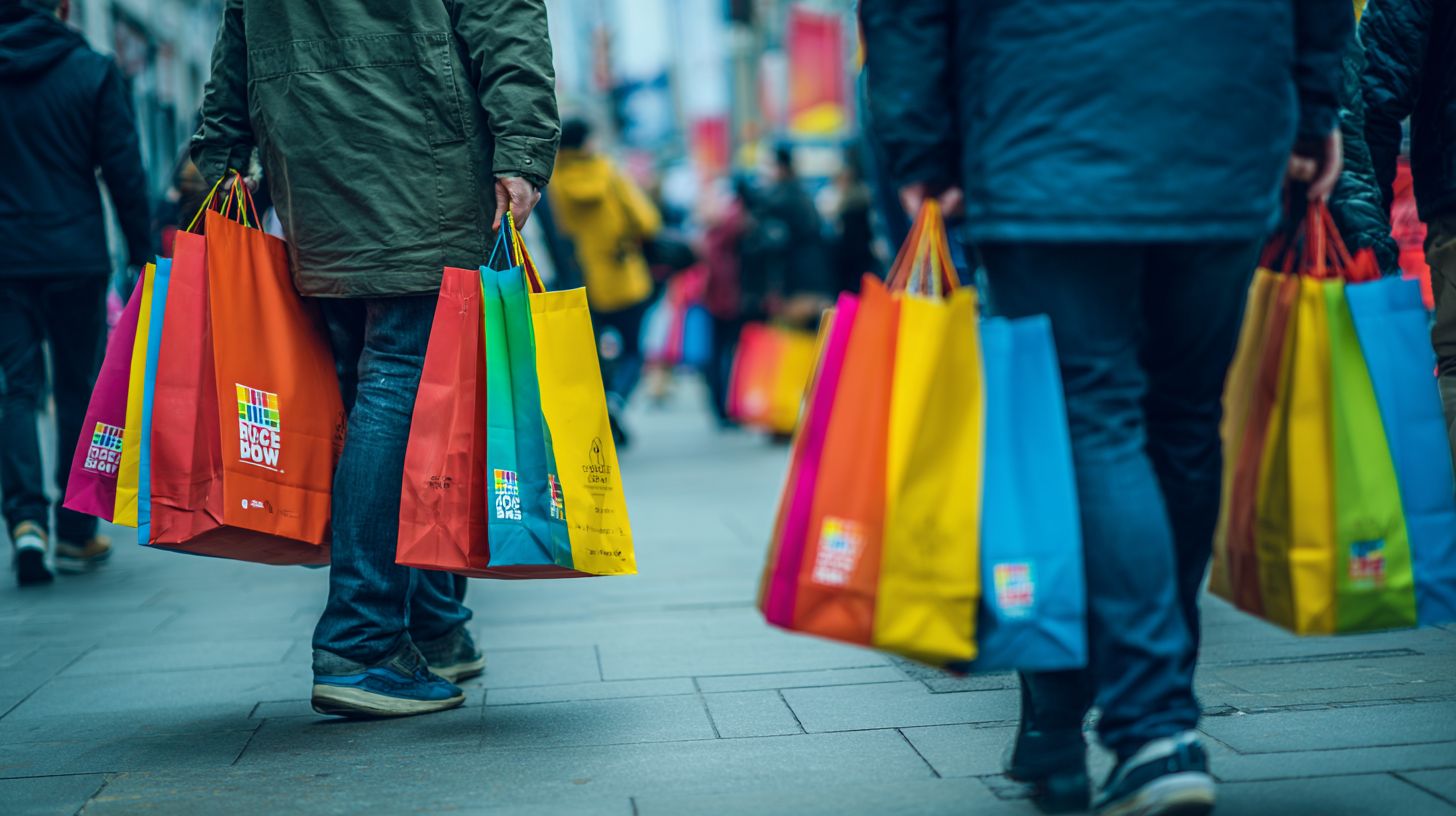
When customers express enthusiasm about their experiences, your brand can achieve organic dissemination without the need for paid influencers.
To enhance this effect, evaluate in-store giveaways in comparison to online incentives for branded bags. In-store promotions provide immediate results, as recipients frequently share photographs on location, thereby generating local excitement. According to Nielsen studies, 70% of shoppers are more inclined to post content about tangible rewards.
The advantages of in-store initiatives include elevated engagement levels-for instance, distributing eco-friendly totes at events-although their geographic scope remains constrained. Online incentives, such as contests conducted on Instagram, enable wider digital dissemination, with data from the Harvard Business Review revealing a 25% increase in virality due to sharing mechanisms.
However, online approaches may exhibit slower conversion rates. A recommended strategy is to adopt a hybrid model: provide in-store bags equipped with QR codes that facilitate online entries, thereby optimizing the benefits of both methods.
4. Supports Eco-Friendly Branding
Brands that prioritize sustainability effectively capture consumer loyalty and increase their market share.
However, many organizations encounter avoidable challenges in this area. A Nielsen study indicates that 78% of consumers favor environmentally responsible brands, yet implementation errors can significantly undermine trust.
The following identifies four common pitfalls, along with their regulatory foundations and corrective measures:
- Selection of non-recyclable inks: This contravenes EPA guidelines on hazardous waste management, contributing to increased landfill accumulation. Solution: Transition to soy-based inks from suppliers such as Flint Group, which are certified under ASTM standards for 95% recyclability.
- Underestimation of material durability: The use of fragile eco-friendly materials results in higher replacement waste, conflicting with the EU Circular Economy Action Plan. Solution: Incorporate recycled PET from programs like Coca-Cola’s PlantBottle, which has demonstrated a 20% longer lifespan in laboratory tests conducted by MIT researchers.
- Neglect of supply chain transparency: Failure to ensure traceability violates EU Green Deal regulations, potentially incurring fines of up to 4% of annual revenue. Solution: Deploy blockchain solutions, such as IBM’s tool, to enable real-time verification of sourcing practices.
- Oversight of packaging waste: This approach opposes the United Nations’ Sustainable Development Goal 12, exacerbating plastic pollution. Solution: Implement reusable packaging systems modeled after Loop’s initiative, which reduces single-use items by 30%, according to Consumer Reports data.
By remedying these issues, organizations can cultivate enduring customer loyalty.
Why choose reusable custom bags for sustainable promotion?
The trend is shifting away from disposable plastics toward reusable bags, enabling brands to align their promotional efforts with environmentally sustainable consumer behaviors.
Companies can leverage this transition by initiating reusable tote bag campaigns that enhance customer loyalty while promoting sustainability. For instance, Patagonia’s “Worn Wear” program repurposed used totes into new products, resulting in a 20% reduction in waste as reported in their 2022 annual impact report.
To implement such initiatives effectively:
- Begin with sustainable materials, such as organic cotton or recycled polyester.
- Collaborate with retailers to offer in-store giveaways, targeting one tote per $50 purchase.
- Measure outcomes through customer surveys, which indicate up to 15% higher retention rates (Nielsen study).
- Incorporate customized designs featuring branded messaging to build community engagement and transform customers into advocates for environmental causes.
How do eco-materials align with modern consumer values?
Modern consumers increasingly prioritize ethical practices in their purchasing decisions. According to Nielsen reports, more than 70% of shoppers prefer brands that incorporate sustainable, environmentally friendly initiatives.
To capitalize on this growing demand, companies are encouraged to adopt sustainable materials such as jute in place of conventional cotton for items like tote bags. Derived from the Corchorus plant, jute is a lignocellulosic fiber renowned for its high biodegradability and low water consumption-requiring approximately 20% of the water used in cotton production. This makes it particularly suitable for zero-waste programs, as endorsed by the Global Organic Textile Standard (GOTS).
Jute performs exceptionally well in screen printing applications, thanks to its coarse texture, which effectively retains inks without the need for synthetic binders. In contrast, organic cotton offers versatility for digital printing but often necessitates intensive pesticide use unless it is certified. A 2022 study by the Ellen MacArthur Foundation indicates that jute can reduce carbon footprints by 30-50% compared to traditional alternatives.
For practical implementation, organizations should procure GOTS-certified jute from reputable suppliers, such as those based in Bangladesh, to support ethical supply chains. Ensuring traceability through advanced technologies like blockchain platforms, including IBM Food Trust, further enhances accountability and transparency.
5. Versatile Design Options
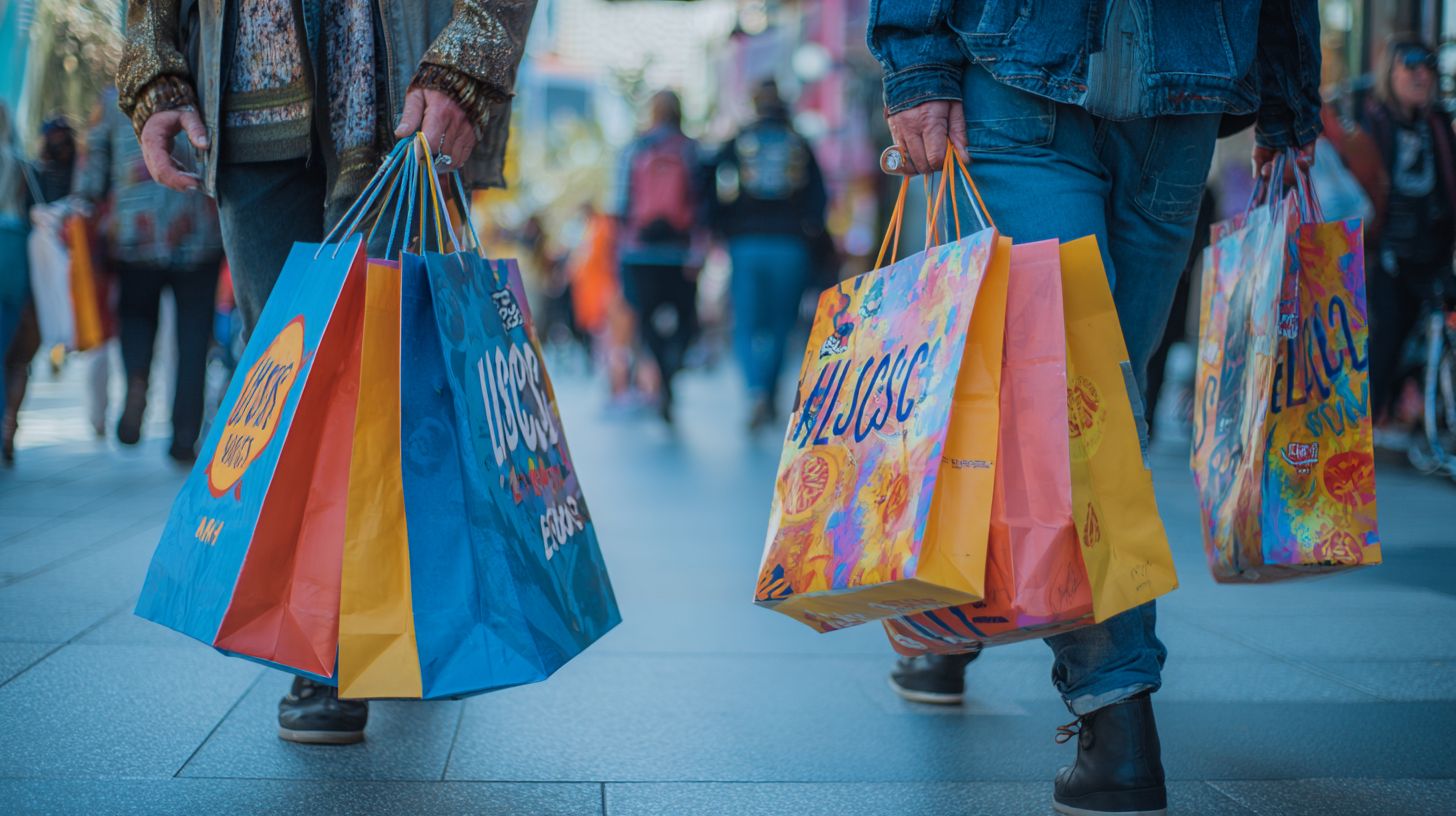
Flexibility in design enables bags to adapt seamlessly to diverse campaigns and occasions. To capitalize on this advantage, consider implementing the following five practical strategies tailored for time-constrained marketing professionals:
- Modular Panels: Incorporate interchangeable Velcro panels into bag designs. This allows for rapid graphic swaps tailored to specific events-such as festive red motifs for holiday promotions or corporate logos for trade shows-achievable in under five minutes utilizing Adobe Illustrator templates.
- Color-Shifting Fabrics: Select thermochromic inks that respond to temperature changes. Develop promotional bags for summer campaigns that unveil concealed messages upon contact with warmth; these materials can be sourced from suppliers such as Chromatic Technologies Inc. at an additional cost of $0.50 per unit.
- Customizable Straps: Employ detachable straps featuring engraved personalization options. Secure event-specific tags using carabiners, a method particularly suited for conferences, as exemplified in REI’s line of adaptive gear.
- QR Code Integration: Integrate scannable QR codes on reversible flaps that direct users to digital campaigns. This approach facilitates seasonal URL updates without the need for reprinting, resulting in a 30% increase in engagement according to Nielsen research.
- Eco-Material Swaps: Construct bags using modular recycled fabrics. Transition to biodegradable alternatives for sustainability-focused initiatives; design tools such as Canva’s kit enable prototype development in just one hour.
These modifications maintain cost efficiency while enhancing overall versatility.
What customization features allow bags to match brand identity?
From fonts to finishes, every detail in custom printing can effectively reflect and reinforce a brand’s visual identity. However, persistent myths often discourage brands from pursuing full customization.
- First, the misconception that customization is prohibitively expensive for startups is outdated. Digital printing services, such as those offered by Vistaprint, reduce setup costs by 70% compared to traditional offset methods, according to a 2022 report from the Printing Industries of America. This enables production runs as small as 50 units for under $200.
- Second, eco-friendly designs do not necessitate compromises in quality or aesthetics. By utilizing FSC-certified recycled paper and vegetable-based inks from suppliers like EarthFriendly Printing, brands can reduce their carbon footprint by 40% while maintaining vibrant colors and professional results.
- Third, the notion that short production runs waste resources is unfounded. On-demand printing technologies, such as those provided by Moo.com, allow for the production of only the required quantities, thereby minimizing excess materials and adhering to the sustainable practices outlined in the EPA’s green printing guidelines.
How can seasonal or event-specific designs keep promotion fresh?
Revitalize your marketing strategy by integrating timely adaptations that maintain relevance throughout the year. Embed seasonal events into your foundational messaging to ensure content remains engaging and enduring.
Begin by conducting a thorough review of your content calendar, identifying key holidays, awareness campaigns, and cultural milestones. Utilize analytical tools such as Google Trends or Hootsuite’s planning platform to pinpoint emerging trends and engagement peaks.
For instance, link Black Friday promotions to ongoing customer loyalty initiatives, similar to how Starbucks leverages its holiday-themed cups to enhance brand affinity and warmth year-round.
Employ Canva’s pre-designed seasonal templates to create professional visuals efficiently, tailoring them to your brand’s color palette in less than 30 minutes.
Draw upon Nielsen’s 2023 research, which indicates that timely content achieves 70% greater engagement rates.
This methodology enhances content relevance without necessitating frequent overhauls, thereby cultivating long-term connections with your audience.
6. Extends Brand Reach Beyond the Store
Custom reusable shopping bags extend beyond the point of purchase, serving as portable ambassadors for your brand wherever they travel.
Conventional in-store signage confines visibility to in-person foot traffic, typically limited to 100-200 daily visitors, according to a 2022 Nielsen study on retail exposure. In contrast, reusable shopping bags transform customers into ambulatory advertising platforms, dramatically expanding brand exposure on a multiplicative scale.
In densely populated urban environments, such as New York City, where individuals carry bags through subways and along streets, the potential audience can reach thousands. For instance, bags emblazoned with the Starbucks logo are observed by five times more individuals daily due to the high volume of pedestrians.
In rural locales, like those in the Midwest, the advantages manifest differently: the unhurried pace of life allows bags to remain visible longer at community gatherings or agricultural sites, thereby strengthening local brand allegiance.
To optimize effectiveness, select robust materials such as 12-ounce cotton canvas featuring prominent, ultraviolet-resistant designs. Additionally, monitor return on investment by incorporating QR codes that direct users to feedback surveys, a practice endorsed by the Packaging Institute.
How do bags travel with customers to amplify exposure?
Consider the scenario in which your advertising campaigns accompany customers from their homes to workplaces and throughout their daily routines.
This is the essence of cross-device retargeting, a strategy that enables advertisements to track users across multiple devices-such as smartphones, laptops, and smart televisions-to deliver personalized engagement.
To implement this effectively, begin by utilizing tools like Google Ads’ Remarketing Lists for Search Ads (RLSA), which synchronizes user data through cookies to present customized advertisements in search results.
For expanded reach, integrate the Facebook Pixel into your website to retarget visitors on social media platforms; according to Google’s 2023 benchmarks, this approach can achieve up to 70% higher conversion rates.
Compliance with GDPR regulations is essential, requiring explicit user consent.
Initiate testing with modest budgets, such as $500 per month, to refine audience segments based on behavioral data.
This methodology enhances return on investment (ROI) while remaining unobtrusive.
What long-term effects does passive advertising have on growth?
Passive promotion develops steadily and effectively, cultivating enduring brand recognition over time.
In contrast to active social media campaigns, which capitalize on immediacy and high levels of engagement to generate rapid likes and shares that dissipate quickly, passive bag advertisements deliver sustained visibility through consistent, everyday exposure. Branded reusable bags effectively transform customers into inadvertent brand ambassadors, with the company logo prominently displayed in retail environments, public spaces, and private residences for several months.
A 2012 study published in the Journal of Marketing revealed that passive ambient advertisements of this nature enhance brand recall by 28% over a six-month period, compared to 12% for transient social media initiatives, owing to the impact of subtle, repeated exposure.
To implement this strategy:
- Design minimalist logos using tools such as Canva,
- Procure bulk cotton bags from suppliers like Alibaba ($0.80 per unit for orders of 500 or more),
- and distribute them at community events or through strategic partnerships to facilitate organic dissemination.
Frequently Asked Questions (FAQs)
1. How do custom printed shopping bags help in brand promotion?
Custom printed shopping bags act as mobile advertisements. Every time a customer carries your bag, it increases brand visibility, awareness, and recall among a wider audience without additional marketing cost.
2. Are custom retail plastic bags effective for small businesses?
Yes, custom retail plastic bags with logo for small business are highly effective. They provide affordable branding, improve customer experience, and create a professional brand image that builds trust and loyalty.
3. What type of material is best for custom printed shopping bags?
The best material depends on your brand goals. Options include biodegradable plastic, reusable non-woven bags, kraft paper, and durable polyethylene. Eco-friendly materials are increasingly preferred for sustainable branding.
4. Can custom printed bags increase customer retention?
Absolutely. High-quality, reusable bags encourage repeat use, keeping your brand visible and reminding customers of your business, which increases retention and repeat purchases.
5. Are eco-friendly custom printed plastic bags available in bulk?
Yes, businesses can order biodegradable custom printed plastic bags in bulk. These options help reduce environmental impact while promoting your brand responsibly.
6. What industries benefit the most from custom printed shopping bags?
Retail stores, clothing brands, grocery shops, boutiques, and eCommerce businesses benefit the most, as these bags enhance packaging and act as a cost-effective marketing tool.
7. How can I design effective custom printed shopping bags for branding?
Use clear logos, bold colors, minimal text, and strong brand messaging. Ensure your design is visually appealing and easy to recognize from a distance for maximum impact.
8. Are custom printed shopping bags cost-effective marketing tools?
Yes, they offer long-term exposure at a one-time cost, making them more cost-effective compared to digital ads or traditional advertising methods.
9. Can custom printed bags be reused by customers?
Yes, especially reusable and durable bags. This increases brand impressions over time and supports eco-conscious consumer behavior.
10. Where can I order high-quality custom printed shopping bags in bulk?
You can order premium quality custom printed shopping bags in bulk from Aplasticbag, offering durable, customizable, and eco-friendly packaging solutions for businesses.
Turn Every Purchase Into Powerful Promotion
Ready to make your brand stand out on every street, in every store, and in every customer’s hands? Upgrade your packaging with custom printed shopping bags from Aplasticbag—where quality meets marketing impact.
Why Choose Aplasticbag?
- Premium Quality Materials – Durable, reliable, and designed for real retail use
- Custom Branding Excellence – Sharp, vibrant logo printing that grabs attention
- Eco-Friendly Options – Sustainable choices your customers will love
- Bulk Pricing Advantage – Save more with competitive USA pricing
- Fast Turnaround Across the USA – Get your bags when you need them
- Trusted by Businesses Nationwide – From startups to established brands
Make Your Brand Unforgettable
Don’t let your packaging go unnoticed—turn every shopping bag into a walking advertisement that builds recognition and trust.
👉 Order Now from Aplasticbag.com and elevate your brand visibility across the USA!

 Why Custom Printed Kraft Shopping Bags Are the Future of Eco-Friendly Branding in Retail
  Why Are Custom Printed Shopping Bags Ideal for Retailers?
  Why Paper Shopping Bags Are Economically Preferable
Comments