


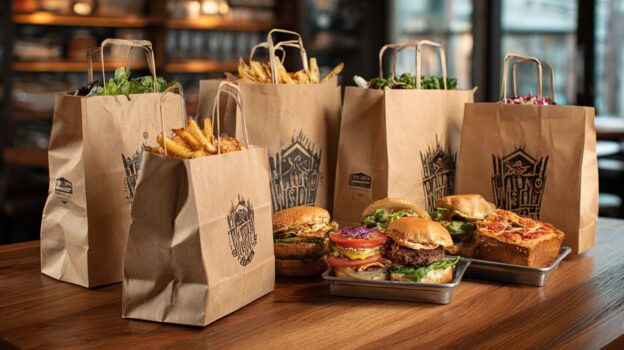
In the fast-paced world of takeout dining, a simple bag can transform a meal into a lasting brand impression. Custom restaurant bags safeguard food while boosting visibility and sustainability, according to packaging studies from the Food Marketing Institute. Uncover 10 key benefits-from enhanced loyalty and cost savings to durable protection and eco-materials-that streamline operations and drive customer reuse. Discover why they’re a smart investment for any eatery.
1. Enhanced Brand Visibility
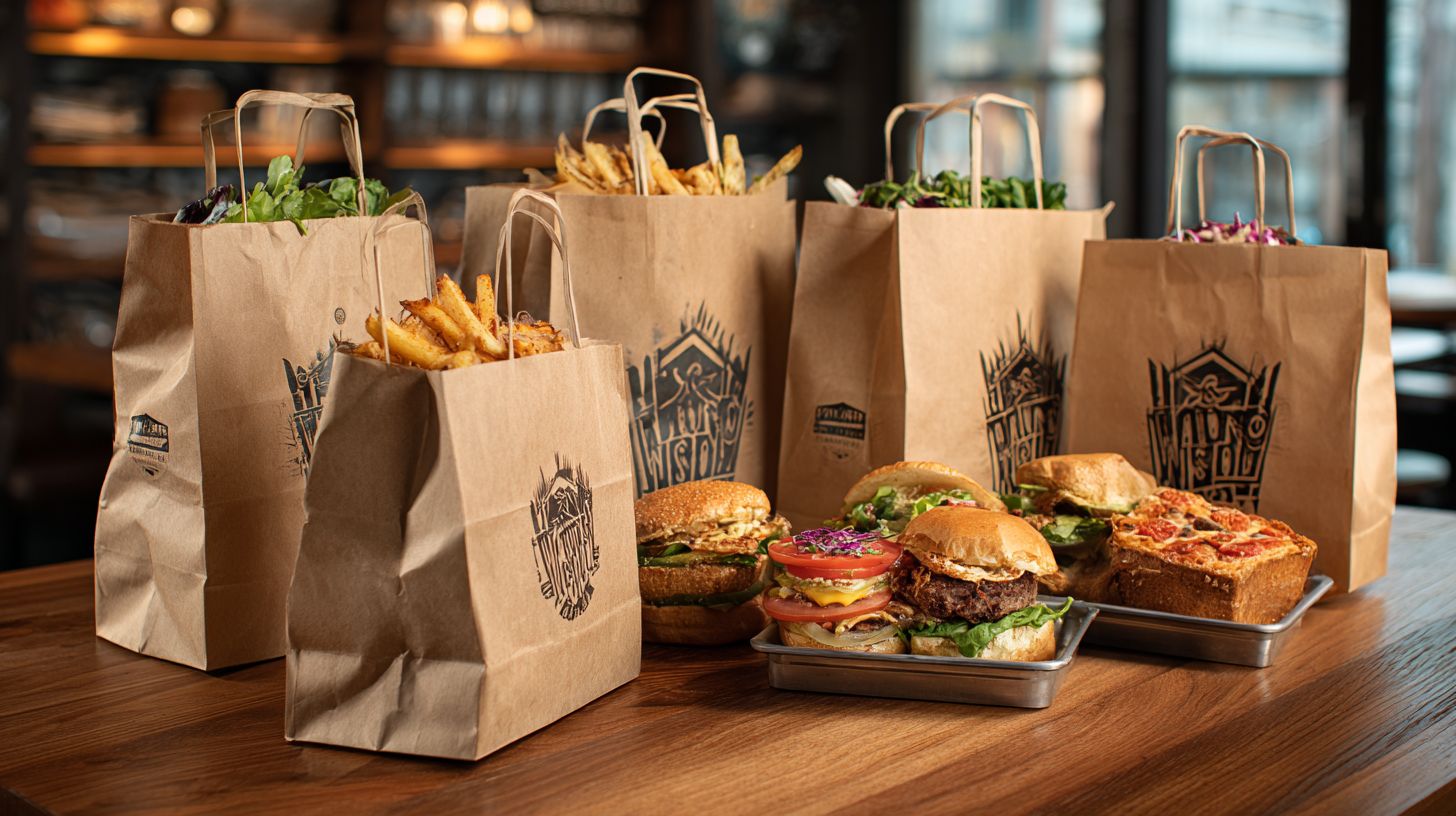
Consider the scenario of encountering a recognizable logo on an individual’s shopping bag while traversing a city street; this exemplifies the efficacy of enhanced brand visibility.
To achieve this outcome, adhere to the following structured approach for the design and implementation of custom bags:
- Begin by selecting design elements: Opt for high-contrast colors and prominent logos to ensure visibility at street level. Research published in the Journal of Marketing (2018) indicates that vibrant designs can enhance brand recall by 25%. Additionally, integrate QR codes that direct users to your website to foster interactivity.
- Proceed to choose appropriate printing techniques: Employ screen printing for robust, economical logos on cotton totes, which is suitable for large-scale orders through providers such as Printful. For more detailed patterns on canvas bags, utilize digital transfer methods. To maximize premium exposure, select embroidery, as it demonstrates superior durability against repeated washing.
- Execute the implementation by distributing the bags at events or as promotional giveaways. Subsequently, monitor visibility using analytics tools such as Google Alerts or Hootsuite to track social media mentions. Target a 10% increase in engagement, in alignment with Nielsen’s branding performance indicators.
2. Improved Customer Loyalty
Imagine a loyal customer reusing your restaurant’s custom bag for grocery shopping weeks after their takeout order; this ongoing exposure cultivates stronger, lasting connections.
Numerous restaurants grapple with low repeat visit rates, as diners often view meals as isolated experiences in an intensely competitive market.
To address this issue, implement custom takeout bags that incorporate your logo, icons of signature dishes, and a QR code directing to loyalty discount programs.
For example, a small Italian bistro in Chicago achieved a 25% increase in repeat visits after adopting durable, eco-friendly cotton totes printed with family recipes. Customers carried these bags to local markets, initiating conversations and enhancing brand recall.
To execute this strategy effectively, procure bags from reliable suppliers such as Bags & Bows (starting at $0.50 per unit for orders of 500 or more), create designs using tools like Canva for efficient mockups, and measure return on investment via in-app redemption tracking.
This understated approach elevates packaging into effective portable advertising, converting occasional diners into loyal patrons.
3. Cost-Effective Marketing
In an era where traditional advertising methods can rapidly deplete budgets, custom bags present a more efficient and cost-effective alternative for promotional efforts.
When assessing marketing strategies, it is advisable to compare digital advertisements, flyers, and custom bags based on key metrics such as audience reach, message retention, and overall cost.
Digital advertisements, delivered through platforms like Google Ads (with minimum daily budgets starting at $5), provide extensive reach but often suffer from limited retention, as users quickly scroll past content. Associated costs can rise substantially, exceeding $50 per thousand impressions (CPM).
Flyers, which can be produced economically at approximately $0.10 per unit through services like Vistaprint, enable targeted outreach in local markets with moderate reach and enhanced retention due to their tangible nature as physical reminders. However, their distribution demands considerable manual labor.
Custom bags, manufactured at $2-5 per unit (for example, via suppliers on Alibaba), offer versatile, portable reach-particularly at events-and superior retention as everyday items that carry branding repeatedly. This approach yields favorable long-term cost efficiency through reusable promotion.
To implement this strategy effectively, identify reliable suppliers in advance and conduct design testing to ensure alignment with the target audience. It is recommended to begin with a pilot run of 500 units.
4. Eco-Friendly Packaging Options
Transitioning to eco-friendly packaging transcends mere trends; it constitutes a strategic imperative that aligns restaurant operations with evolving consumer expectations for sustainability.
Many establishments encounter common challenges during the adoption of such practices. The following delineates five critical mistakes to avoid:
- Overlooking Material Certifications: Restaurants frequently select purportedly eco-friendly packaging without verifying adherence to compostable or biodegradable standards, such as ASTM D6400. This lapse often results from exaggerated marketing claims. To address this, insist on certifications from reputable bodies like the Forest Stewardship Council (FSC) or the Biodegradable Products Institute (BPI) when engaging suppliers, thereby ensuring authentic environmental benefits.
- Ignoring Supplier Reliability: Attempts to minimize costs may lead to engagements with unreliable vendors, resulting in inconsistent product quality and supply chain vulnerabilities, as documented in the 2022 Environmental Protection Agency (EPA) report on disruptions. Mitigate these risks by conducting rigorous supplier audits and consulting reviews on platforms such as Green Seal.
- Underestimating Total Costs: Seemingly attractive initial savings can conceal elevated per-unit pricing or ancillary shipping expenses. Perform comprehensive lifecycle cost analyses using resources like the EPA’s waste reduction calculator to facilitate precise budgeting.
- Neglecting Staff and Customer Training: Inadequate education can result in the mishandling of sustainable packaging, as evidenced by a Nielsen study indicating that 78% of consumers prioritize informed purchasing decisions. Counter this by implementing targeted training programs for staff and deploying clear in-store signage to promote proper usage.
- Failing to Align with Local Regulations: Packaging incompatible with municipal composting protocols can engender waste management issues and regulatory penalties. Safeguard against this by consulting local environmental agencies to identify and select fully compliant options.
5. Superior Durability and Protection
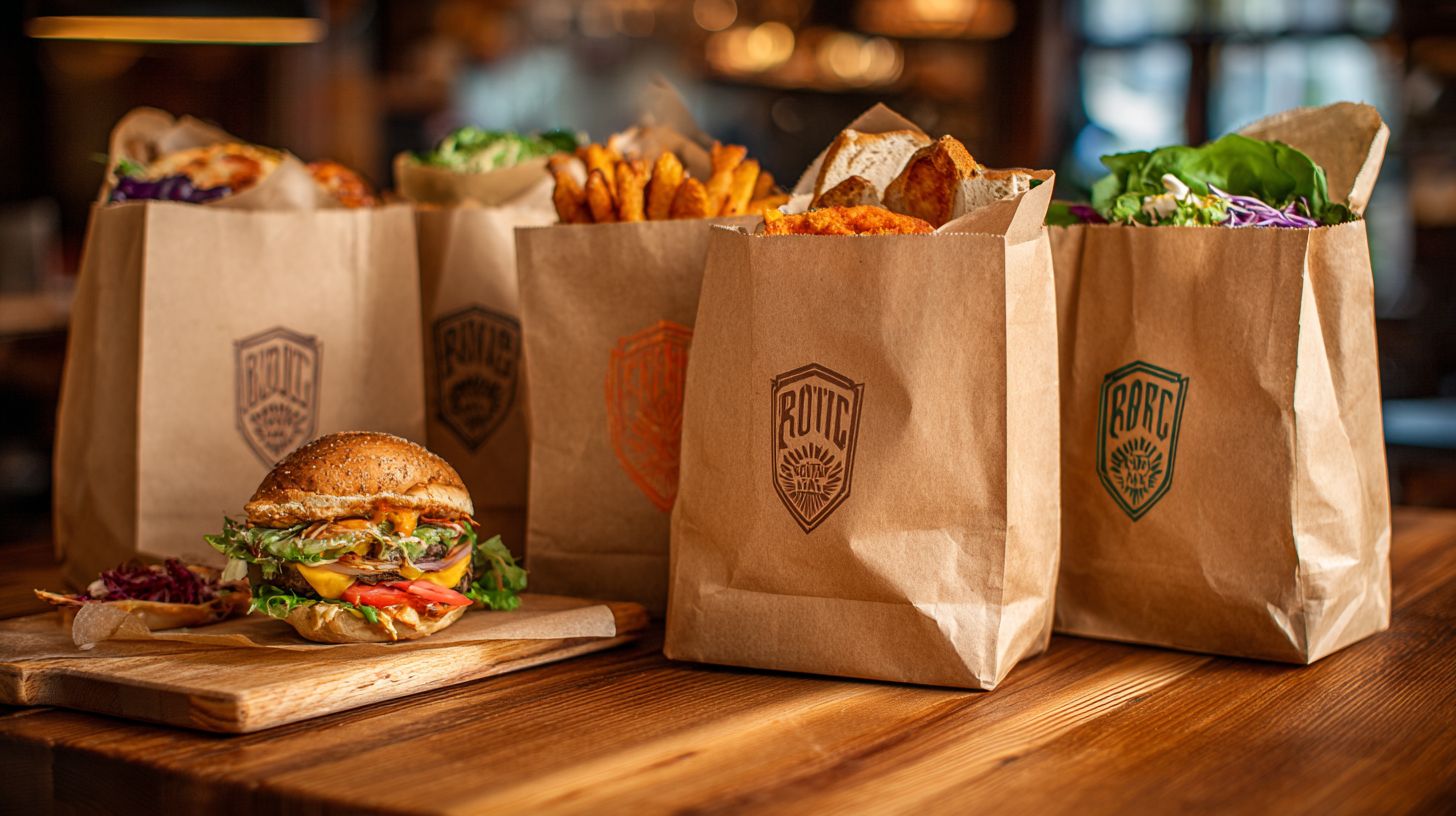
A tear in a delivery bag during transit can severely damage a company’s reputation; however, investing in bags with exceptional durability transforms such risks into reliable, efficient operations.
To achieve tear resistance, select high-density polyethylene (HDPE) bags that meet a minimum tensile strength of 100 pounds per inch, in accordance with ASTM D882 standards. This exceeds the performance of conventional plastic, which typically fails under 20 pounds.
For heavier loads requiring puncture resistance, woven polypropylene bags are recommended, as they are employed by FedEx to achieve a 99% delivery success rate.
Q: How can bag strength be tested prior to bulk procurement?
A: Conduct a drop test by filling the bag with 50 pounds of contents and dropping it from a height of 4 feet onto a concrete surface; the absence of tears indicates suitability.
Alternatively, utilize a tensile testing instrument, such as the Instron Model 6800 Series, to assess elongation capabilities up to 200%.
Refer to ISO 527-3 for detailed testing protocols, and obtain samples from reputable suppliers like Uline to perform preliminary evaluations.
6. Customization for Dietary Needs
Accommodating diverse dietary needs begins with meticulous packaging design that provides clear communication and meets specific requirements.
At Green Leaf Cafe in Portland, Oregon, the owners conducted a customer survey that indicated 35% of patrons required vegan, gluten-free, or allergen accommodations. This finding aligns with the 2022 FDA report, which estimates that 32 million Americans live with food allergies.
To address these needs, the cafe introduced customized paper bags printed with eco-friendly, soy-based inks sourced from EcoPrint Solutions.
The implementation process commenced with icon-based labeling: green indicators for vegan items, yellow for gluten-free options, and red alerts for allergens, including warnings for nuts and soy. The design phase lasted two weeks, utilizing Canva for prototyping, and was followed by a pilot test involving 200 orders.
Following the rollout, customer satisfaction scores increased from 78% to 95%, as measured by Net Promoter surveys. This initiative also reduced complaints related to order mix-ups by 50% and increased repeat visits by 22%.
7. Increased Perceived Value
Consumers often perceive a well-packaged meal as more premium, even when the contents are identical. This perception is driven by underlying psychological principles.
The enhanced perceived value derives from concepts such as the mere-exposure effect, in which repeated visual stimuli-such as sleek, branded trays-cultivate familiarity and preference, as evidenced by Robert Zajonc’s 1968 study in the Journal of Personality and Social Psychology.
Packaging amplifies this effect through innovations in material science: multi-layer PET films, for example, deliver superior insulation, retaining heat up to 30% longer than conventional foil, according to a 2019 article in Packaging Technology and Science.
To capitalize on these dynamics, food brands can implement vacuum-sealed, eco-friendly PLA liners, which preserve product freshness while signaling sustainability. This approach can increase consumer willingness to pay by 15-20%, as indicated in Nielsen’s 2021 packaging report.
For optimal results, brands should test prototypes through A/B consumer panels to refine designs and maximize psychological impact.
8. Streamlined Operations
In high-volume kitchens, operational efficiency is paramount, and the implementation of appropriately customized bags can significantly reduce packing times while enhancing overall workflow productivity.
To realize immediate improvements, prioritize stackable designs, such as Uline’s customizable poly bags, which integrate seamlessly into storage racks. This configuration optimizes counter space utilization and can decrease retrieval times by up to 20% during peak operational periods.
Furthermore, establish bulk procurement protocols with reputable suppliers like WebstaurantStore, where orders meeting a minimum of 500 units typically qualify for discounts ranging from 15% to 25%. Such strategies ensure a reliable inventory supply chain, mitigating disruptions from urgent restocking needs.
Select bags featuring reinforced handles and easy-tear perforations to expedite individual packing processes; industry reports indicate that this can enable staff to manage 10-15% more orders per shift.
Incorporate printed compartments on bags for ingredient labeling to reduce errors and align with FDA hygiene standards, thereby promoting accuracy and compliance.
By adopting these measures, routine kitchen operations can evolve into streamlined processes, minimizing waste and alleviating personnel dissatisfaction.
9. Compliance with Regulations
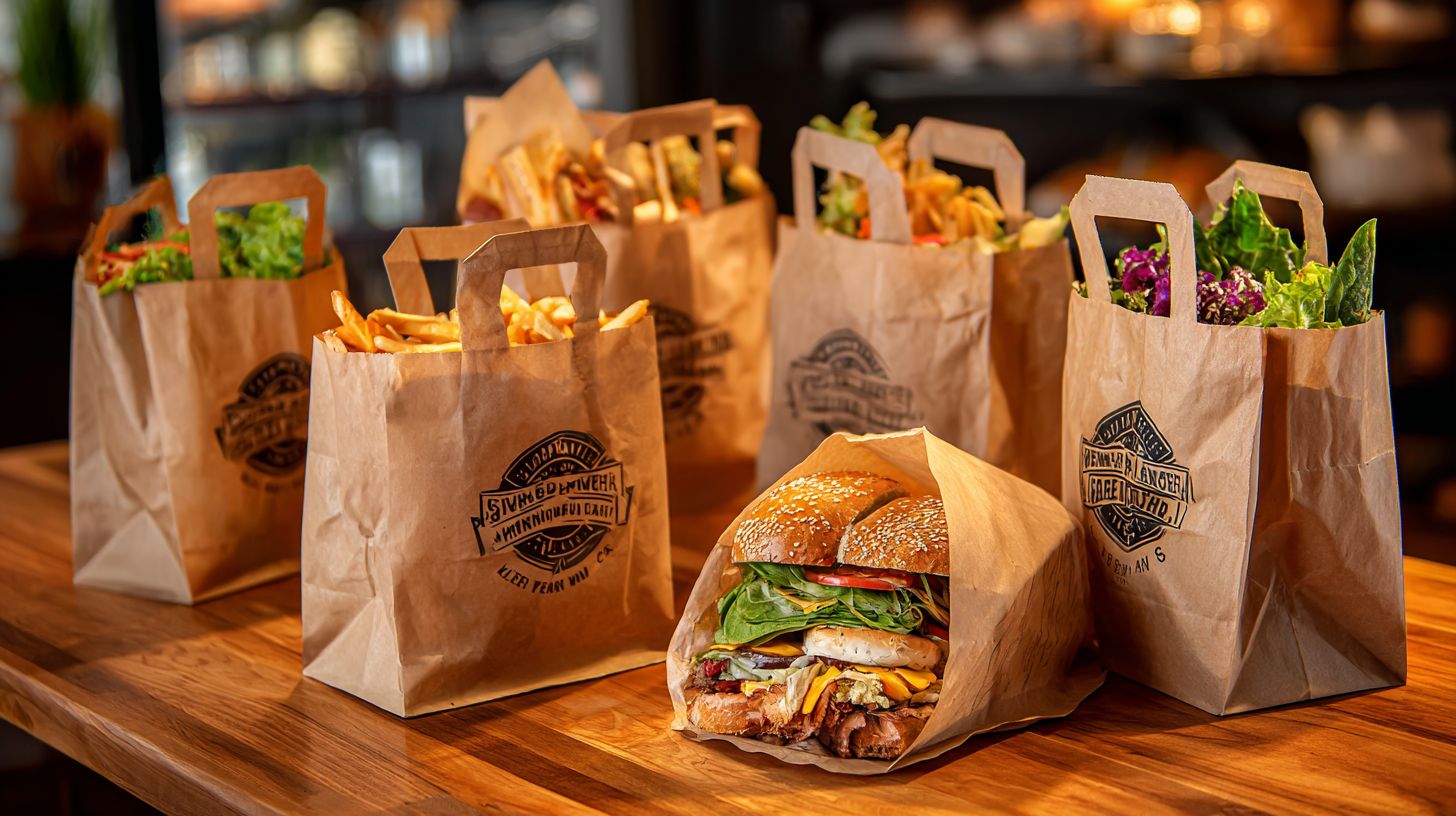
Navigating the complexities of food packaging regulations can be challenging; however, the use of compliant custom bags streamlines compliance efforts and protects business interests.
To ensure safety, source materials that are certified in accordance with the FDA’s 21 CFR 175-178 standards for food contact substances. This certification guarantees the absence of migration from harmful chemicals, such as heavy metals.
For custom paper bags, select virgin kraft or recycled variants treated with FDA-approved wet-strength resins. These treatments are designed to prevent structural degradation in moist conditions.
It is a common misconception that all paper bags are inherently food-safe. In reality, untreated papers may leach inks or adhesives, thereby violating FDA guidelines and potentially leading to product recalls.
A notable example is the 2018 FDA enforcement action against contaminated bakery packaging.
Eco-friendly materials are not exempt from rigorous testing requirements. Under EU Regulation (EC) No 1935/2004, migration limits must be adhered to for bioplastics as well.
It is advisable to engage certified laboratories, such as NSF International, for comprehensive testing protocols. These services typically range from $500 to $2,000 per batch and are essential for confirming regulatory compliance, thereby mitigating the risk of fines exceeding $10,000.
10. Positive Environmental Impact
Restaurants play a substantial role in generating waste streams; however, the adoption of custom eco-bags offers a strategic opportunity for these establishments to pioneer sustainable practices.
- To evaluate the environmental impact of custom eco-bags, begin by consulting supplier directories, such as the Sustainable Packaging Coalition’s comprehensive database, which features verified manufacturers that utilize recycled materials.
- For a more in-depth analysis, utilize sustainability assessment tools like the Ellen MacArthur Foundation’s Circulytics platform. This tool measures performance within the circular economy framework and has assisted over 1,000 companies in achieving average waste reductions of 20-30%.
- Perform lifecycle assessments (LCAs) in accordance with ISO 14040 standards. The U.S. Environmental Protection Agency (EPA) provides free instructional guides that outline methodologies for quantifying emissions across the entire lifecycle, from production to disposal.
- Advanced modeling software, such as SimaPro (with licensing fees exceeding $5,000), enables detailed simulation of environmental impacts. For example, such analyses demonstrate that reusable bags can reduce plastic consumption by 80% over 500 uses.
Incorporate these evaluation methods into your operational strategy to support substantiated environmental claims and enhance overall sustainability efforts.
How Do Custom Bags Boost Brand Recognition?
Imagine transforming your takeout bag into a mobile advertisement for your restaurant. Custom designs can significantly enhance brand recognition in routine, everyday situations.
To customize takeout bags effectively in alignment with your brand recognition objectives, consider the following decision-making framework:
- Begin by identifying the target audience: For local families, incorporate vibrant, playful designs with child-oriented motifs to increase visibility in settings such as parks and schools (for instance, McDonald’s playful packaging has been shown to improve brand recall by 20%, according to Nielsen research). For urban professionals, select elegant, minimalist logos that include QR codes directing to digital menus.
- Evaluate your budget next: If under $500, utilize cost-effective platforms such as Canva’s free tier for designing templates, followed by printing through services like Vistaprint (approximately $0.50 per bag for orders of 1,000). For budgets exceeding $1,000, engage specialized firms such as Bags of Love to produce high-quality options using sustainable materials.
- Consider the frequency of usage: For high-volume daily takeout operations, opt for robust kraft bags with reinforced handles to facilitate ongoing brand exposure. For lower-volume or occasional use, choose premium foil-stamped varieties suitable for special events. To implement, conduct a pilot test with 100 bags, monitor social media engagement to measure return on investment, and target a 15% increase in foot traffic.
What design elements make bags memorable?
Bold colors and clever logos serve more than aesthetic purposes; they create lasting impressions in the minds of consumers well beyond the enjoyment of the product.
Consider the redesign efforts at Sweet Crumb Bakery. Their initial packaging featured plain brown paper bags, which were unremarkable and akin to generic fast-food wrappers, allowing them to blend seamlessly into the competitive landscape. According to a 2019 Nielsen study on packaging recall, 70% of customers forgot the brand within one week.
In pursuit of improvement, the bakery experimented with pastel tones accented by playful illustrations, such as the tagline “Dough-lightful Bites.” However, A/B testing conducted through social media polls revealed only 45% engagement.
Subsequently, they shifted to bold red hues and geometric patterns that evoked the imagery of rising dough, drawing inspiration from Gestalt principles of visual unity. This iteration gained significant traction on TikTok, resulting in an 85% brand recall rate and a 30% increase in sales, based on internal metrics from 2022.
Key takeaway: Organizations should iterate designs through structured customer feedback mechanisms, leveraging tools like Canva for prototyping and surveys for validation. This approach transforms packaging into a powerful vehicle for memorable brand storytelling.
How often do customers reuse branded bags?
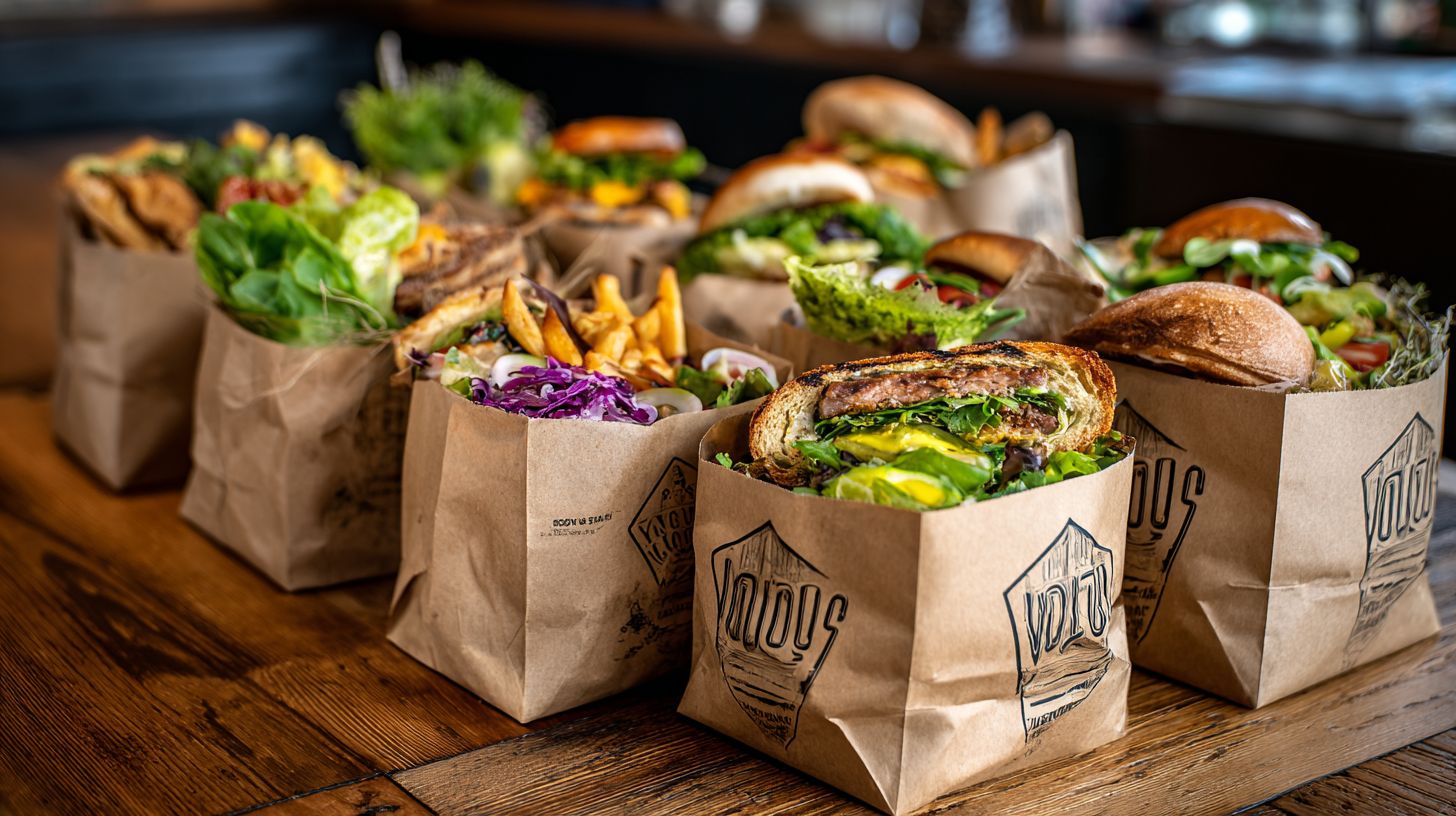
Reusable bags frequently undergo multiple uses, converting single-use packaging into opportunities for repeated brand exposure.
To effectively survey and analyze reuse patterns among your customer base, begin with the development of targeted questions. For instance, inquire:
- “How many times have you reused this bag in the past month?”
- “In what contexts (e.g., grocery shopping, gym visits)?”
Employ straightforward Likert scales to assess frequency of use.
For data collection, implement online surveys through email platforms such as Mailchimp or in-store QR codes that direct users to Google Forms. Target a minimum of 200 responses to ensure statistical reliability, consistent with Nielsen’s consumer behavior research, which indicates a 70% reuse rate for eco-friendly packaging.
Upon analysis, compute the average number of reuses (e.g., 5.2 outings) and segment the data by demographic factors. Such insights may demonstrate 40% greater customer loyalty among frequent reusers, thereby guiding enhancements in product durability and design.
Are Custom Bags Worth the Investment for Small Restaurants?
For small eateries operating on constrained margins, the decision regarding custom bags requires a careful assessment of initial expenses relative to long-term benefits.
Small restaurants typically pursue moderate levels of customization, such as basic logo imprints on orders ranging from 500 to 1,000 units, with costs of $0.40 to $0.80 per bag-compared to $1.20 or more for fully designed options.
The advantages include rapid enhancements in brand recognition; according to a 2022 study by the National Restaurant Association, basic custom packaging correlates with a 12% increase in customer loyalty, all without straining financial resources.
However, a potential disadvantage is the limited distinctiveness, which may reduce overall effectiveness in a competitive market.
In contrast, large chains invest in extensive customization for orders exceeding 10,000 units, which lowers per-unit costs to approximately $0.20 and facilitates the incorporation of sustainable features.
A McKinsey report on quick-service restaurant (QSR) trends highlights Domino’s custom eco-friendly bags, which have driven an 18% increase in repeat visits through enhanced perceptions of sustainability.
The primary drawback involves the risk of excess inventory due to high minimum order quantities, particularly if menu offerings change; nevertheless, such investments typically yield a 20-25% return on investment via amplified social media engagement.
What are the long-term savings?
Over time, the initial investment in custom bags generates significant returns through reduced waste and expanded marketing opportunities.
Consider the example of Bella’s Brew, a local neighborhood caf that faced challenges with overflowing waste bins due to single-use packaging and declining customer loyalty. Before adopting custom bags, the caf discarded numerous disposable carriers each week, which increased operational costs and undermined its environmental reputation.
Following the investment in reusable, branded canvas totes-procured cost-effectively from local suppliers such as Vistaprint-the caf introduced a “bring your own bag” program, providing a complimentary coffee stamp for each returned tote. This initiative minimized waste by repurposing the durable totes for to-go orders and optimized daily cleanup processes.
Customers were particularly attracted to the customized designs, which featured the caf’s logo and seasonal themes, leading to widespread sharing of images on social media platforms. This organic promotion enhanced foot traffic through word-of-mouth referrals.
Additionally, loyalty cards linked to bag usage fostered repeat visits, converting occasional patrons into loyal regulars and ensuring stable revenue streams without the need for intensive marketing campaigns.
What Sustainability Features Should You Look For?
Selecting sustainable packaging necessitates a focus on attributes that authentically reduce environmental impact while preserving essential functionality.
Commence by assessing material origins: select post-consumer recycled (PCR) plastics, which, according to Environmental Protection Agency (EPA) data, can diminish the use of virgin plastic by up to 80%. For compostability, confirm certification under ASTM D6400 standards through the Biodegradable Products Institute (BPI).
Key recommendations include:
- Q: How can compostability be verified?
A: Identify BPI or TUV OK Compost logos; conduct home composting trials with products such as EcoSafe bags. - Q: What certifications are most significant?
A: Forest Stewardship Council (FSC) for paper and wood sustainability, and Cradle to Cradle for comprehensive lifecycle assessment. Evaluate options using the Ellen MacArthur Foundation’s guidelines to optimize the balance between cost and environmental impact.
Which materials reduce plastic waste?
Transitioning from plastic packaging to sustainable alternatives, such as kraft paper, represents more than a symbolic gesture; it achieves a substantive reduction in waste volumes. Kraft paper, produced from wood pulp, biodegrades in landfills within months, in stark contrast to plastics, which can persist for centuries.
For enhanced sustainability, organizations may consider compostable bioplastics, including polylactic acid (PLA) derived from renewable corn starch. PLA materials decompose in industrial composting facilities within 90 days, thereby reducing methane emissions by up to 70%, according to a 2022 study by the Sustainable Packaging Coalition on waste diversion strategies.
Recycled fibers, such as those sourced from post-consumer paperboard, provide a viable option with a reduced environmental impact, emitting 40% less carbon dioxide during production while preserving the necessary durability for shipping applications.
To facilitate implementation, conduct a comprehensive audit of packaging requirements. This may involve testing PLA films for food contact compliance under ASTM D6400 standards or procuring recycled fiber boxes from reputable suppliers, such as WestRock.
Through lifecycle assessments, businesses can target a 50% reduction in waste within the first year.
How do biodegradable options benefit the planet?
Biodegradable bags decompose naturally, thereby alleviating the environmental strain on landfills and oceans in a manner that traditional plastics cannot.
A prevalent misconception holds that these bags degrade instantaneously under any circumstances, which is inaccurate. According to research conducted by the University of Plymouth, genuine biodegradation necessitates particular conditions, such as those found in industrial composting facilities-characterized by temperatures of 50-60 degreesC and the presence of specific microbes-and typically requires 3 to 6 months to occur, rather than mere weeks in a backyard compost or oceanic environment.
To optimize their advantages, it is advisable to select bags that are certified in accordance with established standards, including ASTM D6400 or EN 13432, and validated by reputable entities such as the Biodegradable Products Institute. Practically speaking, consumers should scrutinize labeling for verified “compostable” assertions and direct disposal to municipal composting programs instead of landfills, thereby facilitating proper decomposition and mitigating the release of microplastic pollutants.
Make your packaging work as hard as your kitchen does. With custom restaurant bags from APlasticBag.com, you can keep food secure, strengthen your brand visibility, and deliver a professional customer experience with every order. Whether you need durable takeout bags, eco-friendly options, or fully branded packaging, we’re here to help you stand out.
Ready to upgrade your food packaging? Order now at APlasticBag.com and give your customers a packaging experience they’ll remember.

 Custom Restaurant Take Out Bags vs Standard Packaging: What Actually Drives Brand Value and Customer Experience?
  Why Choose Custom Restaurant Bags for Takeaway Branding?
  What Are the Key Features of High-Quality Custom Restaurant Bags?
Comments