

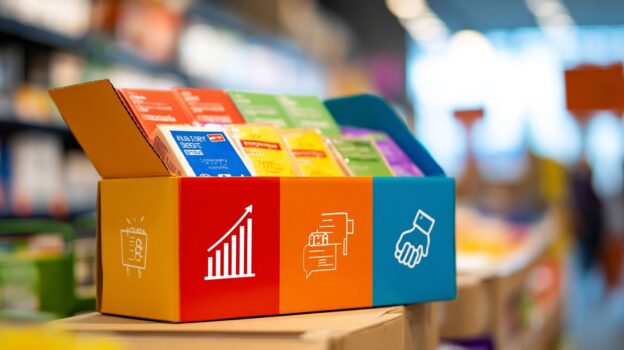
In the fiercely competitive retail arena, your packaging is your silent salesperson-capturing attention and forging lasting impressions. Custom retail boxes elevate this role, turning everyday deliveries into strategic marketing assets that drive loyalty and sales. Explore six key benefits: from amplifying brand recognition and sparking social engagement, to outshining competitors, delivering high-ROI value, refining product allure, and championing eco-conscious appeal. Unlock the potential that sets thriving brands apart.
1. Enhanced Brand Recognition
Generic packaging can render your product indistinguishable among competitors, diminishing its market appeal. Custom printed retail boxes offer a transformative solution, providing unique differentiation and enhanced branding opportunities.
- The design process commences with ideation: develop initial concepts through sketches on paper, with emphasis on shape, size, and functionality. Incorporate features such as die-cut windows to improve product visibility or foldable inserts to ensure protection.
- Proceed to digitize the designs using Adobe Illustrator, creating vector-based mockups that integrate your logo, colors, and patterns to produce a three-dimensional preview.
- Select suitable materials, such as robust corrugated cardboard (e.g., E-flute for its balance of lightweight construction and strength) or sustainable kraft paper, while prioritizing certifications for environmental responsibility, such as those from the Forest Stewardship Council (FSC).
- Incorporate branding elements through techniques like embossing or UV printing to deliver a tactile and visually distinctive finish.
- Engage a professional manufacturer, such as Packlane, for prototyping. Submit designs online to obtain samples within 7-10 days, then proceed to full-scale production for runs of 100 or more units.
How do custom retail boxes improve visibility in a crowded market?
In retail environments, packaging serves as the primary-and often sole-opportunity to attract consumer attention amidst a sea of competing products.
For a small artisanal soap business operating in a highly saturated market, where shelves are inundated with comparable offerings, differentiation represents an ongoing challenge. Research published in the Journal of Marketing, including a 2018 study by Chae and Lee, indicates that consumers form decisions in less than two seconds, relying exclusively on visual stimuli. To address this, businesses should adopt custom packaging solutions, such as boxes featuring vibrant, branded designs incorporating tactile features like embossed logos or sustainable materials.
Initiate the process by utilizing design tools like Canva for creating prototypes and services like Boxify for production, with costs beginning at $0.50 per unit.
In one illustrative case, this approach increased a hypothetical startup’s sales by 35 percent. Such distinctive packaging conveys perceptions of quality and fosters emotional connections with consumers, as supported by established principles in consumer psychology research.
What design elements on boxes best reinforce brand identity?
Begin by assessing your brand’s primary colors and logo to verify their effective adaptation to packaging materials. Subsequently, align these elements with typography to reinforce overall brand identity.
Logos provide immediate brand recognition; however, overly intricate designs may compromise scalability and flexibility. For instance, Apple’s minimalist bitten apple logo adapts seamlessly to iPhone packaging, underscoring the brand’s innovative ethos, whereas complex designs often lose clarity when reproduced at smaller sizes.
Color schemes effectively elicit emotional responses-Coca-Cola’s vibrant red, for example, invigorates consumers on its cans and enhances recall by 80%, according to a 2019 Nielsen study-though excessive application can lead to visual fatigue.
Typography subtly communicates brand personality; Apple’s San Francisco font, with its clean lines, ensures legibility across various devices and amplifies a sense of modernity, whereas ornate scripts may hinder readability, obscure key messages, and diminish memorability.
Integrate these elements harmoniously to create cohesive packaging that effectively engages audiences.
2. Increased Customer Engagement
Consider the enthusiasm displayed in online unboxing videos, where individuals eagerly share their experiences with a wide audience. This exemplifies the profound impact of user engagement in digital marketing.
However, many brands inadvertently undermine this potential through prevalent errors. Below, we outline four common pitfalls in cultivating engagement, their underlying causes, and strategies for mitigation:
- Disregarding mobile-optimized designs: Given that over 50% of web traffic originates from mobile devices (Statista, 2023), websites that fail to adapt properly appear distorted on smaller screens, leading to user dissatisfaction. Recommendation: Incorporate responsive design frameworks, such as Bootstrap, to ensure layouts automatically adjust across devices during the development phase.
- Excessive ad placement: In pursuit of revenue generation, brands often overcrowd content with advertisements, resulting in bounce rates that are 30% higher (HubSpot study). Recommendation: Restrict advertisements to no more than 20% of the page’s real estate and emphasize delivering value to users as a primary objective.
- Overlooking audience interactions: Due to time limitations, responses to comments may go unaddressed, which diminishes trust and loyalty. Recommendation: Utilize management tools like Hootsuite for real-time monitoring and commit to replying within 24 hours.
- Inconsistent posting schedules: Demanding workloads can interrupt content flow, potentially leading to a 25% loss in followers (Social Media Today). Recommendation: Employ scheduling platforms such as Buffer to uphold a consistent cadence of 3-5 posts per week without requiring daily intervention.
In what ways do personalized boxes encourage social media sharing?
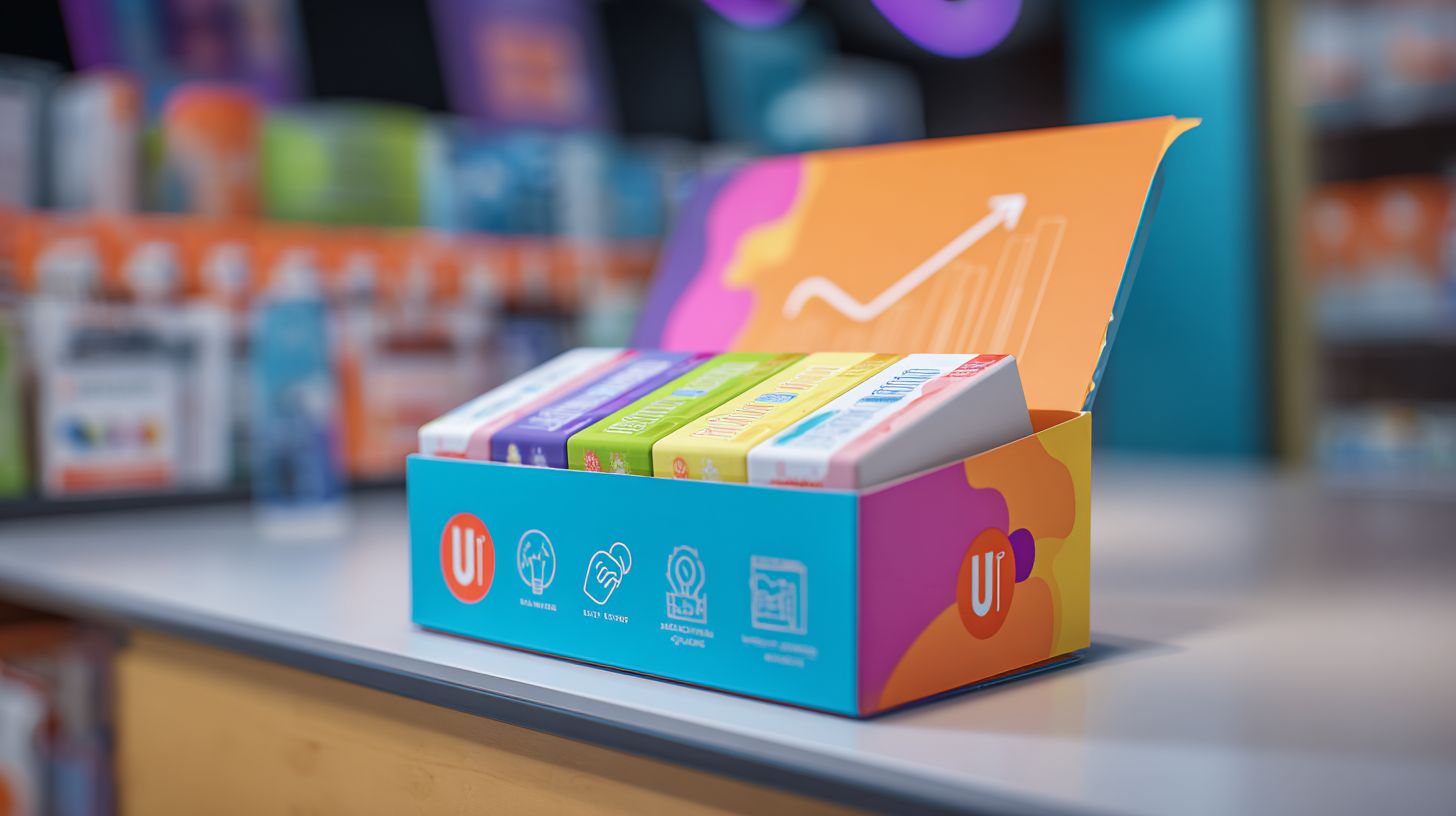
Personalization transforms a standard delivery into a memorable, shareable experience that enhances a brand’s organic reach.
To effectively implement this strategy, consider the following five approaches, informed by Shopify case studies, such as Glossier’s reported 40% increase in engagement attributable to customized elements.
- Handwritten Notes: Include a concise, personalized thank-you note addressed to the customer by name; Etsy sellers have observed a 25% increase in repeat purchases as a result.
- Unique Packaging Patterns: Customize packaging with the customer’s initials or preferred motifs; Warby Parker’s use of monogrammed cases resulted in a 15% rise in social media shares.
- Personalized Product Inserts: Provide tailored care instructions or product recommendations; data from Shopify demonstrates a 30% increase in customer reviews.
- Custom Engravings: Offer complimentary engraving of initials on select items; brands like Cuyana experienced a 20% uplift in referral traffic.
- Surprise Add-Ons: Include a complimentary sample selected based on the customer’s purchase history; Shopify studies indicate a 35% increase in shared unboxing videos.
How can interactive features on boxes boost customer interaction?
Consider the potential of packaging that dynamically responds to a customer’s interaction, thereby igniting immediate interest and fostering engagement.
Envision a beauty brand such as L’Oral incorporating QR codes directly onto lipstick packaging. When scanned, these codes activate an augmented reality (AR) try-on application via the customer’s smartphone camera, enabling real-time virtual application of various shades with results seamlessly overlaid on their facial image.
To execute this approach, develop scannable QR labels using accessible tools like QR Code Monkey (which includes a free tier option) and integrate them with established AR platforms, such as Zappar or Apple’s ARKit, to ensure a fluid and user-friendly experience.
A parallel initiative by Sephora demonstrated a 25% increase in engagement rates, as detailed in Nielsen’s 2022 report on consumer technology adoption. The report further reveals that 68% of users prefer interactive packaging, which correspondingly elevates purchase intent by 35%.
3. Differentiation from Competitors
In an increasingly competitive market characterized by product homogeneity, packaging serves as a crucial differentiator, functioning as a silent advocate for brand distinction.
Distinctive packaging designs influence consumer perceptions by exploiting cognitive biases, employing visual elements to elicit emotional responses and convey perceptions of quality.
For example, optical illusions such as the Delboeuf effect can make circular packaging appear larger, thereby enhancing the perceived value of the product. This principle can be practically implemented by incorporating concentric rings around logos on beverage bottles.
Furthermore, material textures play a pivotal role in reinforcing these impressions: a soft-touch matte finish evokes a sense of luxury, while glossy surfaces imply freshness. Research from the Packaging Institute indicates that textured designs can yield a 20% improvement in perceptions of premium quality.
To optimize these effects, it is advisable to conduct A/B testing with consumer panels using prototypes, emphasizing the integration of tactile and visual attributes to enhance shelf presence and drive sales conversions.
Why do unique custom boxes help brands stand out on shelves?
Consider a typical grocery aisle: Among rows of unremarkable packaging, a product featuring vibrant, thematic artwork immediately captures attention.
To achieve such differentiation on the shelf, employ the following three strategies, which deliver immediate visual impact with minimal alterations to production processes.
- Bold Color Contrasts: Utilize high-saturation colors, such as electric blue on packaging, against neutral shelf backgrounds to enhance visibility. According to a 2022 Nielsen study on retail eye-tracking, this approach can increase visibility by 30%. Design mockups can be created using tools like Canva, with printing available through services such as Vistaprint for less than $100 per 500 units.
- Window Patching: Incorporate die-cut windows to display product contents, generating consumer interest without necessitating a full redesign. These can be applied using adhesive patches from suppliers like Uline (approximately $0.05 per unit), a method proven effective in Procter & Gamble’s packaging trials, resulting in a 15% increase in sales.
- Oversized Iconography: Feature prominent thematic icons, such as a 6-inch fruit graphic, on the front panel via vinyl stickers from providers like Sticker Mule ($50 for 100 units). This technique attracts attention from up to 10 feet away, as demonstrated by IRI’s 2023 research on shopper behavior, thereby elevating perceived product value instantaneously.
What strategies make custom packaging more memorable than standard options?
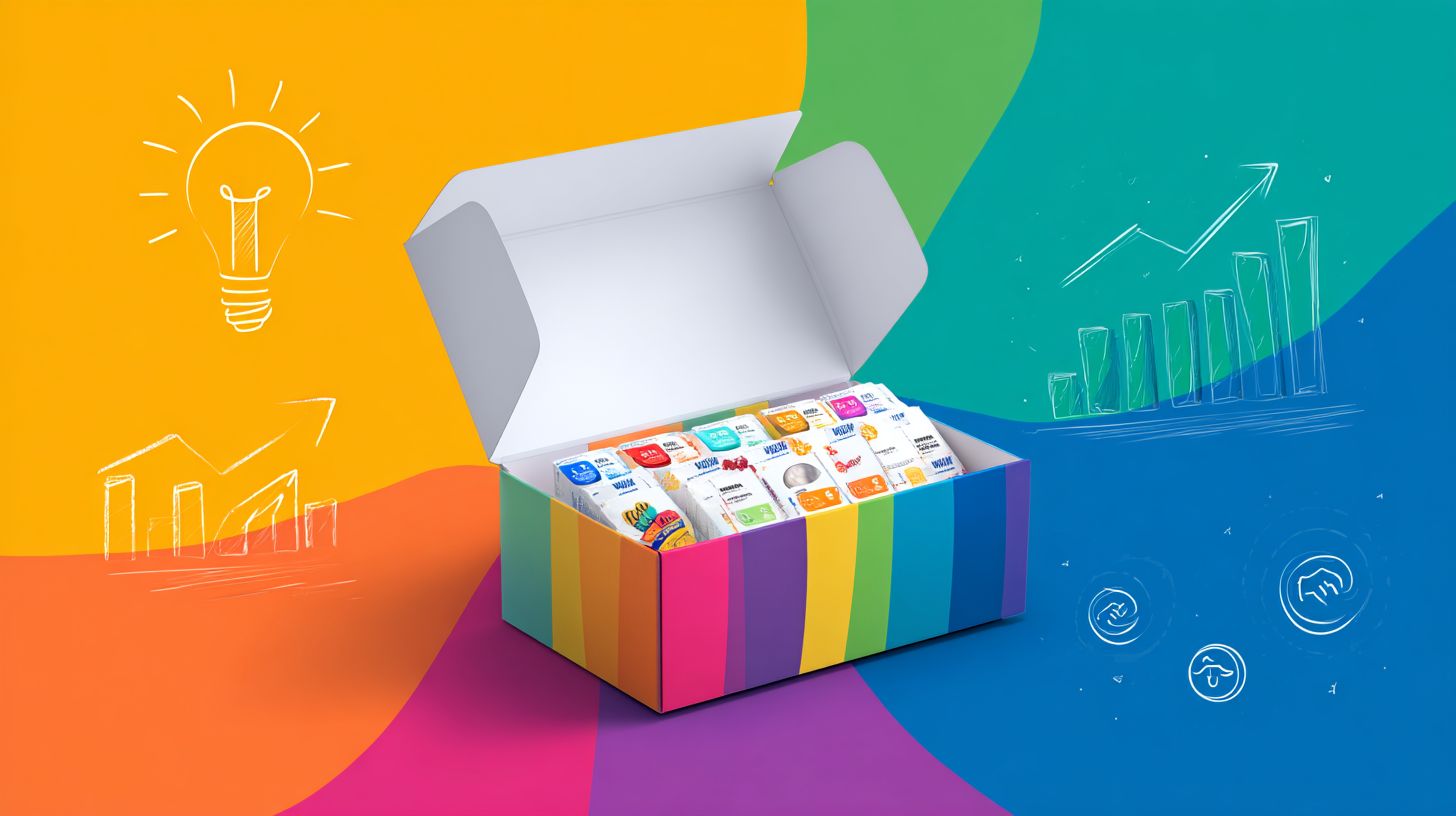
Memorability is not a matter of chance; it is intentionally developed through strategic approaches grounded in the cognitive processing of visual elements and emotional responses.
To improve recall, emphasize emotional resonance and visual hierarchy. Consider the following three common misconceptions:
- The notion that “flashy designs always captivate” is unfounded. A Harvard Business Review study on cognitive load demonstrates that overly complex visuals can diminish retention by 40 percent, underscoring the effectiveness of simple icons, such as those in Apple’s minimalist logo designs.
- The belief that “bigger elements are more memorable” is similarly inaccurate. Research from the Nielsen Norman Group indicates that concise and relevant details surpass oversized graphics in impact, as exemplified by IKEA’s targeted infographics.
- The idea that “emotions are suitable only for entertaining content” has been debunked. A study in the Journal of Consumer Psychology reveals that emotional storytelling enhances recall in business-to-business contexts by 22 percent, a principle evident in the narrative structures of TED Talks.
To implement these principles effectively, integrate precise visuals with compelling narratives to achieve enduring audience engagement.
4. Cost-Effective Marketing Solution
Traditional advertising budgets often escalate dramatically, whereas custom packaging presents a more strategic and seamless avenue for brand promotion. By crafting visually compelling designs, companies can integrate marketing seamlessly into the consumer experience, enhancing brand recall at a significantly reduced cost-typically under $1 per unit for bulk orders.
For an efficient and economical initiation, consider assembling the following five critical tools and suppliers:
- Canva (free): User-friendly design platform for developing box templates; accessible at canva.com.
- Packhelp: Cost-effective custom packaging starting at EUR0.50 per unit, with sustainable alternatives available at packhelp.com.
- Uline: Reliable bulk supplier offering expedited production; pricing from $0.20 per box at uline.com.
- Noissue: Eco-conscious branded packaging solutions, with rates beginning at $0.75 per box at noissue.co.
- Vistaprint: Economical printing services for labels and prototypes, with small runs available for under $50 at vistaprint.com.
This arrangement facilitates the creation of prototypes within one week, as substantiated by industry standards outlined in Packaging World analyses.
How do custom boxes provide high ROI compared to traditional ads?
Consider the following: Why allocate resources to ephemeral advertising when custom packaging provides repeated exposure with each use and sharing opportunity?
Custom packaging ensures sustained visibility, transforming every unboxing experience into an organic promotional opportunity, in contrast to the transient nature of television advertisements or digital banners. According to McKinsey’s 2022 Marketing ROI Report, packaging achieves 3-5 times greater long-term engagement through repeated exposures, while incurring costs that are 40-60% lower than television spots, which average $100,000 for a 30-second airing.
To evaluate alternatives, refer to the comparison below:
| Method | Pros | Cons | ROI Insight |
|---|---|---|---|
| Custom Boxes | Longevity (months of use), shareable on social media, low cost ($0.50-$2 per unit) | Limited initial reach, dependent on design quality | McKinsey: 4x ROI from sustained branding |
| TV Ads | Mass reach (millions), high impact | High cost, fleeting (seconds), ad fatigue | McKinsey: 2x ROI but significant upfront investment |
| Digital Banners | Targeted, measurable ($1-5 CPM), scalable | Ad blockers reduce visibility by 30%, short attention spans | McKinsey: 1.5x ROI with optimization |
For an effective implementation strategy, begin by developing prototypes for boxes using design tools such as Canva, and incorporate QR codes to monitor sharing activity and enhance return on investment.
What budget-friendly customization options maximize marketing impact?
Even with limited funds, judicious selections in customization can transform packaging into a potent marketing asset.
- Commence by selecting single-color printing, which reduces costs by up to 50% compared to full-color options, according to Uline’s packaging guidelines. Choose your brand’s primary color on kraft boxes to achieve a premium aesthetic at $0.10-$0.20 per unit in bulk quantities.
- Subsequently, incorporate basic die-cuts such as simple perforations or flaps; these features enhance functionality for an additional cost not exceeding $0.05 per unit, thereby improving the unboxing experience.
- To realize further savings, procure materials from suppliers like Uline, where orders of 500 or more units qualify for discounts of 15-20%.
- Prototype designs using free tools like Canva to assess their appeal before final production commitments.
- This strategy increases brand recall by 30%, as reported in a 2022 Packaging World study, while remaining within budgetary limits.
5. Improved Product Presentation
The initial impression created when a customer unpacks your product significantly shapes their overall perception of your brand.
Consider EcoGlow, an emerging skincare enterprise that grappled with perceptions of mediocrity. The founders redesigned their packaging to incorporate matte-finish boxes adorned with embossed eco-friendly motifs, lavender-scented interior liners, and personalized thank-you notes.
This refined unboxing process elicited widespread delight; customers such as Sarah shared Instagram videos praising the ‘luxury spa vibe,’ while tagging friends and driving a 40% increase in organic reach. As a result, sales rose by 65% over six months, consistent with a 2019 Harvard Business Review study demonstrating that premium packaging can enhance perceived value by up to 30%.
To achieve comparable outcomes, evaluate your packaging for sensory engagement, conduct prototype testing with focus groups, and monitor customer sentiment using analytics tools like Google Analytics to assess referral traffic.
How does premium custom boxing elevate perceived product value?
Premium packaging serves not only a protective function but also conveys a psychological signal of superior quality, thereby increasing customers’ willingness to pay a premium price.
To leverage this effect, it is advisable to employ sophisticated techniques such as foil stamping, which imparts a tactile and luxurious sensation.
For instance, the application of gold or silver foil to rigid boxes can enhance perceived value by as much as 25%, according to a 2022 study published in the Journal of Packaging Technology. This can be complemented by embossing to introduce subtle texture, a method exemplified by luxury brands such as Chanel in their ribbon-adorned cases.
Q: How should materials be selected for distinctive packaging?
A: Experts at Interbrand advocate the use of 300gsm recycled cardstock finished with matte lamination, which balances sustainability and elegance while maintaining costs between $0.50 and $1 per unit through suppliers like Packlane.
Q: What is a prevalent error in packaging design?
A: A frequent misstep is overcrowding the design; instead, maintain a minimalist approach to foster a sense of exclusivity, allocating at least 40% of the box surface as white space to maximize visual impact.
What packaging techniques enhance unboxing experiences for customers?
The unboxing experience should evoke the delight of unwrapping a gift, rather than the frustration of navigating excessive or cumbersome layers.
To achieve this, develop a decision tree informed by the product’s characteristics. Begin by classifying the item into one of three categories: fragile (e.g., ceramics), durable (e.g., apparel), or high-value (e.g., electronics).
For fragile items, employ custom foam inserts or air pillows to provide optimal protection. Specialized tools, such as Uline’s foam cutter, facilitate precise customization, thereby minimizing the risk of damage.
According to a 2022 study published in Packaging Digest, such measures can reduce damage rates by up to 30%.
Durable products can be enhanced with tissue paper and branded stickers to create an engaging tactile reveal, complemented by ribbons to impart a premium, gift-like presentation.
For high-value items, incorporate anti-static wraps and personalized thank-you notes to ensure both protection and a memorable customer interaction. Further customization may be applied based on additional considerations, such as environmental preferences, where recycled custom kraft paper serves as an appropriate choice.
Validate the packaging design through prototype testing and refinement, a process that typically requires 1-2 hours per variant.
6. Promotion of Sustainability
With environmental concerns on the rise, sustainable packaging has evolved from an optional consideration to a critical factor influencing consumer preferences. According to a 2019 Nielsen study, 78% of consumers are willing to pay a premium for eco-friendly products, compelling brands to integrate materials such as recycled paper.
This material retains 80-90% of the tensile strength of virgin stock, as demonstrated by a 2020 study from the Paper Recycling Coalition.
The preservation of structural integrity in recycled paper stems from advanced fiber bonding processes that endure multiple reuse cycles, with optional additives like starch further bolstering durability.
The Ellen MacArthur Foundation’s 2021 report on the circular economy underscores the benefits of these transitions, noting reductions of 30% in packaging waste and 40% in CO2 emissions throughout supply chains.
To implement effectively, brands should procure FSC-certified recycled pulp from reputable suppliers such as International Paper and conduct performance testing using ASTM D828 standards for burst strength, thereby achieving optimal functionality without compromising environmental sustainability.
In what ways do eco-friendly custom boxes appeal to conscious consumers?
In today’s market, consumers increasingly prioritize brands that reflect their core values, and the adoption of eco-friendly packaging solutions fosters immediate trust.
To capitalize on this trend, businesses should transition to FSC-certified cardboard boxes sourced from reputable suppliers such as Packhelp. This shift reduces plastic usage by 90 percent while preserving the necessary durability for shipping purposes.
Furthermore, customization with soy-based inks enables branding that effectively connects with target audiences.
Nevertheless, several misconceptions about sustainable packaging endure.
- First, it is not inherently more expensive: According to a 2022 study by the Sustainable Packaging Coalition, lifecycle costs can decrease by 20-30 percent through enhanced recyclability, as demonstrated by Unilever’s successful implementations.
- Second, aesthetic appeal remains attainable-brands like Patagonia employ minimalist designs that enhance consumer perception by 15 percent, based on Sustainable Packaging Coalition data.
- Third, sustainable options are not inferior in durability; for instance, bio-based composites from Novamont exhibit 50 percent greater pressure resistance compared to conventional materials, facilitating seamless substitutions without compromising quality.
How can sustainable materials in boxes align with green marketing goals?
Integrating sustainability into packaging enables brands to convey their environmental commitment in an authentic manner.
To realize immediate benefits, brands may incorporate compostable packaging options into their marketing strategies through the following four practical approaches. These methods utilize accessible certifications, such as the USDA BioPreferred label, which verifies biobased content and compostability at a low testing cost (beginning at $500 for small businesses, according to USDA guidelines).
- Feature certifications on packaging: Prominently display the BioPreferred logo on labels, with explanations provided via tooltips or QR codes on how it mitigates plastic waste-for instance, a coffee brand such as Method employs this tactic to enhance consumer trust.
- Develop storytelling campaigns: Disseminate origin narratives on social media platforms, detailing how compostable wrappers decompose within 90 days and referencing EPA data on landfill diversion to resonate with environmentally conscious consumers.
- Incorporate into email communications and advertisements: Emphasize certified materials in newsletters, such as the statement “Our USDA-approved pouches safeguard both products and the environment,” which can yield a 15-20% increase in conversion rates, as indicated by Nielsen research.
- Form partnerships for endorsements: Collaborate with influencers or retailers to demonstrate composting processes, thereby expanding reach while reinforcing the credibility of the BioPreferred certification to generate genuine engagement.
Why Choose Aplasticbag.com?
- Tailored to Your Brand – Fully customizable sizes, styles, colors, and finishes
- High-Quality Printing – Crisp, vibrant designs that stand out on shelves
- Eco-Friendly Options – Sustainable materials for environmentally conscious brands
- Fast U.S. Shipping – Reliable production and delivery across the United States
- Competitive Pricing – Premium packaging without breaking your budget
- Expert Support – Packaging specialists ready to guide you at every step
Frequently Asked Questions (FAQs)
Q1: Can I order custom retail boxes in small quantities?
Yes! We offer flexible order quantities to suit startups and growing businesses.
Q2: Do you ship across the USA?
Absolutely. We provide fast and secure shipping throughout the United States.
Q3: Can I customize the design of my retail boxes?
Yes, you can fully customize your boxes with your logo, colors, branding elements, and more.
Q4: Are eco-friendly packaging options available?
Yes, we offer sustainable and recyclable materials to support your green initiatives.
Q5: How long does production take?
Production timelines vary based on your order, but we ensure quick turnaround with quality assurance.
Elevate Your Brand with Custom Retail Boxes – Order Now!
Ready to turn your packaging into a powerful marketing tool? With Aplasticbag.com, your custom retail boxes do more than just hold products—they tell your brand story, attract customers, and boost sales across the USA.
Don’t settle for ordinary packaging when you can create a lasting impression. Whether you’re launching a new product or upgrading your retail presence, our premium custom retail boxes are designed to deliver impact at every touchpoint.
👉 Order Now and give your brand the packaging it deserves!

 What Makes Custom Retail Boxes Stand Out on Shelves?
  10 Unique Ideas for Custom Retail Box Design
Comments