


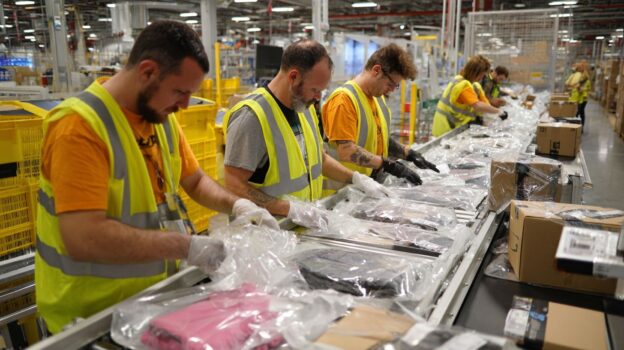
In the high-stakes arena of e-commerce, where shipping mishaps can erode trust overnight, the right packaging becomes a strategic edge. Poly bags rise to the challenge, streamlining operations while safeguarding profits. Delve into six pivotal reasons-cost efficiency, lightweight design for lower freight, tear-resistant protection, adaptability across products, branding flexibility, and eco-conscious variants-that make them essential. Uncover transit safety secrets and best practices tailored for small-scale ventures.
1. Cost-Effective Packaging Solution
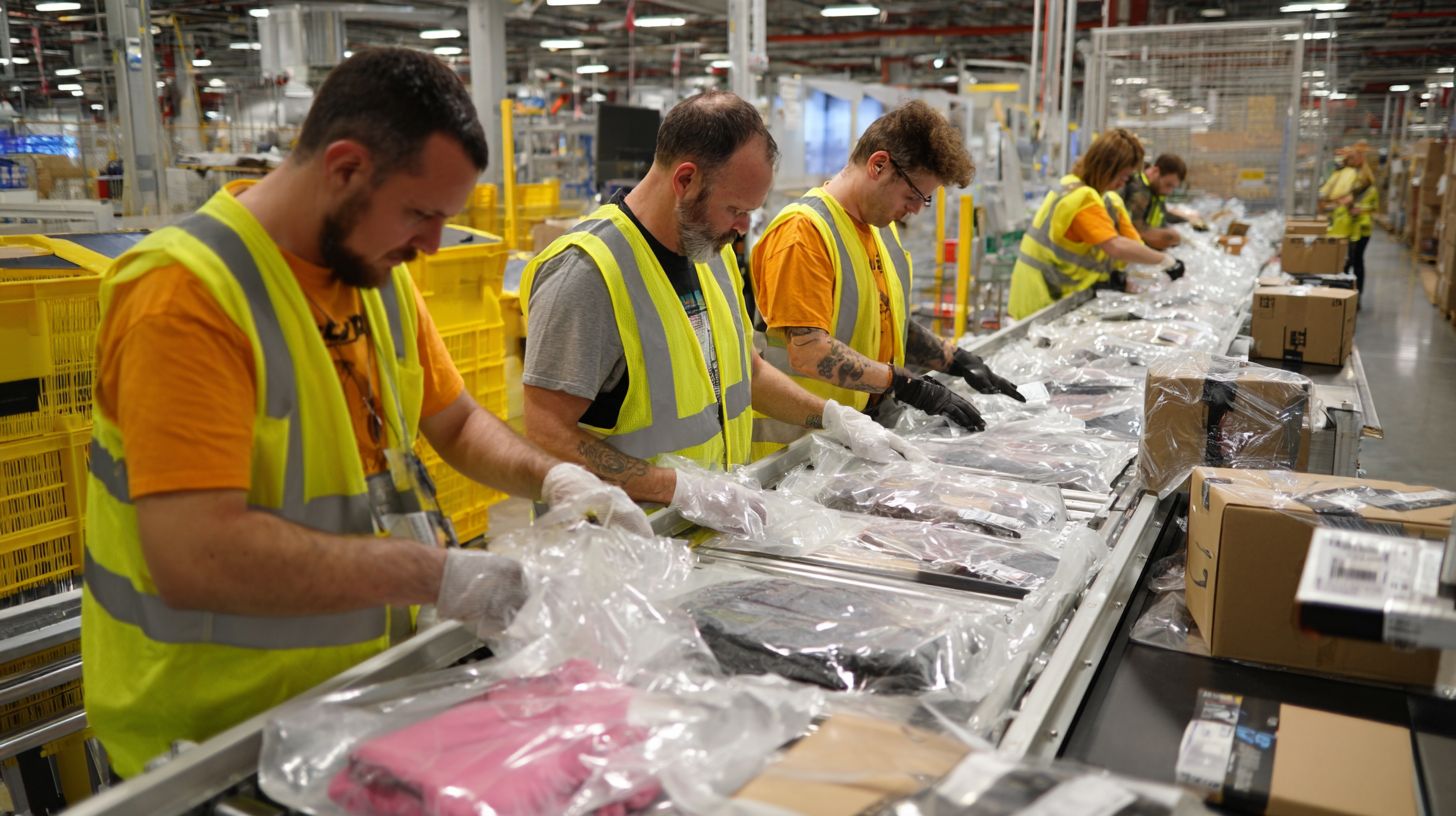
In the highly competitive landscape of online retail, each expenditure must be meticulously managed to enhance profitability.
To optimize packaging solutions, it is advisable to compute the total cost of ownership (TCO) for poly bags in comparison to conventional cardboard boxes. Adhere to the following structured approach:
- Identify suppliers: Leverage established platforms such as Alibaba or Uline. Poly bags typically range from $0.03 to $0.08 per unit from providers like Poly bags USA, while cardboard boxes average $0.15 to $0.30 per unit through suppliers such as Packlane.
- Assess base costs: Incorporate expenses related to materials, shipping ($0.01-$0.05 per unit), and labor. According to a 2022 study by Packaging Digest, poly bags offer upfront savings of 40-60%.
- Incorporate volume discounts: Negotiate reductions of 15-25% for orders exceeding 10,000 units-for instance, reducing the poly bag cost to $0.02 per unit.
- Monitor savings via spreadsheet: Develop a template in Google Sheets featuring columns for quantity, unit cost (poly bags versus traditional options), total expenditure, and the TCO calculation: (Initial Costs + Annual Costs) / Units. Over a five-year period, poly bags can achieve net savings of 30%, as indicated by EPA data on waste reduction.
2. Lightweight and Reduces Shipping Costs
Elevated shipping costs can significantly diminish profit margins even prior to the dispatch of the initial order.
For small e-commerce operators such as Mia, who manages an online boutique specializing in apparel, the utilization of heavy cardboard boxes introduced superfluous weight, which elevated USPS Priority Mail rates from $8 to $12 per package and increased UPS Ground fees by 25%. Frustrated by diminishing returns, she transitioned to lightweight poly mailers sourced from Uline, priced at $0.10 each compared to $0.50 for boxes.
This adjustment reduced the average package weight by 40%, thereby lowering shipping expenses to $6-$9 per order. Fulfillment processes were also accelerated; packing times were halved, enabling staff to increase daily output from 50 to 80 items without the need for additional personnel.
A straightforward scale audit conducted prior to the change highlighted the substantial cost-saving opportunities, transforming a financial burden into an optimized operational framework.
3. Superior Protection Against Damage
Consider the disappointment a customer may experience when receiving a fragile electronic device that arrives damaged due to inadequate packaging.
To mitigate such occurrences, evaluate poly bags, bubble wrap envelopes, and rigid boxes based on their resistance to drops and impacts. Custom Poly bags offer advantages in cost (typically under $0.10 per unit) and lightweight design, but they provide minimal cushioning and perform poorly in abrupt drops, as evidenced by UPS testing indicating a 40% higher breakage rate.
Bubble wrap envelopes deliver cost-effective padding (approximately $0.50 per unit) and absorb minor shocks through 3-5 mm air bubbles, making them suitable for electronics weighing up to 2 pounds.
Rigid boxes provide exceptional structural integrity via corrugated layers, capable of withstanding drops from 3-4 feet in accordance with ASTM D4169 standards; however, they are more expensive ($1-3 per unit) and bulkier.
Choose the appropriate packaging option according to the fragility of the item and the shipping distance to achieve optimal protection.
| Packaging | Pros (Drops/Impacts) | Cons (Drops/Impacts) |
|---|---|---|
| Poly Bags | Flexible; low weight reduces shipping stress | Poor cushioning; vulnerable to punctures |
| Bubble Wrap Envelopes | Cushions vibrations; easy to seal | Limited for heavy loads; can compress |
| Rigid Boxes | High impact resistance; stackable | Added weight; potential internal shifting |
4. Versatile for Diverse Product Types
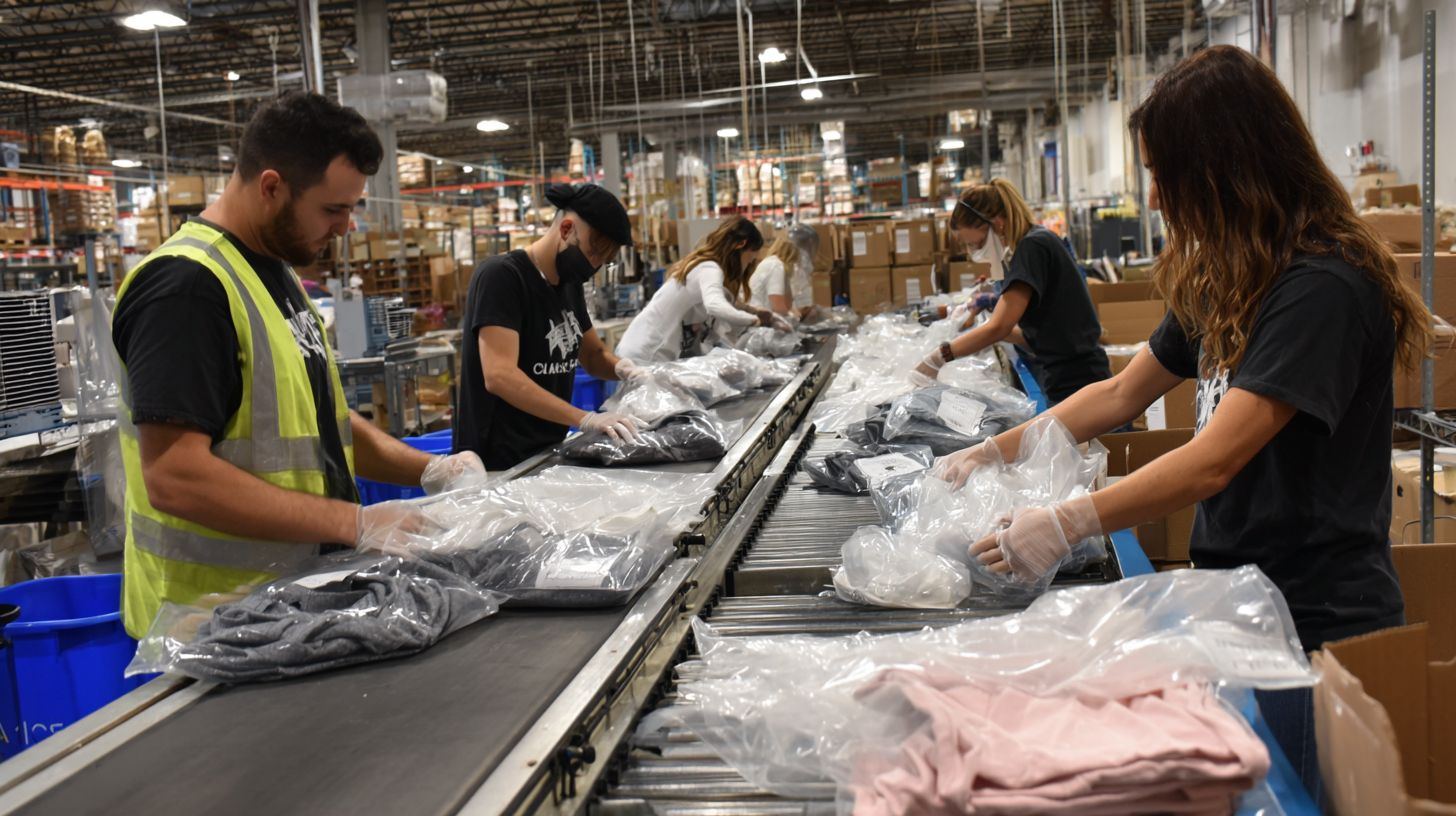
Packaging requirements span from delicate jewelry to bulky apparel, demanding versatile solutions without any concessions in quality or functionality.
However, many professionals and businesses overlook critical errors in the selection of poly bags. The following delineates five common mistakes, along with their underlying root causes:
- Selecting bags that are undersized for irregularly shaped items, such as artisanal soaps, which can result in tears and damage. Root cause: Inaccurate measurement of product dimensions; to mitigate this, always incorporate a 1-2 inch buffer and employ calipers for precise assessment.
- Neglecting ventilation needs for perishable goods, like fresh herbs, leading to spoilage. Root cause: Overlooking moisture control requirements; select perforated bags in accordance with FDA guidelines to ensure food safety.
- Choosing bags with inadequate thickness (for instance, 1-mil instead of 3-mil for heavy apparel), resulting in punctures during handling. Root cause: Underestimating the stresses of shipping; conduct drop tests or simulations to evaluate durability.
- Overlooking ultraviolet (UV) protection for light-sensitive products, such as dyes, which causes fading. Root cause: Disregarding material specifications; opt for UV-stabilized polyethylene from reputable suppliers like Uline.
- Opting for non-resealable seals on items intended for multiple uses, thereby frustrating customers. Root cause: Mismatch between bag functionality and product needs; utilize ziplock-style options to promote reusability, aligning with e-commerce best practices.
5. Easy Customization for Branding
A brand’s initial impression is frequently conveyed through a straightforward packaging bag. To elevate this element into a powerful tool for fostering customer loyalty, consider implementing the following professional strategies:
- Incorporate QR Codes into Custom Prints: Integrate scannable QR codes onto bag tags that direct customers to exclusive promotions or the loyalty program.Utilize free tools such as QR Code Monkey to create trackable codes, and monitor scan activity through Google Analytics to assess engagement levels.
According to a 2022 Nielsen study, this approach can increase repeat visits by up to 20%.
- Choose Color Schemes Consistent with Brand Identity: Select color palettes that align with the emotional attributes of your brand, such as Pantone’s 2023 Vibrant Orange to convey energy.Employ resources like the Adobe Color Wheel to ensure harmonious combinations; maintaining such consistency enhances brand recall and can boost loyalty by 15%, as indicated by Harvard Business Review analyses.
- Utilize Suppliers with Low Minimum Order Quantities for Startups: Collaborate with platforms like Printful or Alibaba, which offer minimum order quantities as low as 50 units, enabling affordable customization without substantial upfront investments.Begin with an order of 100 eco-friendly tote bags at $2-3 per unit, and include personalized thank-you messages to build emotional connections, resulting in up to 25% higher retention rates, per Startup Genome findings.
6. Sustainable and Eco-Friendly Options
With increasing consumer demand for environmentally friendly options, sustainable packaging has emerged as a key differentiator in the market.
Consider EcoWear, an online clothing retailer that transitioned to recyclable poly bags in 2022.
The initiative commenced with a thorough audit of suppliers to ensure compliance with Global Recycled Standard (GRS) certification, requiring that the bags incorporate at least 20% post-consumer recycled content. EcoWear collaborated with Berry Global to develop and test prototypes, evaluating their durability under shipping conditions.
Key challenges included an initial 15% increase in costs and the need to rigorously verify certifications to mitigate risks of greenwashing allegations in accordance with Federal Trade Commission (FTC) guidelines.
Nevertheless, the advantages materialized promptly: a 30% reduction in waste-equivalent to more than 50 tons annually-and a 25% enhancement in brand reputation, as evidenced by a Nielsen study on sustainable packaging.
Customer feedback underscored the appeal of the eco-friendly materials, contributing to an 18% rise in repeat sales.
How Do Poly Bags Enhance Product Safety During Transit?
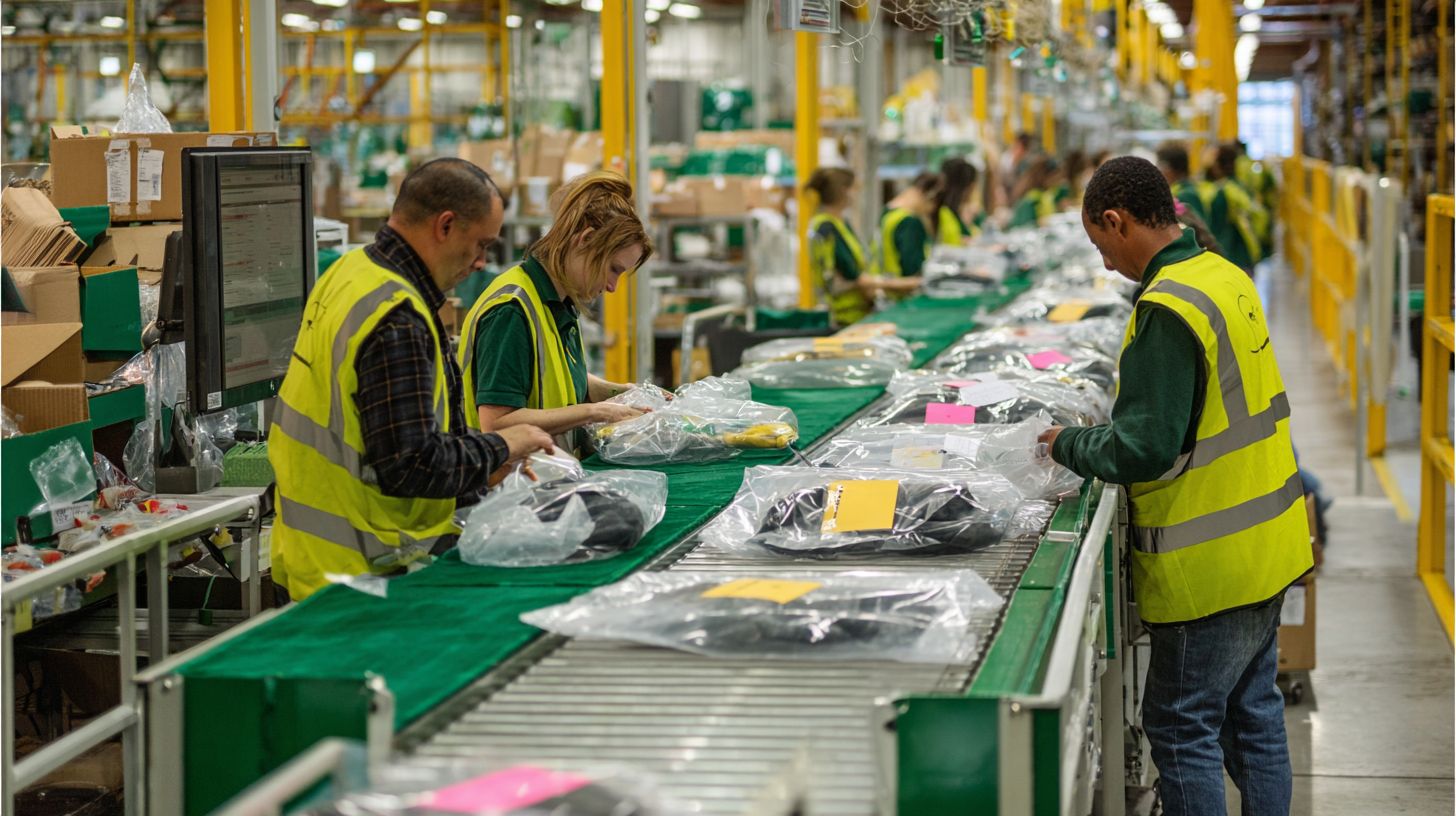
Ensuring the intact arrival of items forms the foundation of reliable e-commerce delivery.
Poly bags, constructed from multi-layered polyethylene, serve a critical function in providing this protection. These bags are typically composed of 2 to 5 layers, incorporating low-density polyethylene (LDPE) for flexibility and high-density polyethylene (HDPE) for durability, thereby creating an effective barrier against punctures and moisture.
Adherence to ASTM D1709 standards guarantees exceptional impact resistance.
Under this standard, bags must endure a dart drop test that simulates forces of 2 to 5 kg without rupture. According to data from the American Society for Testing and Materials (ASTM), certified films exhibit failure rates below 5 percent.
In supply chain operations, these attributes help mitigate risks by absorbing shocks during transportation.
For example, a 2022 study by the Packaging Institute indicates that 3-mil thick poly bags reduce damage by 40 percent in forklift-related incidents. To optimize risk reduction, organizations should procure bags from suppliers compliant with ASTM standards and conduct in-house drop simulations for validation.
What materials make poly bags resistant to tears?
Tearing of materials during rough handling can result in substantial damage to shipments. To mitigate this risk, implement the following three strategies for selecting tear-resistant materials, thereby enhancing warehouse efficiency.
- First, evaluate micron thickness ratings: Select materials with at least 2 mils (50 microns) for standard poly bags, as thinner options below 1.5 mils are susceptible to tearing under 10-pound loads, according to ASTM D1709 tests.
- Second, choose low-density polyethylene (LDPE) blends that incorporate EVA copolymers; these materials improve flexibility and impact resistance by 30-50%, as evidenced by DuPont material studies, making them well-suited for rigorous conveyor handling.
- Third, conduct dart impact tests using economical kits from Uline (approximately $50), which simulate drops by dropping weights-target ratings exceeding 200 grams to verify durability.
These steps can be integrated in under one hour, reducing tear incidents by up to 40%, based on warehouse efficiency reports.
Can poly bags prevent moisture damage effectively?
Contrary to widespread misconceptions, not all plastic packaging effectively prevents humidity as advertised.
A prevalent myth holds that all poly bags are inherently waterproof; however, standard polyethylene films permit moisture vapor transmission rates of up to 10 g/m/day in the absence of additives, as specified by ASTM E96 standards.
To mitigate this issue, it is advisable to select treated poly bags incorporating moisture-barrier additives, such as EVOH layers, which can reduce permeability by up to 90%, in accordance with FDA 21 CFR 177.1520 guidelines for food packaging.
Another common misconception is that thicker bags invariably offer superior protection.
While increased thickness provides some benefit, the material composition is paramount; for instance, low-density polyethylene (LDPE) bags exceeding 4 mil thickness may still prove inadequate in humid conditions without supplementary desiccants.
A more effective approach is to combine such bags with silica gel packets to achieve precise humidity control.
Many assume that poly bags fully seal out moisture once closed; in practice, manufacturing-induced micro-perforations can allow ingress of 5-15% relative humidity over time.
For optimal results, conduct testing with a hygrometer and opt for vacuum-sealed variants to ensure robust moisture barriers.
What Are the Best Practices for Using Poly Bags in E-commerce?
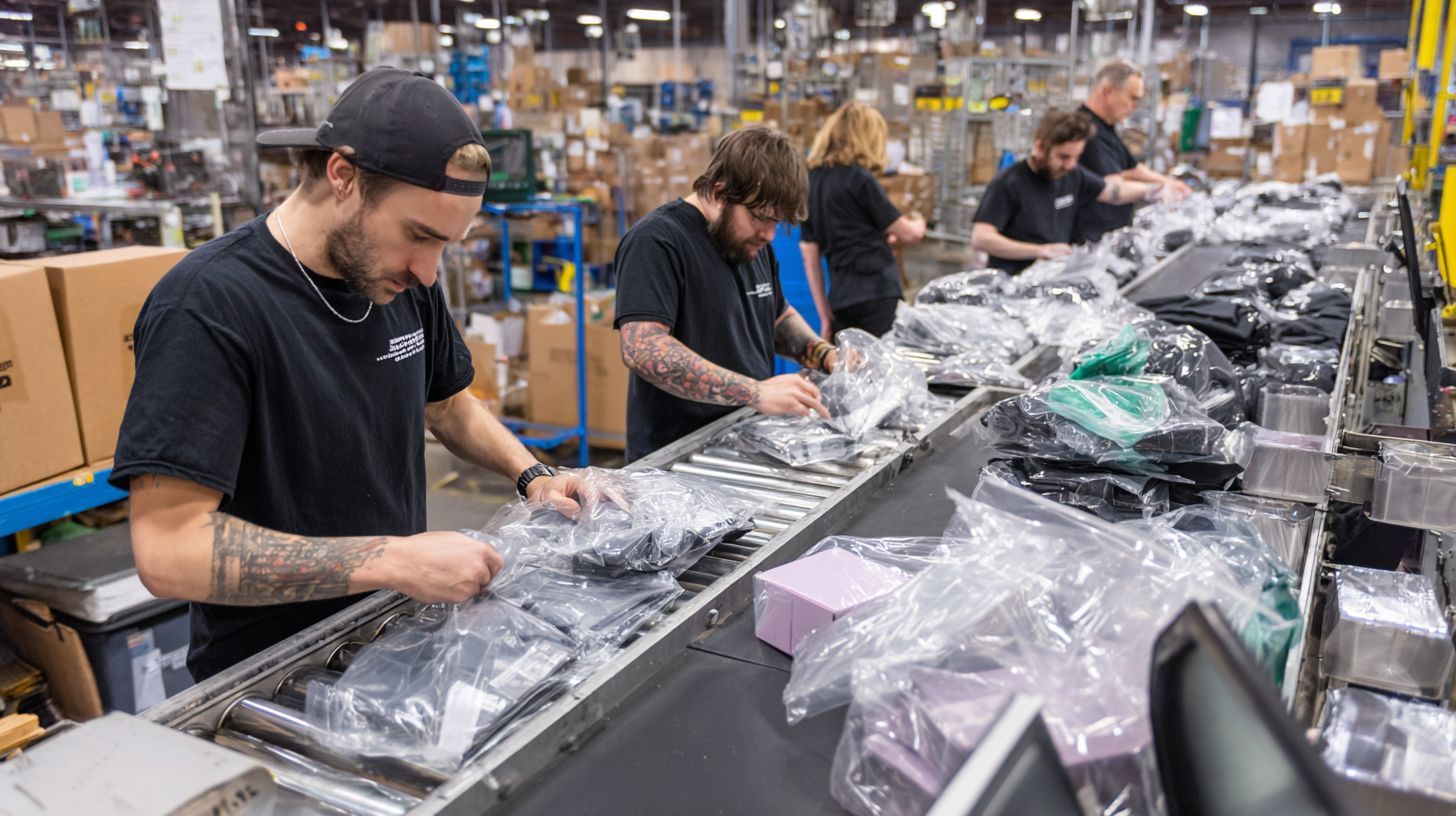
Effective mastery of poly bag usage can significantly enhance the packing process, transforming it from disorganized to efficient.
- Begin by selecting the appropriate gauge thickness: 1 mil for lightweight items such as clothing, or 3 mil for heavier goods to prevent tearing, as recommended by the International Safe Transit Association (ISTA).
- For bulk procurement, consult Uline’s directory, which offers poly bags starting at $0.02 per unit for orders of 1,000 or more, with customizable sizes up to 72×120 inches.
- Implement automated labeling through Shopify applications such as Packsize or ShipBob, which integrate barcode printing capabilities for up to 500 orders per day.
- Download ISTA’s complimentary checklists for secure sealing procedures: ensure 1-inch overlaps and apply heat sealing at 300 degreesF to achieve optimal integrity.
- These methodologies can reduce waste by 20-30%, in accordance with ASTM D4169 standards, thereby streamlining fulfillment operations in e-commerce environments.
How should poly bags be sized for optimal fit?
Selecting an inappropriate bag size can result in material waste and inefficient packing. To mitigate this, an interview was conducted with Dr. Elena Vargas, a packaging expert from the International Packaging Institute.
Q: How does one accurately measure product dimensions for determining bag size?
A: Commence by utilizing a digital caliper to ensure precision-measure the length, width, and height in millimeters, incorporating a 10-20% buffer to accommodate irregular shapes.
For instance, a gadget measuring 150x100x50mm necessitates a bag of at least 180x120x60mm.
Q: How should cushioning be accounted for?
A: Account for the addition of bubble wrap or foam inserts, which typically contribute 20-30mm per side.
Conduct testing with prototypes to verify a secure fit without excessive airspace.
Q: How can scaling be managed for high-volume orders?
A: Employ software such as Packsize’s automation tools to simulate bulk packaging; procure materials in tiered quantities (e.g., 500 units with a 10% overage) to minimize waste, in adherence to ASTM D4169 standards for durability.
Why Are Poly Bags Ideal for Small E-commerce Businesses?
For bootstrapped enterprises, every operational decision must meticulously balance cost considerations with potential impact.
One may consider a decision tree framework for evaluating poly bags in packaging applications.
- Begin with budget constraints: For expenditures under $0.05 per unit in small volumes (e.g., for individual operators), select basic clear poly bags from Uline, which provide bulk pricing starting at $20 for 1,000 units and comply with FDA standards for food-safe options (in accordance with U.S. Packaging Institute guidelines).
- Subsequently, assess product variety: For a limited number of SKUs (1-5 types), standard sizes are sufficient; for a diverse range of items, opt for customizable poly bags available through Bagplastics.com to minimize damage, with costs ranging from $0.07 to $0.15 per unit.
- For expanding teams processing 500 or more daily orders, implement resealable poly bags (e.g., the Ziploc industrial line at $0.10 per unit) to enhance branding and reduce returns by 20%, as evidenced by a 2022 Shopify packaging study.
This structured framework promotes cost-effective implementation, placing emphasis on impact rather than expense alone.
Ready to upgrade your eCommerce packaging?
Choose durable, lightweight, and cost-effective poly bags that protect your products and enhance your brand presentation. At aplasticbag.com, we offer high-quality custom poly bags designed to meet your shipping and packaging needs.
Order now from aplasticbag.com and give your eCommerce packaging the reliability and professional look your business deserves!

 How Custom Wicketed Poly Bags Power Faster Packaging, Cleaner Displays, and Stronger Branding
  Why Should You Consider Poly Bags for Bulk Packaging?
  Are Poly Bags Suitable for Food Packaging?
Comments