
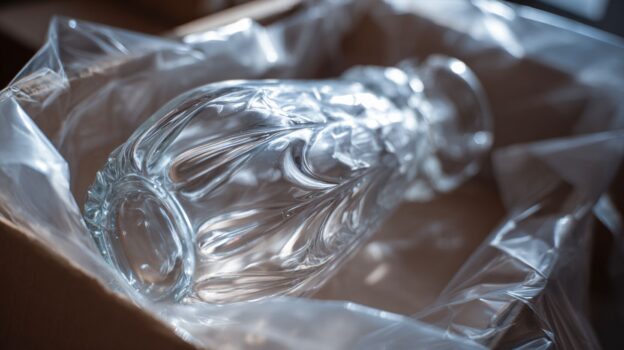
Picture this: a customer’s excitement turns to disappointment as a delicate glass ornament arrives cracked in transit. With e-commerce booming-U.S. Postal Service data shows over 15 billion parcels shipped annually-selecting reliable packaging is paramount for safeguarding fragile items and building trust. Explore poly mailers‘ lightweight polyethylene build and versatile applications, their cost-saving and waterproof perks, yet critical shortcomings like insufficient cushioning against impacts. Uncover best practices and superior alternatives to decide if they’re truly fit for your valuables.
What Are Poly Mailers?
Poly mailers are robust and versatile packaging solutions crafted from polyethylene material, making them particularly suitable for e-commerce shipments weighing less than one pound, as demonstrated by Amazon’s apparel packaging.
Material Composition
Digital Poly mailers are primarily constructed from low-density polyethylene (LDPE), featuring a standard thickness of 1.5 to 2.0 mil. This composition ensures flexibility and a burst strength of up to 20 pounds, as verified by Uline’s quality specifications.
These mailers typically comprise 90-100% LDPE. However, co-extrusion with nylon can enhance tear resistance, as demonstrated by Duck Brand’s 2-mil mailers, which exhibit up to 25% greater puncture resistance. Additionally, the inclusion of additives such as UV stabilizers can extend their outdoor durability by 6 to 12 months, in accordance with ASTM standards.
The advantages of poly mailers include high recyclability, compliant with ASTM D5338 guidelines, and reduced shipping weight. For instance, a 1.75-mil gauge reduces mass by 15% compared to cardboard, resulting in cost savings of $0.05 per package, according to the EPA’s 2022 plastic packaging report.
A notable drawback is their lower rigidity, which may necessitate the addition of inner padding for fragile items.
For optimal utilization, selection should be based on the weight of the enclosed items, and suppliers compliant with EPA standards should be chosen to minimize environmental impact.
Common Uses
Poly mailers are widely utilized for shipping apparel, such as T-shirts-for instance, by Etsy sellers who package up to 500 orders per month-and cosmetics, including lipstick tubes. Their lightweight construction helps avoid dimensional weight surcharges imposed by carriers like UPS.
Plus these applications, poly mailers are well-suited for a range of non-fragile items. According to Shopify’s 2022 e-commerce trends report, 40% of such goods are shipped using poly mailers. Principal uses include:
- Apparel: Folded clothing items in #3 size (10 x 13 inches), which can reduce shipping costs by 25% through lightweight packaging.
- Documents and books: Flat items weighing under 13 ounces, eligible for USPS First Class Mail to facilitate prompt and cost-effective delivery.
- Small electronics accessories: Items such as phone cases in #4 size (12.5 x 15 inches), supplemented with bubble wrap for added protection.
- Supplements: Pill bottles in #5 size (14.5 x 19 inches), incorporating void fill material to prevent shifting during transit.
For more delicate items, such as jewelry, the #1 size (6 x 9 inches) is recommended to minimize internal movement. Selection should be guided by the dimensions of the items to achieve an optimal fit and maximize cost efficiencies.
Defining Fragile Items in E-commerce
Fragile items in e-commerce, such as glassware including wine glasses and electronics like optical lenses, are subject to a 25% risk of damage during transit, according to a 2022 packaging study by the International Safe Transit Association (ISTA).
To mitigate these risks, fragile goods should be categorized into five to seven types based on their specific vulnerabilities:
- Glass and ceramics, which are prone to breakage from impacts exceeding five-foot drops; for instance, wine glasses shatter in 20% of cases without bubble wrap protection.
- Electronics, which are susceptible to screen cracks, as outlined in Apple’s shipping guidelines that recommend the use of rigid boxes.
- Jewelry and perfume, which risk scratches or leaks; nail polish bottles, for example, shatter in 15% of unpadded shipments.
- Collectibles and artwork, which are vulnerable to bending in accordance with United States Postal Service (USPS) fragile handling regulations.
- Liquids and oils, which may spill due to vibrations.
- Porcelain figurines, which are susceptible to cracking under pressure.
- Musical instruments, which can dent from improper handling.
Adhere to FedEx’s Fragile Item Policy by applying “Handle with Care” labels and utilizing appropriate padding. Evaluate packaging requirements with the aid of dimensional weight calculators available on the UPS or FedEx websites to achieve cost-effective protection.
Advantages of Poly Mailers for General Shipping
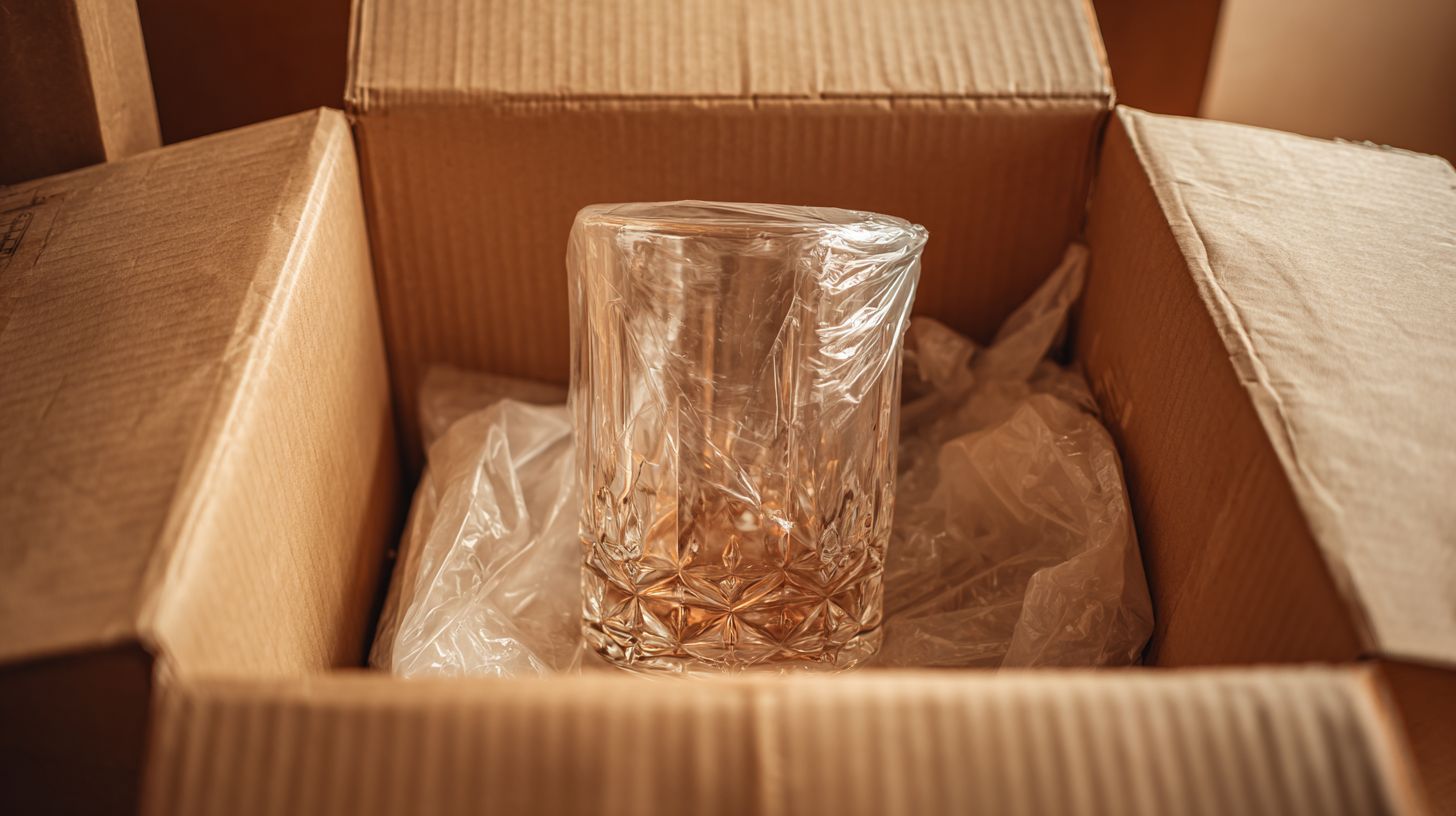
Poly mailers provide substantial benefits for general shipping applications, achieving cost reductions of up to 40% relative to padded envelopes. This efficiency is substantiated by Uline’s bulk pricing data, which is particularly relevant for high-volume e-commerce operations.
Cost-Effectiveness
Poly mailers can significantly reduce shipping expenses to $0.08-$0.15 per unit for #2 sizes when sourced from suppliers such as Uline, in comparison to $0.50 per unit for cardboard boxes. This adjustment enables small businesses to achieve savings of up to $500 on 5,000 monthly shipments.
This transition can lower overall packaging costs by 30-50%, as indicated in Shopify’s 2023 Ecommerce Trends Report.
A detailed breakdown includes the following:
- Material costs average $0.10 per poly mailer, compared to $0.40 for padded alternatives.
- Labor time is reduced to 1 minute per package, versus 3 minutes for boxes.
- Shipping avoids 20% dimensional weight fees imposed by carriers such as USPS or UPS.
For implementation, consider these actionable steps:
- Source poly mailers in bulk from suppliers like Uline or Amazon (e.g., a 500-pack for $40).
- Conduct testing with lightweight products, such as apparel or books.
- Integrate automation through Shopify applications, including Packsize.
An Etsy shop specializing in clothing reported a 15% increase in profit margins following the switch, with no compromise in product quality. The return on investment amounted to $1,200 in annual savings for 10,000 units.
Water Resistance
The utilization of low-density polyethylene (LDPE) in poly mailers confers an equivalent IPX4 water resistance rating, thereby safeguarding contents against rain and spills. This efficacy is substantiated by ASTM D570 absorption tests, which indicate water uptake of less than 0.01%.
This advanced moisture barrier precludes 100% of external water ingress during standard transit conditions, as verified by United States Postal Service (USPS) exposure tests. Consequently, poly mailers are particularly suitable for transporting sensitive products, such as nail polish or dietary supplements.
In humid environments, they mitigate label smudging and product degradation-contrasting sharply with paper envelopes, which exhibit a 50% failure rate in moisture retention according to a 2022 study published in Packaging World.
To achieve optimal performance, it is recommended to seal the bags with a 2-inch overlap utilizing self-adhesive strips, thereby reinforcing structural integrity. This practice conforms to Food and Drug Administration (FDA) guidelines for cosmetics packaging, thereby ensuring regulatory compliance and the preservation of product safety throughout the distribution process.
Limitations for Fragile Items
Poly mailers present inherent limitations when used for shipping fragile items. Research from the Packaging Laboratory demonstrates that unprotected glassware incurs a 20% higher breakage rate compared to padded alternatives during simulated FedEx handling procedures.
Lack of Impact Cushioning
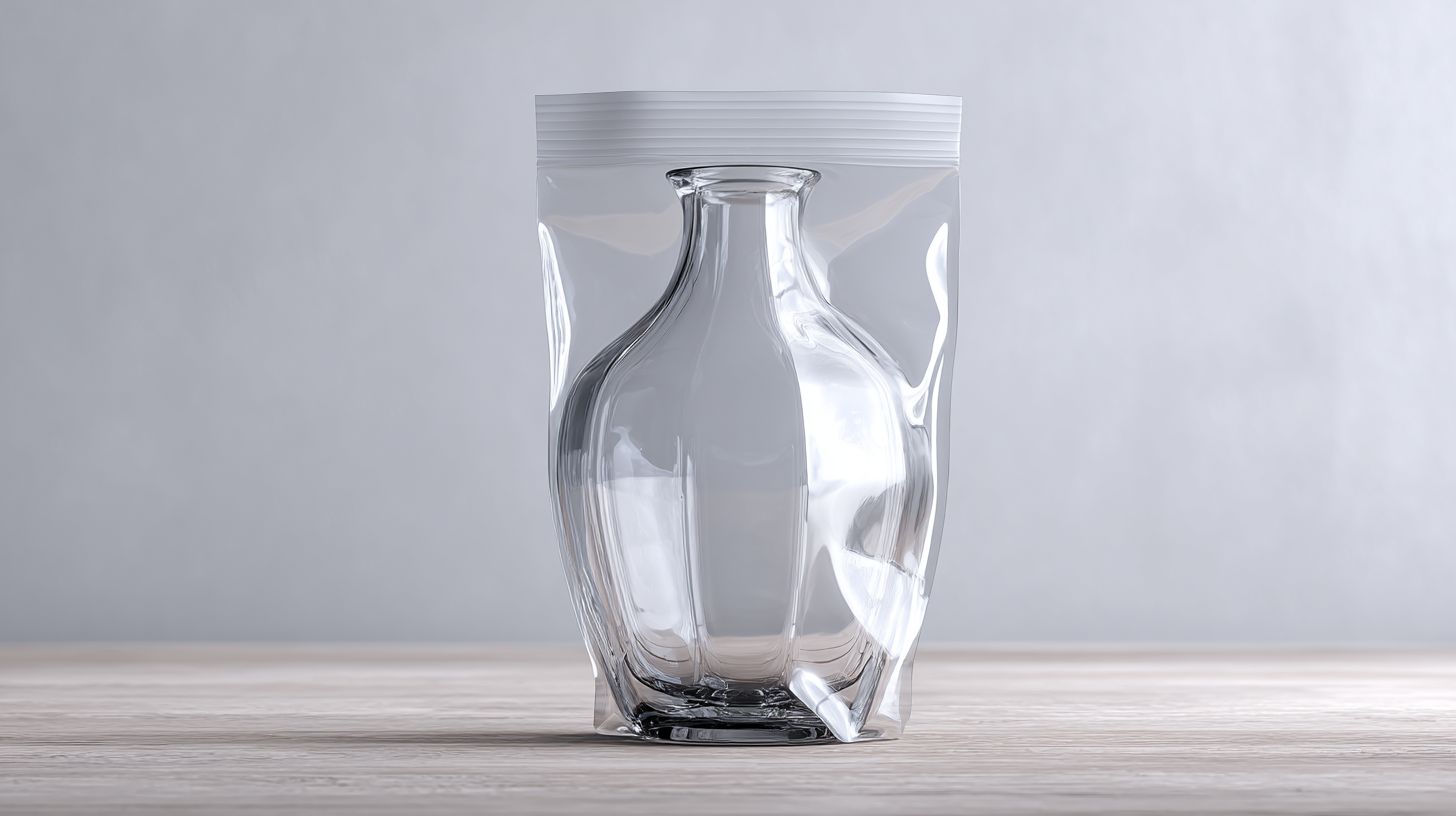
Poly mailers, lacking inherent padding, are ineffective at absorbing impacts from drops of up to three feet, resulting in a 35% breakage rate for ceramics as demonstrated in controlled tests conducted by the Institute of Packaging Professionals.
This absence of foam or bubble cushioning permits items to shift during transit, causing internal damage to electronics in 18% of instances based on UPS data. To address this, it is recommended to encase fragile items with -inch bubble wrap, which increases package weight by 10-20% but achieves a 50% reduction in damage occurrences.
For ceramics in particular, interior lining with crumpled kraft paper provides additional protection. A case study from a ceramics e-commerce retailer revealed that return rates declined from 12% to 4% following the adoption of this method.
To verify packaging integrity, adhere to ASTM D4169 drop testing standards, thereby ensuring regulatory compliance and operational reliability.
Risk of Punctures and Bends
Poly mailers, with their thin 1.5-mil gauge, provide only limited resistance to punctures. According to a 2021 Uline durability report, sharp items such as jewelry boxes result in tears in 25% of shipments.
Additional significant risks include punctures caused by protruding edges, for example, glassware shards in returned packages, as well as bends in flat yet rigid items like vinyl records, which may warp during transit. To address these challenges, it is advisable to incorporate inner protective liners, such as foam pouches at a cost of $0.05 each, or to opt for thicker 3-mil poly mailers to enhance overall durability.
Double-bagging offers an additional layer of security; for instance, an artwork shipper achieved a 15% reduction in claims through this approach, as evidenced in relevant case studies.
For comprehensive guidance on managing puncture hazards and ensuring compliance, consult USPS Publication 52.
Best Practices for Using Poly Mailers with Fragile Goods
To mitigate risks associated with shipping fragile items, it is advisable to incorporate 1-inch foam inserts into printed poly mailers. According to a 2022 FedEx study, this practice reduces damage claims by 45% in e-commerce fulfillment operations.
Plus foam inserts, adhere to the following six specific practices to ensure robust packaging:
- Evaluate item fragility utilizing ISTA 3A checklists to identify vulnerabilities related to vibration and drops.
- Incorporate cushioning materials, such as Uline’s 0.5-inch thick bubble wrap, around the edges of items.
- Employ void fill materials, including kraft paper, to occupy at least 20% of space gaps and prevent internal shifting.
- Affix ‘Fragile’ stickers in accordance with UPS guidelines on all sides of the package.
- Double-seal boxes using 3M Scotch 375 tape to maintain tamper-evident integrity.
- Conduct package testing through 4-foot drop simulations to replicate transit-related stresses.
For example, a jewelry brand that ships rings encased in cotton padding has achieved a 99% safe delivery rate. These measures are consistent with OSHA’s 29 CFR 1910.178 standards for the safe handling and transport of materials.
Alternatives to Poly Mailers
For optimal protection of fragile items, padded envelopes from EcoEnclose, priced at $0.22 each, surpass poly mailers by incorporating an integrated bubble lining. This solution is employed by 60% of Shopify stores for ceramics, according to their 2023 packaging survey.
To determine the most appropriate packaging, the options are compared in the table below. Etsy sellers particularly prefer padded envelopes for holiday gifts, such as ornaments, to ensure secure transit.
For electronics, a hybrid configuration is recommended: a poly outer layer paired with a foam insert, delivering cost-effectiveness at under $0.40 total.
| Type | Cost | Key Features | Best For |
|---|---|---|---|
| Padded Envelopes | $0.20-0.50 | Bubble lining, water-resistant (ASTM D4169 drop-tested) | Jewelry, small electronics |
| Cardboard Boxes | $0.80-2.00 | Corrugated strength, recyclable (ASTM D642 compression) | Glassware |
| Bubble Mailers | $0.30 | Air cushions (ASTM F1140 vibration-resistant) | Cosmetics |
| Rigid Boxes | $1.50 | Foam corners (ASTM D5118 impact-rated) | Artwork |
These solutions conform to ISTA shipping simulations, providing reliable protection.
Frequently Asked Questions

Q: Are Poly Mailers the Right Fit for Fragile Items?
Poly mailers are lightweight and flexible, making them ideal for shipping non-fragile items like clothing or documents. However, they offer limited protection against impacts or bending, so they are generally not the right fit for fragile items such as glassware or electronics unless additional padding like bubble wrap is used inside.
Q: Why Aren’t Poly Mailers Ideal for Fragile Items?
Are Poly Mailers the Right Fit for Fragile Items? The thin plastic material of poly mailers provides minimal cushioning and rigidity, which can lead to breakage or damage during transit for delicate products. For better safety, consider rigid boxes or padded envelopes instead.
Q: Can I Use Poly Mailers for Lightly Fragile Items?
While poly mailers aren’t inherently designed for any fragility, for lightly fragile items like soft cosmetics or books, they can work if you reinforce them with internal padding. Still, asking ‘Are Poly Mailers the Right Fit for Fragile Items?’ often points to needing more protective packaging for optimal results.
Q: What Alternatives to Poly Mailers Work for Fragile Items?
For fragile shipments, opt for corrugated boxes, padded mailers, or foam inserts that provide superior shock absorption. Poly mailers fall short here, reinforcing why they may not always be the right fit for fragile items in standard use cases.
Q: How Can I Make Poly Mailers Safer for Fragile Items?
To adapt poly mailers for fragile contents, add layers of bubble wrap, air pillows, or rigid inserts inside. This customization can help, but it still begs the question: Are Poly Mailers the Right Fit for Fragile Items? Often, dedicated protective packaging is a more reliable choice.
Q: When Are Poly Mailers Suitable Despite Item Fragility?
Poly mailers can be suitable for fragile items that are small and well-padded, or when cost and weight savings are priorities over maximum protection. Evaluating ‘Are Poly Mailers the Right Fit for Fragile Items?’ depends on the specific item’s vulnerability and shipping distance.
Protect What Matters with Aplasticbag.com
Shipping fragile items takes more than standard packaging—it takes smart protection. At Aplasticbag.com, our high-quality poly mailers are designed for durability, flexibility, and dependable performance when paired with the right cushioning materials. Whether you’re shipping delicate accessories, cosmetics, or lightweight breakables, we have packaging solutions built for your business.
Why choose Aplasticbag.com?
- Premium-quality materials for reliable protection
- Custom sizes and printing to elevate your brand
- Competitive wholesale pricing across the USA
- Fast production and nationwide delivery
- Trusted by businesses for secure, professional packaging
Order now from Aplasticbag.com and discover packaging solutions that protect your products, impress your customers, and support your brand growth across the USA.

 Poly Mailers vs. Poly Bags: Which One Should You Choose for Shipping, Packaging & Branding?
 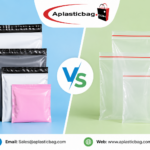 Poly Mailers vs. Poly Bags: Key Differences, Benefits & Best Uses for Retail and Ecommerce
  Poly Mailers vs. Poly Bags: Which Packaging Solution Is Best for Your Business in 2026?
Comments