
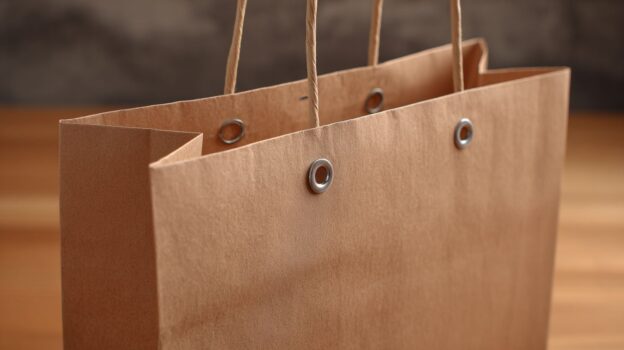
Bags play a much bigger role in daily life than most people realize. From grocery shopping and retail purchases to food delivery, storage, and gifting, bags are used constantly. Even when you stay home, trash bags and storage bags quietly become part of your routine. Because they are so common, the environmental impact of bags—especially single-use ones—adds up quickly.
Over the past few decades, the rise of plastic and plastic-coated paper bags has created serious environmental concerns. These bags are often used once and discarded, ending up in landfills, waterways, or oceans where they can persist for hundreds of years. This reality has sparked an important question: are reusable bags better for the environment, and do they truly make a difference?
At APlasticBag.com, sustainability and smart packaging choices go hand in hand. That’s why this guide takes a closer look at how different bags affect the planet, how reusable options compare to disposable ones, and what consumers and businesses can do to reduce their environmental footprint.

Understanding the Environmental Impact of Bags
To fairly compare bag types, it’s essential to look beyond convenience and consider their full lifecycle. The environmental footprint of a bag is shaped by three main factors: production, usage, and disposal.
1. Production and Resource Use
Every bag begins with raw materials. Plastic bags are made from petroleum-based products, while paper bags rely heavily on trees, water, and chemical processing. Manufacturing these materials consumes energy and releases greenhouse gas emissions. Reusable bags often require more resources upfront, but that investment can be offset through repeated use.
2. Usage and Longevity
How often a bag is used dramatically affects its sustainability. Single-use bags are designed for convenience, not durability. Reusable bags, on the other hand, are built to last. The longer a bag remains in circulation, the lower its environmental impact becomes over time.
3. Disposal and End-of-Life
Most disposable bags are not biodegradable and can linger in the environment for decades. Even recyclable bags often fail to reach recycling facilities. Reusable options significantly reduce waste by minimizing how many bags are thrown away in the first place.
The Problem With Disposable Plastic Bags
Disposable plastic bags are lightweight and inexpensive, but their environmental cost is enormous. Studies show that plastic pollution harms ecosystems on a massive scale. Marine animals frequently ingest plastic bags, mistaking them for food, which can lead to injury or death. Millions of plastic bags enter oceans each year, breaking down into microplastics that contaminate water and food sources.
While some regions have attempted to solve this issue by replacing plastic with paper, the outcome is not always ideal. Paper bags require extensive water use and deforestation, and they are heavier to transport, increasing carbon emissions.
The result is a growing understanding that simply switching materials is not enough. Reducing consumption overall is the key to real change.
Why Reusable Bags Are a Smarter Choice
Reusable bags are designed with durability in mind. Made from materials such as woven polypropylene, recycled plastics, cotton blends, or sturdy fabric, they can replace hundreds of disposable bags over their lifespan.
However, sustainability depends on behavior. A reusable bag that sits unused at home offers little benefit. The true environmental advantage appears when consumers commit to using the same bag repeatedly over months or years.
Research comparing bag materials shows that some reusable bags require dozens—or even hundreds—of uses to fully offset their production impact. The takeaway is simple: the more you reuse, the better the outcome for the planet.
Reusable Bags and Responsible Consumption
Adopting Custom reusable bags is not about excess—it’s about intention. Accumulating dozens of reusable bags can defeat the purpose if they eventually end up discarded. Choosing a few high-quality bags and using them consistently creates the greatest environmental benefit.
This is especially important for businesses. Retailers that offer durable, branded bag solutions encourage customers to reuse them, extending their lifespan and reducing waste. When done correctly, reusable packaging becomes part of a sustainable brand story rather than a disposable afterthought.

How Businesses Benefit From Sustainable Bag Choices
Reusable bags don’t just help the environment—they also strengthen brand perception. Customers increasingly prefer companies that prioritize sustainability and responsible packaging.
High-quality Reusable Bags serve as long-term brand ambassadors, appearing repeatedly in public spaces and reinforcing brand visibility with every use. When designed well, they become a practical accessory rather than a throwaway item.
Making the Switch to Reusable Bags
Transitioning from disposable to reusable bags doesn’t have to happen overnight. Start by identifying where bags are used most frequently—grocery shopping, retail packaging, or food takeout—and replace those use cases first.
Keeping reusable bags in your car, office, or daily carry bag makes adoption easier. For businesses, offering reusable alternatives encourages customers to participate in sustainability without sacrificing convenience.
Explore Sustainable Bag Options at APlasticBag.com
Finding the right reusable bag depends on your needs. Size, material, durability, and design all play a role. APlasticBag.com offers a wide selection of reusable solutions that balance function, appearance, and environmental responsibility.
Whether you’re a business looking to upgrade your packaging or an individual aiming to reduce waste, choosing reusable options is a practical step toward a cleaner future.
Frequently Asked Questions About Reusable Bags
Q: Are reusable bags really better for the environment than plastic bags?
Yes, when used consistently, reusable bags significantly reduce waste and pollution compared to single-use plastics. Options like Custom Printed Reusable Bags also help businesses promote sustainability while reducing their packaging footprint over time. The key factor is repeated use, which lowers the overall environmental impact per trip.
Q: How many times should a reusable bag be used to make a difference?
The number varies by material, but most reusable bags need dozens of uses to offset production impact. For businesses purchasing printed reusable bags wholesale, distributing durable bags that customers reuse regularly helps ensure environmental benefits are achieved over the long term rather than wasted after minimal use.
Q: Are reusable bags safe and hygienic for grocery shopping?
Reusable bags are safe when cleaned properly. Washing them regularly prevents bacteria buildup. Many retailers that offer reusable grocery bags wholesale choose materials that are easy to clean and designed for repeated food transport, making them both practical and hygienic for everyday use.
Q: Do reusable bags work well for retail and promotional use?
Absolutely. Reusable bags are popular in retail because they combine function and marketing. Businesses that invest in wholesale reusable shopping bags gain a durable packaging option that customers reuse, extending brand visibility while supporting sustainability goals.
Final Thoughts
Reusable bags are not a perfect solution but they are a powerful one when used responsibly. By reducing reliance on disposable packaging and committing to long-term use, both consumers and businesses can make a measurable difference. With thoughtful choices and quality materials, reusable bags become more than a trend; they become part of a sustainable lifestyle.
Ready to Make a Smarter, Greener Packaging Choice?
Reusable bags help reduce waste, support sustainability goals, and strengthen your brand’s eco-friendly image. At APlasticBag.com, we offer durable, customizable reusable bag solutions designed for businesses that care about performance and the planet. Whether you need retail, grocery, or promotional bags, we’ve got you covered with quality you can trust and customization that stands out.
👉 Order now from APlasticBag.com and take the next step toward responsible packaging that your customers will love—and reuse again and again.

 7 Reasons to Use Custom Printed Reusable Bags for Your Business
  The Role of Take Out Bags With Logo in Food Delivery Success
  9 Reasons Businesses Need Wholesale Reusable Shopping Bags
Comments