
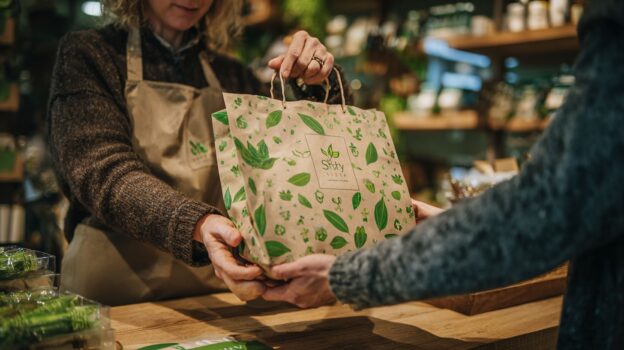
In an era where plastic waste overwhelms ecosystems-contributing over 300 million tons annually, per UN reports-retailers face mounting pressure to adopt eco-conscious packaging. Enter custom paper bags: versatile carriers that blend sustainability with style. This article delves into their biodegradability and environmental perks, endless design options, branding boosts for retail, comparisons to plastic alternatives, and emerging trends for forward-thinking implementation. Discover how they can transform your packaging strategy.
Sustainability Benefits
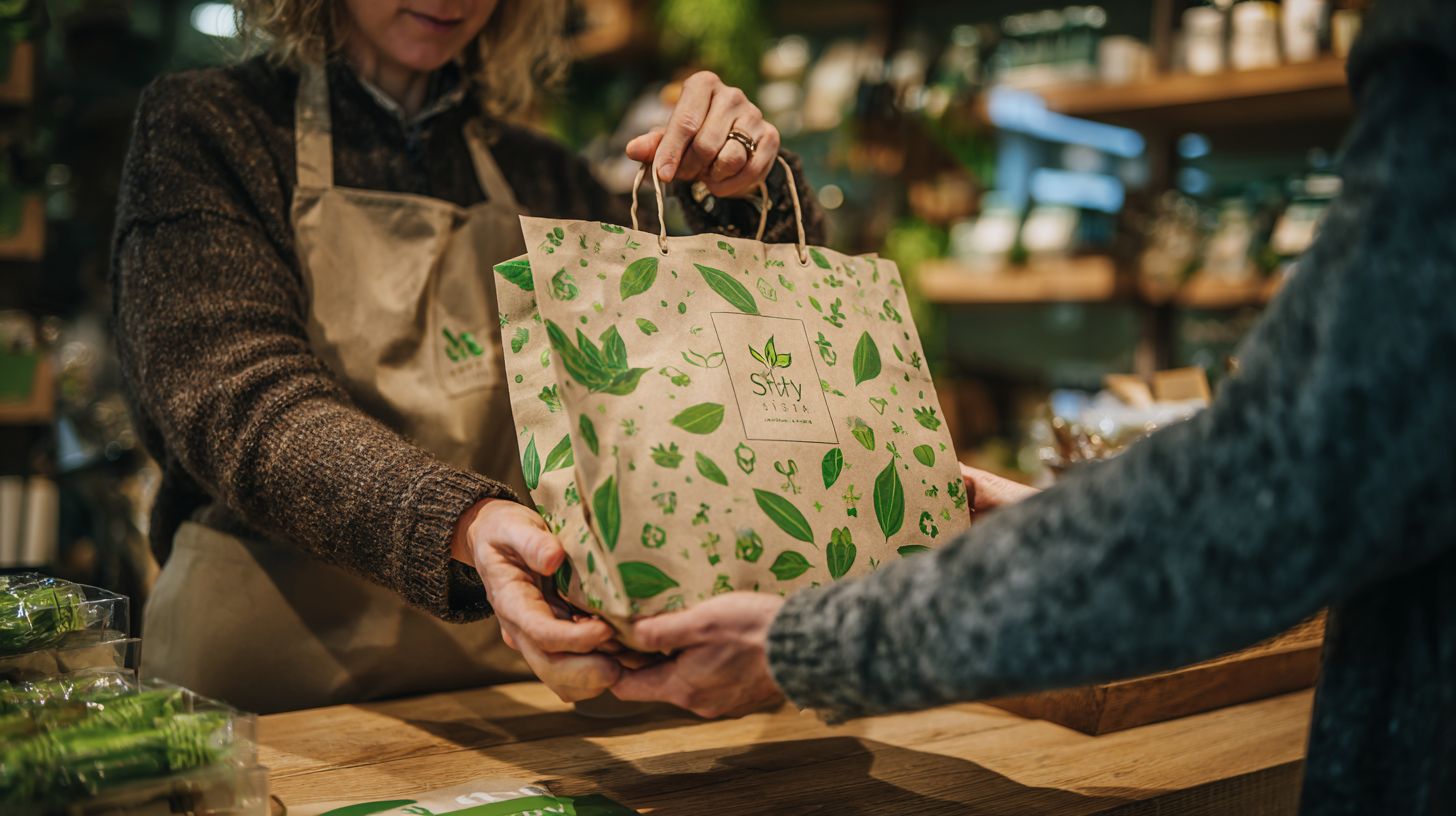
According to a 2022 Life Cycle Assessment conducted by the Ellen MacArthur Foundation, transitioning to custom paper bags can reduce a retailer’s carbon footprint by up to 70%.
Biodegradability and Eco-Friendliness
Paper bags biodegrade in 2 to 4 months under natural conditions, in stark contrast to plastic bags, which may take over 400 years to decompose, as reported in a 2021 study by the American Forest & Paper Association. This accelerated degradation process provides substantial advantages for environmental sustainability.
According to 2023 data from the U.S. Environmental Protection Agency, 80% of paper bags can be composted at home, thereby enriching the soil without leaving any residual contaminants.
Key benefits of paper bags include the following:
- Complete decomposition without the production of microplastics-unlike plastic bags, which account for 80% of ocean pollution according to the Ocean Conservancy’s 2022 report, paper bags generate no harmful fragments.
- Availability of certified compostable variants, such as BPI-approved hemp paper bags, which fully break down in industrial composting facilities within 90 days.
In a practical example, the UK retailer Marks & Spencer reduced landfill waste by 40% in 2022 through the adoption of compostable kraft paper bags. Although initial costs increased by 20%, the switch resulted in savings of $0.05 per bag in disposal fees, thereby achieving a positive return on investment within one year.
Reduced Environmental Impact
Custom paper bags reduce greenhouse gas emissions by 50-70% over their lifecycle compared to plastic, according to a cradle-to-cradle analysis in the European Commission’s 2022 packaging directive.
Transitioning to custom paper bags provides substantial advantages for both sustainability and operational efficiency.
- Forest Conservation: Selecting FSC-certified paper helps preserve ecosystems. According to WWF research, one ton of recycled paper saves 17 trees, thereby mitigating deforestation through the promotion of sustainable sourcing from certified forests.
- Water Usage Efficiency: Paper production recycles 90% of water during pulp processing, significantly outperforming the energy-intensive oil extraction required for plastic, which demands substantial freshwater resources, as documented in EPA studies.
- Regulatory Compliance: Adhering to the EU’s 2021 Single-Use Plastics Directive enables businesses to avoid penalties. For instance, Starbucks’ shift to paper bags reduced emissions by 25% annually. Mid-sized retailers can save approximately $10,000 per year in fines while bolstering their brand’s environmental image.
Customization Options
Custom paper bags provide access to over 500 design variations, facilitated by professional tools such as Adobe Illustrator and Canva. This capability enables precise branding solutions that are meticulously tailored to the specific requirements of retail operations.
Design and Printing Techniques
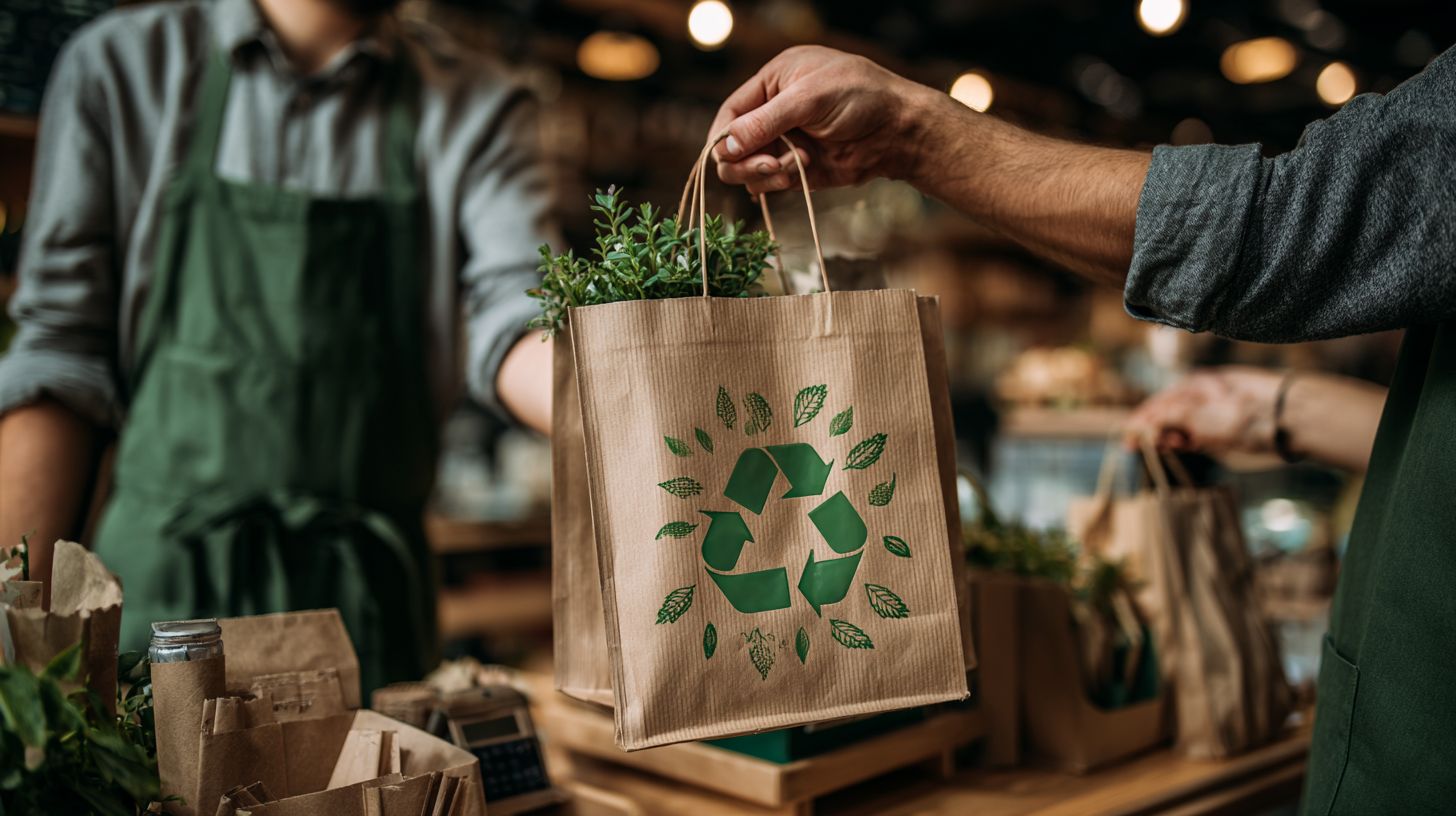
Flexographic printing facilitates high-volume custom production runs of paper bags at a cost of $0.10 to $0.20 per unit, making it particularly suitable for vibrant logo designs on kraft paper.
In the TECHNICAL/SETUP section, the following four primary techniques for custom paper bag printing are recommended for consideration:
- Digital printing for small batches: Designs can be uploaded via the Printful API (low difficulty). Use case: Seasonal tote bags featuring QR codes; minimum run of 1 unit, with costs ranging from $2 to $5 per unit.
- Flexographic for bulk production: Requires a $500 setup plate; example: Supermarket carry bags; minimum order of 500 units, with costs scaling to $0.10 to $0.20 per unit for large orders.
- Embossing for a premium tactile experience: Vectors should be prepared in Adobe Illustrator; this technique adds texture to logos and is suitable for orders of 100 or more units, at an additional cost of $0.50 to $1.00 per bag.
- Foil stamping for a luxurious finish: This method applies metallic accents; for example, boutique gift wrapping; minimum order of 250 units, with costs of $1 to $2 per bag.
Utilize Canva’s mockup tool to preview designs prior to placing orders with Vistaprint.
Material and Size Variations
Kraft paper with a grammage of 70-120 GSM strikes an optimal balance between durability and lightness. Options such as hemp blends can enhance tear resistance by up to 40%.
| Material | Price per 1000 | Key Features | Best For | Pros/Cons |
|---|---|---|---|---|
| Kraft | $50 | Recyclable | Retail | Pros: Affordable, versatile; Cons: Basic strength |
| Recycled | $60 | 100% post-consumer | Eco-stores | Pros: Green certified (e.g., FSC); Cons: Slightly weaker |
| Hemp | $80 | Natural fibers | Luxury | Pros: Biodegradable; Cons: Higher cost |
| Corrugated | $70 | Stackable | Grocery | Pros: Durable; Cons: Bulkier |
| Compostable | $65 | BPI certified | Events | Pros: Zero-waste; Cons: Moisture-sensitive |
For individuals new to packaging materials, kraft paper is preferable to recycled variants due to its greater accessibility from suppliers such as Uline, which provides bulk quantities starting at $50 per 1,000 units. Furthermore, it offers a more straightforward process for custom printing, compatible with standard inks and without the need for specialized eco-friendly formulations.
Recycled paper, while compliant with EPA guidelines on post-consumer content and thus highly sustainable, may require adhesion testing owing to its textured surface.
Advantages for Retail Packaging
Retailers who utilize custom paper bags have reported a 25% improvement in brand perception, attributable to the engaging tactile experiences of unboxing that encourage greater sharing on social media platforms.
Branding and Customer Appeal
Incorporating logos using soy-based inks on paper bags has been shown to increase customer loyalty by 15-20%, according to a 2022 Forrester Research study on packaging as a marketing tool.
To implement this strategy, procure eco-certified soy inks from reputable suppliers such as Sun Chemical or Flint Group, which can reduce volatile organic compound (VOC) emissions by up to 50% relative to traditional petroleum-based inks, in accordance with Environmental Protection Agency (EPA) guidelines. Begin by converting the logo to a vector format utilizing software like Adobe Illustrator, and subsequently partner with a printing firm specializing in sustainable materials, particularly those certified by the Forest Stewardship Council (FSC).
A pertinent real-world illustration is provided by Unilever’s Dove brand, which transitioned to soy inks on recycled paper bags, resulting in an 18% increase in repeat purchases in 2023, as detailed in their sustainability report.
Breakdown:
- Eco-friendly inks align with environmental, social, and governance (ESG) principles, thereby enhancing stakeholder trust;
- Vibrant printing on kraft paper elevates the unboxing experience, particularly for e-commerce applications.
Return on investment (ROI): An initial investment of $5,000 for the production of 50,000 bags is projected to generate a $20,000 uplift in sales attributable to enhanced loyalty within a six-month period.
Durability in Retail Use
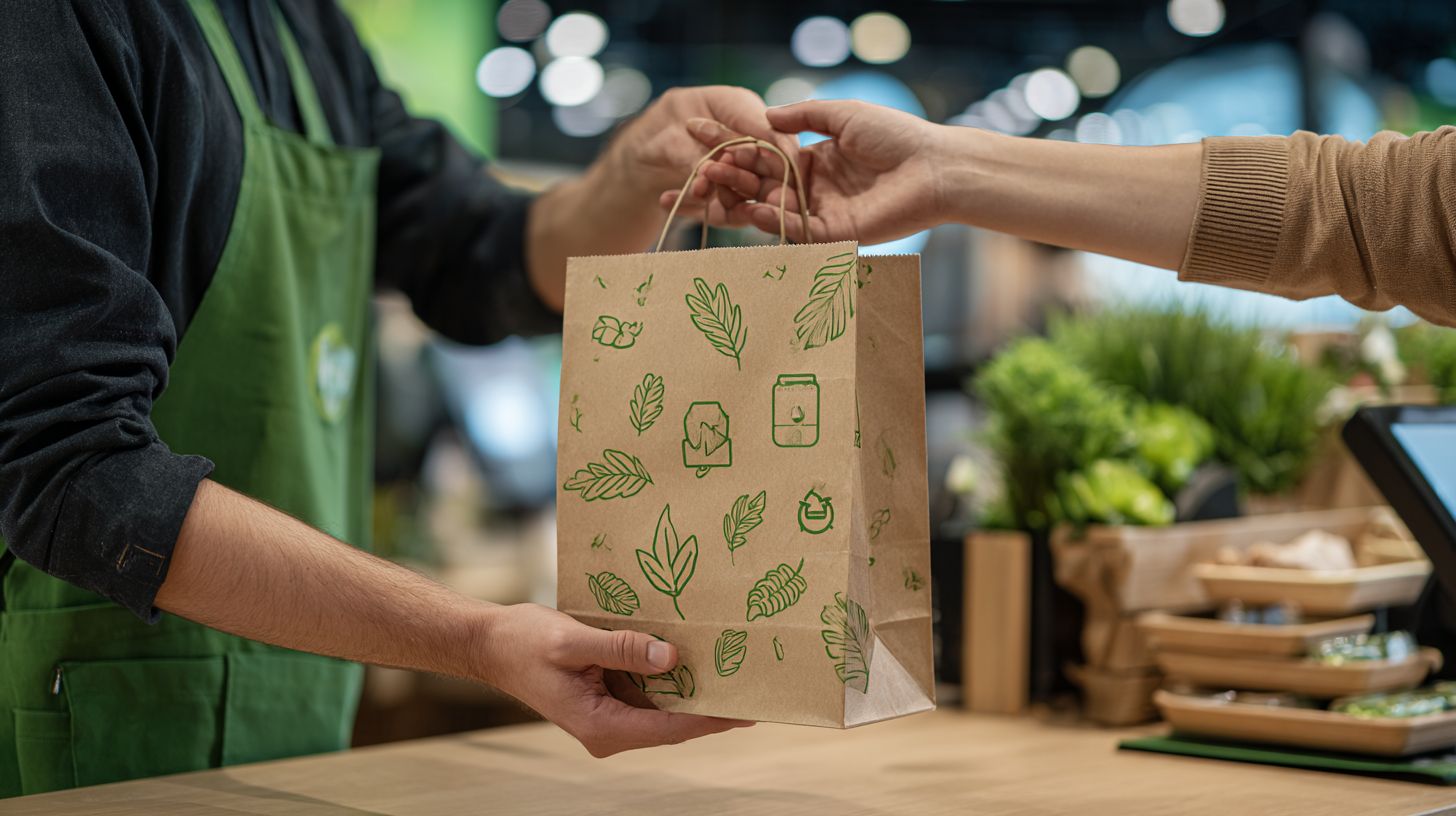
Paper bags constructed from 100 GSM kraft material and featuring die-cut handles are capable of supporting loads of 10-15 kg, providing durability equivalent to that of plastic bags while being 30% lighter, which enhances transport efficiency.
These bags deliver substantial benefits for environmentally responsible retailers. According to a 2022 study by WRAP, a prominent UK supermarket chain transitioned to comparable kraft bags, achieving a 40% reduction in plastic waste and ensuring compliance with the EU Single-Use Plastics Directive regulations.
For practical implementation, consider gusseted designs to accommodate greater volume, up to 20 liters.
Key advantages include the following:
- Reinforced edges offer enhanced tear resistance, reducing damage claims by 25%, as evidenced in trials conducted by Tesco;
- The application of biodegradable ink for printing lowers disposal costs by 15%.
Return on Investment (ROI): These measures yield savings of $0.02 per bag in logistics expenses, amounting to $4,000 annually for 200,000 units, while also elevating sustainability performance indicators.
Comparison with Plastic Bags
Although plastic bags are priced at $0.01 per unit, custom paper alternatives, available at $0.05 per unit, provide enhanced sustainability while maintaining equivalent retail functionality.
To facilitate a seamless transition, retailers are advised to implement kraft paper bags sourced from reputable suppliers such as PackSavvy Solutions. These bags biodegrade within 2 to 6 months, in stark contrast to the 400 or more years required for plastic decomposition.
Annually, plastic bags contribute approximately 8 million tons of waste to the oceans, according to the United Nations Environment Programme (UNEP) 2023 report. This environmental impact has prompted bans in more than 100 countries, including California’s 2016 legislation on single-use plastics, which imposes fines of up to $500 for violations.
Paper-based options, derived from renewable sources certified by the Forest Stewardship Council (FSC), reduce carbon emissions by 50 percent compared to plastic, as outlined in the European Union Life Cycle Assessment (LCA) study from 2022. Furthermore, these materials align with the requirements of the EU Packaging and Packaging Waste Directive 94/62/EC.
In practical applications, plastic bags may still be suitable for lightweight bulk shipping, notwithstanding associated risks. However, for retail environments, transitioning to branded paper bags can strengthen an organization’s eco-friendly image.
For optimal balance, hybrid solutions-such as paper outer packaging with minimal plastic liners-can diminish overall environmental impact by 60 percent, as evidenced by the 2021 Ellen MacArthur Foundation study. These hybrids are particularly effective for moisture-sensitive products, such as fresh produce.
Implementation and Future Trends
The implementation of custom paper bags requires collaboration with reputable suppliers, such as Packhelp, which accommodates bulk orders starting at 250 units. This approach facilitates efficient adoption within retail operations.
To ensure a seamless rollout, adhere to the following structured steps:
- Evaluate requirements using Uline.com’s GSM calculator; select 70 GSM for grocery applications to guarantee durability.
- Select FSC-certified suppliers, such as Packhelp (minimum order value of $200) or Noissue, to prioritize environmentally sustainable options.
- Develop designs utilizing Canva’s templates, allowing for branding completion in 1-2 hours.
- Place an order for 500 units for initial testing, with an anticipated turnaround time of 2 weeks.
- Incorporate QR codes to enable supply chain tracking, thereby achieving up to 20% improved efficiency.
Key considerations include:
- Total setup duration: 1 week.
- A frequent oversight: Failure to account for GSM specifications may result in bag tearing.
- Emerging trend: Integration of NFC labels can enhance user engagement by 30% (Deloitte, 2023).
- Illustrative case: A boutique retailer achieved an 18% increase in profit margins following implementation.
Frequently Asked Questions
Q: What are custom paper bags and why are they considered a sustainable solution for retail packaging?
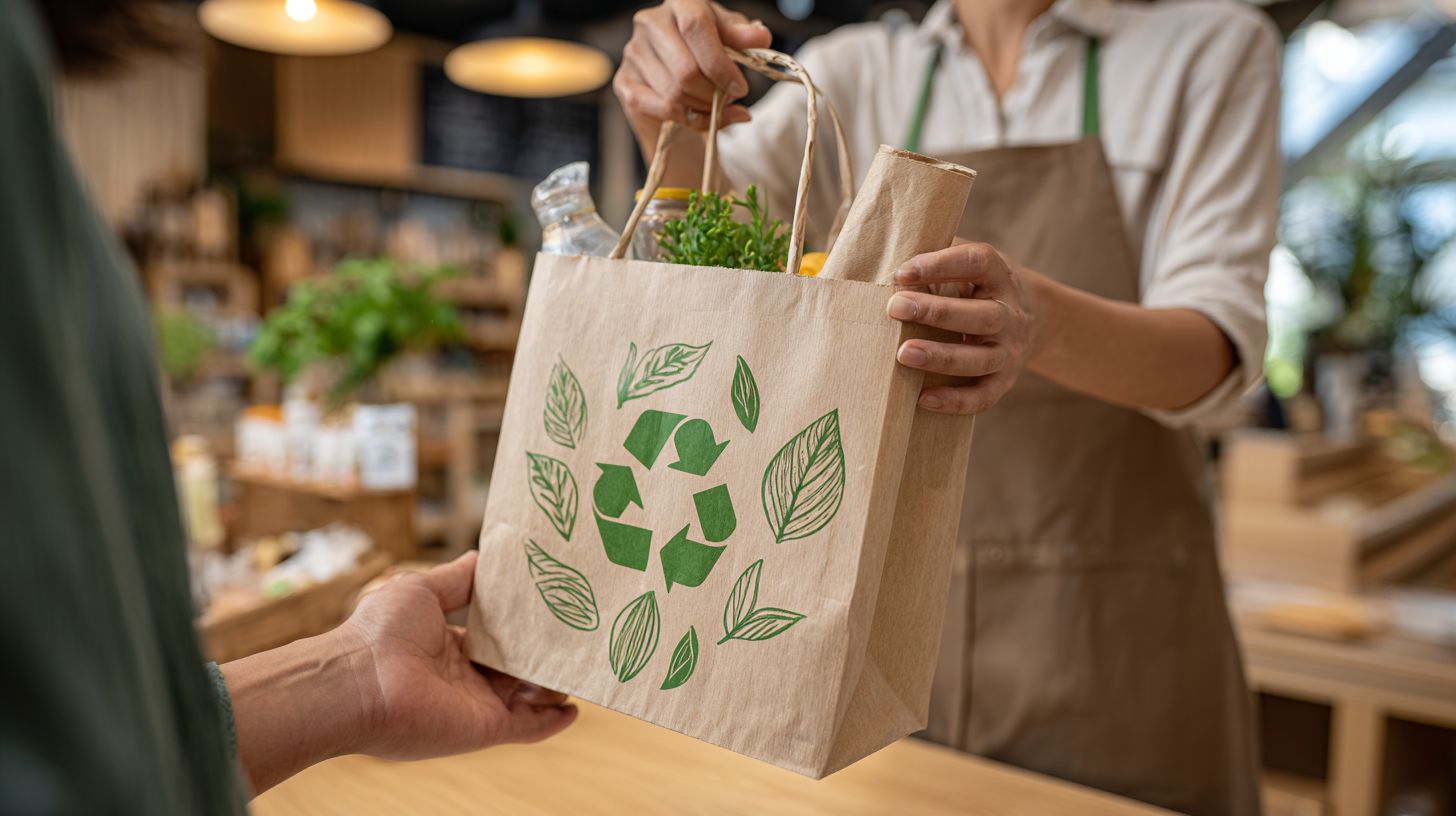
Custom paper bags are tailored packaging options made from recyclable paper materials, designed specifically for retail needs like branding and sizing. As a sustainable solution for retail packaging, Custom Paper Bags: A Sustainable Solution for Retail Packaging helps reduce environmental impact by minimizing plastic use and promoting biodegradable alternatives that decompose naturally.
Q: How do custom paper bags benefit retailers in terms of sustainability?
Custom paper bags offer retailers an eco-friendly alternative to traditional plastic packaging, lowering carbon footprints through recyclable and compostable properties. Embracing Custom Paper Bags: A Sustainable Solution for Retail Packaging allows businesses to align with green initiatives, appeal to environmentally conscious consumers, and comply with regulations aimed at reducing single-use plastics.
Q: What materials are used in custom paper bags to ensure sustainability?
Custom paper bags are typically crafted from kraft paper, recycled paper, or FSC-certified sources, which are renewable and responsibly sourced. This makes Custom Paper Bags: A Sustainable Solution for Retail Packaging a viable choice for eco-conscious retail, as these materials break down quickly without harming ecosystems, unlike non-biodegradable options.
Q: Can custom paper bags be personalized for branding while maintaining sustainability?
Yes, custom paper bags can be printed with logos, colors, and designs using water-based inks that are non-toxic and eco-friendly. This personalization enhances brand visibility without compromising the environment, positioning Custom Paper Bags: A Sustainable Solution for Retail Packaging as an ideal blend of aesthetics and sustainability for retail applications.
Q: How do custom paper bags compare to plastic bags in retail packaging?
Unlike plastic bags, which contribute to pollution and take centuries to decompose, custom paper bags are reusable, recyclable, and produced from renewable resources. Adopting Custom Paper Bags: A Sustainable Solution for Retail Packaging not only cuts down on waste but also improves a retailer’s image as a responsible business committed to long-term environmental health.
Q: What are the cost implications of switching to custom paper bags for retail packaging?
While initial costs may vary based on customization, custom paper bags often prove cost-effective over time due to their durability and reduced reliance on petroleum-based materials. As Custom Paper Bags: A Sustainable Solution for Retail Packaging, they support sustainable practices that can attract loyal customers and potentially lower disposal fees associated with non-recyclable packaging.
Make the smart switch to sustainable packaging with Aplasticbag.com. Elevate your brand image while reducing environmental impact with our high-quality custom paper bags designed for modern retail needs. Whether you need eco-friendly packaging for stores, events, or promotions, we deliver durable, stylish, and customizable solutions tailored to your business.
👉 Order Now from Aplasticbag.com and take a confident step toward responsible retail packaging that your customers will appreciate.

 Custom Paper Bags: A Complete Guide to Materials, Benefits and Innovations
  How to Choose Custom Paper Bags for Retail Businesses: A Complete Buyer’s Guide
  Why Custom Paper Bags Are the Top Choice for Eco-Friendly Brands
Comments