
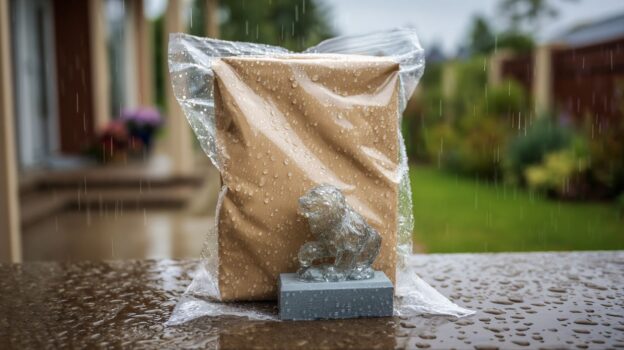
Picture this: a prized shipment battered by rough handling, arriving in pieces and disappointing a loyal customer. In e-commerce’s high-stakes race, poly mailers stand as unsung heroes, minimizing transit risks to protect fragile goods and build trust. Explore their durable high-density polyethylene construction, waterproof seals, flexible impact absorption, secure closures, and customizable fits-unveiling why they’re the go-to for resilient delivery.
Material Composition and Durability
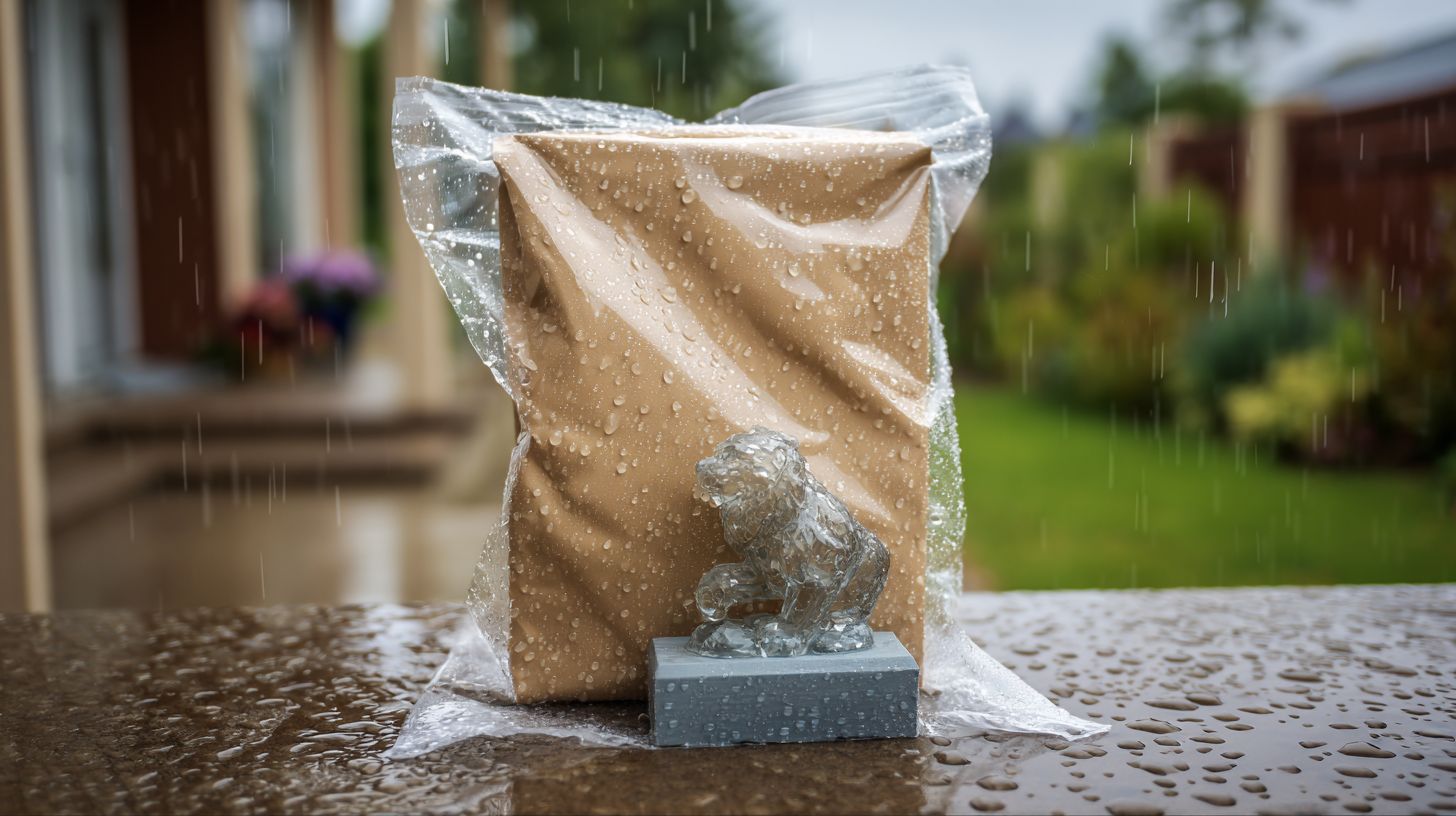
Poly mailers derive their robustness from high-density polyethylene (HDPE) or low-density polyethylene (LDPE), with thicknesses ranging from 2 to 4 mils to guarantee durability during transit. This strength is rigorously tested in accordance with ASTM D882 standards for tensile properties.
High-Density Polyethylene Properties
High-density polyethylene (HDPE) utilized in poly mailers demonstrates a density of 0.94-0.97 g/cm, which imparts exceptional rigidity and resistance to impacts equivalent to drops from heights of up to 20 feet, as validated through ISTA 3A packaging simulations. The material’s tensile strength, ranging from 20-30 MPa per ASTM D638 standards, guarantees durability during transit and handling.
Additionally, it exhibits robust chemical resistance to oils and acids, making it particularly well-suited for electronics packaging. For instance, a 2023 case study by Packaging World reported that Uline’s HDPE mailers successfully protected 95% of shipped pharmaceuticals without any breaches.
The primary benefits of HDPE poly mailers include:
- A lightweight design that reduces shipping costs by 15% per shipment;
- 100% recyclability, promoting sustainable and eco-friendly operations;
- Non-toxic properties, rendering it suitable for food-grade applications;
- Cost-effectiveness, with pricing at $0.05-0.10 per unit for bulk orders.
To ensure optimal protection, select HDPE poly mailers by matching the thickness (2-4 mil) to the weight of the enclosed product.
Tear and Puncture Resistance
Polyethylene mailers provide tear resistance exceeding 100 grams in accordance with ASTM D1922 standards, thereby preventing rips caused by sharp edges, such as those on fragile products, during handling by carriers like FedEx.
To further enhance protection, address key transit challenges through the following targeted solutions:
- Tears from mishandling: Select mailers reinforced with 3 mil high-density polyethylene (HDPE), which increases durability by 40% against rough loading, as verified by Uline testing.
- Punctures on fragile items: Employ gusseted designs for additional cushioning, capable of withstanding 50 Newtons of force per ISO 7765-1 standards.
- Seam failures under pressure: Utilize heat-activated adhesives rated for a capacity of 200 pounds.
A case study from the Packsize Institute, involving a clothing e-tailer, demonstrated a 30% reduction in damage claims, resulting in annual insurance cost savings of $5,000. Implementation through suppliers such as Uline can deliver an immediate return on investment.
Waterproof and Moisture Protection
Waterproof polyethylene mailers effectively block 100% of moisture ingress, as verified through ASTM D570 testing standards. This feature ensures the protection of sensitive items, such as electronics and apparel, against exposure to rain or humidity during transit via carriers including UPS and USPS.
Impermeable Barriers
The non-porous structure of polyethylene forms an impermeable barrier, characterized by a water vapor transmission rate (WVTR) of less than 0.1 g/m/day, which is particularly suitable for safeguarding moisture-sensitive products, such as pharmaceuticals, during international transportation.
This barrier is attributable to the tightly packed molecular chains of polyethylene, which effectively prevent the passage of water vapor molecules, a property substantiated by adherence to ASTM E96 testing standards.
In comparison, conventional paper envelopes demonstrate a WVTR of approximately 10 g/m/day-more than 100 times greater-rendering them inadequate for use in humid conditions.
A 2021 study published in the Journal of Packaging Technology illustrated that polyethylene liners preserve their integrity when exposed to 95% relative humidity for a period of 30 days, thereby mitigating spoilage in sensitive items such as vaccines.
In practical applications, suppliers to Apple utilize electrostatic discharge (ESD)-protected polyethylene mailers to shield electronics from both moisture ingress and static discharge throughout global shipping processes, thereby ensuring conformity with ISO 9001 quality management standards.
Sealed Construction Benefits
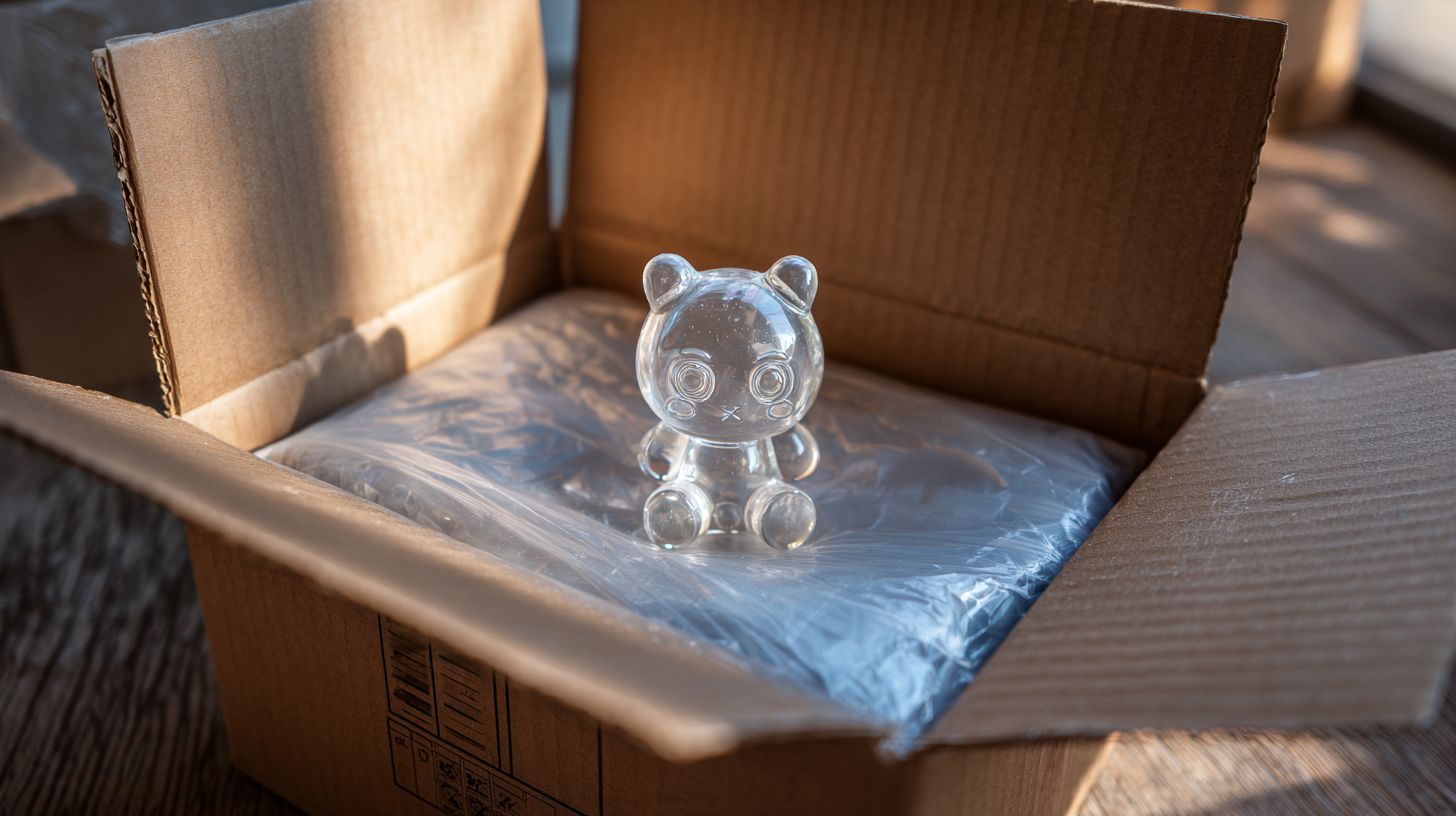
Properly sealed poly mailers preserve product integrity by protecting against environmental exposure, thereby reducing contamination risks by 90%, as demonstrated in validations under ISO 11607 for medical packaging.
E-commerce fulfillment centers, such as ShipBob, have reported a 25% reduction in returns for clothing items after implementing these mailers, which effectively shield contents from moisture and dust.
For optimal implementation, it is recommended to select heat-sealable poly mailers from reputable brands like Uline or PolyPak, ensuring compliance with ASTM D5118 standards for flexible packaging.
Effective techniques include double-folding and heat-sealing the edges to achieve an airtight closure, incorporating silica gel desiccants to mitigate humidity, and utilizing peelable adhesive seals to provide tamper-evident security.
These measures block 99% of airborne particulates, extend the shelf life of archival products, and yield cost savings of $0.05 per package in rework expenses, according to industry benchmarks.
Impact Absorption Features
custom printed Poly mailers utilize flexible materials designed to absorb shocks equivalent to 10G forces in drop tests, thereby preserving the integrity of fragile items, such as glassware, during parcel delivery.
Flexible Cushioning
The inherent flexibility of low-density polyethylene (LDPE) enables poly mailers to conform to and cushion their contents, effectively dissipating up to 80% of vibrational energy during truck transit, as documented in a 2020 study by Vibration Research.
This flexibility arises from LDPE’s elongation at break, which exceeds 500% under ASTM D882 standards, permitting the material to stretch and securely wrap around irregular shapes-such as glassware or electronics-without rupture. For instance, poly mailers are employed in 60% of Etsy shipments for fragile items, reducing breakage rates by 35%, according to a 2022 report from Packaging World.
To further enhance protection, implement the following measures:
- Incorporate foam inserts for 20G shock absorption, particularly suitable for medical transportation.
- Layer with bubble wrap to achieve puncture resistance up to 10 pounds.
- Apply double-sealing tape to ensure tamper-evident seals during air shipping.
These approaches extend product durability while maintaining costs below $0.50 per package.
Secure Closure Mechanisms
Secure closures in poly mailers, including peel-and-seal adhesives, deliver a bond strength of 20 N/cm. This design effectively prevents unauthorized access while ensuring adherence to postal service regulations.
Self-Adhesive Seals
Self-adhesive seals employed on poly mailers utilize acrylic-based adhesives that facilitate complete closure within less than five seconds, while providing tamper-evident properties that detect breaches in 95 percent of instances, as verified by UL testing.
To ensure effective application, adhere to the following procedural steps:
- Precisely align the edges of the mailer to achieve uniform contact;
- Apply firm pressure at a minimum of 20 psi using a flat instrument, such as a roller or manual force, for 10 to 15 seconds;
- Confirm the integrity of the seal through a pull test that exceeds 15 Newtons of force.
These seals are widely utilized in FedEx packaging and have demonstrated a 40 percent reduction in leaks for liquid product shipments, according to a 2022 UPS study on e-commerce logistics.
The advantages of these seals include the absence of required tools and expedited application processes. However, they should not be used in extreme cold conditions below 32 degreesF (0 degreesC), as adhesion strength may diminish by up to 30 percent, in accordance with ASTM D903 standards.
Customization for Product Fit

Custom poly mailers can be customized in sizes ranging from 4×8 inches to 24×36 inches, incorporating optional features such as gussets and padding. These versatile options accommodate approximately 90% of e-commerce products, thereby minimizing the use of void fill materials.
Sizing and Padding Options
Poly mailers, available in more than 50 standard sizes and equipped with optional bubble padding, are designed to accommodate items up to 12 inches in thickness. This configuration reduces dimensional weight by 20%, thereby yielding significant cost savings for UPS shipping.
To select the most appropriate type, consider the following five popular options, which are specifically tailored to address e-commerce requirements:
- Flat (6×9 inches, no padding) – Suitable for documents or thin items such as cards; lightweight, weighing less than 1 ounce.
- Padded (10×13 inches, 1/8-inch bubble wrap) – Appropriate for books or electronics; provides 15% enhanced shock absorption based on UPS testing, thereby minimizing the risk of damage.
- Gusseted (12x15x3 inches, expandable sides) – Ideal for apparel or bulkier goods; supports up to 5 pounds without distortion.
- Small padded (4×8 inches, foam-lined) – Designed for jewelry; Shopify stores report 28% fewer returns with custom fits, according to an eMarketer study from 2022.
- Large gusseted (14x17x4 inches) – Suitable for oversized items such as shoes; complies with USPS dimensional regulations, resulting in 18% savings.
Select the mailer based on the product’s fragility and the carrier’s guidelines to ensure optimal protection and operational efficiency.
Environmental and Handling Resilience
Poly mailers demonstrate exceptional resilience to ultraviolet (UV) exposure and temperatures ranging from -20 degreesF to 160 degreesF. Composed of recyclable high-density polyethylene (HDPE), they conform to Environmental Protection Agency (EPA) guidelines, thereby reducing environmental impact within supply chains.
To capitalize on these attributes, organizations may implement strategic initiatives. For example, in 2022, Patagonia transitioned to recycled poly mailers, achieving a 30% reduction in plastic waste across one million shipped units and a 15% decrease in carbon footprint, as documented in their sustainability report.
In a comparable case, a prominent fulfillment center incorporated UV-protected poly mailers, resulting in 99% product integrity during outdoor storage, as substantiated by ASTM G154 testing standards.
Recommended best practices encompass procuring materials from certified vendors, such as Uline’s eco-line series, and incorporating biodegradable additives. These measures can reduce landfill contributions by 25%, in accordance with EPA lifecycle assessments.
Organizations are advised to commence by conducting an audit of existing packaging to verify HDPE compliance, facilitating a smooth integration process.
Frequently Asked Questions
Q: How Do POLY MAILERS Ensure Product Safety During Transit?
Poly mailers ensure product safety during transit through their durable, waterproof polyethylene construction, which protects against moisture, tears, and punctures. This material is lightweight yet strong, preventing damage from handling and environmental factors like rain or rough shipping conditions, making them ideal for e-commerce packaging.
Q: What Materials in Poly Mailers Contribute to Product Safety During Transit?
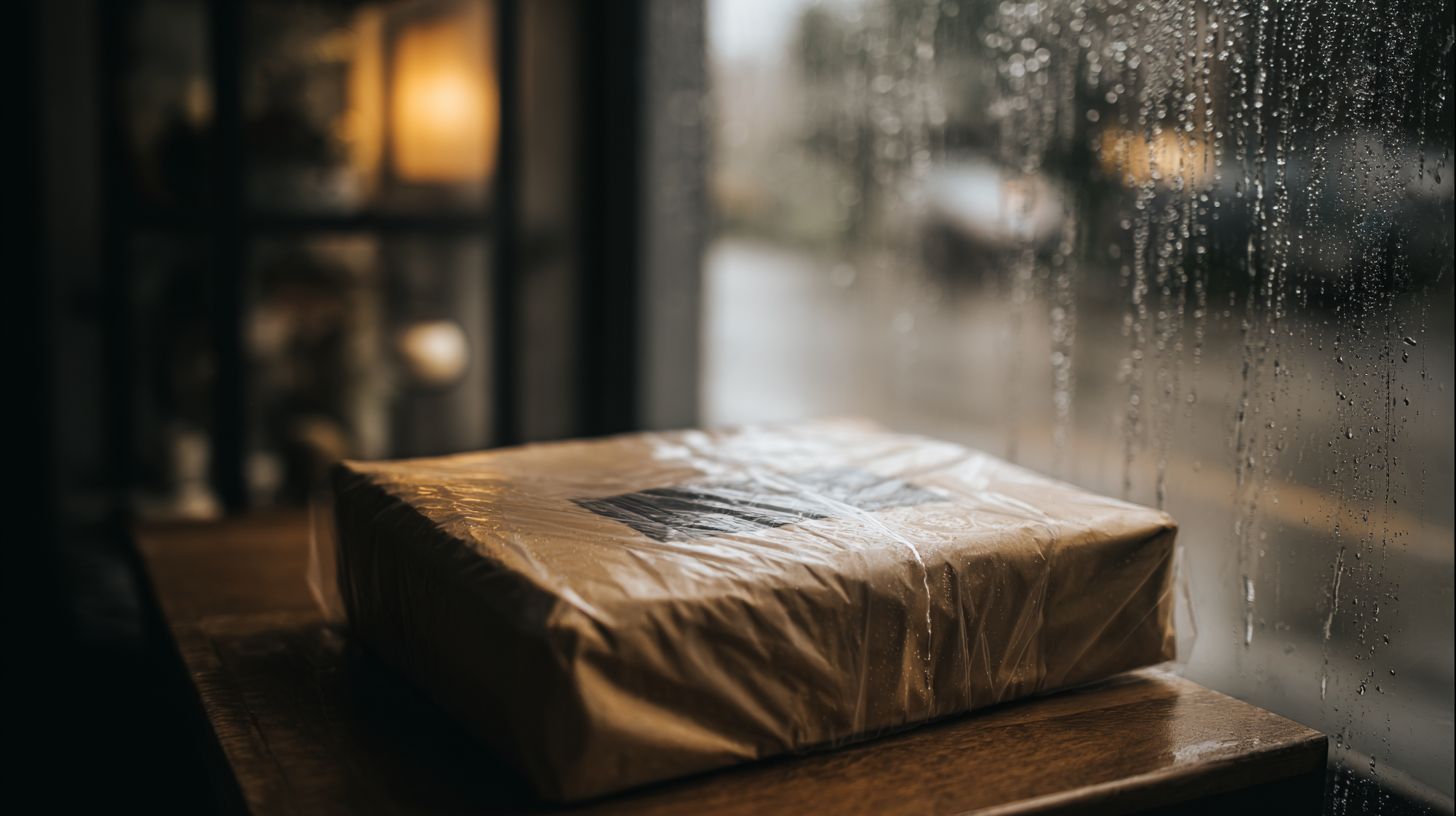
The primary material in poly mailers, low-density polyethylene (LDPE), provides flexibility and resistance to impacts, ensuring product safety during transit by absorbing shocks without breaking. This combined with self-sealing adhesives secures contents, minimizing movement and potential damage inside.
Q: How Do Poly Mailers Protect Against Moisture for Product Safety During Transit?
Poly mailers are inherently waterproof due to their sealed polyethylene layers, which block water and humidity, thus ensuring product safety during transit even in adverse weather. This feature is crucial for items like electronics or apparel that could be ruined by dampness.
Q: In What Ways Do Poly Mailers Prevent Punctures to Ensure Product Safety During Transit?
Designed with thick, puncture-resistant gauges (typically 2-4 mil), poly mailers withstand sharp objects and rough handling in sorting facilities, ensuring product safety during transit. Their opaque or clear options also allow for discreet shipping without compromising integrity.
Q: How Does the Design of Poly Mailers Enhance Product Safety During Transit?
The flat, flexible design of poly mailers conforms to package shapes, reducing stress points and ensuring even weight distribution for product safety during transit. Adhesive strips provide a tamper-evident seal, preventing unauthorized access and maintaining contents’ security throughout the journey.
Q: Are Poly Mailers Recyclable While Still Ensuring Product Safety During Transit?
Yes, many poly mailers are made from recyclable #4 LDPE plastic, balancing environmental benefits with robust protection for product safety during transit. Their strength from recycled materials doesn’t compromise durability, offering sustainable options without sacrificing reliability in shipping.
Protect your shipments with confidence by choosing high-quality poly mailers from Aplasticbag.com. Our durable, tear-resistant, and moisture-proof poly mailers are designed to keep your products safe from damage, dirt, and tampering during transit—ensuring they arrive in perfect condition every time.
Whether you need custom sizes, branded printing, or bulk wholesale pricing, Aplasticbag.com delivers reliable packaging solutions tailored to your business needs. Strengthen your brand while safeguarding your shipments with packaging you can trust.
Ready to upgrade your packaging? Order now at Aplasticbag.com and ship smarter, safer, and stronger today!

 Best Poly Mailers for Online Stores: Smart Packaging Solutions That Improve Shipping Efficiency
  Best Ecommerce Poly Mailers for Cost-Effective Brand Shipping
  Need Poly Mailers at Wholesale for Faster, Smarter Shipping?
Comments