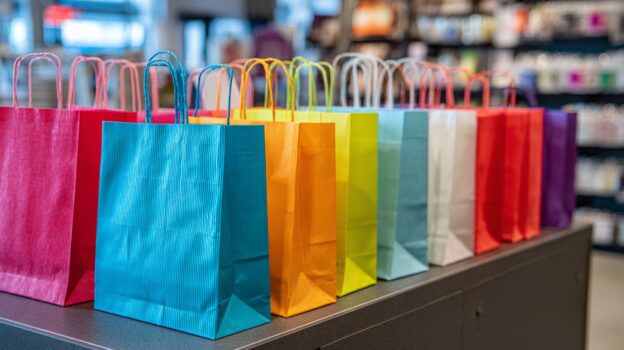
In the bustling world of retail, where first impressions seal loyalty, merchandise bags serve as the unsung heroes-safeguarding purchases while amplifying brand identity. As sustainability demands rise, these versatile essentials balance protection, affordability, and eco-friendliness, per a 2023 Packaging World report highlighting their role in reducing waste by 20%. Explore their benefits, types from kraft to poly, customization strategies, and emerging trends poised to redefine retail packaging.
Key Benefits for Retailers
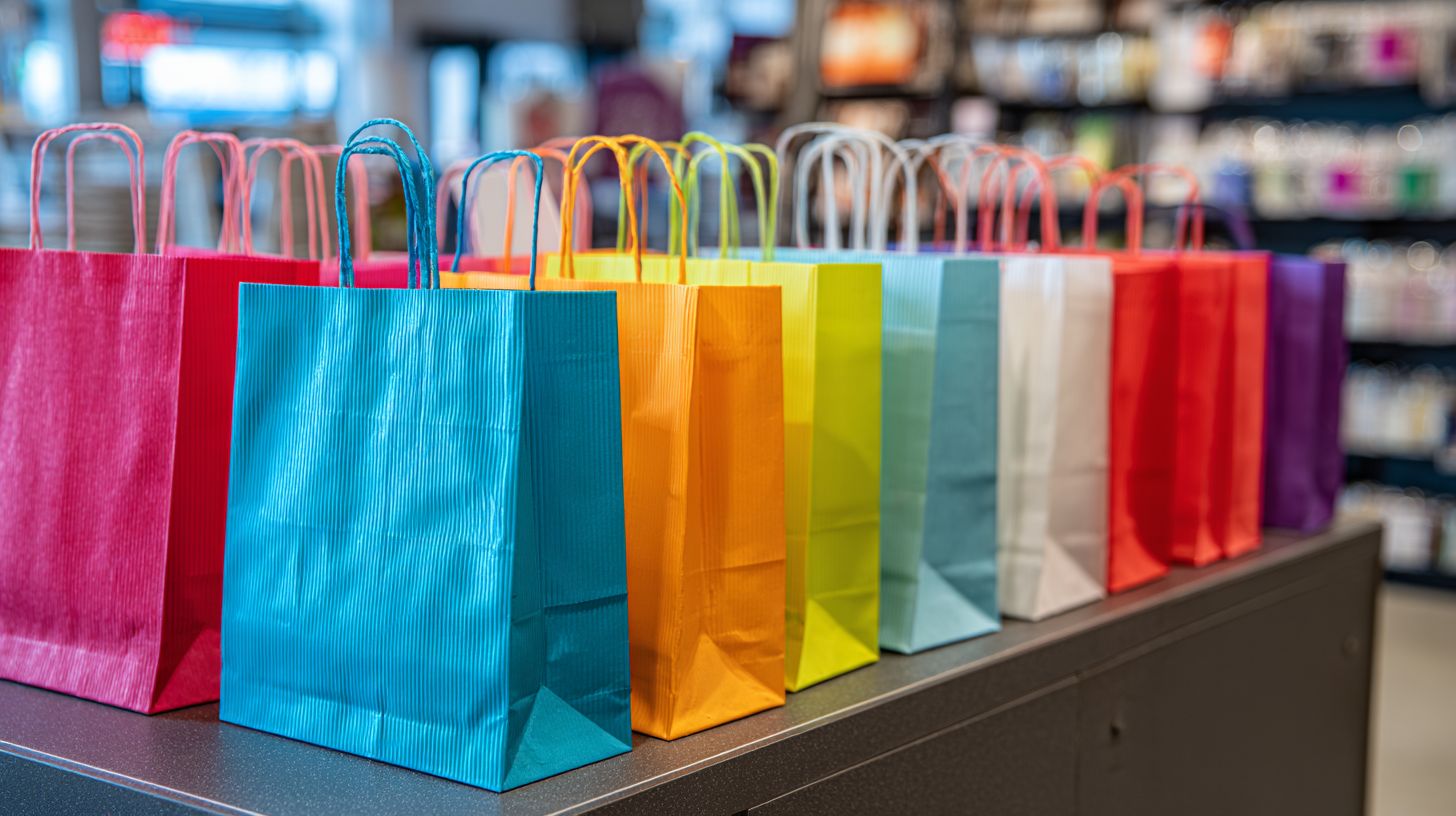
Merchandise bags provide retailers with a range of significant benefits, including the safeguarding of goods during transportation and the strengthening of brand identity. Research from Packaging World indicates that the implementation of branded carriers leads to a 25% increase in customer satisfaction.
Durability and Protection
Durable merchandise bags provide essential protection for products against tears and moisture. Poly bags, such as those in Uline’s heavy-duty product lines, offer capacities of up to 50 pounds, which can reduce return rates by 30 percent, according to data from Retail Dive.
For optimal protection, it is recommended to select poly bags with a thickness of 4 to 6 mils, which can withstand 20 percent more weight than thinner alternatives, as per ASTM D882 standards.
In a practical application, a major retailer like Target implemented gusseted poly bags for packaging electronics, resulting in a 25 percent reduction in damage claims and savings of $0.10 per item in returns.
To implement this effectively, measure the product dimensions and add 2 to 3 inches for ease of packing. Pair these with resealable options to facilitate repeated use.
For food items, ensure the use of FDA-compliant materials to adhere to safety regulations.
This approach enhances inventory efficiency, delivering a 15 to 20 percent return on investment through reduced waste and accelerated restocking processes.
Cost-Effectiveness
Cost-effective custom merchandise bags significantly reduce operational expenses for retailers. For example, bulk paper options from suppliers such as Packlane are priced at $0.10 to $0.20 per unit, allowing businesses to achieve savings of up to 25% on packaging budgets, according to Deloitte’s retail report.
Wholesale poly bags, purchased in quantities of 1,000 units, average $0.05 per unit from suppliers like Uline, in contrast to $0.15 for custom-printed alternatives. This approach can reduce procurement costs by 67%.
Retailers such as IKEA demonstrate the benefits of this strategy by employing flat-pack bags, which decrease shipping expenses by 18% through optimized design, as outlined in their 2022 sustainability report.
Furthermore, bulk ordering facilitates inventory optimization through just-in-time methodologies, thereby lowering holding costs by 10% to 15%.
For a retailer utilizing 5,000 bags per month, transitioning to bulk pricing yields a savings of $0.10 per bag, equating to $6,000 annually. This not only liberates capital for business expansion but also enhances supply chain efficiency.
Types of Merchandise Bags
Merchandise bags are available in a wide array of types, each designed to address specific retail requirements, ranging from lightweight paper variants ideal for apparel to durable poly options suited for groceries. According to MarketsandMarkets, the global bag market is projected to reach $28 billion by 2028.
Paper and Kraft Options
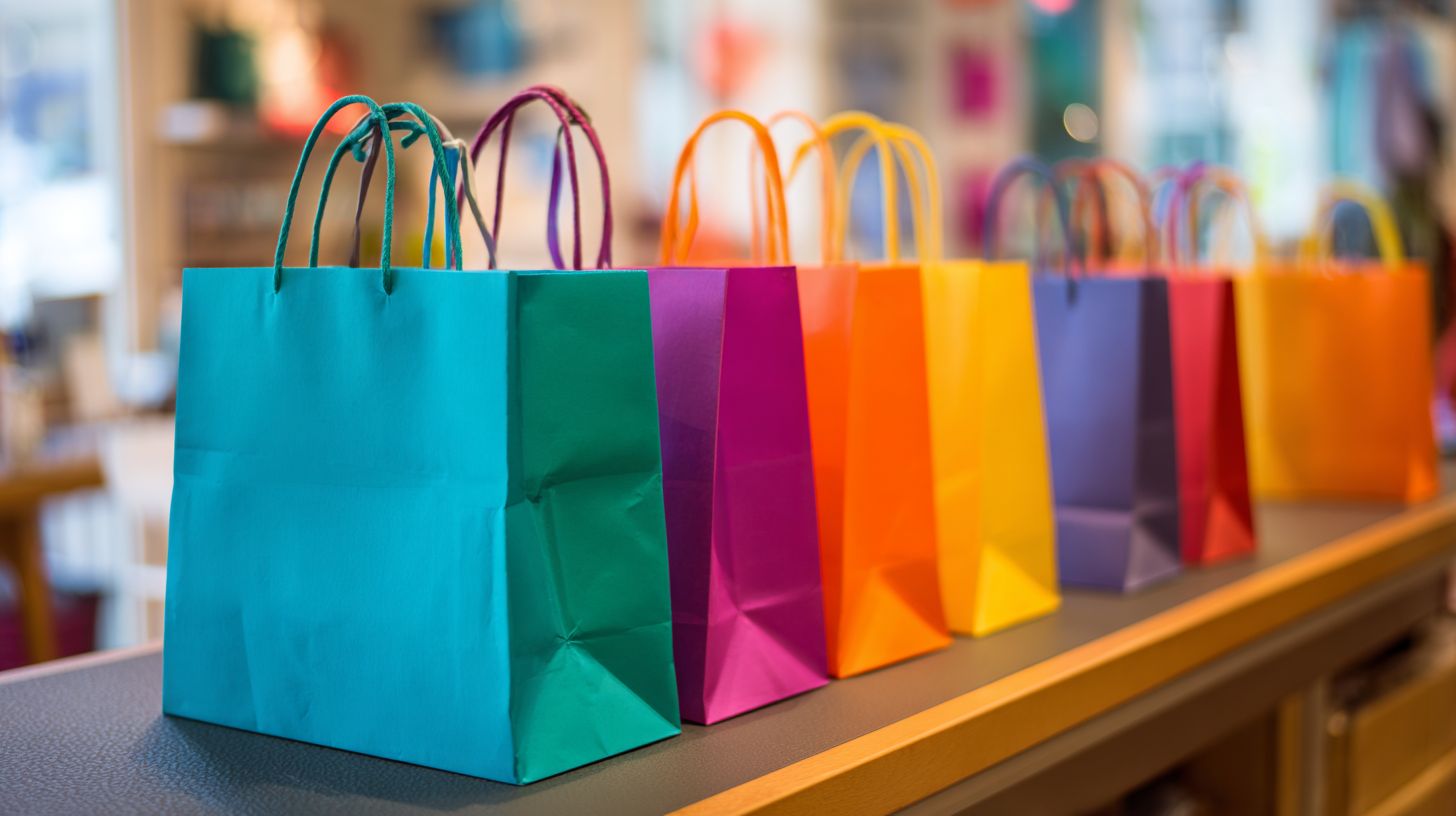
Paper and kraft bags are highly valued for their natural aesthetic and environmental appeal. Options such as 60# basis weight kraft paper, capable of supporting 10-15 pounds, are commonly utilized by prominent brands like Starbucks for coffee carriers.
For custom designs, consider twisted handles on bags measuring 12x6x8 inches, available at $0.15 per unit from Berlin Packaging, which are particularly suitable for retail carryout applications.
Biodegradable kraft paper demonstrates superior sustainability, with FSC-certified stocks ensuring responsible sourcing. However, it exhibits reduced water resistance, maintaining approximately 80% integrity in wet conditions compared to plastic, as measured by ISO 535 tests.
According to Anthropologie’s 2022 sustainability report, the implementation of printed kraft bags enhanced customer perception by 12%.
Sizing recommendations include small bags (8x4x10 inches) for checkout items weighing under 5 pounds and medium bags (12x7x13 inches) for groceries up to 20 pounds. When placing bulk orders, begin by evaluating load requirements and volume needs.
Plastic and Poly Bags
Plastic and polyethylene bags demonstrate superior strength and versatility compared to traditional alternatives. High-density polyethylene (HDPE) variants, for instance, offer tear resistance that is up to 200% greater than paper, making them a preferred choice for efficient grocery packaging, as evidenced by their widespread use at Walmart.
For e-commerce shipping applications, low-density polyethylene (LDPE) flat bags are recommended, available at a bulk unit cost of $0.03. These bags provide effective weatherproofing, surpassing paper options by mitigating moisture damage during transit.
Gusseted polyethylene bags, which incur approximately 20% higher costs, enhance volume capacity and minimize item shifting, rendering them particularly suitable for apparel shipments.
A thickness of 3 mils has been shown to reduce breakage rates by 25%, according to UPS logistics data. Although challenges arise in disposal due to the non-biodegradable nature of these materials, recycling initiatives such as the Trex program repurpose them into composite lumber, thereby advancing sustainability efforts.
Integration with point-of-sale (POS) systems, such as Square, enables automated labeling processes, which streamline operational efficiency while eliminating the fragility concerns associated with paper-based solutions.
Material Choices and Sustainability
The selection of sustainable materials for merchandise bags – with handle is in harmony with evolving consumer preferences, as highlighted by Nielsen’s 2023 report, which reveals that 78% of shoppers prioritize eco-friendly packaging. This alignment is catalyzing a broader transition within the retail sector toward the utilization of biodegradable alternatives.
Recyclable and Biodegradable Materials
Recyclable and biodegradable materials, such as those derived from PLA, decompose within 90 days, in stark contrast to the 500 years required for traditional plastic. Companies like Novolex provide certified alternatives that reduce carbon emissions by 65%, as demonstrated by life cycle assessment (LCA) studies.
To facilitate a transition, businesses should evaluate suppliers such as Huhtamaki, which offers corn-starch-based compostable bags compliant with ASTM D6400 standards and priced at $0.15 to $0.30 per unit. Alternatively, RPET materials sourced from recycled bottles are available at $0.25 per unit through providers like EcoEnclose.
Initiate the process by conducting a comprehensive audit of packaging requirements. A strategic approach involves replacing 20% of plastic items on a quarterly basis, which can result in a 50% reduction in carbon footprint, according to Carbon Trust metrics.
For regulatory compliance and enhanced market positioning, products should be clearly labeled as “compostable in 90 days,” a practice that has been shown to increase customer loyalty by 20%, as evidenced by IKEA’s sustainable product line.
Patagonia’s use of recycled totes, for example, has successfully diverted 40 tons of waste annually, illustrating the scalable environmental impact achievable through such initiatives.
Customization for Branding
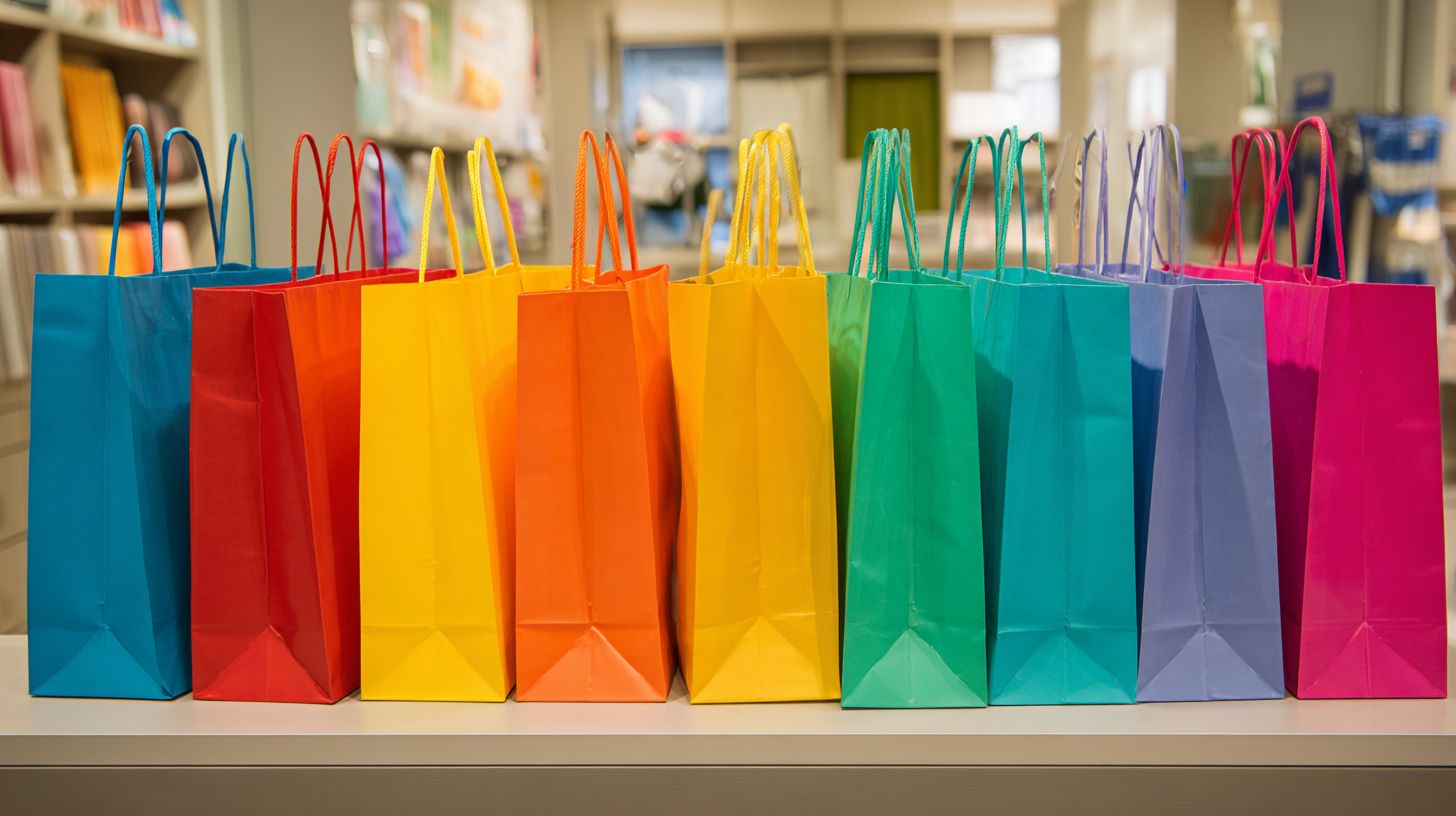
Customization elevates paper merchandise bags into effective branding instruments. Digital printing on poly bags facilitates the incorporation of full-color logos at an incremental cost of less than $0.50 per unit, a technique leveraged by Nike to enhance visibility at events.
To execute this strategy, adhere to the following structured steps:
- Develop your logo using Canva (free tier) or Adobe Illustrator to ensure vector precision, while referencing the Pantone system for accurate color matching.
- Determine the optimal printing method: digital printing for production runs of 500 or more units, with a $200 setup fee and suitability for vibrant designs; or screen printing for high-volume orders exceeding 1,000 units, at less than $0.30 per unit.
- Select bag dimensions, such as 12×15-inch totes, to accommodate diverse applications.
- Source from reputable vendors like Custom Ink, which imposes a minimum order quantity (MOQ) of 100 units and provides a 1-2 week production timeline.
Coca-Cola’s embossed bags increased brand recall by 18% (per IRI study), and customized merchandise typically drives a 10-15% sales uplift.
Implementation in Retail Settings
The integration of Imprinted Paper Merchandise Bags into retail operations necessitates seamless incorporation into checkout processes and supply chains. Automated dispensers linked to point-of-sale (POS) systems, such as Square, have demonstrated a 40% reduction in handling time, a strategy widely adopted by small boutiques.
To optimize this implementation, commence by evaluating bag requirements: select biodegradable alternatives, such as those provided by PackSavvy Solutions ($0.05 per unit for bulk orders exceeding 10,000 units), which adhere to California’s SB 270 plastic bag ban.
- Proceed to integrate dispensers through Square’s API, which facilitates real-time inventory synchronization; the setup requires less than two hours using their developer toolkit.
- Conduct staff training via a concise 10-minute demonstration focused on loading and troubleshooting protocols.
- Track progress using key performance indicators (KPIs), including waste reduction (targeting under 3%), as evidenced by a 2022 National Retail Federation (NRF) study in which retailers achieved a 15% cost reduction through automation.
- Mitigate overstocking risks by implementing just-in-time ordering from suppliers such as Uline.
Future Trends in Packaging
Future trends in Custom Paper Merchandise Bags are centered on intelligent and sustainable innovations, such as RFID-embedded reusable options. According to McKinsey projections, the market is expected to reach $35 billion by 2030, with leadership from innovative models like Loop’s circular packaging system.
The principal trends encompass:
- Reusable solutions, including drawstring bags integrated with QR codes for loyalty programs, which have experienced a 30% increase in adoption according to Deloitte’s 2023 report;
- Bio-based films, such as Ecovative’s mushroom-derived packaging, which decomposes naturally;
- Advancements in digital printing technology through platforms like HP Indigo, enabling shorter, customized production runs that reduce waste by 20%;
- Zero-waste initiatives, as demonstrated by IKEA’s buy-back program.
The European Union’s 2024 regulations require a minimum of 50% recycled content in packaging materials.
Amazon’s frustration-free packaging initiative has reduced waste by 15%, as outlined in their 2022 study.
Retailers are advised to implement hybrid models that integrate reusable products with bio-based materials to achieve regulatory compliance and realize cost efficiencies. It is recommended to commence with pilot testing on high-volume items.
Frequently Asked Questions
Q: What are merchandise bags and why are they considered the go-to solution for retail packaging?
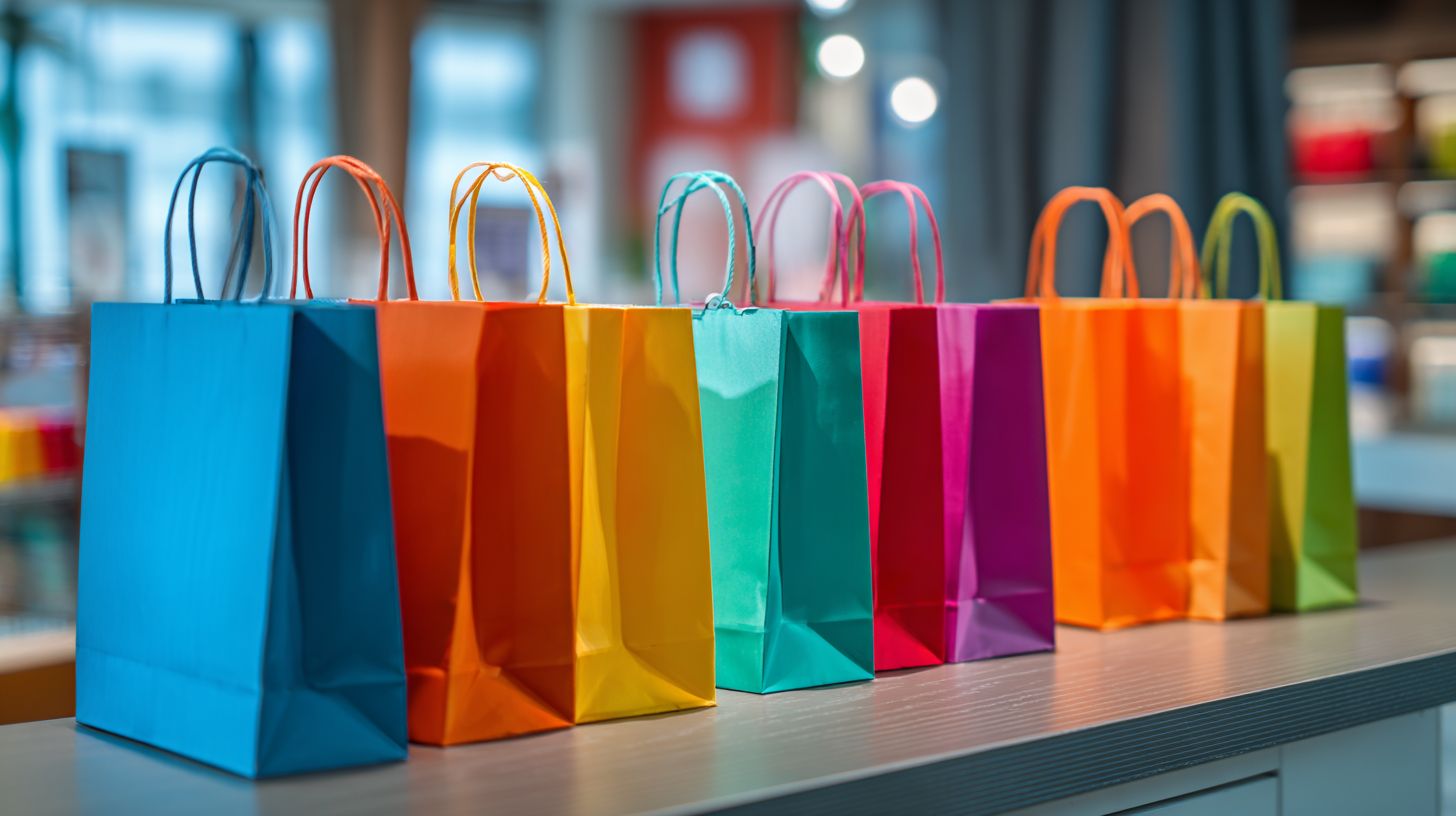
Merchandise bags are durable, versatile packaging options designed specifically for retail environments to carry customer purchases securely. They are the go-to solution for retail packaging because they offer a perfect balance of affordability, functionality, and branding opportunities, making them essential for stores of all sizes.
Q: How do merchandise bags enhance the customer experience in retail settings?
Merchandise bags enhance the customer experience by providing a convenient and professional way to transport items, often with custom prints that reflect the store’s brand. As the go-to solution for retail packaging, they add a touch of elegance and reliability, ensuring customers leave satisfied and more likely to return.
Q: What types of materials are commonly used in merchandise bags?
Common materials for Merchandise Bags – No Handle include paper, plastic, and eco-friendly alternatives like recycled polypropylene. These materials are chosen for their strength and sustainability, positioning merchandise bags as the go-to solution for retail packaging that meets diverse needs while aligning with environmental standards.
Q: Can merchandise bags be customized for branding purposes?
Yes, merchandise bags can be easily customized with logos, colors, and designs to promote brand identity. This customization feature makes them the go-to solution for retail packaging, allowing businesses to turn every purchase into a marketing opportunity that reinforces customer loyalty.
Q: What are the environmental benefits of using merchandise bags in retail?
Many merchandise bags are now made from biodegradable or recyclable materials, reducing plastic waste and supporting green initiatives. By opting for sustainable options, retailers find merchandise bags to be the go-to solution for retail packaging that balances eco-friendliness with practical use.
Q: How do merchandise bags compare to other retail packaging options?
Compared to boxes or rigid carriers, merchandise bags are lighter, more cost-effective, and easier to store, offering superior convenience. This efficiency is why merchandise bags remain the go-to solution for retail packaging, outperforming alternatives in everyday retail operations.
Upgrade your retail packaging with high-quality Merchandise Bags from aplasticbag.com. Designed for durability, style, and brand visibility, our bags are perfect for retail stores looking to make a lasting impression. Choose from a wide range of sizes and customization options to match your business needs and branding goals.
👉 Order now from aplasticbag.com and get reliable, cost-effective merchandise bags delivered on time. Elevate your packaging, enhance customer experience, and strengthen your brand—place your order today!

 How Do Merchandise Bags Improve the Customer Shopping Experience?
  7 Reasons Merchandise Bags Make a Difference in Retail Packaging
  Merchandise Bags: The Perfect Solution for Retail Shopping
Comments