
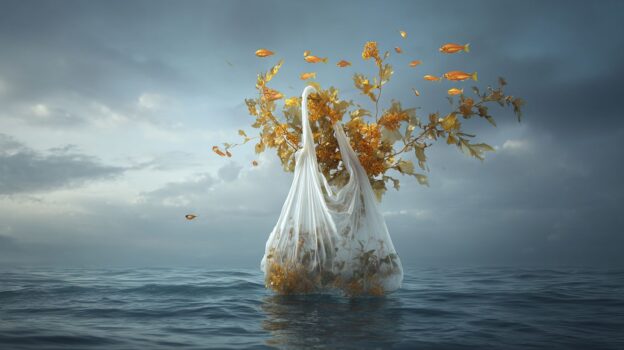
Every year, over 500 billion plastic bags swirl into existence, many destined for oceans and landfills, as reported by the United Nations Environment Programme. These ubiquitous carriers silently devastate ecosystems, from choking marine life to infiltrating food chains. This exploration traces their history and production, unmasks global usage patterns and direct impacts on wildlife and soil, delves into microplastics’ health risks, and spotlights sustainable alternatives and regulatory strides-urging a rethink on our daily choices.
History and Invention
The modern plastic bag was invented in 1959 by Swedish engineer Sten Gustaf Thulin at the Cellophane Company, introducing a lightweight design made from polyethylene derived from petroleum and transforming retail shopping practices.
This innovation built upon earlier developments from the 1930s, when cellophane films-thin, transparent sheets produced from regenerated cellulose-emerged as the initial flexible packaging materials, chiefly used for food wrapping.
Thulin’s pivotal advancement was detailed in U.S. Patent 3,388,658, filed in 1959, which outlined a process for extruding polyethylene into thin, robust films that could be folded and sealed to form bags. These bags proved far more durable and cost-effective than traditional paper alternatives.
The evolution of the plastic bag progressed through three significant milestones:
- In 1965, leading U.S. grocery chains such as Kroger and Safeway introduced commercial single-use plastic bags, supplanting paper sacks and reducing checkout times by up to 50%, as documented in Smithsonian Institution archives. This shift enhanced operational efficiency in high-volume retail environments, with adoption reaching over 80% of supermarkets by 1970.
- The 1970s oil crisis, despite causing spikes in petroleum prices, inadvertently propelled the widespread use of plastic bags. Advances in manufacturing techniques reduced production costs, rendering them approximately 70% less expensive than paper bags, according to a 2010 study by Smith et al. published in the Journal of Plastic Film & Sheeting. During this period, global production escalated dramatically from 10 billion to more than 100 billion bags annually, solidifying their role in daily commerce.
- By the 1980s, growing environmental awareness led to regulatory measures, such as Denmark’s 1993 tax on plastic bags; however, their convenience ensured continued prevalence. For illustrative purposes, a timeline diagram could be incorporated here, depicting these phases with icons representing patents, product launches, and broader impacts, drawn from historical patent records and industry analyses.
In the present day, although reusable alternatives are increasingly adopted, Thulin’s original design continues to fuel critical discussions on sustainability in packaging.
Production and Materials
Plastic bags are predominantly manufactured from high-density polyethylene (HDPE), a polymer derived from petroleum that requires approximately 1.5 million barrels of oil per day for global production, according to the Plastic Disclosure Project. HDPE is primarily sourced from fossil fuels, with 97% originating from petroleum and natural gas, as indicated by data from the World Wildlife Fund.
The production supply chain commences with the extraction of crude oil, which is subsequently refined into ethylene monomers through thermal cracking processes. These monomers undergo polymerization to form HDPE pellets, which are then extruded at temperatures ranging from 200 to 300 degreesC to produce thin films used in bag manufacturing-a process outlined by the U.S. Environmental Protection Agency.
The plastics industry accounts for 4% of global oil consumption, based on the International Energy Agency’s 2022 report, and generates approximately 3.4 billion tons of carbon dioxide emissions annually, per the United Nations Environment Programme.
For illustrative purposes, an infographic flowchart could depict the process as follows: extraction refining polymerization extrusion bagging, with emphasis on key emission hotspots.
Global Usage Patterns
Annually, the global consumption of plastic bags exceeds 500 billion units, with the United States accounting for approximately 100 billion, or about 300 bags per person, according to a 2021 study by the Ocean Conservancy.
Asia leads in global usage, representing 60% of the total, with China consuming between 20 and 30 billion bags each year, as reported by the Food and Agriculture Organization (FAO).
In Europe, consumption has declined significantly due to widespread bans on single-use plastics. Meanwhile, India generates plastic bag waste equivalent to 1.2 trillion units annually.
Per capita figures reveal notable variations; for instance, Ireland used an average of 328 plastic bags per person prior to its national ban, according to data from the Environmental Protection Agency (EPA) of Ireland.
A 2019 World Bank report further indicates that urban areas consume two to three times more plastic bags than rural regions.
Following 2020, the rise of e-commerce contributed to a 20% increase in plastic bag usage worldwide, as documented by Statista.
To mitigate environmental impact, individuals are encouraged to adopt reusable tote bags, which research demonstrates can reduce personal plastic bag consumption by up to 80%.
Direct Environmental Impacts
Annually, plastic bags contribute to the accumulation of 8-10 million metric tons of plastic in the oceans, thereby intensifying pollution and generating emissions equivalent to those produced by 1.5 billion automobiles each year (Greenpeace, 2023).
Marine and Water Pollution
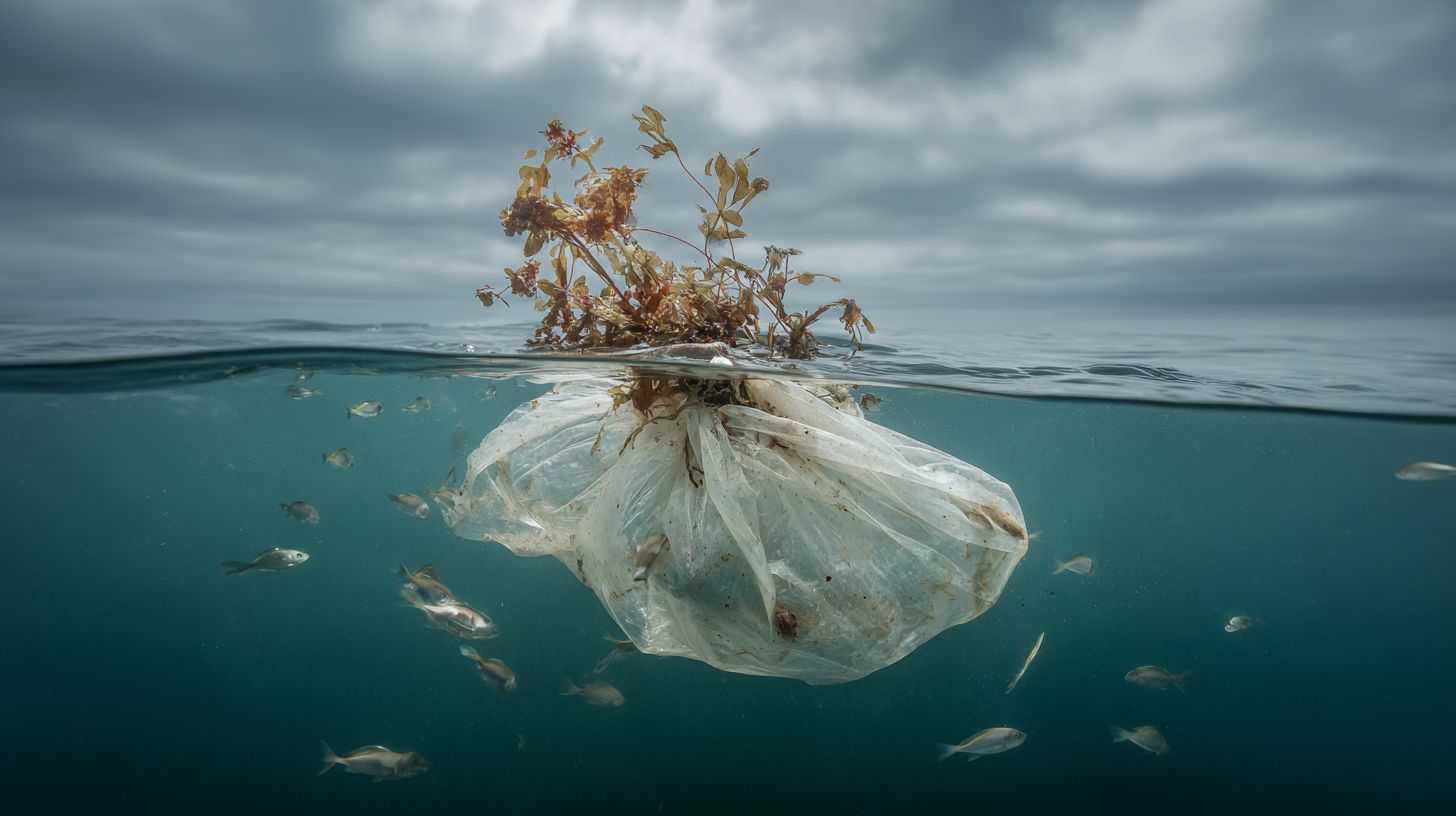
Plastic bags constitute approximately 10% of marine debris, contributing to extensive accumulations such as the Great Pacific Garbage Patch, an area spanning 1.6 million square kilometers and containing an estimated 1.8 trillion plastic pieces (NOAA, 2022). These bags primarily enter the oceans through rivers, which account for 80% of plastic pollution (Jambeck et al., 2015, Science).
Upon exposure to sunlight, they undergo photodegradation, fragmenting into microplastics that remain in the environment for centuries.
This debris tends to concentrate in five major ocean gyres-large rotating current systems that trap waste-as identified in the IUCN’s 2020 hotspots report. The ingestion of such debris results in the annual death of approximately 100,000 marine mammals (WWF).
Among effective mitigation strategies are river barriers, exemplified by The Ocean Cleanup’s Interceptor pilot project, which achieved an 86% reduction in plastic inflow within tested waterways.
A notable case study from 2019 in the Philippines demonstrated the efficacy of community-led initiatives, where volunteers successfully removed 50 tons of plastic from Manila Bay, underscoring the potential impact of grassroots cleanups.
Landfill and Soil Degradation
In landfills, plastic bags account for 20-30% of the available space without undergoing decomposition, resulting in soil contamination from leachates that contain toxins such as phthalates at concentrations of 10-50 mg/kg, as reported in a 2021 USGS study.
These bags remain intact for 500-1000 years under anaerobic conditions, according to research published by the Royal Society. This persistence traps organic matter and contributes to a 10% increase in methane emissions, per IPCC assessments.
For example, landfills in China accumulate approximately 60 million tons of plastic waste each year, based on World Bank data.
To address this issue, the adoption of advanced sorting technologies, such as optical scanners, is recommended. These systems can reduce waste volume by 25%, in alignment with the EU Waste Framework Directive.
Additionally, communities should promote the use of reusable bags and establish curbside recycling programs.
A 2018 study in Environmental Science & Technology validates that such interventions can reduce leachate toxicity by up to 40%.
Effects on Wildlife and Ecosystems
Plastic bags are responsible for over one million wildlife deaths each year due to entanglement and ingestion, which disrupts ecosystems and contributes to biodiversity loss in 40% of affected habitats (IUCN Red List, 2023).
Ingestion occurs when marine animals, such as sea turtles, mistake translucent plastic bags for jellyfish, resulting in a 52% mortality rate among impacted individuals (Ocean Conservancy, 2022). For example, blockages in the digestive tracts of these species often lead to starvation.
Entanglement ensnares seals and other marine mammals, with the National Oceanic and Atmospheric Administration (NOAA) documenting approximately 18,000 cases annually, frequently causing drowning or severe injury. Such incidents create cascading effects throughout ecosystems, disrupting food chains in 70% of coastal regions (United Nations Environment Programme [UNEP], 2021).
A case study on Australian fur seals revealed a 50% population decline attributable to entanglement (Marine Pollution Bulletin, 2020). Avian species encounter comparable risks, as evidenced by BirdLife International’s report of more than 100,000 bird deaths per year from plastic ingestion.
To address these issues, individuals and organizations are encouraged to adopt reusable bags and advocate for legislative measures, such as California’s 2016 plastic bag ban, which achieved a 70% reduction in usage (U.S. Environmental Protection Agency [EPA] data).
Microplastics and Long-Term Consequences
According to a 2022 study published in *Nature*, microplastics derived from degraded plastic bags total 14 million tons in the oceans alone. These particles infiltrate food chains and persist for centuries, with global estimates indicating 24.4 trillion particles.
Human Health Risks
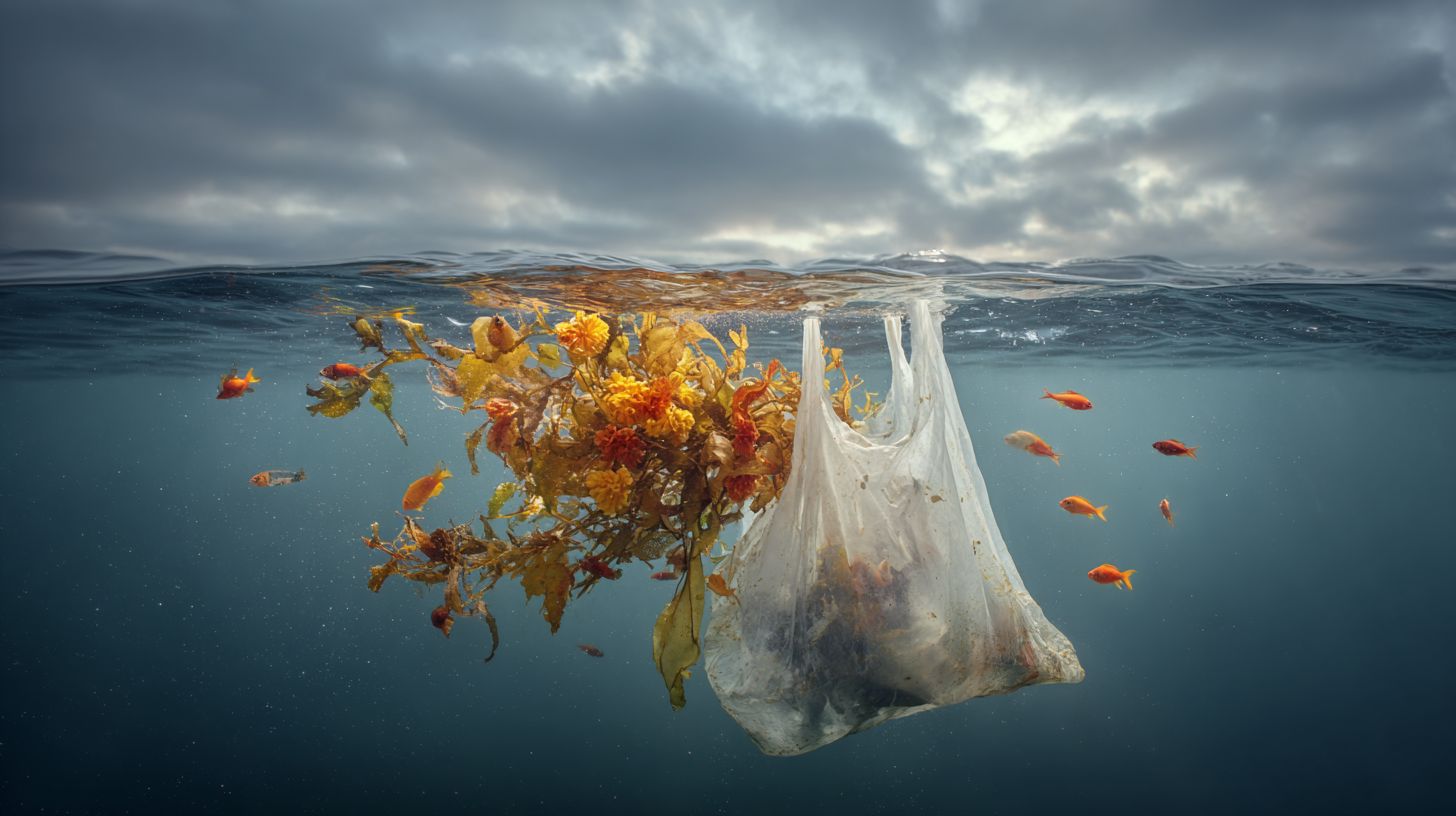
Humans ingest approximately 5 grams of microplastics each week through seafood and drinking water, an amount equivalent to the weight of a credit card. This exposure has been associated with endocrine disruption and a 20% increase in cancer risk in regions with high contamination levels (WHO, 2022).
Plus ingestion, microplastics are absorbed through inhalation, with urban air containing up to 300 particles per cubic meter (The Lancet, 2019). Fish typically harbor between 1 and 10 microplastic particles per kilogram of body weight (EFSA).
Furthermore, chemicals resembling bisphenol A (BPA) within these particles can disrupt hormonal functions, as evidenced by a Harvard study that correlates such exposure with reproductive fertility challenges.
Populations in the Pacific Islands demonstrate microplastic concentrations in their blood that are twice as high as those observed in mainland communities (Environmental Health Perspectives, 2021).
To reduce exposure, it is advisable to employ home water filtration systems, such as reverse osmosis units, which can decrease microplastic intake by up to 90% (EPA data). The Centers for Disease Control and Prevention (CDC) further recommends minimizing consumption of processed seafood and prioritizing filtered tap water to effectively lower overall exposure.
Sustainable Alternatives
Adopting reusable tote bags can reduce an individual’s plastic consumption by 99% over the course of a year. Bioplastics, such as starch-based variants, degrade in approximately 180 days, in contrast to the 400-year degradation period for high-density polyethylene (HDPE) (European Bioplastics Association, 2023).
To achieve maximum environmental impact, consider selecting cotton totes, which can withstand up to 131,000 uses over their life cycle (Life Cycle Assessment study, Franklin Associates, 2019), or polylactic acid (PLA) bioplastics derived from corn, which reduce emissions by 60% (Nature Sustainability, 2020). Evaluate these options using ISO 14040 standards for comprehensive life-cycle analysis.
| Material | Durability | Cost per Bag | Environmental Impact |
|---|---|---|---|
| Cotton Cloth | 131,000 uses | $0.50-$1.00 | Low waste generation; production is water-intensive |
| Paper | Single use | $0.10 | Requires three times the tree resources compared to plastic but is recyclable; 70% higher energy consumption than plastic (DEFRA, 2022) |
| PLA Bioplastic | 100+ uses | $0.20-$0.50 | 60% reduction in emissions; compostable |
| HDPE Plastic | Single use | $0.05 | Degrades over 400 years; associated with high pollution levels |
IKEA’s reusable bag program has successfully eliminated 1 million single-use bags annually, illustrating the scalability of such initiatives.
Regulations and Reduction Strategies
Since 2002, more than 100 countries have enacted bans or fees on plastic bags, resulting in usage reductions of up to 90 percent in certain regions. For instance, in California, a 10-cent fee per bag has decreased annual consumption from 13 billion to 6 billion bags (CalRecycle, 2022).
Significant milestones in this effort include Bangladesh’s 2002 ban, implemented following devastating floods that underscored the hazards of plastic waste. This was closely followed by Ireland’s introduction of a fee in the same year, which achieved a 22:1 reduction in usage (Environmental Protection Agency data).
In 2021, the European Union’s Single-Use Plastics Directive established targets for an 80 percent reduction through mandatory bans and the promotion of alternative materials.
Kenya’s comprehensive nationwide ban, enacted in 2017, imposes fines of up to $38,000 for violations and has led to a 70 percent decrease in litter, according to local studies.
Effective strategies contributing to these outcomes include economic incentives, such as retailer-imposed fees, and corporate commitments, exemplified by Unilever’s pledge to eliminate plastic packaging by 2025, as reported by the World Economic Forum.
Nevertheless, challenges persist, particularly in enforcement within developing nations and the persistence of illegal imports. The United Nations Environment Assembly’s Resolution 4/6, however, advocates for coordinated global measures to address these issues.
Frequently Asked Questions
Q: What is the environmental impact of plastic bags?
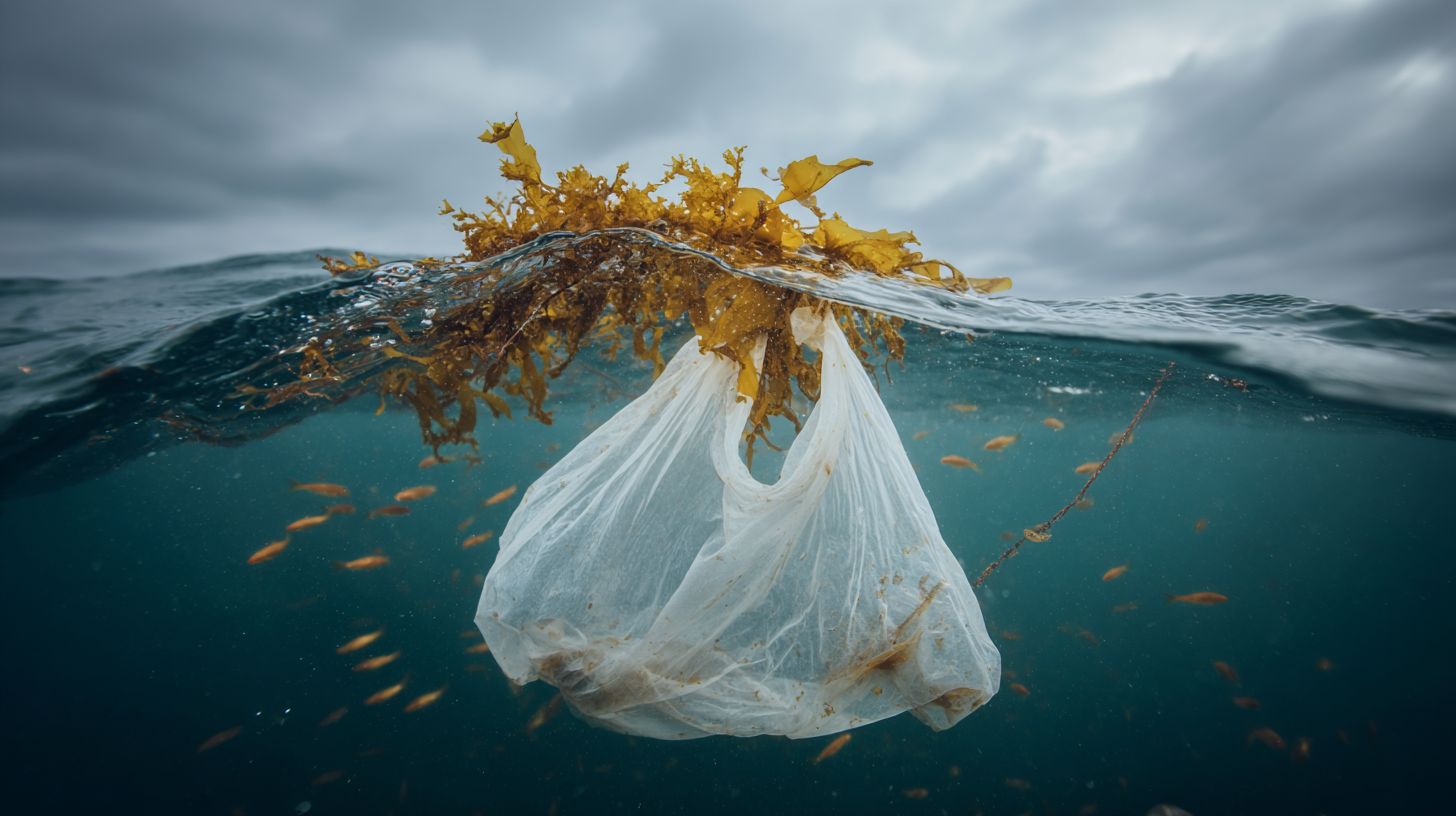
Plastic Bags: Understanding Their Environmental Impact reveals that single-use plastic bags contribute significantly to pollution, as they take hundreds of years to break down, releasing microplastics into ecosystems and harming marine life through ingestion and entanglement.
Q: How do plastic bags affect wildlife?
In the context of Plastic Bags: Understanding Their Environmental Impact, it’s clear that animals often mistake plastic bags for food, leading to starvation, internal injuries, and death, particularly in oceans where bags accumulate in gyres and food chains.
Q: Are plastic bags recyclable, and why is recycling challenging?
Plastic Bags: Understanding Their Environmental Impact highlights that while some plastic bags are recyclable, contamination with food waste and low recycling rates-due to sorting difficulties-result in most ending up in landfills, exacerbating methane emissions and long-term waste accumulation.
Q: What alternatives to plastic bags are environmentally friendly?
Exploring Plastic Bags: Understanding Their Environmental Impact shows that reusable cloth or canvas bags, paper bags from sustainable sources, and biodegradable options made from plant-based materials offer viable alternatives that reduce fossil fuel dependency and decomposition time.
Q: How long does it take for a plastic bag to decompose?
According to insights from Plastic Bags: Understanding Their Environmental Impact, conventional plastic bags can persist for 10 to 1,000 years in the environment, fragmenting into microplastics that pollute soil, water, and air indefinitely without fully biodegrading.
Q: What can individuals do to reduce the use of plastic bags?
Plastic Bags: Understanding Their Environmental Impact emphasizes practical steps like opting for personal reusable bags, supporting plastic bag bans or fees in stores, and advocating for policy changes to minimize single-use plastics and promote a circular economy.
Ready to make a smarter, more sustainable packaging choice? Partner with Aplasticbag for high-quality, innovative plastic bag solutions tailored to your business needs.
Don’t wait—take the next step today. Request your quote now and discover how Aplasticbag can deliver value, reliability, and responsible packaging solutions for your brand!

 Custom Plastic Shopping Bags vs Paper Packaging: Cost, Branding & Convenience
  Wholesale Plastic Shopping Bags: A Complete Buying Guide for Retail Businesses
  Why Plastic Bags With Logo Help Businesses Stand Out in Competitive Markets
Comments