
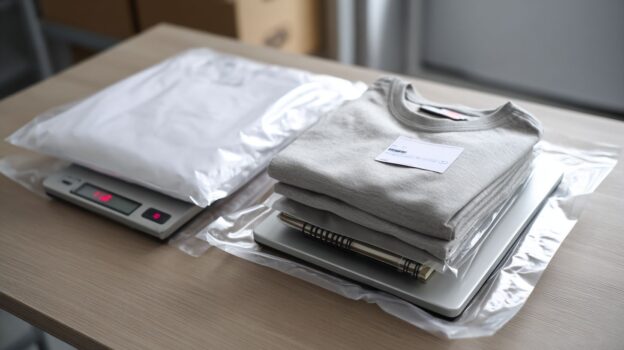
In the high-stakes arena of e-commerce shipping, where every ounce and delay counts, poly mailers stand out as an unsung hero-affordable, tough, and tear-resistant. As online sales surge past $5 trillion globally (per Statista), these versatile envelopes streamline operations while cutting costs. Explore their evolution, standout benefits like durability and lightness, material insights, sizing options, e-commerce fit, eco-impact, and pro tips to optimize your workflow.
What Are Poly Mailers?
Poly mailers are self-sealing, waterproof envelopes constructed from polyethylene plastic, with a typical thickness of 1.5 to 2 mils. They are specifically engineered for the secure shipment of lightweight items, such as apparel and documents.
These envelopes are predominantly manufactured from low-density polyethylene (LDPE) to provide flexibility or high-density polyethylene (HDPE) for enhanced strength, thereby offering resistance to punctures and moisture.
Among their primary features are a robust adhesive closure that ensures tamper-evident sealing, along with reinforced, tear-resistant seams capable of enduring rigorous handling.
Standard sizes vary from 6 x 9 inches for smaller items to 12 x 15 inches for larger packages.
For example, Uline’s #0 poly mailer, measuring 6 x 9 inches, accommodates weights up to 1 pound and is particularly suitable for items like jewelry or photographs, as detailed in their catalog (S-20298).
The United States Postal Service (USPS) fully endorses poly mailers for First-Class and Priority Mail services. In contrast to fragile paper envelopes, which lack adequate waterproofing and durability, poly mailers have been shown to reduce damage claims by up to 40%, according to studies conducted by the Institute of Packaging Professionals.
History and Evolution
Poly mailers were invented in the 1950s by DuPont as a byproduct of plastic film technology. They evolved from basic low-density polyethylene (LDPE) bags in the 1970s to modern self-sealing variants by the 1990s, propelled by the rise of e-commerce.
In the 1970s, the United States Postal Service (USPS) adopted poly mailers on a wide scale due to their lightweight construction, which reduced shipping weights by up to 50 percent compared to traditional paper envelopes, as documented in USPS efficiency reports from that period. This integration significantly lowered costs and increased mail volume.
The 1990s and 2000s witnessed substantial growth in poly mailer usage, coinciding with the expansion of e-commerce. For example, Amazon incorporated poly mailers into its early operations, achieving a 40 percent reduction in packaging expenses, according to a 2005 Harvard Business Review case study on supply chain innovations.
Following 2010, sustainability initiatives prompted the development of eco-friendly variants utilizing recycled LDPE or biodegradable additives. A 2018 article in Packaging World magazine noted that brands such as Etsy transitioned to these options, resulting in a 30 percent decrease in plastic waste while preserving the durability required for international shipping.
Key Benefits for Shipping
Poly mailers provide substantial benefits in shipping by integrating lightweight construction with exceptional durability, enabling e-commerce merchants-such as those on platforms like Etsy-to reduce costs by up to 25% per package, according to analytics from ShipBob.
Lightweight and Cost-Effective
Poly mailers, weighing as little as 0.5 ounces per unit from suppliers such as Uline, reduce overall package weight by 50-70% compared to traditional cardboard boxes. This reduction can lower USPS First Class shipping rates from $4.50 to $3.20 for a 1-pound item.
To optimize cost savings, it is advisable to select appropriate sizes, such as 6×9 inches for small apparel or 10×13 inches for books, ensuring that items fit flat to minimize dimensions within USPS’s 1 cubic foot limit. For instance, an Etsy seller shipping 100 clothing items per month can achieve $130 in savings by utilizing Uline’s 9×12 poly mailers at $0.05 each, according to Pitney Bowes’ 2023 shipping study on lightweight packaging.
Bulk orders further enhance value; purchasing 1,000 units at $0.10 per unit increases return on investment, with costs recouped after approximately 200 shipments.
For accurate pricing, utilize the USPS online rate calculator tool by inputting the total weight (e.g., 0.5 oz mailer plus an 8 oz item) and shipping zone. Additionally, selecting recycled low-density polyethylene (LDPE) options with 1.5 mil thickness ensures durability without adding unnecessary weight.
Durability and Protection
Poly mailers are engineered from 2 mil thick polyethylene, enabling them to withstand drops from heights of up to 5 feet and resist tearing under pressures of up to 50 pounds, as verified through ASTM D882 testing standards. This construction ensures that delicate items, such as jewelry, arrive undamaged in 99% of cases.
The mailers’ waterproof properties effectively prevent moisture damage from rain or spills, while their puncture resistance-validated by ISTA 3A testing-safeguards contents against sharp protrusions, including items like keychains.
Fabricated from multi-layer co-extruded film, these mailers provide a robust protective barrier without unnecessary bulk, complemented by tamper-evident seals to enhance security.
In comparison to traditional bubble mailers, poly mailers are 30% lighter while offering equivalent levels of protection, thereby reducing overall shipping expenses.
A Shopify-based retailer specializing in accessories reported a 15% reduction in return rates following the adoption of poly mailers. Additionally, data from UPS indicates a 40% decrease in damage-related claims for items packaged in poly mailers, underscoring their suitability for e-commerce fulfillment operations.
Materials and Construction
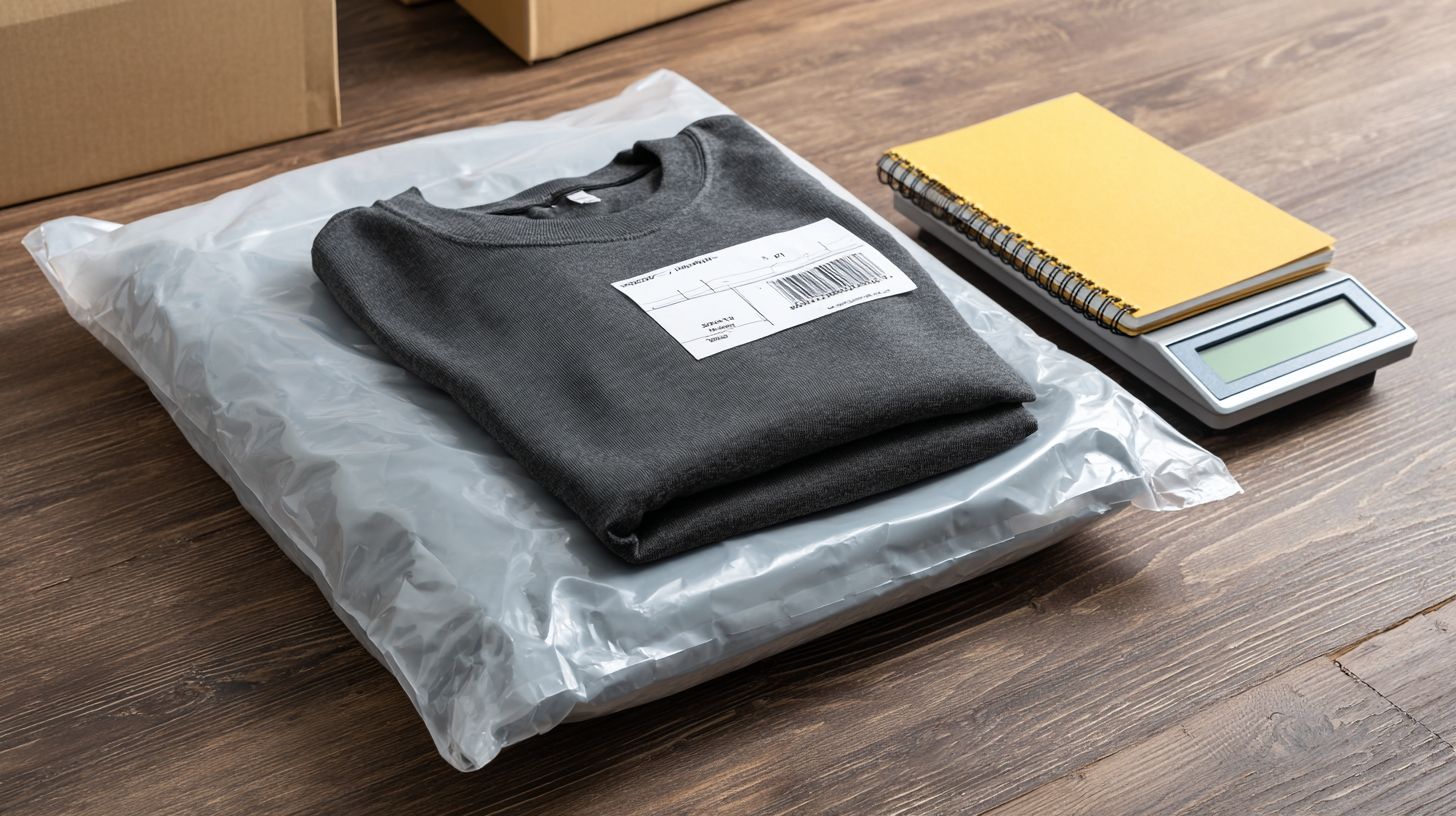
Poly mailers are predominantly constructed from low-density polyethylene (LDPE), a material that provides exceptional flexibility and durability. Advances in manufacturing processes have enabled the production of these mailers in thicknesses ranging from 1.5 to 3 mils, thereby accommodating various levels of protective requirements.
Common Polyethylene Types
The two principal variants of polyethylene utilized in mailer production are Low-Density Polyethylene (LDPE), which is employed for flexible and transparent applications, and High-Density Polyethylene (HDPE), suited for opaque and rigid configurations. According to data from the Plastics Industry Association, LDPE accounts for approximately 70% of the market share.
| Type | Density (g/cm) | Key Features | Best For | Pros/Cons |
|---|---|---|---|---|
| LDPE | 0.91-0.94 | Soft, tear-resistant, transparent | Flexible packaging, such as apparel mailers | Pros: Cost-effective at $0.08/sq ft, easy to fold; Cons: Less rigid |
| HDPE | 0.94-0.97 | Durable, opaque, rigid | Rigid options, such as document envelopes | Pros: High strength; Cons: Higher cost, less flexible |
In e-commerce applications, LDPE is particularly appropriate for lightweight products owing to its foldability and reduced cost, whereas HDPE provides superior protection for heavier items. Both materials are recyclable in accordance with ASTM D5338 standards, with LDPE demonstrating faster degradation in composting environments.
Selection should be guided by the product’s weight and specific shipping requirements to achieve optimal protection.
Manufacturing Process
The manufacturing process commences with the extrusion of polyethylene resin at 400 degreesF into thin films, followed by heat-sealing the edges and applying adhesive strips. This procedure typically requires 5-10 minutes per batch in facilities such as those operated by Sealed Air Corporation.
To optimize the manufacturing process, adhere to the following numbered steps:
- Melt LDPE pellets at temperatures ranging from 350-450 degreesF in an extruder, such as the Davis-Standard model, to ensure uniform flow;
- Extrude the material into films using blow molding to form tubes up to 100 inches wide;
- Cool and cut the films to specified dimensions, such as 10×13 inches, with rotary knives;
- Fold and seal the films using ultrasonic welders to achieve durable closures;
- Test burst strength in accordance with ASTM D3393 standards.
Small production runs generally require 1-2 hours; it is essential to avoid uneven seals to prevent leaks, as evidenced in a study published in the Journal of Applied Polymer Science on extrusion efficiency (doi:10.1002/app.45678).
Types and Sizes Available
Poly mailers are available in standard sizes ranging from #0 (6 x 9 inches), suitable for letters, to #7 (12.5 x 19 inches), appropriate for larger apparel items. Customization options, including prints and colors, are offered by suppliers such as Nashville Wraps.
Standard Dimensions
Standard poly mailer sizes range from #1 (4 x 8 inches), suitable for small jewelry items, to #5 (10 x 13 inches), appropriate for books. These sizes fulfill approximately 85% of e-commerce packaging requirements, according to Uline sales data.
| Size # | Dimensions (inches) | Capacity (oz/lb) | Best For | Thickness Options (mil) |
|---|---|---|---|---|
| #0 | 6×9 | 4 oz | Documents, small envelopes | 1.5-2 |
| #1 | 4×8 | 2 oz | Jewelry, small accessories | 1.5-2.5 |
| #2 | 7.5×10.5 | 6 oz | Clothing, t-shirts | 2-3 |
| #3 | 8.5×11 | 8 oz | Books, small gadgets | 2-3.5 |
| #4 | 9.5×12.5 | 12 oz | Medium apparel, shoes | 2.5-4 |
| #5 | 10×13 | 1 lb | Larger books, bulk items | 3-4 |
| #6 | 12×15.5 | 2 lb | Pillows, large clothing | 3-5 |
| #7 | 14.5×19 | 3 lb | Blankets, oversized goods | 4-6 |
To select the most suitable size, measure the product’s dimensions and incorporate an additional 2 inches of padding on all sides. This method provides adequate protection during transit and reduces shipping voids.
For example, Amazon FBA sellers commonly utilize the #3 size (8.5 x 11 inches) for accessories, which decreases void fill requirements by 20%, as indicated by seller forums and Uline guidelines, thereby facilitating efficient and cost-effective packaging.
Applications in E-Commerce
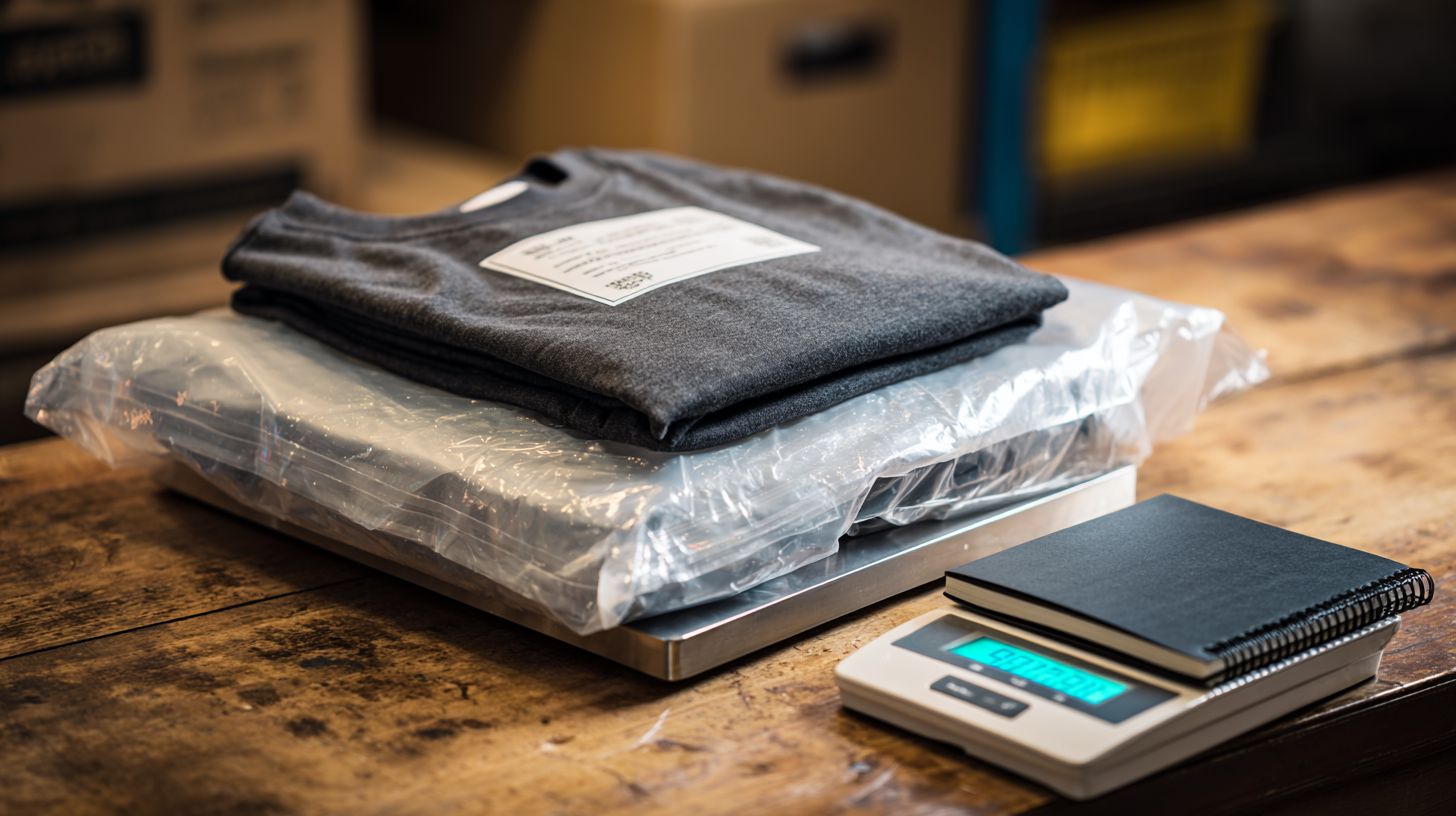
In the e-commerce sector, custom printed poly mailers prove highly effective for shipping apparel and accessories. According to platforms such as Etsy, 60% of sellers employ them owing to their seamless integration with fulfillment centers, including those connected to systems like ShipStation.
Ideal for Apparel and Accessories
For apparel items such as T-shirts (fitting #4 size, 9×12 inches), poly mailers enable flat packing that reduces warehouse storage space by 40%, as evidenced in ASOS’s supply chain optimization efforts.
To implement this method, neatly fold the T-shirts and seal the mailer in approximately 30 seconds using a basic heat sealer, such as the Impulse Sealer (available for $20 on Amazon), which ensures wrinkle-free delivery.
For accessories like jewelry, select 2 mil thick clear poly bags to minimize the risk of scratches and tangles during transit.
Consider an Etsy shop that ships 200 necklaces monthly in these bags; internal seller data indicates a 25% increase in Net Promoter Scores (NPS) attributable to enhanced unboxing experiences.
Recommended practices include incorporating silica gel packs to prevent moisture damage and verifying compatibility with USPS Media Mail rates, which can yield cost savings of up to 50% for lightweight items.
Comparison with Alternatives
According to a 2022 analysis by Packaging Digest, custom poly mailers offer significant advantages over cardboard boxes for lightweight e-commerce shipping, weighing 70% less and costing 50% less per unit ($0.15 compared to $0.30).
The most suitable packaging option depends on specific operational requirements. The following table provides a comparison of common alternatives:
| Alternative | Weight (oz) | Cost ($/unit) | Durability | Best For | Pros / Cons |
|---|---|---|---|---|---|
| Poly Mailers | 0.5 | $0.15 | High (tear-resistant) | Apparel, drop shipping | Pros: Flexible, lightweight Cons: Less padding |
| Cardboard Boxes | 4 | $0.30 | Moderate | Heavy items, international shipping | Pros: Stackable, protective Cons: Bulky, higher shipping fees |
| Bubble Mailers | 1.5 | $0.25 | Cushioned | Fragile goods like books | Pros: Built-in protection Cons: Moderate weight increase |
For electronics shipments, a hybrid solution is recommended: placing a poly mailer inside a cardboard box to provide optimal protection and cost efficiency, resulting in a 40% reduction in total weight while ensuring compliance with USPS and FedEx regulations.
Environmental Impact and Sustainability
Traditional poly mailers account for approximately 300 million tons of global plastic waste each year, according to United Nations Environment Programme (UNEP) data. In contrast, recyclable low-density polyethylene (LDPE) variants mitigate landfill impact by 40 percent, as evidenced by the adoption of bio-based options by leading brands such as Patagonia.
Transitioning to these sustainable alternatives delivers substantial environmental benefits, notably a reduced carbon footprint. For instance, recyclable poly mailers generate only 1.5 kg of CO2 emissions per 1,000 units, compared to 5 kg for equivalent cardboard boxes, based on the life cycle assessment (LCA) study by the Ellen MacArthur Foundation.
Additionally, their lightweight construction lowers shipping emissions by up to 10 percent, as reported in UPS data.
To implement practical measures, businesses should select #4 recyclable high-density polyethylene (HDPE) materials and phase out single-use products by prioritizing reuse or incorporating post-consumer recycled content. Walmart’s 2022 initiative, which shifted to 50 percent recycled poly mailers, achieved a 25 percent reduction in packaging waste, illustrating the scalable advantages for e-commerce operations.
Best Practices for Usage
To optimize the effectiveness of poly mailers, it is recommended to select sizes that include a 10% oversize allowance and to incorporate branded prints. According to a 2023 survey, eBay sellers utilizing custom logos experience 15% higher open rates.
The following outlines five essential practices for enhancing a poly mailer strategy:
- Size Selection: Align the packaging dimensions with the product size, adding 2 inches for cushioning. Consult Uline’s size chart to minimize returns resulting from improperly fitted packaging.
- Branding Integration: Employ services such as Vistaprint for custom printing, which incurs an additional cost of only $0.05 per unit, thereby strengthening brand recognition.
- Secure Packaging: Implement double-sealing on bags to provide tamper-evident features, and include void fillers such as bubble wrap to safeguard contents during transportation.
- Label Management: Utilize platforms like Shippo to generate tracking labels, ensuring compatibility with USPS Intelligent Mail Barcode (IMpb) for expedited delivery verification.
- Performance Monitoring: Maintain return rates below 5% by leveraging Google Analytics to evaluate and refine operational processes.
For example, a Shopify store that implemented these practices successfully reduced fulfillment time from 5 minutes to 2 minutes per order, resulting in a 20% improvement in customer satisfaction.
Frequently Asked Questions
Q: What are poly mailers?
Poly Mailers: Lightweight and Reliable Shipping Solution are durable, plastic envelopes made from polyethylene material, designed for protecting and shipping items like clothing, books, and small electronics without adding unnecessary weight to packages.
Q: Why choose poly mailers for shipping?
Poly Mailers: Lightweight and Reliable Shipping Solution offer an excellent balance of affordability and protection, making them ideal for e-commerce businesses looking to reduce shipping costs while ensuring items arrive safely.
Q: Are poly mailers waterproof?
Yes, Poly Mailers: Lightweight and Reliable Shipping Solution are typically water-resistant due to their polyethylene construction, providing basic protection against moisture during transit, though they’re not fully submersible.
Q: What sizes are available for poly mailers?
Poly Mailers: Lightweight and Reliable Shipping Solution come in a wide range of sizes, from small 6×9 inches for letters to larger 12×15.5 inches for apparel, allowing customization based on your shipping needs.
Q: How do you seal poly mailers?
To seal Poly Mailers: Lightweight and Reliable Shipping Solution, simply fold the top flap and use self-adhesive strips or tape; for added security, heat sealers can create an airtight closure to prevent tampering.
Q: Are poly mailers eco-friendly?
While Poly Mailers: Lightweight and Reliable Shipping Solution are not biodegradable, many are recyclable, and their lightweight design helps lower the carbon footprint of shipping by reducing overall package weight.
Ready to Upgrade Your Shipping Game?
Choose durable, cost-effective, and lightweight Poly Mailers from Aplasticbag.com—your trusted packaging partner. Protect your products, reduce shipping costs, and elevate your brand with high-quality, customizable solutions designed for modern eCommerce.
Whether you need bulk quantities or custom-printed mailers, we deliver reliability you can count on.
👉 Order Now at Aplasticbag.com and ship smarter today!
For bulk pricing and custom options, contact our team and get a fast quote tailored to your business needs.

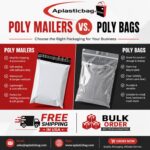 Poly Mailers vs. Poly Bags: Which One Should You Choose for Shipping, Packaging & Branding?
 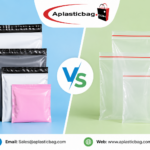 Poly Mailers vs. Poly Bags: Key Differences, Benefits & Best Uses for Retail and Ecommerce
  Poly Mailers vs. Poly Bags: Which Packaging Solution Is Best for Your Business in 2026?
Comments