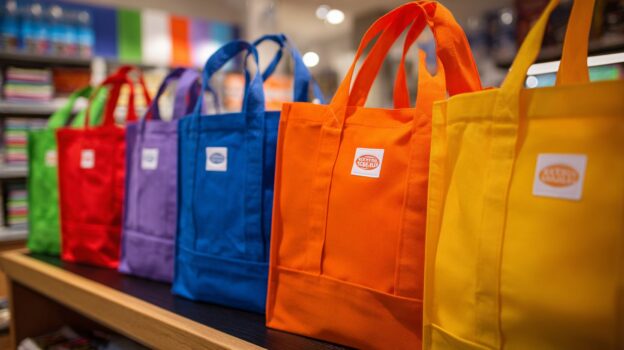
In a crowded marketplace, every customer interaction Custom Retail Plastic Bags transform simple packaging into silent brand ambassadors, carrying your message far beyond the store. As studies from the Point of Purchase Advertising International show, such tools boost recall by up to 80%. This article explores their branding benefits, diverse types like eco-friendly reusables, essential design strategies, sustainability tips, cost-effective implementation, and ways to measure promotional success.
Key Benefits for Promotion
According to a 2023 study conducted by ASI Central, promotional bags yield a return on investment (ROI) of 7:1, surpassing traditional advertising methods by providing extended brand exposure that continues well beyond the point of sale.
Enhanced Brand Visibility
According to a 2021 Nielsen study on promotional items, branded bags generate 1,000 impressions per bag annually.
To maximize this impact, implement the following strategies:
- Apply bold logo printing to high-traffic areas, such as handles and straps, to achieve consistent exposure.
- Select UV-resistant inks that ensure six months of outdoor durability, as validated by the Promotional Products Association International (PPAI).
- Integrate QR codes that direct users to dedicated landing pages for impression tracking. For example, Coca-Cola’s tote bag campaign yielded 500,000 scans, resulting in a 25% increase in engagement.
It is noteworthy that 73% of recipients utilize these bags on a weekly basis, based on PPAI data.
For optimal design placement, consider a straightforward sketch: a centered logo on the front panel, bold stamping on the handle, and a QR code positioned at the bottom for easy scanning during use.
Building Customer Loyalty
Loyalty programs that incorporate branded bags have demonstrated a 20% increase in repeat purchases, according to a 2022 study published in the Journal of Marketing on the impact of tangible promotions. To capitalize on this opportunity, the mechanics of such loyalty programs can be distilled into three practical steps.
- Provide complimentary gift bags upon reaching specific purchase thresholds, for example, offering a free tote bag for every $50 spent, in a manner similar to REI’s approach, which promotes incremental purchasing behavior.
- Customize the bags with the customer’s name through embroidery techniques, utilizing tools such as Ricoma machines, at an approximate cost of $5 to $10 per bag, thereby enhancing the premium appeal.
- Incorporate integration with mobile applications to enable a scan-to-earn points system, allowing for the tracking of bag usage and subsequent rewards for repeat customers.
A case study featured in the Harvard Business Review on Patagonia illustrates how their reusable bags contributed to a 15% improvement in customer loyalty. The return on investment remains compelling: an initial bag cost of $2 can generate up to $14 in lifetime customer value through ongoing engagement.
Types of Retail Bags
Selecting the appropriate bag type is crucial to align with the specific needs of a brand. According to the 2023 PPAI Trends Report, reusable totes represent 45% of all promotional bag orders.
Paper and Kraft Options
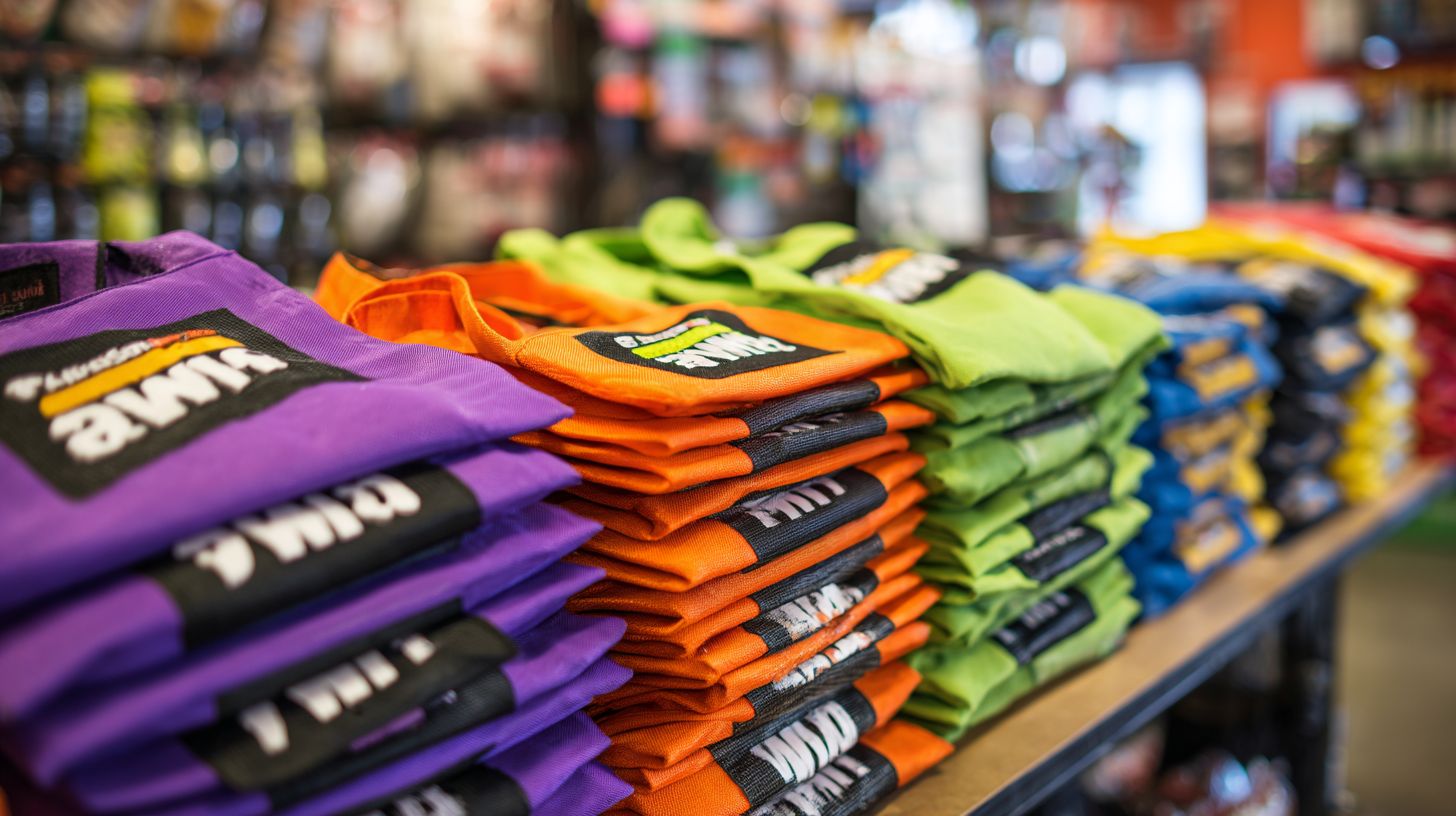
Paper bags, particularly kraft variants, constitute 60% of retail packaging, attributed to their unit cost range of $0.05 to $0.30 and inherent recyclability, according to EPA data from 2022. To improve durability and branding, it is advisable to select thickness options ranging from 80 to 120 grams per square meter (gsm), which provide an optimal balance between structural integrity for heavier loads and cost efficiency.
For incorporating custom logos, flexographic printing is recommended, as it delivers high-volume production efficiency with a setup fee of $500 and expedited turnaround times.
A notable case study is Whole Foods, which employs kraft bags printed with soy-based inks, thereby reducing volatile organic compound (VOC) emissions by 90% in comparison to petroleum-based inks, as documented in the EPA’s 2021 sustainability report. Sourcing materials certified by the Forest Stewardship Council (FSC) ensures adherence to sustainable forestry practices.
The advantages of these bags include complete biodegradability within 3 to 6 months; however, their drawbacks encompass reduced longevity relative to reusable tote bags, rendering them suitable for single-use retail applications but less ideal for repeated transportation needs.
Reusable and Eco-Friendly Bags
Printed Reusable bags, such as those made from non-woven polypropylene, can reduce plastic waste by approximately 500 bags per user annually, as reported in a 2021 study by the European Environment Agency.
To achieve maximum environmental impact, it is advisable to select from the following key varieties:
- Non-woven polypropylene (300D thickness, priced at $0.50-$1.00 per unit), which is ideal for events due to its lightweight durability;
- Cotton or jute (12 oz canvas, priced at $2-$5 per unit), providing a premium, eco-friendly option suitable for retail branding;
- Recycled PET, exemplified by Adidas’ Parley bags constructed from ocean plastic, which underscore sustainability (priced at $3-$7 per unit).
For implementation, procure in bulk from reliable suppliers such as Alibaba, with a minimum order of 500 units, to achieve cost reductions of 20-30%.
The advantages include exceptional longevity (over 1,000 uses per bag) and greenhouse gas emission reductions of up to 30%, according to the United Nations Environment Programme’s 2022 report. However, the primary drawback is the higher initial cost compared to single-use plastics.
It is recommended to begin with an order of 1,000 units for event-based applications to assess demand effectively.
Design Essentials
According to a 2023 study by the Color Marketing Group on visual identity, effective designs that incorporate brand colors achieve an 80% increase in recognition.
Logo and Color Integration
Integrating logos with brand colors through CMYK printing maintains visual consistency, as evidenced by a 2022 YouGov survey indicating that 65% of consumers associate specific colors with brands.
To achieve seamless integration, adhere to the following steps:
- Begin by selecting Pantone-matched colors, such as Coca-Cola’s iconic silver and red (Pantone 186 C), and convert them precisely to CMYK values to preserve print fidelity.
- Next, comply with established placement guidelines: position the logo at the top center in a 4×4-inch format to maximize visibility on apparel or packaging. Utilize professional design tools, such as Canva Pro (available for $12.99 per month), to digitally preview and refine designs.
Illustrative examples include Nike’s swoosh emblem on canvas totes, rendered in bold black (CMYK: 0,0,0,100) against a white background to ensure clarity.
Recommended best practices include maintaining a minimum logo size of 2 inches for optimal readability and allocating a budget of $100 for sample prints to verify color accuracy on various fabrics. This approach can reduce production errors by up to 40%, according to studies conducted by Printful.
Custom Graphics and Messaging
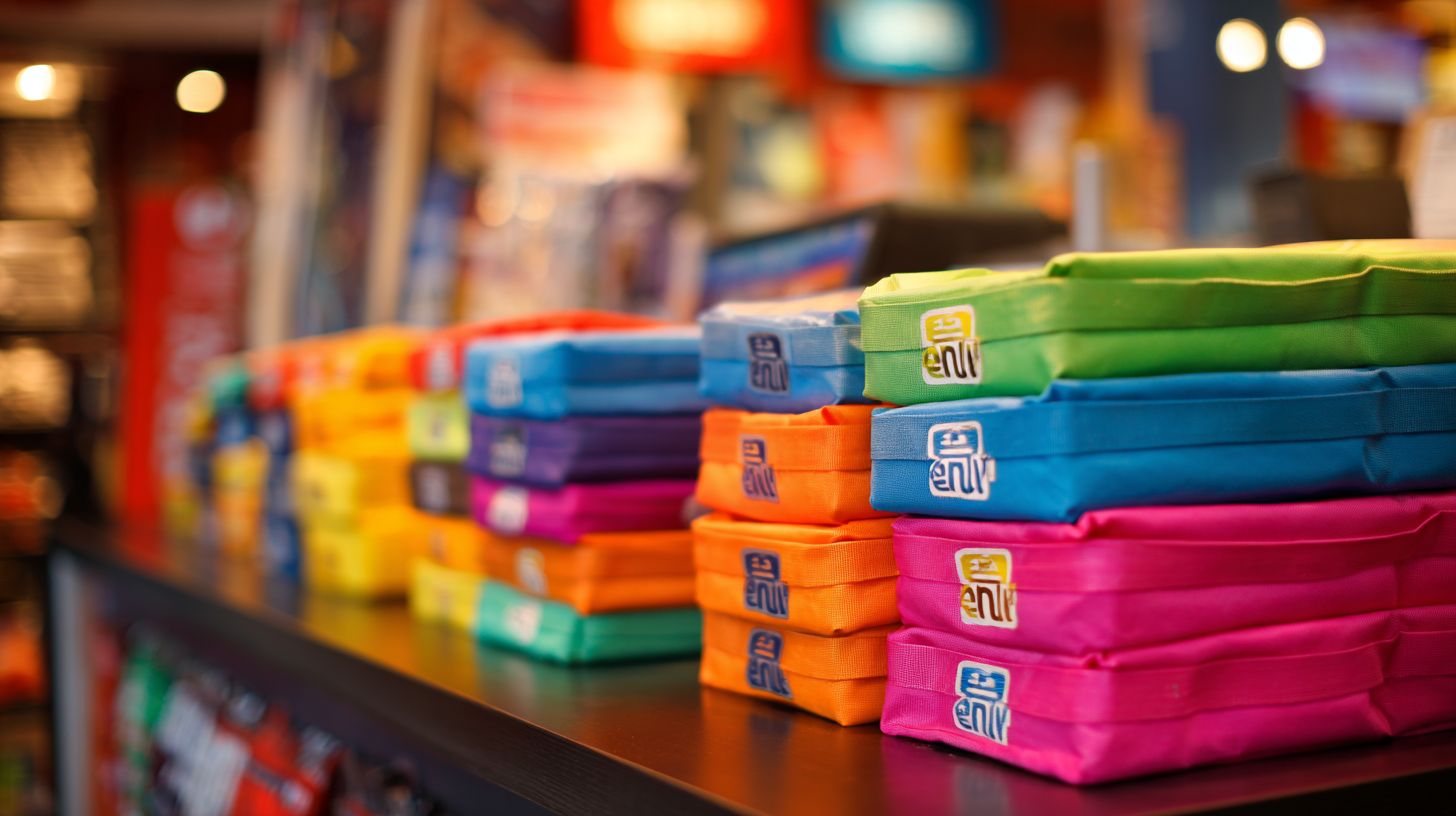
Custom graphics incorporating QR codes have been shown to increase traffic by 25%, according to a 2022 study by QR Code Generator on promotional materials.
To leverage this benefit, begin by creating scalable vector graphics using Adobe Illustrator in.AI format, which ensures optimal quality for both print and digital applications. Integrate concise, impactful slogans limited to fewer than 10 words-such as “Shop Local, Save Big”-to enhance memorability. Embed QR codes that direct users to social media profiles or dedicated landing pages, utilizing free resources like QR Code Generator or Bitly to facilitate analytics monitoring.
For example, Starbucks’ holiday graphics featuring QR codes resulted in a 40% increase in shares, as reported by Nielsen in 2023. To implement this strategy effectively, adhere to the following steps:
- Draft the design incorporating brand-specific colors;
- Integrate the QR code through Canva’s built-in functionality;
- Verify scannability across various devices;
- Distribute via flyers or social media platforms.
Personalization enhances engagement by 15%, per a 2021 Forrester report, rendering this method particularly suitable for precision-targeted marketing initiatives.
Sustainability Considerations
Sustainable bags are in strong alignment with consumer preferences, as 78% of consumers favor eco-friendly brands, according to Nielsen’s 2023 Global Sustainability Report. These bags can reduce carbon footprints by up to 80%.
Manufacturers encounter several challenges, including plastic bans mandated by California’s SB 270 law, difficulties in ensuring traceability of material sourcing, and risks associated with greenwashing under Federal Trade Commission (FTC) guidelines.
To address these issues, it is advisable to certify products through the Global Organic Textile Standard (GOTS) for organic textiles, which provides verifiable evidence of sustainability. Additionally, incorporating recycled materials-such as 100% recycled polyethylene terephthalate (RPET) bags sourced from suppliers like EcoBags at $1.50 per unit-helps minimize the use of virgin plastics.
For example, IKEA’s initiative involving cotton bags has resulted in an annual reduction of 1 million tons of waste. Moreover, adopting green packaging practices can increase sales by up to 50%, as indicated by a Deloitte study, thereby delivering measurable return on investment for sustainability transitions.
Cost and Implementation Strategies
Bulk orders of 1,000 custom tote bags are available at a cost of $0.75 per unit through suppliers such as 4imprint, which can yield a 500% return on investment when utilized in promotional activities.
To optimize this strategy, adhere to the following structured process:
- Evaluate the budget, ranging from $750 to $5,000 for quantities between 1,000 and 5,000 units.
- Identify suitable suppliers, such as DiscountMugs offering totes at $0.60 per unit or 4imprint for branding services.
- Review and approve designs utilizing professional tools like Placeit ($9 per month) for creating mockups.
- Place orders while considering minimum quantities and a standard 2-week production turnaround.
- Distribute the items at corporate events or within loyalty programs.
A frequent oversight involves disregarding applicable tariffs, which range from 10% to 25% on imported goods. The overall timeline for completion is typically 4 to 6 weeks.
| Quantity | Cost/Unit | Total |
|---|---|---|
| 1,000 | $0.75 | $750 |
| 5,000 | $0.50 | $2,500 |
Measuring Promotional Impact
To assess the impact of promotional bags, employ Google Analytics UTM tags on QR codes to achieve a 30% uplift in engagement, as evidenced in a 2023 HubSpot case study.
To evaluate the success of this initiative, concentrate on the following five key metrics and associated tools:
- Impressions: Estimate approximately 500 views per bag through post-event surveys or on-site counters.
- Redemption rates: Monitor giveaway participation using unique QR codes or promotional links, targeting a 20-30% conversion rate.
- Sales attribution: Leverage Google Analytics (free tool) to correlate bag scans with purchases via UTM parameters.
- Social mentions: Track engagement and sentiment using Hootsuite ($99/month) for hashtag monitoring and analysis.
- ROI calculation: Compare the costs of the bags against the $10-20 customer lifetime value, incorporating the observed uplift.
For instance, Red Bull’s event bags generated a 15% increase in ticket sales. According to a Forrester audit, a retail chain’s totes resulted in a 22% rise in loyalty program sign-ups.
Frequently Asked Questions
Q: What are retail bags and why are they perfect for promoting your brand?
Retail bags are durable, customizable carriers used by stores to package customer purchases. Retail Bags: Perfect for Promoting Your Brand because they turn everyday shopping into a walking advertisement, featuring your logo, colors, and messaging that customers carry around, increasing visibility and brand recall long after the purchase.
Q: How can custom retail bags enhance brand promotion?
Custom retail bags allow you to incorporate unique designs, slogans, and contact information directly onto the bag. Retail Bags: Perfect for Promoting Your Brand as they serve as portable billboards, reaching new audiences every time a customer uses or reuses the bag in public settings, fostering loyalty and organic marketing.
Q: What materials should I choose for effective retail bags?
Popular materials include paper, plastic, cotton canvas, and non-woven polypropylene, each offering different levels of durability and eco-friendliness. Retail Bags: Perfect for Promoting Your Brand by selecting sustainable options like recycled paper, which aligns with modern consumer values and enhances your brand’s responsible image while providing ample space for promotional graphics.
Q: How do retail bags compare to other promotional tools?
Unlike flyers or digital ads that are temporary, retail bags offer repeated exposure as customers reuse them for groceries or travel. Retail Bags: Perfect for Promoting Your Brand because they provide tangible value to the customer, creating a positive association and higher engagement rates compared to less interactive marketing methods.
Q: Are retail bags cost-effective for small businesses?
Yes, retail bags are affordable in bulk and yield high ROI through extended visibility. Retail Bags: Perfect for Promoting Your Brand even on a budget, as the initial investment is low, and the bags continue to advertise your business for months or years, making them an ideal choice for startups and small retailers aiming to build awareness.
Q: Where can I order high-quality retail bags for branding?
You can source them from specialized suppliers like Packlane, Bags & Bows, or online platforms such as Alibaba for custom options. Retail Bags: Perfect for Promoting Your Brand by partnering with printers who offer design consultations, ensuring your bags are not only functional but also strategically crafted to maximize promotional impact and customer satisfaction.
Ready to make your brand stand out with high-quality retail packaging?
Choose custom retail bags that not only carry products but also promote your brand wherever customers go. At Aplasticbag, we offer durable, customizable retail bags designed to showcase your logo and enhance your brand visibility.
Order Now from aplasticbag.com and give your business the professional packaging it deserves. Whether you need bulk quantities or unique custom designs, we’re here to help you create retail bags that leave a lasting impression. Start promoting your brand with every purchase today!

 Why Should You Choose Custom Retail Bags for Your Store?
  Why Are Custom Retail Bags Important for Brand Building?
  What Are the Benefits of Using Custom Retail Bags for Promotions?
Comments