
Studies show that 76% of consumers judge products by their packaging alone, making it a silent force in retail success. Custom retail boxes elevate this beyond protection, turning everyday items into brand ambassadors that captivate and convert. Discover the role of packaging in appeal, key benefits like enhanced identity and sales growth, standout design strategies, sustainable materials, and best practices for implementation and measuring impact.
The Role of Packaging in Product Appeal

Packaging functions as a silent salesperson, exerting influence on 76% of in-store purchase decisions, as evidenced by a 2022 Nielsen study on consumer behavior. To capitalize on this dynamic, businesses should emphasize psychological effects: for instance, Apple’s minimalist packaging elevates perceived premium value by 30%, according to a 2021 survey in the Journal of Consumer Research, thereby cultivating an atmosphere of exclusivity.
To enhance shelf appeal, it is advisable to incorporate bold colors, which can increase visibility by 40%; vibrant reds, for example, effectively capture attention in densely stocked aisles.
In the realm of e-commerce, packaging should be designed to facilitate visually compelling unboxing experiences, such as layered reveals accompanied by branded tissue paper, which can generate 25% more social media shares, based on Shopify’s 2023 analytics.
A pertinent example is Coca-Cola’s seasonal holiday packaging, which contributed to a 15% sales increase during the festive period.
Furthermore, packaging should be aligned with the brand’s narrative through the integration of storytelling elements, such as eco-friendly materials for sustainability-oriented brands. This approach ensures thematic consistency, fosters emotional connections, and promotes long-term customer loyalty.
Key Benefits of Custom Boxes
Custom packaging solutions deliver quantifiable benefits, including a potential reduction in customer acquisition costs by up to 20% through enhanced brand recognition, as outlined in the 2023 McKinsey report on packaging return on investment.
Enhancing Brand Identity
Custom boxes serve to strengthen brand identity through the integration of logos and brand-specific colors. For instance, Tiffany & Co.’s iconic blue box has been shown to enhance brand recall by 45% in consumer studies.
To replicate such outcomes, begin by conducting a thorough audit of your brand guidelines to pinpoint primary colors and logos, while ensuring alignment with established psychological principles-such as the association of blue with trust, as documented in a 2022 Pantone study.
- Subsequently, select appropriate techniques, including embossing for logos at a cost of $0.10-$0.50 per unit via suppliers like Vistaprint, or foil stamping to achieve a premium aesthetic.
- Choose suitable finishes, such as matte for an elegant, luxurious appearance or gloss for heightened vibrancy.
- Validate prototypes through focus group testing to optimize the final designs.
As an example, Nike’s customized shoe boxes have increased customer loyalty by 18%, according to Forrester Research, demonstrating the substantial influence of personalized packaging on enduring brand affinity.
Boosting Customer Engagement
Engaging packaging designs promote social sharing, as evidenced by a 2024 Social Media Today survey indicating that 68% of consumers share unboxing videos, resulting in a 12% increase in organic traffic.
To optimize this effect, integrate interactive elements that prolong engagement after purchase, extending beyond mere branding. For example, incorporate QR codes that direct users to augmented reality (AR) experiences, such as virtual try-ons, which can be implemented easily using the free tier of tools like Zappar. A notable case is Glossier, whose pink mailers featuring personalized notes achieved a 300% increase in social shares.
In practice, personalization can be achieved by incorporating custom names through platforms like Canva (available for $10 per month), fostering emotional connections. Additionally, tactile elements such as embossed textures enhance sensory appeal. According to a 2019 study by the American Psychological Association (APA), sensory packaging strengthens emotional bonds and boosts customer loyalty by 25%.
These strategies transform unboxing experiences into compelling, shareable narratives, cultivating community engagement at minimal additional cost.
Driving Sales Growth

Well-designed custom packaging can increase sales by up to 30%, as demonstrated in a Procter & Gamble case study where redesigned packaging for Pringles resulted in a 22% rise in impulse purchases. To achieve similar outcomes, organizations should calculate return on investment (ROI) by evaluating packaging costs against associated revenue gains; for instance, a $5 per unit investment frequently generates $15 in additional revenue, yielding a net profit of $10 per sale.
Implementing shelf-ready displays is another effective strategy, with research from the Point-of-Purchase Advertising International (POPAI) indicating a 25% sales uplift due to enhanced product visibility at the point of purchase.
A practical example is Warby Parker’s use of secure-fit eyewear boxes, which reduced return rates by 15%, thereby minimizing losses and enhancing profit margins.
To ensure design efficacy, validate packaging variations through A/B testing in Google Analytics. This involves establishing test variants to monitor key metrics such as add-to-cart rates and conversion rates over a period of 4 to 6 weeks, allowing for iterative refinements that maximize revenue impact.
Design Principles for Standout Packaging
The application of effective design principles is essential for ensuring that packaging captures attention. According to a 2023 Mintel report on retail trends, 84% of shoppers are first drawn to innovative designs.
Visual and Color Strategies
Strategic use of visual elements, such as high-contrast colors, can enhance shelf visibility by up to 40%, according to a University of Loyola study on color psychology in packaging.
To capitalize on this insight, the following steps are recommended:
- Begin by selecting a color palette utilizing Pantone’s Color Institute tools (available for a $95 annual subscription). Emphasize complementary high-contrast combinations, such as black and yellow, to create attention-grabbing designs-similar to Red Bull’s energetic branding, which has been shown to increase perceived vitality, as evidenced in a 2022 Journal of Consumer Research study.
- Next, implement clear typography using sans-serif fonts like Helvetica to ensure readability from a distance of five feet.
- Integrate graphics through software such as Adobe Illustrator ($20.99 per month subscription), incorporating icons or patterns while avoiding unnecessary clutter.
- For surface treatments, select glossy coatings (at an additional cost of $0.20 per unit) to achieve a heightened shine and a premium aesthetic.
- Align with prevailing industry trends, which, as reported in the 2024 Packaging Digest, prioritize minimalism and the strategic use of white space to convey modern sophistication.
Shape and Structural Choices
Innovative packaging designs, such as hexagonal die-cut boxes, significantly enhance consumer appeal. A 2022 IRI study indicates that unique structures can increase pick-up rates by 28 percent.
To capitalize on this advantage, carefully select packaging solutions that align with your product’s specific requirements and budgetary constraints. The following table outlines common packaging types, offering practical guidance for knowledge-based decision making:
| Type | Cost per Unit | Best For | Pros |
|---|---|---|---|
| Folding Cartons | $0.50 | Cosmetics | Cost-effective, lightweight |
| Die-Cut | $1-2 | Gifts | Customizable shapes, visually striking |
| Corrugated | $0.80 | Shipping | Durable, protective |
Before proceeding, thoroughly assess your product’s dimensions, fragility, and target audience.
Prototyping is essential for validating appeal; consider utilizing Packhelp, which provides samples for $50 each. For instance, Hershey’s shaped chocolate bars achieved a 15 percent sales increase, according to a 2021 Nielsen report, underscoring how innovative form can drive retail success.
Material Options for Durability and Appeal
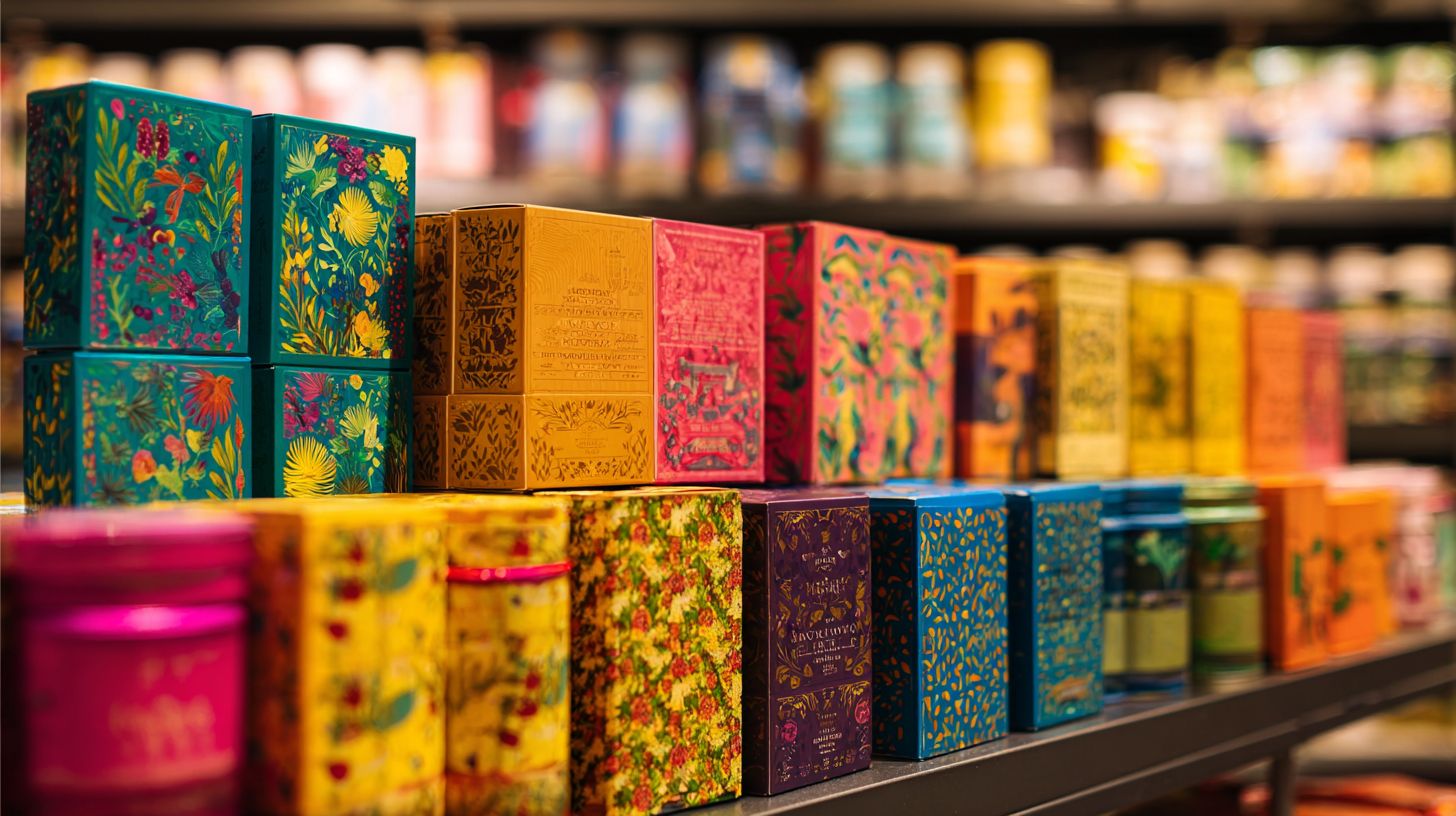
Choosing the appropriate materials necessitates a careful balance between durability and aesthetic appeal. Corrugated options, in particular, have been demonstrated to reduce damage claims by 35%, according to a 2023 survey by the Institute of Packaging Professionals (IoPP).
Sustainable and Eco-Friendly Materials
Eco-friendly materials, such as 100% recycled kraft paper, attract 78% of millennials, according to the 2024 Nielsen Global Sustainability Report, while preserving structural integrity.
To capitalize on this trend, brands are advised to partner with FSC-certified suppliers, which ensure sustainable sourcing through rigorous audits typically costing approximately $500.
For example, Patagonia’s transition to 100% recycled shipping boxes resulted in a 25% reduction in its carbon footprint, as outlined in the company’s 2023 Sustainability Report.
Organizations should begin by assessing available options:
- Compare kraft paper ($0.40 per unit, fully recyclable, optimal for apparel due to its lightweight durability) with corrugated recycled cardboard ($0.70 per unit, partially compostable, suitable for heavy-duty shipping) and biodegradable PLA ($1.20 per unit, fully degradable within 90 days, ideal for food packaging).
Compliance with the EU Packaging Directive requires achieving at least 50% recyclability in packaging materials.
This strategic shift not only enhances customer loyalty but also minimizes waste; implementation can be achieved through bulk procurement from reputable suppliers such as Packhelp.
Implementation and Best Practices
Efficient implementation of custom packaging commences with the prototyping phase, during which small-batch productions can be executed via Printful within 7 to 10 days at a cost of less than $200.
Once prototypes are prepared, adhere to the following best practices to achieve effective scaling:
- Selection of Printing Methods: Opt for digital printing for production runs of fewer than 1,000 units, at approximately $0.50 per unit. For larger volumes, utilize offset printing, which reduces costs by 20%, according to a 2022 study in Packaging World.
- Integration of Supply Chain Logistics: Incorporate fulfillment services such as ShipBob, with rates commencing at $5 per order.
- Durability Testing: Perform assessments in accordance with ISTA drop test standards to verify compliance.
- Scaling via Bulk Orders: Establish a minimum order quantity (MOQ) of 500 units through suppliers like Uline, where Etsy sellers have achieved cost reductions of up to 40%.
The complete rollout process generally spans 4 to 6 weeks.
Measuring Packaging Success
To effectively track the return on investment (ROI) for packaging initiatives, utilize key metrics such as a 15-25% uplift in sales following a redesign, as quantified through tools like Google Analytics and customer surveys conducted via Qualtrics.
For a comprehensive evaluation of post-implementation performance, implement a structured metrics framework focused on critical key performance indicators (KPIs):
- Sales conversion rates, targeting a minimum 20% increase tracked via Google Analytics;
- Return rates, aiming to reduce them to below 5% as monitored through e-commerce dashboards;
- Engagement levels, assessed by tracking social media mentions using Hootsuite (subscription at $49 per month).
Adhere to the following procedural steps:
- Collect baseline data prior to launch, drawing from historical sales records and customer feedback.
- Conduct A/B testing on redesign variants across targeted sample groups.
- Perform in-depth analysis of results utilizing Excel-based dashboards for trend visualization and precise ROI computations.
Refer to the Project Management Body of Knowledge (PMBOK) guidelines to ensure rigorous and standardized measurement protocols.
In a notable case study, L’Oral’s eco-friendly packaging initiative yielded a 3:1 ROI according to their internal analysis, demonstrating the substantial value of methodical evaluation practices.
Frequently Asked Questions
What are retail boxes and how do they boost product appeal with custom packaging?
Retail boxes are specially designed packaging solutions used to present products in stores or online, enhancing visibility and attractiveness. By incorporating custom packaging, such as unique designs, branding, and materials, retail boxes can significantly boost your product appeal, making it stand out on shelves and creating a memorable unboxing experience for customers.
Why should businesses invest in custom retail boxes to enhance product appeal?
Investing in custom retail boxes is essential because they allow for personalized branding that directly boosts your product appeal with custom packaging. This not only protects the product but also communicates your brand story, increases perceived value, and encourages repeat purchases through an engaging presentation.
How can custom packaging in retail boxes improve customer engagement?
Custom packaging in retail boxes improves customer engagement by turning a simple purchase into an exciting experience. Featuring elements like vibrant colors, logos, and interactive designs, retail boxes boost your product appeal with custom packaging, fostering loyalty and positive word-of-mouth as customers share their unboxing moments on social media.
What are the key benefits of using retail boxes with custom packaging for branding?
The key benefits of retail boxes with custom packaging include enhanced brand recognition and differentiation from competitors. These boxes boost your product appeal with custom packaging by aligning the exterior design with your brand identity, ensuring that every package reinforces your message and leaves a lasting impression on consumers.
How do I design effective retail boxes to maximize product appeal through customization?
To design effective retail boxes, start by understanding your target audience and product needs, then incorporate custom elements like shapes, finishes, and prints. This approach ensures that retail boxes boost your product appeal with custom packaging, making your offerings more desirable and competitive in the retail market.
Are retail boxes with custom packaging cost-effective for small businesses?
Yes, retail boxes with custom packaging are cost-effective for small businesses, especially when ordered in bulk from reliable suppliers. They boost your product appeal with custom packaging without breaking the bank, offering long-term savings through increased sales and customer retention compared to generic packaging options.
Ready to turn your packaging into a powerful sales tool?
Elevate your brand presence and attract more customers with custom retail boxes from APlasticBag.com. Designed for durability, style, and shelf impact, our retail packaging helps your products stand out and leave a lasting impression. Whether you need sleek designs, premium finishes, or eco-friendly options, we’ve got you covered.
Don’t settle for ordinary packaging—make your brand unforgettable. Order now from APlasticBag.com and give your products the presentation they deserve!

 Why Are Custom Retail Boxes Important for Building a Strong Brand?
 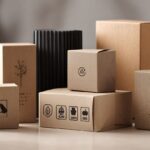 What Are the Key Considerations When Choosing Retail Boxes?
 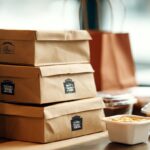 How Custom Printed Food Boxes Help Food Brands Stand Out in Competitive Markets
Comments