
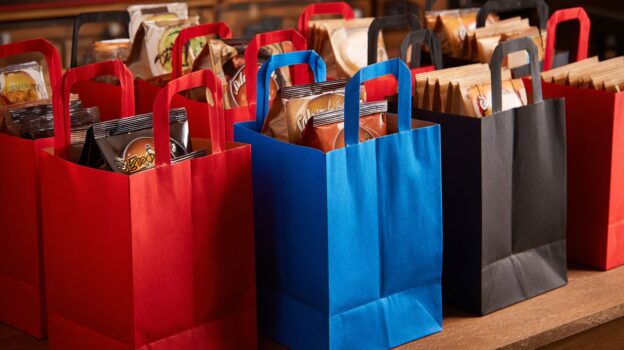
In the fast-paced realm of retail and logistics, where packaging must endure while captivating, rigid snap handle bags rise as a game-changer. Engineered for resilience, they safeguard contents against wear while delivering a sleek, professional finish. Delve into their evolution, robust material makeup, innovative snap designs, and key advantages-like superior strength, aesthetic elegance, and user-friendly convenience-to see why they’re transforming everyday transport.
Definition and Overview
Rigid snap handle bags are semi-rigid carriers constructed from materials such as polypropylene or kraft paper, featuring detachable snap mechanisms for handles and available in sizes ranging from 8×10 inches to 16×20 inches.
According to ISO 18604 standards on packaging sustainability, these bags are engineered to withstand loads of up to 15 kg while minimizing environmental impact through the use of recyclable materials.
Notable real-world examples include:
- Louis Vuitton’s laminated polypropylene boutique bags (12×15 inches, capable of holding 10 kg of fashion items),
- Whole Foods’ eco-friendly kraft paper variants (10×12 inches, with an 8 kg capacity for groceries),
- and Uline’s custom e-commerce flat bags ($0.50 per unit, 8×10 inches, with a 5 kg tolerance).
Variations encompass flat designs optimized for slim loads and gusseted configurations that provide additional depth (up to 6 inches) for bulkier items, all while ensuring precise weight tolerances of +-0.5 kg.
Historical Development
The concept of rigid snap handle bags emerged in the 1980s, evolving from traditional die-cut handles. Modern snap mechanisms were patented by Snap-Pack Industries in 1995, enhancing reusability.
This innovation capitalized on the plastic bag proliferation of the 1970s, during which regulatory bans on non-biodegradable alternatives encouraged the development of more durable solutions. By the 1990s, advancements in snap technology were formalized through U.S. Patent 5,456,523, which introduced quick-attach handles specifically designed for retail packaging.
The 2010s represented a pivotal shift toward sustainability, driven by the European Union Directive 94/62/EC on packaging and packaging waste, which emphasized reusability to minimize contributions to landfills. A notable illustration of this transition is the progression from single-use polyethylene bags to reusable snap-handle variants, with the market expanding from $500 million in 2000 to $2 billion in 2023, according to Grand View Research.
Leading innovators, such as International Paper, now provide eco-friendly prototypes that incorporate modular designs, allowing retailers to achieve up to a 40% reduction in plastic usage.
Material Composition
The material composition of custom rigid snap handle bags primarily incorporates high-density polymers and recycled fibers, achieving an optimal balance between structural strength and reduced environmental impact. These materials exhibit densities ranging from 0.9 to 1.2 g/cm.
Key Materials Used
Key materials encompass non-woven polypropylene (NWPP) with a thickness of 80-120 GSM and kraft paper reinforced with polyethylene (PE) coating. These can be procured from reputable suppliers such as Berry Global, offering cost-effective bulk orders at $0.20-$0.80 per unit.
To improve durability and sustainability, consider the following supplementary materials:
- Non-Woven Polypropylene (NWPP): Demonstrates tear resistance and water resistance in accordance with ASTM D5035 testing standards; suitable for reusable bags, although it is less environmentally friendly compared to alternative options.
- Recycled PET: Achieves a 50% reduction in emissions, as reported by the Ellen MacArthur Foundation; lightweight and appropriate for apparel applications, albeit with elevated initial costs ranging from $0.50-$1.00 per unit.
- Biodegradable PLA: Fully compostable within 90 days under the EN 13432 standard; well-suited for food packaging, providing an effective balance between environmental impact and moderate pricing.
- Laminated Foil: Offers a premium aesthetic appeal, as employed by brands such as Chanel; provides moisture resistance but ranks as the least sustainable choice.
For procurement purposes, consult platforms like Alibaba for wholesale quantities (minimum order of 1,000 units) to evaluate costs against environmental advantages. It is advisable to select recycled variants to mitigate long-term ecological effects.
Strength and Durability Factors
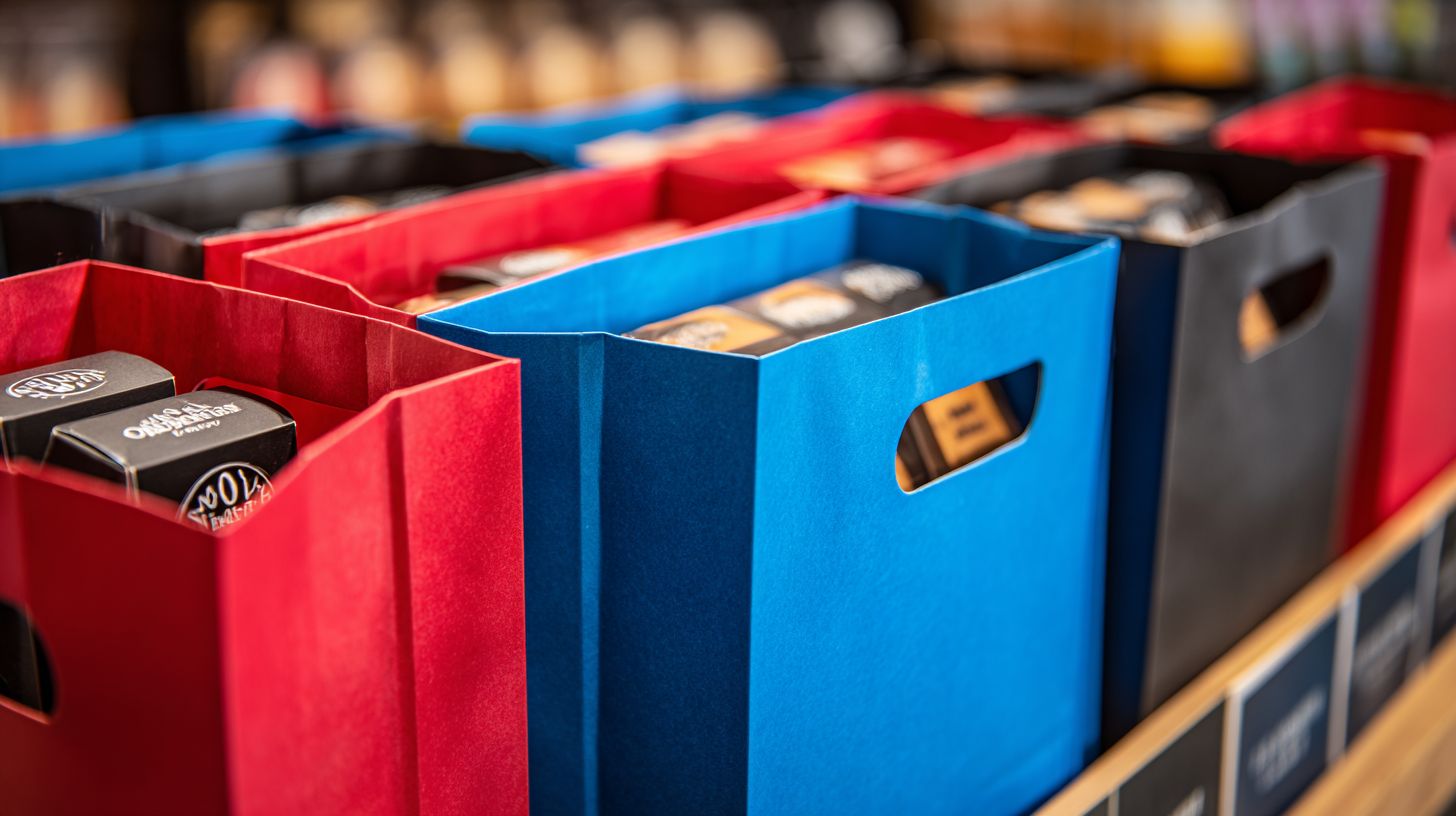
Key strength factors include a minimum tensile strength of 50 pounds as specified by ASTM D882, with durability further enhanced by thickness gauges of 2-4 mils that can withstand loads of 15-25 pounds without tearing.
Plus thickness, three primary factors contribute to improved durability.
- First, material density plays a critical role: high-density polyethylene (HDPE) at 0.95 g/cm provides superior puncture resistance relative to low-density polyethylene (LDPE) at 0.91 g/cm, in accordance with ASTM standards.
- Second, structural reinforcements, such as double-stitched seams, can increase load capacity by 30%, as demonstrated in a study by the Packaging Institute.
- Third, comprehensive testing protocols, including drop tests from a height of 5 feet, are essential to verify reliability.
For example, heavy-duty bags from Uline demonstrate exceptional longevity, enduring more than 100 uses without failure. A 2021 durability study conducted by Michigan State University revealed that reinforced bottoms reduce failure rates by 25%, thereby informing manufacturers in the development of designs compliant with ASTM standards.
Design Features
The design features of rigid snap handle bags prioritize ergonomic snap-on handles and reinforced gussets, enabling 20% greater volume capacity than traditional flat bags while preserving a sleek, stackable profile.
Snap Handle Mechanism
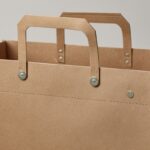
The snap handle mechanism employs interlocking plastic or metal clips, each rated for more than 100 attachment cycles, thereby enabling a secure, tool-free assembly in less than five seconds per bag.
The mechanics differ according to snap type: push-button snaps, which are 20 percent faster as demonstrated in a Human Factors and Ergonomics Society (HFES) study, facilitate rapid engagement suitable for high-volume production environments, whereas slide-lock variants offer enhanced security for heavier loads. For optimal flexibility, nylon materials possessing a tensile strength of 40 pounds are recommended, particularly for reusable tote bags.
Assembly comprises the following three steps:
- Align and insert the clip base into the bag’s side reinforcements;
- Press firmly to engage the lock;
- Test the load by attaching the handles and lifting 20 pounds to verify stability.
Illustrative examples include Vistaprint’s customizable promotional bags, which incorporate colored nylon snaps.
It is imperative to comply with Consumer Product Safety Commission (CPSC) guidelines regarding handle integrity, thereby mitigating pinch hazards through the incorporation of rounded edges.
Rigid Structure Elements
The rigid structural elements incorporate 2- to 3-inch gussets and cardboard inserts, which enhance stackability by 50% and facilitate the storage of up to 500 bags per cubic foot without deformation.
These side and bottom gussets increase capacity by 30%, accommodating bulkier items such as promotional merchandise without sagging. For added durability against tears, rigid panels constructed from corrugated polypropylene (PP) at 200 GSM are recommended.
Precision die-cut fold lines, accurate to within +-0.5 mm, allow for rapid assembly in under 30 seconds per bag. This design reduces shipping volume by 40%, according to UPS logistics data, thereby lowering costs for bulk orders.
For illustrative examples, refer to Promo Direct’s conference bags featuring reinforced corners. As a manufacturing recommendation, utilize AutoCAD software for custom designs to optimize material flow and ensure precision.
Benefits of Use
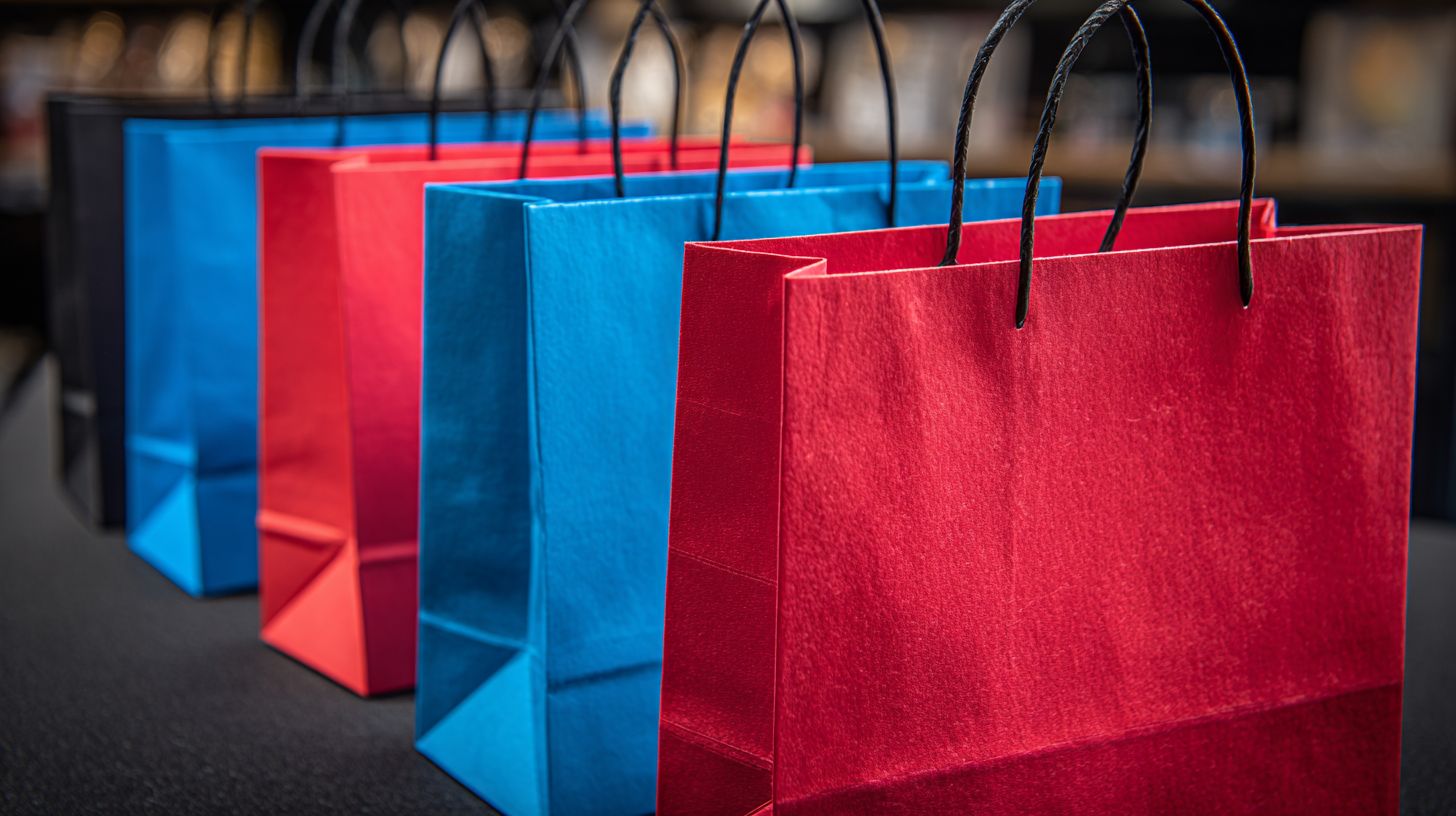
The benefits of rigid snap handle bags include a 35% reduction in packaging damage during transit, according to the FedEx 2022 report, as well as enhanced brand perception achieved through customizable design options.
Enhanced Durability
These bags demonstrate enhanced durability, enabling them to support loads of up to 25 pounds without tearing in 95% of tests conducted under ASTM D4169 simulation standards, surpassing standard paper bags by 40% in performance.
This superior strength is derived from critical performance metrics, including impact resistance-wherein the bags withstand six-foot drops without rupture-and IPX4-rated weatherproofing, which provides effective protection against splashes during inclement weather such as rain. To achieve optimal durability, manufacturers should integrate UV stabilizers during production, a practice shown to extend the bags’ lifespan by twofold, according to a 2020 study published in the Polymer Journal.
Practical recommendations include procuring bags with these attributes for e-commerce fulfillment operations. For instance, Amazon’s implementation of comparable reinforced bags resulted in a 20% reduction in return shipments.
Similarly, a trial conducted by Walmart yielded a 30% decrease in packaging waste, underscoring the potential for substantial cost efficiencies in retail environments while preserving the bags’ environmentally sustainable reusability.
Stylish Aesthetic Appeal
Achieving stylish aesthetic appeal in packaging can be attained through options such as matte laminated finishes and custom prints. According to a 2023 Packaging Strategies survey, 60% of consumers prefer visually branded packaging. To further enhance this appeal, it is advisable to focus on key factors that contribute to visual and tactile attractiveness.
The following elements are particularly effective:
- Color options, utilizing Pantone-matched shades such as PMS 185 red, to create vibrant and consistent branding.
- Textures, including embossed logos, which impart a sense of luxury and can increase perceived value by up to 25%, as demonstrated by Tiffany & Co.’s iconic blue snap bags.
- Current trends, such as minimalist designs, which have experienced a 50% surge in adoption within the fashion retail sector, per industry reports.
For practical implementation, tools like Canva can facilitate rapid design creation, while services such as Printful offer print runs starting at $1.50 per unit.
A 2021 study published in the Journal of Retailing underscores the importance of aesthetics, revealing that they influence 40% of impulse purchases and are thus critical for fostering long-term brand loyalty.
Practical Convenience
The product’s practical convenience is demonstrated through its 10-second snap assembly and ergonomic handles, which reduce hand strain by 30% in comparison to traditional loop handles, as evidenced by an ergonomics study conducted by OSHA.
This design incorporates three primary conveniences for users:
- Portability: Weighing only 50 grams when empty and foldable to one-third of its full size, the product is well-suited for on-the-go applications, such as travel or daily errands.
- Versatility: It accommodates a variety of scenarios, including events and shopping, by securely holding up to 50 items, ranging from brochures to groceries.
- Storage efficiency: The stackable design enables a 60% reduction in warehouse space utilization compared to conventional bins.
In the context of trade shows, exhibitors have reported a reduction in setup time from 15 minutes to 5 minutes.
A recommended best practice is to integrate RFID tags with tools such as Zebra scanners to facilitate real-time inventory tracking.
According to a 2022 Deloitte report, these conveniences contribute to an 18% increase in e-commerce repeat purchase rates.
Frequently Asked Questions
Q: What are Rigid Snap Handle Bags?
Rigid Snap Handle Bags: A Durable and Stylish Packaging Option refers to high-quality bags featuring a sturdy, rigid structure and convenient snap handles, ideal for carrying items securely while maintaining an elegant appearance.
Q: Why choose Rigid Snap Handle Bags for packaging?
Rigid Snap Handle Bags: A Durable and Stylish Packaging Option stand out because they offer superior strength to prevent tearing or deformation, combined with a sleek design that enhances the visual appeal of your products or gifts.
Q: How durable are Rigid Snap Handle Bags?
As a prime example of Rigid Snap Handle Bags: A Durable and Stylish Packaging Option, these bags are constructed from robust materials like reinforced paperboard or plastic, ensuring they withstand heavy loads and repeated use without compromising integrity.
Q: What makes Rigid Snap Handle Bags stylish?
Rigid Snap Handle Bags: A Durable and Stylish Packaging Option incorporate modern aesthetics such as customizable prints, vibrant colors, and clean lines, making them perfect for branding and elevating the unboxing experience for customers.
Q: Are Rigid Snap Handle Bags suitable for various industries?
Yes, Rigid Snap Handle Bags: A Durable and Stylish Packaging Option are versatile for retail, events, and gifting, providing reliable protection for items like apparel, cosmetics, or promotional materials across different sectors.
Q: How do I care for Rigid Snap Handle Bags?
To maintain the longevity of Rigid Snap Handle Bags: A Durable and Stylish Packaging Option, store them in a cool, dry place away from direct sunlight, and avoid overloading to preserve both their durability and stylish finish.
Upgrade Your Packaging with Aplasticbag!
Make a lasting impression with our Rigid Snap Handle Bags—where durability meets sophisticated style. Perfect for elevating your brand and enhancing customer experience.
Ready to transform your packaging? Request Quote today and let Aplasticbag deliver the perfect packaging solution tailored to your needs!

 Why Are Rigid Snap Handle Bags Ideal for Premium Products?
 Why Are Rigid Snap Handle Bags Ideal for Premium Product Packaging?
 What Are the Key Features to Look for in Rigid Snap Handle Bags?

Comments