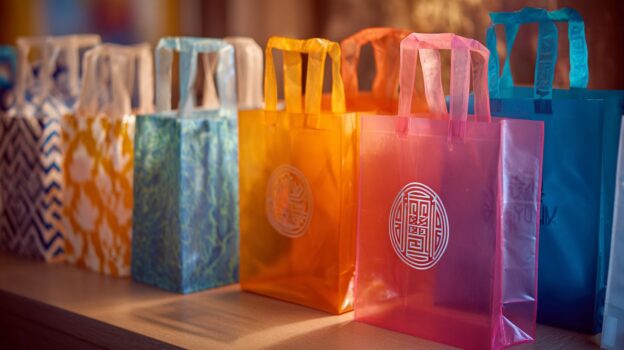
In a crowded marketplace, custom plastic bags aren’t just packaging-they’re strategic tools for branding and customer engagement, boosting recall by up to 80% according to packaging studies from the Flexible Packaging Association. This guide dives into essential customization avenues: selecting durable materials like polyethylene and polypropylene, mastering printing techniques such as screen and digital methods, tailoring sizes and shapes, choosing handle styles from die-cut to loop, and incorporating eco-friendly finishes. Unlock the options that align with your vision and drive results.
Material Selection Options
The selection of appropriate materials for custom plastic bags necessitates a careful balance among durability, cost, and environmental considerations. Polyethylene options hold a dominant position in the market, comprising 60% of usage, largely attributable to their cost-effectiveness, with bulk pricing ranging from $0.03 to $0.08 per unit (Packaging World, 2022).
Polyethylene Choices
Polyethylene represents the most prevalent material employed in the fabrication of custom plastic bags. It is available in two principal variants: High-Density Polyethylene (HDPE) and Low-Density Polyethylene (LDPE).
HDPE demonstrates superior puncture resistance, accommodating loads of up to 50 pounds, as illustrated by Uline’s heavy-duty grocery bags.
| Material | Density (g/cm) | Key Features | Best For | Pros/Cons |
|---|---|---|---|---|
| HDPE | 0.94-0.97 | High density, rigid, $0.05-0.10/unit | Shopping bags, heavy loads | Pros: Waterproof, recyclable, strong; Cons: Less flexible |
| LDPE | 0.91-0.94 | Low density, soft, $0.04-0.07/unit | Poly mailers, light packaging | Pros: Stretchable, lightweight; Cons: Lower strength |
For applications in outdoor events, HDPE bags incorporating UV protection additives-such as those manufactured by Berry Global-can withstand prolonged sun exposure for up to two years. These bags are produced through a sophisticated blow molding extrusion process, which confers enhanced rigidity.
In comparison, LDPE is particularly suitable for e-commerce shipping, as evidenced by Amazon’s poly mailers. This material is fabricated via a more straightforward film extrusion method, thereby providing greater flexibility and achieving notable cost efficiencies.
Selection of the appropriate material should be guided by specific load requirements. The production process for HDPE bags entails an additional 10-15% in setup time; however, it substantially improves durability in accordance with ASTM standards.
Polypropylene Variants
Polypropylene variants offer robust alternatives to polyethylene, particularly in applications requiring enhanced durability. For instance, woven polypropylene supports loads of up to 100 pounds in tote bags, as employed by FedEx for reliable shipping solutions.
| Variant | Weave Type | Key Features | Best For | Pros / Cons |
|---|---|---|---|---|
| Woven | Interlocked fibers | 80–120 gsm, $0.07–0.12/unit | Reusable promotional bags | Pros: Tear-resistant, washable Cons: Higher cost |
| Non-woven | Spun-bonded | 40–60 gsm, $0.05–0.09/unit | Disposable retail | Pros: Lightweight Cons: Less durable |
Non-woven polypropylene is particularly suitable for medical-grade applications, owing to its compliance with ISO 10993 standards for biocompatibility. It is commonly utilized in single-use items such as surgical gowns and masks to maintain sterility, as demonstrated in 3M’s manufacturing processes.
In comparison, woven variants are ideal for long-term uses, such as trade show promotional items; for example, IKEA’s woven polypropylene totes have contributed to a 20% reduction in plastic waste, according to the company’s 2022 sustainability report, by enabling bags to be reused over 100 times.
Printing and Design Techniques
Printing techniques employed for custom printed plastic bags facilitate high-impact branding opportunities. Screen printing predominates in 70% of large production runs, owing to its exceptional durability on materials such as high-density polyethylene (HDPE), as indicated by a 2023 PrintWeek survey.
Screen Printing
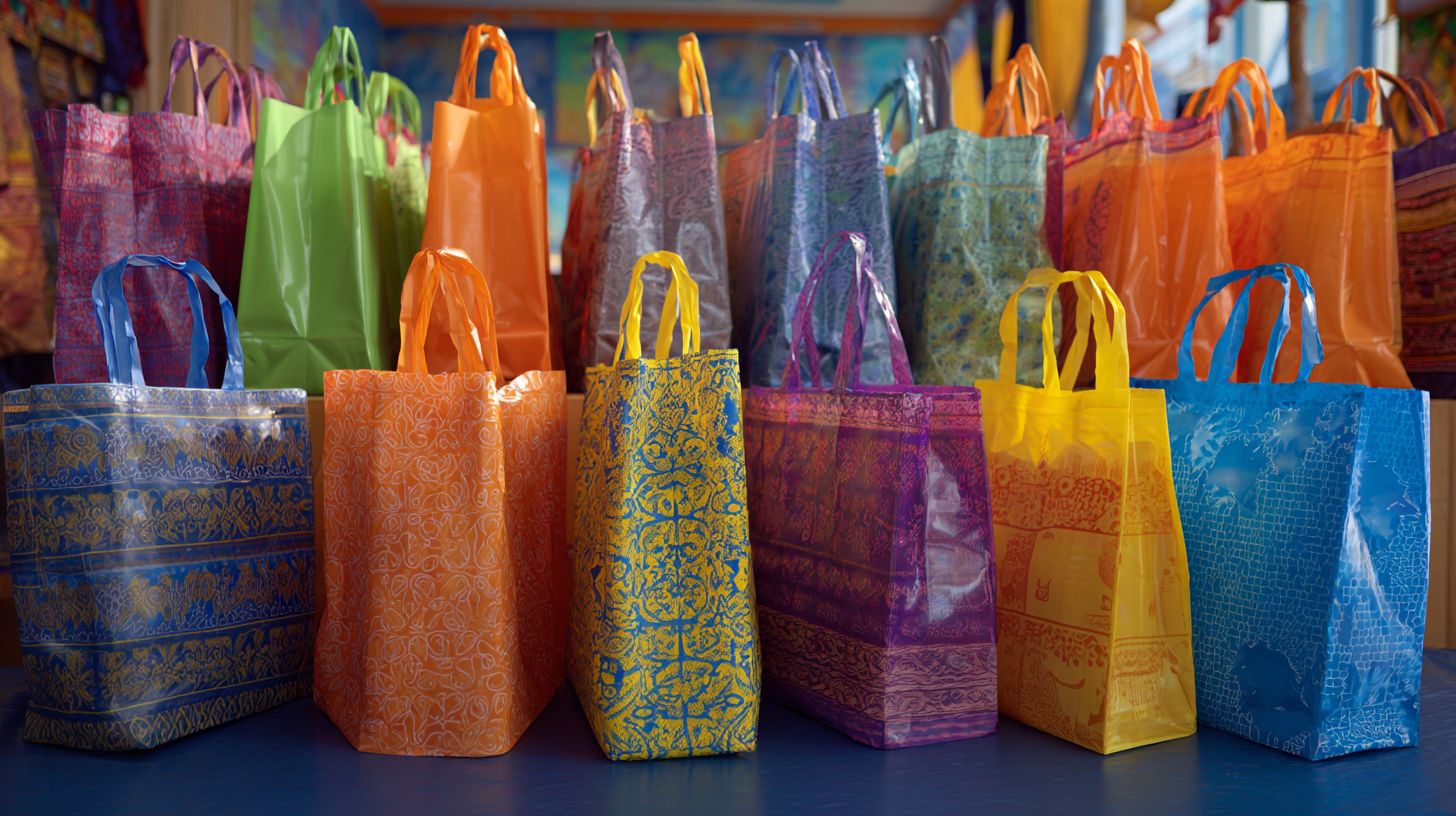
Screen printing provides bold, durable results on custom plastic bags, making it an optimal choice for orders exceeding 1,000 units, where costs can decrease to $0.02 per color-as demonstrated by Starbucks in their seasonal promotional totes.
To execute this process effectively, adhere to the following numbered steps:
- Prepare vector artwork in EPS format with Pantone color matching, utilizing Adobe Illustrator to ensure accurate reproduction.
- Select UV-cured inks to achieve robust adhesion on plastic surfaces.
- Fabricate mesh screens, allocating one per color (up to six for intricate designs).
- Apply ink layers sequentially, incorporating flash curing at 150 degreesF between colors to enhance durability.
- Conduct quality assurance using a densitometer to confirm ink density and alignment.
Anticipate a turnaround time of 1-2 weeks, with a minimum order quantity (MOQ) of 500 units. To prevent common issues such as ink bleeding on glossy finishes, conduct preliminary substrate testing.
For illustrative purposes, reference Pepsi’s implementation of a vibrant 4-color process on foil-stamped bags, which preserved color integrity despite extensive handling (as detailed in the Packaging World study, 2022).
Digital Printing
Digital printing provides significant flexibility for short production runs of custom plastic bags, allowing for full-color designs at a cost of $0.10-$0.15 per unit without the need for screens. This method is commonly utilized by small e-commerce brands through platforms such as Printful.
To maximize the benefits of this approach, adhere to the following steps for optimal outcomes:
- Prepare designs using software such as Canva Pro or Adobe Photoshop at a resolution of 300 DPI, incorporating CMYK color profiles to minimize any potential color variations.
- Upload the files to a print-on-demand platform like Printful or Gooten, and specify polyethylene material to ensure durability.
- Select a white ink underbase for dark-colored bags to improve color vibrancy.
- Incorporate inline lamination to provide waterproofing, which is particularly suitable for retail packaging applications.
- Examine digital proofs prior to production, which typically requires a turnaround time of 3-5 days for orders under 500 units.
It is advisable to avoid prevalent errors, such as the use of low-resolution images. According to a 2022 study by Printful, Etsy sellers who incorporated metallic inks experienced a 25% increase in sales, as detailed in their industry report.
Size and Shape Customizations
Customizing the sizes and shapes of plastic bags enhances their functionality. Standard 12×15-inch shopping bags can accommodate 15-20 pounds, whereas bespoke designs, such as 24×36-inch totes, facilitate event branding (Packaging Strategies, 2022).
Standard vs. Bespoke Dimensions
Standard dimensions provide efficient and cost-effective solutions for custom plastic bags, exemplified by 9×12-inch poly mailers available at $0.03 per unit from Uline. In contrast, bespoke options enable precise customization, such as 14×18-inch event pouches tailored to specific requirements.
The following table offers a side-by-side comparison to facilitate knowledge-based decision making:
| Feature | Standard | Bespoke |
|---|---|---|
| Sizes/Shapes | Pre-cut sizes; limited shapes | Custom die-cuts; unique forms like stand-up pouches |
| MOQ | 100+ | 1,000+ |
| Turnaround | 2-3 days | 7-10 days |
| Cost per Unit | $0.02-0.05 | $0.12-0.25 |
Standard options are recommended for e-commerce shipping applications, such as Amazon fulfillment, where rapid turnaround and high volume are critical priorities.
Bespoke solutions are advisable for luxury retail environments, allowing for enhanced branding through customized designs.
A hybrid strategy involves prototyping with standard bags utilizing mockup tools such as Placeit (priced at $9.99 per month), followed by scaling to bespoke production for full implementation. This approach can yield savings of up to 70% on initial testing costs, according to industry benchmarks from Packaging World studies.
Handle and Closure Styles
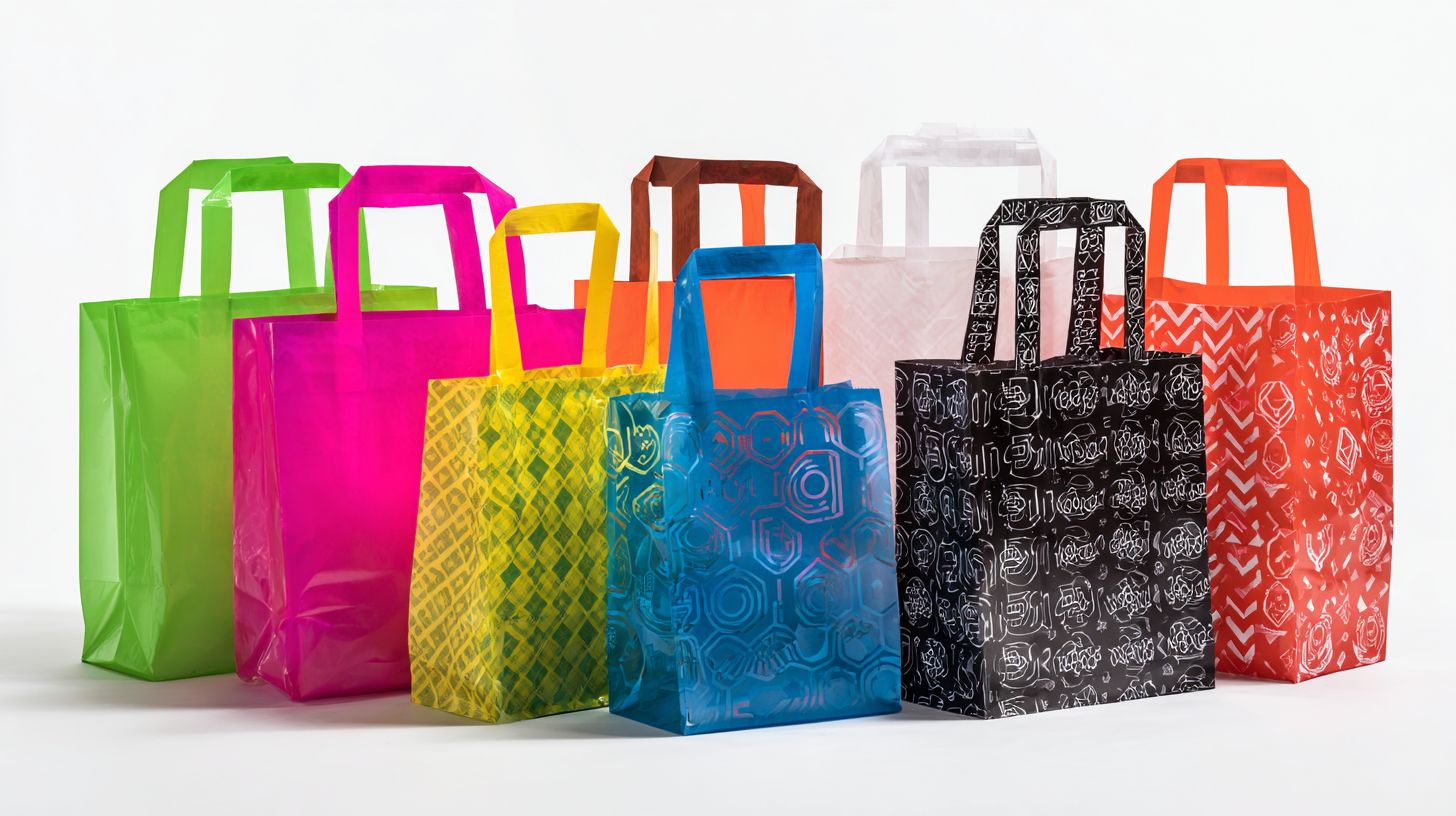
The selection of handle and closure styles significantly enhances the functionality of custom plastic bags. In particular, loop handles offer a 40% greater load capacity compared to die-cut handles, as demonstrated by industrial testing from Berry Global.
Die-Cut Handles
Die-cut handles offer a cost-effective and integrated solution for custom plastic bags, particularly in lightweight grocery carriers capable of supporting up to 20 pounds without requiring additional hardware.
Among the primary advantages are seamless integration, which eliminates sewing expenses at $0.02 per unit-as exemplified by Trader Joe’s flat bags designed for convenient carrying; space-efficient folding that enables neat stacking in retail displays, thereby reducing storage requirements by 20%; and customizable handle lengths ranging from 8 to 14 inches, achieved through precise laser cutting to ensure optimal fit.
To mitigate potential durability concerns, weak points can be reinforced with adhesive patches, which extend the bag’s lifespan by 30%.
According to Retail Dive, a major supermarket chain achieved a 15% reduction in costs by implementing die-cut LDPE bags, enhancing operational efficiency while maintaining structural integrity.
Loop or Patch Handles
Loop and patch handles provide superior strength for custom plastic bags, with soft-loop variants on HDPE totes capable of supporting loads of 40-60 pounds, as utilized in Home Depot’s bulk packaging solutions.
To implement these handles effectively, adhere to the following four best practices.
- First, select polypropylene (PP) loop material for its inherent flexibility, employing a 1/4-inch width to achieve an optimal balance of comfort and durability.
- Second, secure the loops through heat welding to attain a burst strength exceeding 500 pounds, consistent with established industry standards.
- Third, reinforce the handles with patches by incorporating 4×6-inch fabric overlays at an additional cost of only $0.03 per bag, thereby mitigating tear-out risks during intensive use. Verify load capacity in accordance with ASTM D4169 guidelines to ensure regulatory compliance.
For example, a study by Event Marketer demonstrated that soft loop-handled bags at trade shows increased swag retention by 35%, thereby enhancing overall brand visibility.
Eco-Friendly and Finishing Features
Incorporating eco-friendly features into custom plastic bags effectively addresses the increasing demand for sustainability, as evidenced by the fact that 78% of consumers prefer recyclable options (Nielsen Global Sustainability Report, 2023). For instance, high-density polyethylene (HDPE) bags containing 50% post-consumer recycled content, sourced from suppliers such as Novolex, represent a practical and compliant choice.
While eco-upgrades typically increase production costs by 10-20%, they yield a substantial return by enhancing brand loyalty by 25% (Deloitte study, 2022).
Among the primary options available are
- recycled materials, including HDPE and low-density polyethylene (LDPE), priced at $0.06-0.12 per unit;
- biodegradable additives, such as those meeting the ASTM D6954 standard for oxo-degradability;
- and specialized finishes, including matte lamination for resistance to fingerprints or glossy UV coating for enhanced outdoor durability.
Leading brands, such as Patagonia, have realized annual savings of $50,000 on eco-totes through strategic bulk sourcing of sustainable materials.
To mitigate regulatory risks, it is imperative to comply with the EU Directive 94/62/EC on packaging and packaging waste, thereby avoiding potential fines.
Common challenges in implementing these features-such as higher minimum order quantities (MOQs) of at least 500 units, verification of sourcing authenticity, color fading, and elevated pricing-can be effectively addressed by partnering with certified printers like Packlane, employing blockchain-based traceability tools, incorporating UV stabilizers, and negotiating volume-based discounts.
Frequently Asked Questions
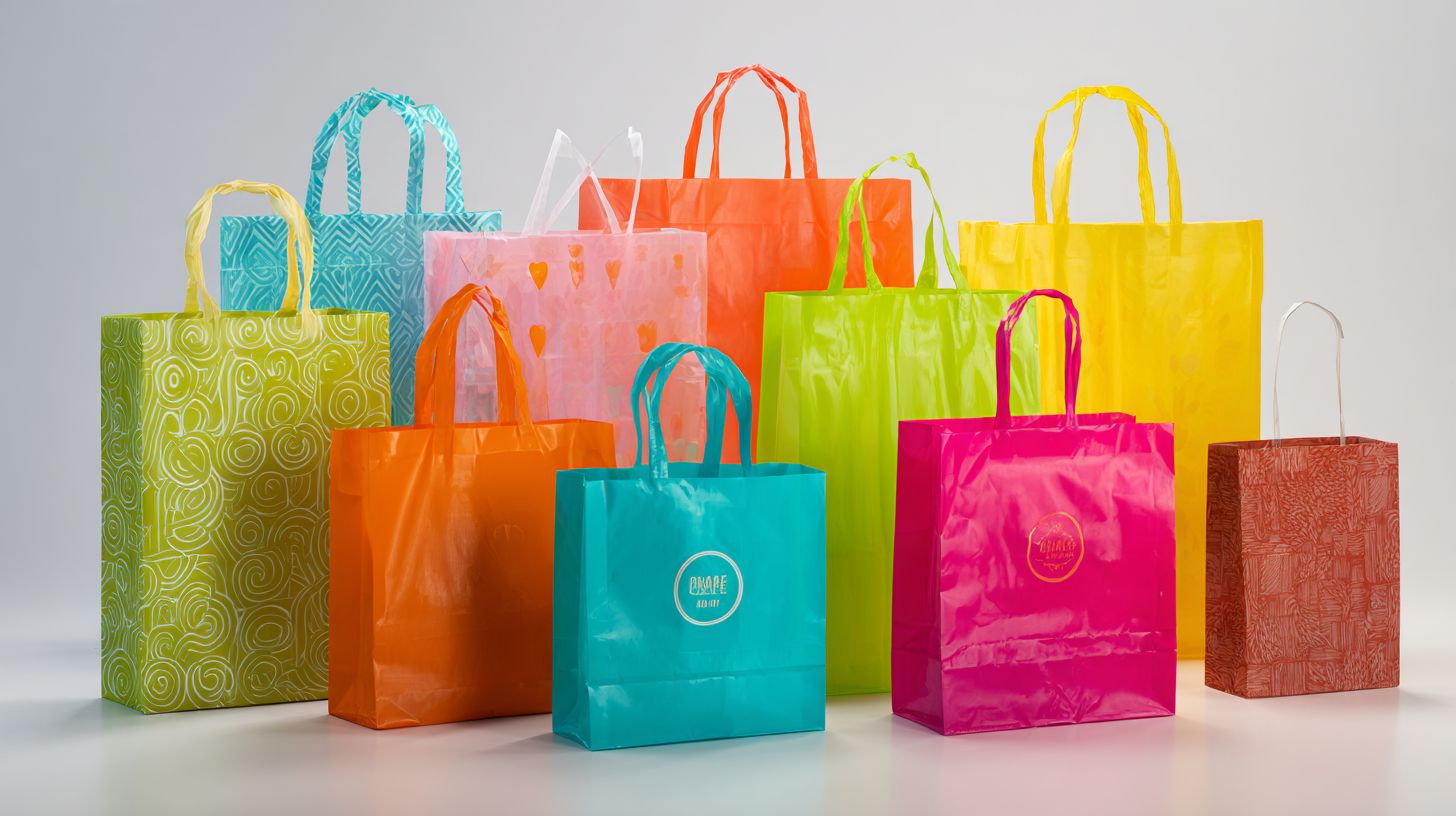
Q: What Are the Best Customization Options for custom plastic bags?
The best customization options for custom plastic bags include printing logos or designs using methods like flexographic or digital printing, selecting from various materials such as polyethylene or polypropylene, adding custom sizes and shapes, incorporating handles like die-cut or patch styles, and finishing with features like zippers or UV protection for durability. These options allow businesses to create branded packaging that stands out and meets specific needs.
Q: What materials are available for customizing custom plastic bags?
For custom plastic bags, popular materials include low-density polyethylene (LDPE) for flexibility, high-density polyethylene (HDPE) for strength, and biodegradable options like oxo-degradable plastics. What Are the Best Customization Options for custom plastic bags? Choosing the right material depends on your product’s weight, eco-friendliness goals, and usage, ensuring both functionality and sustainability.
Q: How can I add colors and prints to custom plastic bags?
Customization for custom plastic bags often involves vibrant color options through Pantone matching and printing techniques like screen printing for bold designs or UV printing for high-resolution images. What Are the Best Customization Options for custom plastic bags? These methods ensure your branding pops, with options for single-color stamps to full-color graphics, enhancing visibility and appeal.
Q: What handle and closure options exist for custom plastic bags?
Key features for custom plastic bags include die-cut handles bags for easy carrying, drawstring or loop handles for reusability, and closures like adhesive seals or zippers for secure packaging. What Are the Best Customization Options for custom plastic bags? These additions improve user experience and product protection, tailored to retail, promotional, or industrial applications.
Q: Are there eco-friendly customization choices for custom plastic bags?
Yes, sustainable options for custom plastic bags include recycled content plastics, compostable films, and reduced-thickness designs to minimize material use. What Are the Best Customization Options for custom plastic bags? Incorporating these helps meet environmental standards while maintaining quality, with custom prints using water-based inks for lower impact.
Q: What is the turnaround time for ordering custom plastic bags with customizations?
Turnaround for custom plastic bags varies by complexity, typically 7-14 days for standard prints and up to 4 weeks for intricate designs or large orders. What Are the Best Customization Options for custom plastic bags? Rush services can shorten this, but planning ahead ensures the best quality and cost efficiency for your personalized bags.
Ready to elevate your packaging with high-quality custom plastic bags? At Aplasticbag.com, we offer fully customizable solutions including size, thickness, printing styles, handles, and eco-friendly materials to match your brand perfectly. Whether you need retail, promotional, or shipping bags, our expert manufacturing team delivers reliable quality at competitive prices.
Order now from Aplasticbag.com and create custom plastic bags that strengthen your brand visibility and packaging performance. Contact us today for a fast quote and start customizing your bags with a trusted manufacturer.

 Understanding the Benefits of Custom Plastic Bags for Your Business
  Custom Plastic Bags: Combining Style with Functionality
  5 Benefits of Using Custom Plastic Bags for Marketing
Comments