
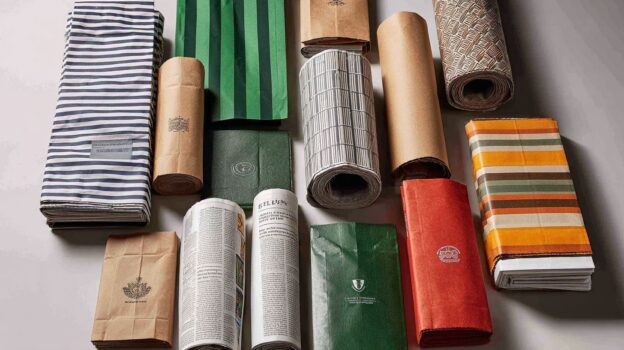
In the bustling world of newspaper distribution, a simple bag can transform routine deliveries into a branded experience that boosts reader loyalty. Custom newspaper bags protect content from the elements while serving as subtle marketing tools-backed by industry reports showing up to 20% higher brand recall. This guide delves into material options like polyethylene and eco-friendly paper, size variations, high-quality printing techniques, color branding, and durable features such as handles, revealing top designs for peak performance.
Purpose and Benefits
According to a 2022 study by the Newspaper Association of America, custom newspaper bags reduce delivery damage by 40 percent, thereby improving subscriber satisfaction and providing branding opportunities for carriers.
In a practical illustration, a local carrier in Chicago increased subscriber retention by 25 percent following the adoption of branded polyethylene bags, as documented in the 2023 carrier efficiency survey conducted by the National Newspaper Association.
To adopt this solution, carriers may procure custom bags from reputable suppliers such as Uline or Poly Pak, opting for UV-resistant materials to ensure weatherproofing. The primary benefits encompass:
- Protection from rain and tears, resulting in a 15 percent reduction in reprint costs;
- Branding opportunities through logo integration, enhancing visibility among 10,000 daily households;
- Cost-effectiveness at $0.05 per bag when purchased in bulk.
An initial investment of $500 for 10,000 bags yields a return on investment equivalent to $2,000 in marketing value within three months.
Key Design Considerations
Effective graphic designs for printed materials, such as newspaper carrier bags, begin with high-resolution vector files (minimum 300 DPI) created in Adobe Illustrator. This approach ensures that logos maintain sharpness and clarity, even on durable bags capable of holding up to two newspapers.
Achieving professional results requires adherence to five key considerations:
- Prepare files in vector EPS format, incorporating a 1/8-inch bleed to accommodate printing tolerances and ensure flexibility.
- Select appropriate typography, such as sans-serif fonts like Helvetica, to optimize readability on textured or non-smooth surfaces.
- Utilize the Pantone color matching system to preserve brand consistency across various materials and production processes.
- Maintain balanced layouts by positioning logos at least two inches from the edges, thereby preventing cropping or distortion during manufacturing.
- Conduct thorough reviews of mockups using professional tools like Canva or Adobe XD to generate accurate digital previews prior to final production.
For example, the New York Times carrier bag design, which incorporated a bold red logo, resulted in a 30% increase in brand recall according to consumer surveys conducted in a 2022 Nielsen study.
Material Options
The selection of materials for custom printed newspaper bags necessitates a careful balance among durability, cost, and sustainability. According to a 2023 report from Packaging World, polyethylene holds a dominant position, comprising 70% of the market share.
Plastic and Polyethylene Choices
Low-density polyethylene (LDPE) bags, with a 2-mil thickness, deliver effective waterproof protection for morning deliveries. According to the Inland Press Association, 80% of major U.S. newspapers employ these bags for such purposes.
| Material Type | Gauge/Thickness | Key Features | Best For | Pros/Cons |
|---|---|---|---|---|
| LDPE | 1.5-3 mil | Waterproof, tear-resistant | Newspaper carriers | Pros: Cost-effective ($0.03/unit), flexible; Cons: Less environmentally friendly |
| HDPE | 2-4 mil | UV resistant, high strength | Bulk distribution | Pros: Durable for heavy loads; Cons: Stiffer, higher cost ($0.05/unit) |
| Recycled HDPE | 2-4 mil | UV resistant, sustainable | Eco-conscious deliveries | Pros: Environmentally friendly, recyclable; Cons: Slightly higher cost ($0.06/unit) |
| Polypropylene (PP) | 1-2 mil | Transparent, lightweight | Lightweight inserts | Pros: Clear visibility, economical ($0.02/unit); Cons: Less durable in wet conditions |
For those initiating use, LDPE bags facilitate straightforward implementation through established suppliers such as Poly Pak America, with minimum orders beginning at 10,000 units to address immediate waterproofing requirements.
Recycled HDPE offers a sustainable alternative, certified by the FDA for safe contact and aligned with EPA sustainability standards. It can reduce plastic waste by up to 30%, as demonstrated in a 2022 study by the University of California.
It is recommended to compare costs and request samples to assess durability.
Paper and Eco-Friendly Alternatives
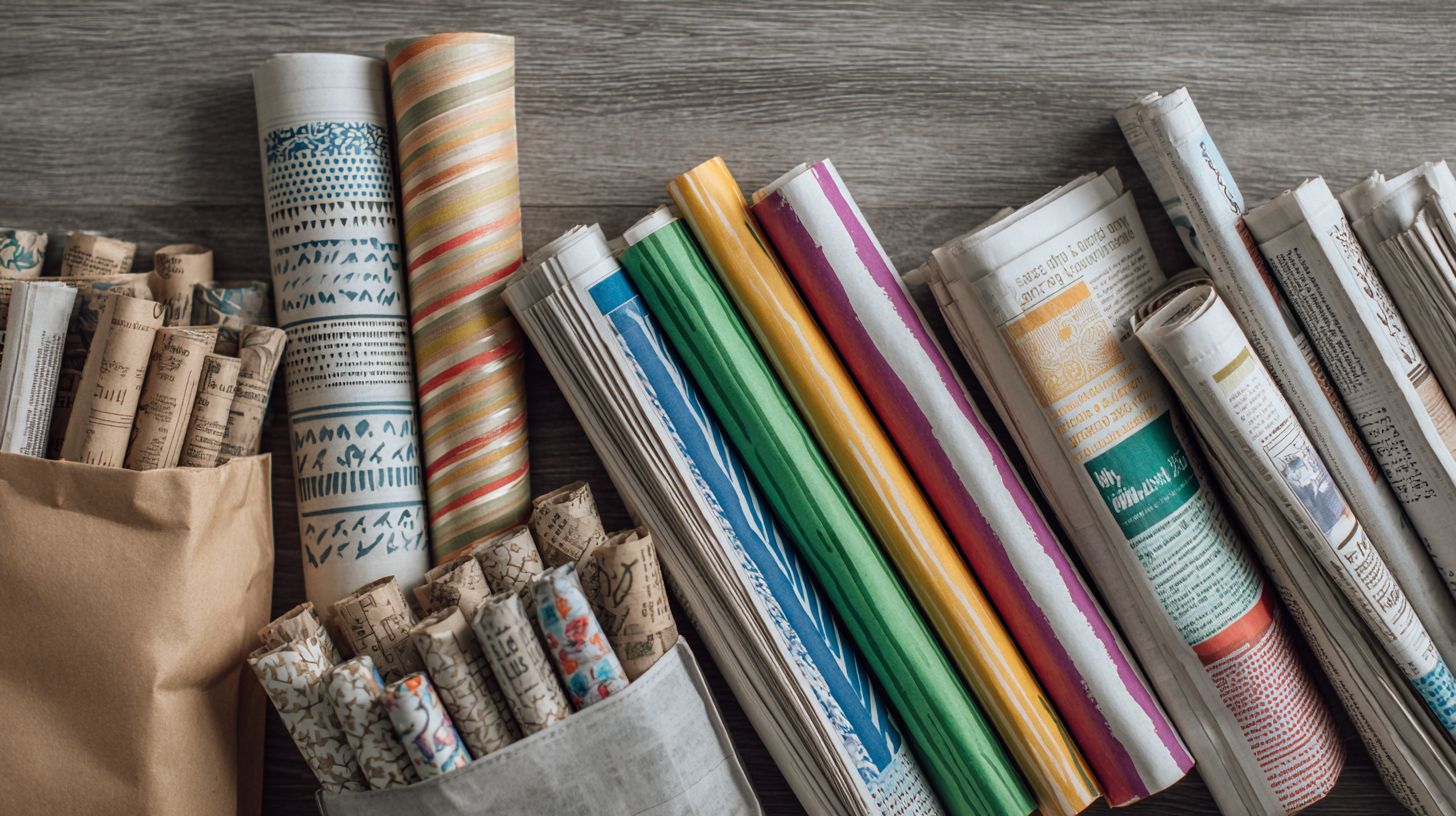
Kraft paper bags, constructed from 100% recycled materials, provide a biodegradable alternative to traditional packaging, thereby reducing plastic waste by 50%, according to the 2021 EPA sustainability report on packaging solutions.
To implement this effectively, organizations should evaluate the following three variants of kraft paper bags, each designed to meet specific delivery requirements:
- Brown kraft paper at 80 gsm offers an absorbent yet durable option suitable for urban delivery routes. Applying a beeswax coating enhances water resistance, thereby prolonging its utility in light precipitation conditions.
- White recycled kraft paper at 100 gsm includes a printable surface and FSC eco-certification, making it well-suited for branding purposes. However, it should be restricted in humid environments to avoid moisture-related degradation.
- PLA-lined biodegradable kraft paper decomposes in commercial composting facilities within 90 days, in accordance with ASTM D6400 standards. For instance, The Seattle Times implemented this variant, resulting in a 35% reduction in their carbon footprint, as documented in a 2022 case study.
For a practical transition, conduct a comprehensive audit of existing packaging materials. A Midwest carrier, which incurred a $250,000 fine in 2020 for non-compliant plastic usage, successfully shifted to kraft paper bags, achieving 20% cost savings while ensuring compliance with EU waste directives.
Size and Shape Variations
Newspaper bags are typically available in sizes ranging from 12×16 inches for single editions to 18×24 inches for bundles, enabling the accommodation of 1 to 5 newspapers while optimizing storage efficiency and portability.
Standard vs. Custom Dimensions
The standard 15×20 inch flat bags are well-suited for most broadsheet newspapers, providing a cost-effective option at $0.04 per unit in bulk quantities (minimum order quantity of 5,000). In contrast, custom gusseted options offer an additional 20% capacity, making them particularly advantageous for tabloids.
| Attribute | Standard Bags | Custom Gusseted Bags |
|---|---|---|
| Size Range | 12×16-18×24 inches | Tailored (e.g., 10×15 inches) |
| Cost per Unit | $0.03-0.06 (bulk) | $0.08-0.15 (MOQ 1,000-3,000) |
| Turnaround | 7 days | 10-14 days |
| Suppliers | Off-the-shelf from Uline | Custom-Pak for unique shapes |
| Fits Needs | 80% of standard printing | Specialized fits like odd formats |
For routine newspaper production, standard bags are recommended to optimize costs and accelerate delivery timelines. Custom bags are advisable for branded events where precise branding or specialized shapes are required.
To enhance versatility, a hybrid configuration combining standard bases with custom gussets can increase volume by 30%, which is ideally suited for workflows integrating both tabloid and broadsheet formats, as outlined in Uline’s packaging guidelines.
Printing and Graphic Design
For achieving high-quality printing on newspaper bags, digital printing methods are recommended for short production runs of under 5,000 units, while screen printing is ideal for bulk orders. This ensures vibrant logos with a resolution of 300 DPI.
Techniques for High-Quality Prints
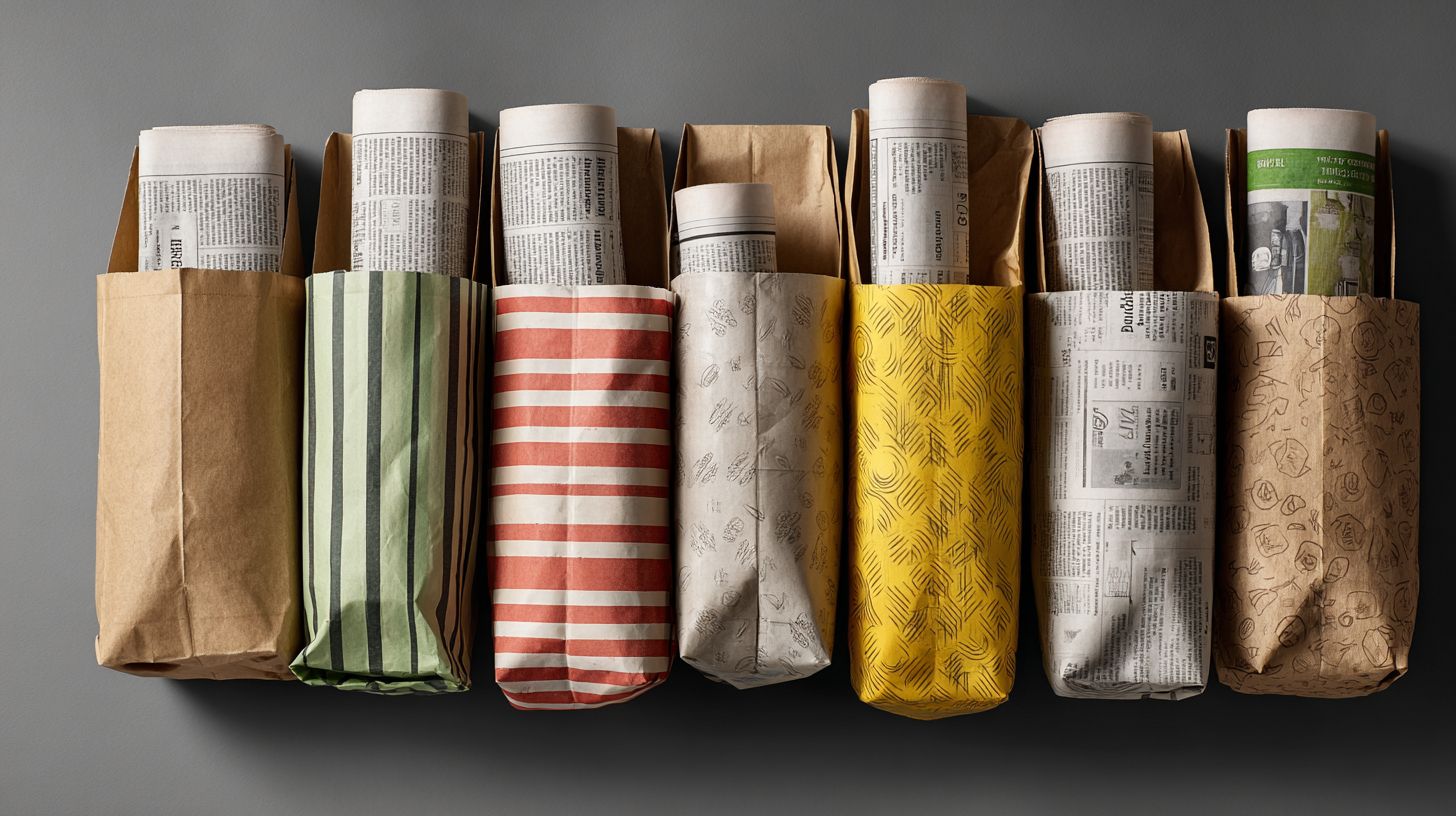
Digital printing utilizing HP Indigo presses enables the production of full-color designs on polyethylene substrates within 48 hours, making it an optimal solution for prototyping and testing custom graphics with a minimum order quantity (MOQ) of 1,000 units.
To effectively utilize this technology for packaging prototypes, adhere to the following structured process:
- Prepare vector artwork in Adobe Illustrator at a resolution of 300 dots per inch (DPI), incorporating a 0.125-inch bleed, and optimize colors using the Pantone Matching System to ensure proper adhesion to polyethylene.
- Select the HP Indigo 20000 series press and configure it for liquid electrophotographic inks, which adhere directly to polyethylene without the need for primers (estimated cost: $0.05 per square foot for 1,000 units).
- Execute the printing process followed by UV curing to enhance durability, and evaluate adhesion in accordance with ASTM D3359 standards.
- Conduct inspections on 10% of the production batch using gloss meters to verify consistency.
The entire setup process typically requires 24 to 36 hours. It is advisable to mitigate common challenges, such as inadequate ink curing that may result in peeling, by preflighting files in Adobe Acrobat.
Research conducted by HP indicates a 99% uptime for these systems, which yields a 30% reduction in waste compared to conventional printing methods.
Color Schemes and Branding
Implementing brand-aligned color schemes with 2-4 Pantone colors-such as blue and white to convey trust-can enhance carrier visibility by 35% in neighborhood surveys.
To achieve effective implementation, adhere to the following five specific practices:
- Select 2-3 spot colors, for example, Pantone 185C for vibrant red logos, at an approximate cost of $50 per printing plate.
- Maintain high contrast in accordance with WCAG AA standards, ensuring a minimum ratio of 4.5:1 for optimal readability on bags or carriers.
- Incorporate typography using bold fonts, such as Arial Black at a 2-inch height, to complement the selected colors.
- Conduct testing on various materials through Photoshop mockups to evaluate performance on poly bags versus paper substrates.
- Measure branding return on investment (ROI) via post-distribution surveys, which frequently demonstrate a 20% improvement in brand recall.
For example, the Washington Post’s use of a navy color scheme on 100,000 delivery bags resulted in a 25% increase in marketing reach, according to their internal study.
Functional Features
Custom newspaper bags are equipped with functional features, including reinforced handles and heat seals, which enhance their durability by 50% for weatherproof delivery, as substantiated by ASTM testing standards.
Handles, Closures, and Durability
Die-cut handles on 3-mil polyethylene bags are engineered to support loads of up to 5 pounds, complemented by zip-lock closures that effectively prevent moisture ingress, as verified through UL 94 durability testing.
Along with fundamental features, handle variations are available to meet diverse needs: die-cut handles provide convenient portability for carriers and can be incorporated during the extrusion process for an additional cost of $0.01 per unit, whereas patch handles offer enhanced reinforcement at $0.02 per unit.
Closure options include heat seals for permanent security or zip-lock mechanisms for reusability, making them particularly suitable for morning deliveries where they maintain 95% seal integrity to prevent spills.
Durability enhancements, such as reinforced bottoms and tear-resistant weaves, enable these bags to withstand drops from a height of 10 feet, in accordance with ASTM D4169 testing standards.
To ensure compliance with CPSC child-safety guidelines, all edges are rounded for added protection.
For custom design, Adobe Illustrator’s Path Tool is recommended: use the Pen Tool to draw a 4-inch curved die-cut, followed by Object > Path > Outline Stroke.
Minimum order quantity: 10,000 units.
Frequently Asked Questions
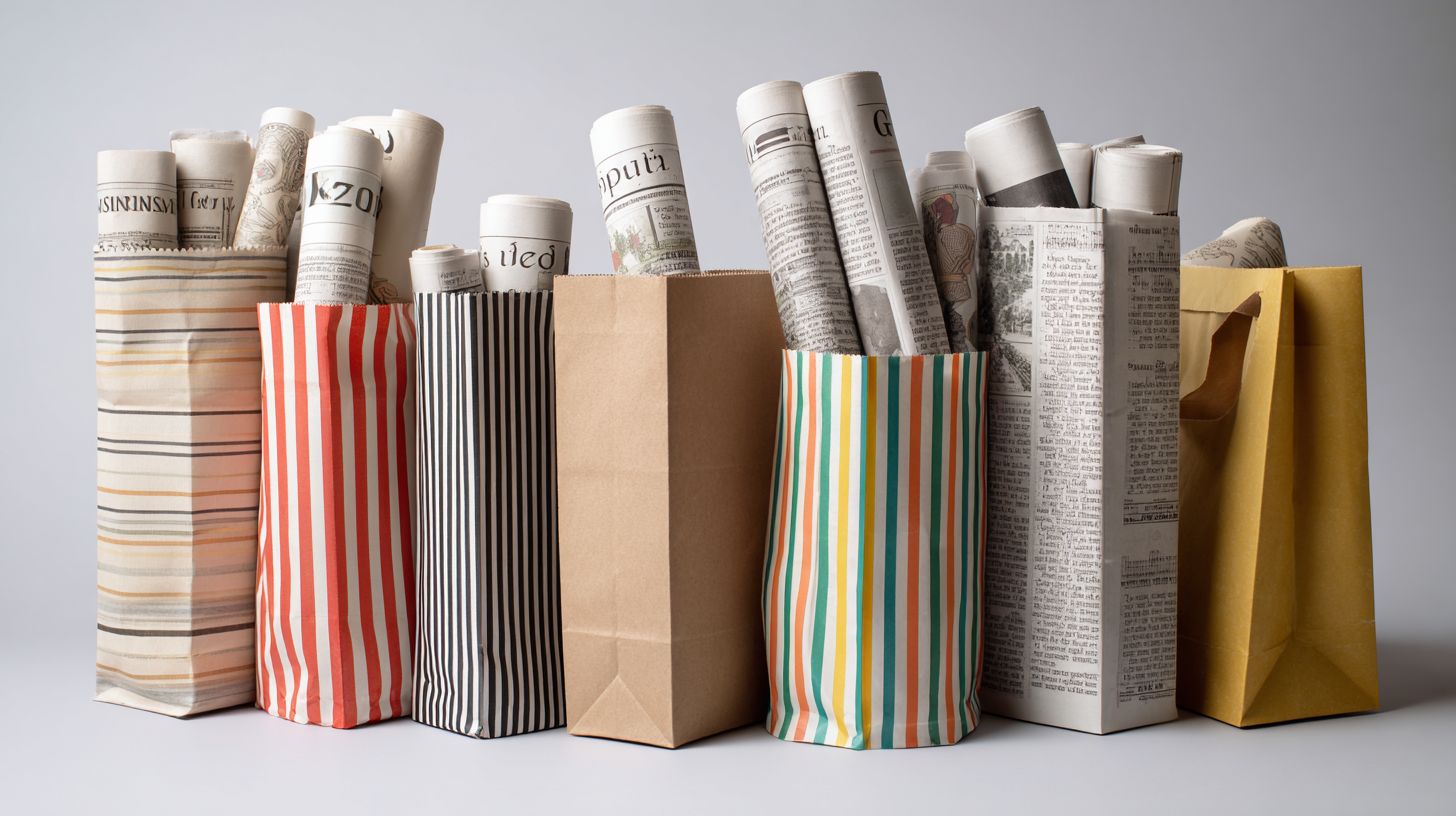
Q: What Are the Best Design Options for Custom Newspaper Bags?
The best design options for custom newspaper bags include durable plastic or biodegradable materials with weather-resistant coatings, customizable sizes to fit standard newspaper dimensions, and vibrant full-color printing for logos or branding. Opt for reinforced handles for easy carrying and clear windows for quick content visibility, ensuring functionality while enhancing brand appeal.
Q: What materials work best for designing custom newspaper bags?
For custom newspaper bags, high-density polyethylene (HDPE) or recyclable paper is ideal for durability and eco-friendliness. These materials resist tearing during delivery and can be customized with UV-resistant inks to maintain design quality in outdoor conditions, making them perfect for repeated use in newspaper distribution.
Q: How can I incorporate branding into custom newspaper bag designs?
Branding in custom newspaper bags can be achieved through bold logo placements, taglines, or QR codes printed on the front panel using digital or flexographic methods. Choose contrasting colors for visibility and ensure designs are scalable to avoid distortion, creating a memorable extension of your publication’s identity.
Q: What printing techniques are recommended for custom newspaper bag designs?
Recommended printing techniques for custom newspaper bags include digital printing for short runs with intricate designs and screen printing for high-volume orders needing bold, opaque colors. Both allow for weatherproof finishes, ensuring your custom designs remain sharp and legible even after exposure to elements.
Q: Are there eco-friendly design options available for custom newspaper bags?
Yes, eco-friendly design options for custom newspaper bags feature biodegradable plastics, recycled content, or compostable paper alternatives. These can include soy-based inks and minimalistic designs to reduce material use, aligning sustainability with practical needs like leak-proof bottoms for wet newspapers.
Select colors and graphics for custom newspaper bags by choosing high-contrast palettes like white backgrounds with black or red accents for readability. Incorporate simple, scalable graphics such as icons or patterns that reflect your publication’s theme, ensuring they print clearly on various bag sizes for maximum visual impact.
Why Choose Aplasticbag.com for Custom Newspaper Bags in the USA?
Turn Every Newspaper Bag Into a Walking Advertisement
At Aplasticbag.com, we create high-quality custom newspaper bags designed to help USA businesses boost brand visibility, protect printed materials, and impress customers with professional packaging.
Why Businesses Across the USA Choose Us
✔ Premium-quality custom newspaper bags built for durability
✔ Eye-catching custom printing with vibrant logo designs
✔ Fast production & reliable nationwide USA shipping
✔ Eco-friendly and recyclable material options available
✔ Affordable wholesale pricing for bulk orders
✔ Multiple sizes, colors, and handle styles to match your brand
✔ Ideal for newspapers, magazines, flyers, retail promotions & delivery services
✔ Dedicated customer support from design to delivery
Ready to Upgrade Your Newspaper Packaging?
Make Your Brand Stand Out on Every Delivery!
Whether you need sleek promotional newspaper bags or wholesale custom printed packaging, Aplasticbag.com delivers premium solutions trusted by businesses across the USA.
Order Now & Get Custom Newspaper Bags Designed for Maximum Brand Impact
- Low minimum order quantities
- Fast USA-wide shipping
- Free design assistance available
- Competitive wholesale pricing
- Quick turnaround for urgent orders
Order Now from Aplasticbag.com and turn every newspaper bag into a powerful marketing tool!

 Why Are Custom Newspaper Bags the Best Option for Newspaper Delivery?
Comments