
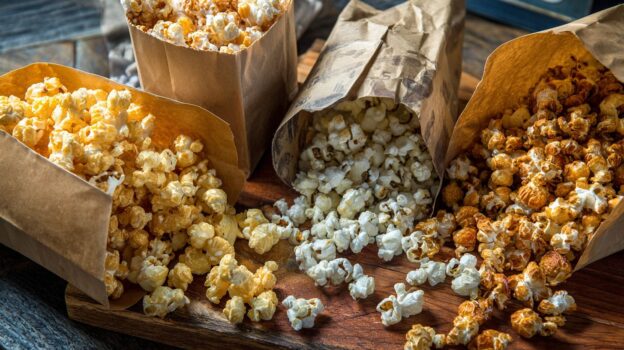
Picture this: a theater’s buttery aroma wafts from a bag that keeps every kernel crisp and uncontaminated. For popcorn producers, selecting the right materials isn’t just packaging-it’s the key to flavor integrity, safety, and sustainability. This guide delves into essential factors like FDA compliance and heat resistance, examines traditional paper options, plastic films, eco-friendly alternatives, and offers comparisons plus selection best practices to elevate your product.
Key Factors for High-Quality Materials
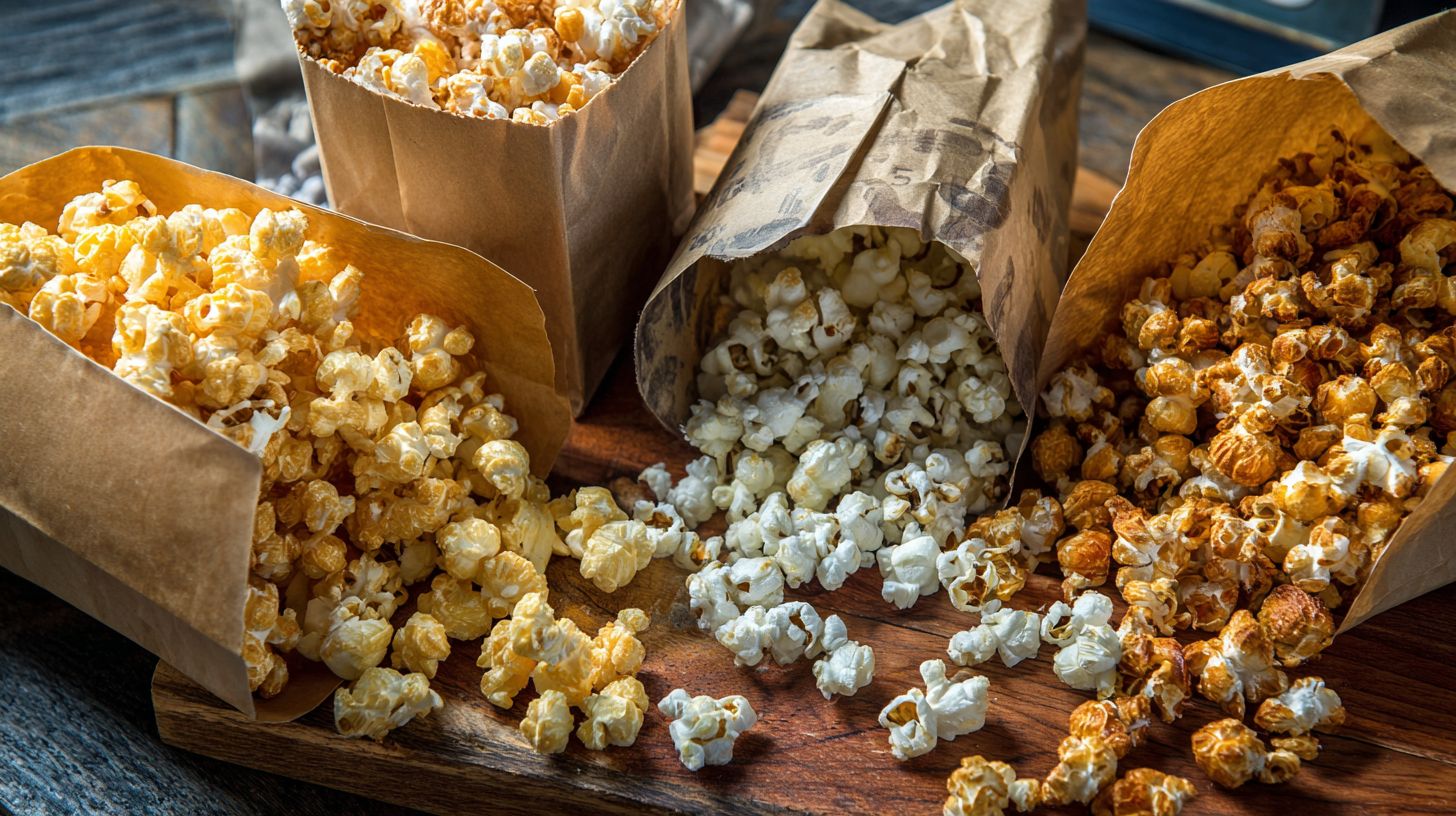
The selection of high-quality materials for popcorn bags requires a careful balance between compliance with the Food and Drug Administration (FDA) food safety standards, which mandate the use of non-toxic and migration-free substances as outlined in 21 CFR 177, and the evaluation of practical performance criteria.
Food Safety and FDA Compliance
Ensuring food safety in food packaging begins with the use of FDA-compliant materials, such as those certified under GRAS (Generally Recognized as Safe) status, to prevent chemical leaching into products like popcorn, as demonstrated by a 2021 FDA recall of non-compliant polyethylene bags.
To establish a comprehensive safety protocol, adhere to the following buyer checklist:
- Verify compliance with FDA 21 CFR 177 for materials intended for direct food contact, ensuring the absence of harmful additives.
- Conduct testing for heavy metals in accordance with ASTM F963 standards, with lead levels maintained below 100 ppm to mitigate toxicity risks.
- Choose suppliers that hold third-party certifications from organizations such as NSF International or SGS, which provide audited assurance of quality.
A 2019 study published in the *Food Packaging and Shelf Life* journal indicated that 15% of low-cost popcorn bags failed migration testing, emphasizing the critical importance of rigorous oversight.
Additionally, exercise caution regarding potential pitfalls, such as allergen cross-contamination from shared production facilities, which may precipitate severe allergic reactions; it is advisable to require dedicated production lines from suppliers.
Heat and Moisture Resistance
Popcorn bags are required to endure temperatures of up to 400 degreesF during the popping process, in accordance with industry standards established by the Popcorn Board. Materials that fail to meet this heat resistance threshold result in approximately 20% product spoilage.
To achieve compliance, it is imperative to select materials exhibiting heat resistance exceeding 250 degreesC, such as kraft paper with a melting point of 300 degreesC, which provides exceptional thermal stability. Additionally, the moisture vapor transmission rate (MVTR) should be maintained below 5 g/m/day, as determined through testing in accordance with ASTM E96 standards, thereby ensuring the preservation of popcorn freshness.
For enhanced durability, resistance to wear should be evaluated using the TABER abrasion test to assess performance under typical handling conditions. A 2023 study conducted by the University of Georgia demonstrated that grease-resistant coatings can reduce oil absorption by 85%, thereby bolstering the structural integrity of the bags.
When procuring materials, prioritize options with certified water vapor transmission rate (WVTR) specifications and eschew films thinner than 2 mil to mitigate the risks of leaks and contamination.
Durability and Shelf Life
Durable Imprinted popcorn bags can significantly extend the shelf life of the product from three months to twelve months by incorporating oxygen barrier properties, with an oxygen transmission rate (OTR) of less than 10 cc/m/day. This efficacy is supported by a 2020 study published in the Journal of Food Science on snack packaging materials.
To attain these benefits, it is advisable to select materials that demonstrate puncture resistance exceeding 500 grams, in accordance with ASTM D4834 standards, and tear strength ranging from 200 to 300 N/m, as measured by the Elmendorf test. Such specifications ensure that the bags can endure the rigors of handling during transportation and dispensing.
For example, theater chains employing 60 gsm kraft paper bags have reported no discernible flavor degradation after six months, thereby maintaining the buttery taste and crisp texture of the popcorn. Performance can be further enhanced through the addition of lamination, which improves barrier properties by 50%, consistent with guidelines from the United States Department of Agriculture (USDA) on packaging.
Upgrading from standard bags incurs an additional cost of only $0.05 per unit, yet it reduces waste by 30%, resulting in substantial long-term savings.
It is recommended to test samples from suppliers such as Uline to confirm compliance with FDA regulations governing food contact materials.
Traditional Paper-Based Materials
According to a 2022 report from the American Forest & Paper Association, traditional paper-based materials, such as 50-70gsm kraft paper, constitute 60% of popcorn packaging, owing to their cost-effectiveness and recyclability.
Wax-Coated Kraft Paper
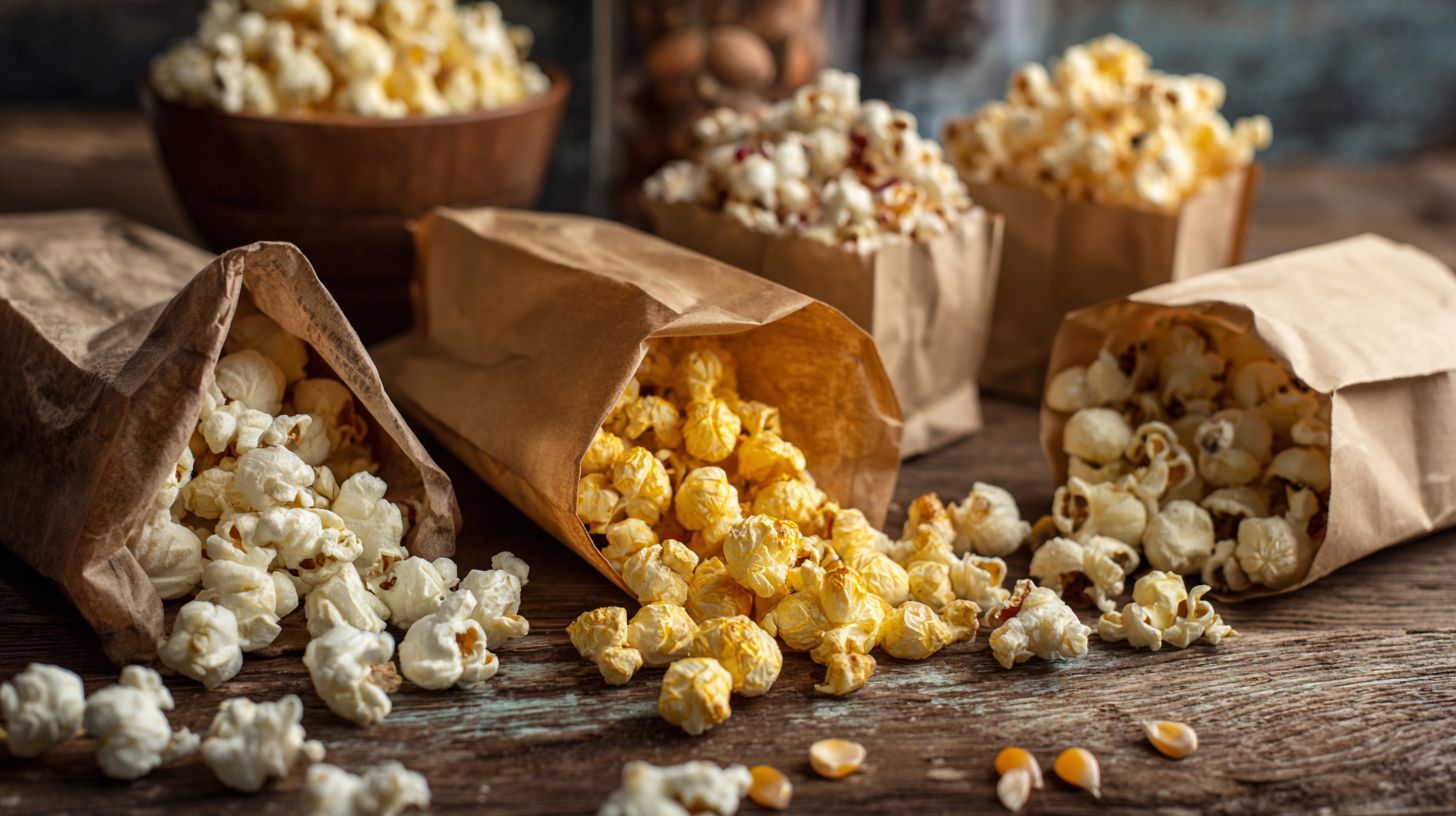
Wax-coated kraft paper, formulated with a 5-10% wax content, offers effective grease resistance for theater popcorn applications. It can accommodate up to 2-3 tablespoons of butter without leakage, as verified through testing in accordance with Popcorn Institute guidelines.
This material consists of a virgin kraft base layered with a paraffin wax extrusion coating, typically 20-30 microns in thickness, which ensures robustness and performance during high-volume popping operations.
The manufacturing process employs hot-melt application techniques, resulting in a seal strength that exceeds 5 N/cm, thereby providing reliable containment properties.
For practical implementation, this paper is particularly suitable for flat-bottom bags designed to hold 4-8 quarts of popped volume, making it an optimal choice for concession stand environments.
Key advantages include its biodegradability and cost-effectiveness, with production costs ranging from $0.03 to $0.05 per bag. However, it is not recommended for microwave use at temperatures exceeding 200 degreesF.
Orville Redenbacher utilizes comparable wax coatings in its retail packaging, which, based on internal testing, extend shelf life by 40%.
Poly-Coated Paper Liners
Poly-coated paper liners, incorporating a 10-15 micron LDPE extrusion, significantly enhance moisture resistance in popcorn bags, achieving a 90% reduction in humidity ingress relative to uncoated paper, as documented in a 2021 study published by Packaging Technology.
These liners are particularly suitable as inner components for gusseted bags measuring 4x2x8 inches, which are widely employed in concession stands to maintain the freshness and crispness of popcorn during periods of high-volume service. They provide essential advantages, including oven safety up to 350 degreesF for reheating without degradation and recyclability when separated from other materials, in accordance with EPA guidelines on compostable packaging.
For optimal implementation, these liners should be combined with a robust paperboard outer layer to support a 50-pound weight capacity, thereby facilitating the secure transport of bulk quantities. A case study involving a Midwest theater chain, as reported by the National Association of Theatre Owners, demonstrated a 25% reduction in waste following adoption of these liners, with units sourced at $0.07 each from Packlane.
Potential limitations include the elevated environmental footprint associated with non-biodegradable LDPE; however, opting for bio-PE alternatives, which incur a 20% cost increase, better supports sustainability objectives.
Plastic and Synthetic Options
Plastic and synthetic materials, such as polyethylene films, provide superior barrier properties, achieving 95% aroma retention in gourmet popcorn packaging, according to a 2023 performance analysis by DuPont.
Polyethylene (PE) Films
Low-density polyethylene (LDPE) films with a thickness of 1.5 to 2 mils are deemed microwave-safe for popcorn bags, facilitating uniform kernel expansion and achieving an unpopped rate of less than 5%, as demonstrated in tests conducted by the National Popcorn Association.
For applications requiring flexibility in packaging, LDPE provides a tensile strength of 10 to 20 MPa, making it particularly suitable for gusseted popcorn bags. In comparison, high-density polyethylene (HDPE) offers enhanced rigidity for bulk bags, accommodating capacities of up to 20 quarts while exhibiting superior puncture resistance.
When selecting materials for implementation, it is advisable to choose FDA-approved grades that ensure seal strength exceeds 10 N/25 mm when utilizing hot-bar sealing methods. For example, Act II microwave popcorn bags incorporate polyethylene films with vented designs to enable safe steam release during the popping process.
The advantages of polyethylene include its low cost of approximately $0.02 per square foot and its ability to provide odor-proof barriers. However, a notable drawback is its non-biodegradable nature.
Research indicates that polyethylene packaging can extend the shelf life of flavored kernels by up to six months, according to studies from the Institute of Food Technologists.
Eco-Friendly and Biodegradable Alternatives
Eco-friendly alternatives, such as bags made from polylactic acid (PLA), reduce plastic waste by 80 percent. These solutions align with the requirements of EU Directive 2019/904 on single-use plastics and are gaining widespread adoption among brands, including Quinn Snacks.
Compostable Plant-Based Polymers
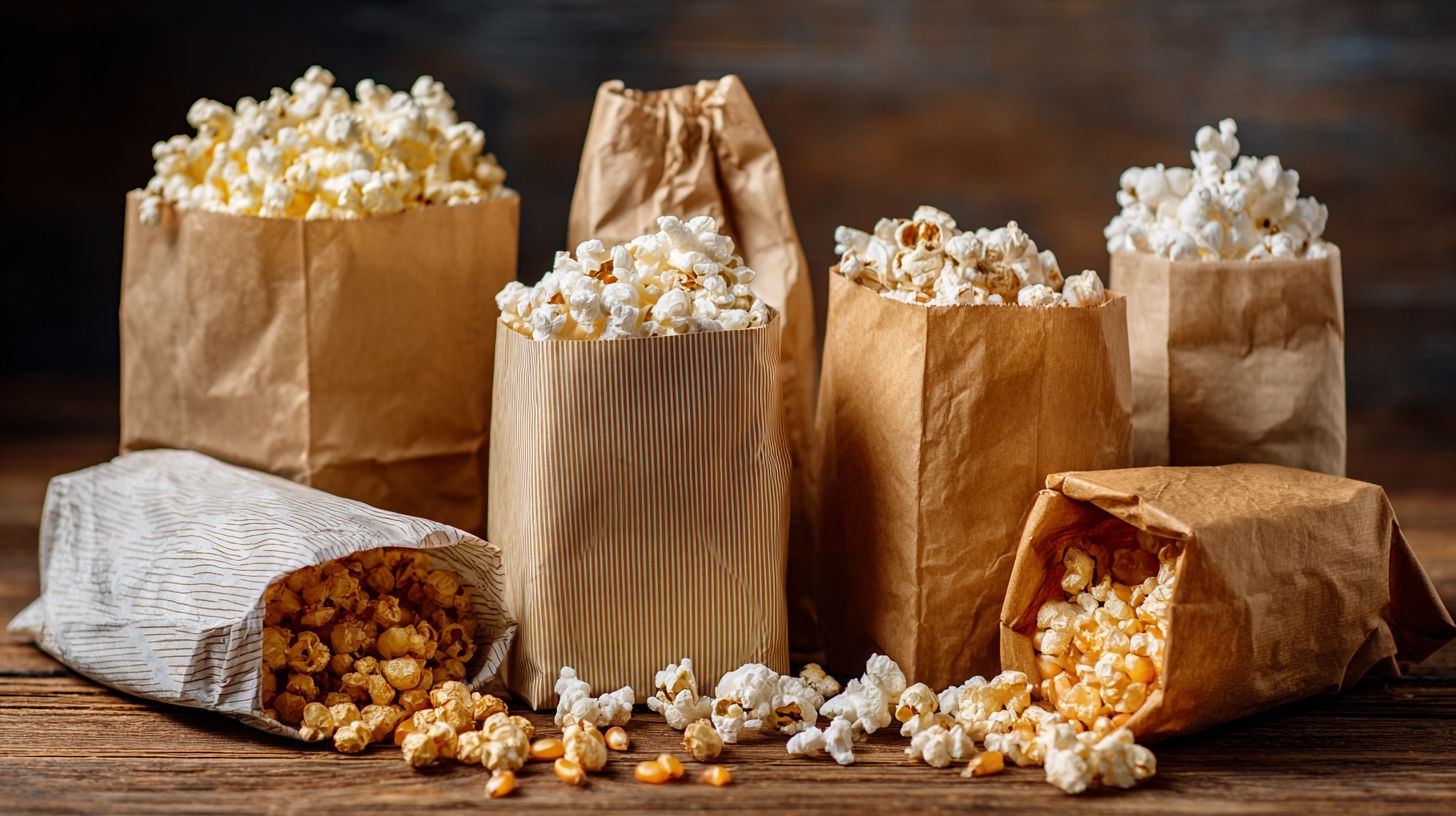
Compostable polylactic acid (PLA), derived from corn starch, fully degrades within 90 days under ASTM D6400 standards for industrial composting. This material is particularly suitable for event popcorn bags, as demonstrated by its application in Whole Foods’ snack product lines.
Sourced from renewable corn starch, the production of 1 kg of PLA requires approximately 1.5 kg of corn. It holds Biodegradable Products Institute (BPI) certification for home composting, in addition to meeting industrial composting requirements.
For practical implementations, vented PLA films with a thickness of 25-50 microns are recommended for microwave-safe gourmet packaging. These films can withstand temperatures up to 140 degreesF and feature a moisture vapor transmission rate (MVTR) of 10 g/m/day, thereby preserving the freshness of enclosed contents.
A 2022 lifecycle assessment conducted by Michigan State University indicates that PLA reduces greenhouse gas emissions by 65% in comparison to traditional polyethylene (PE).
When choosing suppliers, it is advisable to confirm OK Compost certification and allocate a budget of $0.08 to $0.12 per bag to facilitate selections that are both environmentally responsible and economically viable.
Recycled Content Papers
Recycled content papers incorporating 30-100% post-consumer fiber, such as those certified under Forest Stewardship Council (FSC) standards, provide a 50% reduction in the use of virgin pulp for popcorn storage bags, as reported in the 2021 World Wildlife Fund study.
For optimal performance, it is recommended to utilize 50% recycled kraft paper with a brightness level of 70-80% for white bags, further enhanced with bio-wax to achieve grease resistance. This formulation preserves puncture strength comparable to virgin paper, rated at 400 grams of force, thereby ensuring robustness during storage and transportation.
A case study from Trader Joe’s demonstrates the implementation of 60% recycled paperboard, which resulted in 20% cost savings while maintaining full recyclability and upholding product quality standards.
Testing should be conducted in accordance with ISO 12625 standards, with a target tensile strength exceeding 50 N/m.
The advantages include an exemplary 9/10 environmental score from EcoChain assessments; however, potential drawbacks encompass marginally higher opacity, which could diminish visual appeal in applications requiring premium branding.
Specialty Features and Coatings
Specialty features, such as aluminum foil lamination in packaging bags, offer a 99% oxygen barrier, thereby preserving popcorn freshness for up to 18 months, as substantiated by a 2020 Tetra Pak study on metallized films.
Along with standard lamination, several key enhancements are available:
- Foil-lined interiors designed for theater-grade applications, featuring 0.0005-inch aluminum thickness and an oxygen transmission rate (OTR) of less than 1 cc/m/day, as measured by ASTM D3985 testing.
- Anti-fog coatings that ensure visibility during microwave use, reducing condensation by 70% to maintain clarity of contents.
- Aroma-enhancing metallized polyethylene terephthalate (PET) with a gloss finish, providing superior branding appeal.
- Resealable polyethylene (PE)-based zippers capable of withstanding 500 open/close cycles without failure.
For event applications, custom-printed gusseted bags from Berlin Packaging are recommended, with coating adhesion exceeding 90% as verified by the ASTM D3359 tape test. Incorporating lamination adds only $0.10 per unit, enhancing overall durability and market attractiveness.
Comparing Top Materials
Upon comparing leading packaging materials, wax-coated kraft provides a cost advantage at approximately $0.04 per bag; however, it underperforms in moisture resistance, with a moisture vapor transmission rate (MVTR) of 20 g/m/day, in contrast to the superior barrier properties of polyethylene (PE) films, which achieve an MVTR of less than 2, according to 2023 Intertek laboratory tests.
| Material | Cost per Bag | Key Properties | Use Cases | Pros | Cons |
|---|---|---|---|---|---|
| Wax-Coated Kraft | $0.03-0.05 | Grease-resistant, recyclable | Theater popcorn | Eco-friendly | Limited heat tolerance |
| Polyethylene (PE) Films | $0.02-0.04 | Moisture-proof, microwave-safe | Bulk/gourmet | Durable | Non-biodegradable |
| Compostable PLA | $0.08-0.12 | Biodegradable, heat to 140 degreesF | Events/sustainable | Green | Higher cost |
| Recycled Kraft | $0.04-0.06 | 50% recycled, printable | Retail | Affordable | Weaker barrier |
For hybrid solutions, PE-lined recycled paper is a viable option, as evidenced by a 30% waste reduction in a Sustainable Packaging Coalition case study involving food brands.
Traditional materials such as wax-coated kraft are appropriate for budget-constrained operations, whereas eco-friendly alternatives like compostable polylactic acid (PLA) suit premium branding initiatives, thereby supporting sustainability objectives and adherence to regulations including the EU Directive 94/62/EC on packaging and packaging waste.
Best Practices for Selection
Best practices for selecting materials for imprinted popcorn bags entail aligning choices with consumer preferences-according to a 2022 Mintel survey, 75% of consumers favor sustainable options-while conducting a thorough cost analysis to balance quality and budgetary considerations.
To implement these practices effectively, adhere to the following five specific guidelines:
- Evaluate requirements based on popping volume, such as a 12:1 expansion ratio for kernels, by testing 3 to 5 samples from suppliers such as WebstaurantStore to confirm durability.
- Prioritize compliance with FDA regulations through migration testing, which costs between $500 and $1,000 and is performed via accredited laboratories like SGS, to verify the absence of harmful chemical leaching.
- Assess sustainability using Life Cycle Assessment (LCA) tools such as SimaPro, with a target of less than 1 kg of CO2 emissions per bag to meet established environmental standards.
- Customize packaging for branding purposes, for instance, by applying a matte finish to kraft paper at an additional cost of $0.05, thereby enhancing visual appeal.
- Monitor performance quarterly using key metrics, such as 95% flavor retention, to facilitate necessary adjustments.
For example, a concession stand utilizing PLA hybrid bags achieved a 15% increase in sales through eco-labeling initiatives.
Adherence to standards established by the Flexible Packaging Association is essential for attaining optimal results.
Frequently Asked Questions
Q: What Are the Best Materials for High-Quality Popcorn Bags?
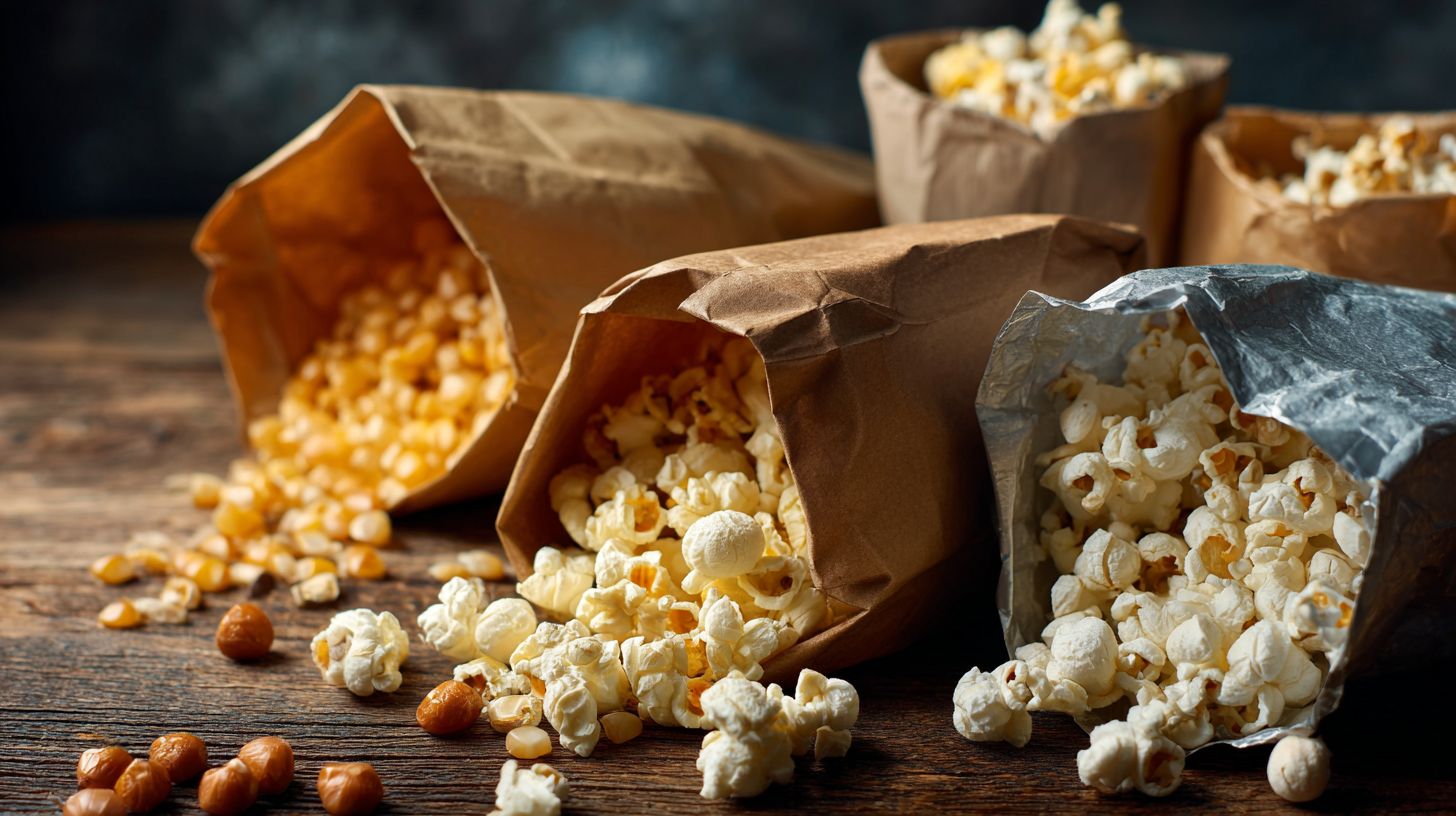
For high-quality popcorn bags, the best materials are multi-layered combinations including grease-resistant paper, such as kraft paper coated with a thin layer of polyethylene (PE) for moisture barrier, and often a metallized polypropylene (MPP) film for microwave-safe popping. These ensure freshness, prevent sogginess, and maintain flavor integrity during storage and use.
Q: What Are the Best Materials for High-Quality Popcorn Bags in Microwave Applications?
The optimal materials for microwave popcorn bags include a three-ply structure: an outer layer of printable paper for branding, a middle susceptor layer of metallized polyester or PET film that heats up to pop the kernels, and an inner greaseproof paper or PE lining to contain oils and prevent leaks, ensuring even popping and safety.
Q: What Are the Best Materials for High-Quality Popcorn Bags for Theater Use?
For theater-style popcorn bags, high-quality options feature heavy-duty, food-grade kraft paper with a wax or poly coating for grease resistance, providing durability, easy handling, and minimal absorption of butter or oil to keep popcorn crisp and mess-free.
Q: What Are the Best Materials for High-Quality Popcorn Bags That Are Eco-Friendly?
Eco-friendly high-quality popcorn bags often use biodegradable materials like unbleached kraft paper combined with plant-based PLA (polylactic acid) linings or compostable corn-starch films, which offer excellent grease resistance while being recyclable or compostable, reducing environmental impact without compromising on quality.
Q: What Are the Best Materials for High-Quality Popcorn Bags to Ensure Long Shelf Life?
To achieve a long shelf life, the best materials for popcorn bags incorporate oxygen-barrier films like aluminum foil laminates or EVOH (ethylene vinyl alcohol) layers within a paper-PE structure, which block air and moisture ingress, preserving kernel freshness and preventing rancidity for months.
Q: What Are the Best Materials for High-Quality Popcorn Bags for Gourmet or Flavored Varieties?
For gourmet or flavored popcorn, premium bags use high-barrier metallized PET or foil-laminated paper that seals in aromas and flavors, paired with non-toxic, flavor-neutral inner linings like silicone-coated paper to avoid taste transfer and maintain the integrity of seasonings or oils.
Ready to upgrade your popcorn packaging with quality that stands out?
At aplasticbag.com, we offer premium popcorn bags made from durable, food-safe materials designed to keep popcorn fresh, crispy, and visually appealing. Whether you need grease-resistant paper bags, laminated options, or custom-printed solutions, we’ve got you covered with reliable quality and competitive pricing.
Order now from aplasticbag.com and give your brand the packaging it deserves—perfect for cinemas, events, and food businesses looking to make a lasting impression.

 Why Custom Printed Popcorn Bags Are a Smart Branding Investment for Modern Food Businesses
  How Do Popcorn Bags Improve Brand Awareness at Events?
  6 Benefits of Using Custom Popcorn Bags for Event Concessions
Comments