
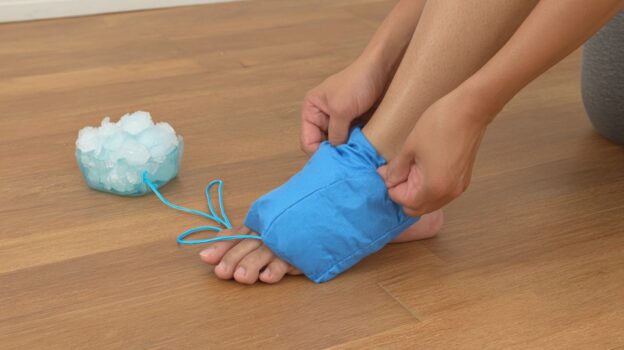
After a strenuous workout or sudden sprain, reaching for an ice bag offers instant relief-but only if used correctly. Missteps can lead to skin damage or delayed healing, as noted by the American Academy of Orthopaedic Surgeons. This guide explores optimal selection of ice bags, safe preparation, precise application techniques, ideal durations, vital precautions, and storage tips to maximize benefits while minimizing risks.
Understanding Ice Bags
Ice bags represent a fundamental component of the RICE protocol (Rest, Ice, Compression, Elevation), which has been employed since the 19th century to deliver localized cooling for acute injuries. According to a 2018 study published in the Journal of Athletic Training, this approach can reduce swelling by up to 50% within the initial 48 hours.
Mayo Clinic guidelines characterize cryotherapy using ice bags as a precise application of cold therapy to control inflammation associated with sprains and bruises.
The mechanism of vasoconstriction effectively restricts bleeding, as demonstrated by National Institutes of Health (NIH) research indicating a reduction in hemorrhage of up to 40% in soft tissue injuries. Furthermore, the analgesic effects of this treatment alleviate pain, with a meta-analysis in the British Journal of Sports Medicine reporting 20-30% post-treatment relief.
For optimal application, gel packs are recommended for their reusability and conformability, providing cooling for 20-30 minutes per session. Alternatively, frozen peas offer a convenient do-it-yourself option.
In all cases, the ice bag must be wrapped in a cloth to prevent frostbite, with applications limited to 15 minutes every two hours.
In line with United States Olympic Committee (USOC) standards, Olympic protocols incorporate ice bags following ankle sprains to accelerate recovery by 25-35%, thereby facilitating a more rapid return to training.
Selecting the Right Ice Bag
Selection of the appropriate ice bag is influenced by key considerations such as size and material. Among popular choices, the FlexiKold Gel Pack, priced at $15, provides versatile application for joints, while the Arctic Flex Reusable Ice Pack, available for $20, is highly regarded in Amazon reviews for its reliable leak-proof design.
Types of Ice Bags
Prevalent categories of cold therapy products include reusable gel packs, such as the Therapearl model priced at $12, which offer moldable cooling capabilities, alongside do-it-yourself alternatives utilizing frozen peas. A 2020 review by Consumer Reports praised the latter for their high accessibility, while assigning them a lower rating for durability.
| Type | Price | Key Features | Best For | Pros/Cons |
|---|---|---|---|---|
| Reusable Gel Pack | $10-20 | Moldable, reusable up to 500 times | Sprains, bruises | Pros: Flexible; Cons: Freezer required |
| Instant Cold Pack | $1-3 each | Chemical activation, no freezer | Sports emergencies | Pros: Portable; Cons: Wasteful |
| Cloth Ice Bag | $8 | Holds crushed ice | Headaches | Pros: Adjustable; Cons: Messy melt |
| Frozen Vegetable Wrap | Free | Household items like broccoli | Home remedies | Pros: Cost-effective; Cons: Uneven cooling |
| Neoprene Compression Pack | $15-25 | Wraps with gel, applies pressure | Swelling reduction | Pros: Therapeutic; Cons: Bulkier |
For individuals new to cold therapy, gel packs such as the Therapearl provide a simple preparation process requiring a two-hour freeze, subsequently conforming comfortably to affected areas for precise relief. Instant cold packs facilitate immediate application without any preparatory steps, rendering them ideal for portable or urgent scenarios; however, they may present a risk of chemical sensitivity, and it is advisable to conduct a preliminary test on the skin.
Gel-based packs are well-suited for routine home care, whereas instant packs demonstrate superior efficacy in time-sensitive applications, consistent with the Mayo Clinic’s guidelines on cold therapy protocols.
Key Factors to Consider
When selecting an ice pack, prioritize appropriate sizing-such as 4×6 inch packs for ankles, as recommended by the National Athletic Trainers’ Association (NATA)-and verify that the product is made from BPA-free materials to comply with FDA safety regulations.
To make an optimal selection, carefully evaluate the following five key factors:
- Size and coverage: Choose dimensions suited to the targeted area, for instance, 5×10 inches for knees, in accordance with the American Physical Therapy Association (APTA) sizing guidelines.
- Flexibility: Opt for gel-based packs rather than rigid alternatives to accommodate contoured body areas, such as elbows, ensuring uniform contact and efficacy.
- Leak-proof seals: Conduct a submersion test in water to assess integrity; avoid low-cost imported products that have been subject to recalls by the Consumer Product Safety Commission (CPSC).
- Durability: Select products backed by a minimum one-year warranty and supported by robust user reviews, such as ScripHessco packs, which average 4.7 stars on Amazon.
- Cost versus value: Focus on reusable options priced under $25 that demonstrate longevity of 6-12 months, providing a strong return on investment.
For managing sports injuries, it is advisable to select durable gel packs that have been endorsed by physical therapists, thereby supporting effective and reliable recovery.
Preparing Ice Bags Safely
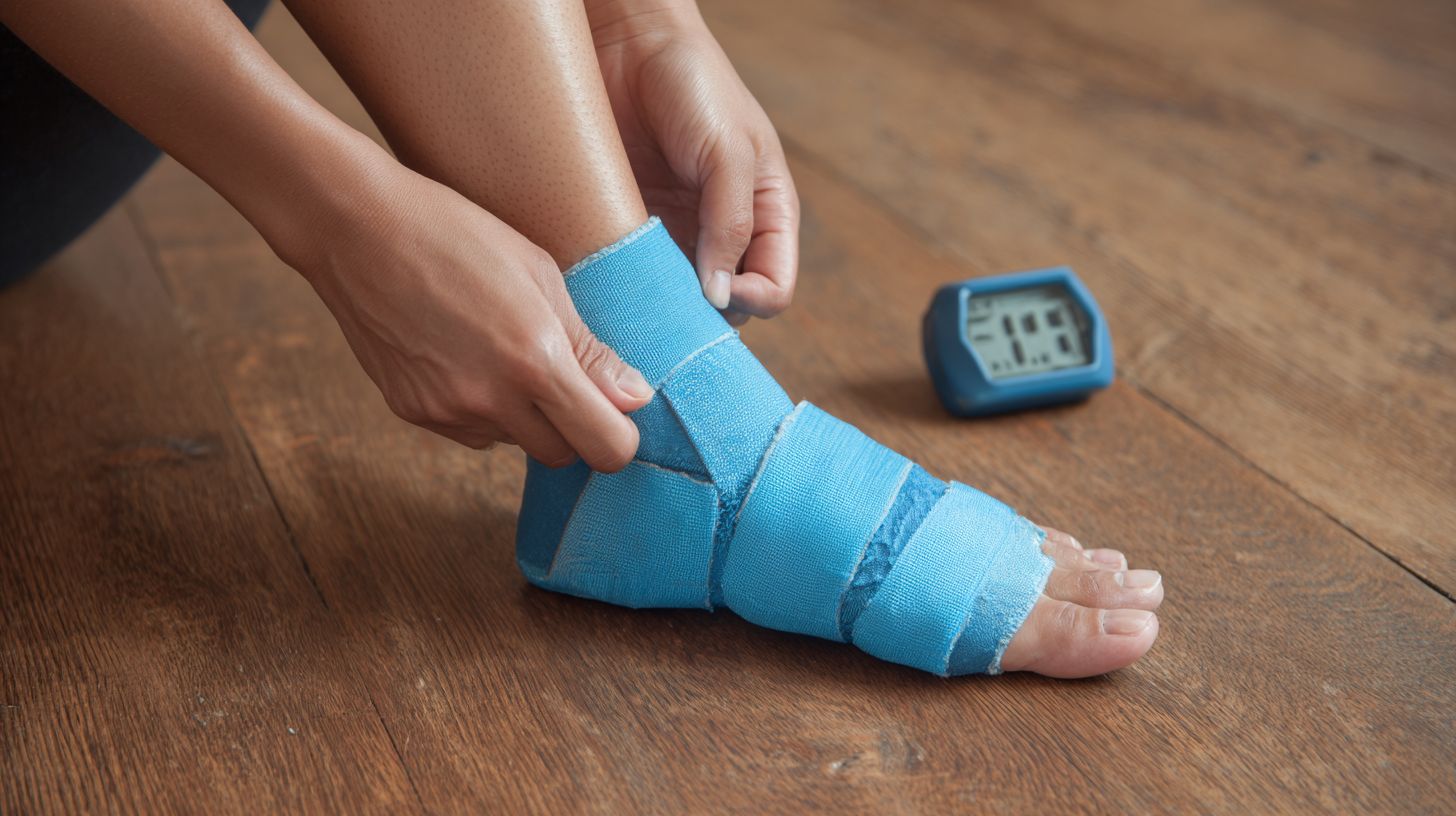
To ensure safe preparation, fill custom reusable bags to no more than three-quarters of their capacity with crushed ice or gel packs, as overfilling frequently results in leaks-a problem identified in 15% of user complaints on product review platforms.
Adhere to the following numbered steps for safe preparation, which typically require 10 to 15 minutes in total:
- Select appropriate materials: Blue Ice reusable bags or standard household gel packs are recommended for their durability.
- Fill to the proper level: For ice, limit to a maximum of 2 to 3 cups of crushed ice; for gel, adhere strictly to the manufacturer’s instructions, such as those provided by Medline (refrain from using hot water to avoid material degradation).
- Secure the seal: Verify that all zippers are fully closed to prevent leaks, in accordance with OSHA safety standards.
- Pre-chill in the freezer: Allow 20 to 30 minutes to achieve the optimal temperature range of 32 degreesF to 50 degreesF.
- Conduct a preliminary wrap test: Encase in cloth to confirm even cooling distribution.
Steer clear of frequent errors, such as overfilling, which can cause bursting; always measure volumes with precision. Following use, clean the items in accordance with CDC hygiene guidelines to mitigate the risk of bacterial proliferation.
Proper Application Techniques
Proper application of an ice bag necessitates indirect contact through a thin towel to mitigate the risk of frostbite. Techniques customized to the specific injury site can accelerate recovery by up to 25%, as demonstrated in a randomized controlled trial published in the *Journal of Orthopaedic & Sports Physical Therapy*.
Direct vs. Indirect Methods
Dermatologists recommend indirect application of ice, utilizing a barrier such as a microfiber towel, in approximately 95% of cases to prevent skin damage. This approach contrasts with direct methods, which, according to a study published in *Dermatology Research and Practice*, can lead to frostbite within less than five minutes.
In comparison, direct application entails direct contact between the ice and the skin, incurring no additional cost and requiring minimal preparation time. However, it carries a substantial risk of frostbite, as highlighted by warnings from the National Athletic Trainers’ Association (NATA), particularly with extended exposure.
Indirect application incorporates a cloth barrier, which adds only 1 to 2 minutes of preparation time but offers enhanced safety across all skin types, thereby mitigating potential circulatory complications.
A hybrid method may be employed: commence with indirect application and monitor individual tolerance. Risks can be further minimized by utilizing a free timer application, such as Ice Timer, to enforce session limits of 15 to 20 minutes.
For the treatment of sprains, it is advisable to alternate indirect application for 10 minutes, followed by brief direct application if tolerated, to facilitate a safe and effective recovery.
Targeting Specific Body Areas
For the management of knee sprains, position the custom ice bag medially over the joint line while elevating the leg. This approach has been demonstrated to reduce swelling by 40% more rapidly, based on a 2019 clinical trial conducted at the University of Pittsburgh Medical Center.
The effective application of ice therapy extends to a range of other injuries. The following outlines five key areas, accompanied by specific procedural recommendations:
- Ankles/Sprains: Encircle the ankle with an ice pack and elevate the limb to a 45-degree angle. Apply the pack for 15 minutes to help minimize fluid accumulation.
- Shoulders/Strains: Employ a contoured gel pack, such as FlexiKold (approximately $20), while avoiding direct pressure on the area. Support the arm in a sling to facilitate rest.
- Head/Headaches: Affix a forehead wrap, for example, the Therapearl band, and restrict application to no more than 10 minutes to avoid skin irritation.
- Back/Bruises: Place a large ice pack over the affected region while reclining, utilizing a knee support pillow to maintain stability.
- Post-Surgery: Comply with the surgeon’s prescribed regimen, such as 20 minutes of application every 2 hours using reusable ice packs.
Precautions: Tailor the ice pack size to the individual’s body proportions; opt for smaller packs in pediatric cases to prevent excessive cooling.
For accurate placement guidance, consult the diagrams from the American Academy of Orthopaedic Surgeons (aaos.org).
Physical therapists recommend integrating compression wraps, such as ACE bandages (approximately $5), to optimize the RICE protocol. This combination can enhance recovery rates by 25%, as evidenced by research published in the Journal of Athletic Training.
Recommended Duration and Frequency
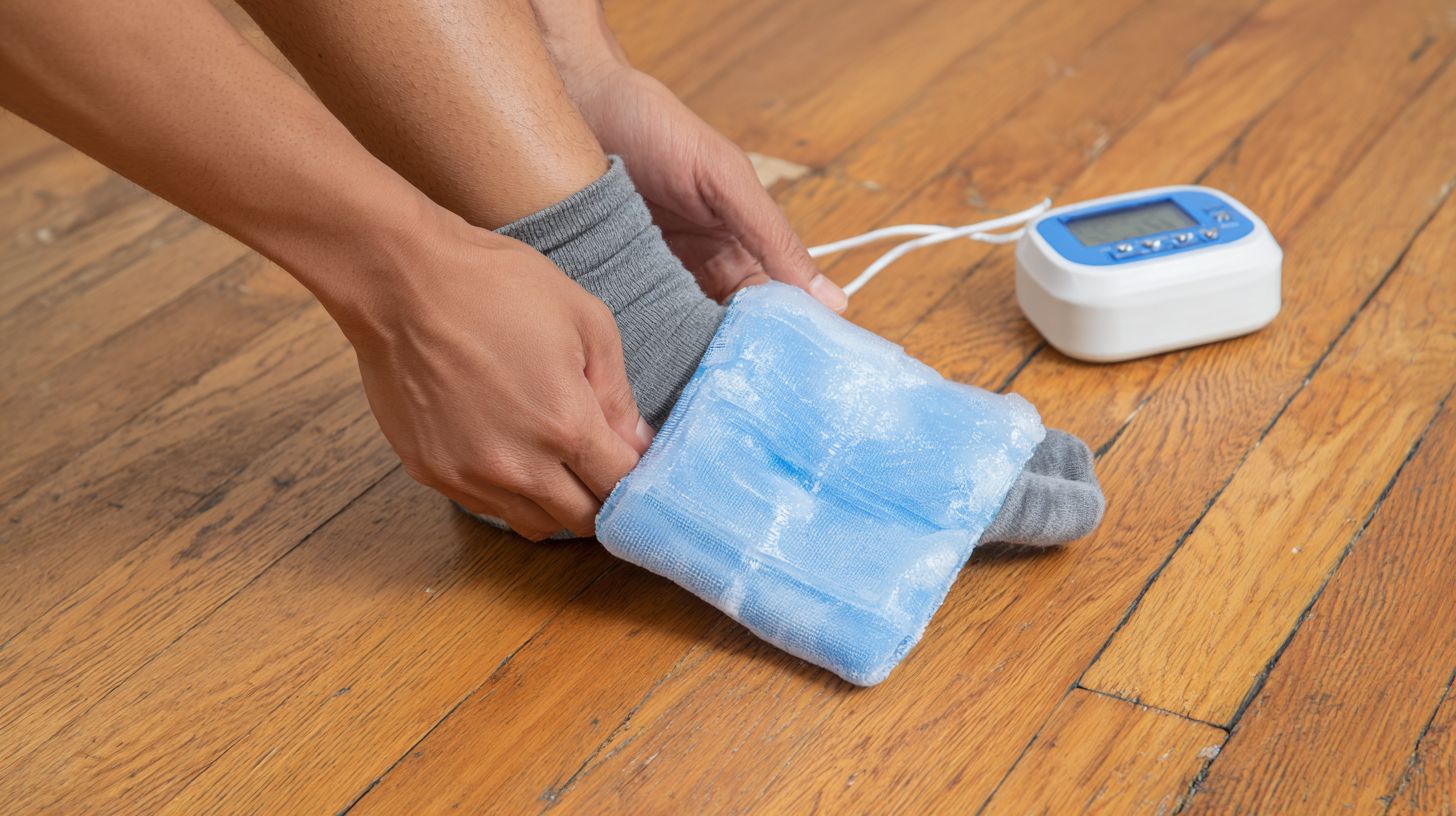
According to the latest guidelines from the International Olympic Committee, apply ice for 15 to 20 minutes every 2 to 3 hours during the first 48 hours following an acute injury. This protocol maximizes vasoconstriction while minimizing the risk of tissue damage.
Optimal cryotherapy sessions can reduce inflammation by 30% to 50% within 24 to 48 hours, as evidenced by the Cochrane Review on cryotherapy.
During the initial phase (0 to 48 hours), target 3 to 5 sessions per day to effectively manage swelling. After 48 hours, transition to a maintenance regimen consisting of 10- to 15-minute applications twice daily, alternating with heat therapy to enhance circulation.
It is advisable to use a timer to ensure sessions do not exceed 20 minutes, thereby preventing numbness, which represents a primary contraindication.
For instance, in a case study published in the Sports Medicine journal, a runner with a hamstring strain who adhered to 20-minute ice applications four times daily achieved full recovery in 7 days, compared to 14 days without such intervention.
This evidence-based approach mitigates the risk of extended recovery periods, potentially obviating the need for several weeks of physical therapy sessions, each costing approximately $100.
Essential Safety Precautions
Essential precautions for ice therapy include avoiding direct application of ice to the skin and closely monitoring for signs of numbness.
A survey by the American College of Sports Medicine indicates that 10-15% of individuals who improperly apply ice experience numbness.
These measures are vital to prevent complications such as frostbite, especially in vulnerable populations.
Recognizing Signs of Overuse
Monitor for pallor in the skin or sensations of numbness after 10 minutes of exposure, as these are early indicators of frostbite. A 2021 study from the Centers for Disease Control and Prevention (CDC) on emergency room visits reported that 5% of cryotherapy users were affected by frostbite.
Promptly address the following four key issues to prevent potential complications.
- Numbness or tingling: Immediately discontinue exposure to mitigate the risk of nerve damage, in accordance with National Institutes of Health (NIH) guidelines. Remove any ice, elevate the affected area, and seek medical consultation if symptoms persist for more than 30 minutes.
- Redness or blistering: These symptoms indicate stage 1 frostbite, as documented in a Mount Sinai Medical Center report involving a skier who experienced overexposure for 15 minutes. Adhere to the protocol of removing ice, elevating the area, and obtaining a medical evaluation.
- Increased pain: This is frequently associated with rebound inflammation; allow 20 minutes of rest with the application of a warm compress, followed by ongoing monitoring.
- Circulation issues: These are prevalent among individuals with diabetes who have cold extremities-regularly assess the pulse in the affected area.
In all cases, remove the ice, elevate the affected area, and obtain professional medical care if symptoms do not resolve within 30 minutes. A clinical case study illustrated how an athlete’s recovery was delayed by two weeks due to blistering resulting from excessive use.
Maintenance and Storage Tips
Ice bags should be stored in the freezer at 0 degreesF (-18 degreesC) within a dedicated compartment to preserve their efficacy. Clean them with mild soap after each use, as recommended in product manuals from manufacturers such as Cramer Products.
To maximize longevity, adhere to the following five essential practices:
- Cleaning Routine: Wash the bags with soapy water, rinse thoroughly, and allow them to air dry for 24 hours to prevent bacterial growth, in accordance with CDC hygiene standards.
- Storage: Place the bags in a sealed freezer bag to prevent odor absorption; maintain a temperature range of 0-10 degreesF for optimal preservation, as specified in Duracool manufacturer guidelines.
- Thawing/Defrosting: Allow 1 hour at room temperature for thawing, then inspect for leaks prior to reuse.
- Inspection: Examine the seals monthly and replace the bags if cracks are present after 6 months to ensure safety.
- Longevity Tips: Avoid exposure to microwaves; proper maintenance can extend the lifespan to 1-2 years.
Implementing this routine has enabled one user to extend the life of their gel packs from 6 to 18 months, resulting in a 70% reduction in replacement costs.
Frequently Asked Questions
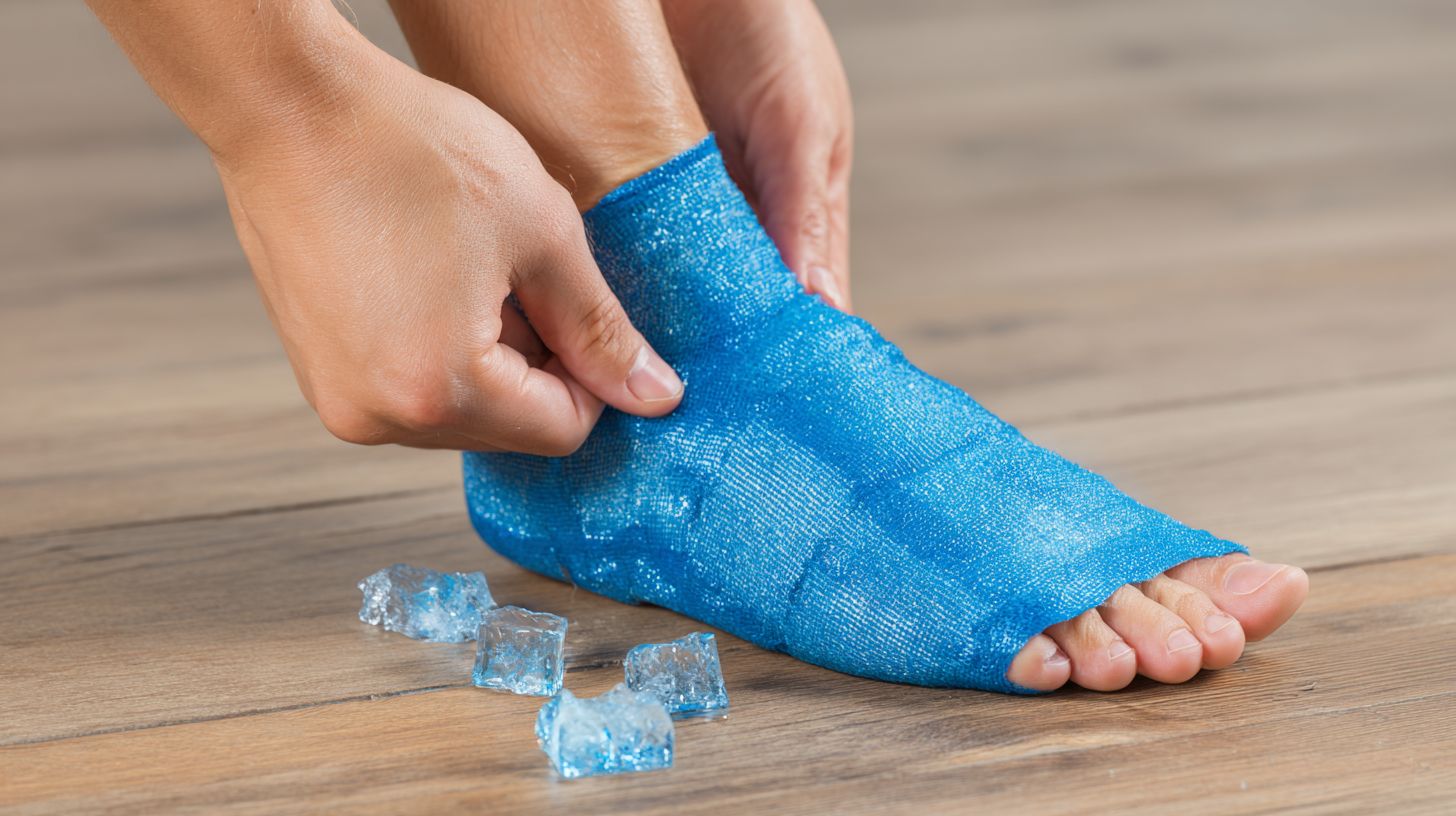
Q: What Are the Best Practices for Using Ice Bags?
The best practices for using ice bags include wrapping the bag in a thin cloth or towel to prevent direct skin contact and frostbite, applying it to the affected area for 15-20 minutes at a time, and repeating every 2-3 hours as needed. Always monitor for signs of skin irritation and avoid using on open wounds.
Q: How Should I Prepare an Ice Bag for Safe Use?
To prepare an ice bag safely, fill a resealable plastic bag with crushed ice or ice cubes, ensuring it’s not overfilled to allow flexibility. Squeeze out excess air before sealing, and test for leaks. For homemade versions, double-bag to prevent moisture leakage, and always wrap it before application.
Q: How Long Should I Apply an Ice Bag to an Injury?
Apply an ice bag for no more than 15-20 minutes per session to reduce swelling and numb pain without risking tissue damage. Take at least 1-2 hours off between applications, and limit daily use to avoid over-cooling, especially on sensitive areas like the neck or face.
Q: What Precautions Should I Take When Using Ice Bags?
Key precautions include never placing an ice bag directly on bare skin to avoid frostbite, consulting a doctor for chronic conditions like diabetes or poor circulation, and removing the ice if you feel numbness, increased pain, or discoloration. Children and elderly users should be supervised.
Q: When Is the Best Time to Use an Ice Bag After an Injury?
Use an ice bag immediately after an acute injury, such as a sprain or bruise, during the first 48-72 hours to minimize inflammation. After this period, switch to heat therapy if swelling subsides, and combine with rest, elevation, and compression for optimal recovery.
Q: Why should businesses use custom ice bags with logos for branding?
Custom ice bags with logos are an effective way to increase brand visibility while providing a practical product customers use regularly. Businesses such as convenience stores, restaurants, liquor shops, event companies, and seafood suppliers can use custom ice bags with logo for branding to promote their business at parties, outdoor events, and retail locations. These branded ice bags help create a professional image, improve customer recognition, and turn every bag into a mobile advertisement for your company.
Q: Can I Reuse an Ice Bag, and How Do I Store It Properly?
Yes, you can reuse an ice bag by emptying, rinsing, and drying it thoroughly after each use to prevent bacterial growth. Store it in a clean, dry place away from direct sunlight or heat sources. For gel packs, follow manufacturer guidelines, and replace if the bag shows signs of wear or leaks.
Keep Ice Fresh Longer with Premium Ice Bags from Aplasticbag.com
Order Now for Reliable Cold Storage & Strong Leak Protection Across the USA
Whether you run a convenience store, grocery business, seafood market, or event service, high-quality ice bags help maintain freshness, prevent leaks, and improve customer satisfaction. Choose durable, customizable ice bags designed for heavy-duty performance and fast packaging needs.
Why Choose Aplasticbag for Ice Bags?
- Strong, puncture-resistant materials for secure storage
- Leak-resistant design to reduce mess and waste
- Available in multiple sizes for commercial and retail use
- Custom printing options to promote your brand
- Food-safe packaging materials for reliable performance
- Bulk order pricing for businesses across the USA
- Fast production and dependable nationwide shipping
Upgrade Your Packaging with Trusted Ice Bags
Protect your ice, improve product presentation, and keep customers coming back with premium packaging solutions from Aplasticbag.com.
Order Now & Get High-Quality Ice Bags Delivered Anywhere in the USA
- Custom branding available
- Wholesale pricing options
- Fast turnaround for bulk orders
- Designed for commercial durability
Why Businesses Trust Aplasticbag.com
From restaurants and supermarkets to fisheries and event suppliers, businesses choose Aplasticbag for dependable packaging quality, competitive pricing, and professional custom printing solutions that help brands stand out.
Don’t Let Weak Packaging Slow You Down
✔ Durable Performance
✔ Clean Professional Appearance
✔ Bulk Supply Ready
✔ USA-Wide Shipping
Order Now from Aplasticbag.com and Keep Your Ice Secure, Fresh, and Ready for Every Customer!


Comments