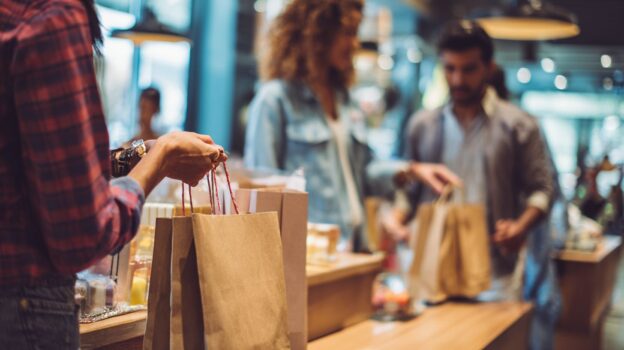
In the competitive retail landscape, a single custom merchandise bag can transform a routine purchase into a walking advertisement, capturing eyes and fostering loyalty. These versatile tools elevate branding, enhance presentation, and drive promotions while embracing sustainability. Discover how to integrate logos and eco-materials for maximum visibility, leverage giveaways for events, measure ROI, and implement best practices to boost your bottom line.
Branding and Visibility Benefits
Custom printed merchandise bags significantly enhance brand visibility by transforming everyday packaging into effective promotional tools that function as mobile advertisements. According to a 2022 report from Packaging World, 70% of consumers retain recall of brands associated with reusable bags even after one month.
Logo Integration and Design
To integrate your logo effectively, utilize professional design tools such as Canva Pro (priced at $12.99 per month) or Adobe Illustrator ($20.99 per month) for creating vector-based designs that maintain scalability and clarity on bags, similar to the prominent logo placement observed in Nike’s tote bags.
Subsequently, determine the optimal placement by sketching the logo in a front-center position, measuring approximately 4 inches by 4 inches for tote bags to maximize visibility. Select printing methods according to production volume: screen printing is ideal for orders exceeding 1,000 units, offering a cost of $0.50 per bag through providers like Printful, whereas digital printing is more suitable for smaller runs at approximately $2 per bag.
Generate test mockups using Vistaprint’s complimentary online tool to obtain realistic visualizations. To ensure accessibility compliance, adhere to Americans with Disabilities Act (ADA) standards by incorporating high-contrast color schemes, such as black on a white background.
In a notable example, an Etsy boutique operated by the seller ‘ThreadHaven’ reported a 30% increase in sales through the use of embroidery, which imparted a premium aesthetic, as documented in their 2022 review.
The following table provides a comparison of key printing methods:
Color and Material Choices
It is advisable to select colors such as Pantone 186 C red to convey energy in fashion retail applications, or earthy greens for eco-friendly brands. These colors should be paired with durable materials, such as 10oz canvas at $1.50 per bag wholesale, as demonstrated by Patagonia’s product designs.
When selecting appropriate materials, consider the following options for bulk orders of 500 units:
| Material | Cost per Unit (bulk 500) | Durability | Best For | Pros/Cons |
|---|---|---|---|---|
| Canvas | $1.50 | High | Totes | Pros: Reusable, eco-friendly; Cons: Heavier |
| Recycled Paper | $0.80 | Medium | Grocery Bags | Pros: Lightweight, biodegradable; Cons: Less reusable |
| Jute | $1.20 | High | Shopping Bags | Pros: Natural texture; Cons: Prone to fraying |
| Cotton | $2.00 | High | Fashion Items | Pros: Soft, versatile; Cons: Higher cost |
| Nylon | $1.00 | Very High | Travel Bags | Pros: Waterproof; Cons: Less sustainable |
To develop a cohesive brand palette, employ tools such as Coolors.co for generating harmonious color schemes, while ensuring that the colors complement the inherent tones of the selected materials. For example, pairing earthy greens with jute can create an organic and unified visual aesthetic.
A 2023 Consumer Reports study indicates that 60% of consumers prefer sustainable materials, such as recycled paper. This trend is reflected in Trader Joe’s reusable totes, which contribute to a 40% annual reduction in plastic waste.
Enhancing Packaging and Presentation
Custom bags enhance product presentation by providing structured alternatives, such as foldable totes equipped with compartments, thereby reducing packaging waste by 30%, according to a 2022 EPA report on retail sustainability.
These bags improve the unboxing experience by delivering a memorable and environmentally conscious reveal, while simultaneously increasing shelf appeal through distinctive designs that distinguish products in retail displays.
To optimize implementation, adhere to the following numbered recommendations:
- Select appropriate size variations, such as small 12×10-inch bags for gift items or large 16×14-inch bags for groceries, procured from Uline to ensure durability.
- Incorporate value-adding features, including reinforced nylon handles at an additional cost of $0.20, which enhance portability and elevate perceived product value.
- Integrate with display strategies by utilizing stackable rectangular bags to facilitate organized merchandising.
For example, Sephora’s scented drawstring bags resulted in a 15% increase in impulse purchases, as reported in a 2023 Nielsen retail study, due to the incorporation of sensory elements in the unboxing process.
Promotional and Marketing Uses
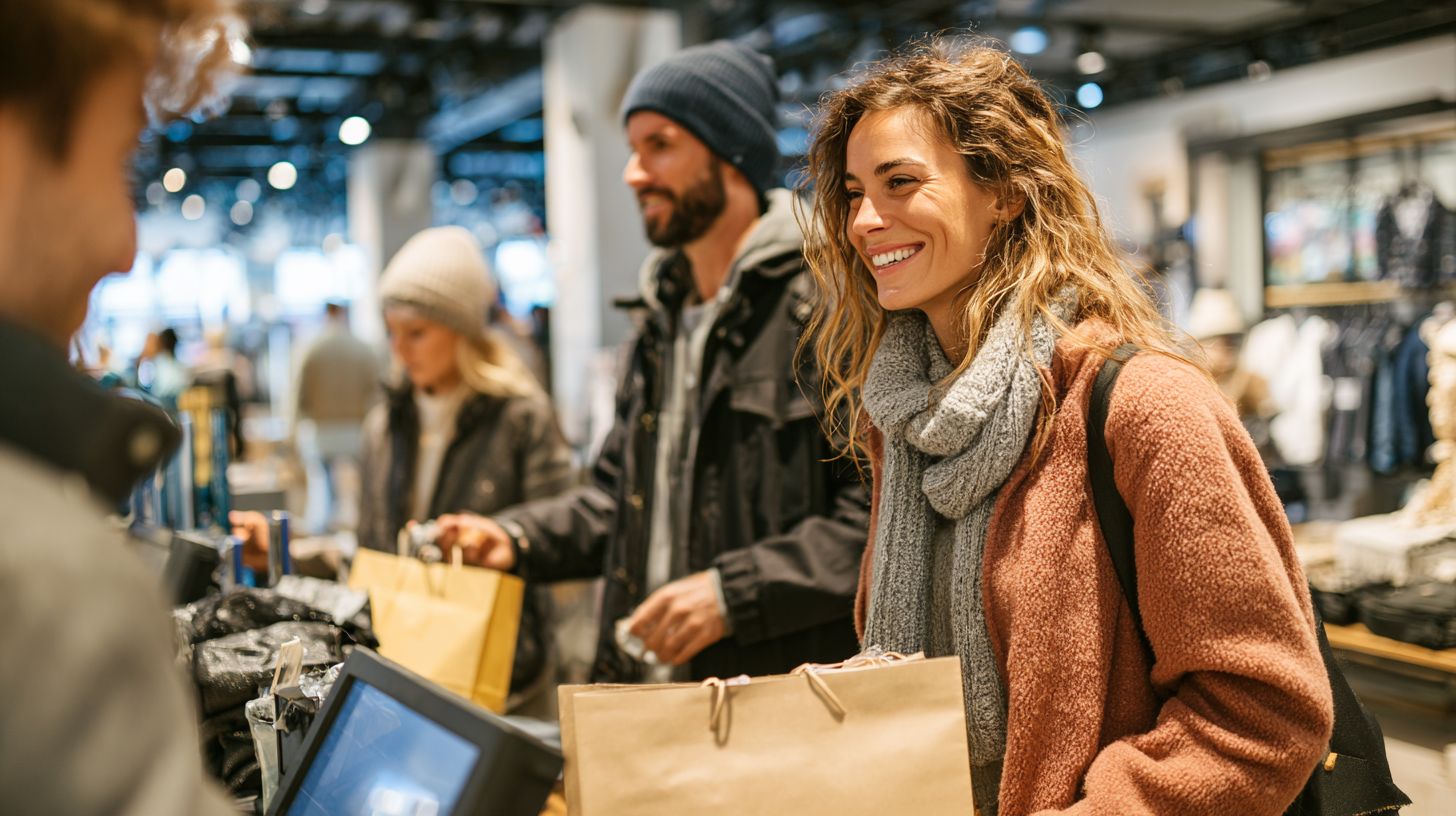
Utilize customized bags in promotional initiatives, such as trade show giveaways, where a 2023 Event Marketer survey indicates that 80% of attendees retain branded items, thereby enhancing long-term return on investment for marketing efforts.
Giveaways and Events
Distribute logo-printed canvas totes at events through reputable suppliers such as 4imprint ($5 per bag for orders of 100 units), as exemplified by Coachella’s initiative in 2023, which reached 125,000 attendees and achieved a 20% increase in social media mentions.
To maximize the impact of such distributions, implement the following four strategies:
- Develop limited-edition bags for flash sales, such as holiday-scented drawstring variants available at $2.50 per unit from Alibaba suppliers.
- Integrate them into loyalty programs by offering a complimentary tote after a $50 expenditure, thereby encouraging repeat customer visits.
- Employ backpack-style versions ($8 per unit through Vistaprint) at trade shows to facilitate the transport of promotional swag.
- Collaborate with environmentally focused events, supported by a 2022 Nielsen study indicating that branded reusable items enhance brand recall by 28%.
The implementation process entails selecting an appropriate supplier, placing bulk orders (with a minimum of 250 units to achieve a 20% cost reduction), and monitoring distribution through QR-coded tags to capture engagement metrics. For instance, a pop-up shop’s reusable bag giveaway, according to internal performance data, resulted in a 35% increase in foot traffic.
Customer Loyalty and Experience
Custom bags promote customer loyalty by enhancing the personalization of the shopping experience.
According to a 2023 study by Loyalty360, 65% of customers are more inclined to return when provided with branded reusable items, such as personalized totes.
To implement this approach effectively, consider the following actionable strategies, drawing inspiration from Lululemon’s tote rewards program, which increased repeat visits by 25%.
- Incorporate them as incentives in referral programs: Reward customers with a custom tote after they complete three referrals through the Smile.io app. Each bag costs $10, yet it can elevate customer lifetime value by $50.
- Integrate them into the checkout process: Offer insulated totes for groceries at a unit price of $3, thereby encouraging impulse purchases while minimizing plastic consumption.
- Extend them as VIP perks: Include embroidered personalization for an additional $1, fostering a sense of value among members.
To evaluate return on investment, monitor retention rates, which typically show a 20-30% improvement within six months, as indicated by Forrester Research data.
Sustainable and Eco-Friendly Applications
It is recommended to select biodegradable paper bags from suppliers such as EcoEnclose ($0.80 per unit), which comply with the European Union’s 2021 Single-Use Plastics Directive prohibiting non-recyclable alternatives and thereby reduce the retail carbon footprint by 40%.
These may be supplemented with jute totes ($2.20 per unit, 100% biodegradable) for handling heavier loads or GOTS-certified organic cotton bags to enhance premium appeal. As noted in the World Wildlife Fund’s 2022 report, bans on plastic bags have increased global sales of eco-friendly bags by 50%.
To facilitate implementation:
- Conduct an audit of current packaging to assess plastic usage.
- Transition to bulk orders of reusable options (minimum 500 units) from suppliers such as EcoEnclose.
- Promote the initiative through in-store signage that emphasizes sustainability benefits.
For example, IKEA’s reusable bag program has successfully eliminated 1 million plastic units annually, demonstrating the potential for scalable environmental impact.
Cost-Effectiveness in Retail
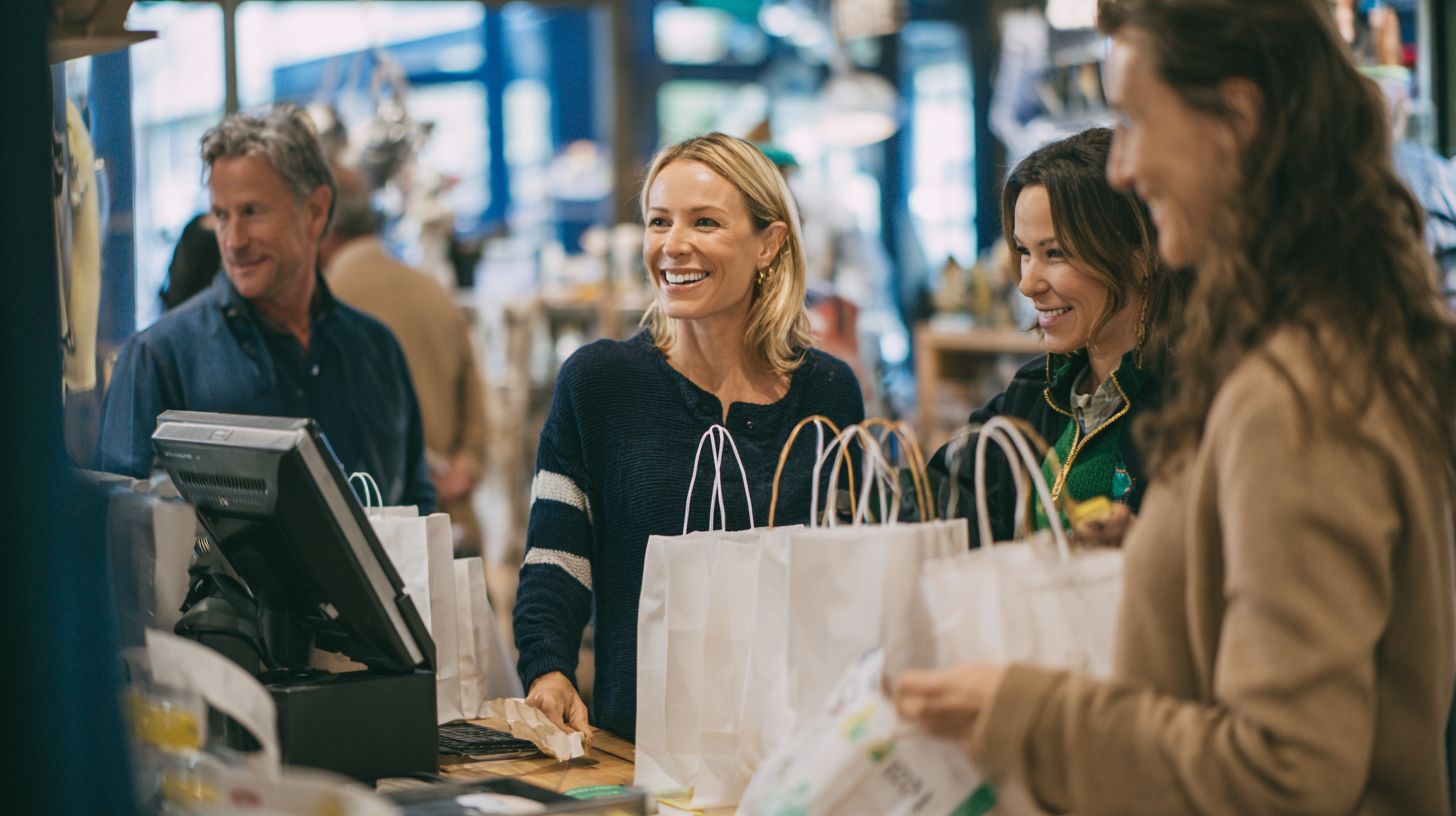
Investing in custom bags at $1-$3 per unit in bulk from Alibaba can yield up to a 5x return on investment through effective branding, as demonstrated by a 2023 Retail Dive analysis focused on small boutiques.
| Type | Bulk Price (500 units) | Savings vs Standard | Break-even Point |
|---|---|---|---|
| Reusable Tote | $1.20 | 40% over plastic | 200 uses |
| Canvas Tote | $2.50 | 30% over paper | 150 uses |
| Eco Jute Bag | $3.00 | 50% over disposable | 300 uses |
A grocery store achieved annual savings of $5,000 by transitioning to wholesale canvas bags through Bagmasters, according to their case study.
To optimize return on investment, it is advisable to negotiate with suppliers for discounts of up to 20% and to account for product longevity-reusable bags typically endure more than 100 uses.
Adhering to Small Business Administration (SBA) guidelines on cost management for small businesses, which advocate bulk purchasing to reduce expenses by 25-50% via volume agreements, is recommended.
Measuring Impact and ROI
To assess the impact of branded bags, implement Google Analytics UTM tags on QR-coded bags. According to a 2022 Forrester report on experiential marketing, this approach has demonstrated a 15-20% increase in website traffic.
To evaluate overall success, adhere to the following step-by-step metrics framework:
- Establish key performance indicators (KPIs), such as brand recall measured through post-event surveys (targeting a 30% recall rate) and redemption rates.
- Employ tools like SurveyMonkey (priced at $25 per month) for collecting feedback, and utilize unique promotional codes to monitor redemptions within customer relationship management (CRM) systems.
- Compute return on investment (ROI) using the formula: (Revenue generated from the loyalty program – Cost of bags) / Total costs. For instance, $10,000 in revenue from $2,000 in bags results in a 4x ROI.
A case study from a fashion retailer indicates that event bags contributed to a 12% increase in sales, as documented in their internal 2023 data, thereby substantiating the efficacy of these strategies.
Best Practices for Implementation
To implement this approach effectively, select suppliers such as Custom Ink, which offer rapid turnaround times of 7-10 days, and initiate production with orders of 300 units to evaluate design performance. This strategy aligns with best-in-class benchmarks, targeting a 90% customer satisfaction rate.
To optimize your strategy further, adhere to the following key practices:
- Conduct thorough vetting of suppliers by reviewing feedback on platforms like ThomasNet, prioritizing those with ratings of at least 4.5 stars.
- Pursue iterative customization via A/B testing of two designs on platforms such as 99designs, with an approximate cost of $299.
- Incorporate sustainability measures by utilizing recycled materials and promoting these initiatives through targeted email campaigns.
- Stay abreast of market trends, including the 2024 transition toward wheeled bags in e-commerce, as highlighted by Retail TouchPoints.
- Scale operations based on data analytics, making adjustments if engagement metrics decline by 10% or more.
- Monitor key performance indicators, such as repeat purchase rates, to drive continuous optimization.
For example, one boutique’s implementation of seasonal scented bags resulted in a 22% increase in loyalty program sign-ups, according to industry reports.
Frequently Asked Questions
Q: What Are the Best Uses of Custom Merchandise Bags for Retail?
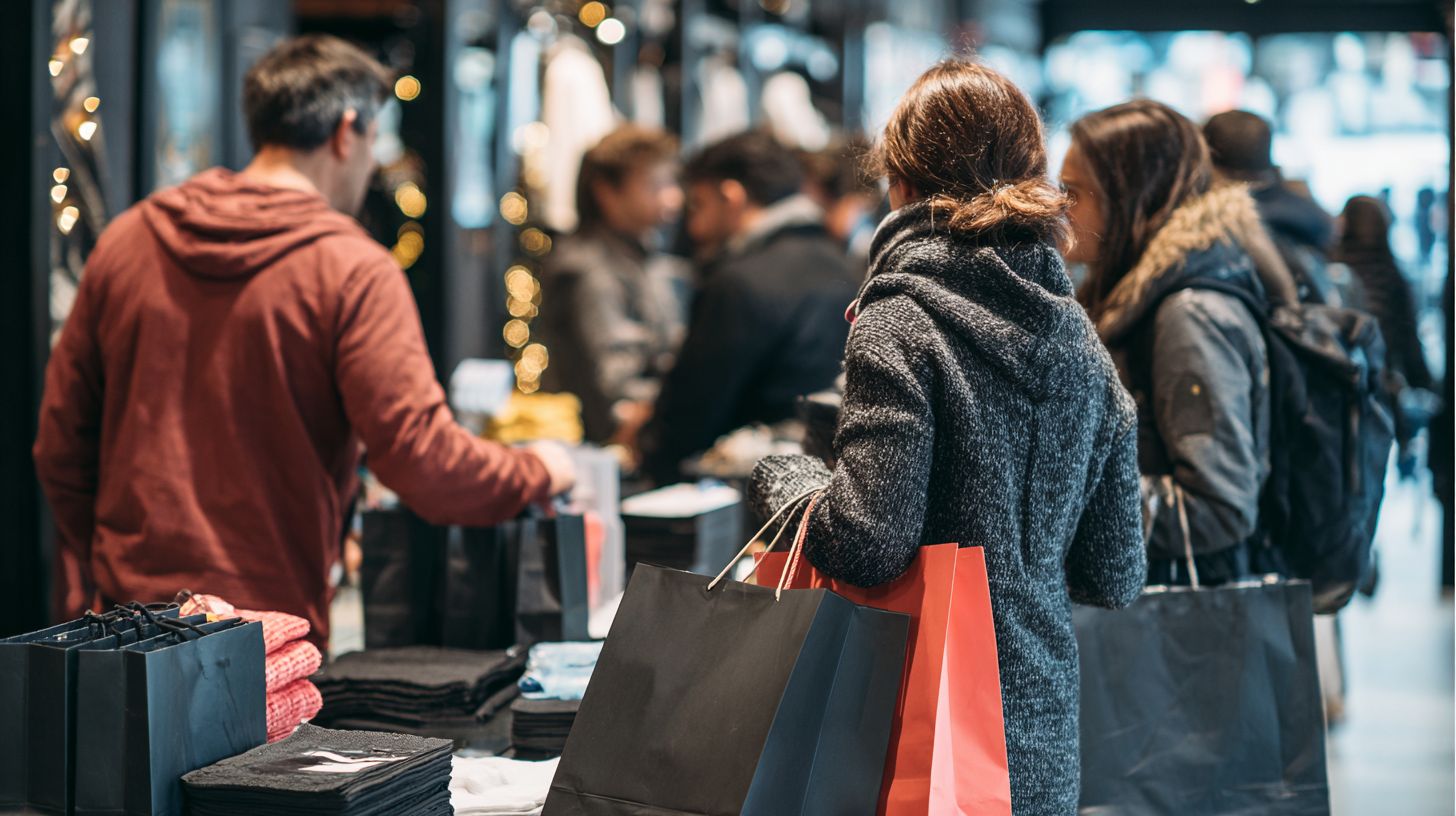
Custom merchandise bags are versatile tools in retail, ideal for packaging products to enhance customer experience and brand promotion. The best uses include carrying purchases home, serving as walking advertisements with branded designs, gifting for special occasions, organizing in-store displays, and even as promotional giveaways at events to boost visibility and loyalty.
Q: How do custom merchandise bags improve customer satisfaction in retail settings?
Custom merchandise bags elevate the shopping experience by providing durable, stylish packaging that protects items during transport. What Are the Best Uses of Custom Merchandise Bags for Retail? They make customers feel valued through personalized touches like logos or seasonal themes, encouraging repeat visits and positive word-of-mouth recommendations.
Q: What materials are recommended for custom merchandise bags in retail?
For retail applications, eco-friendly options like recycled paper or reusable fabric are top choices for custom merchandise bags. What Are the Best Uses of Custom Merchandise Bags for Retail? These materials align with sustainability trends, offer strength for various product weights, and allow for vibrant printing to showcase branding effectively.
Q: Can custom merchandise bags help with retail marketing strategies?
Absolutely, custom merchandise bags act as mobile billboards when customers carry them out. What Are the Best Uses of Custom Merchandise Bags for Retail? They’re perfect for targeted campaigns, such as limited-edition designs for sales events, increasing brand recall and foot traffic through subtle, everyday exposure.
Q: How to choose sizes for custom merchandise bags in retail operations?
Select sizes based on your product range-small for accessories, medium for apparel, and large for bulkier items. What Are the Best Uses of Custom Merchandise Bags for Retail? This ensures practicality, reduces waste, and improves the unboxing feel, making them essential for efficient checkout and customer convenience.
Q: Are custom merchandise bags suitable for seasonal retail promotions?
Yes, they’re highly effective for holidays or sales by featuring thematic prints. What Are the Best Uses of Custom Merchandise Bags for Retail? They create excitement, differentiate your store from competitors, and encourage impulse buys, turning a simple bag into a memorable part of the promotional experience.
Why Choose APlasticBag for Custom Merchandise Bags?
Turn every purchase into a branding opportunity with premium custom merchandise bags from APlasticBag. Designed for durability, style, and maximum brand visibility, our bags help retailers across the USA create memorable customer experiences while promoting their business long after the sale.
Order Now from APlasticBag and discover why businesses nationwide trust us for high-quality, fully customizable packaging solutions. With competitive pricing, fast turnaround times, and exceptional customer service, we make it easy to elevate your brand with packaging that stands out.
Choose APlasticBag—where quality meets customization. Order now and give your retail brand the professional edge it deserves.

 Why Are Custom Merchandise Bags Essential for Brand Promotion?
  How Die Cut Merchandise Bags Enhance Packaging and Brand Visibility
  The Ultimate Guide to Choosing the Right Custom Merchandise Bags for Your Business
Comments