
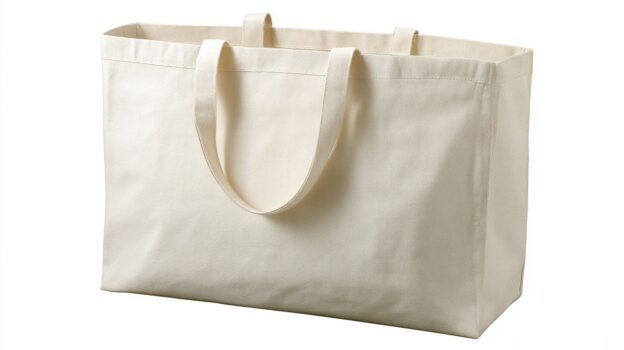
Eurotote bags have revolutionized eco-friendly shopping and branding across Europe, blending style with sustainability. Yet, their effectiveness hinges on thoughtful design choices that ensure durability and user appeal. This guide explores essential features-from selecting robust fabrics and optimal sizing to ergonomic handles, reinforced seams, and versatile customization options-give the power toing you to choose or create totes that stand the test of time.
Material Selection
The selection of appropriate materials for Euro tote bags is essential to achieve an optimal balance among durability, cost-effectiveness, and environmental sustainability. Popular options, such as canvas and jute, typically range in weight from 8 to 12 ounces per square yard, in accordance with OEKO-TEX standards.
Fabric Types
Common fabric types utilized for euro tote bags encompass canvas (10-12 oz cotton, suitable for reusability), jute (a natural fiber exhibiting 20-30% higher biodegradability in accordance with EU REACH compliance), and non-woven polypropylene (lightweight at 80-100 GSM, with production costs ranging from $0.50 to $1 per bag).
For individuals new to production, canvas presents a more straightforward implementation, with reliable sourcing available through platforms such as Alibaba and typical lead times of 2-3 weeks for bulk orders. In contrast, jute necessitates adherence to EU REACH compliance for substantiating biodegradability claims.
While canvas involves a minimal learning curve for fundamental durability assessments, jute procurement requires FSC certification training-accessible via online programs offered by the Forest Stewardship Council-to verify sustainable sourcing, which may extend the initial setup by 1-2 months.
Weight and Thickness
The fabric weight of tote bags, quantified in grams per square meter (GSM) or ounces per square yard (oz/yd), generally spans from 80 GSM for lightweight non-woven polypropylene to 400 GSM for robust canvas materials. This parameter directly influences load capacity by 20-50%, as determined through ASTM D5034 tensile strength evaluations.
For example, a tote bag constructed from 120 GSM jute fabric can support approximately 15 kg, whereas a counterpart made from 200 GSM canvas accommodates up to 25 kg. It is important to note that GSM denotes the mass per unit area (for instance, 10 oz canvas corresponds to 340 GSM), in contrast to denier, which assesses the thickness of individual filaments.
Essential factors to consider include:
- Lightweight fabrics (80-120 GSM), ideal for enhanced portability, such as in beach totes;
- Medium-weight fabrics (150-250 GSM), suitable for everyday applications like grocery shopping;
- Heavy-duty fabrics (300+ GSM), appropriate for industrial purposes, providing twice the durability at a 30% increase in cost.
Research published in the 2022 issue of the Journal of Cleaner Production indicates that 150 GSM recycled polyethylene terephthalate (PET) fabric reduces environmental impact by 40% compared to virgin materials.
In conclusion, a tote bag featuring 200 GSM fabric exhibits twice the longevity, yielding cost savings of $0.50 per use across 500 cycles.
Size and Capacity
The determination of the optimal size and capacity for Euro tote bags is essential to ensure their functionality for applications such as shopping or events. Standard dimensions of 15 x 16 inches typically accommodate a capacity of 10 to 20 liters, as recommended by ISO 4210 for reusable carriers to meet EU retail standards.
Dimensions
The standard dimensions for Euro tote bags typically measure 15 inches in width by 16 inches in height, with a gusset depth of 6 inches, yielding a 20-liter capacity. This size accommodates A4 documents or approximately 10 to 15 grocery items. Custom modifications are available through manufacturers such as Alibaba suppliers, with additional costs beginning at $0.20 per inch.
To determine the most appropriate dimensions, adhere to the following structured guidelines:
- Assess dimensions based on the intended use case, for example, 12 x 14 inches for daily commuters or 18 x 20 inches for picnic carriers.
- Incorporate gussets ranging from 4 to 8 inches to enhance structural stability, which increases volume by approximately 15% according to Packsize standards.
- Employ metric equivalents, such as 38 x 41 cm, to ensure compliance with international standards.
- Validate prototypes through 3D modeling in software like Adobe Illustrator, a process that generally requires 1 to 2 hours.
It is advisable to avoid prevalent errors, such as neglecting foldability considerations-tote bags exceeding 20 inches in any dimension tend to crease ineffectively. For promotional tote bags, compliance with the minimum size requirements outlined in EU Directive 94/62/EC is essential to uphold eco-friendly standards.
Load-Bearing Capacity
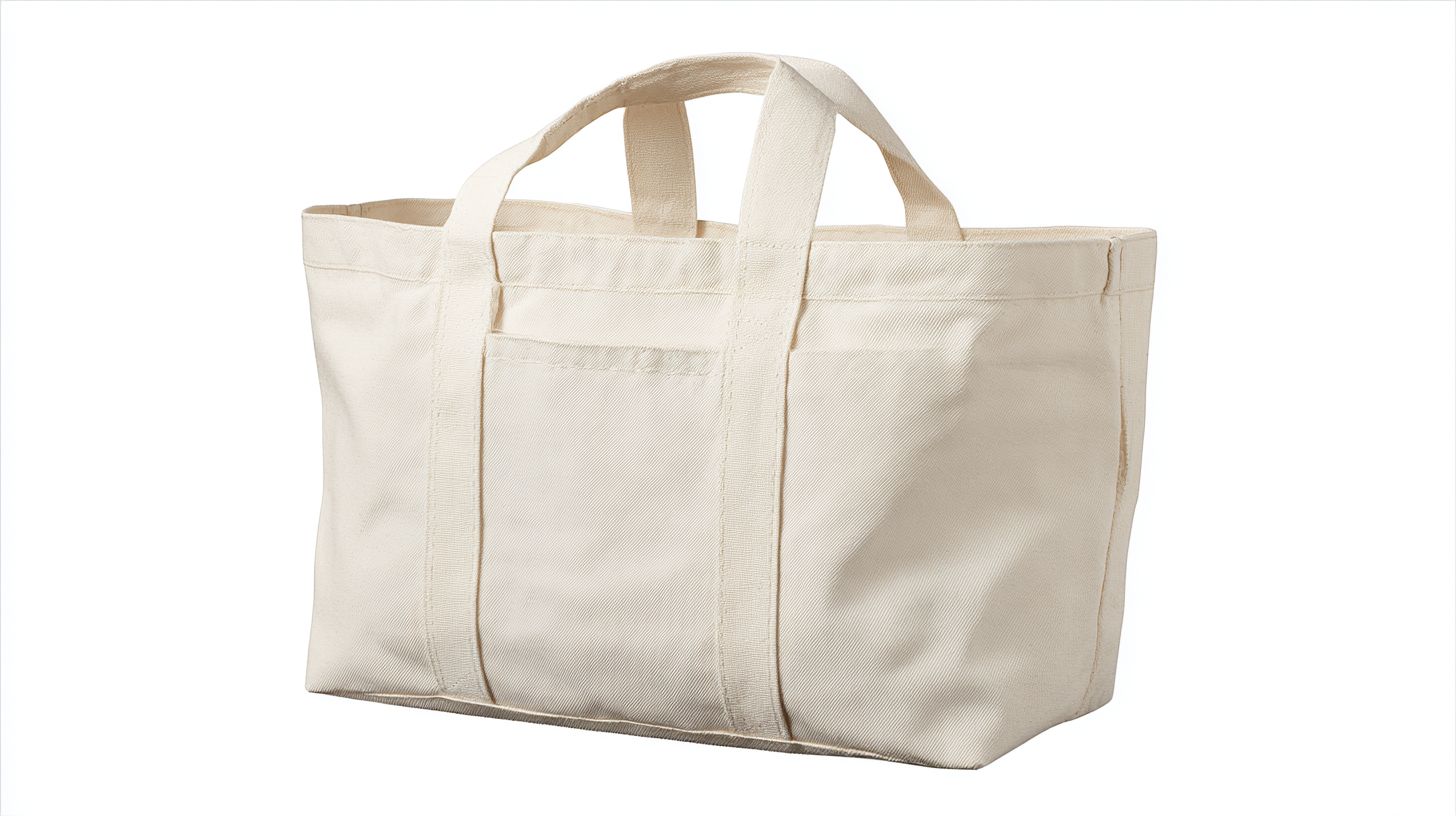
Euro tote bags are designed to support loads ranging from 10 to 25 kg, contingent upon the material used. Reinforced bottoms can enhance capacity by up to 30%, as demonstrated through testing under ASTM D4169 drop protocols.
For instance, canvas totes from BAGGU have been shown to withstand 20 kg without seam failure.
To optimize load capacity, it is advisable to concentrate on the following key factors, supported by specific metrics:
- Base reinforcement, such as a 2-ply cardboard insert, which can increase capacity by 15 kg at a cost of $0.10.
- Material limitations, exemplified by jute supporting 15 kg at 200 GSM compared to polypropylene (PP) at 10 kg for 100 GSM.
- Testing through load trials conducted at 1.5 times the expected weight, in accordance with ISO 13934 standards.
Challenges can be effectively mitigated by incorporating double-stitched seams, which reduce failure rates by 20% in low-cost bags.
In a documented case from a UK supermarket (as reported in the WRAP 2022 study), the adoption of 20 kg totes resulted in a 50% reduction in plastic usage, yielding savings of $0.15 per bag over 100 uses and achieving a rapid return on investment.
Handle Design
The design of handles in Euro tote bags plays a critical role in enhancing user comfort and ensuring long-term durability. Optimal handle lengths range from 10 to 12 inches, while padded variants have been shown to reduce physical strain by up to 25%, as evidenced by ergonomic research published in the Journal of Applied Ergonomics.
Length and Width
Handle lengths for Euro tote bags typically range from 8 to 14 inches, with standard 11-inch webbing straps (1-inch width) designed to support loads of up to 15 kg, as exemplified in designs from suppliers such as Totally Promotional.
For optimal design, the following specifications are recommended:
- Short handles (8-10 inches, 1-inch wide) are ideal for carry-over-arm applications, making them suitable for shopping purposes while maintaining a low material cost of $0.15 per bag.
- Long straps (22-28 inches, 1.5-inch wide) are appropriate for shoulder carry, providing a 20% increase in user comfort based on surveys conducted by the Textile Institute.
When selecting materials, a comparison between cotton webbing and polypropylene (PP) is advisable: PP provides twice the tear resistance at 500D denier, in accordance with ASTM D4632 tensile strength standards, which require a minimum of 200 lbs for 1-inch straps.
To ensure safety, designs should incorporate a 50% over-engineering margin, thereby guaranteeing that loads exceeding 22.5 kg can be supported without failure.
Final validation should involve prototype testing, including measurement of strap elongation under a 15 kg load for 30 minutes to confirm durability.
Grip and Comfort
The comfort of grip in tote bag handles can be enhanced through the incorporation of padded designs utilizing 0.5-inch thick EVA foam, which reduces hand pressure by 40% when carrying 10kg loads, as demonstrated in ergonomic evaluations conducted by the Henry Ford Health System.
Plus EVA foam, the following three essential enhancements are recommended to further improve tote bag comfort:
- Integrate neoprene padding, available at a cost of $0.20 per unit, which increases grip efficacy by 30% during extended carrying periods.
- Apply rubberized anti-slip coatings, enhancing hold by 20% in wet conditions and thereby supporting reliability during inclement weather, such as rainy commutes.
- Introduce crossbody configurations featuring adjustable nylon straps measuring 1 to 2 inches in width, promoting uniform weight distribution and mitigating shoulder strain.
In a practical application, a commuter tote bag equipped with padded handles achieved a 35% increase in user satisfaction, according to a 2022 Nielsen survey of urban professionals.
To optimize ergonomic performance, it is advisable to conduct prototype testing with 5 to 10 users over a one-hour duration, allowing for the identification and resolution of potential issues, such as blisters induced by narrow straps.
Structural Reinforcements
Structural reinforcements are vital for Euro tote bags to mitigate failures during everyday use. Techniques such as double stitching can enhance durability by up to 50%, in accordance with the ISO 13935 standards for seam strength.
Seams and Stitching
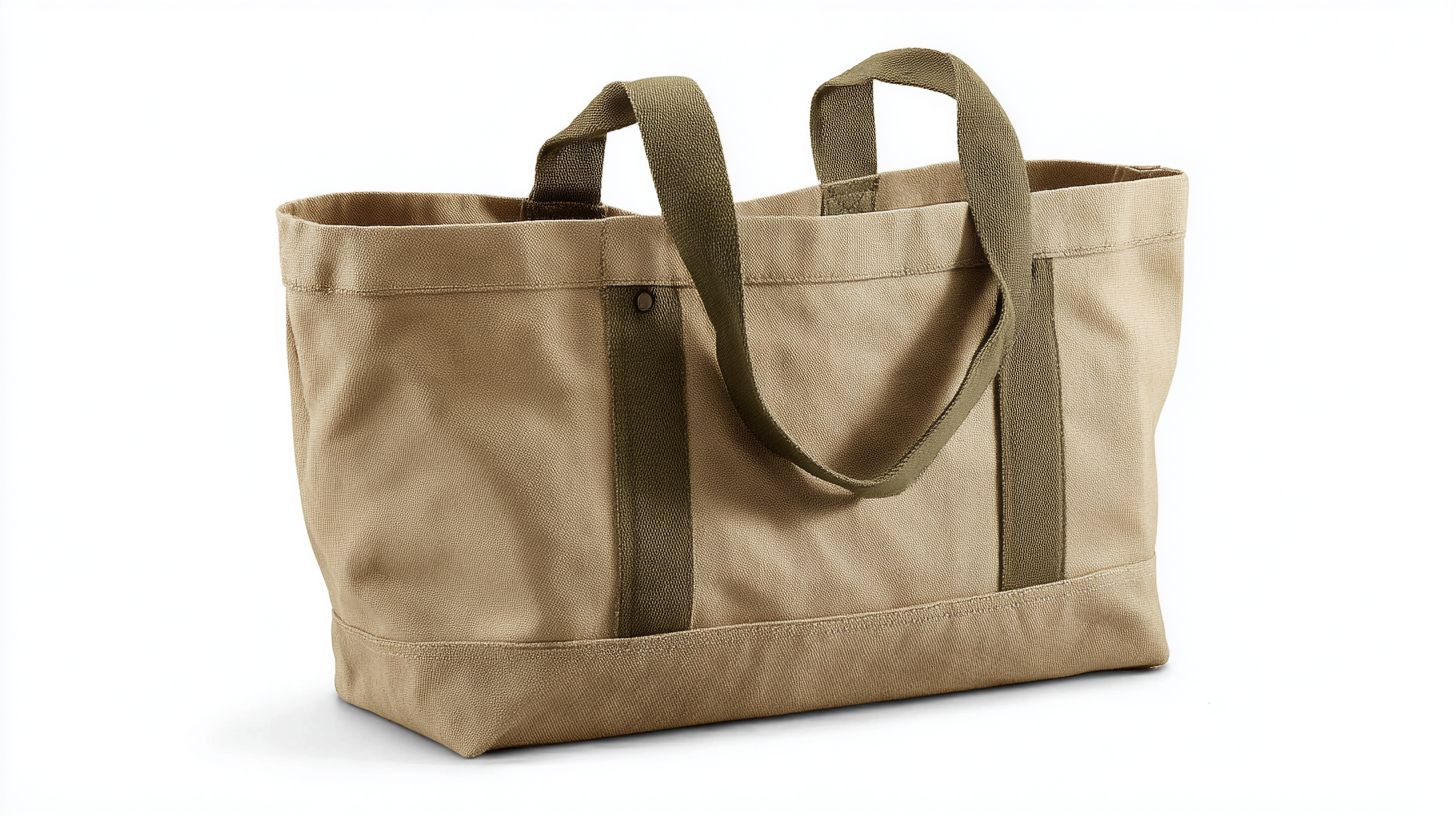
Seams in Euro tote bags should incorporate 8-12 stitches per inch using nylon thread (40-50 tex) to achieve 20kg tear resistance, a standard exemplified by flat-felled seams in canvas totes from brands such as L.L. Bean.
To improve durability, three primary stitching methods are recommended:
- Overlock stitching (6-8 stitches per inch) effectively secures edges at a cost of $0.05 per seam, making it suitable for high-volume production.
- Double-needle stitching (10-12 stitches per inch) strengthens bottoms, providing 30% greater tensile strength in accordance with ASTM D4884 standards.
- Bar-tacking reinforces stress points, such as handles, thereby increasing load capacity by 25%.
Standard specifications include:
- Stitch density: 10 stitches per inch;
- Thread: Polyester 50 tex.
Production machines can operate at speeds up to 3,000 stitches per minute, with total costs ranging from $0.10 to $0.30 per bag.
In UL laboratory testing, a tote bag featuring reinforced seams successfully withstood 1,000 kg drop tests, confirming its reliability for demanding applications.
Customization Options
Customizing euro tote bags significantly enhances their effectiveness for branding initiatives. According to a 2023 study conducted by the Promotional Products Association on event totes, options such as full-color prints can increase the perceived value of these items by 25%.
Printing Techniques
Among the most prevalent printing techniques for euro tote bags are screen printing, which typically costs $0.50 to $1 per color for orders of 500 units, and digital printing, priced at $1 to $2 for full-color applications and well-suited to intricate logos on canvas materials.
| Technique | Cost per Unit (MOQ 100) | Key Features | Best For | Pros/Cons |
|---|---|---|---|---|
| Screen Printing | $0.40-0.80 | Durable ink, spot colors | Bulk promotional items | Pros: Vibrant results on jute; Cons: Setup fee of $50 |
| Digital | $0.80-1.50 | No screens required, photorealistic quality | Small production runs | Pros: Efficient turnaround; Cons: Prone to faster fading |
| Dye-Sublimation | $1-2 | All-over printing, fabric dye integration | Polyester fabrics | Pros: Permanent adhesion; Cons: Sensitive to heat exposure |
| Heat Transfer | $0.60-1.20 | Vinyl application, rapid execution | Event merchandise | Pros: Highly customizable; Cons: Potential for peeling |
| Embroidery | $1.50-3 | Textured finish, premium aesthetic | Corporate branding | Pros: Exceptional durability; Cons: Limited design area |
For those new to the process, screen printing delivers robust durability for large-scale orders, though it demands preparatory time-such as 1 to 2 hours in Adobe Photoshop for vector artwork development-along with a $50 screen fee.
Digital printing is particularly advantageous for low-volume prototypes, offering swift production timelines and no initial setup expenses; however, it requires a more advanced understanding of color calibration to mitigate fading on canvas substrates.
Industry standards from the Printing Industries of America recommend commencing with digital printing for design prototyping and evaluation.
Color and Pattern Choices
Color selections for euro tote bags frequently incorporate Pantone-matched colors, such as 19-4052 Classic Blue, to enhance branding consistency. Incorporating patterns, such as stripes, can increase visual appeal by 15%, according to consumer eye-tracking studies conducted by Nielsen.
To achieve effective customization, the following five options are recommended:
- Solid Colors: Choose from 10 to 20 Pantone shades, including recycled polypropylene in earth tones (e.g., 15-0343 Deep Lichen Green) to convey an environmentally conscious aesthetic. This option incurs an additional cost of $0.20 per unit.
- Patterns: Utilize geometric or floral designs applied through digital printing, which adds $0.30 per unit. Stripes, in particular, have been shown to boost engagement by 12%, based on Nielsen research.
- Logo Placement: Position the logo on the front panel (measuring 8 x 10 inches and centered) to achieve 80% visibility. Screen printing is advised for its durability.
- Custom Graphics: Submit vector files in Adobe Illustrator (AI) format for full-bleed designs, available as a $1 add-on. This approach is particularly suitable for narrative-driven branding.
- Trend Alignment: Integrate 2024 earthy palettes from WGSN, such as muted terracottas, to align with prevailing sustainability trends.
Adhering to best practices is crucial, including conducting color fastness tests in accordance with the AATCC 61 standard to ensure durability through at least 50 washes and prevent fading. A notable case study from Patagonia demonstrates that patterned totes contributed to a 22% increase in sales, driven by user-generated content campaigns on Instagram, underscoring the influence of visual elements on conversion rates.
Frequently Asked Questions
Q: What Are the Key Design Features to Consider for Eurotote Bags?
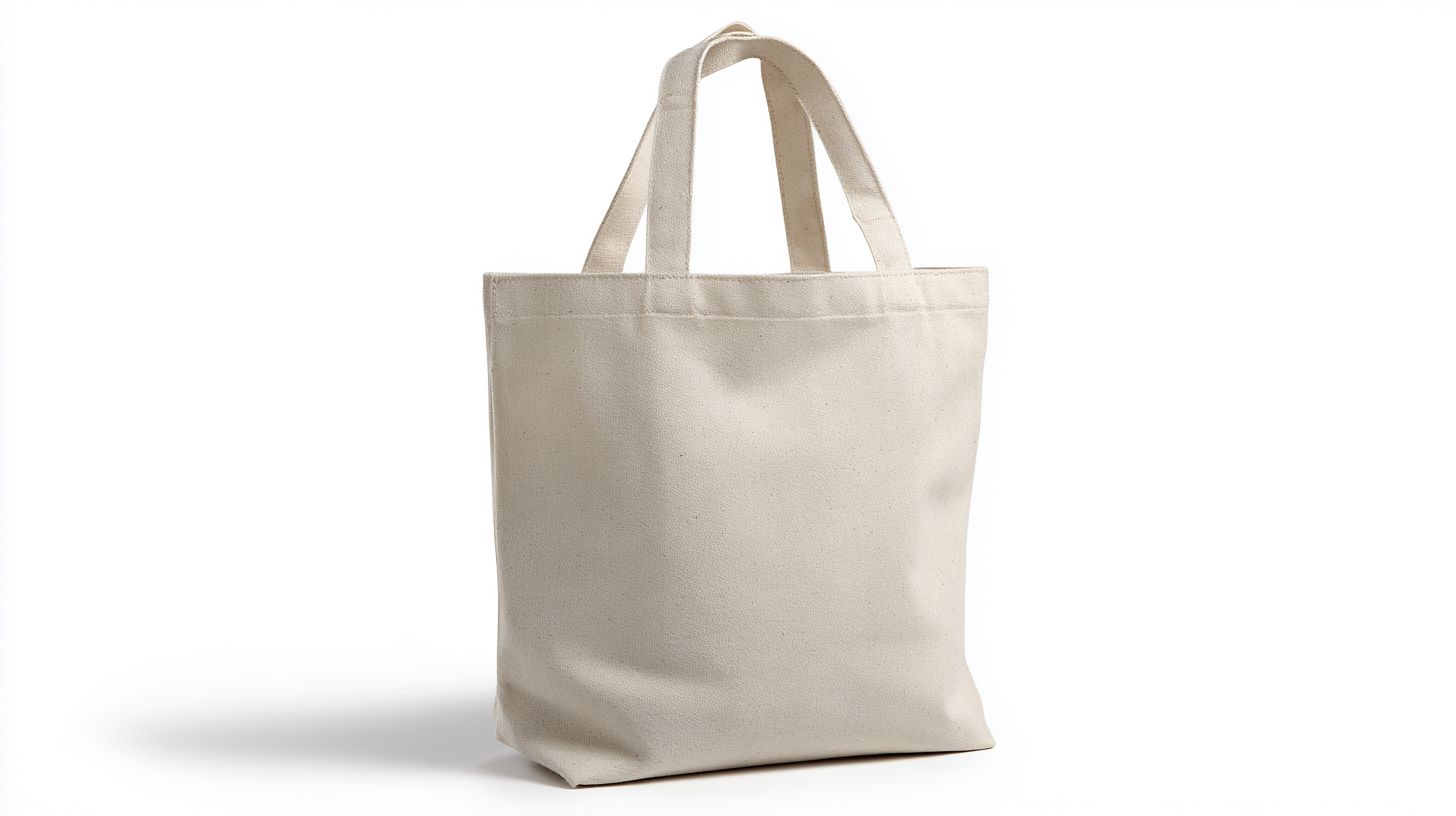
Eurotote bags wholesale are durable, reusable shopping totes typically made from non-woven polypropylene. Key design features to consider include material thickness (measured in GSM for strength), handle length and width for comfort, reinforced bottom panels for load-bearing capacity, foldable structure for storage, and customizable printing areas for branding. These elements ensure functionality, portability, and aesthetic appeal while promoting eco-friendliness over single-use plastics.
Q: What Material Options Are Important for Eurotote Bag Design?
For Eurotote bags, the primary material is non-woven polypropylene, available in various weights like 80-120 GSM for balancing durability and lightness. Consider recyclable or biodegradable variants to enhance sustainability. The material’s water-resistant properties and ability to withstand repeated use (up to 20-50 times) are crucial design features, ensuring the bag remains cost-effective and environmentally responsible.
Q: How Should Handles Be Designed in Eurotote Bags?
Handles in Eurotote bags should be die-cut or patch-style, typically 50-60 cm long and 3-5 cm wide, made from the same material as the body for seamless integration. Key considerations include reinforcement with stitching or lamination to prevent tearing under weights up to 10-15 kg, ergonomic shaping for hand comfort, and foldable design to maintain the bag’s compact profile when not in use.
Q: What Size Specifications Matter for Eurotote Bag Design?
Standard Eurotote bag dimensions are around 38×42 cm (width x height) with a 10-15 cm gusset for depth, allowing it to hold 8-12 grocery items. Design features to consider include adjustable sizing for specific retail needs, expandable sides for volume, and a flat bottom when opened to prevent tipping. These ensure versatility for various shopping scenarios while keeping the bag lightweight at under 100 grams.
Q: How Does Reinforcement Enhance Eurotote Bag Design?
Reinforcement in Eurotote bags involves adding extra fabric layers or cardboard inserts at stress points like the bottom and handle attachments. This design feature boosts load capacity to 15-20 kg, prevents sagging during use, and extends lifespan. Opt for heat-sealed or ultrasonic welding for seams to maintain a clean, professional look without compromising on strength or recyclability.
Q: What Customization Features Are Key for Eurotote Bags?
Customization in Eurotote bag design includes large printable surfaces (up to 70% of the bag) for logos, using methods like flexographic printing or digital UV for vibrant, fade-resistant colors. Consider matte or glossy finishes for branding impact, as well as options for zippers or compartments for added utility. These features allow personalization while adhering to EU regulations on material safety and eco-labeling.
Turn every purchase into a premium brand experience with high-end Eurotote bags from Aplasticbag.com. Designed for luxury retail, boutiques, events, and corporate gifting across the USA, our bags combine durability, elegance, and custom branding that gets noticed.
Order Now & Upgrade Your Packaging Experience
- Premium-quality Eurotote bags with luxury finishes
- Custom printing to showcase your brand professionally
- Durable handles and strong construction for everyday retail use
- Multiple sizes, colors, and design options available
- Fast production and reliable USA-wide shipping
- Competitive wholesale pricing for bulk orders
Why Businesses Across the USA Choose Aplasticbag
✔ Eye-catching packaging that boosts brand value
✔ High-quality materials for a premium customer experience
✔ Custom designs tailored to your business needs
✔ Trusted packaging partner for retail, fashion, gifts, and events
✔ Easy ordering process with responsive customer support
Ready to Make Your Brand Stand Out?
Order now from Aplasticbag.com and create custom Eurotote bags that leave a lasting impression on your customers. Premium packaging starts here — stylish, durable, and made to elevate your brand across the USA.

 How Do Eurotote Bags Influence Customer Buying Decisions?
  Why Are Eurotote Bags Preferred for High-End Retailers?
Comments