
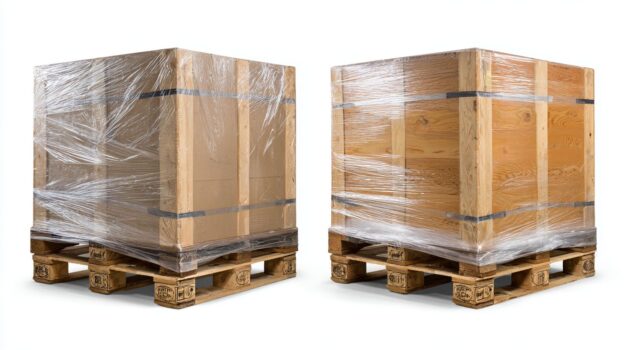
In the high-stakes arena of supply chain logistics, selecting the wrong packaging film can lead to damaged goods and soaring costs. Stretch film and shrink film both secure loads effectively, yet their distinct compositions, properties, and applications set them worlds apart. Discover how their wrapping processes, tightness levels, efficiency factors, and industry uses influence choices for optimal protection and performance.
What is Stretch Film?
Stretch film, also known as pallet wrap, is a transparent and elastic plastic film engineered to secure pallet loads through the application of tension rather than heat. It offers elongation of up to 300%, enabling stable and effective bundling.
Composition and Materials
Stretch film is primarily composed of linear low-density polyethylene (LLDPE) resin, with typical formulations consisting of 90-95% LLDPE and additives such as slip agents, suitable for gauges of 50-80.
In contrast to low-density polyethylene (LDPE), LLDPE offers 2-3 times greater elongation and puncture resistance, as demonstrated in material studies conducted by DuPont, rendering it particularly suitable for heavy-duty wrapping applications.
The manufacturing process frequently employs the blown film technique to enhance strength: the resin is extruded at temperatures between 200-250 degreesC through a circular die, subsequently inflated and cooled to form a bubble, and then slit into the final product.
For applications requiring greater clarity, the cast extrusion method is utilized, whereby the material is extruded directly onto a chilled roller.
Standard specifications for stretch film include widths ranging from 400-500 mm, core diameters of 3 inches, and roll lengths extending up to 1500 meters.
The Resin Producers Association emphasizes the benefits of polyolefin blends, which provide superior durability in industrial settings and can reduce breakage rates by 20-30%.
Key Properties
Key properties of stretch film include elongation at break ranging from 300% to 500%, which delivers superior load containment force of 10 to 15 pounds per inch when applied with 50% pre-stretch.
Additional essential properties further enhance its efficacy in packaging applications. The following metrics, evaluated in accordance with established industry standards, underscore these attributes:
- Elastic Tension: Attains a pre-stretch ratio of 200% to 300% (ASTM D882), facilitating secure wrapping without compromising film integrity.
- Puncture Resistance: Endures forces of 15 to 25 N (dart impact test), thereby safeguarding loads with sharp edges, such as tools.
- Tear Resistance: Surpasses 250 kN/m (Elmendorf method), mitigating the risk of tears during transportation.
- Moisture Barrier: Restricts water vapor transmission to less than 15 g/m/day, protecting moisture-sensitive materials.
- UV Protection: Incorporates additives that block 90% of UVA rays (ISO 4582), thereby prolonging the shelf life of products exposed to outdoor conditions.
For example, 63-gauge stretch film utilized in e-commerce settings reduces load shifts by 40%, thereby minimizing damage, as evidenced by a 2022 study from the Packaging Institute.
What is Shrink Film?
Shrink film serves as a heat-activated plastic wrap that undergoes a contraction of 40-60% when exposed to heat, thereby creating a secure, form-fitting seal around products. This mechanism provides tamper-evident protection, which is essential for retail packaging applications.
Composition and Materials
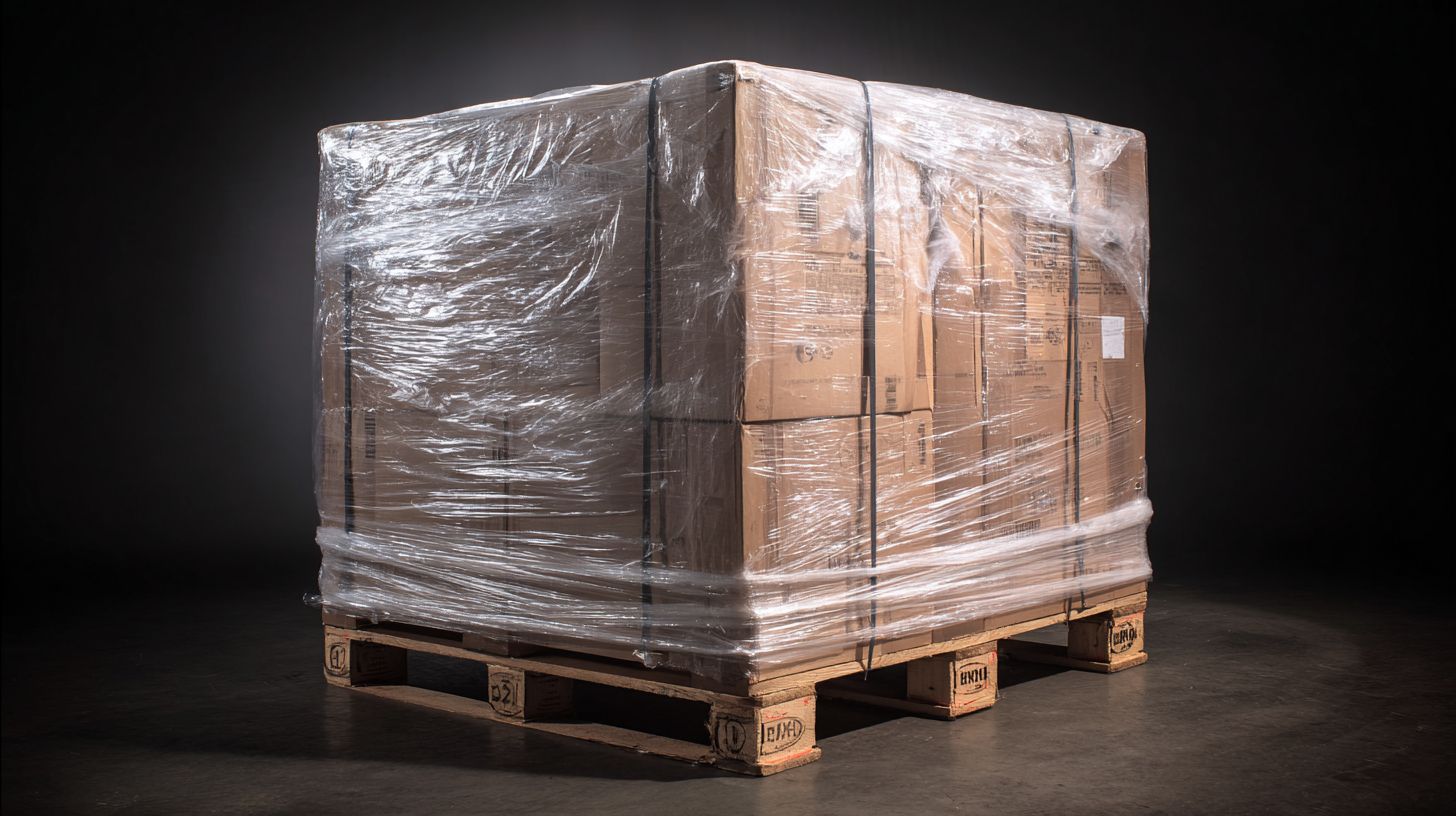
Shrink film is typically produced using polyvinyl chloride (PVC) or polyolefin resins such as low-density polyethylene (LDPE). These materials generally feature thicknesses ranging from 40 to 75 microns and incorporate additives like plasticizers to enhance flexibility, allowing up to 150% elongation prior to shrinkage.
PVC constitutes approximately 50-60% of the film composition, valued for its optical clarity in applications such as packaging labels.
In contrast, polyolefins like LDPE are preferred for their recyclability, in alignment with EU Directive 94/62/EC, which imposes restrictions on heavy metals in plastics.
To achieve uniform shrinkage, the cast film technique is employed: molten resin is extruded at temperatures between 180-220 degreesC onto a chilled roller, forming a flat sheet that enables consistent contraction of 50-70% at 90-120 degreesC.
Standard specifications for shrink film rolls include widths of 200-600 mm, roll weights of 10-20 kg, and core diameters of 1-2 inches.
Research conducted by BASF demonstrates that the incorporation of cross-linking agents can increase shrink force by 20-30%, providing superior performance compared to linear low-density polyethylene (LLDPE) in stretch films for rigid bundling applications.
Key Properties
Shrink film’s distinguishing feature is its shrinkage ratio of 45-55% at temperatures between 90-120 degreesC, which generates a shrink force of 20-30 lbs per inch, providing superior conforming protection relative to elastic wraps.
This characteristic renders it particularly suitable for packaging irregular shapes within industries such as food and pharmaceuticals. Several additional properties further enhance its efficacy:
- Thermal contraction: Attains up to 50% shrinkage in accordance with ASTM D1204, facilitating secure wraps without distortion.
- Seal strength: Surpasses 200N/25mm in hot bar sealing evaluations, thereby mitigating the risk of leaks during transportation.
- Burst resistance: Endures pressures of 15-25 psi, making it appropriate for substantial loads in line with industry benchmarks.
- Optical clarity: Exhibits haze levels below 5% per ASTM D1003, ensuring optimal product visibility.
- Oxygen barrier: Demonstrates an oxygen transmission rate (OTR) of less than 50 cc/m/day, thereby prolonging shelf life.
For example, polyolefin shrink film employed in cold chain logistics preserves structural integrity at -20 degreesC, as evidenced by DuPont evaluations, resulting in a 30% reduction in spoilage for shipments of perishable goods.
Application Methods
Stretch film is applied through manual or mechanical wrapping, utilizing tools such as the Orbit 18 dispenser (priced at $50). In contrast, shrink film activation necessitates heat application via instruments like a 500W heat gun.
For stretch wrapping, adhere to the following procedure:
- Select 20-inch wide film suitable for standard pallets.
- Employ a manual dispenser, such as the 3M Hand Dispenser, to wrap the pallet from bottom to top, incorporating a 60% overlap in an interlocking pattern. Secure the ends with adhesive tape (approximately 5-10 minutes per pallet).
For shrink wrapping, follow these steps:
- Cut the film from a 100-meter roll.
- Drape the film over the load using a basic sealer (priced at $200).
- Pass the wrapped load through a shrink tunnel at 150 degreesC for 2-3 minutes, employing a Leister heat gun for targeted activation.
According to studies by the International Pallet Council (IPC), automated machines deliver efficiency improvements of 20-30%, thereby reducing labor requirements in high-volume operations.
Wrapping and Contraction Process
The wrapping process for stretch film employs clockwise tension with a pre-stretch ratio of 250% to develop containment force. In contrast, the contraction of shrink film occurs after wrapping through exposure to 110 degreesC heat, resulting in a 50% size reduction.
To apply stretch film effectively:
- Unwind the film from a 3-inch core using a dispenser, such as the Lantech S-Series wrapper.
- Apply 50-70 pounds of tension while rotating clockwise, achieving a 250% pre-stretch through the machine’s rollers.
- Apply layers with a 55% overlap to ensure optimal load stability, and secure the edges with foam corner guards. This process typically requires 3-5 minutes per pallet.
For shrink film:
- Drape the film loosely over the load using a hand sealer tool.
- Pass the load through a heat tunnel at a speed of 10 meters per minute to reach 110 degreesC, thereby triggering contraction.
- Allow the film to cool for 5 minutes to set its memory, completing the process in 4-6 minutes.
This functionality is predicated on the molecular orientation established during extrusion, which enables the 50% reduction (Polymer Journal, 2020 study).
Level of Tightness and Protection
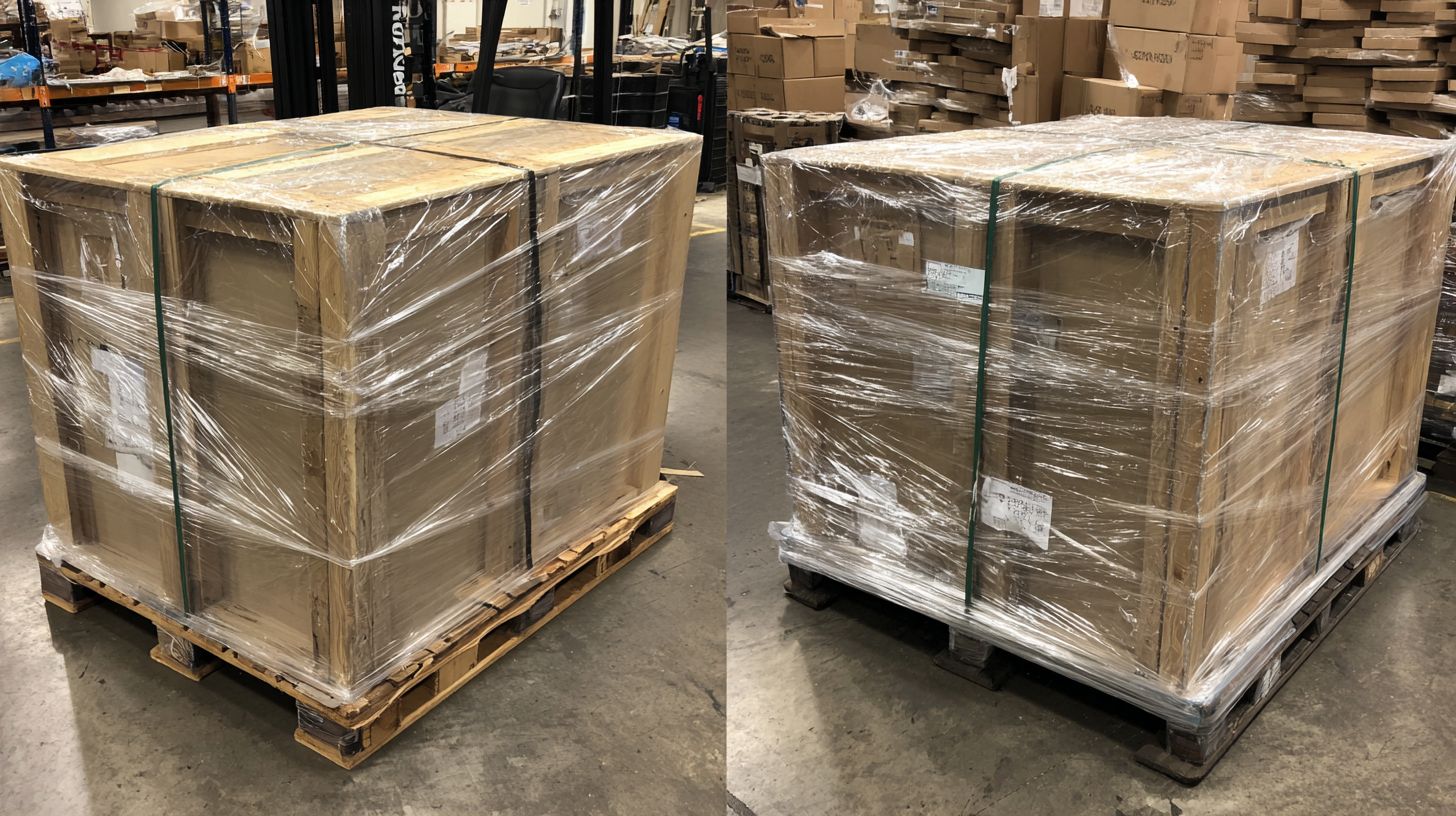
Stretch film attains tightness via elastic recovery, delivering 12 lbs/inch of containment force, which is optimal for maintaining load stability. In contrast, shrink film generates 25 lbs/inch of shrink force, ensuring a form-fitting barrier that protects against tampering.
The selection between these films should align with specific operational requirements.
Stretch film provides elastic tension, typically applied with 40-60% overlap and offering 20N puncture resistance, making it particularly suitable for applications requiring substantial ventilation, such as warehouse storage. According to FM Global studies, it reduces load shifts by 35%.
PVC Shrink film, activated through thermal contraction, yields residue-free seals and 20 psi burst resistance, rendering it ideal for temperature-sensitive products in e-commerce environments. It effectively prevents 50% of moisture ingress, as demonstrated by ASTM F1927 standards.
Both films surpass 90% damage prevention thresholds established by FM Global standards. However, shrink film’s superior optical clarity (haze <3%) makes it preferable for retail display purposes.
To determine the appropriate choice, evaluate the load characteristics: ventilated pallets are best served by stretch film, while sealed shipments benefit from shrink film.
Cost and Efficiency Factors
Stretch film typically costs between $0.06 and $0.12 per foot and achieves material savings of 25-40% through pre-stretch technology, resulting in annual savings of $500 to $1,000 per 100 pallets. In comparison, shrink film ranges from $0.10 to $0.18 per foot and requires additional energy for heating processes.
To optimize return on investment, organizations should select an 18-inch by 1,000-foot stretch film roll priced at $40 (based on Uline pricing). This option enables up to 200% pre-stretch when used with equipment such as the Robopac Rotomax, reducing waste by 30%.
By contrast, a comparable shrink film roll costs $60 and necessitates 15% more material, along with heat tunnels that consume 20-50 kWh per hour, according to EPA energy data.
From an environmental perspective, linear low-density polyethylene (LLDPE) stretch film is 95% recyclable, in accordance with Association of Plastic Recyclers (APR) guidelines, whereas polyvinyl chloride (PVC) shrink film presents significant disposal challenges. A 2022 case study by the Ellen MacArthur Foundation demonstrated that one firm achieved 15% cost savings by adopting biodegradable stretch film, thereby enhancing sustainability while maintaining load integrity.
Common Uses and Industries
Stretch film is extensively utilized in warehouse operations to stabilize pallets, securing approximately 80% of industrial loads. In contrast, shrink film predominates in retail packaging, encompassing 60% of consumer goods to provide tamper-evident protection during shipping.
In industrial settings, linear low-density polyethylene (LLDPE) stretch film effectively unitizes loads through a 50% overlap stretch, thereby reducing damage by 40% and facilitating compliance with Occupational Safety and Health Administration (OSHA) standards for secure transportation.
The food industry depends on FDA-approved polyvinyl chloride (PVC) shrink film as a reliable moisture barrier. This material is applied using heat tunnels at 300 degreesF to achieve airtight seals.
E-commerce operations employ 500mm stretch film rolls for efficient bundling, as exemplified by Amazon’s high-volume fulfillment processes.
According to DHL’s 2023 logistics report, the implementation of LLDPE stretch film has resulted in a 35% reduction in damage rates.
Coca-Cola’s sustainability report underscores the use of polyolefin shrink film to wrap one million bottles daily, which extends product shelf life by 20%.
The industry has observed a 15% shift toward biodegradable alternatives, fostering greater adoption of environmentally sustainable practices.
Frequently Asked Questions
Q: What Are the Key Differences Between Stretch Film and Shrink Film?
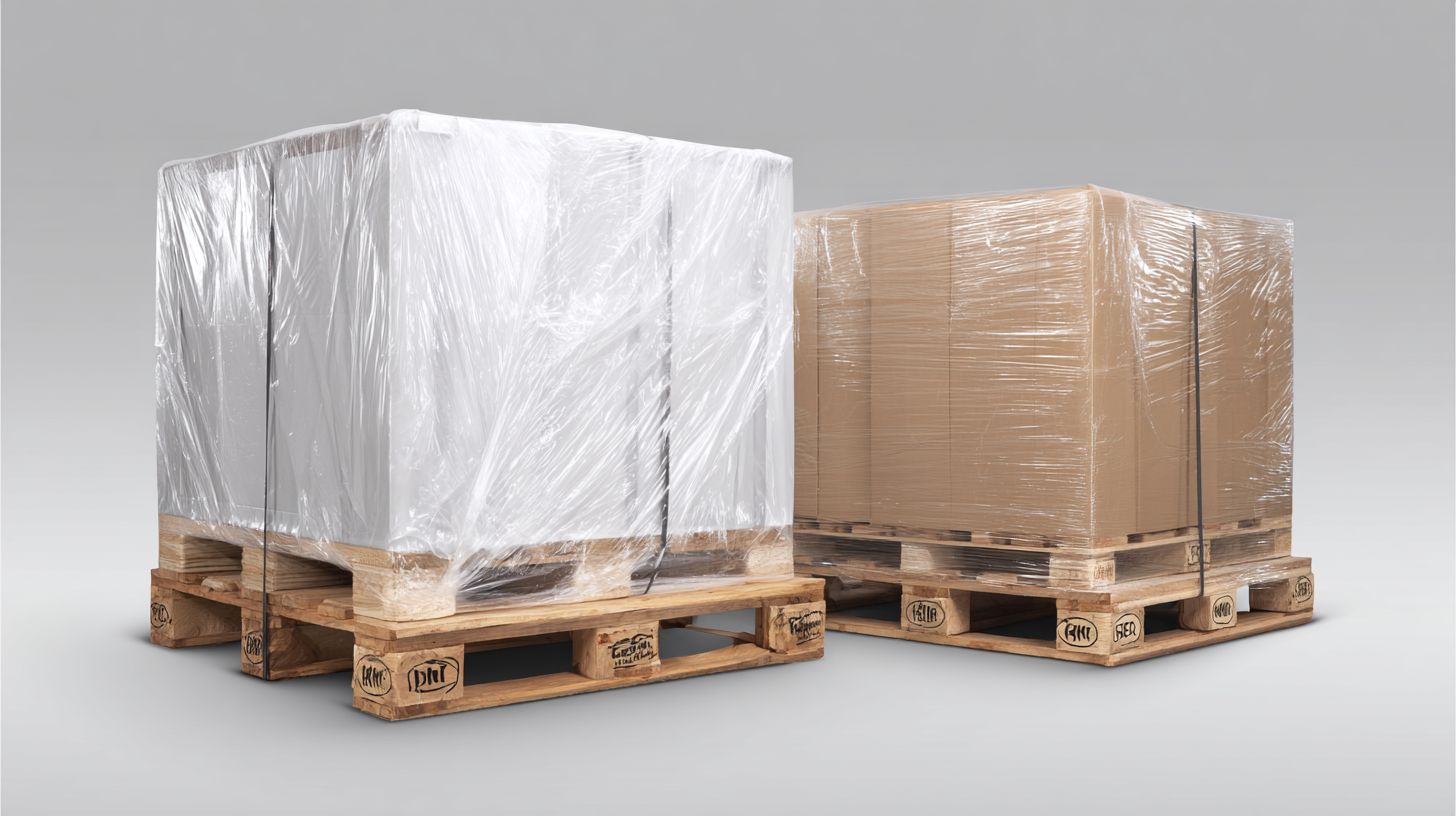
Stretch film and shrink film are both used for packaging, but they differ fundamentally in application and properties. Stretch film, typically made from linear low-density polyethylene (LLDPE), is applied by stretching it around a load like pallets, where it clings tightly without heat due to its elasticity. Shrink film, often made from materials like PVC or polyolefin, is loosely wrapped and then exposed to heat, causing it to contract and form a snug, tamper-evident seal around products. Key differences include the need for heat in shrink film versus manual tension in stretch film, their primary uses (pallet stabilization for stretch vs. individual product wrapping for shrink), and durability-stretch film is more puncture-resistant while shrink film provides a glossy, protective finish.
Q: How Does the Application Process Differ Between Stretch Film and Shrink Film?
The application process highlights a major distinction: stretch film is applied using dispensers or machines that stretch the film up to 300% of its original length as it’s wrapped around loads, creating tension without any external heat. In contrast, shrink film is first wrapped loosely around items using similar equipment, then heat is applied via a heat gun, tunnel, or oven, causing the film to shrink by 40-60% and conform tightly. This makes stretch film ideal for quick, on-site palletizing, while shrink film’s heat step is better suited for bundling smaller items securely.
Q: What Materials Are Commonly Used in Stretch Film Versus Shrink Film?
Stretch film is primarily composed of linear low-density polyethylene (LLDPE), which provides high elasticity and cling properties, often enhanced with additives for UV resistance or color. Shrink film, however, uses a variety of heat-sensitive polymers such as polyvinyl chloride (PVC) for clarity and strength, or polyolefin blends for food-safe applications. These material differences mean stretch film excels in load containment without shrinking, while shrink film’s composition allows it to respond to heat for a vacuum-like seal, affecting recyclability and environmental impact as well.
Q: In What Scenarios Is Stretch Film Preferred Over Shrink Film?
Stretch film is preferred in industrial settings for securing pallet loads during transportation and storage, where its ability to stretch and self-adhere prevents shifting without damaging contents. It’s cost-effective for large-scale operations like warehousing. Shrink film is better for retail packaging of individual or bundled products, such as consumer goods or foods, where a clear, tamper-proof wrap enhances presentation and protection against moisture. The choice depends on whether load stability (stretch) or aesthetic sealing (shrink) is prioritized.
Q: How Do the Costs and Efficiency Compare for Stretch Film and Shrink Film?
Stretch film is generally more economical for high-volume pallet wrapping, with lower material costs per use due to its stretchability-often covering more area per roll-and no need for heating equipment, making it faster to apply. Shrink film can be pricier upfront due to specialized materials and the added step of heat application, which requires energy and time, but it offers superior tamper evidence and branding opportunities. Efficiency-wise, stretch film saves on labor for bulk tasks, while shrink film is efficient for precise, small-batch packaging.
Q: What Are the Environmental Impacts of Using Stretch Film Compared to Shrink Film?
Both films contribute to plastic waste, but stretch film, being mostly LLDPE, is often recyclable and generates less waste per application due to its efficiency in covering large areas with less material. Shrink film, especially PVC variants, can release emissions during the heating process and is harder to recycle due to additives, though polyolefin types are more eco-friendly. Overall, stretch film’s lack of heat requirement reduces energy use, making it slightly more sustainable for logistics, while advancements in biodegradable options are emerging for both to minimize environmental footprint.
Ready to Package Smarter? Choose Aplasticbag.com for Premium Film Solutions Across the USA.
Whether you need the flexibility of stretch film or the secure, tamper-evident protection of shrink film, Aplasticbag.com delivers packaging solutions tailored to your business needs. From retail and eCommerce to industrial shipping, our high-quality films are designed for performance, durability, and brand impact.
Why choose Aplasticbag.com?
- Premium-quality materials built for strength and reliability
- Custom sizes, gauges, and printing options available
- Competitive wholesale pricing for businesses across the USA
- Fast turnaround times and dependable nationwide delivery
- Expert support to help you select the right packaging solution
Order now from Aplasticbag.com and discover why businesses across the United States trust us for innovative, cost-effective packaging. Get the perfect film solution for your products—secure, protect, and elevate your brand today!


Comments