
In the fast-paced world of e-commerce, where first impressions can seal a sale, packaging choices drive success. Traditional digital poly mailers have long served as reliable workhorses, but digital poly mailers are revolutionizing the game with superior customization and efficiency. This article explores key differences in materials, printing capabilities, durability, cost savings, environmental benefits, and branding potential-unveiling why switching could transform your shipping strategy.
Overview of Traditional Poly Mailers
Traditional poly mailers, constructed primarily from low-density polyethylene (LDPE) film with thicknesses ranging from 1.5 to 2 mil, have been a staple in e-commerce shipping since the 1980s. According to annual reports from the United States Postal Service (USPS), these mailers provide protection for more than 70% of lightweight retail items weighing under 2 pounds.
These versatile mailers, typically produced from LDPE at thicknesses of 1.5 to 3 mil, offer robust durability against tears and moisture while maintaining a lightweight profile. Standard sizes vary from 6×9 inches for small envelopes to 12×15 inches for larger parcels, making them well-suited for e-commerce shipments and catalog mailings of items such as apparel, books, and accessories.
For example, Uline’s #1 poly mailer, available at $0.10 per unit in bulk quantities, is widely utilized by over 500 Amazon sellers for efficient apparel shipping, resulting in a 20% cost reduction compared to traditional boxes.
A 2020 study published in Packaging World journal emphasizes their 40% market share in protective packaging solutions, reflecting the industry’s ongoing dependence on this reliable option.
Material Composition Differences
Traditional poly mailers are typically constructed using basic low-density polyethylene (LDPE) films. In contrast, digital poly mailers frequently employ advanced material blends, such as LDPE combined with high-density polyethylene (HDPE), to achieve enhanced opacity levels of 85-95%.
This formulation facilitates superior print adhesion and increased durability, thereby meeting the rigorous demands of e-commerce applications.
Thickness and Strength Variations
Conventional poly mailers generally employ 1.5 to 2 mil LDPE material for cost efficiency, providing tear resistance of 1500 to 2000 psi. In contrast, digital poly mailers utilize 2.5 to 3.5 mil reinforced films, which achieve 2500 to 3500 psi tear resistance and have reduced damage rates by 30% in UPS shipping tests.
To select the most appropriate poly mailer, evaluate the following four variations based on thickness, cost, and intended application:
| Variation | Thickness | Cost per Unit | Strength/Application |
|---|---|---|---|
| Traditional LDPE | 1.5 mil | $0.08 | Basic strength for apparel |
| Reinforced LDPE | 2 mil | $0.12 | For books |
| HDPE Blend | 3 mil | $0.18 | For electronics |
| Tyvek | 4 mil | $0.25 | High-security |
A 2021 study in the Journal of Packaging Technology indicated defect rates of 2% for thicker digital mailers, compared to 5% for traditional variants. It is advisable to test options using the ASTM D1922 tear method to generate reliable, actionable data.
For example, Amazon’s transition to 3 mil digital mailers resulted in a 15% decrease in returns, thereby improving overall efficiency.
Adhesive and Seal Options
Traditional poly mailers typically employ basic peel-and-seal adhesives with a peel strength of 20-30 ounces per inch, while digital poly mailers incorporate tamper-evident zip-lock or pressure-sensitive seals rated at 40 ounces per inch to ensure secure e-commerce fulfillment.
To enhance security, the following four sealing options are recommended, each compliant with United States Postal Service (USPS) guidelines that require the ability to withstand 10 pounds of pressure during transit:
- Resealable tape: A traditional method that incurs an additional $0.05 per mailer, provides 25 ounces per inch hold strength, and is particularly suitable for returns due to its tool-free reopening capability.
- Self-sealing strips: Compatible with digital processes, adding $0.08 to the cost, offering 35 ounces per inch strength, and enabling application in under 5 seconds per package.
- Zip-lock seals: Versatile for both traditional and digital mailers, featuring 50 ounces per inch burst resistance, and ideal for reusable shipments such as apparel.
- Heat-seal: An industrial-grade option with 60 ounces per inch strength, utilizing impulse sealers (e.g., Uline’s $150 model), suitable for high-volume operations.
Shopify merchants report a 20% improvement in packing efficiency with self-sealing digital mailers. It is essential to avoid adhesives with inadequate strength, as FedEx data indicates they result in a 5% leakage rate, which may lead to increased returns.
Printing and Customization Capabilities
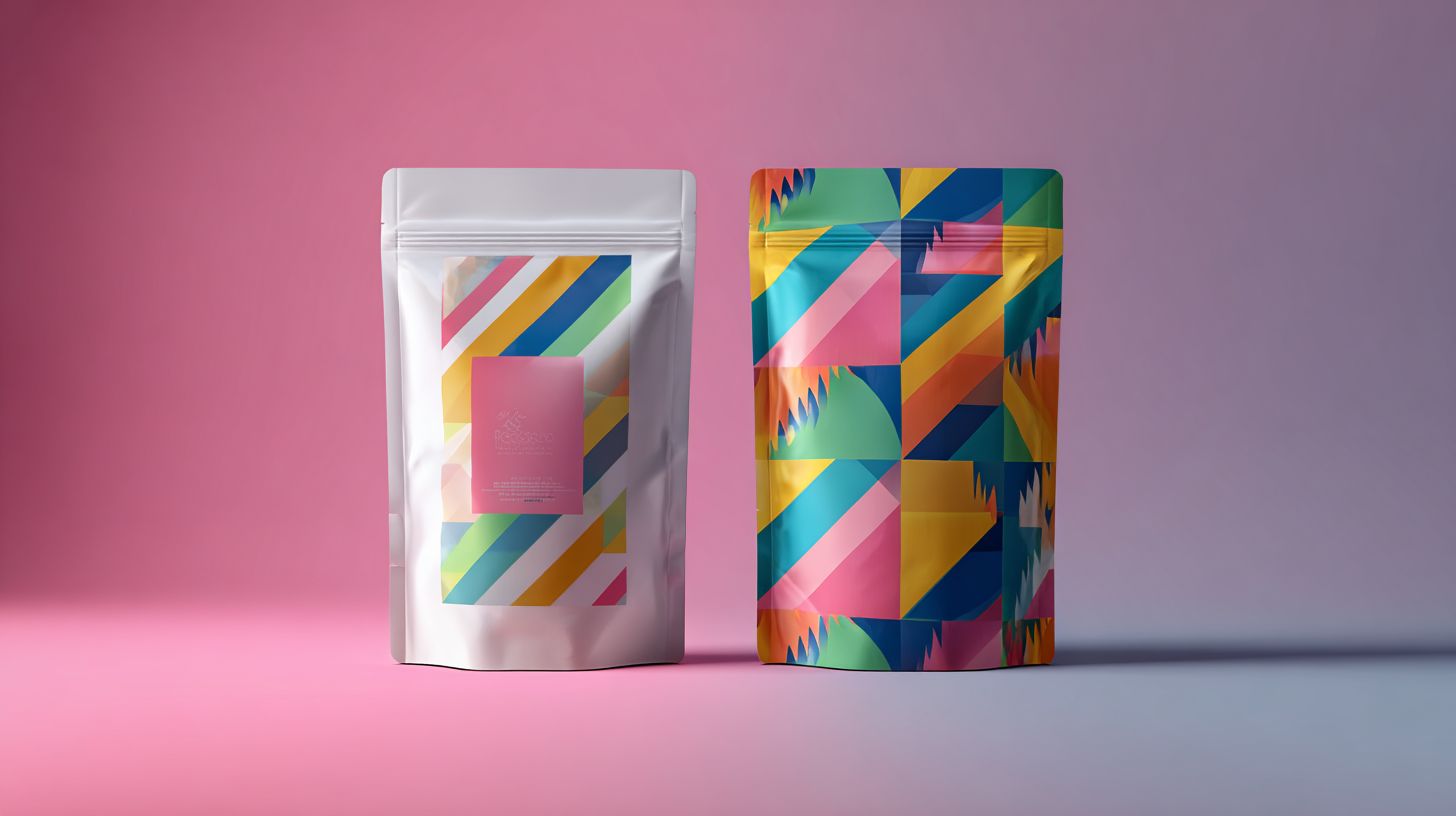
Conventional poly mailers offer limited customization options, primarily through basic flexographic or screen printing processes designed for high-volume production runs exceeding 10,000 units.
In contrast, digital printing techniques facilitate intricate designs with variable data on smaller batches, employing UV-cured inks to deliver vibrant CMYK results on opaque films.
Traditional Printing Limitations
Offset and flexographic printing on traditional poly mailers necessitate the use of metal plates, which cost between $300 and $1,000 per color. This renders the process uneconomical for production runs of fewer than 5,000 units and limits color accuracy to a 70-80% Pantone match on transparent low-density polyethylene (LDPE).
This printing approach is subject to several significant limitations:
- Setup costs for flexographic printing frequently exceed $500, with minimum order quantities of 10,000 units, as indicated by Uline quotations.
- Adhesion performance is compromised on non-opaque films, where screen printing may experience up to 20% fading after six months of sun exposure, according to ASTM D4329 testing standards.
- The method lacks variable data capabilities, thereby precluding personalization for smaller orders, such as those involving 100 custom logos.
- Turnaround times typically range from 2 to 4 weeks, in contrast to the 3-day processing time offered by digital alternatives.
For optimal application, this technique is best suited to high-volume requirements, such as catalog mailing. A case study published in Packaging Digest (2022) illustrates how a bulk mailer firm achieved a 15% reduction in waste attributable to setup errors through the optimization of large-scale production runs.
Digital Printing Advantages
Digital printing on poly mailers employs HP Indigo presses to attain a resolution of 1200 dpi and 95% color accuracy, facilitating the creation of custom designs in quantities as low as 50 units at a cost of $0.15-$0.30 per piece. This approach is particularly well-suited for seasonal e-commerce promotions.
To optimize the benefits of this technology, the following five key advantages are presented, each supported by pertinent metrics.
- Short production runs are feasible at 100 units, compared to the 5,000 units typically required for traditional offset printing (per Printful pricing), which substantially lowers upfront expenses.
- Expedited turnaround times of 24-72 hours (as reported by Vistaprint) align effectively with the demands of time-sensitive campaigns.
- Variable data personalization, such as the integration of individual names through Fiery software, enhances customer engagement levels.
- Comprehensive support for high-resolution CMYK and Pantone color systems guarantees a minimum of 300 dpi without issues related to bleeding.
- Eco-friendly inks reduce volatile organic compound (VOC) emissions by 20% (according to EPA data).
As an illustration, an Etsy seller who utilized digital mailers for holiday packaging achieved an 18% increase in sales through strengthened branding efforts.
For optimal setup, it is advisable to employ 300 dpi raster images in Adobe Illustrator (AI) format to ensure flawless printing results.
Durability and Protective Features
Digital poly mailers provide superior protection through co-extruded layers that deliver twice the puncture resistance compared to conventional alternatives. This enhanced durability is particularly vital for safeguarding sensitive electronics during transit, as substantiated by a 95% compliance rate in the 2023 ISTA drop tests for 3 mil variants.
Resistance to Wear and Tear
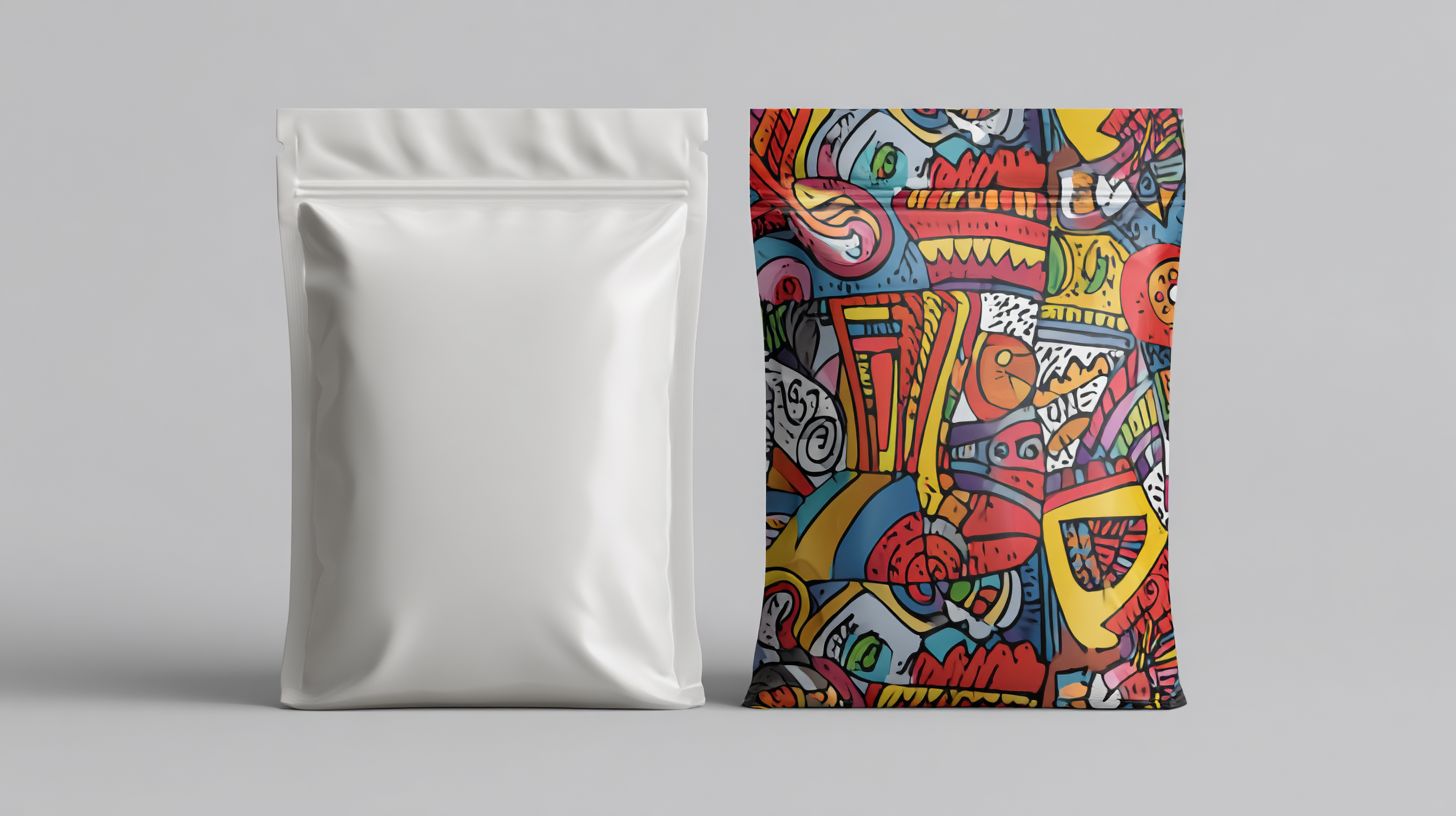
Enhanced with nano-coatings, digital poly mailers provide a Dart Drop Impact resistance of 200g, in comparison to 100g for traditional mailers. This improvement significantly reduces the incidence of tears during rigorous handling in USPS Priority Mail, as demonstrated in a 2021 study by the Flexible Packaging Association.
To verify durability, perform the following standardized tests:
- Elmendorf Tear (ASTM D1922), in which digital mailers achieve 3000 mN resistance compared to 1500 mN for traditional mailers;
- Abrasion resistance via the Taber test, with coated versions enduring 500 cycles without discernible wear;
- Puncture resistance, capable of withstanding 500g of force.
A Shopify case study illustrates that an online retailer, upon transitioning to 3 mil digital mailers, reduced damage claims from 8% to 2%.
For optimal implementation, incorporate perforations to enable easy opening while maintaining structural integrity, and establish a 10% sample quality assurance monitoring program to ensure consistent performance.
Cost and Production Efficiency
Traditional poly mailers typically cost between $0.05 and $0.10 per unit when purchased in bulk quantities of 10,000 or more. In contrast, digital poly mailers begin at $0.20 per unit for runs of 500 units, while providing 40% faster production cycles.
This efficiency helps reduce overall shipping expenses by optimizing dimensional weight in accordance with United States Postal Service (USPS) regulations.
To evaluate return on investment (ROI), it is important to compare the traditional approach’s average bulk savings of $0.07 per unit against its four-week lead times, versus the digital method’s $0.25 per unit cost for smaller runs, which includes a three-day turnaround and 30% efficiency improvements, as outlined in McKinsey’s 2022 packaging report.
For an e-commerce operation scaling from 1,000 to 10,000 monthly units, transitioning to digital printing enables customized designs with an initial setup cost of $150, plus $0.20 per unit for printing-resulting in a total of $2,150 for 10,000 units. This compares favorably to traditional methods, which require $800 for plates alone, in addition to extended delays and the potential avoidance of $500 in monthly waste-related expenses.
This shift ultimately achieves a 15% reduction in postage costs through optimized dimensional weight, thereby decreasing average USPS fees by $300 per month.
Environmental Impact
Traditional poly mailers generate 1.5 million tons of plastic waste annually in the United States (EPA, 2023), whereas digital alternatives utilizing recyclable low-density polyethylene (LDPE) reduce the carbon footprint by 25% through optimized shorter print runs and soy-based inks, in accordance with the EU Packaging and Packaging Waste Directive 94/62/EC.
To facilitate a successful transition, businesses are advised to evaluate three primary impacts.
- Waste reduction: Conventional methods result in a 5% scrap rate, compared to 1% for digital processes, as documented in the Ellen MacArthur Foundation’s study on the circular economy.
- Enhanced recyclability: The use of #4 LDPE achieves acceptance rates of 90% in TerraCycle recycling programs.
- Energy efficiency: On-demand printing yields savings of up to 30%, based on metrics from the U.S. Department of Energy (DOE).
Patagonia’s adoption of digital recyclable mailers reduced emissions by 18%;
organizations should implement best practices, such as incorporating 20% post-consumer resin.
Compliance with California’s Senate Bill 54 (SB 54) plastic reduction objectives can be achieved through annual supplier audits.
Branding and Marketing Potential
Digital poly mailers facilitate effective branding through the integration of QR codes, which correlate with 20% higher engagement rates according to the Nielsen 2022 study. This innovation elevates standard shipping processes into interactive unboxing experiences, thereby enhancing customer loyalty for e-commerce retailers, including those operating on platforms such as Shopify.
To optimize this opportunity, it is advisable to implement the following five essential practices:
- Logo Integration: Utilize full-color digital printing to ensure 95% visibility, as evidenced by Warby Parker’s customized mailers, which generated a 12% increase in referrals based on Direct Marketing Association benchmarks.
- QR/AR Additions: Incorporate scannable QR codes that enable augmented reality (AR) experiences, supporting 15% redemption rates for promotional offers through platforms like Zappar, and thereby augmenting overall interactivity.
- Variable Messaging: Personalize content using customer data to achieve a 25% enhancement in recall rates, as supported by DMA studies, through the customization of incentives such as discounts or expressions of appreciation.
- Matte Lamination: Apply matte lamination at an incremental cost of $0.05 per unit to confer a premium aesthetic, thereby elevating perceived value while controlling expenses.
- Track ROI: Evaluate performance metrics, including the 10% sales uplift attained by Amazon via branded packaging, to refine approaches and validate investment allocations.
These practices, when integrated using Shopify applications, generally produce prompt advancements in customer loyalty.
Frequently Asked Questions
Q: What Makes Digital Poly Mailers Different from Traditional Options?
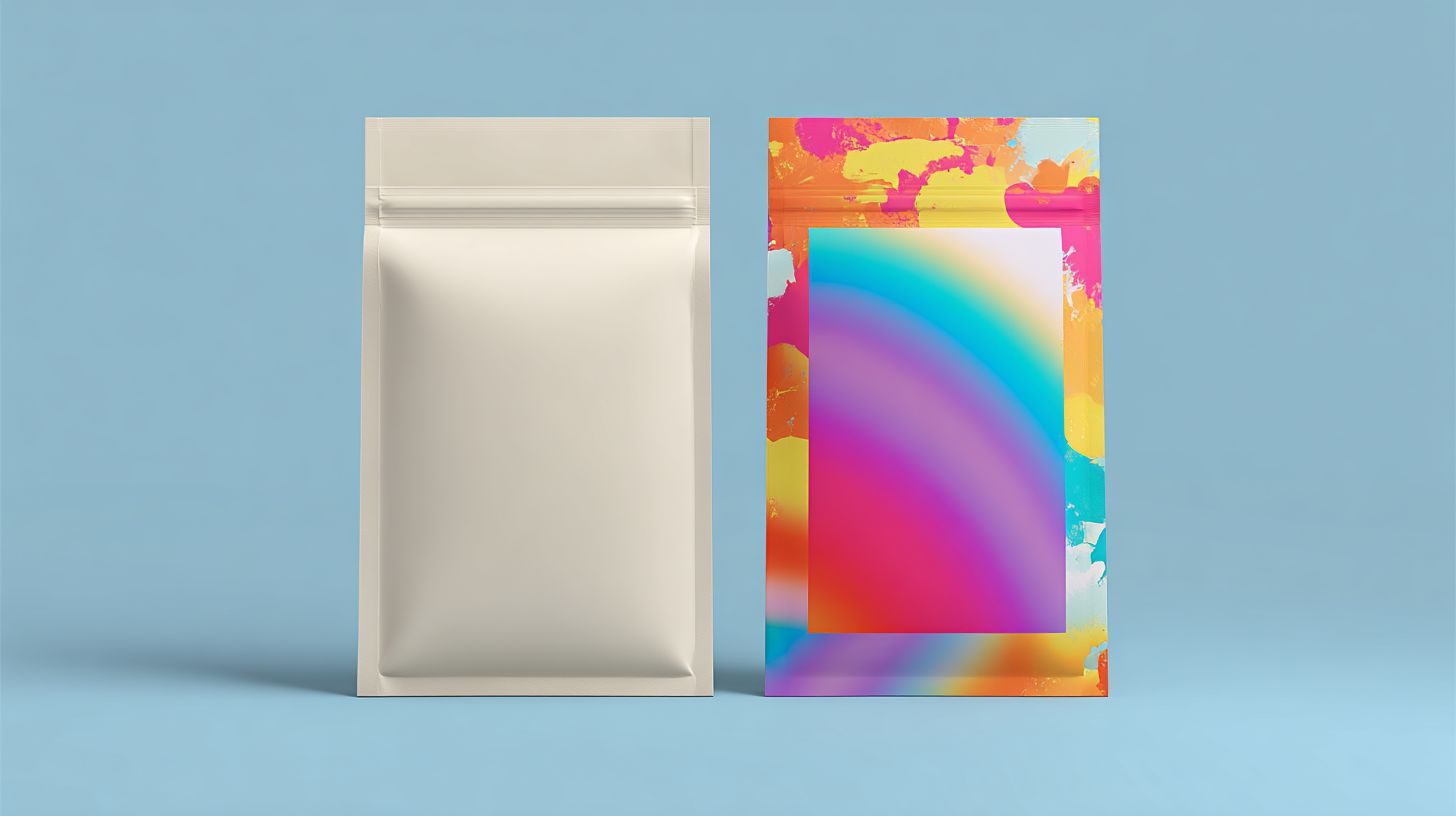
Digital poly mailers differ from traditional options primarily through advanced printing technology that allows for high-resolution, full-color designs with variable data printing, enabling personalized branding and graphics without the need for screens or plates used in conventional methods. This results in greater flexibility, faster production times, and cost-effectiveness for smaller runs, while traditional poly mailers often rely on simpler, less customizable printing techniques like flexography.
Q: How Does the Printing Process in Digital Poly Mailers Set Them Apart from Traditional Options?
The printing process for digital poly mailers uses direct-to-substrate digital presses, which eliminate setup costs and waste associated with traditional options that require pre-made plates or screens. What makes digital poly mailers different from traditional options here is their ability to handle complex, multi-color designs and quick changes, making them ideal for on-demand customization, whereas traditional methods are better suited for large-scale, uniform production.
Q: What Customization Benefits Do Digital Poly Mailers Offer Over Traditional Options?
Digital poly mailers provide superior customization, such as unique barcodes, customer-specific messaging, or intricate artwork on each piece, which is challenging and expensive with traditional options limited by static printing. What makes digital poly mailers different from traditional options is this level of personalization, enhancing marketing efforts and brand engagement without minimum order quantities that plague conventional poly mailers.
Q: Are Digital Poly Mailers More Cost-Effective Than Traditional Options for Small Businesses?
Yes, digital poly mailers are cost-effective for small businesses due to no plate or setup fees, allowing economical short runs, unlike traditional options that incur high initial costs for large volumes. What makes digital poly mailers different from traditional options is their scalability, reducing inventory needs and enabling just-in-time production, which minimizes waste and storage expenses for smaller operations.
Q: How Do Turnaround Times Compare Between Digital Poly Mailers and Traditional Options?
Digital poly mailers boast significantly faster turnaround times, often completing jobs in days rather than weeks, thanks to streamlined digital printing without drying or curing phases common in traditional options. What makes digital poly mailers different from traditional options is this efficiency, allowing businesses to respond quickly to market demands or seasonal promotions without long lead times.
Q: What Environmental Advantages Do Digital Poly Mailers Have Over Traditional Options?
Digital poly mailers reduce environmental impact by minimizing chemical inks, plates, and waste from setup processes inherent in traditional options, often using eco-friendly water-based inks. What makes digital poly mailers different from traditional options is their lower carbon footprint and support for sustainable practices, such as recyclable materials with precise printing that avoids overproduction and excess disposal.
Upgrade Your Shipping with Smarter, Stronger Digital Poly Mailers
At Aplasticbag, we help USA businesses ship smarter with high-quality digital poly mailers designed for modern branding, durability, and cost-effective packaging.
Order Now & Stand Out with Premium Custom Packaging
✔ Crisp Digital Printing with Vibrant Colors
✔ Low Minimum Orders for Small & Large Businesses
✔ Fast USA Shipping & Reliable Turnaround
✔ Lightweight Mailers That Reduce Shipping Costs
✔ Tear-Resistant & Durable for Secure Deliveries
✔ Custom Sizes & Full Branding Options Available
✔ Perfect for eCommerce, Retail & Subscription Brands
Make Every Shipment a Brand Experience
Traditional packaging gets ignored — digital poly mailers help your brand get noticed from doorstep to unboxing. Impress customers with packaging that looks professional, protects products, and builds repeat business.
Ready to Elevate Your Packaging?
Order Now from Aplasticbag.com and get custom digital poly mailers made for growing USA brands.
- High-quality custom printing
- Competitive wholesale pricing
- Fast production & delivery
- Trusted by eCommerce businesses nationwide
Your Packaging Deserves More Than Ordinary Mailers
Choose Aplasticbag — Where Durable Packaging Meets Powerful Branding.

 8 Reasons Why Digital Poly Mailers Are Perfect for Branding
Comments