
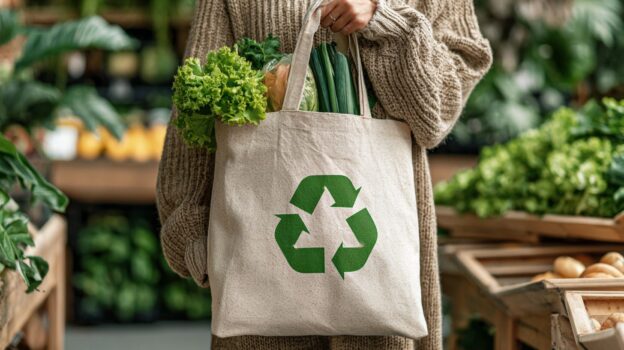
Picture billions of single-use plastic bags suffocating marine life and piling up in landfills each year, as reported by the United Nations Environment Programme. Custom printed reusable bags counter this crisis by providing a durable, eco-conscious alternative for everyday needs. Explore how they slash plastic waste, lower carbon footprints, extend product lifecycles through robust materials like recycled fabrics, enable green branding, yield economic savings, and propel wider sustainability efforts.
Reduction of Single-Use Plastic Waste
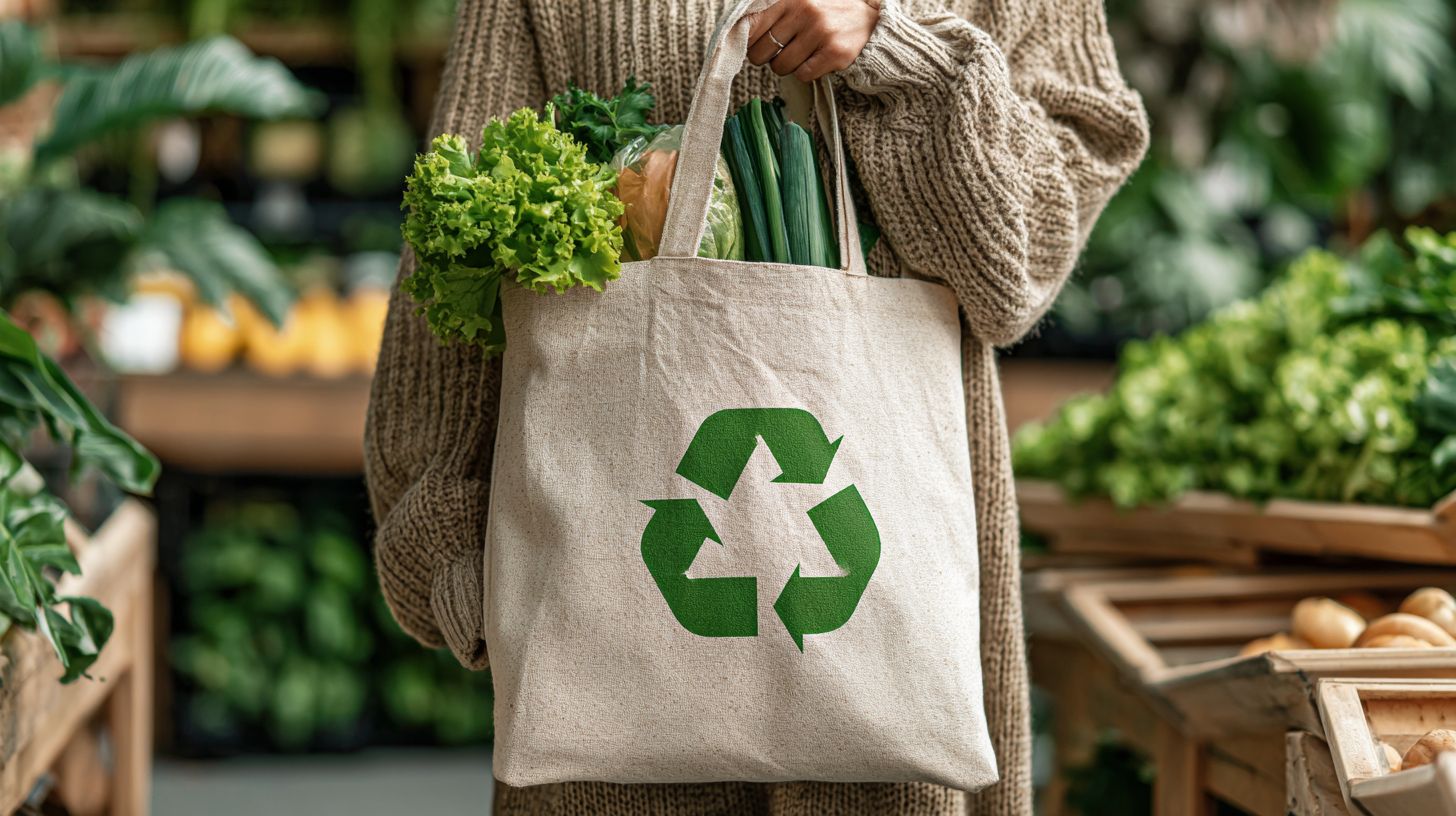
The adoption of custom-printed reusable bags can reduce the consumption of single-use plastic bags by up to 500 per individual annually. This is substantiated by a 2022 European Commission study, which reported a 40% decrease in plastic litter in regions where bag levies were implemented.
Environmental Pollution Prevention
Reusable bags play a crucial role in mitigating microplastic pollution. According to a study by the World Wildlife Fund (WWF), substituting plastic carriers with reusables can reduce ocean debris by 25% in coastal regions, thereby safeguarding marine species such as sea turtles from the hazards of ingestion.
Plus oceanic impacts, plastic bags contribute to contamination of soil and water systems. Data from the National Oceanic and Atmospheric Administration (NOAA) indicates that these bags may take up to 450 years to degrade, during which time they release toxins into groundwater. To address this, it is advisable to adopt alternatives such as jute or canvas bags, which offer durability and are fully compostable.
Wildlife populations are also severely affected, with the International Union for Conservation of Nature (IUCN) reporting that approximately 500,000 seabirds perish each year due to plastic ingestion. Effective countermeasures include the promotion of zero-waste initiatives, such as bulk purchasing to minimize packaging.
In urban environments, the reduction of plastic bag usage leads to decreased litter accumulation. For instance, California’s statewide plastic bag ban has resulted in a 60% reduction in beach cleanup requirements, as documented in state environmental reports.
Individuals can take proactive steps by conducting a personal audit of plastic consumption using the U.S. Environmental Protection Agency’s (EPA) online waste calculator tool. This assessment helps identify opportunities to transition to reusable options, potentially reducing one’s environmental footprint by up to 80%.
Lower Carbon Footprint
The production of a single reusable cotton bag results in emissions savings equivalent to 173 plastic bags, while also achieving a water savings of 7,000 liters over its lifecycle, as determined by a 2021 lifecycle assessment conducted by the Ellen MacArthur Foundation.
This environmental benefit arises from reusable bags generating 80% less CO2 emissions across 10 uses in comparison to single-use plastic bags, according to a study by the Danish Environmental Protection Agency. For illustration of greater impacts, a United Kingdom retailer that transitioned to recycled tote bags achieved an annual reduction of 15 tons in emissions, as reported by WRAP in 2022.
To perform a personalized calculation, assume a minimum of 100 uses per bag and multiply this figure by the 2.5 kg of CO2 emissions associated with the production of each plastic bag (based on IPCC data), resulting in savings exceeding 250 kg of CO2 per reusable bag. For the most effective selections, prioritize suppliers certified under the Global Organic Textile Standard (GOTS), which verifies low-impact organic cotton production methods and can reduce chemical runoff by as much as 90%.
Durability and Longevity Benefits
Custom-printed reusable bags possess a lifespan of 300 to 500 uses, substantially surpassing the durability of single-use plastics, which degrade following a single application. As outlined in a 2023 analysis by Consumer Reports, this extended utility yields cost savings of $0.10 to $0.20 per use.
Extended Product Lifecycle
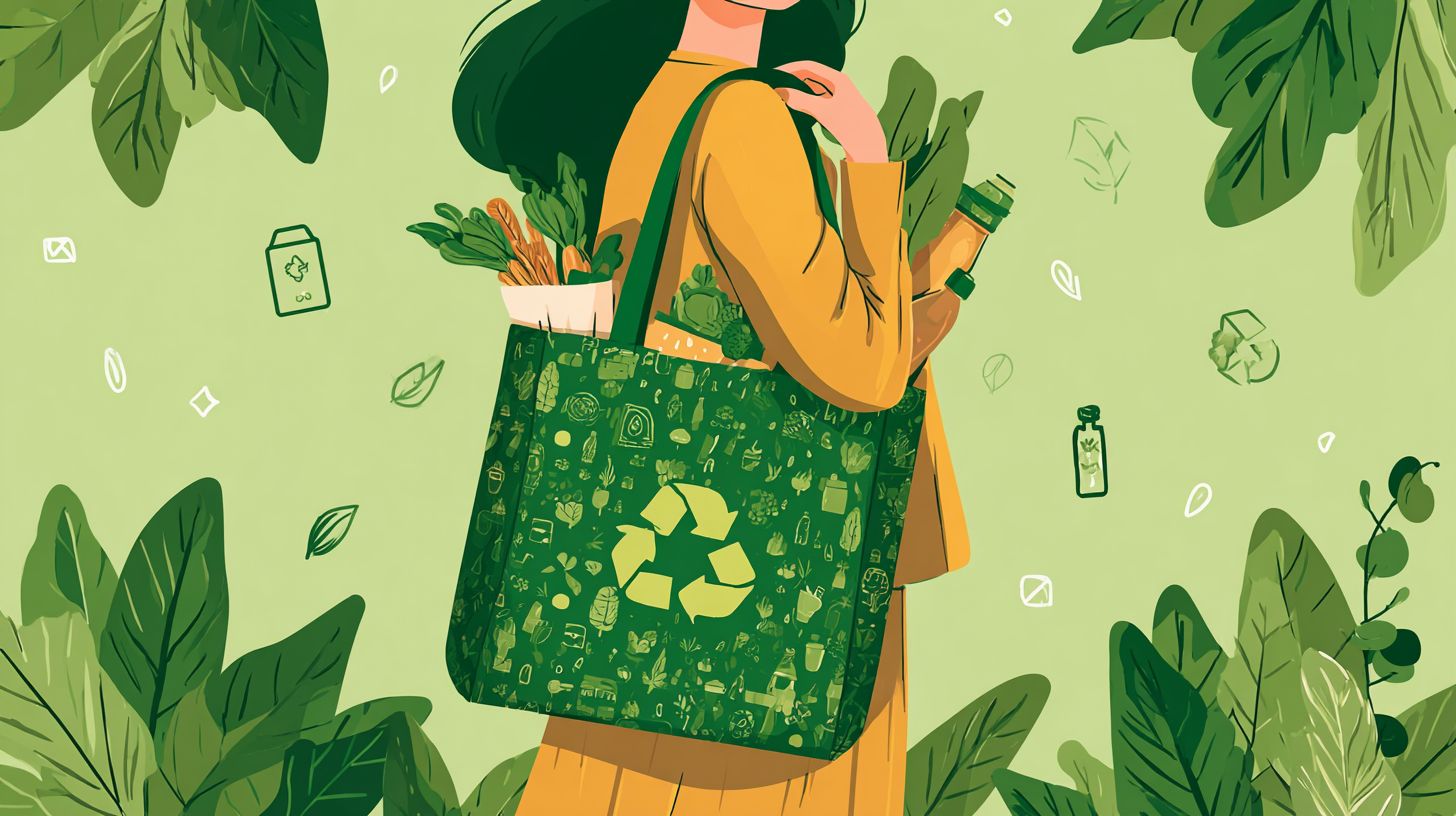
A high-quality canvas tote bag, when maintained properly, can endure for 5 to 10 years, thereby extending its lifecycle by 95% in comparison to plastic bags, according to a study conducted by the University of Plymouth on the durability of reusable carriers.
To attain this level of longevity, adhere to the following recommended maintenance procedures:
- Machine wash the tote at 30 degreesC using a mild detergent, in accordance with the guidelines of the Textile Institute, to maintain the integrity of prints and fabric.
- Allow the tote to air dry and store it flat in a cool, dry environment to avoid stress on seams and the development of mold.
- Repurpose the tote for diverse applications, such as carrying groceries, gym essentials, or books; end-users frequently report exceeding 200 reuses, which enhances overall sustainability.
Implementing this maintenance regimen can diminish landfill waste by 99% throughout the tote’s lifespan, thereby aligning with ISO 14001 standards for the extension of eco-friendly packaging lifecycles.
Eco-Friendly Material Options
Sustainable materials, such as GOTS-certified organic cotton and RPET (recycled polyester), account for 60% of the sustainable bag market, which was valued at $2.8 billion in 2023 according to Grand View Research. These options serve as biodegradable alternatives to traditional synthetic materials.
Biodegradable and Recycled Fabrics
Biodegradable jute bags decompose within 3 to 6 months, in contrast to plastic bags, which require 20 to 100 years for decomposition. Additionally, recycled PET fabrics, derived from 27 plastic bottles per bag, reduce the consumption of virgin materials by 70%, according to the 2022 Textile Exchange report.
| Material | Source | Degradation Time | Best For | Pros/Cons |
|---|---|---|---|---|
| Jute | Plant-based | 3-6 months | Eco-events | Pros: Compatible with natural dyes; Cons: Higher cost ($1.50 per unit) |
| Organic Cotton | Plant-based | 1-5 months | Retail packaging | Pros: Soft and durable; Cons: Water-intensive farming |
| Recycled PET | Plastic bottles | 100+ years (non-biodegradable) | Promotional items | Pros: Reduces waste by 70%; Cons: Energy-intensive recycling process |
| Hemp | Plant-based | 2-4 months | Agricultural use | Pros: Fast-growing with low water requirements; Cons: Coarse texture |
| Bamboo | Plant-based | 3-6 months | Everyday totes | Pros: Antibacterial properties; Cons: Use of processing chemicals |
For bulk orders, organic cotton provides superior comfort and certifications such as GOTS, rendering it ideal for quantities of 1,000 or more units at $2 to $3 each. However, it is more costly than recycled non-woven polypropylene, which ranges from $0.50 to $1 per bag but degrades more slowly (5 to 10 years).
Recycled non-woven polypropylene is well-suited for high-volume giveaways owing to its affordability.
It is advisable to source materials from ethical suppliers, such as Bags of Love, while ensuring adherence to Fair Trade and OEKO-TEX standards to maintain traceability.
Customization for Sustainable Branding
According to a 2023 study conducted by the Promotional Products Association, custom prints on reusable bags utilizing water-based inks can achieve up to 90% brand recall among recipients, thereby increasing brand awareness by 35%.
Promoting Eco-Conscious Messaging
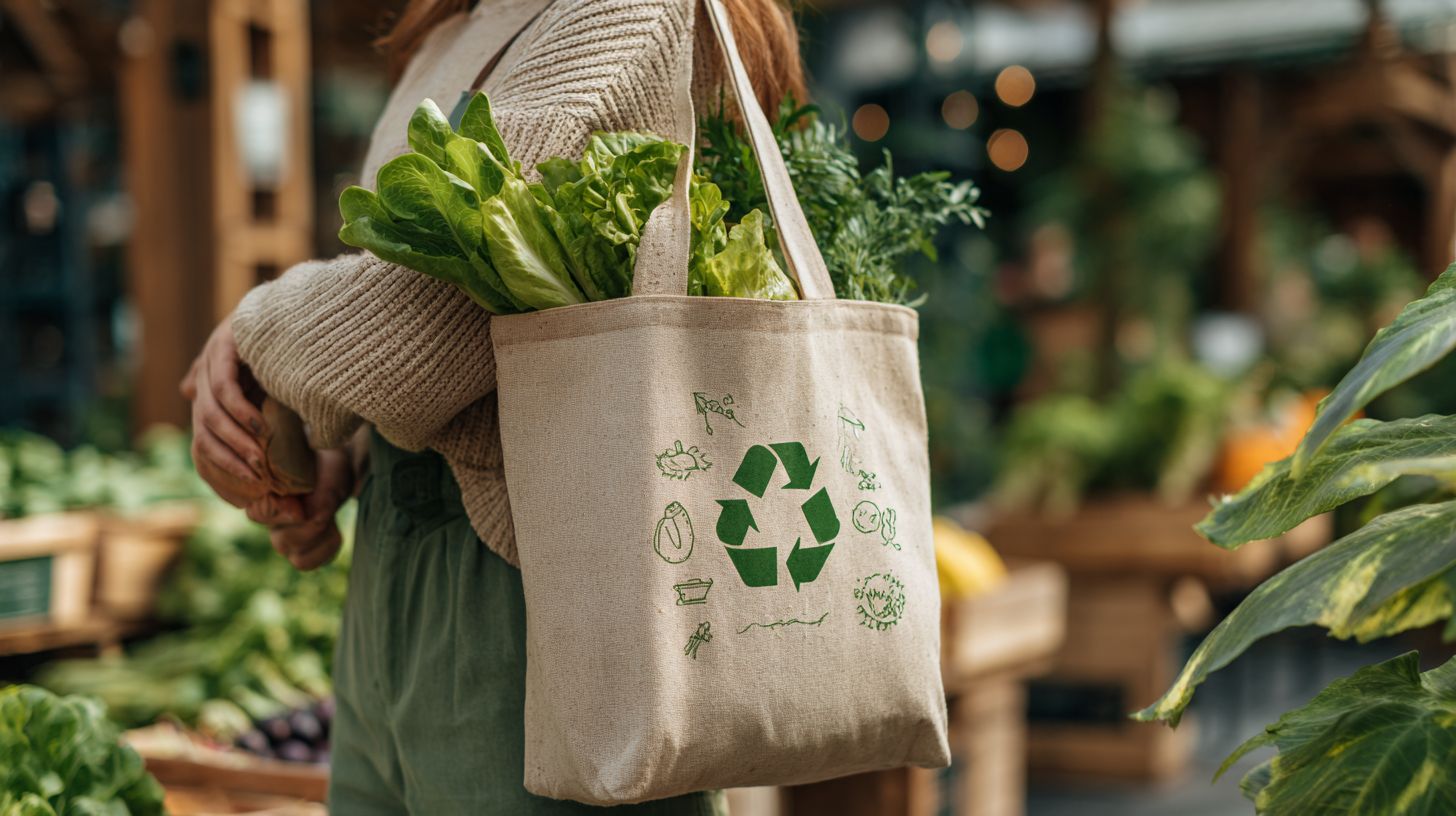
Incorporate slogans such as “Reduce, Reuse, Recycle” through digital printing on tote bags, a strategy that has boosted eco-engagement by 28% for brands like Unilever, according to a Nielsen sustainability report.
To optimize the impact of such initiatives, adhere to the following five best practices for eco-friendly tote branding.
- Employ UV-resistant inks, such as those utilized in sublimation printing, to achieve enduring vibrancy that withstands up to 50 washes in accordance with ASTM standards.
- Align designs with the United Nations Sustainable Development Goals, including Goal 12 on responsible consumption and production, thereby enhancing brand authenticity.
- Validate slogans through focus group testing; the incorporation of green icons has been shown to increase appeal by 20%, as evidenced by a 2022 study in the Journal of Consumer Research.
- Incorporate QR codes that direct users to corporate social responsibility (CSR) pages, fostering greater engagement.
- Monitor performance using tools like Google Analytics, which frequently result in 15% uplifts in website traffic.
For further inspiration, consider Starbucks’ reusable cup campaign, which reduced plastic usage by 20 million units annually, as detailed in their 2023 sustainability report.
Economic and Practical Advantages
Businesses can achieve long-term savings of 40-60% on packaging costs by adopting reusable bags, which range from $0.50 to $2.00 per unit when purchased in bulk.
In contrast, disposable bags cost approximately $0.05 per unit but incur additional levy fees of up to $0.10 per bag in more than 30 countries, according to a World Bank analysis.
This strategy reduces annual expenses by $5,000 for a 1,000-unit order, when amortized over 300 uses.
For example, a retail chain such as Whole Foods realized a 22% increase in customer loyalty by distributing branded totes, effectively transforming packaging into valuable promotional assets.
The savings are distributed across several key areas: production costs decrease from $1.00 per unit for branded reusables compared to $0.20 for plastic bags plus applicable taxes; logistics efficiencies arise from the 15% lighter weight of reusables, which lowers shipping fees; and marketing advantages are gained through dual-purpose items that enhance brand visibility.
To optimize value, businesses should negotiate with suppliers such as Alibaba to secure 20% discounts on orders exceeding 5,000 units, thereby ensuring environmental compliance while improving return on investment.
Broader Impact on Sustainability Goals
The adoption of custom reusable bags aligns with United Nations Sustainable Development Goals (SDGs) 12 (Responsible Consumption and Production) and 14 (Life Below Water). According to the Global Reporting Initiative’s 2023 data, companies implementing such initiatives have demonstrated a 25% advancement in sustainability reporting.
To achieve effective implementation, it is advisable to examine the following case studies:
- IKEA’s FSC-certified jute bags, as detailed in their sustainability report, contributed to a reduction of 1.2 million tons of plastic waste between 2019 and 2023.
- A small apparel brand’s tote program, informed by assessments from the Cradle to Cradle Institute, resulted in a 10% annual decrease in carbon emissions.
- A technology firm’s utilization of reusable bags at trade show events enhanced its Corporate Social Responsibility (CSR) scores by 30%, in accordance with ISO 26000 standards.
For measurable outcomes, organizations are encouraged to perform a lifecycle assessment utilizing SimaPro software (license fee: $5,000). This analysis will enable the quantification of the program’s environmental impact and facilitate the optimization of material selections.
Frequently Asked Questions
Q: Why Are Custom Printed Reusable Bags a Sustainable Choice?

Custom printed reusable bags are a sustainable choice because they significantly reduce the reliance on single-use plastics, which contribute to pollution and waste. Made from durable materials like cotton or recycled fabrics, these bags can be used hundreds of times, lowering the overall carbon footprint associated with bag production and disposal. The custom printing adds a personalized touch without compromising eco-friendliness, promoting long-term use and brand loyalty in an environmentally responsible way.
Q: How Do Custom Printed Reusable Bags Help Reduce Plastic Waste?
Why are custom printed reusable bags a sustainable choice? They directly combat plastic waste by replacing disposable bags that end up in landfills or oceans. Each reusable bag can substitute for thousands of plastic ones over its lifespan, preventing microplastic pollution and conserving resources. Businesses using custom prints encourage customers to adopt reusable habits, amplifying the sustainability impact through widespread adoption.
Q: What Materials Are Used in Custom Printed Reusable Bags for Sustainability?
Custom printed reusable bags often use sustainable materials such as organic cotton, jute, or recycled polyester, which are biodegradable or recyclable. Why are custom printed reusable bags a sustainable choice? These materials require less energy to produce and have a lower environmental impact than virgin plastics. The printing process uses water-based inks that are non-toxic, ensuring the entire product aligns with eco-conscious manufacturing standards.
Q: Why Choose Custom Printed Reusable Bags Over Disposable Alternatives?
Opting for custom printed reusable bags over disposables is ideal for sustainability because they last longer and reduce the frequency of bag production. Why are custom printed reusable bags a sustainable choice? They minimize resource extraction and manufacturing emissions, while the custom designs make them appealing for repeated use, fostering a culture of reuse that cuts down on the 500 billion plastic bags used globally each year.
Q: How Does Custom Printing Enhance the Sustainability of Reusable Bags?
Custom printing on reusable bags enhances sustainability by turning them into memorable, multi-purpose items that users are more likely to keep and reuse. Why are custom printed reusable bags a sustainable choice? The personalization discourages tossing them away after one use, extending their lifecycle and reducing waste. It also supports eco-friendly branding for companies aiming to promote green initiatives without additional environmental costs.
Q: What Long-Term Environmental Benefits Come from Using Custom Printed Reusable Bags?
The long-term benefits include decreased deforestation from paper bag production and less ocean pollution from plastics. Why are custom printed reusable bags a sustainable choice? Over time, they lead to substantial reductions in greenhouse gas emissions-equivalent to removing cars from the road-and conserve water and energy in manufacturing. Communities and businesses adopting them contribute to a circular economy, where products are designed for reuse rather than disposal.
Ready to Make a Sustainable Impact? Order Now!
Switch to custom printed reusable bags from aplasticbag and take a smart step toward eco-friendly branding. Our durable, reusable bags help reduce plastic waste while showcasing your logo in a responsible, professional way. Perfect for retail, events, and promotions, they’re designed to be reused again and again—amplifying your brand’s visibility and your commitment to sustainability.
👉 Order now from aplasticbag.com and choose high-quality, customizable reusable bags that support the planet and strengthen your brand. Make sustainability part of your story today!

 7 Reasons to Use Custom Printed Reusable Bags for Your Business
  Best Ways Businesses Use Printed Reusable Bags Wholesale for Long-Term Brand Visibility
  What Are Custom Printed Reusable Bags? A Smart Branding Solution for Modern Retail
Comments