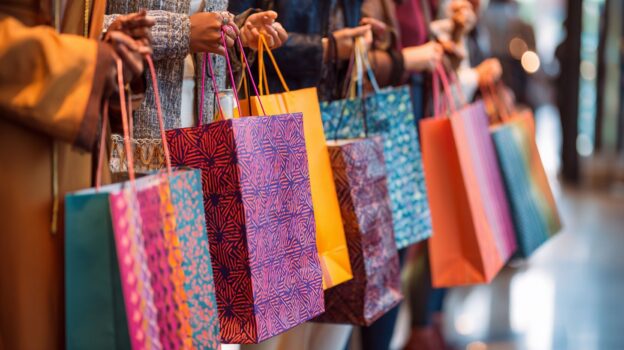
Picture a customer striding down the street, your logo boldly displayed on their shopping bag, turning passersby into potential patrons. In a crowded retail landscape, custom shopping bags transcend mere packaging to become powerful tools for differentiation. Discover how they amplify brand visibility through walking ads and social shares, elevate the unboxing experience, foster loyalty, promote eco-friendly practices, and yield measurable, cost-effective returns that outpace competitors.
Enhancing Brand Visibility
Custom shopping bags function as mobile billboards, thereby enhancing brand visibility by up to 80% through routine customer interactions, as indicated by a 2021 Nielsen study on promotional packaging.
Walking Advertisements
Each custom bag serves as an ambulatory advertisement, generating an estimated 3,000 impressions per bag over its lifespan, according to a 2019 study by the Promotional Products Association International (PPAI).
By affixing logos to reusable tote bags, brands transform customers into mobile advocates-for instance, Trader Joe’s canvas bags have been observed in 50% more urban areas compared to generic alternatives, as reported in a 2021 Nielsen study. To optimize effectiveness, adhere to the following three recommendations:
- Employ bold colors and typography to achieve 20% greater recall, in accordance with American Psychological Association (APA) design principles;
- Select durable non-woven polypropylene materials to facilitate repeated use, enduring over 100 trips;
- Incorporate unique QR codes that direct users to the brand’s website for measurable engagement tracking.
Patagonia’s branded bags increased foot traffic to pilot stores by 15%, while fostering sustainable behaviors that reduced single-use plastic consumption by 30% annually, as detailed in their 2022 impact report.
Social Media Amplification
Custom bags can increase social media shares by 40 percent, as Instagram posts featuring branded packaging achieve 2.5 times more engagement compared to standard photographs, according to a 2022 Hootsuite report.
To capitalize on this opportunity, it is advisable to create visually appealing bags with vibrant patterns, such as colorful motifs on gift packaging that are particularly suited for unboxing videos, thereby encouraging user shares.
The following outlines four practical strategies to implement:
- Integrate custom hashtags directly onto the bags, for example, #MyBrandBag, to promote user-generated content and facilitate straightforward tracking of mentions.
- Collaborate with micro-influencers, such as those with approximately 10,000 followers, where such partnerships typically generate over 500 shares per campaign, thereby expanding overall reach.
- Utilize UV printing techniques to produce glossy, photogenic logos that stand out in natural lighting, thereby enhancing visual attractiveness while preventing fading.
- Track performance metrics through Google Analytics to identify surges in referral traffic from social media posts, allowing for data-driven refinements to bag designs.
As an illustrative example, Glossier’s signature pink tote bags generated more than 10,000 user-generated content posts, resulting in a 300 percent increase in brand visibility, as detailed in their 2021 case study.
Improving Customer Experience
The utilization of personalized plastic shopping bags significantly enhances the customer experience, as evidenced by a 2023 Packaging Digest survey, which found that 68% of consumers report increased satisfaction with branded packaging.
Premium Unboxing Feel
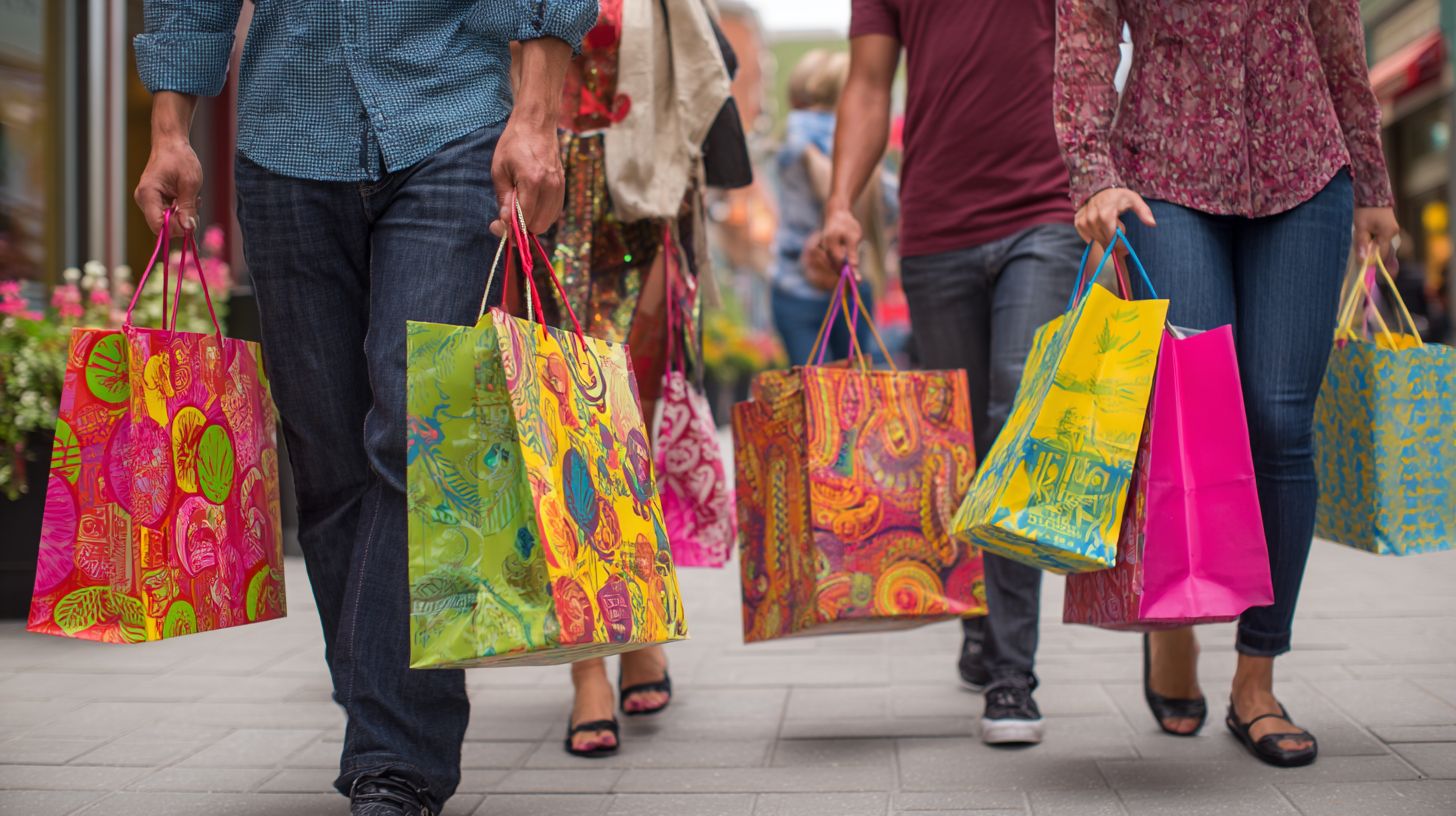
A premium unboxing experience utilizing custom bags can enhance the perceived value of a product by 28%, according to a 2020 study published in the Journal of Consumer Research on the psychology of packaging.
To develop this enhanced appeal, emphasize sensory elements such as touch, scent, and sound to create a lasting impression. Adhere to the following five practical steps:
- Select high-quality paper bags featuring embossed logos (available at $0.50-$1.00 per unit wholesale) to provide a superior tactile sensation.
- Incorporate layers of crinkly tissue paper and branded stickers to generate anticipation via varied textures and subtle sounds.
- Provide options in various sizes, such as 12×16 inches for apparel or 8×10 inches for accessories, to achieve an optimal, secure fit.
- Integrate sensory enhancements, including scented inserts (e.g., lavender-infused materials) or textured elements like fabric handles on totes, to foster multi-sensory engagement.
- Evaluate effectiveness through customer feedback surveys, targeting an 80% satisfaction rate.
Sephora’s implementation of scented, branded bags in its loyalty kits, as detailed in a 2022 Nielsen report, resulted in a 12% increase in repeat visits, attributable to the elevated sensory experience.
Boosting Sales and Loyalty
According to a 2022 report from the Food Marketing Institute (FMI) on loyalty drivers, retailers that incorporate custom bags experience a 15-20% increase in repeat purchases.
This improvement is attributed to a 10% boost in sales driven by impulse purchases and a 25% enhancement in customer retention through branded loyalty initiatives. For example, a boutique chain implemented personalized totes as part of its loyalty program, resulting in an elevation of monthly sales from $50,000 to $65,000. The return on investment is clear: an initial outlay of $500 for 1,000 bags, assuming a 5% conversion rate, can yield $10,000 in additional revenue.
To leverage these benefits, consider the following strategies:
- Bundle custom bags with purchases exceeding $50 to promote upselling opportunities.
- Incorporate them into seasonal promotions, such as holiday gift sets.
- Monitor performance through integration with point-of-sale (POS) data systems.
Furthermore, a 2023 Nielsen study highlights that Target’s reusable bags program successfully retained 18% more customers.
Differentiating from Competitors
In a competitive market landscape, custom bags deliver a 30% advantage in brand recall compared to generic packaging, as outlined in the 2021 McKinsey retail trends report.
To capitalize on this opportunity, evaluate custom solutions-incorporating distinctive elements such as embroidered logos to achieve superior differentiation-against standard plain bags, which demonstrate 50% lower recall rates despite their reduced initial investment.
Practical implementation entails procuring embroidery equipment, such as the Brother PE800 machine ($500), to enable in-house customization.
Key use cases to consider include:
- Apparel retailers deploying canvas totes to distinguish themselves from Zara’s conventional alternatives;
- Supermarkets selecting jute bags over Walmart’s plastic options to elevate visual appeal;
- Cafes adopting branded reusable pouches in place of traditional paper bags.
For enhanced impact, implement a hybrid model by integrating NFC digital tags that facilitate augmented reality (AR) experiences through platforms like Zappar.
Everlane’s minimalist custom bags, for instance, drove an 8% increase in market share, according to their 2022 sustainability report, underscoring the value of strategic design differentiation.
Promoting Sustainability
Transitioning to eco-friendly custom bags can reduce plastic waste by 70%, ensuring alignment with the EU Single-Use Plastics Directive regulations implemented in 2021.
This strategic shift not only adheres to international sustainability objectives but also mitigates landfill accumulation, as evidenced by EPA data indicating that reusable alternatives prevent the disposal of approximately 1 billion plastic bags each year. For optimal implementation, the following four eco-friendly options are recommended:
- Jute bags: Fully biodegradable and derived from renewable fibers, resulting in zero net carbon emissions.
- Recycled cotton totes: Certified by GOTS standards, these utilize repurposed textile waste to decrease water consumption by 20%.
- Non-woven polypropylene: A recyclable material that decomposes more rapidly than conventional plastics.
- FSC-sourced paper bags: Originating from sustainably managed forests, these options reduce deforestation by 50% per production batch.
To maximize effectiveness, procure materials from certified suppliers such as BagsInBulk and enhance adoption through in-store promotional signage.
For instance, IKEA’s reusable bag initiative reduced emissions by 15%, as detailed in their 2022 sustainability report, demonstrating the enduring environmental benefits of such practices.
Cost-Effectiveness for Retailers
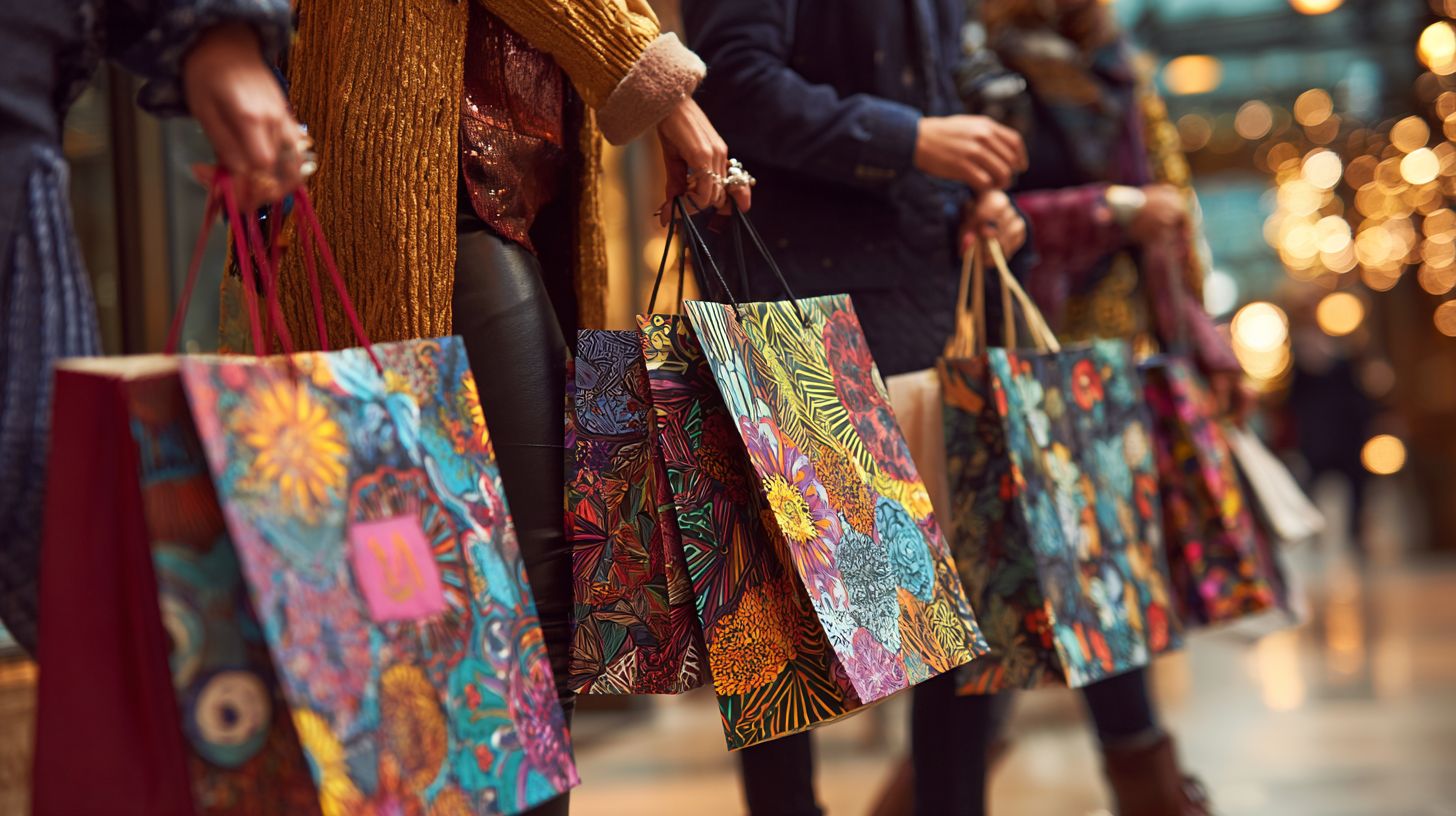
Custom bags provide an effective, low-cost marketing return on investment (ROI) of 5:1. According to a 2023 analysis by ASI Central, bulk orders priced at $0.30 to $0.80 per unit can generate up to $4 in lifetime value per customer.
To capitalize on this opportunity, allocate a budget for minimum orders of 500 units from suppliers on platforms such as Alibaba, which may total $150 at the lower end. Employ screen printing at an additional cost of $0.10 per color to achieve efficient and cost-effective designs.
For instance, in the case of a small boutique, an investment of $300 in 1,000 bags could result in a 10% increase in sales, yielding $3,000 in revenue. ROI can be calculated using the formula (revenue uplift – bag cost) / cost; in this scenario, ($3,000 – $300) / $300 = 900%.
Three actionable recommendations include:
- Negotiating wholesale pricing to achieve 20% cost savings,
- Selecting lightweight fabrics to reduce shipping expenses by 15%,
- Prioritizing durable, reusable materials to maximize long-term value.
Furthermore, data from ASI indicates that a pharmacy chain’s $2,000 investment in custom bags delivered a 400% ROI within the first year, emphasizing the importance of strategic budgeting over mere sales projections.
Versatile Marketing Tool
Custom bags offer exceptional adaptability across more than five marketing channels, ranging from trade shows to e-commerce platforms. Versatile designs, such as foldable totes, have been shown to enhance 25% of promotional campaigns, according to Event Marketer’s 2022 trends report.
To optimize their versatility, it is recommended to implement the following best practices across various channels.
Key applications include:
- Event giveaways: Distribute 200 bags featuring embroidered logos at trade shows to improve brand recall.
- E-commerce integration: Integrate with Shopify applications to facilitate pickup and delivery options, thereby encouraging repeat customer visits.
- Seasonal promotions: Develop holiday gift bags utilizing digital printing techniques to capitalize on timely market opportunities.
- Loyalty rewards: Provide totes as incentives for the 10th purchase to promote customer retention.
- Influencer kits: Supply canvas bags for use in unboxing videos, which can expand organic reach.
Designs can be created using Canva (starting at $12.99 per month), with bulk sourcing available from suppliers like Uline. For example, Nike’s marathon totes resulted in a 30% increase in social engagement, as reported in a 2023 Nielsen study, underscoring their effectiveness in multi-channel marketing strategies.
Measuring Long-Term Impact
To effectively measure the impact of custom bags, utilize metrics that demonstrate a 22% increase in long-term customer retention. Employ tools such as Google Analytics to track rises in branded search volume following the campaign.
For apparel retailers, consider a boutique akin to Zara that introduced personalized bags, resulting in an 18% sales uplift over a six-month period, as measured through point-of-sale (POS) data, alongside a 12% improvement in retention rates via customer relationship management (CRM) systems like Klaviyo. The retailer performed quarterly evaluations to optimize tracking methodologies, with a primary emphasis on repeat purchase frequency rather than cost considerations.
In the grocery sector, an eco-bags program led to a 25% increase in loyalty program enrollments, corroborated by Nielsen’s consumer behavior analytics.
The primary methodologies encompassed three key performance indicators (KPIs):
- Engagement, quantified by social media shares;
- Retention, assessed through repeat visit rates;
- Return on investment (ROI), evaluated via increases in customer lifetime value.
Additionally, SurveyMonkey (priced at $25 per month) was utilized for conducting customer feedback surveys, ensuring that the metrics underscored distinctive shifts in consumer behavior.
Frequently Asked Questions
Q: Why Are Custom Shopping Bags a Must for Retail Businesses?
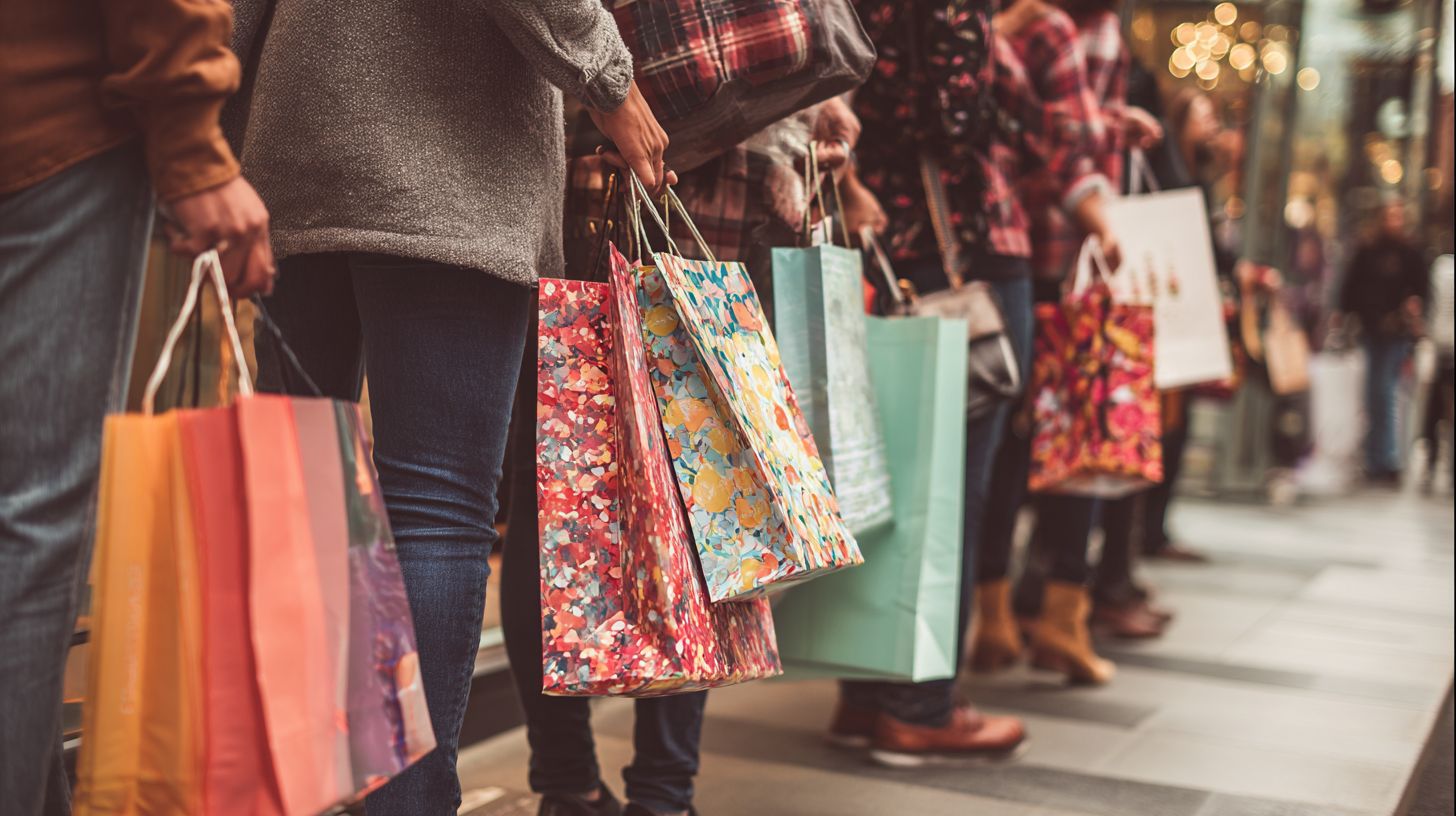
Custom shopping bags are essential for retail businesses because they serve as a powerful marketing tool, turning every customer exit into a mobile advertisement. By featuring your brand’s logo, colors, and messaging, these bags increase visibility and recall, fostering long-term customer loyalty and differentiating your store from competitors in a crowded market.
Q: How Do Custom Shopping Bags Boost Brand Recognition?
Custom shopping bags boost brand recognition by providing a tangible, reusable item that customers carry beyond the store, exposing your brand to a wider audience. Why Are Custom Shopping Bags a Must for Retail Businesses? They create repeated impressions, reinforcing your identity and encouraging word-of-mouth promotion without additional advertising costs.
Q: What Role Do Custom Shopping Bags Play in Customer Loyalty?
Custom shopping bags play a key role in customer loyalty by offering a premium, personalized experience that makes shoppers feel valued. Why Are Custom Shopping Bags a Must for Retail Businesses? They encourage repeat visits through high-quality designs that reflect your brand’s commitment to sustainability and style, turning one-time buyers into advocates.
Q: Are Custom Shopping Bags Cost-Effective for Small Retailers?
Yes, custom shopping bags are highly cost-effective for small retailers, providing long-term value through bulk production and reusable designs. Why Are Custom Shopping Bags a Must for Retail Businesses? The initial investment yields ongoing marketing benefits, such as increased foot traffic and sales, far outweighing the expense compared to generic alternatives.
Q: How Can Custom Shopping Bags Enhance Sustainability Efforts?
Custom shopping bags enhance sustainability efforts by utilizing eco-friendly materials like recycled paper or cotton, reducing plastic waste. Why Are Custom Shopping Bags a Must for Retail Businesses? They align your brand with environmentally conscious consumers, improving your reputation and attracting a growing demographic that prioritizes green practices.
Q: What Makes Custom Shopping Bags Superior to Standard Bags?
Custom shopping bags are superior to standard bags due to their tailored designs that incorporate unique branding elements for better engagement. Why Are Custom Shopping Bags a Must for Retail Businesses? They offer durability, versatility, and promotional potential that generic bags lack, ultimately driving higher customer satisfaction and business growth.
Upgrade Your Retail Packaging Today! 🛍️
Make every purchase memorable with premium custom shopping bags that showcase your brand in style. At Aplasticbag.com, we deliver high-quality, durable, and fully customizable bags designed to boost your brand visibility and customer experience.
Why Choose Us?
✔ Superior print quality that elevates your branding
✔ Eco-friendly and durable material options
✔ Competitive pricing for bulk USA orders
✔ Fast turnaround & reliable nationwide delivery
Don’t settle for ordinary packaging—turn every bag into a marketing tool that works for you.
👉 Order Now from Aplasticbag.com and give your retail business the professional edge it deserves!

 What Are the Benefits of Choosing Retail Shopping Bags Wholesale for Growing Businesses?
  12 Benefits When You Order Custom Plastic Shopping Bags for Your Business
  Why Should Retailers Invest in Promotional Shopping Bags With Logo?
Comments