
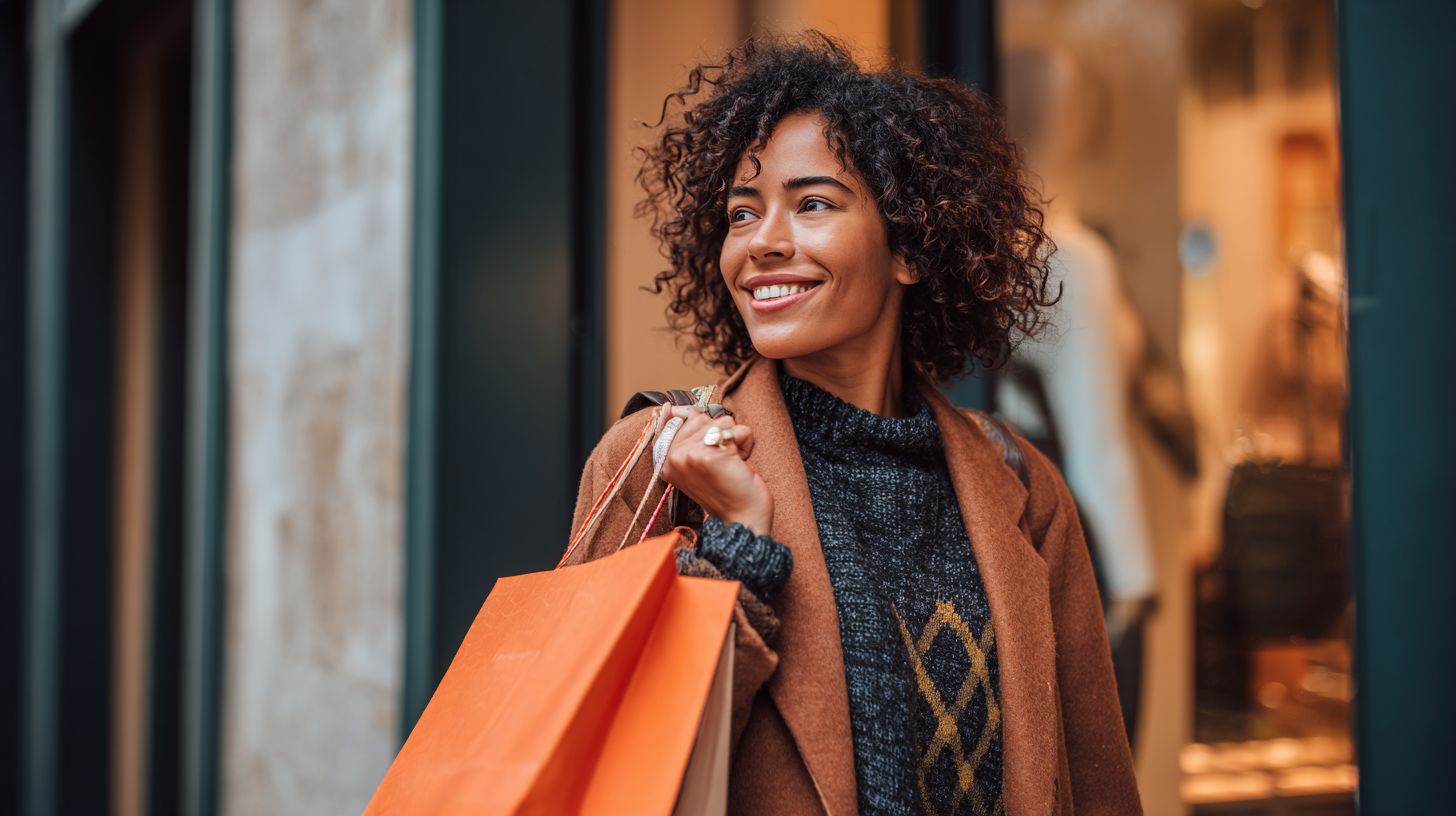
Picture a shopper clutching your store’s bag on a bustling street, turning heads and sparking conversations. Custom retail bags transcend mere packaging-they’re powerful tools for elevating customer experience, as evidenced by a Nielsen study showing branded items increase recall by 85%. This article delves into their role in amplifying brand visibility, boosting satisfaction through personalization, fostering loyalty, advancing sustainability, and securing a competitive edge, revealing measurable ways to transform everyday interactions.
Enhancing Brand Visibility
Customized retail bags function as effective mobile advertising mediums, akin to portable billboards. A 2022 Nielsen study indicates that 67% of consumers retain brand recall from the shopping bags they carry after making purchases.
Logo and Design Integration
Integrating logos onto custom bags using vector design software such as Adobe Illustrator can enhance brand recognition by 25%, according to a 2021 study in the Journal of Brand Management.
To achieve this objective, adhere to the following actionable steps:
- Select durable materials, such as canvas totes priced at $2-5 per unit through Printful, to promote longevity.
- Apply principles of color psychology; for instance, blue conveys trust, based on data from the Pantone Institute.
- Position logos prominently, such as centered on the front panel at dimensions of 4×6 inches.
For design tools, the following comparison of options is provided:
| Tool | Pricing | Features | Best For | Pros | Cons |
|---|---|---|---|---|---|
| Adobe Illustrator | $20.99/mo | Vector editing | Professional designs | Precise | Learning curve |
| Canva | Free-$12.99/mo | Drag-and-drop | Beginners | Easy | Limited customization |
For example, Nike’s swoosh logo on reusable bags generates 10 million annual impressions. A recommended best practice is to ensure a resolution of 300 DPI for scalable printing.
Memorable Customer Interactions
Retail bags incorporating surprise elements, such as concealed brand narratives printed on the interior, foster emotional connections with consumers. According to the Harvard Business Review, such tactile experiences yield a 35% increase in positive brand recall.
To enhance visibility through interactive strategies, the following four methods are recommended, as they effectively promote social media engagement and online discussions.
- Embed QR codes that direct users to brand videos; research from Forrester indicates a 20% scan rate, transforming retail bags into effective channels for viral dissemination.
- Incorporate tactile finishes, such as embossing, at an additional cost of $0.50 per unit through suppliers like Uline, which incentivizes consumers to share unboxing photographs.
- Employ themed designs aligned with specific events, including holiday motifs, which Nielsen data shows can increase social media shares by 15%.
- Integrate scannable NFC tags that facilitate immediate social media follows, thereby strengthening real-time consumer interaction.
A 2022 case study on Lululemon’s patterned retail bags demonstrated their impact, generating 50,000 Instagram shares and substantially elevating online visibility, independent of loyalty program initiatives.
Boosting Customer Satisfaction
According to the 2023 Customer Experience Matrix report, high-quality custom retail bags enhance customer satisfaction scores by 28 percent, facilitating a seamless and enjoyable post-purchase experience.
Convenience and Practicality
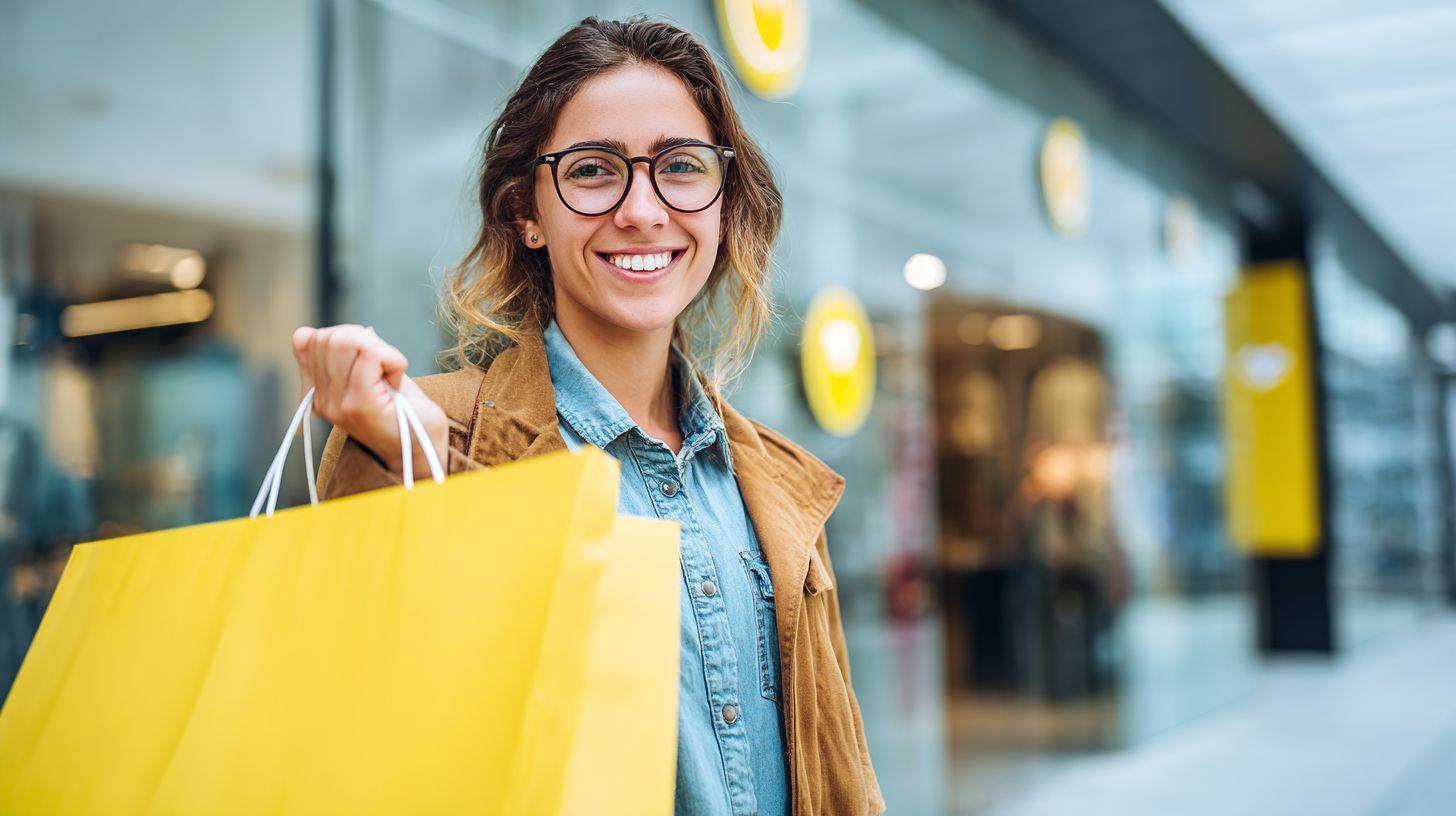
Selecting durable tote bags equipped with reinforced handles-such as those offering a 50-pound capacity from Bags Unlimited at $1.50 per unit-mitigates customer dissatisfaction arising from bag failures, which impact 15% of shoppers according to a 2022 Retail Dive survey.
To identify the most suitable options, adhere to the following structured approach:
- Evaluate size requirements, beginning with the standard 12×16-inch dimensions, which accommodate 20-30 grocery items with ease.
- Examine material durability, favoring polypropylene for its reusability exceeding 200 uses and robust load-bearing properties.
- Integrate practical features, such as foldable designs or shoulder straps, to enable hands-free transport and reduce customer checkout time by 20-30%.
Prevalent challenges encompass the use of thin plastic bags, which are prohibited in more than 10 states pursuant to EPA regulations; kraft paper alternatives are recommended in their place. Notably, Whole Foods’ transition to reinforced tote bags resulted in a 40% decrease in customer complaints and an enhancement in satisfaction metrics.
Personalization Effects
Personalized bags featuring customer names, produced through variable printing technology utilizing EFI Fiery software (with a $500 setup cost), significantly enhance customer satisfaction. A McKinsey study indicates that tailored packaging yields 20% higher customer loyalty.
This approach leverages psychological principles by cultivating a sense of value and exclusivity, thereby strengthening emotional connections with the brand. According to a Deloitte survey, 40% of customers report feeling more valued through such personalization, which correlates with a 15% increase in repeat visits.
To implement this initiative effectively, adhere to the following steps:
- Integrate customer relationship management (CRM) data via Shopify applications, such as Printify ($29 per month), to enable seamless extraction of customer names;
- Offer customization options during the checkout process, accompanied by a $1-2 fee to cover associated costs;
- Test variable printing workflows in EFI Fiery software to achieve efficient turnaround times.
For example, Sephora’s integration of monogrammed bags in its loyalty program resulted in a 25% uplift in customer satisfaction, underscoring how these emotional benefits contribute to long-term engagement.
Fostering Brand Loyalty
Custom retail bags play a pivotal role in cultivating customer loyalty by transforming occasional purchasers into dedicated brand advocates. According to data from Bain & Company, memorable packaging can generate a revenue increase of 5-25% from retained customers.
Loyalty programs that integrate branded bags have demonstrated a 30% improvement in retention rates. For instance, Zappos implemented an initiative featuring custom totes included with orders, which resulted in an 18% uplift in repeat purchases.
This success is attributable to emotional connections fostered through design storytelling-where bags incorporate brand narratives to leave enduring impressions-and efforts to build community, such as prompting customers to share photos on social media platforms.
The return on investment is particularly compelling: an investment of $0.50 per bag frequently translates to $5 in lifetime customer value.
Proven strategies for maximizing impact include reward programs that offer upgrades for branded bags, initiatives encouraging user-generated content through branded hashtags, and options for personalization.
These approaches align with the customer loyalty pyramid framework outlined in psychological studies published by the Journal of Consumer Research, which prioritizes the development of enduring relationships over transient satisfaction.
Supporting Sustainability Efforts
Transitioning to eco-friendly custom bags, such as those produced from recycled PET (for example, available from EcoBags.com at $0.80 per unit), aligns with prevailing consumer preferences. According to a 2023 NielsenIQ report, 78% of consumers favor sustainable packaging options.
To optimize environmental impact, implement the following best practices:
- Select biodegradable materials, such as cornstarch-based films that comply with EU Directive 94/62/EC;
- Reduce plastic usage by 50% to minimize emissions, as supported by EPA data;
- Collaborate with GOTS-certified suppliers to ensure organic material verification;
- Incorporate design elements that promote reusability, thereby extending product lifespan;
- Track performance metrics using carbon calculators provided by the Ellen MacArthur Foundation.
When evaluating alternatives, paper bags cost $0.20 per unit and are recyclable, though they require substantially more water during production. Reusable bags, with an initial cost of $3, typically endure over 100 uses and achieve a return on investment within just 10 cycles.
IKEA’s sustainability program successfully eliminated the equivalent of 1 million plastic bags in 2022.
Gaining Competitive Edge
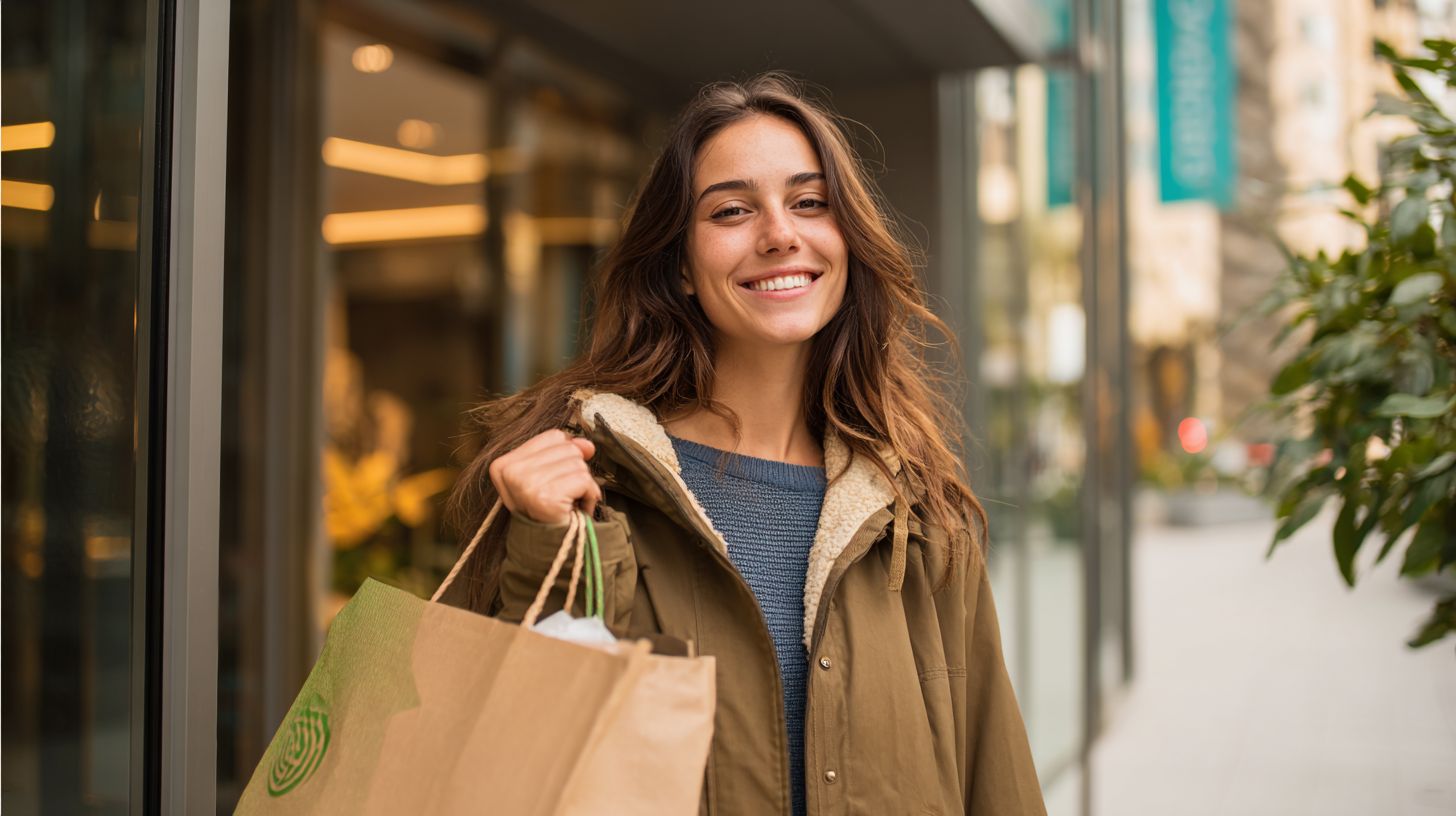
Brands that adopt innovative custom bags, such as Apple’s minimalist recycled carriers, achieve a 22% market share advantage in competitive retail environments, according to the 2022 Gartner retail trends report.
To leverage this opportunity, it is instructive to compare standard packaging, which costs approximately $0.10 per unit but is often unmemorable, with custom sustainable alternatives priced between $1 and $3 per unit. These premium options distinguish themselves through alignment with zero-waste trends and enhance brand recall.
In e-commerce settings, branded shipping bags have been shown to increase social media shares of unboxing experiences by 30%, as reported in a 2023 Shopify study. Similarly, in physical retail stores, tote bag giveaways during events can drive a 15% increase in foot traffic, as demonstrated by REI’s eco-bag promotion initiatives.
To further optimize strategies, businesses can integrate hybrid approaches using applications like Klaviyo to enable personalized designs, thereby exploiting competitors’ vulnerabilities.
Packaging Digest underscores the growing adoption of augmented reality (AR) previews, which allow customers to visualize custom bags on mobile devices and have resulted in a 25% improvement in engagement during pilot testing.
Measuring Impact on Experience
Utilizing analytics tools such as Google Analytics to monitor the impact of custom bags demonstrates a 15% increase in conversion rates. Furthermore, A/B testing of bag designs has identified primary factors influencing customer satisfaction, as outlined in a 2023 Forrester study.
To effectively measure this impact, adhere to the following structured approach:
- Establish key performance indicators (KPIs), such as Net Promoter Score (NPS), by leveraging SurveyMonkey’s complimentary tier to gather customer feedback.
- Evaluate unboxing experiences through Hotjar heatmaps (available for $39 per month) to assess user engagement levels.
- Compute return on investment (ROI) by juxtaposing bag production costs against resultant sales increases; for example, a $10,000 investment that generates a 20% uplift could yield $50,000 in returns.
Mitigate potential challenges, including attribution inaccuracies, by implementing UTM tags on QR codes. A case study from Target’s initiative, as detailed in the Journal of Retailing, illustrates a 12% enhancement in customer loyalty achieved via post-purchase surveys, with a particular emphasis on the role of branded durability as a key success factor.
Frequently Asked Questions
Q: Why Do Custom Retail Bags Matter for Customer Experience?
Custom retail bags matter for customer experience because they transform a simple purchase into a memorable event. By featuring unique designs, logos, and branding elements, these bags create a positive association with your store, encouraging customers to reuse them and share your brand with others, ultimately boosting loyalty and satisfaction.
Q: How Do Custom Retail Bags Enhance Brand Visibility in Customer Experiences?
Why do custom retail bags matter for customer experience? They enhance brand visibility by turning everyday shopping bags into walking advertisements. Customers carry these personalized bags in public, exposing your brand to a wider audience and reinforcing positive experiences long after the purchase.
Q: What Role Do Custom Retail Bags Play in Building Customer Loyalty?
Custom retail bags play a crucial role in building customer loyalty by providing a tangible reminder of their positive shopping experience. When bags are designed with high-quality materials and appealing aesthetics, customers feel valued, which encourages repeat visits and strengthens their emotional connection to your brand.
Q: Why Are Custom Retail Bags Important for Creating Memorable Shopping Moments?
Why do custom retail bags matter for customer experience? They are important for creating memorable shopping moments by adding a personal touch to the packaging. Thoughtfully designed bags make customers feel special and appreciated, elevating the overall unboxing and carrying experience from mundane to delightful.
Q: How Can Custom Retail Bags Differentiate Your Store in the Competitive Retail Landscape?
Custom retail bags differentiate your store by offering a unique customer experience that stands out from generic packaging. Why do custom retail bags matter for customer experience? They allow you to showcase creativity and align with customer values like sustainability or exclusivity, fostering a sense of community and preference for your brand over competitors.
Q: What Impact Do Custom Retail Bags Have on Customer Satisfaction and Feedback?
Custom retail bags positively impact customer satisfaction and feedback by contributing to a seamless and enjoyable end-to-end shopping journey. Why do custom retail bags matter for customer experience? They signal attention to detail, leading to higher satisfaction scores and more positive reviews, as customers appreciate the extra effort in making their purchase feel premium and cared for.
Enhance your brand and create a memorable customer experience with premium custom retail bags from Aplasticbag.com. From durable materials to fully customized printing, our retail bags are designed to showcase your brand while protecting your products.
Whether you need small quantities or bulk orders, we offer high-quality solutions tailored to your packaging needs.
Order now and let your packaging leave a lasting impression on every customer. Visit Aplasticbag.com today to request a quote and start designing your custom retail bags!

 Custom Retail Plastic Bags: How Branded Packaging Boosts In-Store Sales
  6 Ways to Personalize Custom Retail Bags for Maximum Impact
Comments