
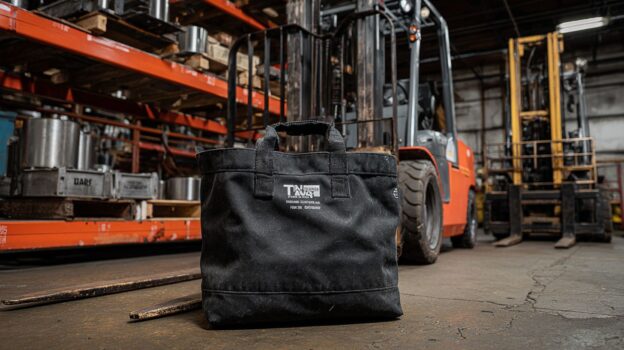
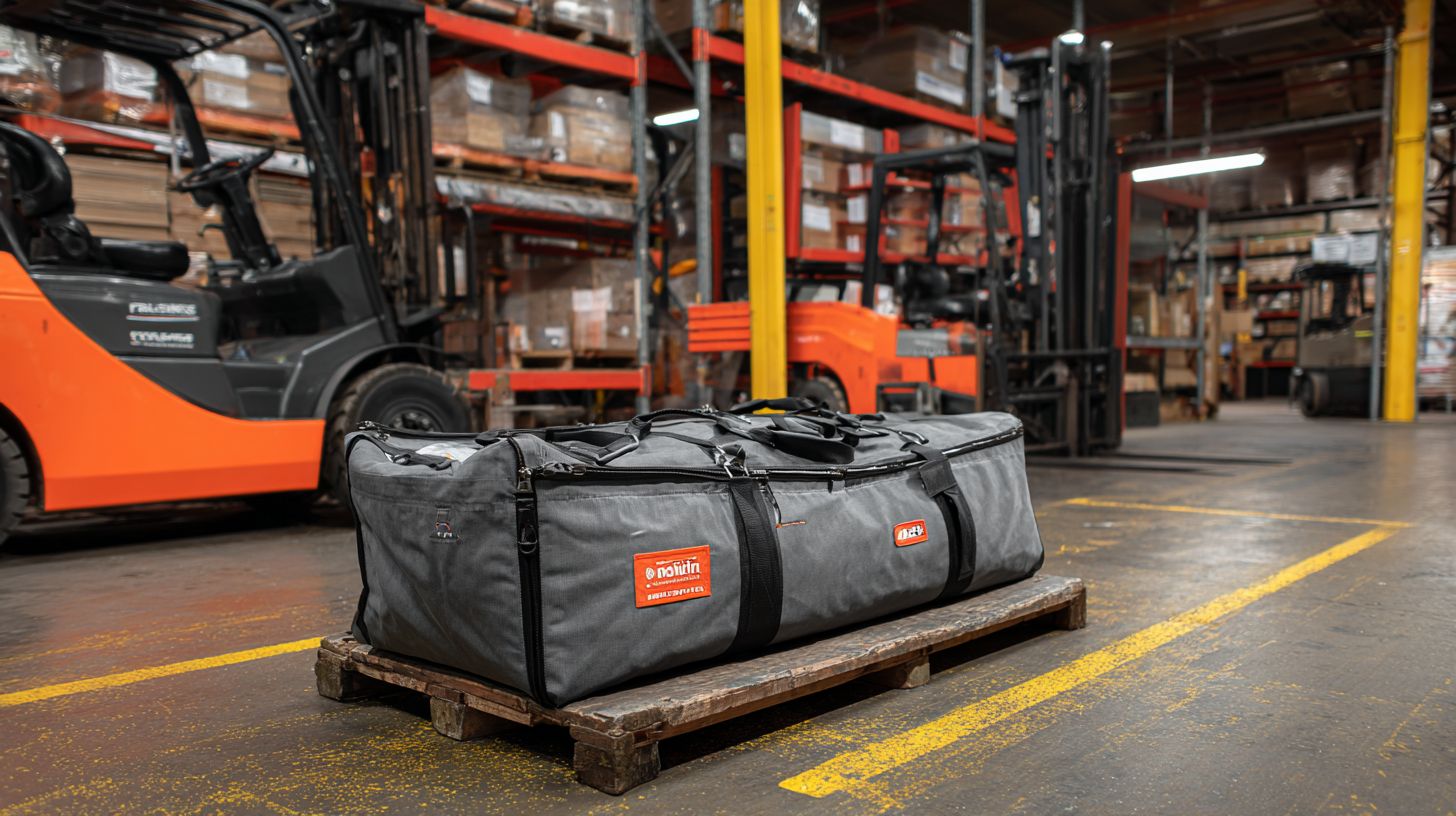
In the high-stakes arena of industrial packaging, where loads must endure relentless transport and handling, subpar solutions risk costly failures. Custom heavy duty bags emerge as a game-changer, delivering unmatched reliability tailored to your operations. Explore their superior durability from premium materials, precise customization for branding and fit, long-term cost savings, eco-friendly advantages, industry-wide versatility, and enhancements in safety, compliance, and workflow efficiency-proving why they’re essential for peak performance.
Superior Durability and Strength
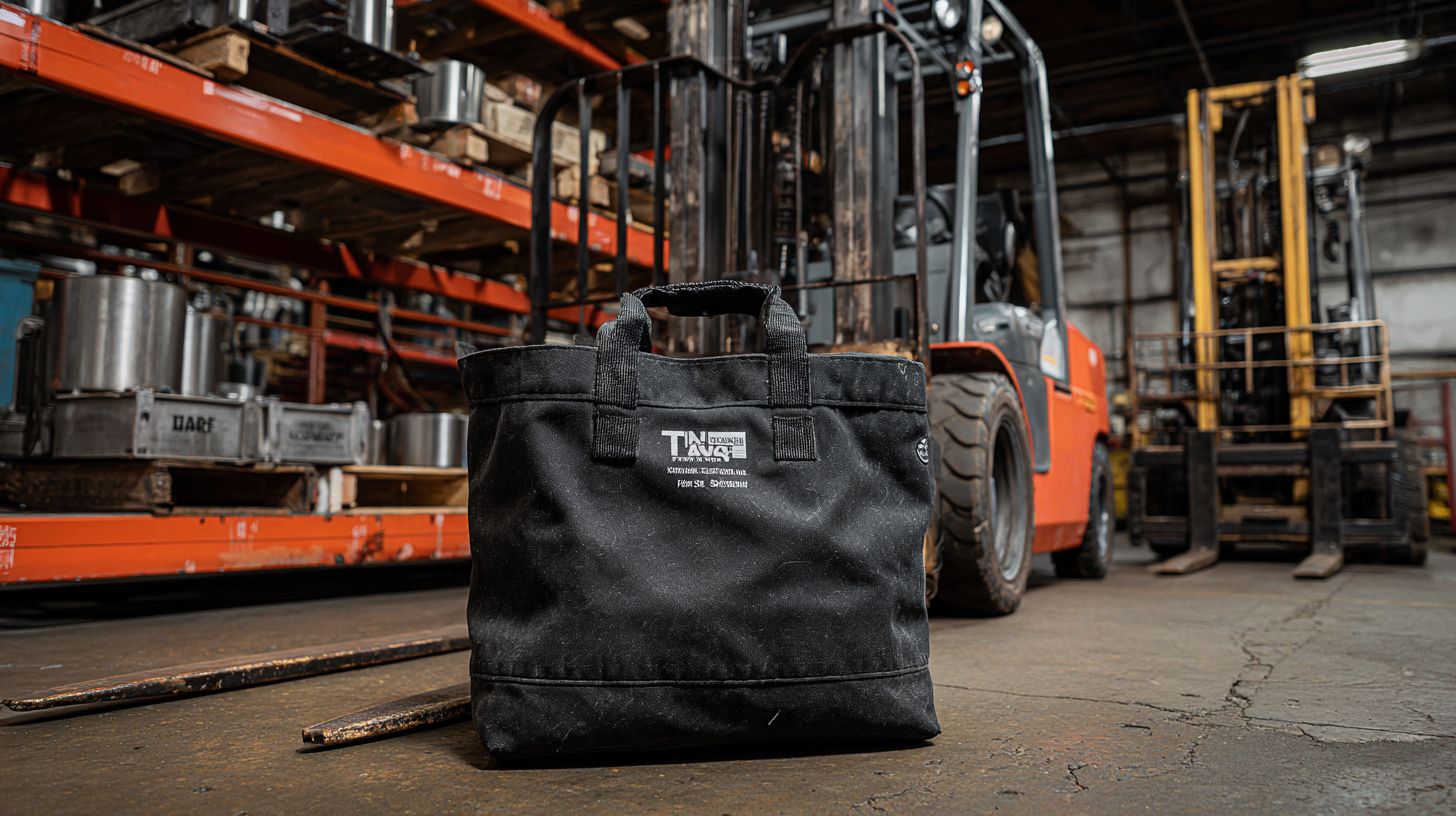
In rigorous environments such as construction sites and chemical facilities, the exceptional durability of custom heavy-duty bags enables them to withstand loads exceeding 2,000 kg without failure, as evidenced by the performance of BOPP-laminated woven bags evaluated under ASTM D4169 testing standards.
High-Quality Materials
High-quality materials, such as 100% virgin polypropylene woven fabric with a basis weight of 140-180 gsm, constitute the foundation of custom heavy-duty bags. These materials provide superior tear resistance in comparison to recycled alternatives.
To optimize performance for specific applications, the following four materials are recommended for consideration.
- Non-Woven Polypropylene bags offers a tensile strength of 100-150 kN/m, making it suitable for bulk goods such as cement (e.g., Berry Global’s 5-layer laminates).
- Laminated BOPP delivers a moisture barrier with absorption rates below 0.1%, rendering it ideal for food-grade packaging.
- Multi-Wall Kraft Paper provides burst strength of 200-300 psi, serving as an environmentally friendly option for agricultural uses.
- Reinforced Polyethylene ensures puncture resistance up to 500N, which is particularly effective for handling sharp items.
The materials are compared below in accordance with ISO 21898 standards for quality assurance. Studies conducted by DuPont indicate that these materials can extend supply chain durability by 20-30%.
| Material | Density (gsm) | Load Capacity (kg) | Cost per Unit | Best For |
| Woven Polypropylene | 160 | 50 | $0.75 | Bulk goods |
| Laminated BOPP | 50 | 20 | $1.00 | Food packaging |
| Multi-Wall Kraft Paper | 100 | 30 | $0.50 | Agriculture |
| Reinforced Polyethylene | 120 | 40 | $1.50 | Sharp items |
Resistance to Wear and Tear
Custom heavy-duty bags are engineered with double-stitched seams and anti-skid coatings to resist wear and tear, enduring more than 500 handling cycles in logistics tests conducted in accordance with ISTA 6-Amazon standards.
Key resistance factors contribute to enhanced durability:
- Tear Resistance: These bags exceed the Dart Impact Test threshold of greater than 2,000 grams through the use of high-denier yarns, thereby preventing splits in fertilizer bags during forklift handling.
- Puncture Resistance: They absorb up to 1,000 joules via baffle reinforcements, as demonstrated in agricultural bags that withstand punctures from tractors.
- Abrasion Resistance: The bags surpass the Taber Abrasion standard of more than 5,000 cycles with polyurethane (PU) coatings, minimizing wear in conveyor systems.
- Environmental Resistance: They provide UV protection for over two years, in compliance with ASTM D543.
The addition of corner protectors further reinforces the seams. According to a 2022 study published in the Journal of Packaging Technology, reinforced bags exhibit 30% fewer failures compared to standard bags.
Customization for Specific Needs
Customization enables the precise tailoring of heavy-duty bags to accommodate specific operational needs. For example, gusseted designs with widths ranging from 24 to 36 inches, along with D-ring loops for forklift compatibility, can be incorporated to fulfill unique requirements in manufacturing workflows.
Tailored Sizes and Shapes
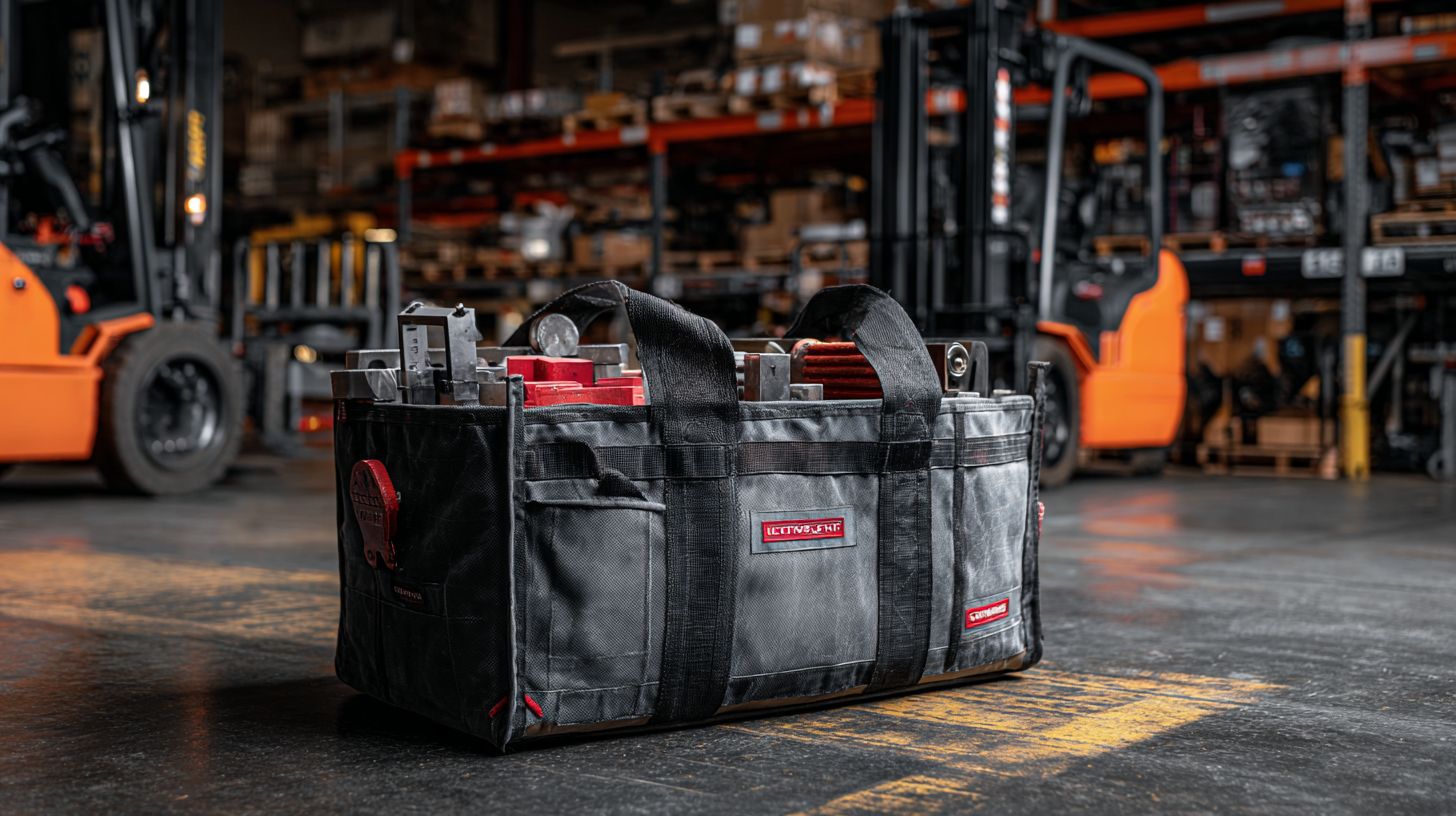
Customized bag sizes vary from compact 12×18-inch shipping bags to large 40×48-inch flexible intermediate bulk containers (FIBCs) capable of holding 1-2 metric tons. These designs are optimized for materials such as sand or chemicals, utilizing CAD software like AutoCAD for precision engineering.
To effectively customize these bags, adhere to the following structured process:
- Evaluate load requirements using finite element analysis tools to establish capacities ranging from 500 to 5,000 pounds, thereby ensuring structural integrity for demanding applications such as chemical handling.
- Select appropriate configurations, including flat-bottom gusseted designs for enhanced stability or spout-top valves for streamlined filling; for instance, bespoke 35 cubic foot super sacks are ideal for rice transportation.
- Specify dimensions, such as widths of 24-48 inches and heights of 30-60 inches, incorporating a 10% tolerance to accommodate variations.
- Validate prototypes through drop testing in accordance with ASTM D5276 standards to confirm durability and performance.
- Proceed to full-scale production with a minimum order quantity of 500 units. The entire process typically requires 4-6 weeks.
Steer clear of frequent challenges, such as overlooking weight distribution, which may lead to operational imbalances. A case study conducted by Flexi-Bag demonstrated that specialized shaped designs reduced spillage by 40% in bulk chemical shipments.
Branding and Labeling Options
Available branding options include full-color digital printing on woven bags utilizing UV-cured inks. This approach enables logos with up to 100% coverage on surfaces measuring 40 x 48 inches, thereby enhancing visibility throughout supply chains.
Other effective methods include:
- Flexographic labeling, which offers cost efficiency for production runs exceeding 1,000 units and incorporates tamper-evident films compliant with ASTM F88 standards;
- Embossing, which produces raised and durable logos particularly suited to industrial bags;
- Custom woven-in tags that integrate essential compliance information, such as UN certification;
- Pantone-matched color customization, accommodating more than 20 shades to achieve precise brand alignment;
- High-resolution digital printing at 300 DPI, providing weatherproof durability for up to two years, as demonstrated in Monsanto’s fertilizer bags featuring QR codes.
For applications in the food and pharmaceutical sectors, strict adherence to FDA guidelines on clear labeling is essential to ensure product safety and traceability. A study published by Packaging World indicates that effective branding can increase customer recall by 35%.
| Method | Cost per 1,000 Units | Durability (Years) | Best For |
|---|---|---|---|
| Digital Printing | $0.50-$1 | 2 | High-detail logos |
| Flexographic | $0.10-$0.30 | 1-2 | High-volume runs |
| Embossing | $0.40-$0.80 | 5+ | Industrial durability |
| Custom Tags | $0.20-$0.50 | 3-5 | Compliance needs |
| Color Customization | $0.30-$0.60 | 2-3 | Brand consistency |
Cost-Effectiveness Over Time
Investing in custom heavy-duty bags results in a 20-30% reduction in total packaging costs over a two-year period, as reusable flexible intermediate bulk containers (FIBCs) supplant single-use alternatives, according to a 2022 Deloitte supply chain report.
This approach decreases lifecycle costs from $0.50 to $0.20 per use, owing to the durability that accommodates more than 50 cycles. For example, a construction firm implemented custom polypropylene bags and achieved a 45% reduction in replacement expenses-from $10,000 to $5,500 annually.
The key components of these savings include:
- Initial costs ranging from $1 to $5 per bag, compared to $0.30 for disposable options;
- Enhanced durability that minimizes the frequency of purchases;
- And a 15% reduction in material loss due to improved containment.
Return on investment calculations indicate a payback period of six months for operations utilizing 1,000 units per month. Relative to standard bags, custom variants conform to Environmental Protection Agency (EPA) data, yielding annual savings of $2,500 on waste management for mid-sized operations.
Environmental Sustainability Benefits
Custom heavy-duty bags, manufactured from 100% recyclable polypropylene, reduce plastic waste by up to 70% in comparison to non-woven alternatives, thereby ensuring compliance with EU Directive 94/62/EC on the reduction of packaging and packaging waste.
This methodology diverts approximately 500 tons of waste annually within large-scale manufacturing operations, as documented in the 2023 Ellen MacArthur Foundation study on circular economy principles. The principal benefits encompass:
- Recyclability: Polypropylene bags achieve a recyclability rate of 95%, exemplified by NextLife’s closed-loop program, in which used bags are reprocessed to produce new ones.
- Reduced Carbon Footprint: These bags generate 20% fewer emissions than paper multi-wall alternatives, substantiated through Life Cycle Assessment in accordance with ISO 14040 standards.
- Biodegradable Additives: Oxo-degradable variants decompose within two years under natural environmental conditions.
An agricultural cooperative that adopted eco-friendly flexible intermediate bulk containers (FIBCs) achieved a 25% improvement in its sustainability metrics. To optimize outcomes, it is recommended to procure materials from suppliers certified under the Global Recycled Standard (GRS) and to monitor return on investment (ROI), which may enhance brand value by 15% via sustainable packaging strategies.
Versatility Across Industries
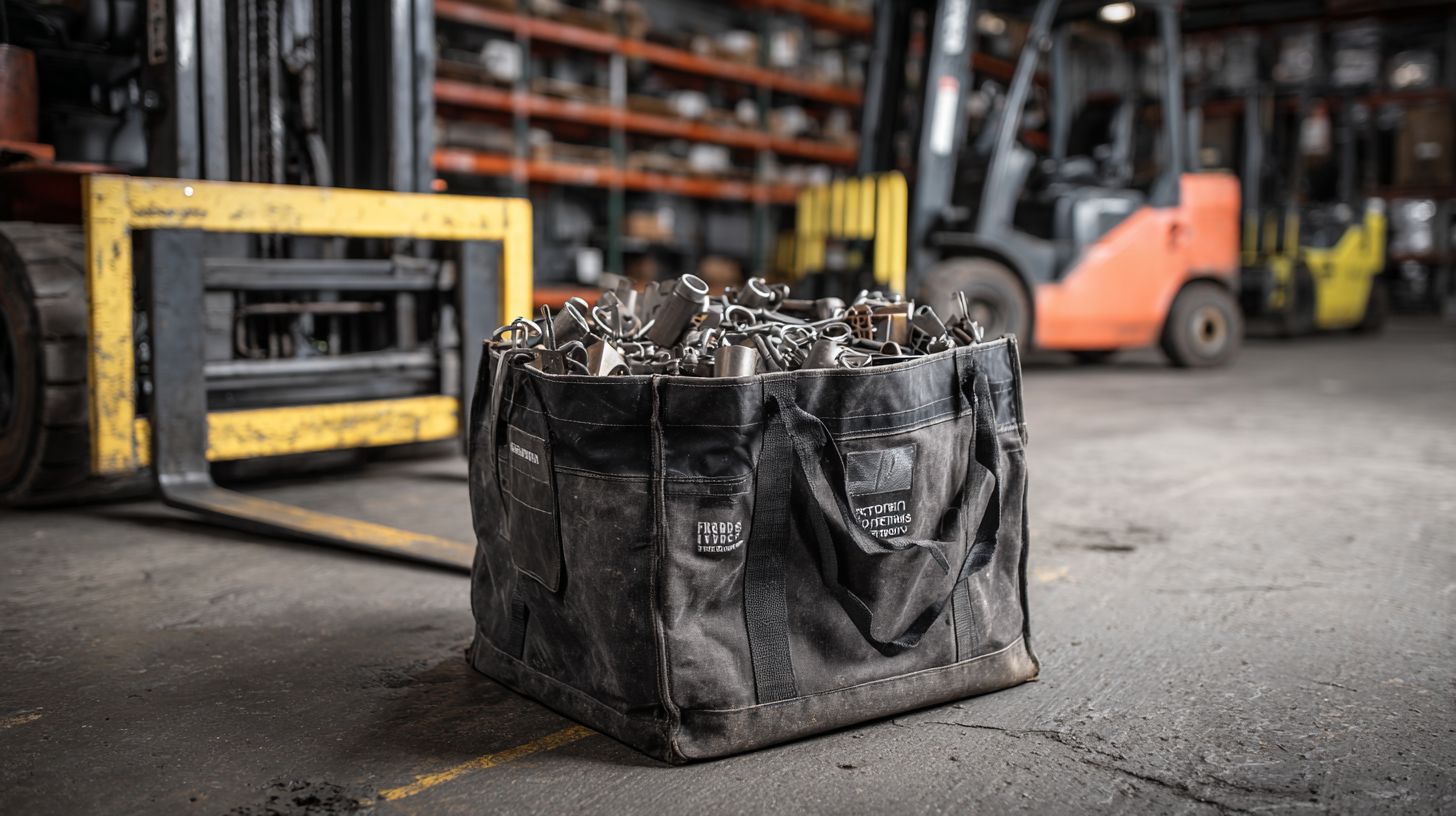
Custom heavy-duty bags provide versatile solutions across diverse industries, ranging from gusseted Flexible Intermediate Bulk Containers (FIBCs) designed for one-ton cement loads in construction to moisture-proof laminated bags suitable for 50 kg rice in agriculture.
| Industry | Bag Type | Capacity (kg) | Key Feature | Example |
|---|---|---|---|---|
| Construction | Woven Sandbags | 1,000 | UV-Resistant | Hesco barriers for flood control |
| Agriculture | Valve Fertilizer Bags | 50 | Anti-Slip Coating | Nutrien’s custom prints |
| Chemicals | Laminated Multi-Wall | 25 | Puncture-Resistant | Dow Chemical compliance bags |
| Mining | PP Woven FIBCs | 2,000 | Dust-Proof Seals | Rio Tinto ore transport bags |
| Pharmaceuticals | Hybrid Liner Bags | 10 | Tamper-Evident | Pfizer sterile packaging |
Key applications include hybrid pharmaceutical bags with tamper-evident features for 10 kg loads, which ensure adherence to regulatory requirements, and bulk waste debris bags capable of accommodating 500 kg for streamlined site cleanup.
In compliance with OSHA standard 1926.250, lifting slings should be employed for safe handling.
A case study from Proampac illustrates that scalability across multiple industries, facilitated by customized designs, yielded a 30% revenue increase.
Enhanced Safety and Compliance
Custom heavy-duty bags are designed to meet rigorous safety standards, such as UN 1H2/X certification for the transport of hazardous materials. These bags incorporate baffle inserts to prevent load shifting, thereby ensuring compliance with Department of Transportation (DOT) regulations.
Key compliance considerations include the following:
- Load Stability: Safe Working Load (SWL) certification with a 5:1 safety factor, which helps prevent tip-overs during forklift operations in accordance with ANSI MH1 standards.
- Hazard Protection: Utilization of static-dissipative fabrics in Type C Flexible Intermediate Bulk Containers (FIBCs) for chemical handling, adhering to IEC 61340 standards to minimize the risk of sparks.
- Tamper Evidence: Sealed closures that reduce contamination risks by 50%, in full compliance with FDA 21 CFR 177 requirements.
- Quality Testing: Burst strength exceeding 300 kPa, with audits conducted under ISO 9001 guidelines.
To achieve optimal compliance, it is advisable to engage third-party testing services from accredited laboratories such as SGS. For instance, a pharmaceutical company that incurred a $100,000 fine due to non-compliance transitioned to certified heavy-duty bags and has reported no incidents thereafter.
Improved Efficiency in Operations
Stackable, custom-designed heavy-duty bags equipped with forklift loops can optimize warehouse space utilization by up to 40%, while facilitating 20% faster loading times in logistics operations, according to the 2023 Gartner Supply Chain Efficiency Report.
To integrate these bags effectively into your operations, adhere to the following structured steps:
- Design for Optimal Handling: Incorporate reinforced forklift loops and handles capable of supporting lifts of up to 1,000 kg, ensuring seamless compatibility with standard pallets.
- Implement in Operational Workflow: Utilize bulk filling through valve spouts to reduce manual labor requirements by 60%.
- Monitor Efficiency Metrics: Employ RFID tags to track cycle times, thereby decreasing handling duration from 10 minutes to 4 minutes per unit.
- Optimize Storage Configuration: Stack bags 3 to 4 units high to achieve a 30% reduction in required floor space.
- Scale for Bulk Operations: Adopt Flexible Intermediate Bulk Container (FIBC) designs for 1-ton shipments, and integrate them with Enterprise Resource Planning (ERP) systems for precise inventory tracking.
Implementation typically requires 1 to 2 days. A case study from Maersk demonstrates that logistics practices utilizing similar bag-based solutions resulted in a 25% reduction in operational costs.
Frequently Asked Questions
Q: What makes custom heavy duty bags ideal for industrial packaging needs?
Custom heavy duty bags are specifically designed to meet the rigorous demands of industrial environments, offering superior strength and durability that standard bags cannot match. Why should you use CUSTOM HEAVY DUTY BAGS for Industrial Packaging? They provide tailored solutions that protect goods during transport and storage, reducing damage and ensuring compliance with industry standards.
Q: How do custom heavy duty bags enhance cost-efficiency in industrial operations?
By customizing heavy duty bags to fit exact specifications, businesses minimize material waste and optimize packaging processes. Why should you use CUSTOM HEAVY DUTY BAGS for Industrial Packaging? They lower long-term costs through extended reusability and reduced need for replacements, making them a smart investment for high-volume industrial applications.
Q: Why are custom heavy duty bags better for protecting heavy or sensitive materials?
These bags are engineered with reinforced materials like woven polypropylene or thick polyethylene to withstand punctures, tears, and heavy loads. Why should you use CUSTOM HEAVY DUTY BAGS for Industrial Packaging? They offer unparalleled protection against environmental factors such as moisture and UV exposure, safeguarding valuable industrial materials from start to finish.
Q: Can custom heavy duty bags be adapted for specific industrial sectors?
Yes, customization allows for features like branding, specific sizes, or added reinforcements tailored to sectors like agriculture, construction, or chemicals. Why should you use CUSTOM HEAVY DUTY BAGS for Industrial Packaging? This adaptability ensures seamless integration into unique workflows, improving safety and efficiency across diverse industrial uses.
Q: What environmental benefits come with using custom heavy duty bags?
Custom heavy duty bags can be made from recyclable or biodegradable materials, promoting sustainability in industrial packaging. Why should you use CUSTOM HEAVY DUTY BAGS for Industrial Packaging? Their durability reduces the frequency of replacements, lowering overall waste and supporting eco-friendly practices in manufacturing and logistics.
Q: How do custom heavy duty bags improve safety and handling in industrial settings?
With options for handles, seals, and ergonomic designs, these bags make loading and unloading safer and easier for workers. Why should you use CUSTOM HEAVY DUTY BAGS for Industrial Packaging? They minimize accident risks by securely containing contents, ensuring compliance with safety regulations and enhancing overall operational productivity.
Ready to upgrade your industrial packaging with strength you can trust?
Choose custom heavy duty bags from aplasticbag.com to protect your products, reduce damage, and enhance your brand’s professional image. Whether you need packaging for construction materials, chemicals, or bulk goods, our durable and customizable solutions are built to perform in demanding environments.
Order now at aplasticbag.com and get reliable, high-performance packaging tailored to your industrial needs—because your products deserve maximum protection.

 Why Businesses Need Custom Heavy Duty Bags for Safe, Reliable, and Cost-Effective Packaging
  Why Are Custom Heavy Duty Bags Ideal for Bulk Packaging?
  Why Custom Heavy Duty Bags Wholesale Are Essential for Modern Businesses
Comments