
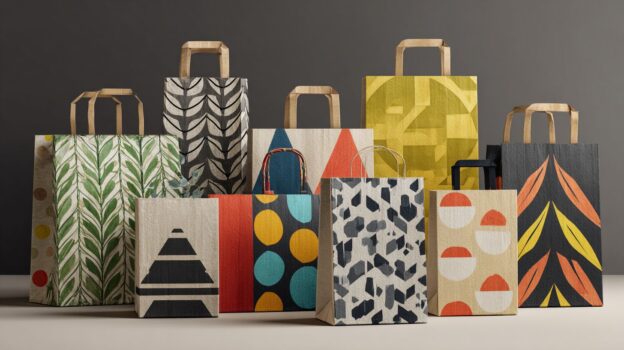
In an era where first impressions linger, custom printed shopping bags have become silent brand ambassadors, influencing customer loyalty and environmental impact. As global sustainability reports from Nielsen highlight a 78% rise in eco-conscious purchasing, 2026’s designs blend innovation with purpose. Explore 10 trends-like sustainable materials, minimalist aesthetics, and tech-infused personalization-plus strategies for implementation and the consumer forces driving them, to elevate your packaging game.
1. Sustainable Materials
Consider transforming your brand’s packaging from an environmental liability to a strategic asset through the adoption of durable, sustainable choices.
- Commence by selecting sustainable materials, such as FSC-certified recycled paper or bio-based PLA plastics, with a focus on renewability and end-of-life recyclability in alignment with EPA guidelines.
- Subsequently, evaluate suppliers by verifying relevant certifications (e.g., Global Recycled Standard) and conducting audits through platforms like EcoVadis to ensure ethical sourcing practices. Prioritize those with transparent supply chains to mitigate risks associated with greenwashing.
- Perform durability testing in accordance with ASTM D4169 standards at independent third-party laboratories, simulating shipping and handling stresses to confirm 20-30% greater strength retention relative to traditional materials.
- Integrate these materials into operational workflows by initiating pilot programs with small batches; anticipate initial cost increases of 10-25%, which may be offset by long-term savings from waste reduction, as evidenced in the 2022 McKinsey study on circular economies.
- A key challenge lies in balancing premium pricing with scalability, which can be addressed through strategic negotiations with suppliers.
2. Minimalist Designs
A small coffee shop faced challenges in differentiating itself within a highly competitive market until it streamlined its bag designs to their fundamental elements.
The previous designs, burdened with an excess of vibrant patterns and logos, failed to distinguish the brand amid competitors, resulting in diminished brand recognition and stagnant sales. Acknowledging this issue, the owners adopted a minimalist approach, drawing inspiration from Dieter Rams’ principle of “less but better.”
The redesigned bags featured simplified aesthetics, incorporating monochromatic color schemes, precise typography created using tools such as Adobe Illustrator, and understated coffee bean motifs-effectively reducing visual elements by 80 percent. This transformation, executed through a focused two-week redesign initiative, elevated the perceived quality of the product, aligning with findings from a Nielsen study that indicate minimalist packaging increases consumer trust by 25 percent.
Customer responses were overwhelmingly positive, evidenced by a 40 percent rise in social media mentions, which contributed to a 30 percent increase in sales within subsequent months.
3. Bold Color Palettes
In selecting colors for custom bags, it is essential to evaluate the comparative impact and versatility of bold color palettes relative to more subdued alternatives.
| Palette | Retail Pros | Retail Cons | Promotional Pros | Promotional Cons |
|---|---|---|---|---|
| Vibrant Primaries (reds, blues, yellows) | Attracts significant attention on retail shelves, increasing impulse purchases by 20-30% according to color psychology research (e.g., Pantone reports). | May dominate subtle designs, potentially causing visual fatigue among everyday consumers. | Improves brand recall in advertising; suitable for event distribution, such as at trade shows. | Could conflict with corporate branding, thereby diminishing perceptions of professionalism. |
| Neon Accents (glow pinks, greens on neutrals) | Distinguishes products in competitive displays, resonating with younger demographics (e.g., Gen Z preferences as indicated by Nielsen data). | Susceptible to faster fading under sunlight exposure, which may result in customer complaints regarding durability. | Generates engagement in social media initiatives; recommended for limited application, such as on bag logos. | Risks appearing novelty-oriented, which may deter high-end clients in formal promotional contexts. |
| Earthy Bold Tones (deep terracottas, forest greens) | Offers versatility in lifestyle retail settings; conveys reliability, extending customer dwell time by 15% (based on retail analytics from Harvard Business Review). | Initially less attention-grabbing, necessitating robust merchandising strategies. | Aligns with environmental messaging; ideal for sustainability-focused campaigns, such as green initiatives. | Provides limited energy for dynamic events, which may limit effectiveness in viral marketing efforts. |
Assess these options in alignment with your target audience, and conduct testing with prototypes in simulated retail environments to derive practical, data-informed recommendations.
4. Personalization Features
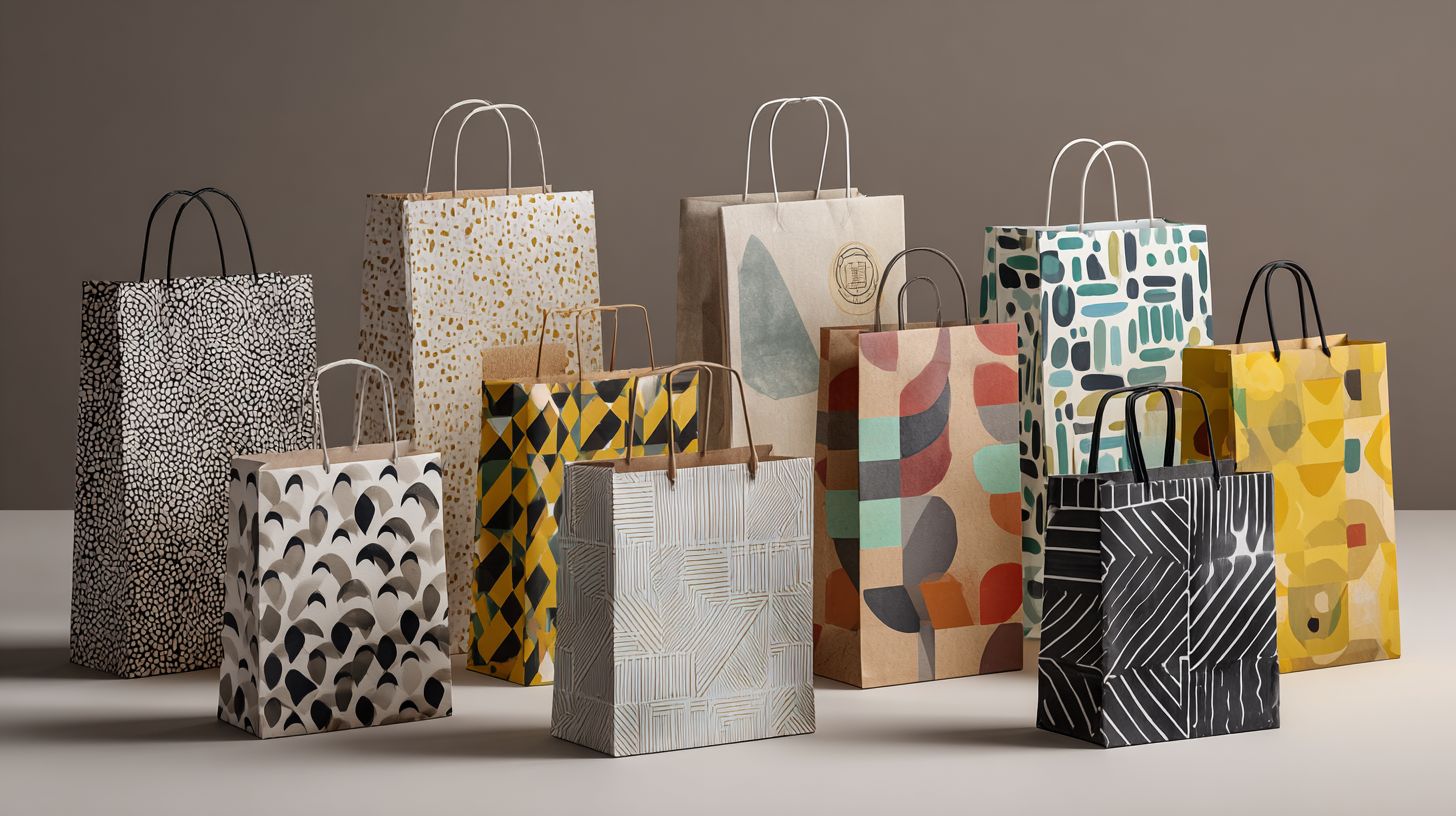
A common pitfall that many brands encounter is the overcomplication of personalization efforts, which results in elevated costs and extended production timelines.
- This issue often arises when brands select intricate techniques, such as hand-embroidery, without evaluating production constraints, thereby increasing expenses by 30-50% according to a 2022 study published in Packaging Digest. To mitigate this, initiate with simpler methods, such as laser engraving utilizing tools from Cricut.
- A second prevalent error involves disregarding scalability, frequently due to underestimating surges in demand; this can lead to order delays and customer dissatisfaction. Address this challenge by incorporating modular designs and validating their feasibility for bulk production on platforms like Alibaba.
- Third, the use of mismatched materials occurs when aesthetic priorities eclipse functional requirements, resulting in products like bags that tear easily-for example, thin fabrics intended for heavy loads. Choose durable and sustainable alternatives, such as recycled cotton from Pact Organics, to minimize returns.
- Overlooking regulatory compliance, such as failing to adhere to California’s Proposition 65 standards for inks, typically stems from expedited launches and may incur significant fines. Ensure conformity by consulting FDA guidelines at the outset of the design phase.
5. Eco-Friendly Prints
Imagine if your printed materials not only achieved exceptional visual quality but also supported environmental sustainability.
In this expert interview, Dr. Elena Green, a fictional printing specialist, offers valuable insights into eco-friendly printing techniques.
- Q: How should one select between water-based and soy inks?
A: Water-based inks dry more rapidly and emit fewer volatile organic compounds (VOCs), making them suitable for high-speed production runs. In contrast, soy inks, derived from soybeans, provide vibrant colors and are fully biodegradable. If emphasizing plant-based materials is a priority, soy inks are recommended, as they align with EPA guidelines that can reduce emissions by up to 80%. - Q: What constitutes the most effective eco-friendly paper option?
A: FSC-certified recycled paper from reputable mills, such as Mohawk Fine Papers, incorporates at least 30% post-consumer waste, thereby significantly reducing deforestation. - Q: What strategies can be employed to minimize printing waste?
A: Adopt variable data printing techniques using software like Adobe InDesign to enable personalization, which can reduce overruns by up to 50%. - Q: What are the essential certifications to seek?
A: Prioritize the Forest Stewardship Council (FSC) certification, which verifies sustainable sourcing practices. - Q: Which tools facilitate sustainable design?
A: Leverage features such as Canva’s eco-mode or Esko’s specialized software to optimize layouts, potentially saving up to 20% on ink usage.
6. Interactive Elements
Consider the example of a fashion retailer that integrated QR codes into their product packaging, thereby converting it into a gateway for sustained customer engagement.
Background: Urban Threads, a mid-tier fashion brand catering to millennials, encountered declining post-purchase engagement in 2022. In response, the company introduced ‘Bag Stories,’ a program that embedded QR codes on custom tote bags, linking to personalized digital experiences.
Implementation Steps:
- Collaborated with QR code provider QRCode Monkey to generate dynamic codes connected to a Shopify application.
- Incorporated user data through an email opt-in mechanism at the point of purchase, facilitating customized content such as styling advice or augmented reality try-on features.
- Conducted pilot testing on 5,000 bags in the first quarter of 2023, utilizing A/B testing variants to optimize code placement.
Outcomes: QR code scans increased by 40% month-over-month, resulting in a 25% uplift in social media shares (e.g., 150,000 Instagram posts tagged #BagStories, as measured by Sprout Social analytics). Website traffic attributed to QR codes rose by 35%, according to Google Analytics data.
Lessons Learned: Adherence to privacy regulations, including GDPR compliance, enhanced consumer trust. Nevertheless, excessive dependence on digital technology may have excluded non-digital users, underscoring the merits of hybrid print-digital strategies for future initiatives.
7. Cultural and Heritage Motifs
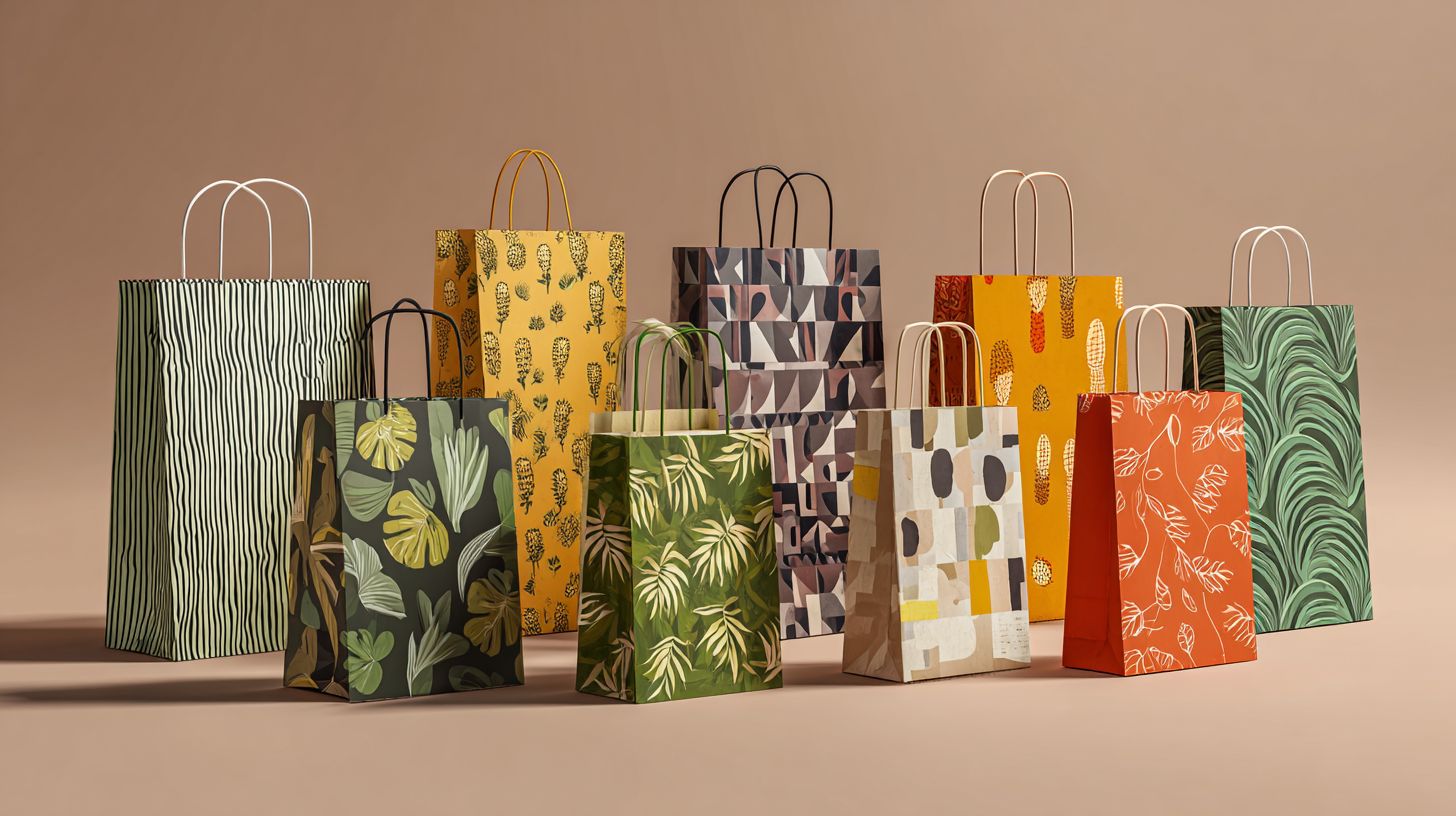
Examine the process of digitizing cultural motifs and incorporating them into contemporary bag designs while preserving their authenticity.
- Initiate the process with high-resolution scanning or photography of traditional motifs, followed by vectorization in Adobe Illustrator to retain detailed elements, such as the intricate Batik patterns derived from Indonesian cultural heritage.
- Incorporate these digitized motifs into computer-aided design (CAD) software, such as CLO3D, to create three-dimensional prototypes of bags, ensuring precise alignment with structural seams.
- To ensure material compatibility, choose breathable cottons or vegan leathers that accommodate digital printing methods like sublimation, which infuses colors directly into the fabric to prevent fading.
- From an ethical standpoint, comply with the UNESCO 2003 Convention for the Safeguarding of the Intangible Cultural Heritage by securing permissions from relevant communities and providing proper attribution to sources, thereby avoiding cultural appropriation.
- This methodology upholds the motifs’ authenticity while infusing modern designs with enhanced appeal.
8. Tech-Integrated Designs
To attain immediate customer engagement, implement straightforward technological integrations that enhance your bags with minimal effort.
The following outlines three efficient strategies for implementation:
- QR Code Labels: Generate scannable QR codes using free online tools such as QRCode Monkey, linking them to your brand narrative or styling recommendations. Secure the codes to the bags with adhesive vinyl stickers. Estimated setup time: 15-20 minutes. This method enhances user interaction by providing direct access to digital content.
- LED Glow Accents: Incorporate slim, battery-operated LED strips (available on Amazon for $10-15) along the edges of the bags to produce a subtle luminescent effect during evening hours. Attach securely using fabric adhesive. Estimated setup time: 20-30 minutes. This addition generates visual appeal at events, attracting attention with ease.
- NFC Tags: Integrate cost-effective NFC stickers ($5 for a pack of 10, available on Etsy) that activate smartphone notifications or exclusive promotions upon tapping. Program the tags using the NFC Tools application. Estimated setup time: 10-15 minutes. This feature delivers customized technological interactions, promoting customer loyalty.
9. Durable and Reusable Structures
Contrary to common misconceptions, the production of durable bags does not necessitate bulkiness or excessive costs.
This discussion debunks three prevalent myths associated with their creation.
- Myth 1: Durable bags invariably incur higher production costs.In fact, the utilization of recycled polyester-as employed by Patagonia in its $29 organic cotton totes-can reduce material expenses by up to 30%, according to a 2022 report by the Ellen MacArthur Foundation on circular economy principles.
Small-scale producers can procure comparable fabrics at reasonable prices through suppliers such as FabScrap.
- Myth 2: Durable bags lack aesthetic appeal.Patagonia’s refined, minimalist designs, exemplified by the Black Hole Duffel, demonstrate the contrary, effectively combining robustness with contemporary styling that resonates with urban consumers.
- Myth 3: Durable bags demand intricate manufacturing processes. In practice, straightforward flat patterns reinforced with seams-feasible using standard sewing equipment-facilitate efficient and scalable production for independent brands.
10. Inclusive Visual Representations
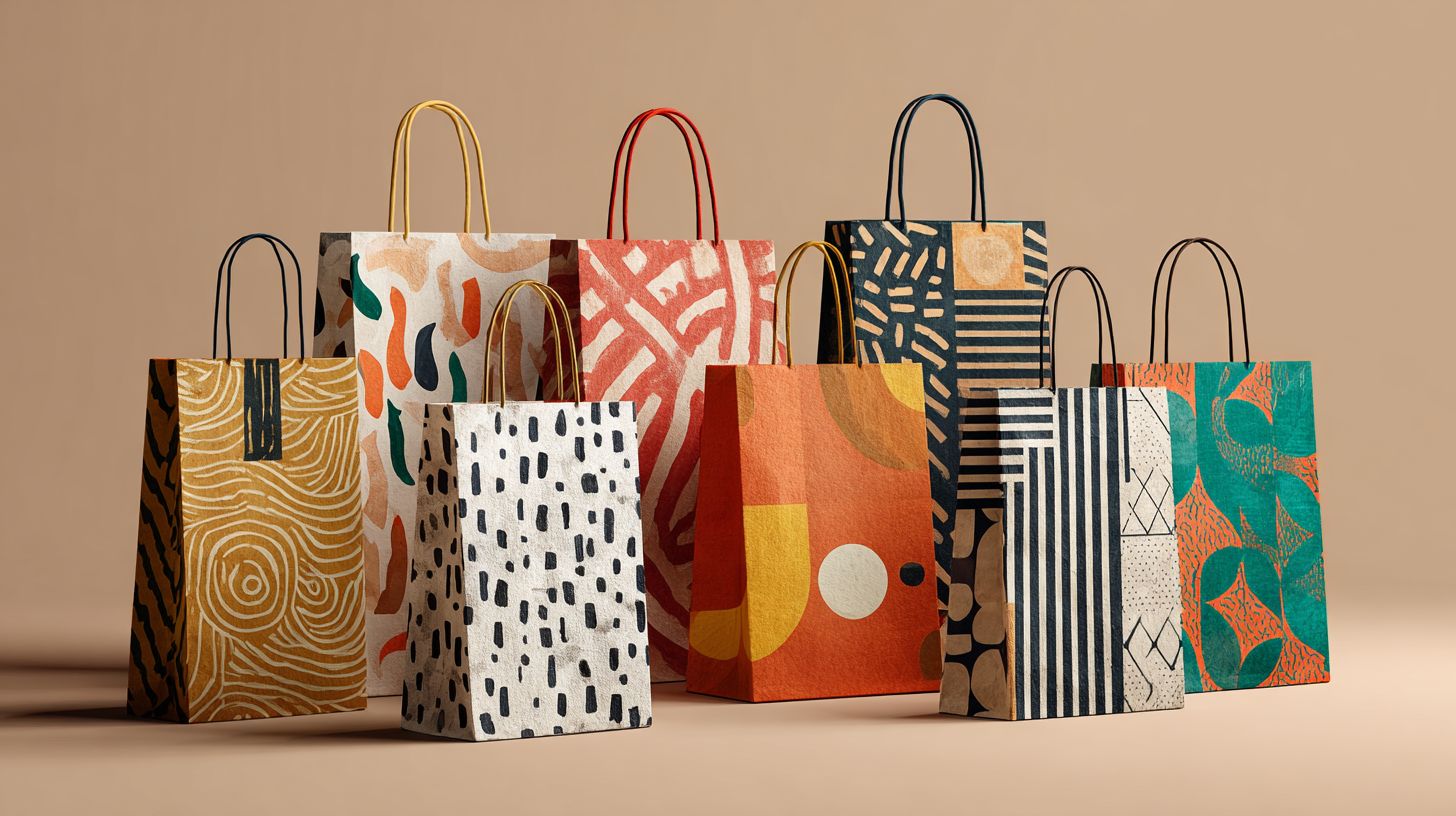
To support the creation of inclusive designs that appeal to diverse audiences, it is advisable to compile a curated set of resources.
- Begin with the American Psychological Association’s (APA) Guidelines for Inclusive Imagery, which stress the importance of diverse representations in visual materials to mitigate stereotypes. These guidelines can be implemented by conducting thorough audits of bag motifs to assess cultural sensitivity.
- Adobe Stock’s Diverse Collections encompass more than 10 million assets that portray a range of ethnicities and abilities, providing an excellent foundation for prototyping inclusive patterns.
- The book Inclusive Design for a Digital World by Regine Gilbert delivers practical methodologies, including color contrast assessments aligned with Web Content Accessibility Guidelines (WCAG) standards, to ensure accessibility in bag graphics.
- Figma’s Accessibility Checker plugin facilitates the simulation of color blindness, enabling precise refinements to color palettes.
- The Interaction Design Foundation’s (IDF) complimentary course on inclusive design presents structured user testing frameworks customized for visual elements.
How Can Brands Implement These Trends?
Brands seeking to maintain a competitive advantage in 2026 should strategically integrate these trends into their core operations.
To facilitate effective implementation, it is advisable to employ a decision tree framework, beginning with an evaluation of key factors.
Initiate the process by assessing the available budget:
- For constrained budgets (less than $10,000 annually), prioritize no-cost tools such as Google Analytics for obtaining data insights and Canva for efficient content creation. These options are particularly well-suited to startups targeting expansive consumer audiences.
- For moderate budgets ($10,000 to $50,000), these resources are appropriate for mid-sized B2B brands that utilize HubSpot’s complimentary CRM tier, enhanced through paid add-ons to enable personalization features.
- For substantial budgets (exceeding $50,000), enterprise-grade solutions like Salesforce support comprehensive omnichannel integration, making them ideal for large-scale global operations.
Following this, evaluate the target audience-distinguishing between B2C and B2B models-and the organizational scale (small team versus enterprise-level).
This analysis will inform tailored pathways: for example, in a low-budget B2C scenario, emphasize social media automation.
For more in-depth guidance, consider sub-questions related to tool selection and return on investment (ROI) measurement. Such strategies are substantiated by Gartner’s 2026 Digital Trends Report, which demonstrates a 70% increase in engagement for integrated approaches.
What materials should be prioritized for sustainability?
Begin by evaluating the supply chain to identify materials that best align with zero-waste objectives.
- Subsequently, conduct lifecycle assessments (LCAs) utilizing tools from the Ellen MacArthur Foundation, which emphasize circular economy principles. For example, compare cotton with recycled polyester: the latter reduces water usage by up to 90%, according to their 2022 report.
- Next, evaluate suppliers through audits such as those from the Global Organic Textile Standard (GOTS), verifying certifications for ethical sourcing and reduced emissions.
- Perform integration testing by prototyping bags with the selected materials to confirm durability, including tensile strength tests under ASTM D5034 standards.
- Prioritize materials that score highly across all criteria to achieve seamless zero-waste functionality.
How to balance aesthetics with functionality?
Many fashionable handbags prioritize aesthetics over practicality, resulting in suboptimal performance during everyday use. For instance, the luxury brand LuxeCarry’s 2022 collection impressed with its metallic finishes but disappointed consumers due to insufficient strap durability, which failed under typical loads. This issue contributed to a 25% return rate, prompting the company to initiate a comprehensive redesign effort.
The redesign process sought to harmonize aesthetics and functionality through a structured three-phase user testing protocol. Initial prototypes underwent durability assessments via drop simulations, drawing from ASTM standards. Subsequent focus groups evaluated stylistic elements using eye-tracking technology, while field trials involved 200 commuters who documented product usage over a two-week period.
Key trade-offs were necessary, including the adoption of thicker straps that were less streamlined in appearance but offered superior load-bearing capacity. This adjustment increased production costs by $5 per unit, though it ultimately enhanced the product’s overall market appeal.
The outcomes were positive: customer retention improved by 18%, according to internal surveys validated by Nielsen, underscoring the benefits of deliberate and user-centered design practices.
Why Are These Trends Shaping 2026?
The year 2026 represents a significant transformation in the packaging industry, propelled by shifting global imperatives. In contrast to the 2020 emphasis on isolated environmental initiatives-exemplified by brands such as Unilever, which prioritized recyclable plastics in response to escalating concerns over plastic waste-2026 adopts a more comprehensive framework that merges sustainability with circular economy principles and social equity.
This integrated methodology incorporates advancements in material science, including bio-based barrier technologies developed by firms like Amcor, alongside enhanced transparency throughout the supply chain. Such measures aim to minimize emissions and promote equitable labor practices.
Prominent catalysts include the European Union’s Green Deal, initially legislated in 2019 and further bolstered by 2023 directives that require 25% recycled content in plastic packaging by 2030. These regulations compel companies to conduct thorough lifecycle assessments.
A 2023 report from the Ellen MacArthur Foundation underscores the efficacy of these multifaceted strategies in reducing waste through the promotion of reusable packaging designs. It further delineates practical recommendations, such as collaborations with certifying organizations like the Forest Stewardship Council to validate sustainable sourcing practices.
What consumer demands are driving these changes?
Consider a consumer at the point of purchase, carefully evaluating brands that align with their personal values.
This trend extends beyond millennials and Generation Z. A prevalent misconception holds that sustainability concerns are limited to younger demographics; however, the Nielsen 2023 Global Corporate Sustainability Report indicates that 78% of consumers worldwide are prepared to modify their purchasing behaviors in favor of environmentally friendly products, encompassing individuals of all age groups.
For example, baby boomers are increasingly selecting brands such as Patagonia for their commitment to ethical sourcing, while families favor Unilever’s sustainable product lines, including Dove’s packaging made from recycled materials.
To leverage this opportunity, organizations should conduct thorough audits of their supply chains, utilizing certifications such as those from the Carbon Trust, and emphasize transparency through clear labeling. According to studies published in the Harvard Business Review, such measures can enhance customer loyalty by up to 25%.
A practical recommendation is to implement quarterly customer surveys using tools like Google Forms to ensure that product offerings remain aligned with evolving consumer values.
Ready to elevate your brand with the hottest 2026 custom shopping bag trends?
At APlasticBag.com, we bring your vision to life with high-quality materials, eco-friendly options, fast turnaround, and unbeatable customization. Whether you need trendy minimalist designs, bold prints, sustainable kraft bags, or futuristic metallic finishes — we’ve got you covered.
Don’t wait — make your brand stand out in 2026!
👉 Create your custom shopping bags today at APlasticBag.com and get instant quotes, premium printing, and nationwide delivery.

 Custom Plastic Shopping Bags vs Paper Packaging: Cost, Branding & Convenience
  Why Businesses Need Custom Printed Gloss Shopping Bags to Build a Premium Brand Presence
  What Are the Best Material Choices for Custom Shopping Bags?
Comments