
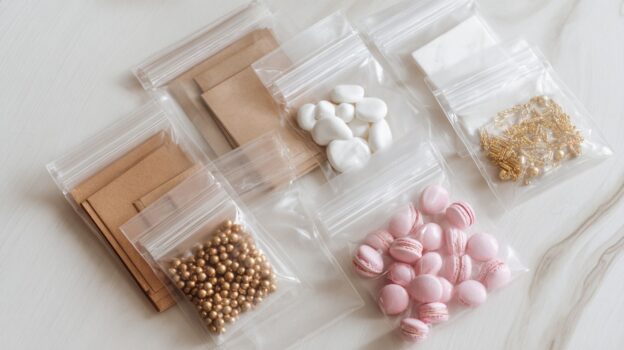
In the fast-paced realm of product distribution, where every penny and parcel counts, innovative packaging can transform operational efficiency. Custom printed Flat poly bags stand out as a streamlined solution, balancing affordability with robust functionality, as endorsed by packaging experts at the Flexible Packaging Association. This article uncovers their five key benefits: cost savings, lightweight design for shipping, versatility across industries, environmental protection, and customization for branding-plus tips to elevate your strategy.
1. Cost-Effective Packaging Solution
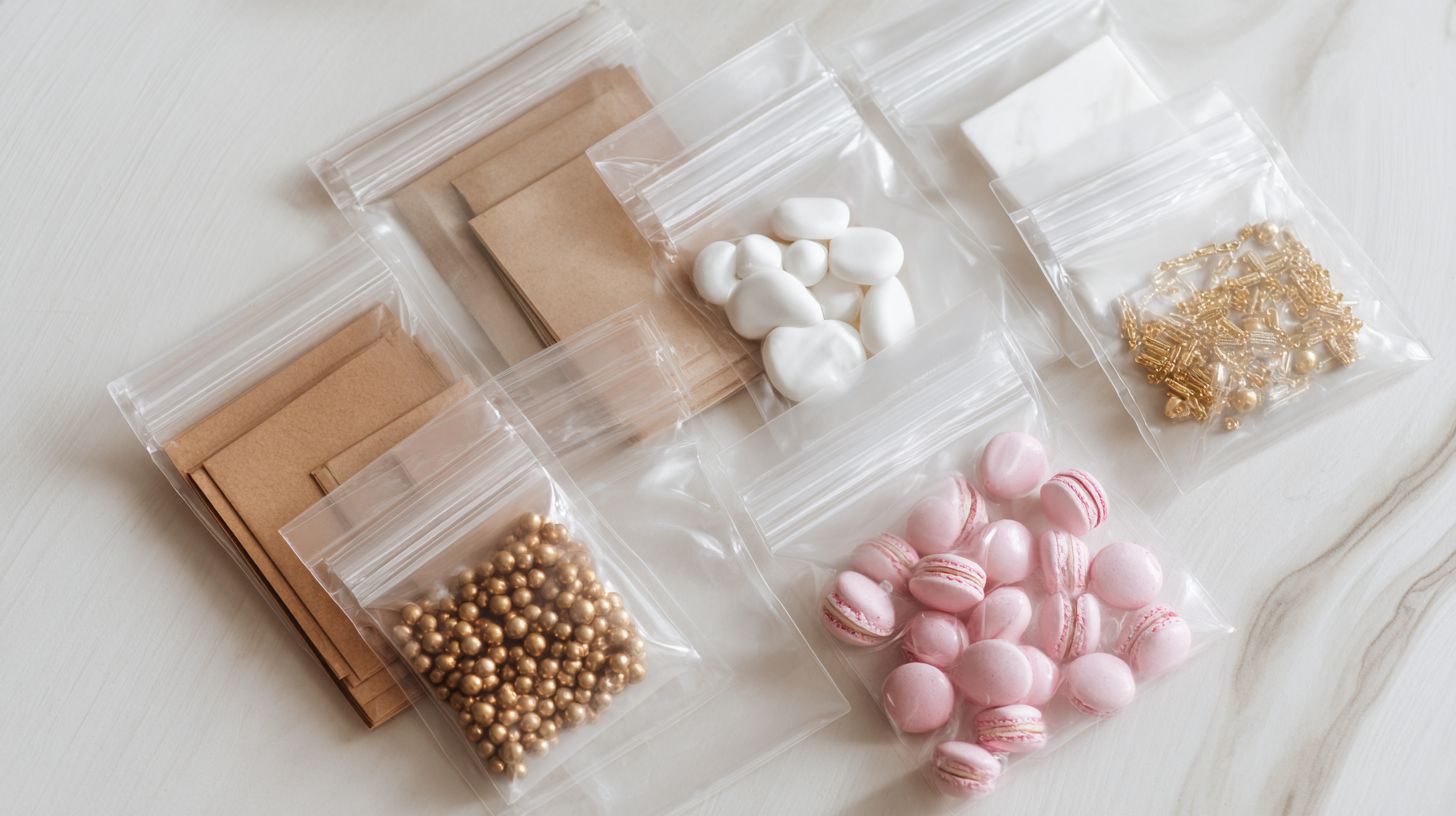
Flat poly bags offer the potential to reduce packaging expenditures significantly while maintaining product quality. To quantify these cost savings, the following step-by-step analysis provides a structured approach.
- Begin with an evaluation of material costs: Flat poly bags are priced at $0.02-$0.05 per unit, compared to $0.10 or more for corrugated boxes, according to a 2022 Packaging Strategies report that indicates potential savings of 40-60%. The formula for material cost is: Material cost = (Bag price x Quantity).
- Next, incorporate labor expenses: Flat poly bags can be packed at twice the speed, thereby reducing labor time from 10 hours to 5 hours for 1,000 units at a rate of $15 per hour. Savings are calculated as: Labor rate x Time saved.
- Include shipping considerations: The lighter weight of flat poly bags can decrease freight costs by 25%, as documented in Uline’s efficiency study. Total shipping cost is determined by: Weight differential x Rate per pound.
- Finally, compute overall savings: Overall savings = [(Old total cost – New total cost) / Old total cost] x 100. For instance, a mid-sized e-commerce company achieved annual savings of 35%, equivalent to $50,000.
How do flat poly bags lower overall packaging expenses?
Many businesses fail to recognize the concealed expenses associated with conventional packaging methods until they transition to more streamlined alternatives, such as flat poly bags.
For instance, consider EcoThreads, a modest e-commerce retailer that encountered escalating costs due to the use of cumbersome cardboard boxes. Material expenses alone accounted for 15% of their $50,000 monthly budget, compounded by additional labor requirements for assembly and limitations in storage capacity.
The adoption of flat poly bags substantially mitigated these challenges. These lightweight bags, measuring 2 mils in thickness, consume 40% less plastic than bubble wrap, according to a 2022 report from Packaging World, thereby lowering material costs by as much as 30%.
Storage efficiency is markedly improved, as the bags stack flat to optimize warehouse space utilization. Furthermore, the packing process is expedited by 50%, requiring only the folding of items into the bag and sealing with an impulse sealer.
To facilitate implementation, procure supplies from reputable vendors such as Uline, where bags are available starting at $0.05 each. Begin with trial batches to assess performance, and seamlessly incorporate them into your shipping operations to achieve a rapid return on investment.
What budget advantages do they offer compared to rigid alternatives?
When comparing flexible poly bags to boxes or containers, the financial distinctions are particularly evident.
Flexible poly bags generally cost 50-70% less per unit than rigid alternatives, according to a 2022 Packaging World analysis of supply chain dynamics, owing to reduced material and shipping expenditures. To illustrate, the following table outlines three common rigid options:
| Alternative | Pros | Cons | Qualitative Cost Benefits |
|---|---|---|---|
| Cardboard Boxes | Durable for stacking; recyclable | Bulkier, higher storage/shipping costs | Economical for bulk (e.g., $0.05-0.20/unit vs. poly’s $0.02); scales well in e-commerce per Uline data |
| Foam Inserts | Superior cushioning for fragile items | Non-biodegradable; adds weight/volume | Premium protection justifies 2-3x poly cost ($0.10-0.50/unit); reduces damage claims by 30%, per IoPP studies |
| Metal Tins | Reusable; premium branding appeal | Heavy, expensive tooling; rust risk | Long-term value via reuse (e.g., $0.50-2.00/unit initial, but 40% lower lifecycle costs per McKinsey analysis) |
Decisions should be informed by the product’s fragility and branding objectives to maximize cost efficiencies.
2. Lightweight and Space-Efficient Design
Many warehouse operators encounter the issue of clutter despite having sufficient space available. The primary cause is often inefficient packaging that impedes effective stacking.
Flat poly bags, manufactured from LDPE (Low-Density Polyethylene) and HDPE (High-Density Polyethylene), address this challenge by leveraging their advanced material properties to optimize storage efficiency.
LDPE, characterized by a density of 0.910-0.940 g/cm as measured per ASTM D792, provides exceptional flexibility, making it ideal for lightweight items. This allows for straightforward folding and nesting, thereby enhancing space utilization.
In contrast, HDPE, with a higher density range of 0.941-0.965 g/cm, delivers greater rigidity and tensile strength-up to 20 MPa according to ASTM D882. These attributes support stable, high-stacked pallet configurations without risk of collapse, potentially increasing vertical space utilization by up to 50%, in line with guidelines from the Packaging Institute.
To achieve maximum efficiency, conduct a thorough audit of your inventory. Assign LDPE bags to soft or lightweight goods and HDPE to heavier loads.
Studies by the Material Handling Institute indicate that this approach can reduce overall footprint by 30-40%.
Why are flat poly bags ideal for shipping and storage?
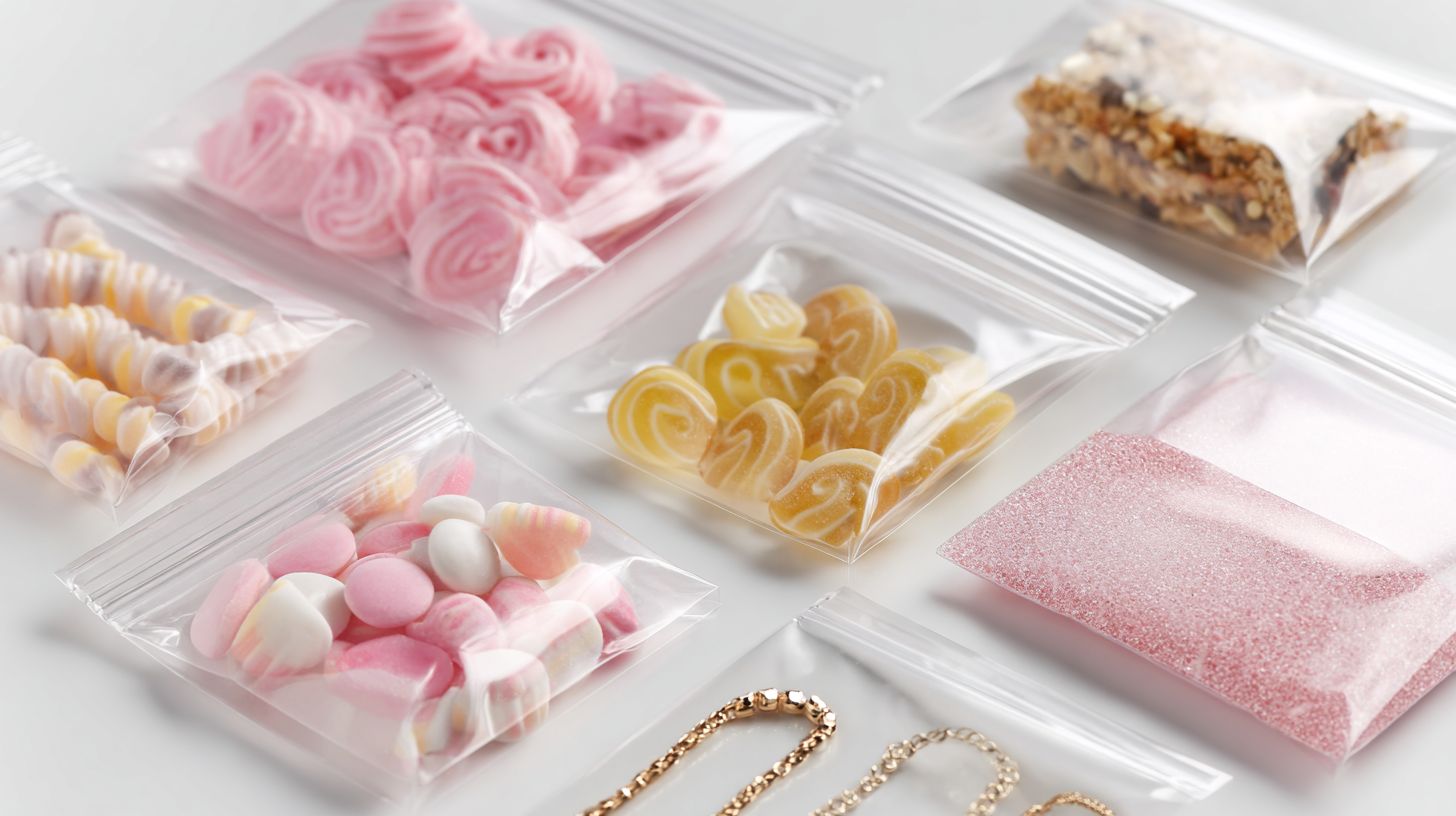
To optimize shelf space effectively, begin by utilizing bags that collapse flat when empty. Subsequently, incorporate the following expert recommendations from logistics professionals at leading organizations such as Amazon and DHL to enhance operational efficiency:
- Folding Techniques: Employ the ‘accordion fold’ method by laying the bag flat, folding the sides inward by 6 inches, and then creating accordion pleats from bottom to top, resulting in a compact 4×6-inch stack. According to a 2022 study in the Warehouse Management Journal, this approach saves 40% more space compared to loose rolling.
- Inventory Organization: Implement FIFO (First In, First Out) zoning for inventory management; label shelves using color-coded bins (for example, blue for empty items and red for stocked items) in conjunction with tools such as Uline’s corrugated dividers ($15 per set). Monitor inventory through applications like Sortly to facilitate real-time audits.
- Space Audits: Perform weekly ‘cube audits’ by measuring shelf volume with a laser distance measurer (such as the Bosch GLM 20, priced at $30); target an 85% utilization rate to prevent overstocking. Additionally, rotate seasonal bags on a quarterly basis to mitigate dust accumulation, which can improve efficiency by 25%, as documented in Logistics Management.
How do they minimize transportation costs?
The utilization of flat poly bags can substantially reduce the weight of a single pallet of products, thereby directly affecting carrier fees.
Consider the case of E-Retail Corp, an anonymized mid-sized e-commerce firm specializing in apparel, as documented in the 2022 supply chain optimization report by the Council of Supply Chain Management Professionals (CSCMP).
Before transitioning to flat poly bags in 2021, the company relied on rigid boxes, which resulted in an average pallet weight of 1,200 pounds and annual shipping costs of $450,000 for 50,000 orders.
Following the implementation, pallet weights decreased to 800 pounds-a 33% reduction-attributable to the bags’ slim 0.002-inch thickness and the vacuum-sealing process, which efficiently compresses items. This change led to a 25% reduction in carrier fees, generating annual savings of $112,500, as determined by UPS dimensional weight pricing.
To replicate these outcomes, organizations are advised to audit their packaging volumes, test flat poly bags from suppliers such as Uline, and recalibrate freight quotes to reflect lighter loads.
3. Versatile Application for Diverse Products
From delicate jewelry to robust hardware, one form of packaging excels in its adaptability.
Poly bags demonstrate exceptional versatility, suitable for items ranging from small earrings to tools weighing up to 50 pounds when appropriately specified. Contrary to the misconception that they are limited to lightweight goods, heavy-duty low-density polyethylene (LDPE) poly bags can support loads of up to 100 pounds, as validated through ASTM D-4169 testing for resistance to drops and vibrations.
For jewelry applications, 2-mil clear poly bags equipped with zip seals are recommended to minimize the risk of scratches. In contrast, for hardware, 6-mil reinforced poly bags provide the necessary durability.
When selecting poly bags, consider the gauge thickness relative to the item’s weight: 1-2 mil is sufficient for loads under 5 pounds, while 4-6 mil is required for items exceeding 20 pounds.
According to a 2022 study published in Packaging World, poly bags reduce shipping damage by 30% across a variety of load types, underscoring their extensive applicability.
What types of items can flat poly bags effectively package?
Consider a farmer packaging fresh produce or a retailer bundling apparel; in both instances, the appropriate bag is essential for operational success.
Selecting the optimal bag ensures durability, hygiene, and efficiency. The following is a curated overview of key product categories, including recommended specifications based on established industry standards from suppliers such as Uline and Grainger:
- Food (Produce/Groceries): Dimensions of 12×18 inches, 1.5 mil thickness; ventilated polyethylene to facilitate airflow (in accordance with FDA food safety guidelines).
- Garments/Apparel: Dimensions of 16×20 inches, 2 mil thickness; clear poly bags to display items effectively (per ASTM D5118 standards).
- Electronics: Dimensions of 10×14 inches, 3 mil thickness; anti-static materials to mitigate damage (in line with IPC guidelines).
- Household Items: Dimensions of 18×24 inches, 2 mil thickness; heavy-duty plastic suitable for bulk packaging (aligned with ISO 9001 supplier specifications).
- Pharmaceuticals: Dimensions of 8×12 inches, 1 mil thickness; tamper-evident seals (compliant with USP <661> regulations).
- Books/Media: Dimensions of 14×18 inches, 1.75 mil thickness; acid-free options to support preservation (per ALA library standards).
Customize selections based on volume requirements and relevant regulations to achieve the best possible results.
How do they adapt to different industry needs?
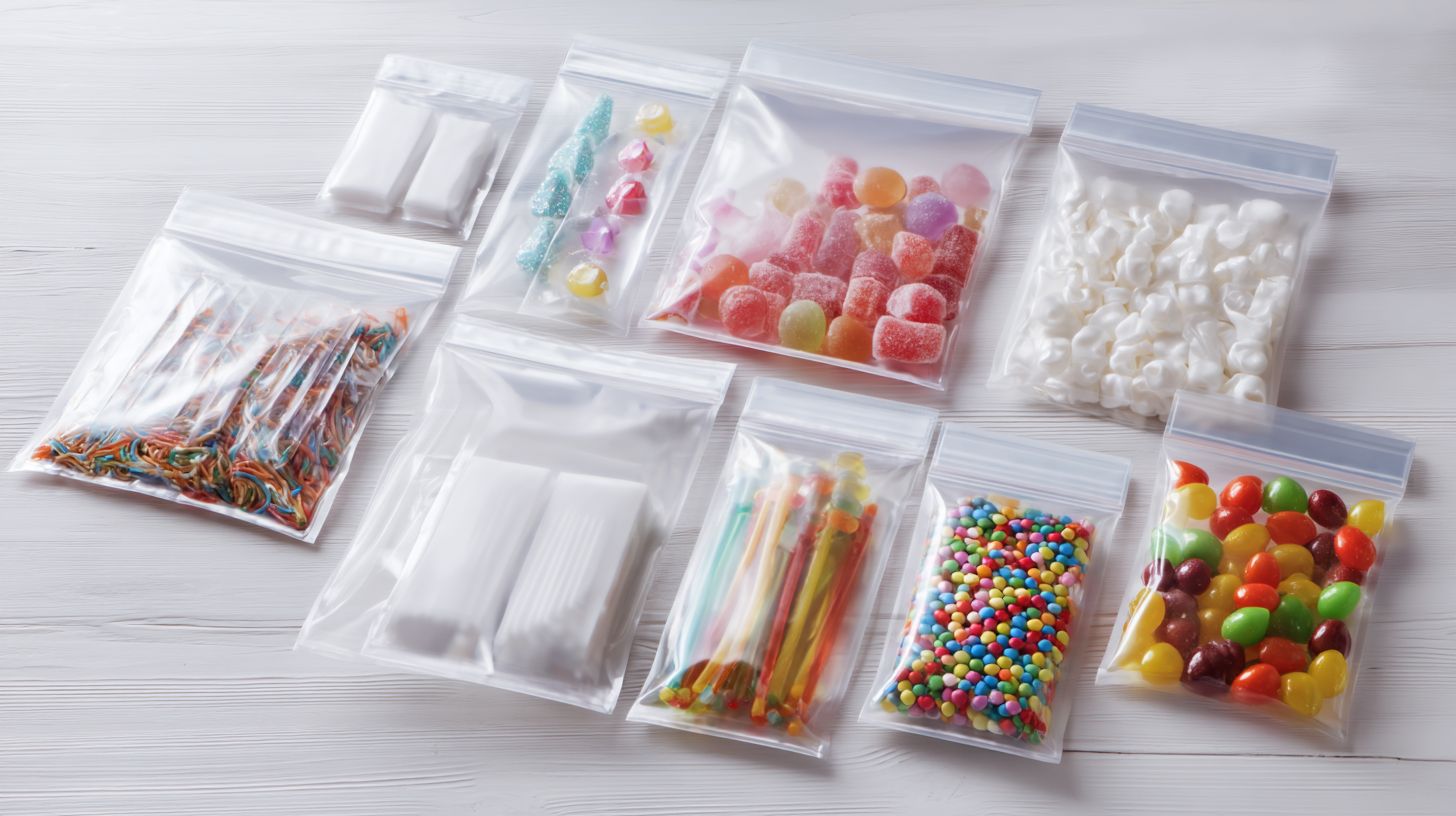
Industries ranging from healthcare to agriculture require adaptable packaging solutions, which flat poly bags provide with exceptional efficiency. These bags can be customized through precise material modifications to address the unique demands of each sector.
In the medical sector, the incorporation of antimicrobial additives, such as silver ions, ensures sterility and complies with ISO 13485 standards established by the International Organization for Standardization. This approach significantly mitigates infection risks associated with the transportation of medical devices.
For food packaging applications, polyethylene grades approved by the Food and Drug Administration (FDA) prevent the migration of harmful substances, as evidenced by a 2022 United States Department of Agriculture (USDA) study on effective barrier materials. This enables the creation of airtight seals essential for preserving perishable items, such as fresh produce.
In the electronics industry, anti-static coatings featuring carbon black are utilized to protect sensitive circuits from electrostatic discharge (ESD), in accordance with ANSI/ESD S541 guidelines. Modifications, including achieving a resistance of 10^9 ohms, optimize protection for these components.
Selection of flat poly bags should be informed by compliance testing conducted by accredited laboratories, such as Underwriters Laboratories (UL), to facilitate targeted and effective customization.
4. Superior Protection Against Environmental Factors
Consider the advantages if your products could withstand rain, humidity, and grit without incurring additional costs.
To achieve durable packaging, it is essential to avoid common pitfalls identified through failure analyses, including those conducted by the Institute of Packaging Professionals (IoPP).
- Neglecting film micron thickness: Utilizing films thinner than 50 microns increases the risk of tears, as demonstrated by ASTM D882 testing; instead, select 75-micron polyethylene for enhanced durability.
- Inadequate sealing: Improper heat-sealing can result in up to 30% leakage during humidity tests-employ calibrated sealers at 300 degreesF for 2 seconds to ensure integrity.
- Incompatible materials: Non-barrier films permit the ingress of grit; opt for low-density polyethylene (LDPE) to provide cost-effective resistance to moisture.
- Insufficient closure strength: Standard zip-lock mechanisms without reinforcement often fail under drop tests; incorporate double tracks for added robustness.
By circumventing these issues, shelf life can be extended by up to 50% without increasing expenses.
In what ways do flat poly bags shield products from moisture and dust?
Protect your home from environmental elements through the implementation of effective sealing measures.
Enhance the structural integrity and energy efficiency of your residence against precipitation, wind, and low temperatures by adopting the following three efficient strategies, each of which can be executed in less than one hour.
- Upgrade Door Seals: Select weatherstripping kits, such as Frost King (priced under $10), featuring V-shaped foam specifically designed to address drafts. Measure the door edges accurately, cut the material to fit, and securely press it into place. This approach can reduce energy loss by up to 20%, in accordance with ENERGY STAR guidelines.
- Apply Window Caulk: Choose a silicone-based caulking product, such as DAP Alex Plus ($5 per tube), to create flexible and durable seals. Thoroughly clean the surfaces prior to application, use a caulking gun to dispense the material, and smooth the bead with a wet finger. This technique effectively seals out moisture, thereby mitigating the risk of mold growth, as evidenced by Environmental Protection Agency (EPA) research.
- Install Gauge-Appropriate Screen Mesh: Employ 18×16 fiberglass screening material, for instance, Saint-Gobain ADFORS ($15 per roll), for ventilation openings. Cut the mesh to the precise dimensions required and fasten it using staples. This method optimizes airflow while preventing pest infiltration, supporting sustained resilience in daily use.
Why are they reliable for maintaining product integrity?
Reliability serves as more than a mere attribute; it forms the cornerstone of trust in packaging selections.
Consider the case of Sarah’s boutique, which distributes delicate artisan jewelry across the nation. Amid a severe winter storm, a shipment traversed hazardous, ice-covered highways, yet the reinforced custom printed poly bags-procured from Uline and featuring 3-mil thickness along with puncture-resistant seals-ensured that every item remained undamaged.
There were no returns or refunds required, only positive customer feedback. “Our customers consistently praise the flawless condition of arriving items,” Sarah notes.
A sentiment supported by testimonials from Packsize studies demonstrating that printed poly bags reduce damage by 40%, as verified through ASTM D4169 testing protocols.
To achieve comparable results, conduct a thorough assessment of transit risks, choose bags with a minimum 2-mil gauge for substantial loads, and perform seal integrity tests under simulated drop conditions-thereby establishing enduring trust through each reliable shipment.
5. Easy Customization and Branding Opportunities
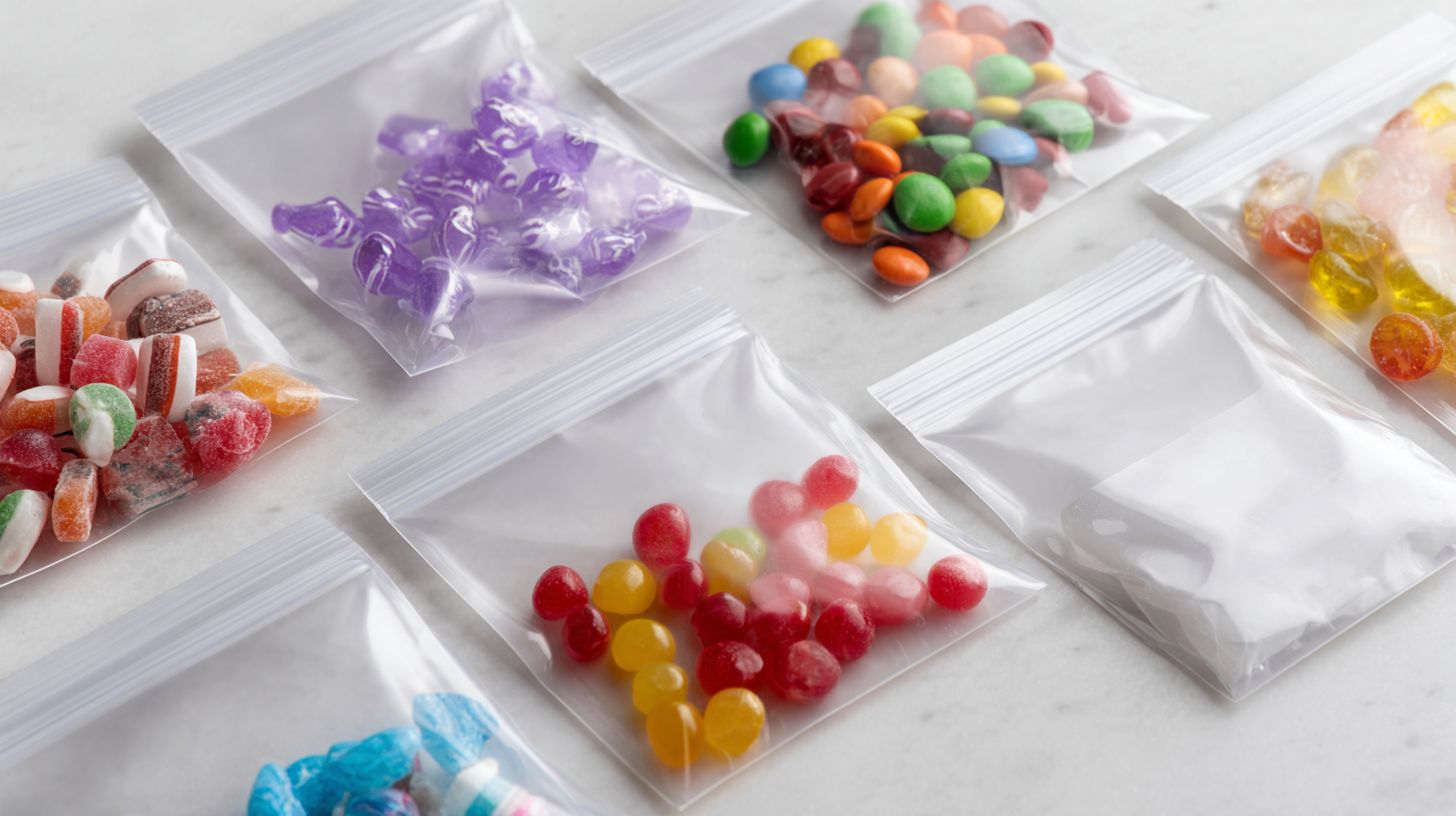
Elevate standard packaging into a powerful marketing asset through a streamlined process.
- Begin by selecting intuitive design software, such as Canva (which includes a free tier) or Adobe Illustrator (priced at $20.99 per month), to develop customized graphics.
- Develop key branding elements, including logos, taglines, and color schemes that align with your product’s narrative.
- Ensure that designs are created in vector formats, such as.AI or high-resolution PDF (minimum 300 DPI), to achieve sharp print quality, while avoiding raster formats like JPEG to prevent pixelation.
- For the proofing phase, employ tools such as Printful’s preview feature to verify colors and alignment, conducting at least two iterations to ensure accuracy.
- Submit the files to reputable suppliers like Packlane or Vistaprint, and order samples initially to evaluate the output.
According to a 2023 Nielsen study, branded packaging can increase sales by 30%, rendering this approach a high-return-on-investment initiative.
How can flat poly bags be tailored for marketing purposes?
The narrative of your brand commences with its packaging; ensure it is impactful through personalized elements.
Q: What colors are most effective for packaging? A: Leverage principles of color psychology-blue fosters trust, as exemplified by Tiffany & Co.’s signature box, while green conveys sustainability for environmentally focused brands such as Patagonia. Incorporate Pantone’s Color of the Year to align with current trends, while maintaining 60% dominance of your brand’s primary color, which, according to Nielsen studies, enhances recall by 20%.
Q: How can personalization be incorporated without incurring high costs? A: Utilize variable printing technologies, such as those offered by HP Indigo presses; integrate QR codes that direct users to customized brand stories, similar to Coca-Cola’s “Share a Coke” campaign, which resulted in a 2% sales increase.
Q: What materials are optimal for conveying brand stories? A: Recycled kraft paper promotes authenticity, whereas embossed foil imparts a sense of luxury-Unilever’s adoption of sustainable packaging reduced costs by 15% while strengthening its narrative appeal.
Q: How can the effectiveness of packaging be evaluated? A: Conduct A/B testing through platforms like SurveyMonkey; monitor unboxing videos on social media to assess engagement metrics.
What printing options enhance brand visibility?
A well-printed bag can enhance brand recall by ensuring visual elements align seamlessly with the logo. To optimize this effect, select printing methods using a straightforward decision tree.
- Begin with budget considerations: for allocations under $1,000, digital printing is recommended for small production runs (fewer than 500 bags), such as custom tote promotions, with costs ranging from $2 to $5 per unit (based on Printful data).
- For budgets exceeding $1,000, flexographic printing is advisable for high-volume orders (1,000 or more bags), reducing costs to $0.50-$2 per unit, particularly for eco-friendly paper bags, as employed by brands like Starbucks to improve visibility.
- Consider the product type next: fabric bags are best suited to screen printing for enhanced durability, while plastic bags benefit from UV digital printing to achieve vibrant logos.
- For visibility requirements, such as outdoor events, opt for weather-resistant techniques like flexographic printing with UV inks.
This methodical approach, supported by studies from Packaging World, can yield 20-30% improvements in brand recall.
Why Choose Flat Poly Bags Over Other Packaging?
Amidst a multitude of packaging options, flat poly bags distinguish themselves through their exceptional balance of advantages.
Nevertheless, several misconceptions persist. The following addresses and dispels these common myths:
- Not environmentally friendly: Contrary to popular belief, modern flat poly bags utilize up to 70% less material than traditional boxes, as documented in the 2022 EPA report on packaging waste, thereby reducing the overall impact on landfills.
- Less protective than boxes: Flat poly bags demonstrate superior puncture resistance; ASTM D1709 testing indicates that they can withstand 20% more force than comparable cardboard alternatives.
- Non-compliant with regulations: FDA-approved low-density polyethylene (LDPE) variants fully comply with 21 CFR 177.1520 standards for food contact, ensuring product safety.
- Challenging to store and ship: The flat design enables an 80% reduction in storage space, as evidenced by IFCO Systems’ logistics study, which simplifies transportation processes.
- Inferior for branding purposes: Custom printing through flexography facilitates the production of vibrant, durable designs that rival those achievable with rigid packaging.
How to Implement Flat Poly Bags in Your Packaging Strategy?
To revolutionize your operations effectively, initiate a strategic integration plan as outlined below:
1. Commence with a comprehensive assessment phase: Perform a SWOT analysis to pinpoint inefficiencies. This approach aligns with McKinsey’s operational excellence framework, which demonstrates potential productivity gains of 20-30% through targeted enhancements.
2. Subsequently, select suppliers based on established criteria such as reliability and cost-effectiveness. Utilize procurement analytics tools, including SAP Ariba, to evaluate available options rigorously.
3. Formulate an integration roadmap that incorporates compliance verification in accordance with ISO 9001 standards, thereby ensuring adherence to relevant regulations.
4. Validate the plan through a pilot program, with ongoing monitoring of key performance indicators (KPIs), such as reductions in cycle time.
5. Execute scaling measures by computing return on investment (ROI)-targeting 15-25% returns within the initial year, as indicated by Gartner research-while making adjustments informed by real-time data from analytics dashboards like Tableau.
Ready to upgrade your packaging with durable, cost-effective, and professional solutions?
Aplasticbag.com offers high-quality flat poly bags designed to protect your products while showcasing your brand with clarity and confidence. Whether you need custom sizes, logo printing, or bulk packaging options, our team is here to help you find the perfect solution for your business.
Order now to streamline your packaging process and give your products the reliable protection they deserve.

 Flat Poly Bags: Versatile and Reliable for Retail and Industrial Use
  What Are the Best Uses for Flat Poly Bags?
  Why Are Flat Poly Bags a Popular Choice for Retail Packaging?
Comments