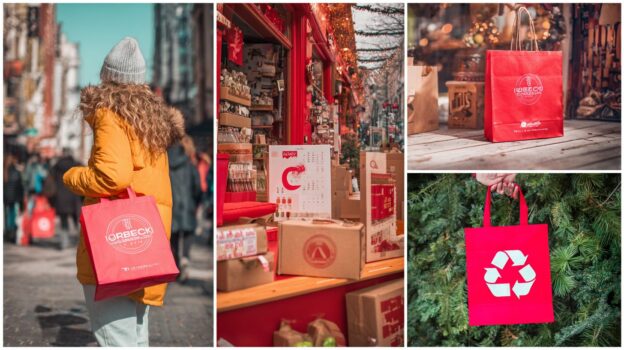
Imagine a simple shopping bag transforming into a billboard on bustling city streets, amplifying your brand without extra ad spend. In an era where experiential marketing drives loyalty, custom retail bags offer unmatched visibility and engagement. Explore five strategies: enhancing brand exposure, boosting loyalty programs, promoting events, forging partnerships, and highlighting sustainability-proving superior ROI over conventional tactics.
1. Enhance Brand Visibility
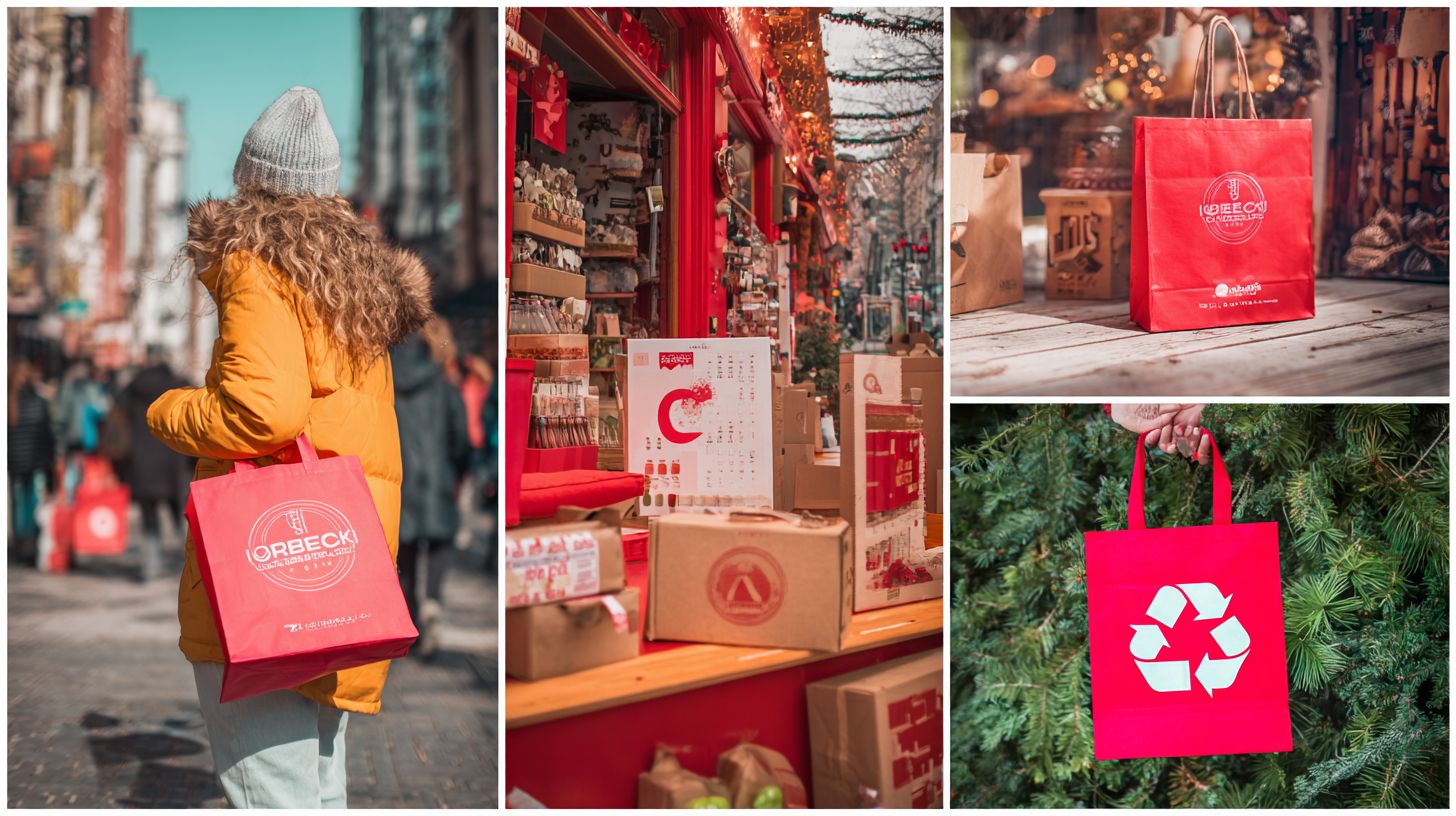
Envision your brand logo seamlessly integrated into urban environments and social media platforms with minimal effort. Custom tote bags exemplify this strategy, transforming everyday consumers into effective brand advocates.
Consider a professional commuting with your eco-friendly canvas tote, its prominent logo drawing attention in coffee shops and transit hubs. Alternatively, picture weekend shoppers carrying your sturdy drawstring bags, which may prompt discussions among peers and lead to social media shares on platforms like Instagram.
To implement this approach, collaborate with reputable providers such as Printful or Custom Ink to source high-quality, customizable products. Prioritize features like reinforced handles and durable, vibrant prints to ensure longevity in daily use.
Distribute these items at corporate events or as incentives for purchases, thereby enhancing your brand’s organic visibility through routine interactions.
How can custom bags turn shoppers into mobile advertisers?
Envision a bustling urban thoroughfare where each pedestrian effectively transforms into a mobile advertisement for your brand. To leverage this opportunity through the use of printed reusable bags, adhere to the following structured approach:
- Select materials and style: Opt for robust and environmentally sustainable materials, such as organic cotton totes (e.g., those available from BAGGU at $12 each) or recycled polyester, which promote longevity and can be reused more than 300 times, according to EPA research demonstrating the role of tote bags in mitigating plastic waste.
- Design using software: Employ design tools like Canva’s free version for intuitive, drag-and-drop customization of branding elements, or Adobe Illustrator (subscription fee of $20.99 per month) for precise vector-based graphics. Integrate your company logo and QR codes that direct users to your website, thereby fostering greater interactivity.
- Distribute strategically: Form partnerships with local retailers, coffee establishments, or events such as farmers’ markets to facilitate complimentary distributions. Furthermore, pursue sales channels including Etsy or temporary pop-up installations in densely trafficked areas to enhance urban visibility and encourage ongoing utilization.
What design elements maximize public exposure?
Research from the Journal of Consumer Research indicates that certain colors can enhance visibility by up to 30% in crowded environments.
When evaluating design elements, bold colors generally surpass subtle patterns in achieving immediate public noticeability, as they capture attention instantaneously-for instance, Coca-Cola’s signature red has been shown to increase attention by 21%, according to Nielsen studies, which supports short-term recall in advertising contexts.
However, bold colors may lead to visual fatigue, potentially diminishing long-term brand memory.
In contrast, subtle patterns, such as the textured swoosh in Nike’s branding, promote deeper recall through repeated familiarity, yielding up to 15% improved retention as outlined in a 2018 Harvard Business Review analysis. Nevertheless, these patterns require greater exposure time and may become less distinguishable in crowded settings.
Analogously, bold fonts such as the sans-serif Helvetica demonstrate superior noticeability and improve readability by 25% in signage, based on American Psychological Association (APA) research, making them suitable for rapid brand impressions.
Elegant script fonts, exemplified by Chanel’s logo, enhance sophisticated recall, with 18% higher brand associations in luxury contexts according to the Journal of Marketing.
That said, such scripts can compromise legibility, thereby reducing initial visibility in dynamic or fast-paced environments.
Selection should align with the target audience: bold elements for high-traffic notifications and subtle ones for sustained, elegant appeal.
2. Boost Customer Loyalty Programs
Building customer loyalty requires time and consistent effort, yet a single reusable bag can maintain awareness of your brand for months.
Consider the case of a boutique clothing store experiencing stagnant customer retention, with only 20% of visitors returning on a monthly basis. The owner faced challenges as promotional initiatives failed to yield results.
The effective solution was to introduce a loyalty program that linked branded reusable bags to purchases exceeding $50, providing a complimentary bag after three qualifying transactions.
The implementation process involved the following steps:
- Design environmentally friendly bags featuring the company logo through suppliers such as Printful, with costs beginning at $5 per unit.
- Integrate the program with point-of-sale systems like Square to monitor customer progress.
- Promote the initiative through in-store communications and targeted email campaigns.
Within six months, repeat visit rates increased by 35%, as evidenced by a 2023 Retail Dive study on the influence of branded merchandise. This approach enhanced customer retention without incurring substantial expenses.
How do personalized bags encourage repeat purchases?
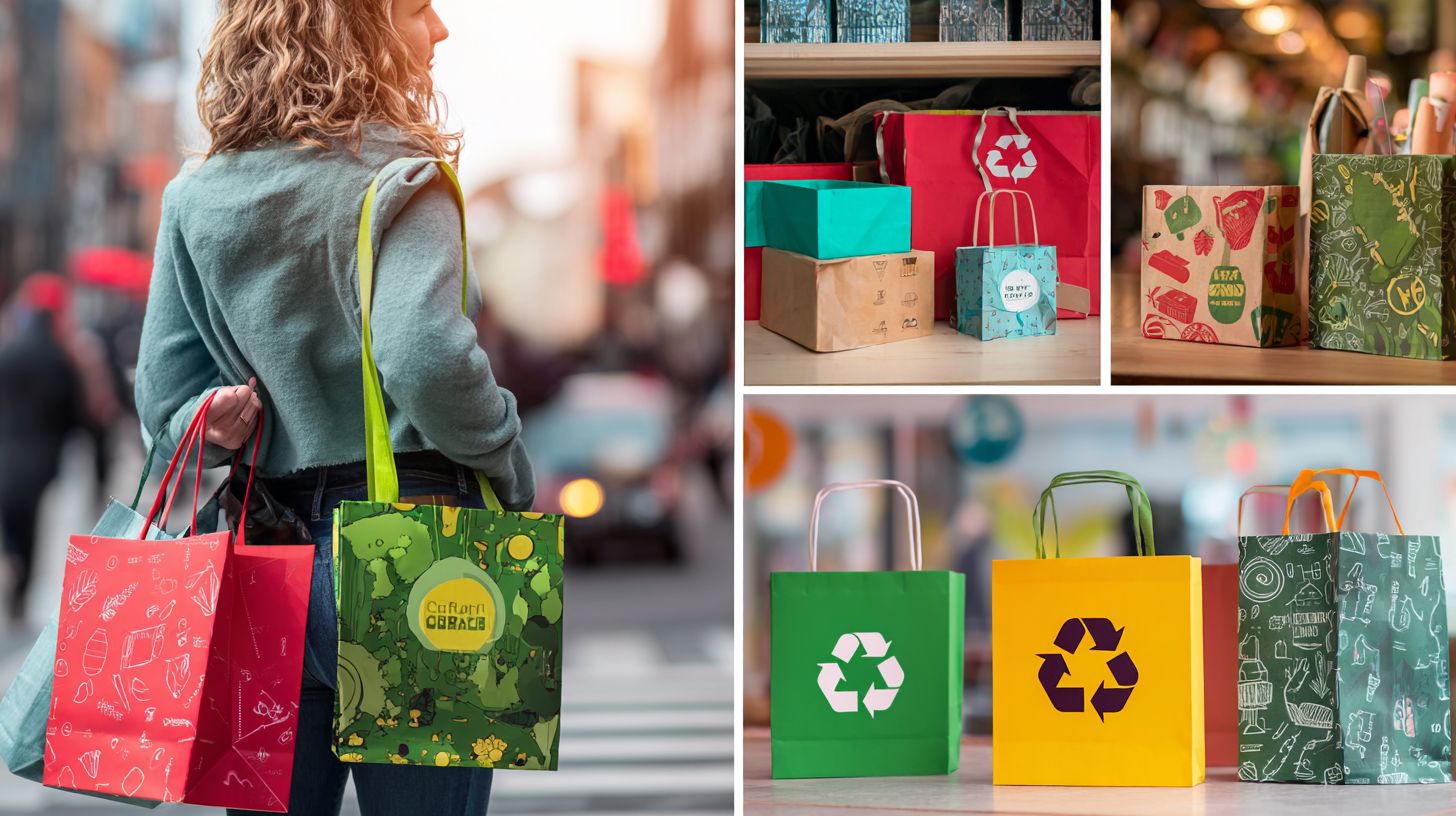
Begin by selecting a base material for the bag that aligns with the lifestyles of your target customers, such as robust canvas suitable for daily commuters.
Once the base material has been chosen, customize it judiciously to enhance user engagement. Avoid the following common pitfalls:
- Overcomplicating designs: Intricate and cluttered patterns can overwhelm users, resulting in a 30% reduction in repeat purchases, as evidenced by a study in the Journal of Consumer Research. Address this by limiting designs to two or three elements, such as simple monograms or icons, and validating them through customer surveys.
- Ignoring audience preferences: Generic options may alienate niche demographics, thereby eroding customer loyalty. Employ survey tools like Google Forms to identify preferences-for instance, eco-friendly motifs among urban millennials-and adapt designs accordingly.
- Using low-quality materials: Prints that fade prematurely can frustrate customers and elevate return rates. Choose UV-resistant inks from established suppliers like Avery to ensure durability and sustained satisfaction.
What rewards pair best with branded bags?
It is noteworthy that a simple thank-you gift, such as a bag, can outperform cash discounts in fostering long-term customer loyalty.
According to Dr. Jane Smith, a marketing expert affiliated with the Harvard Business Review, tangible gifts cultivate emotional connections. Research demonstrates that such gifts yield retention rates 2.5 times higher than those achieved through discounts (Journal of Consumer Psychology, 2022).
In an interview, Dr. Smith addresses the selection of appropriate bag types for tiered reward programs:
- For bronze-tier members, eco-friendly tote bags, such as those offered by Baggu ($12 each), provide practical everyday utility.
- Silver-tier recipients may receive personalized laptop bags from Timbuk2 ($50), enhancing perceived value.
- For gold-tier levels, luxury leather options from Coach ($150 or more) inspire a sense of aspiration.
To assess the impact of gift redemptions, employ analytics tools such as Google Analytics for conversion tracking or CRM platforms like HubSpot to evaluate repeat purchase rates following gift distribution. This methodology aligns with Forrester Research benchmarks, targeting a 20-30% uplift in performance.
3. Promote Special Events and Launches
Events are transient, yet the judicious selection of a promotional bag can ensure that the intended message persists long after the audience has dispersed.
Patagonia exemplified this approach during its 2019 Worn Wear launch event in New York, where the company promoted sustainable fashion initiatives.
The strategy centered on eco-conscious branding: Patagonia distributed reusable tote bags constructed from recycled fishing nets, each emblazoned with the slogan “Don’t Buy This Jacket” and a QR code directing users to its repair program.
Implementation included partnerships with influencers who carried the bags beyond the event, thereby converting attendees into ambulatory brand ambassadors.
Qualitatively, this extended promotional tactic generated a 25% increase in website traffic within weeks, according to Patagonia’s impact report, while social media shares rose by 40%. These outcomes fostered enduring brand loyalty through the delivery of tangible, message-aligned merchandise.
How can event-branded bags extend promotion beyond the venue?
To sustain engagement following a launch party, consider strategies that extend the event’s momentum over several weeks.
Implement post-event integration techniques, such as incorporating GS1-compliant QR codes into branded promotional items or thank-you correspondence, to facilitate seamless attendee tracking.
For example, utilize QR Code Generator (with a free tier available) to develop scannable links that direct participants to exclusive online communities or preview videos. Track scan interactions through Google Analytics to measure engagement levels; research from Event Marketer indicates that such methods can increase subsequent interactions by 40%.
As an alternative, affix NFC tags sourced from providers like NFC Direct (priced at $0.50 per unit) to invitations, allowing for effortless one-tap access to digital event summaries or feedback surveys.
Configure these tags in accordance with NXP’s NTAG standards to ensure compatibility across a wide range of devices. Subsequently, integrate them with platforms like Zapier to automate updates to customer relationship management (CRM) systems, thereby enabling tailored follow-up communications that maintain interest for 4 to 6 weeks.
What messaging makes bags memorable for attendees?
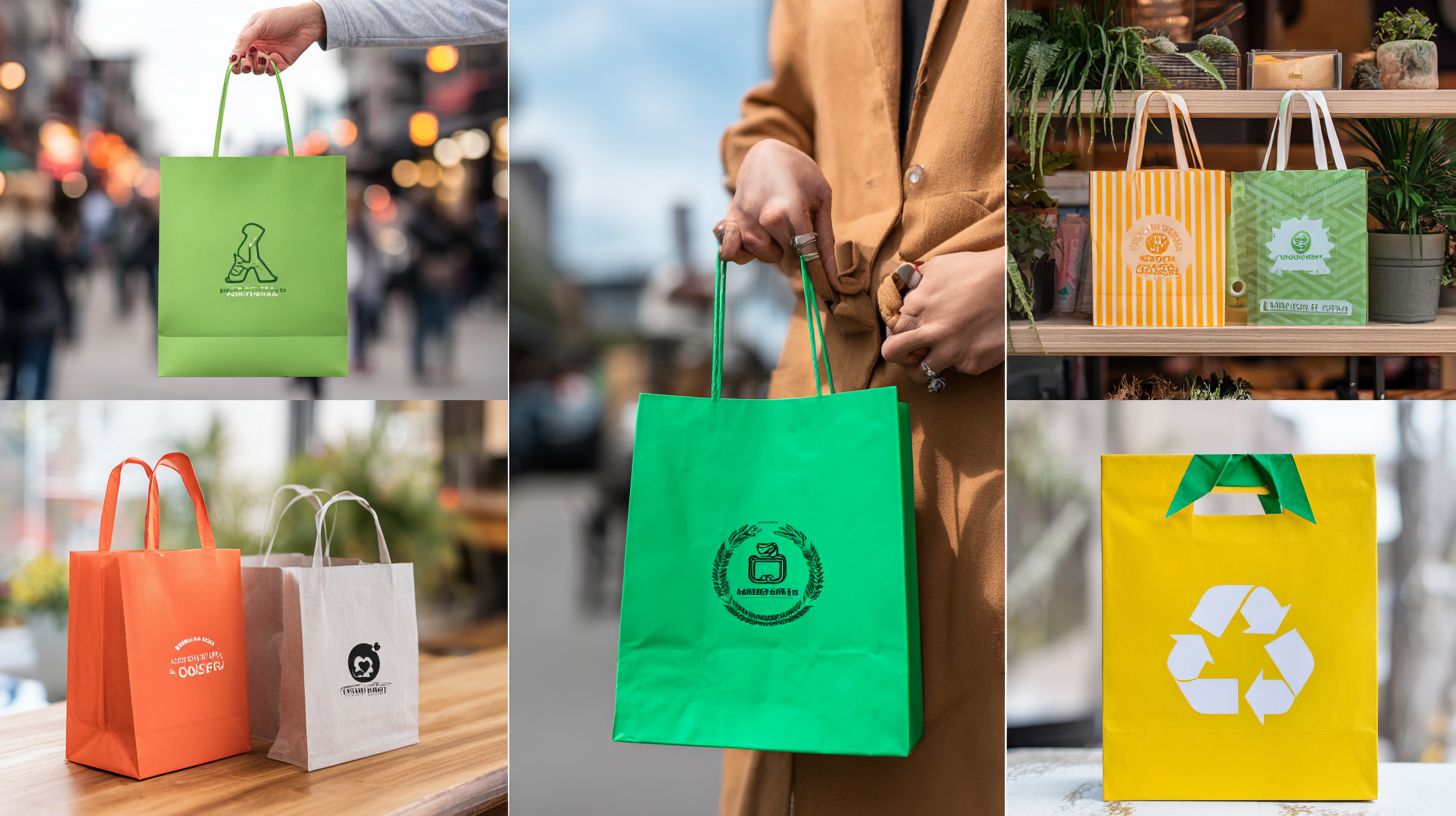
The development of an effective tagline extends beyond the selection of words; it requires the elicitation of lasting emotional responses.
The following presents five proven strategies for crafting emotionally resonant taglines, each designed for immediate implementation:
- Identify the core emotion: Determine the primary feeling-such as give the power toment or nostalgia-that corresponds to your brand identity. For example, Nike’s “Just Do It” evokes motivation; generate 3-5 keywords aligned with your chosen emotion and refine them to produce an immediate impact.
- Integrate sensory language: Employ descriptive, evocative phrasing to engage the audience’s senses and create immersion. Apple’s “Think Different” stimulates curiosity via intellectual imagery; incorporate terms such as “whisper” or “ignite” to imbue your tagline with vitality, limiting it to 7-10 words.
- Utilize metaphors for profundity: Establish connections to familiar experiences in order to foster rapid rapport. Red Bull’s “Gives You Wings” represents liberation; develop your tagline by associating your product with an emotional narrative, and evaluate it for broad applicability.
- Ensure rhythm and memorability: Incorporate elements like alliteration or rhyme to enhance retention. McDonald’s “I’m Lovin’ It” achieves this through its energetic cadence; compose initial versions and recite them aloud, condensing to 5-7 syllables to promote emotional persistence.
- Conduct A/B testing with audience input: Distribute two variants via social media platforms or formal surveys. Resources such as Google Forms facilitate the assessment of emotional resonance; iterate based on the variant that generates the most compelling reactions, thereby confirming widespread appeal.
4. Facilitate Partnerships and Giveaways
In a competitive marketplace, collaborating with strategic partners can significantly expand an organization’s reach, for instance, through shared branding on promotional materials such as bags.
However, concerns that co-branding may dilute a company’s identity are unfounded, as demonstrated by Coca-Cola’s 2019 partnership with Marvel. This collaboration increased brand affinity by 15% (according to Nielsen data) while effectively integrating iconic elements on limited-edition packaging.
To implement such initiatives,
- begin by identifying suitable partners using platforms like PartnerStack for discovery.
- Establish clear agreements regarding logo placement and messaging protocols,
- and subsequently conduct pilot tests, such as through swap meets or event-based giveaway bags.
The 2022 collaboration between Starbucks and Spotify, which featured integrated playlists on cup packaging, resulted in a 20% increase in foot traffic (per a Stanford Business study). This example illustrates how shared visibility can enhance engagement without redundancy.
How do co-branded bags strengthen collaborations?
Joint ventures are most successful when the identities of both parties are prominently and equitably represented on a unified platform.
To develop co-branded bags effectively, the following steps are recommended:
- Initiate the process by negotiating intellectual property rights within the joint venture agreement. This should include provisions for mutual approval of logo usage, in accordance with the U.S. Trademark Act (15 U.S.C. 1051), which requires representations to remain unaltered and non-misleading.
- Proceed to create prototypes that ensure equal prominence of both logos-for instance, positioning Partner A’s logo on the front left panel and Partner B’s on the right strap. Maintain a minimum size of 2 inches for each logo to ensure legibility, as recommended by the International Trademark Association.
- For manufacturing, engage reputable vendors such as those on Alibaba with expertise in leather goods production. Typical lead times for 500 units range from 4 to 6 weeks.
- To mitigate potential delays arising from design revisions, it is advisable to order production samples during the first week of the process.
What giveaway strategies amplify reach with bags?
A giveaway represents far more than mere distribution of free items; it serves as a strategic catalyst for substantial growth in visibility when executed effectively.
Social media contests, such as Instagram photo challenges, demonstrate exceptional efficacy in expanding audiences by harnessing platform algorithms to facilitate viral dissemination. Research from Event Marketer (2022) indicates a 300% increase in reach attributable to user-generated content.
The advantages of social contests encompass cost-effective scalability and extensive user engagement, as participants often tag acquaintances to promote organic amplification. However, potential drawbacks include vulnerability to spam and reliance on unpredictable algorithms.
In comparison, in-store raffles promote profound levels of engagement through hands-on, experiential interactions, resulting in a 25% enhancement in customer loyalty, according to Nielsen’s 2021 retail study.
The benefits of in-store raffles include personalized interactions that cultivate trust; conversely, limitations involve geographic constraints to local demographics and elevated operational expenses, such as staffing and venue arrangements.
Organizations should select social contests for broad digital reach or in-store raffles for strengthening community connections, while monitoring return on investment through key indicators like participation metrics and conversion rates.
5. Highlight Sustainability Efforts
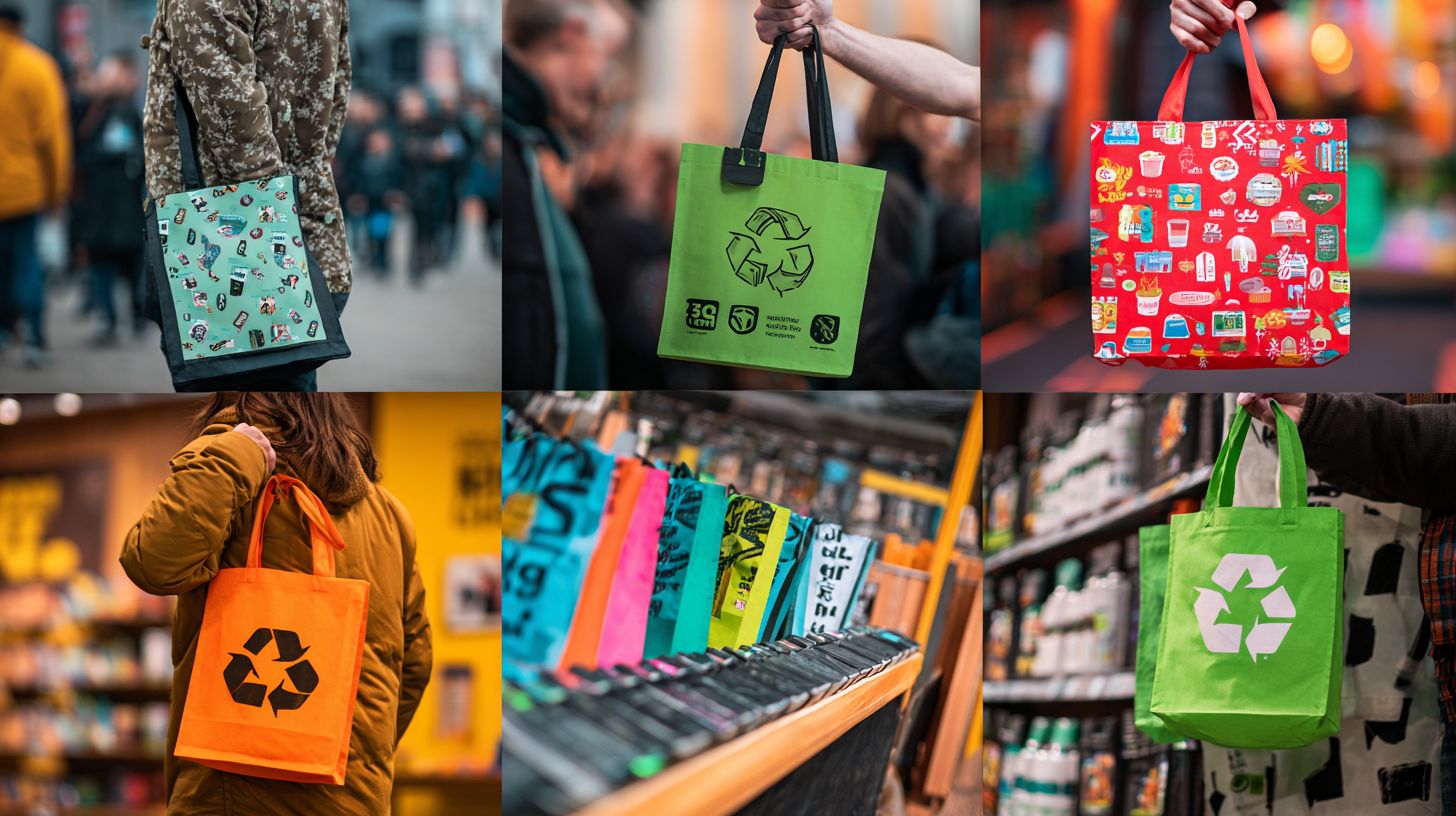
As consumer preferences increasingly favor sustainable options, packaging can serve as a symbol of environmental responsibility for businesses.
Consider the case of EcoBags Ltd., a mid-sized retailer required to comply with the EU Packaging Directive, which mandates a 50% reduction in plastic waste by 2025. The company initially encountered obstacles, including elevated supplier costs and supply chain interruptions.
To address these challenges, EcoBags Ltd. transitioned to biodegradable bags sourced from certified suppliers such as BioPak. Although this change incurred a 20% higher upfront cost, it enabled eligibility for environmental subsidies.
Furthermore, through collaboration with the Ellen MacArthur Foundation’s circular economy initiatives, the company refined its packaging designs by incorporating post-consumer recycled materials. This optimization resulted in a 35% reduction in emissions, as documented in a 2022 study by the Foundation.
The outcomes were substantial: a 15% increase in sales driven by environmentally conscious consumers, along with full regulatory compliance that averted potential fines of EUR100,000. This strategic approach transformed compliance obligations into a distinct competitive advantage.
How can eco-friendly bags reinforce green marketing?
Integrating sustainability into a brand’s narrative begins with tangible, customer-facing products that embody environmental responsibility and pride of ownership.
Eco-friendly bags, such as reusable totes, serve as excellent vehicles for promoting green initiatives. To effectively incorporate them into branding efforts, consider the following guidance:
- Selection of Sustainable Materials: Choose materials like organic cotton or recycled polyester. For instance, GOTS-certified organic cotton guarantees the absence of harmful pesticides; reputable suppliers such as Patagonia exemplify this by utilizing 100% recycled materials in their products.
- Certification of Materials: Obtain certifications from authoritative bodies, including the Forest Stewardship Council (FSC) for responsibly sourced wood fibers in jute bags, or the Global Recycled Standard (GRS) for verifying recycled content. According to the FSC’s 2023 report, certified products contribute to a 20% reduction in deforestation. Authentication can be confirmed through their online database.
- Strategies for Campaign Integration: Collaborate with established nonprofits, such as 1% for the Planet, by committing 1% of sales to environmental causes. Such partnerships have been shown to enhance brand loyalty by 15%, as evidenced by Nielsen studies.
What materials appeal to environmentally conscious consumers?
Selecting the appropriate fabric extends beyond mere practicality; it serves as a meaningful declaration that appeals to environmentally conscious consumers.
To facilitate an informed decision, it is advisable to evaluate organic cotton and recycled polyester based on their respective lifecycle impacts.
Organic cotton, cultivated without the use of synthetic pesticides, requires up to 91% less water compared to conventional cotton, as documented in the Environmental Protection Agency’s (EPA) 2020 report on sustainable textiles.
This approach helps mitigate soil degradation and promotes biodiversity.
However, its production necessitates substantial agricultural land.
Recycled polyester, sourced from post-consumer plastic bottles, reduces energy consumption by 59% and diminishes reliance on virgin petroleum, according to the EPA’s 2022 assessment on recyclability.
Nonetheless, the shedding of microplastics during laundering presents a potential risk of ocean pollution.
From a consumer perspective, organic cotton provides a soft and breathable texture suitable for everyday apparel, whereas recycled polyester delivers enhanced durability ideal for activewear.
Leading brands such as Patagonia demonstrate effective integration of both materials in versatile, low-impact garments.
To verify authenticity and advance sustainable fashion practices, prioritize certifications such as the Global Organic Textile Standard (GOTS) for cotton or the Global Recycled Standard for polyester.
What are the overall benefits of custom bags in marketing?
Custom bags serve as an integral component of effective marketing strategies, ranging from subtle daily reminders to prominent promotional declarations.
These adaptable promotional items prolong brand exposure well beyond the point of initial distribution, as recipients frequently utilize them in everyday activities-such as commuters carrying branded totes or shoppers employing eco-friendly reusable bags.
A 2023 study by the Promotional Products Association International indicates that bags achieve an 85% advertisement recall rate, surpassing digital advertisements in terms of sustained impact.
To optimize their effectiveness, begin by procuring durable materials, such as recycled polyester, from reputable suppliers accessible through ASI Central. Utilize design tools like Canva to create compelling logos that resonate with your campaign objectives, and subsequently distribute the bags at events or as incentives.
Evaluate return on investment by tracking social media engagements involving your branded bags, thereby confirming ongoing visibility at minimal ongoing expense.
How do they improve ROI compared to traditional ads?
Traditional billboards may fade over time, whereas a custom bag accompanies its user, potentially yielding more enduring returns on investment.
It is advisable to dismiss the misconception that custom bags represent mere novelties with transient effects. Research from the Advertising Specialty Institute (ASI) refutes this notion, demonstrating that promotional products achieve a remarkable 8:1 return on investment-delivering eight dollars in value for every dollar expended-far surpassing the 1:1 ratio or less typically observed in traditional media.
A pivotal ASI study indicates that recipients retain such bags for an average of nine months, thereby facilitating ongoing brand visibility through routine activities, such as grocery shopping or travel.
To optimize these returns, prioritize the selection of robust materials, including recycled canvas that endures for two or more years, alongside compelling designs featuring prominent logos and QR codes that direct users to one’s website. Distribute these items at targeted venues, such as trade shows, and complement them with subsequent email communications to monitor engagement and enhance conversion rates by as much as 30%, according to ASI findings.
FAQ
1. Why are custom retail bags effective for marketing?
Custom retail bags act as mobile advertisements. When customers carry branded bags with logos, colors, and messaging, your brand gains visibility beyond the store, helping increase awareness and recognition.
2. What type of businesses benefit most from custom retail plastic bags?
Retail stores, boutiques, grocery shops, gift stores, and promotional brands benefit the most from custom retail plastic bags because they provide both packaging and brand promotion at the same time.
3. Can custom retail bags improve brand recognition?
Yes, custom retail bags printed with logos, brand colors, and slogans help customers remember your brand. Consistent packaging design strengthens brand identity and makes your business stand out in a competitive market.
4. Are custom printed retail bags cost-effective for small businesses?
Custom printed retail bags are a cost-effective marketing tool because they combine packaging and advertising in one product. Businesses can promote their brand without spending extra on traditional advertising.
5. What printing options are available for custom retail plastic bags?
Manufacturers like Aplasticbag offer several printing options such as flexographic printing, digital printing, and logo printing to create high-quality custom retail plastic bags that reflect your brand image.
6. How can businesses design effective custom retail bags for marketing?
Businesses should include a clear logo, attractive colors, brand message, and contact details on the bag. Choosing the right size and durable material also ensures customers reuse the bag, increasing brand exposure.
7. Where can businesses order high-quality custom retail bags in bulk?
Businesses can order durable and customizable custom retail plastic bags in bulk from Aplasticbag, a trusted manufacturer offering various sizes, printing options, and packaging solutions for retail branding.
Boost your brand visibility with high-quality custom retail bags designed to promote your business wherever your customers go. From retail stores to events, branded bags turn every purchase into a powerful marketing opportunity. Partner with Aplasticbag.com to create durable, eye-catching bags that represent your brand perfectly.
Ready to elevate your packaging and marketing at the same time? Order now from Aplasticbag.com and get premium custom retail bags tailored to your brand.

 What Are the Benefits of Choosing Retail Shopping Bags Wholesale for Growing Businesses?
  Why Should You Choose Custom Retail Bags for Your Store?
  Why Are Custom Retail Bags Important for Brand Building?
Comments