
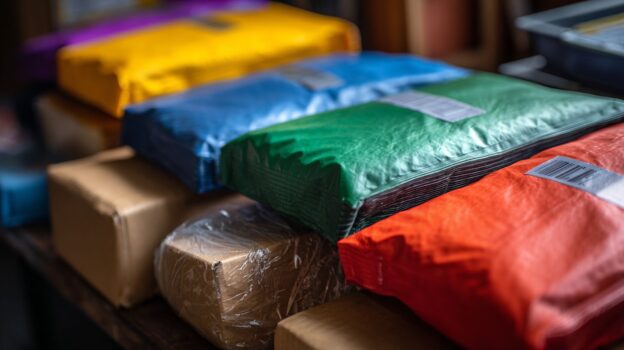
In the fast-paced e-commerce arena, where shipping costs can erode profits, savvy sellers seek packaging that delivers value without compromise. Poly mailers emerge as a game-changer, offering lightweight durability and versatility to streamline operations. Explore seven compelling advantages-from cost savings and waterproof protection to eco-friendly recyclability-and uncover answers to FAQs on affordability and sustainability to elevate your shipping strategy.
1. Cost-Effective Packaging Solution
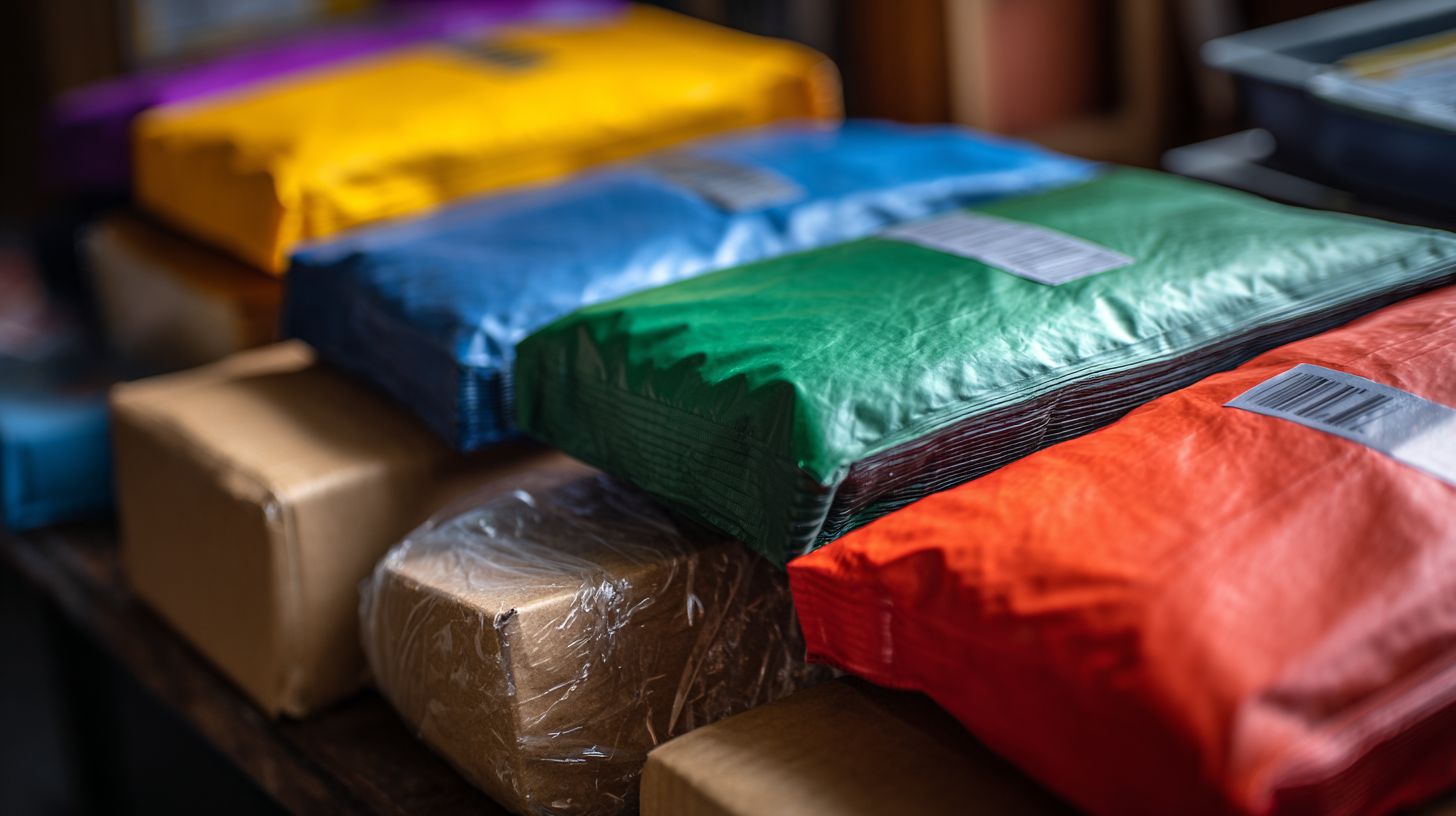
E-commerce sellers can significantly reduce packaging costs without sacrificing quality by adopting poly mailers.
To realize these cost savings, follow the steps outlined below:
- Compare pricing from reputable suppliers, such as Uline (which offers 6×9 inch mailers starting at $0.08 each for bulk orders) and Alibaba vendors, utilizing their online quote tools. Request samples to confirm product quality.
- Assess volume discounts; for orders of 5,000 units, anticipate reductions of 15-25%. Compute total costs using the formula: Total Cost = Base Price x Quantity x (1 – Discount Rate). For instance, lowering the per-unit price from $0.15 to $0.10 for 1,000 orders yields $50 in monthly savings.
- Monitor return on investment (ROI) via the formula: ROI = [(Old Cost – New Cost) / New Cost] x 100. Strive for returns exceeding 20%.
Exercise caution regarding common pitfalls, such as:
- concealed shipping fees ($20-100)
- minimum order quantities (500+ units).
Utilize tools like Excel spreadsheets or QuickBooks for budgeting and conduct quarterly reviews of expenses to maintain financial oversight.
2. Lightweight for Reduced Shipping Costs
Have you ever considered why shipping costs continue to escalate despite stable sales volumes?
For a hypothetical e-commerce venture such as EcoThreads, which specializes in lightweight apparel, the use of bulky cardboard boxes added 4-6 ounces to each package. This increased weight caused shipments to exceed the one-pound threshold established by the United States Postal Service (USPS), resulting in higher First-Class rates-up to 30% more, as specified in the USPS Domestic Mail Manual.
Transitioning to custom poly mailers, weighing only 1-2 ounces, reduced the average package weight below one pound, thereby qualifying shipments for more cost-effective options such as Media Mail or flat-rate services.
United Parcel Service (UPS) guidelines similarly emphasize lighter packages, which helps avoid surcharges arising from dimensional weight discrepancies.
Over the course of one year, this adjustment enabled EcoThreads to save $15,000 on 5,000 shipments, achieving a 25% reduction in costs while ensuring continued protection for delicate fabrics.
3. Highly Durable and Tear-Resistant
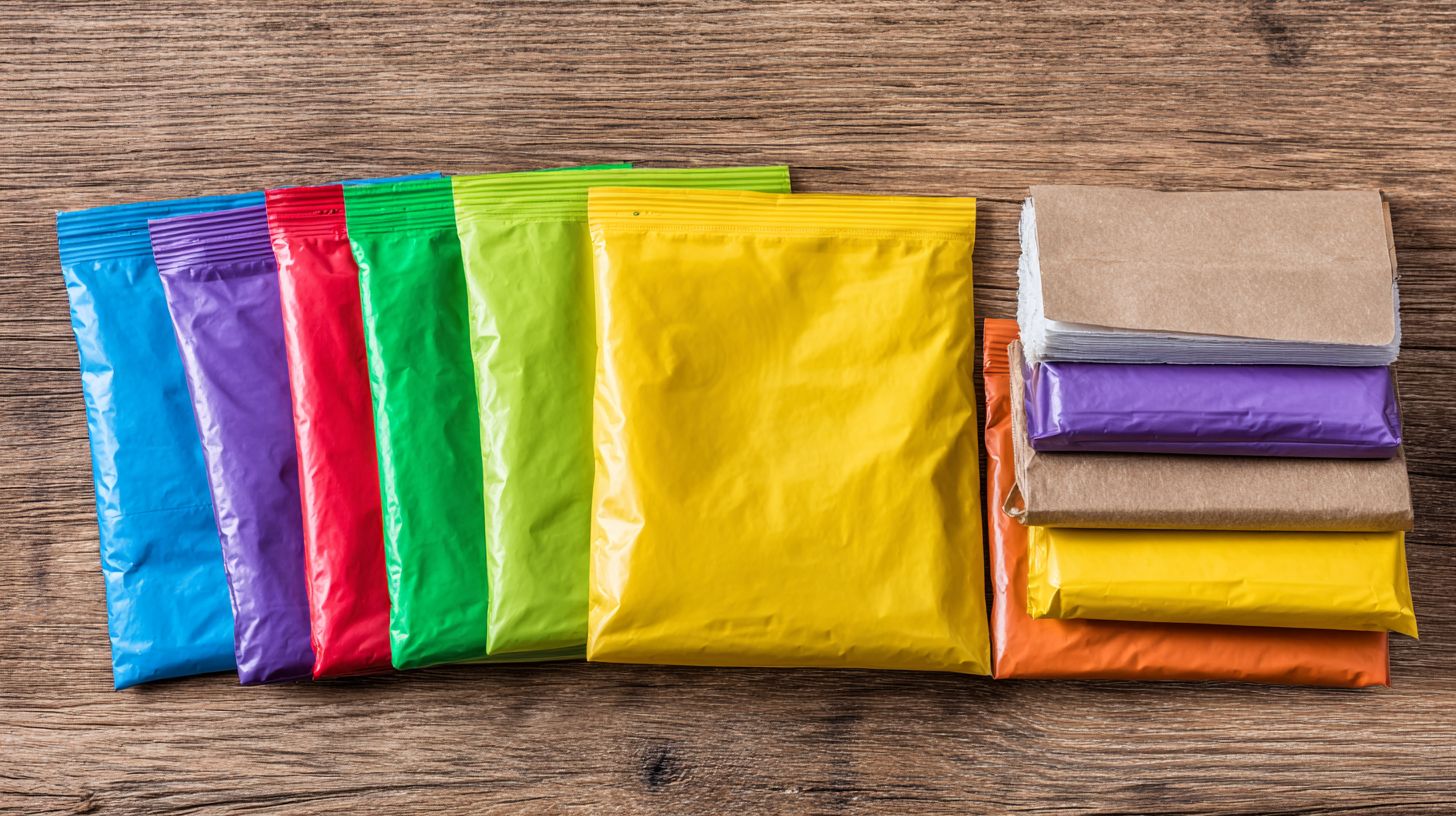
When shipping fragile items such as electronics or apparel, durability is not merely a feature; it is essential for ensuring customer satisfaction.
The selection among Imprinted Poly Mailers, padded envelopes, and bubble mailers requires a thorough evaluation of factors including tear strength, transit handling, and cost.
Poly mailers provide excellent tear resistance due to their polyethylene construction, which complies with ASTM D882 tensile standards (up to 20 lbs/inch). However, they offer minimal cushioning, which may expose items to punctures during rigorous sorting processes.
Padded envelopes incorporate fiber padding to enhance impact absorption, with ASTM D4169 drop-test ratings that support falls from 4 to 5 feet. Nonetheless, they are bulkier and exhibit reduced flexibility during transit.
Bubble mailers deliver superior shock protection through their air-filled bubbles and are also compliant with ASTM D4169 standards. That said, they may permit contents to shift if not adequately secured.
| Option | Tear Strength (ASTM D882/D903) | Transit Handling | Cost per Use |
|---|---|---|---|
| Poly Mailers | High (20-30 lbs/inch); puncture-prone | Lightweight, stackable; low cushion | $0.10-$0.20 |
| Padded Envelopes | Moderate (15-25 lbs/inch); tear-resistant padding | Good impact resistance; added bulk | $0.30-$0.50 |
| Bubble Mailers | Moderate (18-28 lbs/inch); bubbles can burst | Superior shock absorption; contents may shift | $0.25-$0.45 |
For electronics, bubble mailers with internal bracing are recommended as the primary choice; for apparel, poly mailers are adequate when augmented with additional tissue. It is advisable to conduct testing through ASTM simulations tailored to specific requirements.
4. Waterproof Protection for Products
Consider a scenario in which a sudden rainstorm occurs during delivery, resulting in a customer’s package arriving damaged by water. Selecting appropriate waterproof packaging can prevent such occurrences.
To select waterproof packaging effectively, it is essential to avoid common errors that compromise product protection. The following outlines these pitfalls and recommended corrective actions:
- Improper sealing techniques: Hastily applying tape can create gaps that permit water ingress during transit, as demonstrated by ASTM D4169 testing standards. Address this by employing a heat sealer, such as the Impulse Sealer Pro (priced at $50), to achieve airtight seals. For verification, fold the edges, apply the seal in a zigzag pattern, and submerge the package in water for five minutes to inspect for air bubbles.
- Selecting thin-gauge materials for heavy items: Plastics with low mil thickness (under 4-gauge) are prone to tearing under weight, according to studies from the Institute of Packaging Professionals. Instead, utilize 6-mil polyethylene bags; validate durability by stacking 50 pounds of weight and subjecting the package to agitation.
- Neglecting leak tests: Omitting verification can result in failure rates of up to 30% of packages (per IoPP data). Conduct a dunk test after sealing by immersing the package in a container of water for 10 minutes and examining for any signs of moisture ingress.
5. Space-Efficient Storage and Handling
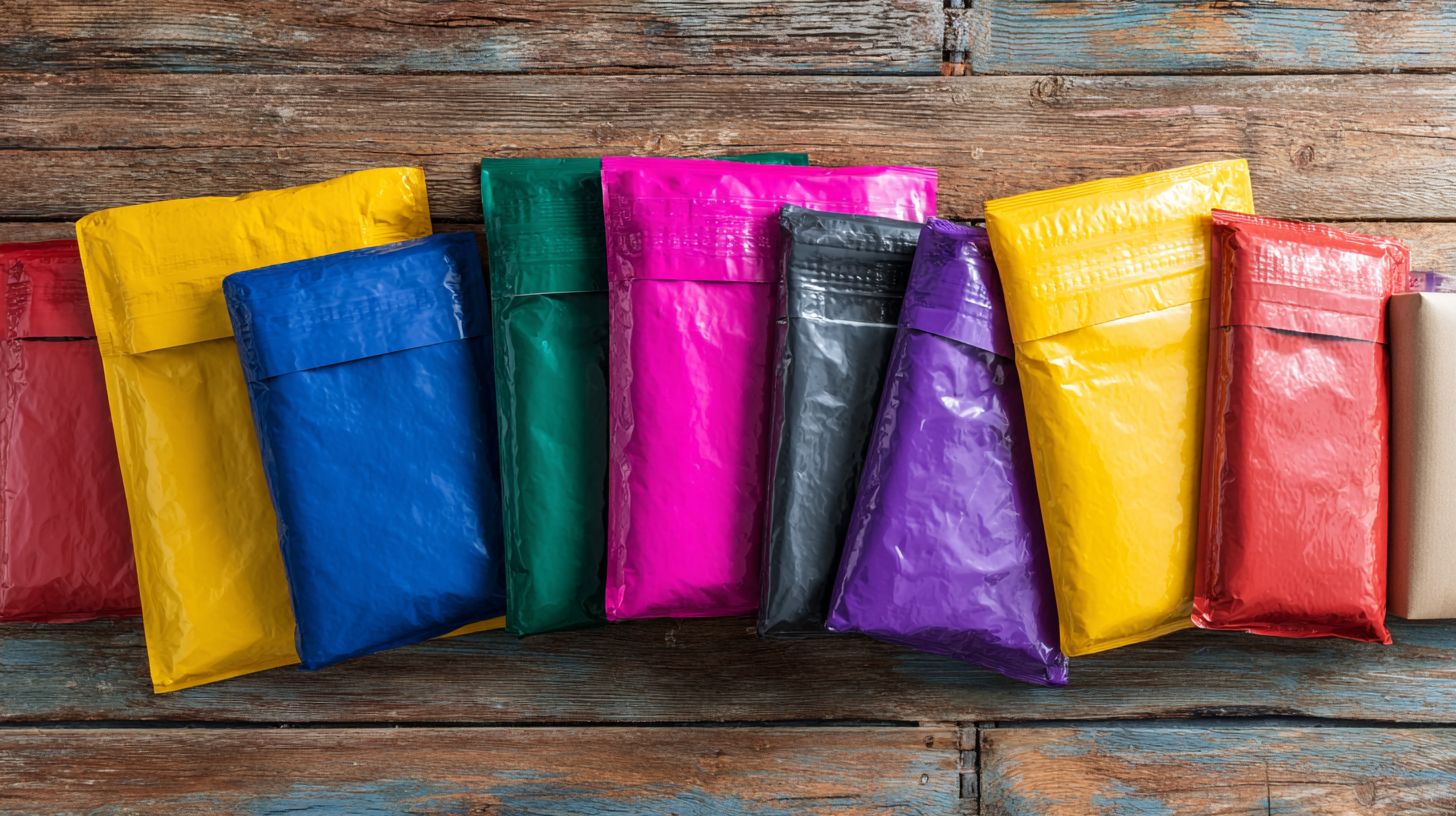
Begin your day by transforming a disorganized warehouse into an efficient, streamlined operation that significantly reduces operational hours. As a logistics consultant, I recommend addressing key challenges directly and systematically.
To maximize shelf space, consider implementing vertical folding techniques for apparel.
For instance, fold shirts into thirds and stack them upright in bins, which can increase capacity by 30%, according to a Warehouse Management Systems study conducted by Georgia Tech. For boxed items, employ interlocking patterns to minimize the risk of toppling and enhance stability.
Regarding integration with automation, select pallet racking systems that are compatible with automated storage and retrieval systems (AS/RS), such as those offered by Dematic, to achieve round-the-clock operational efficiency.
Commence the process with a comprehensive zone audit, utilizing tools such as Fishbone diagrams to pinpoint bottlenecks. Subsequently, introduce First-In, First-Out (FIFO) inventory rotation through barcode scanners to realize immediate improvements.
6. Versatile Sizing Options for Various Items
Poly mailers offer a versatile packaging solution suitable for items ranging from small jewelry pieces to larger apparel, minimizing excess waste.
For Etsy seller Mia Rodriguez, who expanded her handmade accessory shop to include scarves and hats, Premium Custom Printed Poly Mailers proved to be the ideal choice. Initially specializing in delicate earrings, Ms. Rodriguez determined appropriate sizes by measuring each item: 4×6 inches for jewelry, increasing to 10×13 inches for apparel.
She utilized Uline’s sizing chart, a complimentary resource that provides recommendations based on item dimensions plus a 2- to 3-inch buffer.
Challenges emerged when accommodating irregularly shaped hats, necessitating custom trials and returns from suppliers such as Polybags Direct, which incurred an initial cost of $50.
By standardizing on three sizes, Ms. Rodriguez reduced packing time by 40% per order-from 10 minutes to 6 minutes-enabling her to increase output to 200 listings.
Customers provided positive feedback in reviews, highlighting the secure and lightweight delivery of packages, which contributed to her 4.9-star rating and a 30% increase in sales over six months.
7. Eco-Friendly and Recyclable Material
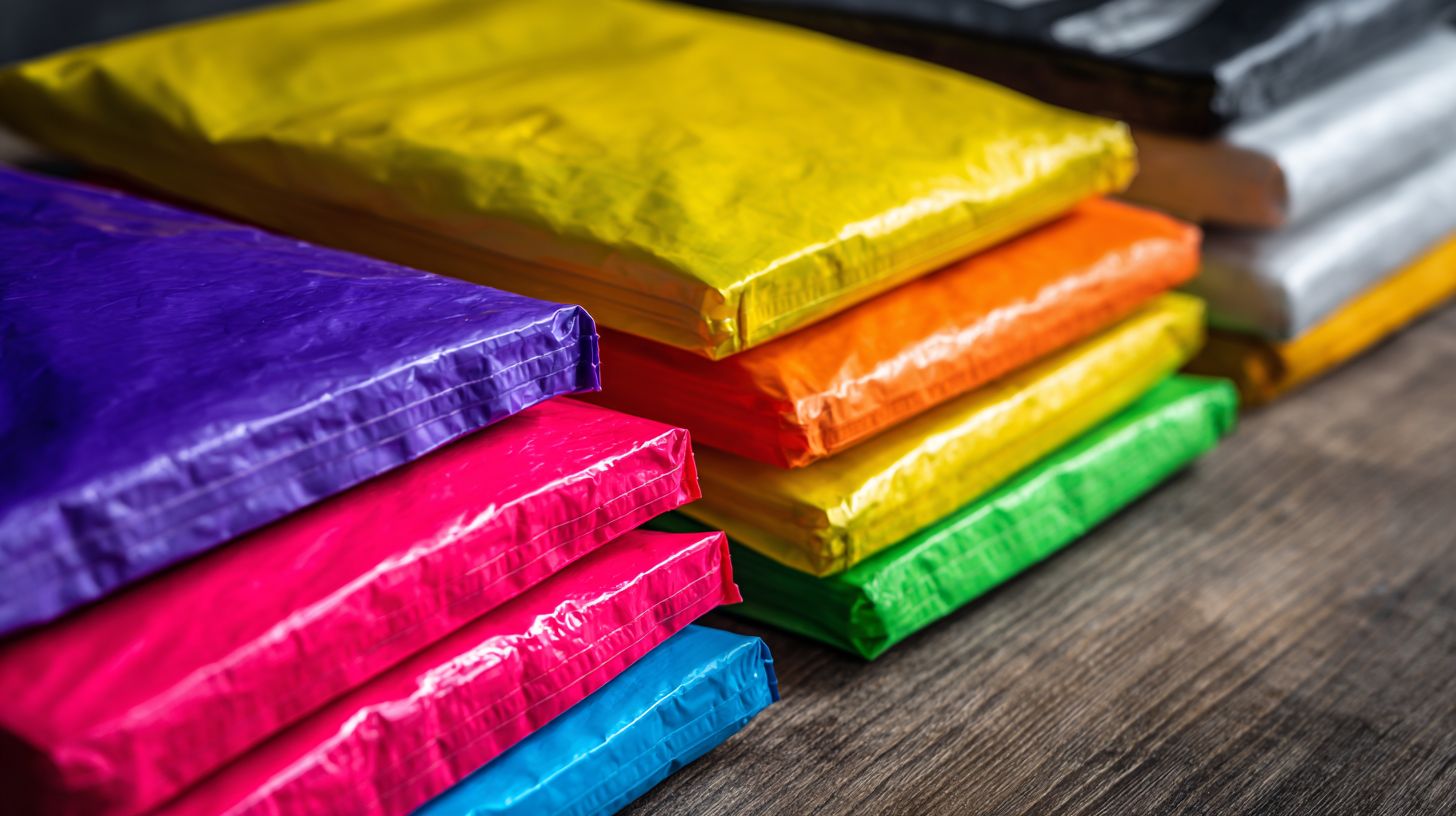
In an era where sustainability is a key driver of consumer loyalty, selecting appropriate materials can distinguish a brand in the marketplace.
High Gloss Custom Printed Poly Mailers, primarily composed of low-density polyethylene (LDPE), provide lightweight durability and resistance to moisture, making them suitable for e-commerce shipping applications. The flexibility of LDPE arises from its long-chain polymer structure, which allows for reduced material usage in comparison to traditional paper alternatives.
To ensure recyclability, adhere to Environmental Protection Agency (EPA) guidelines by sorting poly mailers as #4 plastic, removing any residues, and processing them through mechanical recycling methods to produce new films. Avoiding contamination can enhance recycling efficiency by up to 30%, according to EPA reports.
Regarding lifecycle impacts, the production of LDPE requires significant energy input, though its usage phase results in lower emissions overall. A 2020 study by the Ellen MacArthur Foundation indicates that transitioning to recycled polyethylene can reduce packaging waste by 50%, thereby supporting circular economy principles and enabling brands to minimize contributions to landfills.
Common Questions About Poly Mailers
Guidance on Custom Printed Low Density Poly Mailers: Addressing Key Concerns for E-Commerce Sellers
For e-commerce professionals seeking efficient packaging solutions, the following addresses the most frequently asked questions regarding poly mailers.
Key Recommendations for E-Commerce Sellers:
- Optimal Sizes: For small items such as jewelry, begin with 6×9-inch poly mailers, which accommodate up to 2 ounces according to USPS standards. For apparel, consider scaling to 10×13 inches. A practical guideline is to measure the product and add 2 inches for padding, which helps prevent returns and can reduce reshipping costs by 20%, based on Shopify data.
- Secure Sealing Methods: Employ heat sealers, such as the Impulse Sealer available for approximately $25 on Amazon, to achieve a tamper-evident closure. For heavier items, implement double seals after testing. This approach can decrease shipping errors by 30%, as indicated by UPS research.
- Sustainable Alternatives: Select recycled poly mailers from suppliers like Uline, priced starting at $0.05 per unit, which comply with ASTM D6400 standards. Adopting these options allows businesses to attract 78% of environmentally conscious consumers, according to the Nielsen report, thereby enhancing customer loyalty at no additional expense.
What makes poly mailers more affordable than boxes?
Transitioning from traditional boxes to poly mailers offers substantial reductions in material costs by emphasizing essential packaging requirements.
This change addresses the misconception that boxes are invariably more cost-effective in bulk quantities. For instance, corrugated boxes sourced from Uline are priced at $0.45 per unit for orders of 500, whereas poly mailers average $0.12 per unit based on supplier data, resulting in material cost savings of up to 70%.
Additionally, concerns regarding the perceived lack of professionalism in poly mailers are unfounded; established brands such as Everlane successfully utilize branded poly mailers, which provide a refined appearance while weighing half as much as boxes. This weight reduction can lower shipping expenses by 20-30%, as outlined in the 2023 Pitney Bowes e-commerce report.
For effective implementation, conduct a thorough audit of product dimensions using specialized tools such as Packsize software. Subsequently, procure custom-printed poly mailers from suppliers like Alibaba, where pricing begins at $0.15 per unit. Prioritize lightweight products weighing under 2 pounds to maximize savings, while ensuring adherence to United States Postal Service (USPS) regulations for poly bag securement and sealing.
Are poly mailers suitable for all e-commerce products?
While not all products are ideally suited for rigid boxing, poly mailers provide versatile packaging options that benefit many sellers.
To determine whether poly mailers are appropriate for your products, follow this decision-making framework:
- Product Type: Are the items fragile (e.g., glassware, electronics)? If so, select rigid boxes or padded mailers to prevent damage-USPS data indicates that 15% of claims for fragile items stem from inadequate cushioning. For non-fragile items (e.g., clothing, books), proceed to the next step.
- Size and Weight: Poly mailers are well-suited for items weighing under 1 lb that are foldable or compact (e.g., t-shirts up to 14×10 inches), with costs ranging from $0.10 to $0.20 each when sourced from suppliers like Uline. For bulkier items exceeding 2 lbs, boxes are recommended to mitigate the risk of tearing.
- Transit Risks: For high-risk routes (e.g., international shipping), incorporate bubble wrap inside poly mailers for hybrid protection. Poly mailers perform exceptionally for low-risk, lightweight domestic shipments, delivering a 40% cost reduction based on ShipperHQ studies while providing waterproofing.
How do poly mailers impact overall shipping sustainability?
Initiate measures today to reduce your carbon footprint; incremental improvements in mailer selection can profoundly influence your operational sustainability.
Transition to biodegradable mailers produced from recycled paper or plant-based alternatives, such as corn starch, which decompose 90% faster than conventional plastics, according to Environmental Protection Agency (EPA) research. Commence by conducting a thorough audit of your current suppliers and forging partnerships with certified environmentally responsible vendors.
For expert guidance, refer to the Sustainable Packaging Coalition’s complimentary toolkit, accessible at sustainablepackaging.org/resources, which details criteria for material selection and comprehensive lifecycle assessments.
Leading carriers, such as FedEx, provide established recycling programs; consult fedex.com/en-us/sustainability for information on designated drop-off locations to ensure a closed-loop system.
Exemplary brands like Patagonia demonstrate effective implementation, utilizing 100% recycled polyester mailers across their supply chain and achieving a 30% reduction in emissions, as documented in their 2022 impact report available at patagonia.com.
To integrate these practices, begin with pilot programs involving limited batches, monitor outcomes using carbon footprint calculators from organizations like the Carbon Trust, and scale initiatives based on rigorous return-on-investment evaluations.
Ready to upgrade your e-commerce shipping with reliable, cost-effective packaging?
At aplasticbag.com, we offer high-quality poly mailers designed to protect your products, reduce shipping costs, and enhance your brand image.
Whether you need custom sizes, durable materials, or fast turnaround, we’ve got you covered. Order now and experience hassle-free shipping solutions that help your business grow faster and smarter.

 Poly Mailers vs. Poly Bags: Which One Should You Choose for Shipping, Packaging & Branding?
  Poly Mailers vs. Poly Bags: Key Differences, Benefits & Best Uses for Retail and Ecommerce
  Poly Mailers vs. Poly Bags: Which Packaging Solution Is Best for Your Business in 2026?
Comments