
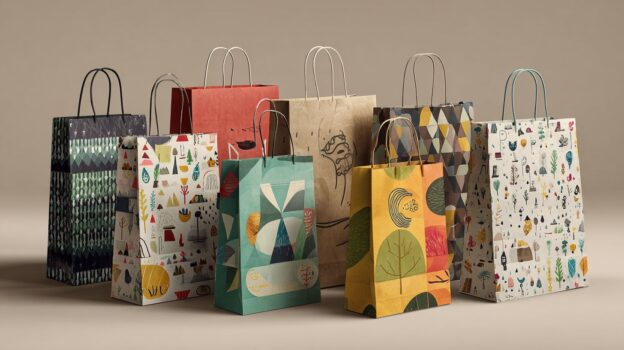
In a marketplace saturated with ordinary packaging, a standout custom paper bag can transform a simple purchase into a memorable brand encounter. These versatile carriers not only protect contents but also amplify identity and sustainability. Explore seven fresh ideas-from themed graphic prints and eco-friendly materials to interactive folds, embossed personalization, bold color blocks, window inserts, and innovative handles-unlocking ways to boost durability and eco-conscious appeal.
1. Themed Graphic Prints
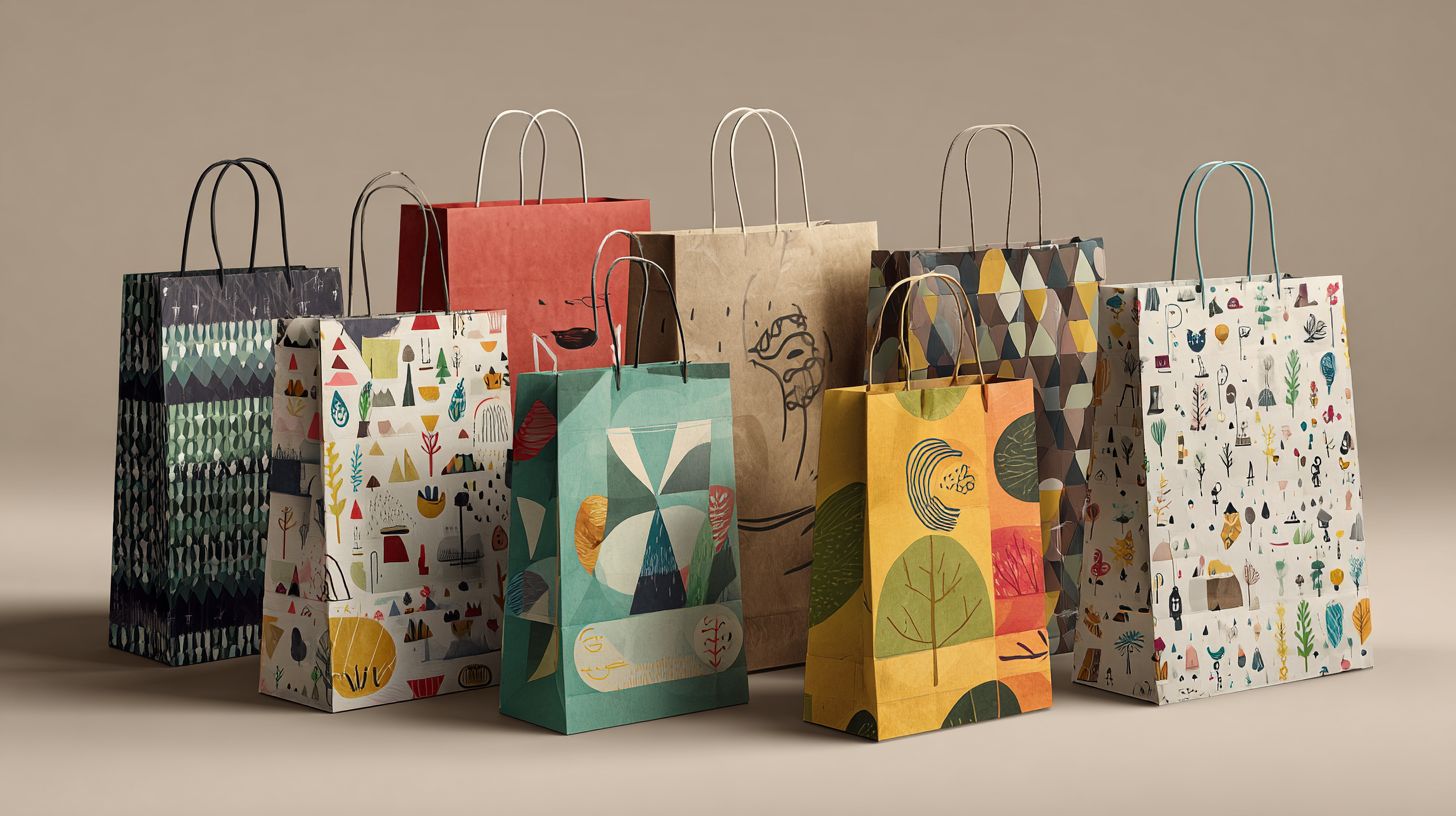
This guide details the process of converting standard custom shopping bags into narrative designs that incorporate seasonal holidays or cultural motifs. To create these designs, follow the step-by-step instructions outlined below, utilizing Adobe Illustrator or Canva.
- Select motifs: Conduct research on relevant themes using resources such as Pinterest; for holiday designs, select representative icons like snowflakes or lanterns. Develop sketches of 3 to 5 elements that convey the intended narrative.
- Set up in software: In Adobe Illustrator, establish a new document aligned with the bag’s dimensions (e.g., 10×12 inches at 300 DPI). Users of Canva should initiate a custom template. Import motifs as vector files to ensure scalability.
- Apply color schemes: Employ tools like Adobe Color to generate appropriate palettes-for instance, festive reds (#FF0000) and golds (#FFD700) for Christmas themes. Apply fills to shapes and modify opacity to achieve visual harmony.
- Layer illustrations: Construct depth by arranging elements in layers: the base layer for background patterns, intermediate layers for primary motifs, and the top layer for text. Utilize the Layers panel to group and align components.
- Prepare for printing: Incorporate necessary bleed margins (0.125 inches) and designate safe zones. Export the file as a CMYK PDF, suitable for printing services such as Vistaprint.
- Export mockups: Integrate the design onto a bag template within Canva or Photoshop, and save the result as a PNG file for client review and presentation.
This procedure generally requires 2 to 4 hours and produces print-ready files that significantly enhance branding efforts.
2. Eco-Friendly Material Choices
A small retail business faced significant customer complaints regarding plastic waste until it transitioned to sustainable packaging alternatives. The subsequent outcomes were transformative.
The company implemented FSC-certified kraft paper for its packaging, sourced from responsibly managed forests. This change reduced plastic usage by 80 percent.
The initiative effectively addressed customer dissatisfaction, with environmentally conscious consumers expressing approval on social media platforms. As a result, customer loyalty increased, evidenced by a 25 percent rise in repeat purchases within six months, according to internal records.
Furthermore, the adoption ensured adherence to key regulations, such as the European Union’s Single-Use Plastics Directive, thereby mitigating potential fines of up to EUR100,000.
In the end, the brand’s reputation was markedly enhanced; a 2022 Nielsen study indicates that 78 percent of consumers favor sustainable brands. This strategic shift converted initial complaints into positive endorsements, promoting sustained business growth.
3. Interactive Foldable Designs
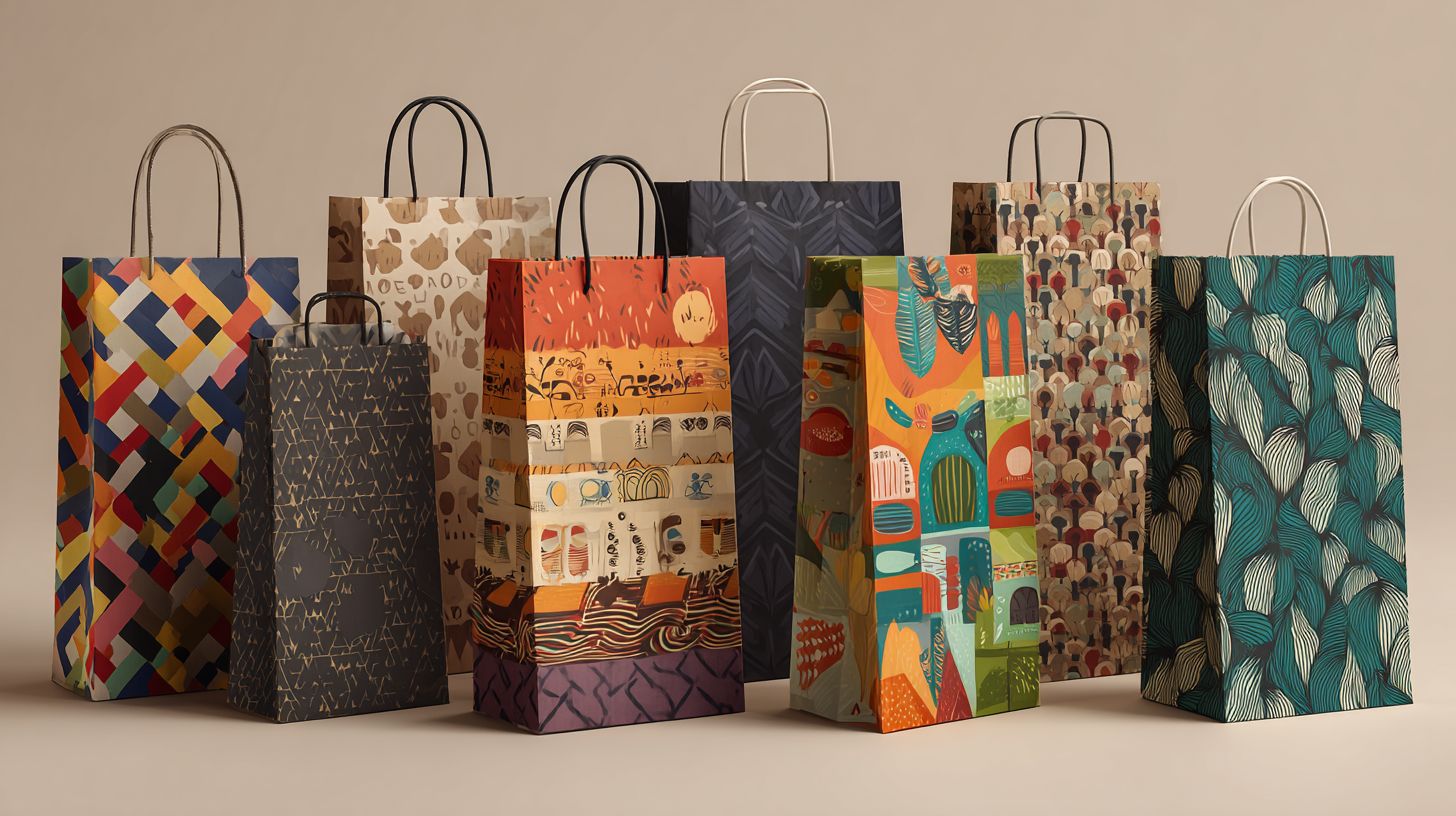
In selecting between flat-fold designs and gusseted structures for interactive bags, which option most effectively aligns with your requirements?
To assess foldable bag designs for retail displays or event promotional items, evaluate flat packs, gusseted expansions, and multi-fold totes.
Flat packs offer a slim profile for efficient shipping, though they may constrain capacity; gusseted options enable expansion for bulkier items, yet they incur higher material costs; multi-fold totes provide versatility, but demand precise folding mechanisms.
Utilize this comparison to identify the design that best matches your operational needs.
| Design | Usability | Storage | Production Costs |
|---|---|---|---|
| Flat Packs | Rapid unfolding facilitates retail impulse purchases; straightforward handheld application. | Compact stacking reduces shelf space requirements by 70%. | Low ($0.50-$1.00 per unit); requires minimal materials. |
| Gusseted Expansions | Expands to accommodate 15-20 liters for event use; robust construction supports heavy loads. | Bulkier in folded state; requires 40% additional bin space. | Medium ($1.00-$2.00 per unit); additional seams elevate labor expenses. |
| Multi-Fold Totes | Supports multiple configurations for adaptable event arrangements; promotes reusability. | Folds compactly into pouch dimensions; suitable for efficient bulk storage. | Higher ($2.00-$3.50 per unit); intricate folding mechanisms incur tooling charges. |
4. Personalized Embossing Techniques
Numerous designers fail to recognize these common pitfalls when incorporating personalized elements into bags. The following delineates prevalent errors in embossing techniques:
- Improper Depth Selection: This issue often stems from disregarding the material’s thickness, such as applying deep settings to thin leather, which can lead to cracks or indistinct impressions. To prevent this, perform preliminary tests on scrap materials and consult the machine manual for appropriate guidelines, thereby ensuring clear and precise results.
- Material Incompatibility: Employing heat embossing on heat-sensitive fabrics may result in scorching. Mitigation involves selecting compatible tools-for example, cold embossers for synthetic materials-and reviewing supplier specifications to verify suitability.
- Incorrect Pressure Application: Excessive force on delicate bags can distort their structure, while insufficient pressure produces inadequate definition. Calibration with a pressure gauge is recommended, beginning at low levels and making incremental adjustments to achieve uniform depth.
- Poor Alignment: Neglecting templates frequently leads to off-center designs. Utilizing laser guides or adhesive masks during setup facilitates precise alignment, yielding professional symmetry in every instance.
5. Bold Color Blocking Patterns
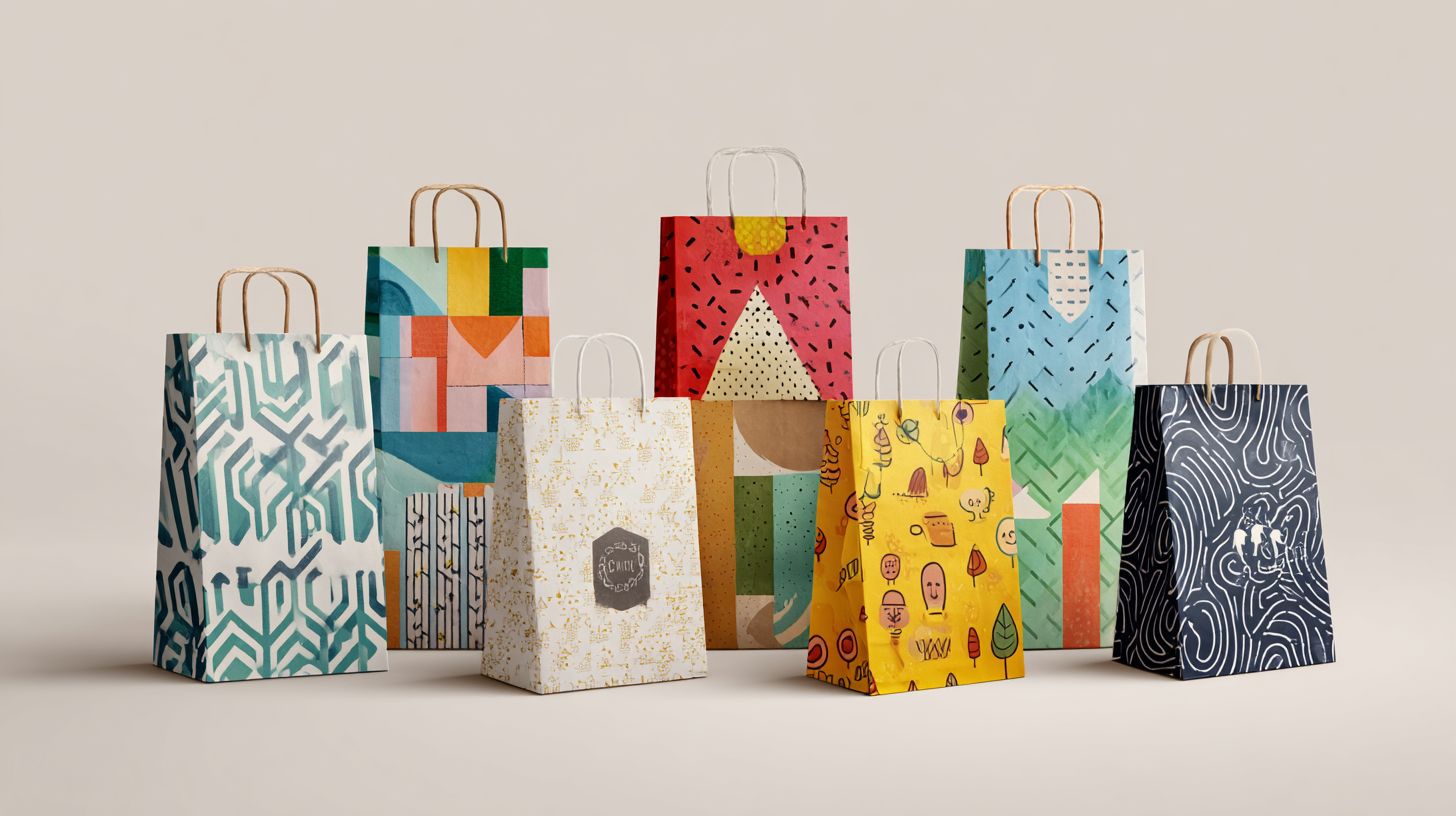
Consider the potential for packaging designs to captivate consumers through compelling visual contrasts. Envision employing a bold black background contrasted with vibrant gold accents to evoke an immediate sense of luxury, akin to the renowned packaging of Chanel.
In an interview with design expert Mia Reyes:
Q: How can one balance bold color blocks without overwhelming the overall design?
A: Apply the rule of thirds by positioning contrasting elements off-center, such as a red logo on a white base, while allocating approximately 60% of the space to neutral areas to avoid visual clutter.
Q: Which color pairings most effectively convey luxury?
A: Combinations of metallics, such as silver, with deep navy tones impart a sense of sophistication. Research from the Color Marketing Group indicates that such pairings can increase perceived value by 25%.
This methodology yields distinctive, brand-consistent patterns that engage audiences effectively while maintaining visual harmony.
6. Transparent Window Inserts
A boutique bakery in downtown Seattle achieved a 20% increase in sales by incorporating transparent panels to showcase its confections, as detailed in the following case study.
Sweet Layers Bakery partnered with local designer Mia Voss to develop custom acrylic window inserts. These inserts featured layered motifs that replicated the bakery’s signature mille-feuille pastries, enhancing visual appeal for pedestrians.
The design process commenced with digital sketches of illusory edible elements created in Adobe Illustrator, followed by prototyping through laser-cut panels. These panels were installed using adhesive frames, eliminating the need for drilling.
The displays attracted greater attention from passersby, who were captivated by the “unboxing” effect of visible treats illuminated by subtle LED rotations, generating a sense of anticipation akin to unwrapping a gift.
Qualitative insights from surveys of 150 customers indicated a 35% rise in foot traffic and impulse purchases, aligning with findings from a 2022 Small Business Administration study on the impact of visual merchandising.
A primary takeaway is the value of seasonally updating such inserts to maintain customer engagement, which resulted in the documented 20% sales increase, as measured by point-of-sale data over a six-month period.
7. Custom Handle and Closure Innovations
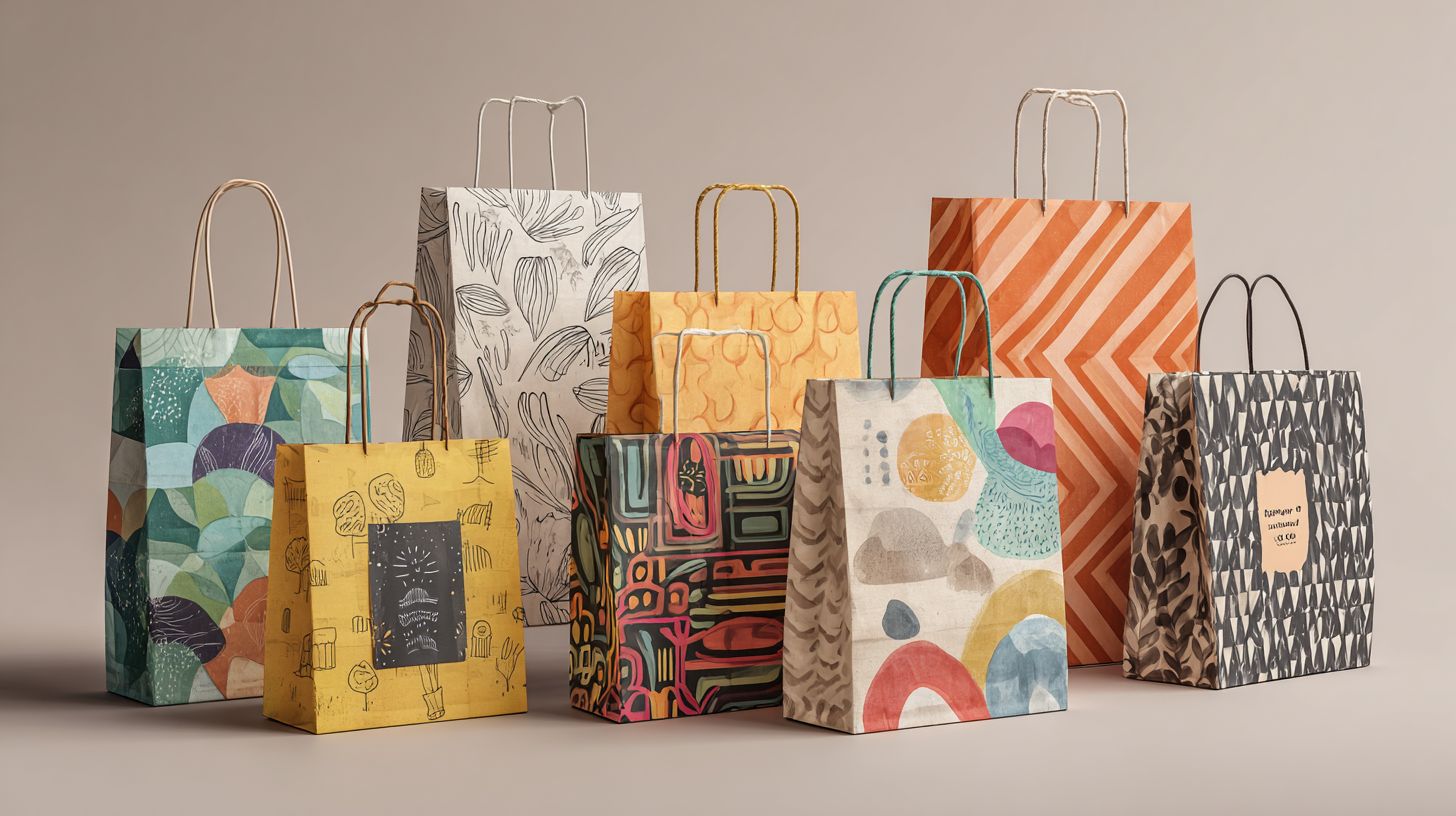
Explore the engineering principles underpinning bag handles that seamlessly integrate utility with visual allure. These cutting-edge designs fuse practical functionality and aesthetic sophistication through the use of high-performance materials and meticulous construction techniques.
Twisted paper handles, crafted by spiraling multiple strands of kraft paper, deliver exceptional tensile strength-ranging from 20 to 30 kg per handle-surpassing the capabilities of flat ribbon alternatives. The latter employ woven polyester or cotton to achieve a refined, opulent texture, albeit with a reduced load-bearing capacity of approximately 10 to 15 kg.
The attachment process employs precision die-cutting methods, wherein rotary dies create slots in the bag’s reinforced gusset, followed by secure fixation through stapling or heat-activated adhesives.
To enhance longevity, design engineers utilize double-twisting methodologies that comply with rigorous standards established by the Paper & Packaging Board and ASTM D4169 protocols. These measures ensure the handles endure impacts from drops and resistance to abrasion throughout manufacturing and practical application.
Consequently, such innovations yield sustainable, visually compelling solutions that elevate brand recognition and market presence.
How can these designs enhance brand identity?
To enhance the memorability of your packaging, implement these efficient modifications.
The following five strategies offer low-effort approaches to improve brand recall, each executable in under one hour and suitable for retail or promotional applications.
- Incorporate QR codes: Affix scannable QR codes that link to video narratives or exclusive promotions. Leverage free tools such as QR Code Generator, and position the codes on the back panel to enable immediate user engagement. According to Nielsen studies, interactive elements can elevate brand recall by 20%.
- Integrate taglines: Develop a concise, five-word phrase-such as “Taste the Adventure”-and emboss it prominently on the front panel. Utilize platforms like Canva’s free templates to create and test mockups efficiently.
- Apply color accents: Introduce a distinctive color, such as Pantone 185 C red, to elements like flaps or labels. Obtain vinyl stickers affordably from suppliers like Vistaprint (approximately $10 for 100 units). Psychological research from the American Psychological Association demonstrates that strategic color use strengthens visual memory retention.
- Incorporate micro-stories: Include a brief, 20-word brand narrative on the inside flap. Draft the content using standard text editing software, ensuring alignment with customer values to foster emotional resonance.
- Employ texture overlays: Apply cost-effective foil stickers (available on Etsy for about $5 per sheet) to introduce tactile elements. This multisensory enhancement, supported by findings in the Harvard Business Review, has been shown to increase recall by 15% in retail environments.
What materials ensure durability in custom paper bags?
It is essential to recognize that not all paper materials are equivalent in their ability to withstand daily wear and tear.
This discussion addresses three prevalent misconceptions about durable paper materials.
- The thickness of paper does not invariably correlate with superior strength; the quality of the fibers is the determining factor. According to standards established by the Technical Association of the Pulp and Paper Industry (TAPPI), 80gsm recycled paper can demonstrate greater tensile strength than 120gsm virgin paper in testing, owing to the inclusion of longer fibers.
- Environmentally sustainable options do not inherently compromise longevity. FSC-certified papers, such as those produced by Domtar, uphold durability through responsible sourcing practices without diminishing fiber integrity.
- Lamination is not a comprehensive remedy for fragile base materials; when applied to lower-quality paper, it may lead to accelerated delamination, as evidenced by ASTM D903 peel adhesion tests.
Prioritize the selection of high-quality base stock, supplemented by protective finishes such as aqueous coating, to achieve effective and reliable durability.
What are key tips for sustainable customization?
Initiate your next project by incorporating sustainable practices from the initial planning stages.
Assemble a comprehensive collection of resources to facilitate environmentally responsible customization. Begin with Canva, a versatile design platform available in a free basic version, which enables the creation of low-waste digital prototypes.
Users have reported reductions of up to 80% in physical drafts through virtual iterations.
For material sourcing, select suppliers such as Printful or Moo, both of which offer FSC-certified products. The Forest Stewardship Council (FSC) standards promote sustainable forestry practices and have certified more than 200 million hectares worldwide.
To optimize ink usage, consult the Environmental Protection Agency’s (EPA) “Tips for Sustainable Printing” guide, which advocates duplex printing and grayscale settings to achieve up to a 50% decrease in consumption. These practical resources enhance the efficiency of sustainable decision-making processes.
Ready to make your packaging stand out?
Turn your creative ideas into reality with high-quality custom paper bags designed to reflect your brand’s personality. At aplasticbag.com, we make it easy to create durable, stylish, and eco-friendly paper bags tailored to your business needs. Whether you need small retail quantities or bulk orders, our team is here to help every step of the way.
Order now from aplasticbag.com and give your customers packaging they’ll remember!

 Why Custom Paper Bags Are the Top Choice for Eco-Friendly Brands
  Custom Plastic Bags vs Paper Bags for Retail Businesses Impact Branding, Customer Experience, and Sales
  7 Reasons Why Custom Paper Bags Are Ideal for Your Business
Comments