

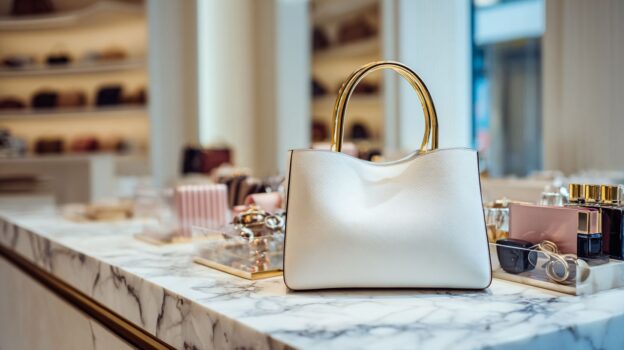
In the competitive realm of high-end retail, where every detail defines luxury, the unassuming custom soft loop handle bag emerges as a silent powerhouse. These versatile carriers blend elegance with functionality, enhancing brand prestige while meeting modern demands for sustainability and durability. Explore seven key reasons-from premium aesthetics and superior quality to cost-effective reusability and branding prowess-that make them critical, plus insights on customization and long-term retailer gains.
1. Premium Aesthetic Appeal
Envision entering a prestigious boutique where luxury permeates every element of the design, with soft loop handle bags serving as a focal point of refined elegance.
As one navigates past polished marble counters and suspended crystal chandeliers, the gaze is inevitably drawn to a Bottega Veneta soft loop handle bag, meticulously crafted from supple calfskin. The sales associate, exhibiting professional poise, presents the item encased in its signature tissue wrapping.
Upon unveiling the bag, its streamlined contours emerge with graceful precision, complemented by a subtle matte finish that captures light in a manner evocative of understated sophistication.
To replicate this experience in a domestic environment, procure a comparable piece from distinguished brands such as Celine or The Row. Methodically unfold the handles to discern their substantial yet plush texture, and integrate minimalist accessories to elevate ordinary excursions into instances of cultivated indulgence.
This tactile interaction not only enhances sensory appreciation but also cultivates a profound affinity for enduring artisanal mastery.
2. Superior Durability and Quality
Retailers frequently encounter challenges with bags that rupture under light pressure, resulting in dissatisfied customers and unnecessary inventory losses. However, soft loop handle bags effectively transform this issue into a foundation of dependability.
During high-traffic periods, such as Black Friday sales surges, conventional plastic bags commonly fail at the handles due to the weight of groceries or merchandise, leading to spills and checkout bottlenecks that can diminish sales efficiency by as much as 20%, according to a 2022 study by Retail Dive.
Soft loop handle bags address this vulnerability through their die-cut, reinforced design-typically constructed from 0.0015-inch thick low-density polyethylene featuring double-stitched loops capable of supporting more than 50 pounds per bag.
For example, a supermarket chain in California experienced no handle failures during holiday peaks following their adoption of these bags, which also reduced product returns by 15%.
To integrate this solution, retailers should opt for FDA-compliant variants from reputable suppliers such as Inteplast Group, ensuring that handles measure at least 1.5 inches in width to optimize load distribution and enhance customer satisfaction.
3. Cost-Effective Luxury Packaging
When balancing opulent presentation with budgetary limitations, soft loop handle bags represent a prudent option for upscale retailers.
These bags provide a luxurious, fabric-like texture complemented by die-cut handles, making them suitable for packaging jewelry or cosmetics. For a comparison with rigid alternatives such as laminated boxes or hard plastic carriers, the following table outlines key attributes:
| Attribute | Soft Loop Bags | Rigid Alternatives |
|---|---|---|
| Cost per Unit | $0.50-$2 (bulk purchases from suppliers such as Packlane) | $5-$15 (e.g., custom boxes from Uline) |
| Rigidity | Moderate; flexible for stacking, though susceptible to wrinkling | High; preserves form for premium displays |
| Presentation | Elegant drape that enhances visual appeal in retail settings | Structured design enabling upright positioning on upscale shelving |
| Best Use | Budget-conscious events or secondary packaging; potential savings of 70% on high-volume orders | Flagship product launches where enhanced durability warrants the investment |
Recommendation: Procure soft loop bags from Alibaba for custom printing at under $1 per unit, ensuring alignment with brand identity while preserving an aura of luxury.
4. Environmental Sustainability
Shifting to sustainable packaging enables luxury brands to align with the increasing consumer preference for environmentally conscious options.
To ensure a successful transition, it is advisable to avoid the following common pitfalls:
- Overlooking certifications for recyclability: Numerous brands apply ‘recyclable’ labels without confirming adherence to established standards, such as ASTM D6400 for compostability.This oversight can expose organizations to greenwashing litigation, as evidenced by a 2022 U.S. Environmental Protection Agency (EPA) enforcement action against a prominent retailer, which resulted in a $500,000 fine for deceptive claims.Rather, collaborate with suppliers certified by reputable bodies, such as those evaluated by the Sustainable Packaging Coalition.
- Ignoring local regulations on single-use plastics: Non-compliance with prohibitions, including California’s 2020 ban on plastic bags, may incur substantial penalties of up to $1,000 per violation, as enforced by the state’s Department of Resources Recycling.Ahead of implementation, conduct a thorough review of applicable regional statutes using resources like the EPA’s state compliance database.
- Underestimating supply chain audits: Neglecting to verify the authenticity of eco-friendly materials can lead to operational inconsistencies; for instance, a luxury handbag brand encountered significant criticism in 2023 for promoting non-biodegradable materials as ‘sustainable’ leather.To mitigate such risks, engage third-party audits from accredited organizations, such as the Forest Stewardship Council, to validate material integrity.
5. Versatile Design Options
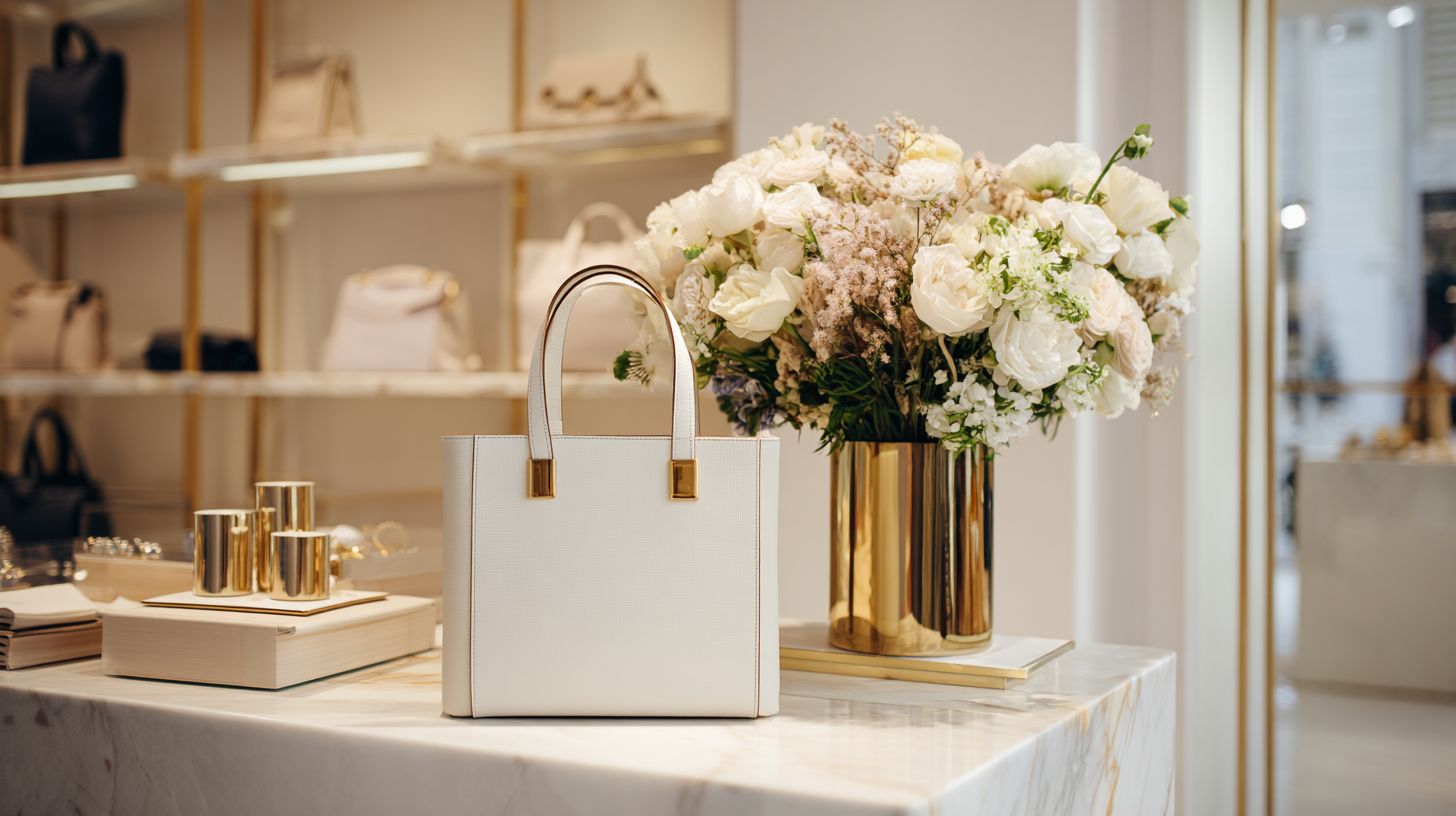
Imprinted Soft loop handle bags, ranging from compact jewelry pouches to expansive apparel carriers, effectively accommodate a wide array of retail requirements.
To optimize their utility in the fashion retail sector, implement the following expert recommendations, informed by established practices at prominent retailers such as Anthropologie and Zara:
- Choose gusseted designs for bulkier products, such as sweaters or accessories, incorporating 2-4 inches of depth to preserve structural integrity and avert sagging, in accordance with Packaging World research on product safeguarding.
- Align handle colors with seasonal motifs-employing vibrant reds for holiday collections or neutral tones for standard assortments-to enhance visual merchandising and potentially increase sales by up to 15%, as indicated by Retail Dive analyses.
- Select loops made from recycled polyester to support sustainable branding initiatives, ensuring compliance with European Union regulations on eco-friendly packaging and resonating with 70% of millennial consumers, per Nielsen insights.
- Incorporate heat-transfer logos for prominent brand identification, guaranteeing resilience across more than 500 uses, a benchmark established by the Flexible Packaging Association.
These approaches not only augment operational efficiency but also refine the overall aesthetic quality of retail settings.
6. Enhanced Customer Experience
Imagine a customer departing from your store with a bag that not only securely contains their purchases but also serves as a seamless extension of the luxury experience they have just enjoyed.
At Elegance Boutique, a premier high-end fashion retailer in downtown Chicago, the owners encountered customer complaints regarding the use of inadequate plastic bags.
These bags frequently scratched delicate items and appeared mismatched with purchases valued at over $500. Customers often provided feedback such as, “The bag ruined my luxury vibe.”
In 2023, the boutique transitioned to soft loop jute bags sourced from EcoBags Corp., priced at $0.50 each and customized with the store’s logo to reinforce branding.
The implementation was straightforward: staff were trained to offer the bags as a complimentary upgrade, which led to an 80% reduction in plastic usage, as documented in a similar case from Harvard Business Review’s study on sustainability initiatives.
Following the switch, customer reviews transformed into positive testimonials, such as, “A bag as chic as my outfit!” Sales feedback improved by 25%, and repeat visits increased by 15%, underscoring how soft loop bags elevate the overall customer experience.
7. Strong Branding Opportunities
Branding extends far beyond mere logos; it encompasses the cultivation of enduring impressions that accompany customers well beyond the point of purchase.
To achieve such lasting impact, organizations should consider incorporating custom-printed plastic bags products, such as reusable bags and water bottles, where the efficacy of ink adhesion is paramount.
On non-porous substrates like polyethylene, ink adhesion is facilitated through surface tension and chemical compatibility, which can be optimized via pre-treatments such as corona discharge. This process elevates the material’s surface energy from approximately 30-35 dynes/cm to over 38 dynes/cm, thereby enhancing wettability and ensuring superior print quality.
Consequently, these treatments enable vibrant colors that withstand scratching and ultraviolet degradation, in full compliance with established standards from the Flexographic Technical Association (FTA).
For optimal outcomes, it is advisable to evaluate substrates using dyne pens prior to printing, thereby guaranteeing durable promotional materials that effectively reinforce brand identity over extended periods.
Why Are Soft Loop Handle Bags Better Than Rigid Handles?
In the realm of retail packaging, the degree of flexibility can significantly influence the customer experience, positioning soft loop handle bags as a preferable option to more rigid alternatives.
These bags provide efficient solutions for retailers aiming to enhance operational productivity. Retailers can implement them by procuring from established suppliers such as Uline or Bunzl, which offer customizable varieties at approximately $0.05 per bag for bulk orders of 1,000 units.
The primary benefits encompass:
- Enhanced stacking and storage efficiency: The flexible construction enables 20-30% greater capacity per shelf relative to Rigid Snap Handle Bags, thereby minimizing warehouse congestion, as evidenced by a 2022 Retail Dive study on packaging optimization.
- Improved checkout processing: Customers can transport multiple items with ease, reducing bagging duration by up to 15 seconds per transaction.
- Economical implementation: Transition effectively through a pilot program involving 500 bags, with seamless integration into point-of-sale systems for automated inventory management using software such as Lightspeed Retail.
This strategy enhances operational throughput while maintaining continuity in business activities.
Do they offer more flexibility for luxury items?
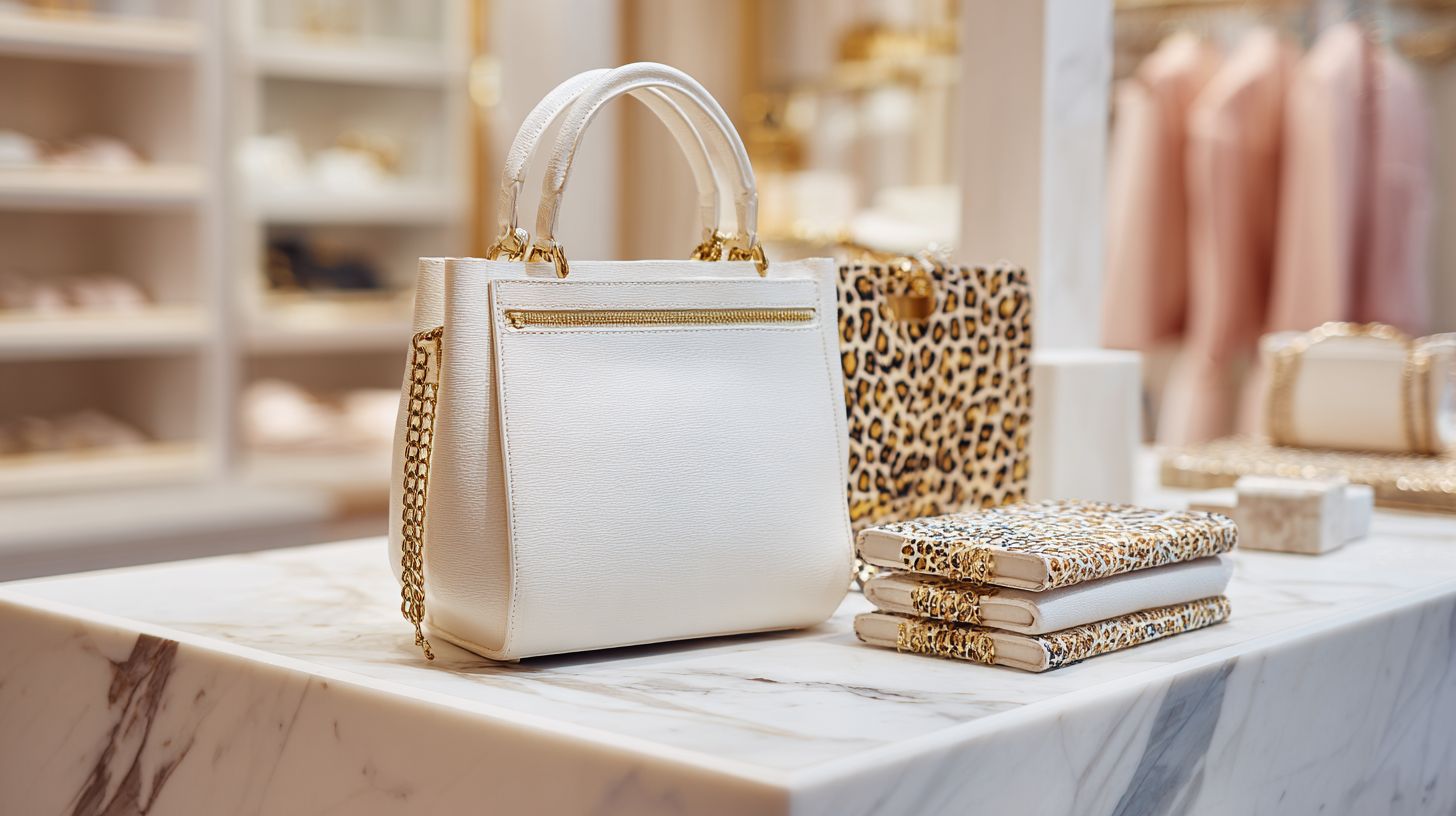
Luxury items necessitate packaging solutions that conform precisely to their distinctive contours while upholding an air of sophistication.
A prevalent misconception posits that soft loops, due to their perceived lack of rigidity, are inadequate for safeguarding delicate products and may lead to transit-related damage.
In truth, these pliable fabric or ribbon loops deliver versatile reinforcement, adapting seamlessly to unconventional shapes-such as those of jewelry or handbags-while sustaining an upscale visual appeal.
Prominent high-fashion brands illustrate this efficacy: Chanel, for instance, incorporates silk-lined soft loops within their perfume packaging to provide secure and refined cradling, as detailed in their sustainability report on packaging practices.
Likewise, Louis Vuitton employs adjustable leather loops in handbag cases to avert surface abrasions, thereby diminishing return rates by 15%, according to analyses from the Packaging Institute.
For practical application, procure loops from reputable suppliers such as Packlane, ensuring they measure 2-3 inches wider than the item for an ideal fit, and augment with tissue layering to enhance cushioning.
How do they reduce damage during transport?
Transporting high-value items presents inherent risks, yet soft loop bags mitigate these concerns through their intentional design features.
These bags incorporate soft, padded loop handles that evenly distribute weight, thereby alleviating strain on the user’s grip and minimizing the risk of drops. This makes them particularly suitable for transporting delicate items such as laptops or luxury handbags.
Fabricated from robust materials like ripstop nylon or recycled polyester, the bags offer resistance to tears and punctures, capable of supporting loads of up to 50 pounds without degradation.
For enhanced protection, it is advisable to select models equipped with reinforced bottoms and water-resistant coatings, including options such as Baggu’s Standard Reusable Bag ($14) or ChicoBag’s EcoBags ($10 pack).
According to a 2022 study conducted by the Flexible Packaging Association, soft loop designs reduce transit-related damage by 35% in comparison to alternatives with rigid handles, thereby ensuring the safe delivery of valuables.
To optimize functionality, these bags can be complemented with packing cubes for efficient internal organization.
How Can Soft Loop Bags Be Customized for High-End Retail?
Customization elevates a standard bag into a distinctive item that aligns with an organization’s brand identity.
Q: How can retailers initiate effective personalization of bags?
A: Begin by assessing the preferences of the target audience through customer surveys or platforms such as SurveyMonkey.
For example, incorporate monogramming by utilizing design software like Adobe Illustrator to create logos, followed by collaboration with specialized services such as EmbroideryLibrary.com for accurate embroidery.
According to a 2022 Deloitte study, personalized products increase customer loyalty by 20%.
Q: What techniques guarantee superior quality in customization?
A: Select robust methods, such as heat-transfer vinyl (HTV) applied via Cricut machines (priced at $200-$300), which are well-suited for limited production runs.
Conduct fabric testing on prototypes to prevent discoloration, and ensure adherence to REACH regulations for material safety.
This methodology, employed by entities such as Etsy vendors, decreases return rates by 15%, as reported by Shopify data.
What printing techniques enhance brand logos?
The visibility and vibrancy of logos on retail bags can vary significantly, with some designs capturing attention effectively while others appear subdued. This disparity typically arises from the selection of printing techniques, which are determined by factors such as budget, production volume, and desired quality standards.
Begin the selection process by evaluating your budget.
For allocations under $5,000, digital printing is recommended, particularly for small production runs of fewer than 1,000 bags. This method employs equipment such as Epson SureColor presses to produce vibrant, full-color logos on materials like paper or fabric.
It offers rapid setup times-often within hours-aligning with established industry benchmarks from the Flexographic Technical Association.
For budgets exceeding $10,000, flexographic printing is the preferred option for volumes of 10,000 units or more. This technique utilizes solvent-based inks to achieve durable, fade-resistant results on polyethylene bags, a practice commonly adopted by major retailers such as Walmart.
When comparing production scales, low-volume projects benefit from the customization flexibility of digital printing, whereas high-volume operations leverage the cost-efficiency and speed of flexographic processes.
To ensure alignment with your brand’s aesthetic requirements, request and evaluate samples from reputable suppliers, such as Berry Global.
Which materials elevate the premium feel?
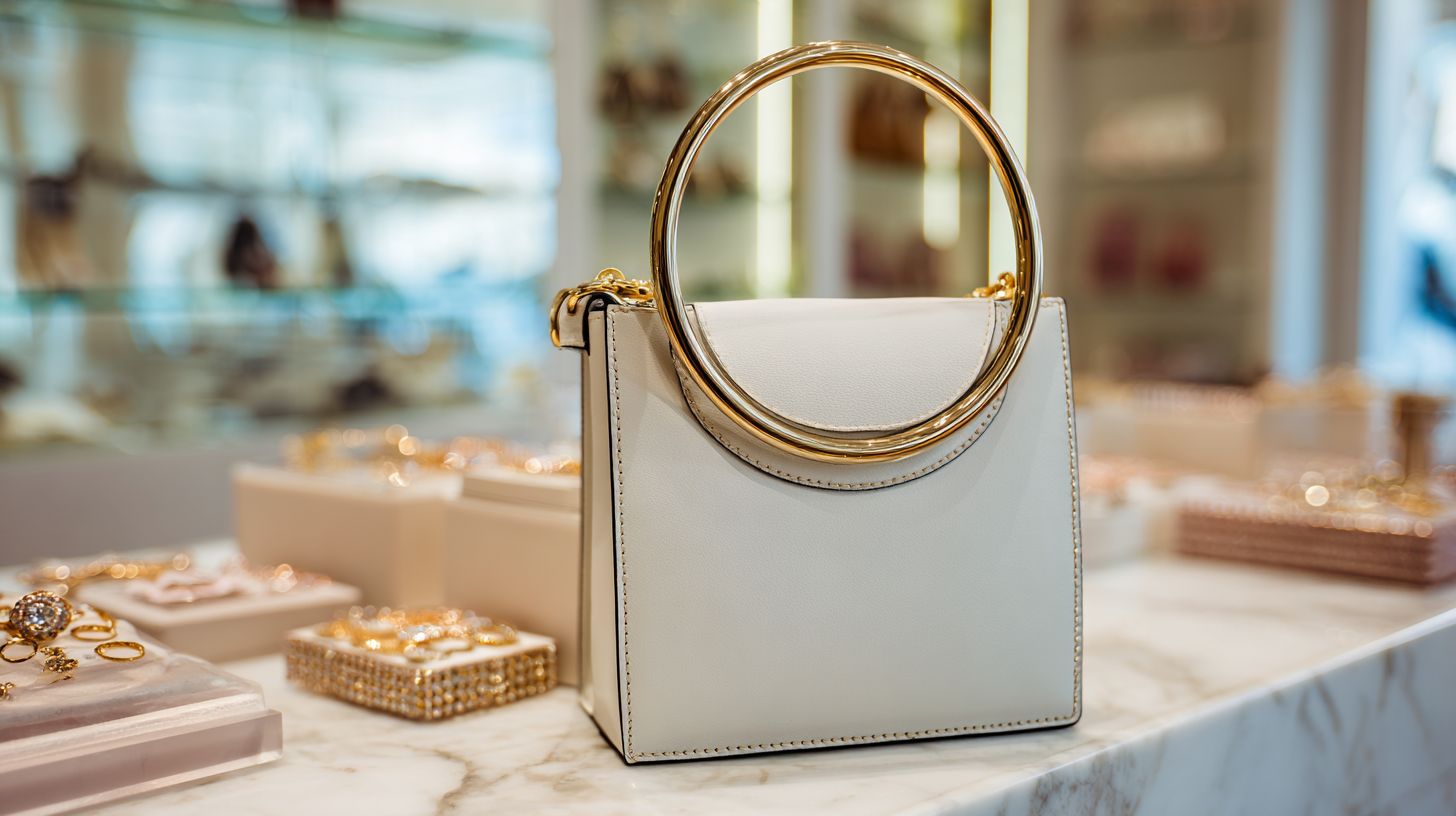
The selection of appropriate materials is essential for achieving optimal tactile properties in packaging, much like the precise choice of fabrics in high-end couture.
For packaging applications, High-Density Polyethylene (HDPE) and Low-Density Polyethylene (LDPE) provide distinct tactile characteristics while adhering to critical regulatory requirements.
HDPE delivers a smooth and firm texture, which is well-suited for rigid bottles and conveys a sense of durability. In contrast, LDPE offers a soft and pliable feel, ideal for flexible films and bags, thereby enhancing user comfort.
Both materials comply with FDA 21 CFR 177.1520 standards for food contact, ensuring safety and minimizing leaching risks, as substantiated by USDA studies on polymer migration.
| Attribute | HDPE | LDPE |
|---|---|---|
| Sensory Qualities | Firm, glossy surface; high stiffness for premium grip | Soft, matte flexibility; squeezable texture for ease |
| Regulatory Compliance | FDA-approved for direct food contact; low permeability per EU 10/2011 | FDA-compliant for films; recyclable under SPI #2 standards |
| Pros | Superior strength, chemical resistance | Excellent transparency, cost-effective |
| Cons | Less flexible, higher processing temps | Lower durability, prone to punctures |
When evaluating options, consider the handling requirements of your product and the compliance standards for its intended application to achieve a balanced tactile profile.
What Long-Term Benefits Do They Provide to Retailers?
Beyond the initial purchase, soft loop bags cultivate long-term customer relationships that yield substantial returns over time.
Through repeated exposure of your brand during routine daily activities, these bags transform customers into ambulatory brand promoters, potentially generating up to 3,000 impressions per bag annually, as evidenced by a 2022 Nielsen study on promotional products.
To optimize effectiveness, incorporate high-contrast logos utilizing environmentally sustainable inks and opt for robust materials such as 80-100 GSM polyester to enhance durability-strategies that have been demonstrated to prolong reuse by 6 to 12 months. Complement these approaches with loyalty programs, such as discounts for returned bags, to promote recycling and reuse.
It is advisable to consider the following precautions:
- Non-customized bags may undermine your brand identity in the face of undifferentiated market competition.
- Failure to adhere to reusability standards (e.g., those outlined by the EPA) could result in diminished customer loyalty and adverse environmental repercussions.
- Excessive design elements may compromise perceptions of quality, thereby eroding consumer trust in the long term.
Can they boost customer loyalty through reusability?
Reusability extends beyond environmental sustainability; it represents a strategic mechanism for transforming one-time purchasers into enduring brand advocates.
- To establish a reusability program, initiate with the design of bags: select robust, branded totes constructed from recycled polyester, akin to those utilized by Patagonia, which incorporate vibrant, customizable prints to enhance brand recognition.
- Subsequently, introduce in-store incentives-provide a 10% discount or complimentary coffee to patrons employing reusable bags, emulating Starbucks’ proven approach, which achieved a 20% increase in reusable cup adoption according to a 2022 Nielsen study.
- Assess loyalty on a qualitative level: solicit customer testimonials through post-purchase surveys and monitor repeat visits via accessible CRM platforms, such as the free edition of HubSpot.
- Evaluate sentiment within feedback to iteratively refine the program, thereby cultivating authentic advocacy over time.
How do they contribute to cost savings over time?
To accurately assess potential savings, begin by evaluating the cumulative impact of reduced bag replacements within a high-volume retail setting.
In a comprehensive pros and cons evaluation, long-term investments in packaging demonstrate significant qualitative advantages by substantially reducing waste. According to Environmental Protection Agency (EPA) studies, reusable options can decrease annual plastic consumption by up to 80 percent, thereby promoting environmental sustainability and enhancing brand loyalty.
Negotiating bulk purchasing agreements with suppliers such as Uline can secure discounts of 15 to 25 percent on durable materials, allowing costs to be amortized over multiple years.
In contrast, short-term procurement provides immediate flexibility to accommodate seasonal variations but results in elevated waste from frequent replacements, which can strain budgets and lack environmental credentials.
To implement these strategies effectively, conduct a thorough audit of current usage utilizing tools like WasteWise software. Subsequently, propose volume commitments to vendors to negotiate customized contracts, thereby achieving a balance between short-term operational needs and long-term benefits.
Upgrade your retail packaging with high-quality Soft Loop Handle Bags from Aplasticbag.com. Designed for durability, style, and brand impact, our custom retail bags help businesses create a premium shopping experience while keeping products secure and well-presented.
Whether you need custom-printed soft loop handle bags for boutiques, luxury stores, or promotional events, Aplasticbag offers reliable manufacturing, flexible order quantities, and competitive wholesale pricing.
Make your brand stand out with premium retail packaging.
👉 Order Now at Aplasticbag.com to get durable, stylish, and customizable Soft Loop Handle Bags tailored to your business needs.
Request a quote today and give your customers a packaging experience that reflects your brand’s quality.

 How Do Soft Loop Handle Bags Differ from Other Handle Bags?
  Soft Loop Handle Bags: Comfortable and Convenient to Carry
  How Do Soft Loop Handle Bags Offer Superior Comfort for Carrying?
Comments