
Poly bags are everywhere—protecting products, storing essentials, and carrying goods across industries. From retail and eCommerce to healthcare and food packaging, these lightweight yet durable bags play a crucial role in modern packaging. Despite their everyday presence, few people understand how poly bags are actually made or what gives them their strength and flexibility.
Understanding the poly bag manufacturing process helps businesses make better packaging decisions, especially when choosing custom solutions. This guide walks you through the origins of polyurethane, how polymers work, the step-by-step production process, and why poly bags remain one of the most versatile packaging options available today.
The History of Polyurethane
Polyurethane may feel like a modern invention, but its origins date back more than 80 years. In the early 1940s, a German scientist named Otto Bayer and his research team successfully developed polyurethane while experimenting with alternative materials during wartime shortages. Their discovery led to one of the first fully synthetic plastics designed for commercial use.
What made polyurethane revolutionary was its adaptability. Unlike earlier plastics, it could be engineered to be rigid or flexible, transparent or opaque, thin or thick. Over the decades, this adaptability pushed polyurethane into countless applications—from insulation foams and coatings to footwear, furniture, and packaging materials.
Today, polyurethane remains a cornerstone of the global plastics industry, especially in the production of durable, lightweight bags used across nearly every sector.
What Are Polymers and Why Do They Matter?
At its core, polyurethane is a polymer—a material composed of long, repeating chains of molecules. Polymers can be found in nature, such as rubber and cellulose, or manufactured synthetically for specific performance characteristics.
Polyurethane is created by combining two primary chemical components: polyols and polymeric isocyanates. When these compounds react, they form strong molecular chains. The ratio, additives, and processing conditions determine the final properties of the material.
This is why polyurethane can exist as soft foam, rigid plastic, or thin, flexible film. For packaging purposes, manufacturers refine the polymer to produce clear, tough, and tear-resistant film ideal for bags used in shipping, retail, and storage.
Raw Materials Used in Poly Bag Production
The quality of a poly bag begins with its raw materials. High-grade resin pellets are selected based on clarity, strength, thickness requirements, and intended use. Additives may be introduced to enhance UV resistance, improve flexibility, or increase durability.
For businesses that rely on custom printed plastic bags, material consistency is critical. Uniform resin ensures smooth printing surfaces, crisp branding, and reliable performance during transport and handling.
Once raw materials are prepared, the manufacturing process begins under carefully controlled conditions to ensure safety, consistency, and quality.
How Poly Bags Are Made: Step-by-Step
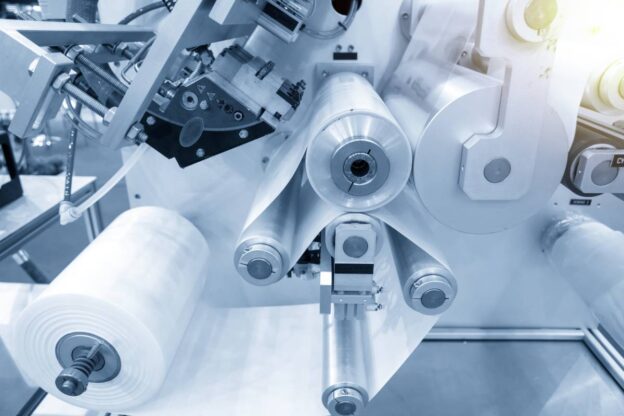
Poly bag manufacturing involves transforming liquid or pelletized polyurethane into thin film and shaping it into bags. Several molding and forming methods are used, depending on the final product requirements.
Spin Casting
This method involves pouring liquid polyurethane into a rotating mold. The spinning action removes trapped air and evenly distributes material along the mold walls. Spin casting is often used for specialized polyurethane components rather than bags, but it helps create ultra-pure material.
Compression Molding
In compression molding, heated polyurethane is placed into a mold and pressed under high pressure. This process forces out air and creates dense, uniform material. It’s commonly used when thickness and strength are priorities.
Open Cast Molding
Here, liquid polyurethane is poured into open molds and cured using controlled heat. The absence of compression allows for more flexibility in shape but requires precise temperature control.
Injection Molding
Injection molding injects liquid polyurethane into a closed mold where it cools and solidifies. This method offers excellent consistency and is often used for detailed plastic components.
For poly bags, manufacturers typically use film extrusion, where molten polyurethane is blown or cast into thin sheets. These sheets are cooled, cut, sealed, and formed into bags of various sizes.
From Film to Finished Poly Bags
Once the polyurethane film is created, it goes through cutting and sealing machines that shape it into bags. Seams are heat-sealed to ensure strength, while thickness is measured to meet industry standards.
Businesses ordering poly bags at wholesale prices benefit from this efficient, high-volume process, which keeps production costs low without sacrificing quality. Additional steps such as printing, gusseting, or die-cut handles can be added depending on customer requirements.
Customization and Branding Capabilities
Poly bags are ideal for branding because of their smooth surface and print compatibility. Logos, product information, compliance labels, and promotional messaging can be added using advanced printing techniques.
Companies looking for Custom Printed Bags at Wholesale Prices often choose poly bags due to their affordability and high visibility. A well-designed bag doesn’t just protect a product—it acts as a mobile advertisement that reinforces brand recognition long after purchase.
Why Poly Bags Are So Widely Used
Polyurethane bags offer an unmatched combination of flexibility, durability, and lightweight design. They resist tearing, moisture, and punctures while remaining easy to store and transport.
As a trusted Poly Bags Manufacturer, suppliers can produce bags for retail, medical, industrial, and eCommerce applications. Whether used for clothing, documents, food items, or hardware, poly bags provide reliable protection at scale.
Sustainability and Recycling Considerations
Modern polyurethane bags are designed with recyclability in mind. Many poly bags can be reused or recycled depending on local facilities and resin type. Manufacturers continue to invest in eco-friendly materials and production methods to reduce environmental impact.
Businesses choosing Custom Plastic bags wholesale can now explore options that balance performance with sustainability, including recycled content and thinner films that use less material without compromising strength.
Frequently Asked Questions (FAQ)
What makes custom printed plastic bags suitable for branding?
Custom printed plastic bags provide a smooth, durable surface that supports high-quality printing. This allows logos, messaging, and product details to remain clear and visible throughout the bag’s lifecycle, making them an effective branding tool for retail and shipping purposes.
Why do businesses buy poly bags at wholesale prices?
Purchasing poly bags at wholesale prices significantly reduces per-unit costs, making it ideal for businesses with high packaging needs. Wholesale buying also ensures consistent supply, uniform quality, and faster fulfillment for ongoing operations.
How do Custom Printed Bags at Wholesale Prices benefit small businesses?
Custom Printed Bags at Wholesale Prices allow small businesses to compete with larger brands by offering professional packaging without excessive costs. Bulk pricing makes customization accessible while improving brand visibility and customer perception.
What should I look for in a Poly Bags Manufacturer?
A reliable Poly Bags Manufacturer should offer consistent material quality, customization options, fast turnaround times, and compliance with industry standards. Experience and scalable production capabilities are also key indicators of long-term reliability.
Are Custom Plastic bags wholesale orders suitable for eCommerce businesses?
Yes, Custom Plastic bags wholesale orders are ideal for eCommerce because they provide durable, lightweight, and cost-effective packaging that protects products during shipping while supporting brand presentation.
Final Thoughts
Poly bags may seem simple, but their manufacturing process is rooted in advanced polymer science and precision engineering. From raw materials to finished products, every step is designed to deliver strength, flexibility, and value.
By understanding how poly bags are made, businesses can make smarter packaging choices that enhance branding, protect products, and control costs—proving that even everyday packaging can have a powerful impact.
Ready to turn your packaging into a powerful brand asset?
At aplasticbag.com, we manufacture high-quality poly bags tailored to your exact needs—sizes, thickness, colors, and custom printing included. Whether you need retail bags, shipping mailers, or heavy-duty packaging, our expert team delivers consistent quality, fast turnaround, and competitive pricing.
Order now to get durable, professional poly bags that protect your products and elevate your brand. Visit aplasticbag.com today and start customizing your packaging with confidence.

 Top Benefits of Custom Poly Bubble Mailers for Secure and Cost-Effective Shipping
  Poly Mailers vs. Poly Bags: Which One Should You Choose for Shipping, Packaging & Branding?
  Poly Mailers vs. Poly Bags: Key Differences, Benefits & Best Uses for Retail and Ecommerce
Comments