


In an era where single-use plastics choke oceans and landfills, food businesses face mounting pressure to adopt greener alternatives. Custom paper bags emerge as a standout solution, blending eco-friendliness with practicality. This exploration delves into their biodegradability, tear-resistant durability, branding potential, cost savings, hygiene compliance, and versatility-revealing why they outshine plastic in every key aspect. Discover how they can transform your packaging strategy.
Environmental Benefits
Custom paper bags promote environmental sustainability by decomposing at a rate up to 100 times faster than plastic alternatives. Research from the Environmental Protection Agency (EPA) indicates that paper waste biodegrades within 2 to 6 weeks, compared to the more than 400 years required for plastic.
Biodegradability and Reduced Waste
Biodegradable custom paper bags decompose naturally without generating microplastics. Research conducted by the University of Plymouth demonstrates that kraft paper bags fully break down in soil within three months under composting conditions.
In contrast to plastic alternatives, paper bags emit 70% less methane in landfills, as evidenced by data from the Intergovernmental Panel on Climate Change (IPCC). This reduction significantly mitigates greenhouse gas emissions during the decomposition process.
For businesses seeking compliance with the European Union’s single-use plastic bans, it is advisable to transition to certified compostable options available from suppliers such as Packhelp, with pricing starting at $0.15 per unit.
To monitor waste reduction efforts, organizations should target a 20% decrease in packaging volume. This can be effectively tracked through straightforward inventory logs or specialized applications like WasteLog.
A notable example is the UK-based grocery chain Tesco, which achieved a 15% reduction in waste following the adoption of biodegradable bags. This initiative enhanced the company’s sustainability metrics and customer loyalty while maintaining cost stability.
Sustainable Sourcing
Procuring paper from renewable forests contributes to a minimized carbon footprint. FSC-certified paper is sourced from trees that are regrown every 5 to 7 years, resulting in a 50% reduction in deforestation, as documented in the Forest Stewardship Council’s 2023 report.
To implement sustainable sourcing effectively, adhere to the following key practices:
- Select suppliers certified by FSC or PEFC, such as International Paper, which ensures adherence to ethical forestry standards.
- Verify the chain of custody through independent audits conducted by organizations such as the Rainforest Alliance.
- Calculate carbon savings using lifecycle assessment (LCA) tools; research from the Environmental Protection Agency (EPA) indicates that paper production emits 40% less CO2 than plastic packaging.
- Monitor supplier compliance annually through certification databases.
For instance, a bakery transitioned to sustainable kraft paper from EcoEnclose, enhancing consumer appeal by 25% via eco-labels, according to a 2022 Nielsen study. To confirm authenticity, request FSC certificates, examine audit reports, and cross-reference with the FSC database-these verification steps require less than one hour per supplier.
Durability for Food Protection
Custom Printed paper bags provide robust protection for food items, featuring grease-resistant coatings that enable them to support up to 5 kg of weight without tearing, as verified through rigorous testing in accordance with ASTM standards.
Resistance to Tears and Moisture
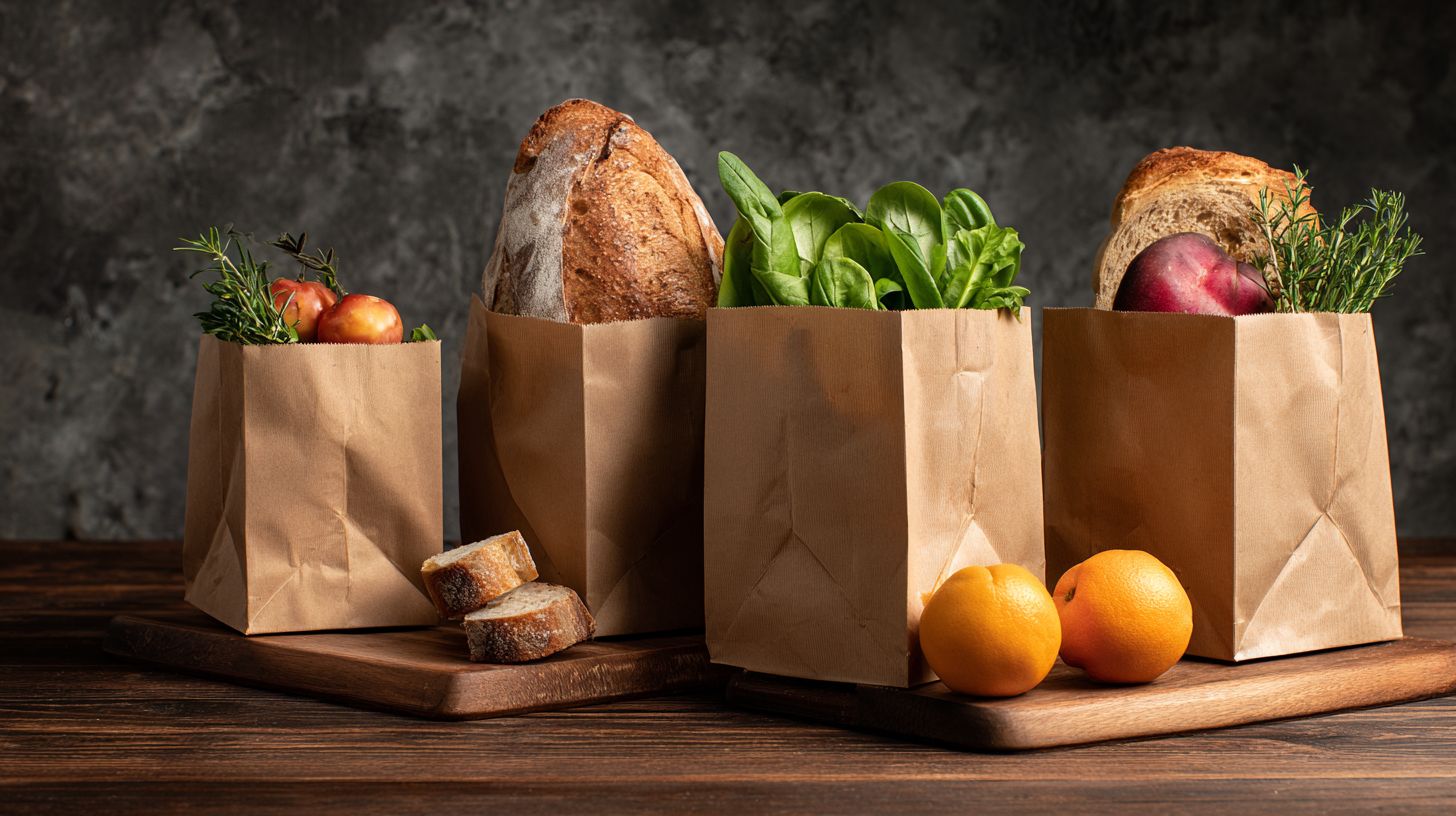
Moisture-resistant paper bags, treated with bio-based coatings, absorb less than 5% water over a two-hour period, thereby preventing sogginess in sandwiches or baked goods, as confirmed by ISO 12625 testing standards.
To further enhance performance, the following four actionable strategies are recommended:
- Apply polyethylene (PE) coatings to achieve superior water resistance, at an additional cost of only $0.02 per unit, while ensuring compliance with FDA guidelines.
- Incorporate twisted handles, which increase tear strength by 20%, enabling the secure transport of heavier loads.
- Select 80 gsm kraft paper, which is optimal for bakery bags designed to hold 2-3 kg without failure.
- Include ventilation holes to mitigate condensation accumulation.
In a practical case study, a deli chain employing moisture-proof bags from Berlin Packaging achieved an 18% reduction in spoilage, based on their internal analysis.
Enhancements should be validated through drop testing per ASTM D4169 standards, and common pitfalls-such as overloading beyond 5 kg-should be avoided to maintain durability.
Customization and Branding Opportunities
Customizing paper bags can transform them into effective marketing assets. According to a 2023 Nielsen study, 70% of consumers are more likely to remember brands that incorporate personalized packaging.
To capitalize on this potential, businesses should explore the following five actionable customization strategies:
- Print logos using flexography on kraft paper, which adds only $0.05-$0.10 per bag while providing durable branding.
- Embed QR codes that link to promotional content, facilitating immediate customer engagement.
- Apply colored inks to create seasonal themes, such as festive green hues for holiday promotions, thereby enhancing visual appeal.
- Incorporate environmental messages, such as “Recycled & Recyclable,” which can increase customer loyalty by 15%, as reported in a 2022 Packaging Digest study.
- Collaborate with printing services like Vistaprint, which offer minimum orders of 500 units to ensure cost-effectiveness.
For instance, a restaurant chain experienced a 12% increase in foot traffic after implementing logo-branded bags. Designs can be created efficiently using tools like Canva, with typical production turnarounds of 7-10 days.
Cost-Effectiveness
Custom paper bags offer substantial long-term cost savings, with bulk pricing averaging between $0.08 and $0.15 per unit from suppliers such as Uline. In contrast, plastic bags cost approximately $0.20 per unit, with additional disposal fees increasing expenses by 30%.
This transition to paper bags can reduce overall packaging costs by 25% over a six-month period for a small bakery. For instance, a takeaway shop achieved annual savings of $2,500 by adopting 10,000 biodegradable paper bags at $0.12 each, compared to equivalent plastic options.
The cost breakdown reveals 40% lower material expenses, a one-time printing setup fee of $500, and a 50% reduction in waste disposal fees attributable to the recyclability of paper bags.
For an order of 5,000 units, the total cost amounts to $600 for paper bags, versus $1,200 for plastic alternatives.
Sourcing eco-friendly bags in bulk from suppliers like those on Alibaba ensures compliance with EU regulations on single-use plastics (Directive 2019/904), thereby maximizing return on investment while attracting environmentally conscious customers.
Food Safety and Hygiene Standards
Paper bags adhere to rigorous FDA standards for food contact, incorporating virgin fibers that are non-toxic and odorless. This composition ensures that no harmful substances migrate into food, even after 24 hours of exposure.
To achieve full compliance, it is essential to adhere to the following three key standards:
- The FDA 21 CFR regulation guarantees safety for direct food contact by utilizing greaseproof liners to prevent contamination. Compliance can be readily attained through certified suppliers such as Packlane; manufacturers should provide certificates upon request, typically at a nominal premium of $0.01 per bag. For instance, a catering service successfully averted potential recalls by verifying compliance prior to procurement.
- EU Regulation 1935/2004 establishes limits on migration to less than 10 mg/dm, thereby safeguarding against toxins. Testing should be conducted through accredited laboratories to confirm adherence.
- ASTM F1980 provides an evaluation of shelf-life integrity, ensuring long-term reliability.
Routine verification processes, such as supplier audits and periodic migration testing, facilitate regulatory compliance without undue complexity.
Versatility Across Food Types
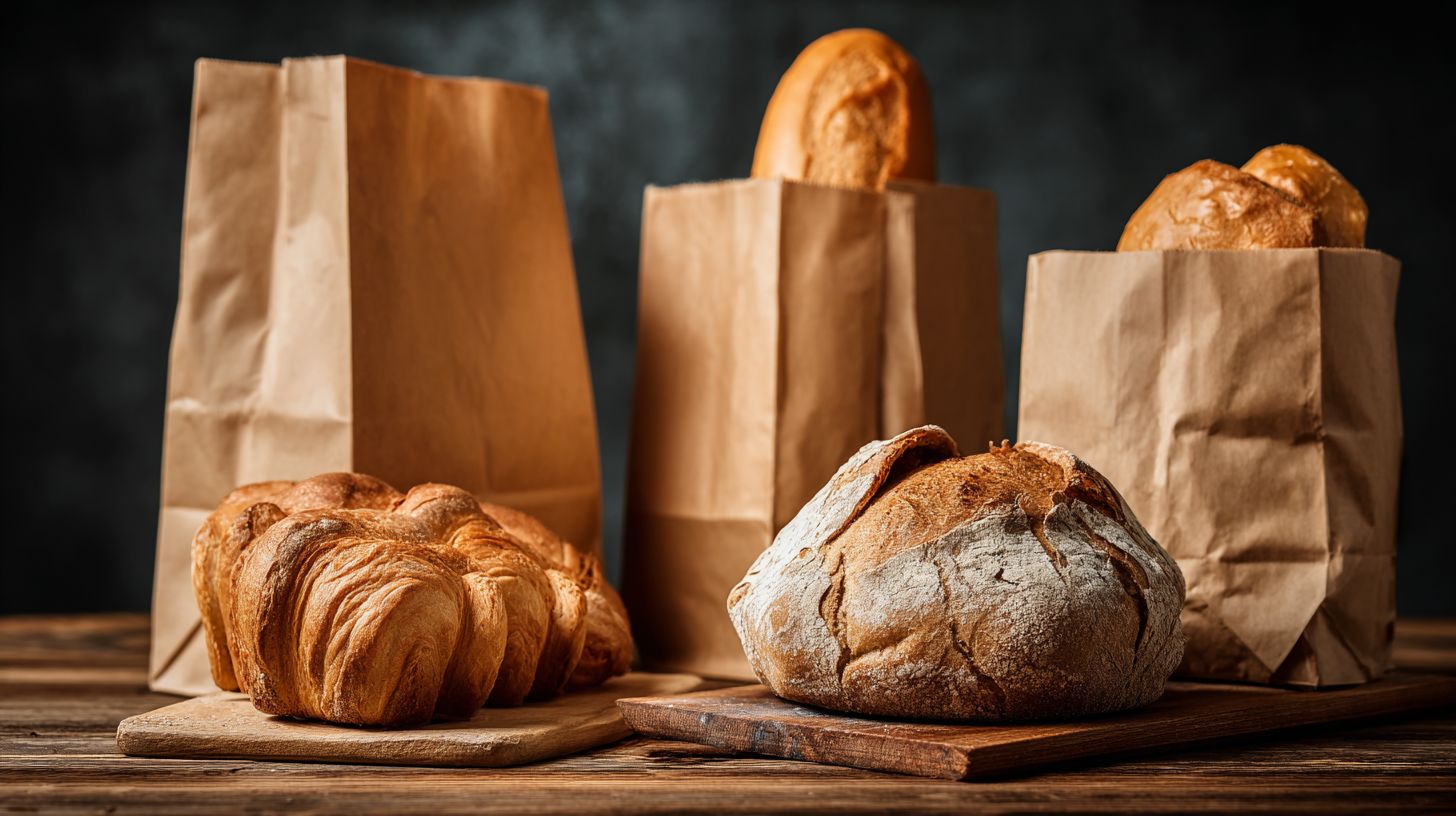
Custom paper bags offer versatility in accommodating a wide array of food items, from greasy pizzas to delicate pastries. Features such as gusseted designs enable them to securely hold up to 10 items.
The following section details five versatile applications and corresponding best practices:
- Flat-bottom bags for sandwiches (e.g., 6 x 9 inches) – Suitable for quick-service operations, as they help prevent sogginess.
- Gusseted bags for bakery loaves (12 x 18 inches, $0.20 per unit) – These expand to accommodate multiple items without risk of tearing.
- Bags equipped with handles for grocery applications (5-15 kg capacity) – Facilitating convenient transport of bulk produce.
- Wax-lined bags for hot foods – Designed to contain grease from items such as fries or tacos, in accordance with FDA food safety guidelines.
- Sized variants for deli items (4 x 6 to 8 x 12 inches) – Providing a customized fit for wraps, salads, and similar products.
A restaurant chain like Chipotle utilizes versatile kraft bags across all menu items, achieving a 20% improvement in operational efficiency (as reported in a 2022 supply chain study by Cornell University).
For sizing recommendations, refer to the chart below:
Bulk suppliers such as WebstaurantStore offer competitive pricing, beginning at $0.10 per unit for orders of 1,000 units or more.
Superiority Over Plastic Alternatives
Paper bags demonstrate superior performance over plastic bags in terms of sustainability and consumer preference. According to a 2023 Mintel survey, 65% of shoppers favor paper bags due to their eco-friendliness and robustness.
Businesses seeking to transition from plastic can do so by carefully assessing key attributes.
Paper bags biodegrade within months and can be recycled more than five times, with production costs ranging from $0.10 to $0.20 per unit and ample space for branding. In contrast, plastic bags persist for centuries, face bans in over 100 countries, and achieve recycling rates below 9% (as reported by OECD data), with costs between $0.05 and $0.15 per unit.
To ensure regulatory compliance, organizations may adopt hybrid solutions such as lined paper bags, as implemented by Whole Foods. These options combine enhanced durability with environmental advantages, enabling adherence to plastic bans while maintaining structural integrity.
Frequently Asked Questions
Q: Why Are Custom Paper Bags the Best Choice for Food Packaging?
Custom paper bags are the best choice for food packaging because they offer superior environmental benefits, such as being biodegradable and recyclable, reducing plastic waste significantly. They also allow for personalization with branding, making them ideal for businesses to stand out, while providing sturdy protection for various food items without compromising on safety or freshness.
Q: What Makes Custom Paper Bags Eco-Friendly for Food Packaging?
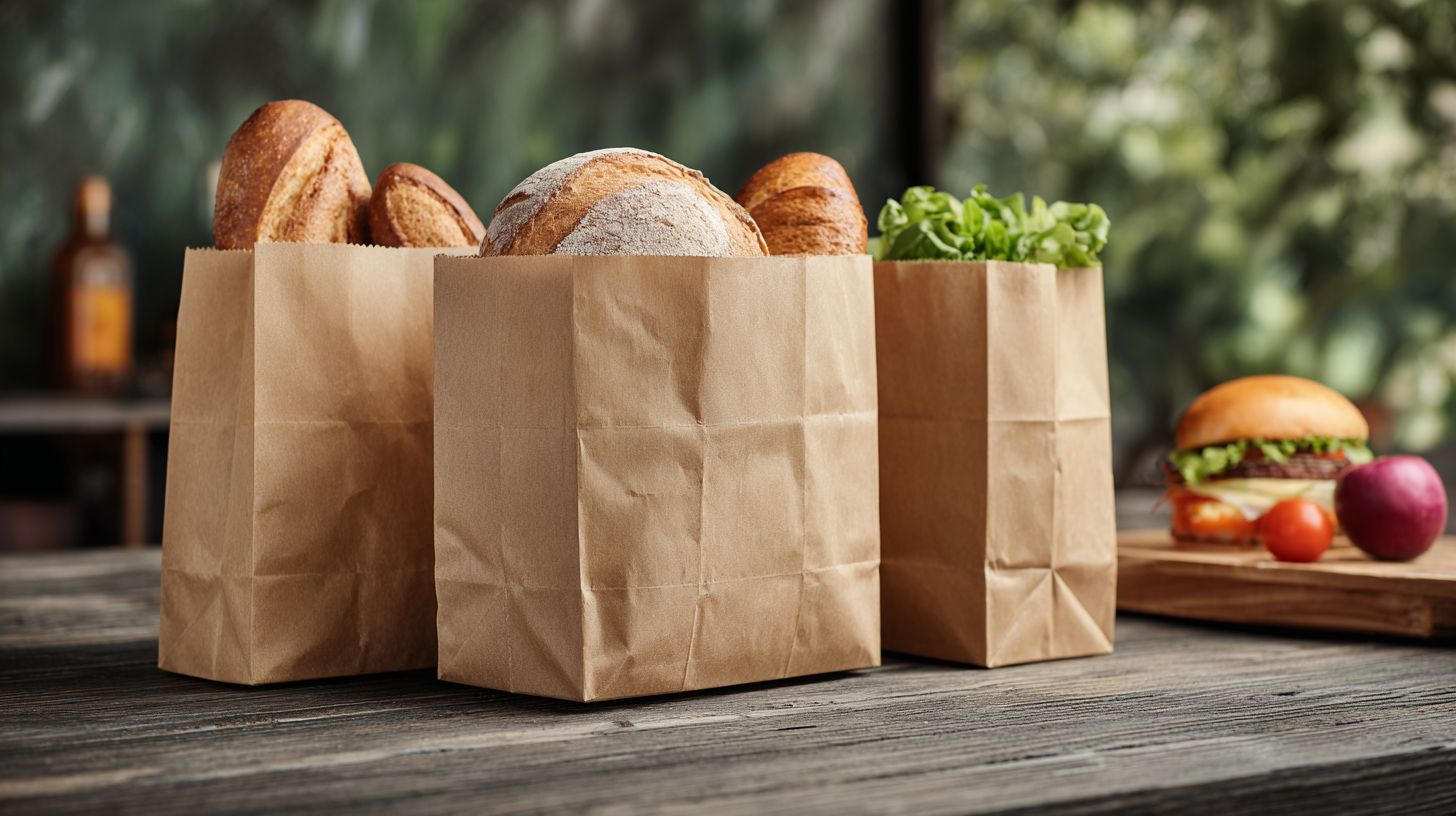
Why are custom paper bags the best choice for food packaging? One key reason is their eco-friendliness; made from renewable resources like recycled paper, they decompose naturally and have a lower carbon footprint than plastic alternatives. This makes them perfect for sustainable food businesses aiming to appeal to environmentally conscious consumers.
Q: How Do Custom Paper Bags Support Branding in Food Packaging?
Custom paper bags elevate branding by allowing unique designs, logos, and colors to be printed directly on them, turning every package into a marketing tool. Why are custom paper bags the best choice for food packaging? Their versatility in customization helps food brands create memorable unboxing experiences that build customer loyalty and visibility.
Q: Are Custom Paper Bags Durable Enough for Food Items?
Yes, custom paper bags are highly durable, often reinforced with coatings to resist moisture and tears, ensuring food stays secure during transport. Why are custom paper bags the best choice for food packaging? They balance strength with lightness, making them reliable for carrying baked goods, groceries, or takeout without leaking or breaking.
Q: Why Choose Custom Paper Bags Over Plastic for Cost Savings?
Custom paper bags provide long-term cost savings through bulk production efficiencies and reduced waste disposal fees, as they are easier to recycle. Why are custom paper bags the best choice for food packaging? They are often cheaper to produce at scale and comply with regulations banning single-use plastics, offering better value for food service operations.
Q: How Versatile Are Custom Paper Bags for Different Food Types?
Custom paper bags are incredibly versatile, suitable for dry snacks, bakery items, or even insulated versions for hot foods, with options for grease-resistant linings. Why are custom paper bags the best choice for food packaging? Their adaptability to various sizes, shapes, and food categories ensures they meet diverse packaging needs without sacrificing quality or hygiene.
Upgrade your food packaging with eco-friendly, durable, and brand-ready custom paper bags from Aplasticbag.com. Impress your customers while keeping food fresh and sustainable—because your packaging should work as hard as your brand does.
Why Choose Aplasticbag.com?
✔ Premium-quality, food-safe paper materials
✔ Custom printing to boost your brand visibility
✔ Eco-friendly solutions loved by modern US consumers
✔ Bulk pricing for restaurants, cafes, and food businesses
✔ Fast turnaround & reliable nationwide delivery
Don’t settle for ordinary packaging—make a lasting impression with every order.
👉 Order Now and elevate your food packaging across the USA with Aplasticbag.com!

 How Do Custom Paper Bags Impact Customer Perception?
 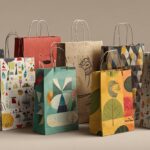 7 Design Ideas for Creating Unique Custom Paper Bags
 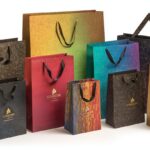 What Are the Best Customization Options for Custom Paper Bags?
Comments