
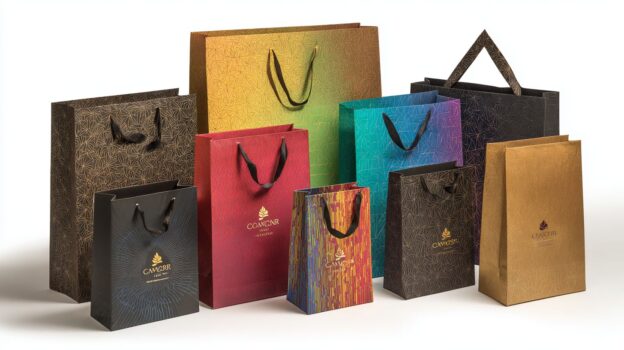
In a competitive market where first impressions count, custom paper bags transform everyday packaging into powerful branding tools. Businesses leveraging these options report up to 30% higher customer recall, per a Packaging Digest study. Explore top choices in materials like kraft and recycled papers, versatile sizes and shapes, advanced printing techniques, handles, finishes, and eco-friendly features to elevate your brand’s presence.
Material Options
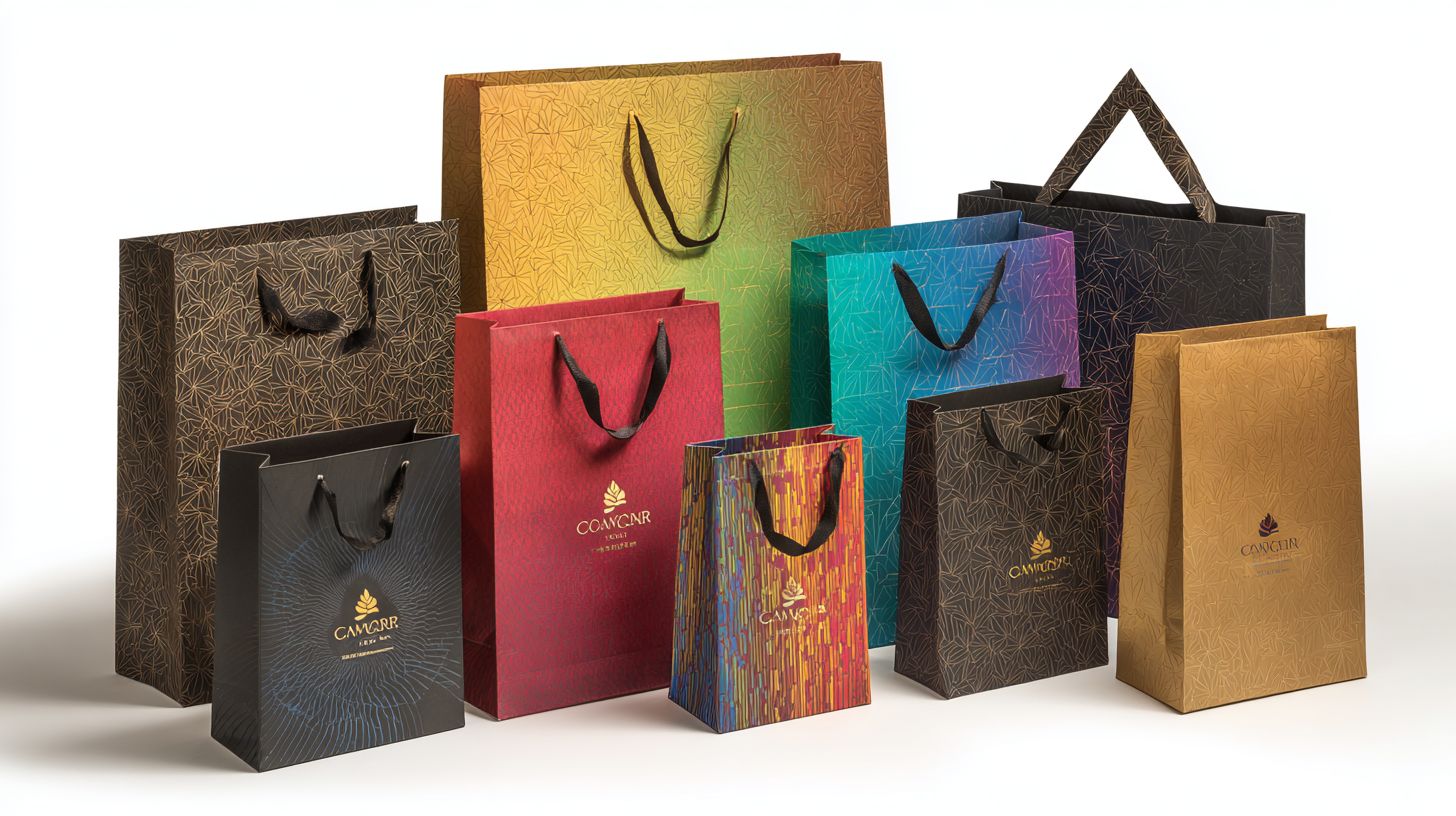
The selection of appropriate materials for custom paper bags significantly influences their durability, aesthetic appeal, and environmental impact. According to the Paper Recycling Coalition’s 2022 data, kraft paper holds a 40% market share, owing to its affordability and recyclability.
Kraft and Recycled Papers
Kraft paper, with a typical grammage of 80-120 GSM, provides a natural brown finish that is particularly suitable for environmentally conscious branding initiatives. Recycled variants can reduce the carbon footprint by up to 70% compared to virgin paper, as demonstrated in a 2021 Life Cycle Assessment (LCA) study conducted by the Forest Stewardship Council (FSC).
Unbleached kraft paper exhibits tear resistance capable of supporting loads up to 5 kg, making it appropriate for demanding applications such as grocery bags. In contrast, recycled options, produced from post-consumer waste and ranging from 50-100 GSM, are well-suited for lighter promotional materials.
When selecting kraft paper, it is advisable to evaluate durability using a caliper tool, targeting a minimum grammage of 100 GSM to ensure performance standards are met.
Reputable suppliers include Uline, which offers bulk kraft rolls at $0.05-0.15 per square foot, and EcoEnclose, providing certified recycled sheets at $0.07-0.20 per square foot.
| Type | Cost/sq ft | Key Traits | Best Use | Pros | Cons |
|---|---|---|---|---|---|
| Kraft | $0.05-0.15 | Natural look, sturdy | Grocery carriers | Biodegradable | Absorbs moisture |
| Recycled | $0.07-0.20 | Eco-certified | Promotional items | Sustainable | Slightly weaker |
It is recommended to begin with small batches to align the material selection with specific branding requirements.
Coated and Specialty Papers
Coated papers, such as 150 GSM art paper with glossy lamination, improve print vibrancy and offer water resistance for up to two hours of exposure, rendering them ideal for luxury retail packaging, as demonstrated by Tiffany & Co.’s custom carriers.
For premium aesthetics, the following four specialty types are recommended:
- Glossy coated: Features a shiny finish ($0.10-0.25/sq ft) and is well-suited for logo printing. Advantages include striking vibrancy; disadvantages involve slippery handles, as commonly seen in high-end jewelry bags.
- Matte coated: Provides a non-reflective surface, making it suitable for food-safe bakery packaging, such as custom cookie carriers.
- Textured: Offers a linen or linenette finish for enhanced tactile appeal, which elevates unboxing experiences in gift sets.
- Metallic: Incorporates holographic effects for events, imparting a shimmering quality to promotional totes.
Coatings increase production costs by 20-30% but elevate perceived value by 15%, according to the Packaging World survey (2022). These options should be selected for high-end gift packaging, with water resistance tested in accordance with ASTM D543 standards to verify durability.
Size and Shape Variations
Custom printed paper bags are available in a range of sizes, from small 4×6 inches suitable for jewelry to larger 16×12 inches appropriate for merchandise. Variations in shape further enable distinctive branding, which can enhance customer engagement by up to 25%, as indicated by a 2023 study in the Journal of Retailing on packaging design.
Standard vs. Custom Dimensions
Standard dimensions, such as 5x7x2 inches for small retail bags, can accommodate up to 2kg and are 20% more cost-effective than custom alternatives. Custom options, by contrast, enable precise specifications, such as 12x15x6 inches for bakery loaves, thereby reducing waste by 15% according to supply chain audits.
To determine the appropriate choice, the following comparison provides a structured overview:
| Category | Sizes | Cost per Unit | Production Time | Best For | Pros/Cons |
|---|---|---|---|---|---|
| Standard | Common sizes (e.g., gift: 4.5×6.5 inches) | $0.08-0.15 | 3-5 days | Bulk retail | Pros: Cost-effective; Cons: Limited branding |
| Custom | Tailored (e.g., 10x12x3 for apparel) | $0.12-0.30 | 7-10 days | Events | Pros: Unique fit; Cons: Higher MOQ (500 units) |
Standard bags are particularly suitable for grocery applications, with minimum order quantities (MOQs) as low as 100 units, as indicated by data from the U.S. Packaging Institute.
Custom bags, however, are ideal for specialized uses such as wedding favors. It is recommended to utilize Adobe Illustrator for creating dimension templates, which can minimize design errors by 20%, based on findings from supply chain studies.
Unique Shapes for Branding
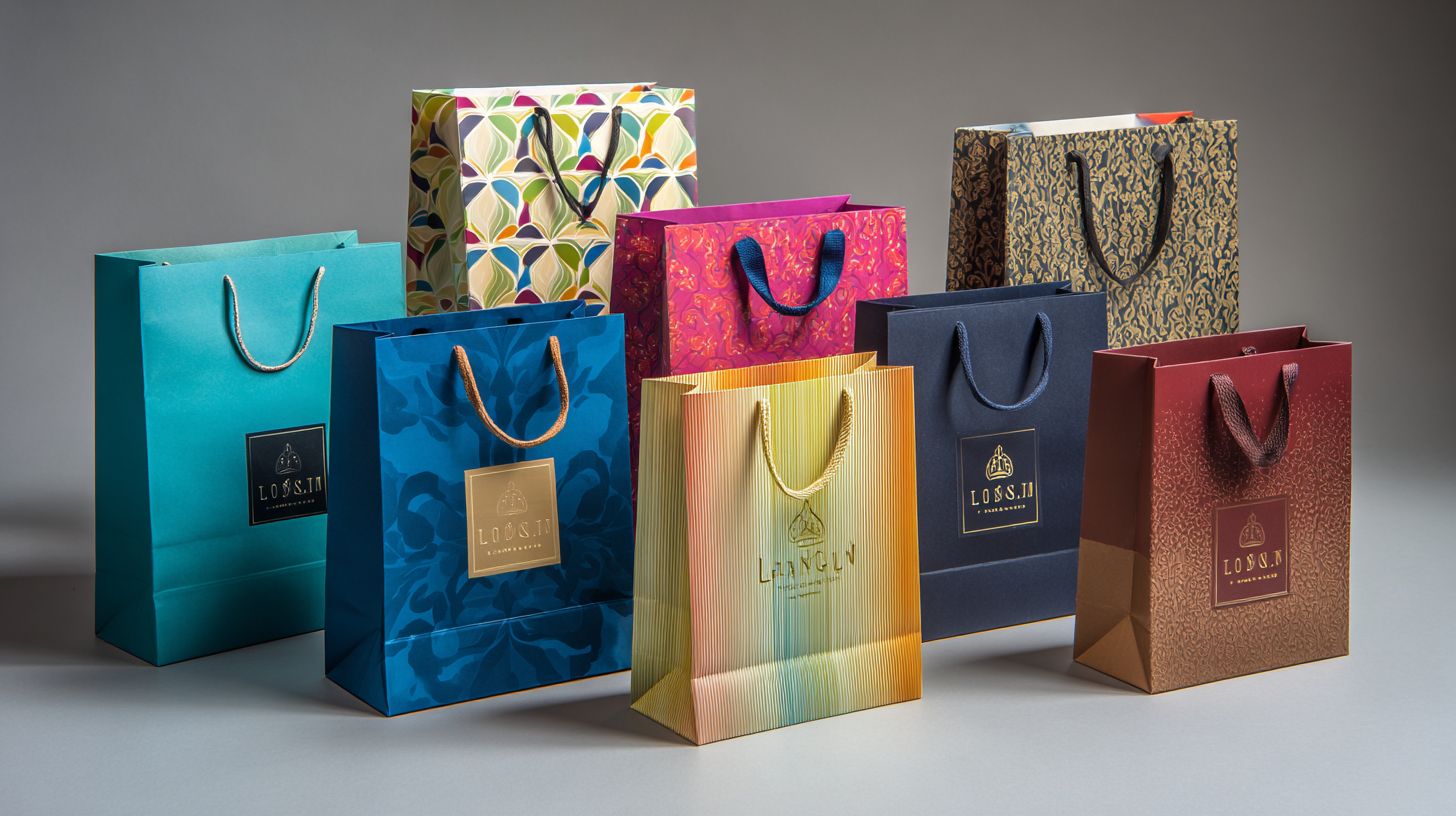
Die-cut shapes, such as heart motifs for Valentine’s Day packaging or tote-style designs incorporating 4-inch gussets, enable brands to distinguish themselves from competitors. According to a 2022 Mintel report on promotional packaging, 60% of consumers express a preference for unique designs.
To implement these features effectively, the following four actionable examples are recommended:
- Gusseted square (6x8x3 inches), which enhances capacity by 20% to accommodate bulk items such as apparel.
- Die-cut window patch for improved product visibility, with an additional cost of only $0.05 per unit.
- Foldable triangle for party supplies, designed to collapse for efficient storage.
- Reinforced custom hexagon for merchandise, featuring double-layer bottoms to increase durability.
The design process begins with the creation of vector artwork in EPS format, adhering to a minimum resolution of 300 DPI. For inspiration, Starbucks’ seasonal die-cut bags contributed to a 40% increase in social media shares, as detailed in their 2023 marketing report.
During production, a minimum order quantity (MOQ) of 1000 units is recommended, along with testing for stacking stability to ensure reliability in retail settings.
Printing Techniques
Utilizing effective printing techniques guarantees vibrant and durable customizations on paper bags.
According to the 2023 report from the Printing Industries of America, digital methods account for 55% of the market share in short-run productions, delivering expedited turnaround times that are particularly beneficial for small businesses.
Digital and Flexographic Printing
Digital printing, which employs CMYK inks on 120 GSM paper, generates full-color logos at a resolution of 300 DPI for print runs of fewer than 1,000 units. The cost ranges from $0.03 to $0.08 per impression, making it particularly suitable for applications involving variable data, such as personalized event bags.
For print runs exceeding 1,000 units, offset printing provides significant economies of scale. The following table presents a comparison:
| Method | Inks | Setup Cost | Resolution | Best For | Cost per Impression (5000+) | Pros/Cons |
|---|---|---|---|---|---|---|
| Digital | CMYK | $200-500 | 300-2400 DPI | Small runs, variable data | $0.03-0.08 | Pros: Fast turnaround (1-2 days), no plates required; Cons: Higher per-unit costs for large volumes |
| Offset | CMYK + spot | $2000+ plates | High (up to 150 LPI) | Bulk runs (5000+) | $0.01-0.03 | Pros: Cost-effective, durable results; Cons: Extended setup time (5-7 days), limited flexibility |
According to the Printing Industries of America (PIA), offset printing can achieve cost savings of 50-70% for high-volume production. For prototyping purposes, digital printing is recommended as an initial approach; files should be submitted in PDF format with 0.25-inch bleeds.
Pantone color matching incurs an additional 15% cost.
Screen Printing for Durability
Screen printing utilizes thick layers of ink, up to 20 microns in depth, to create fade-resistant designs on kraft shopping bags that can withstand over 100 handlings. This method is particularly favored for promotional items, demonstrating 80% color retention after six months in accordance with ASTM D4255 testing standards.
To execute screen printing effectively, adhere to the following structured procedures:
- Prepare vector artwork at a 1:1 scale utilizing Adobe Illustrator to ensure precision.
- Select a mesh count ranging from 110 to 200 threads per inch to optimize detail and ink deposition.
- Employ 1 to 4 spot colors, allocating approximately $50 per screen with eco-friendly plastisol inks.
- Cure the prints at 300 degreesF for 90 seconds to guarantee longevity.
- Evaluate rub resistance in accordance with ASTM D4060 standards.
The advantages of screen printing encompass its cost-efficiency, at $0.02 per color per unit for production runs exceeding 500 units, as well as inherent waterproofing properties, rendering it suitable for corporate logos on trade show promotional materials.
Limitations include restriction to spot colors, making it inappropriate for photographic reproductions.
For applications requiring child-safe materials, opt for non-toxic, vegan inks sourced from reputable suppliers such as Rutland Ink.
Handle and Closure Choices
Selecting appropriate handle options, such as twisted rope (cotton or paper, 12-18 inches in length), enhances both usability and aesthetics while supporting loads of up to 10 kg. Similarly, closures like adhesive seals provide added security for gift packaging, which consumer surveys indicate increases perceived luxury by 30%.
To choose the most suitable options, please consider the following five versatile selections, including their specifications and attachment recommendations:
- Flat paper handles ($0.02 per pair): Lightweight and ideal for small bags accommodating up to 5 kg; attach using glue or staples for efficient assembly.
- Rope handles (polypropylene or jute, 12-18 inches): Robust for shopping carriers that hold up to 10 kg; secure with staples or knots for enhanced strength, and note their eco-friendly attributes, as demonstrated by their use by Whole Foods for sustainable packaging.
- Die-cut handles (no additional cost): Straightforward for brochures supporting up to 3 kg; incorporate directly during the printing process, requiring no separate attachment.
- Ribbon accents (satin, $0.10 additional): Sophisticated for wedding applications holding up to 2 kg; affix with glue or ties to achieve a premium appearance.
- Twist closures (twisted wire, food-safe): Reliable for bakery products up to 7 kg; apply by twisting and sealing directly, ensuring no overlaps.
Validate weight capacities through prototype testing to confirm adherence to ISO 780 standards for packaging durability.
Finishing and Embellishments
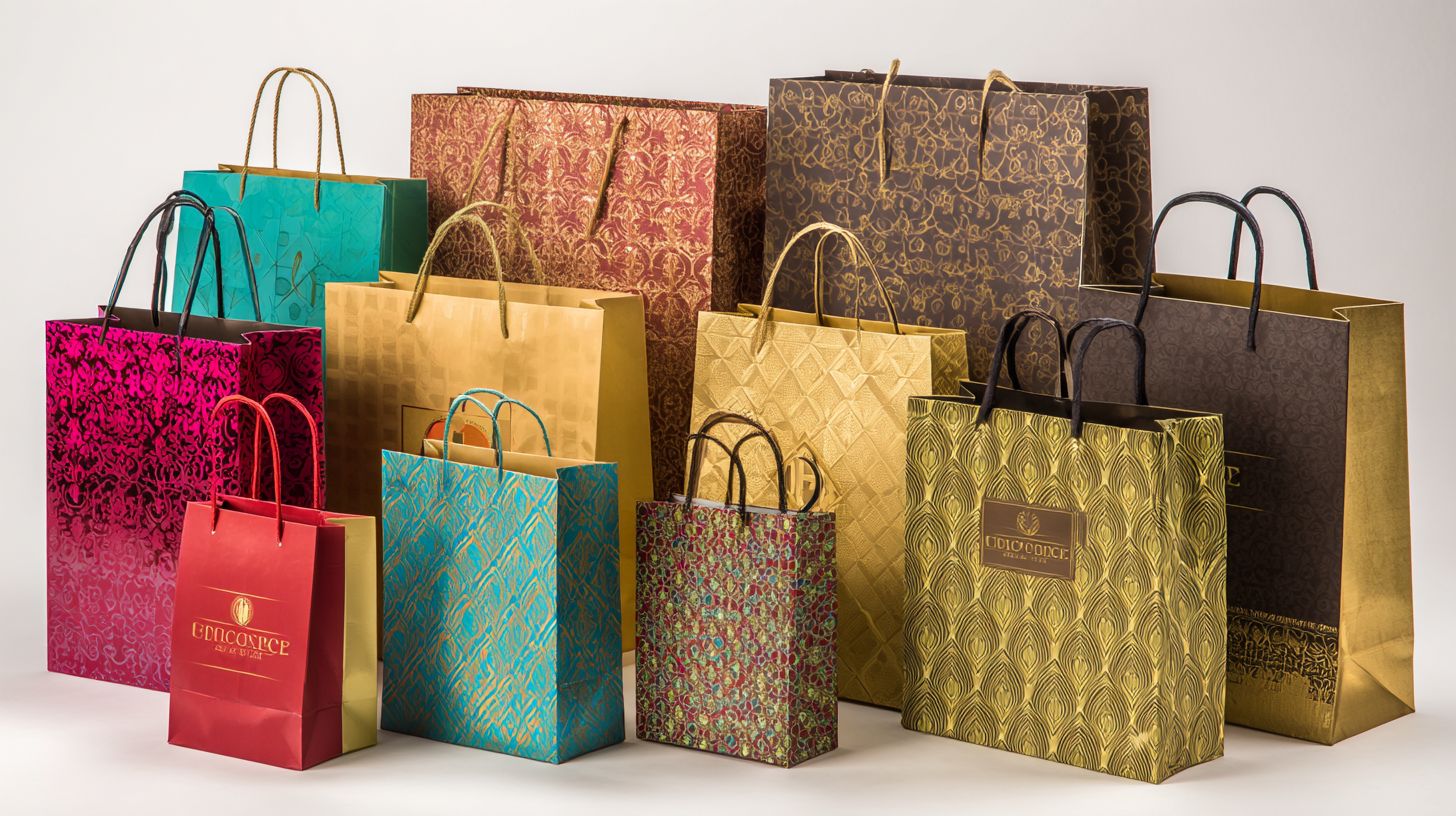
Finishing techniques, such as matte lamination, offer robust protection against scratches while imparting a premium tactile sensation. These methods extend the shelf life of bags by 50% and enhance the resale value of luxury variants, as substantiated by a 2022 analysis in Packaging Digest on high-end e-commerce packaging.
Lamination and Foil Stamping
Lamination involves the application of a 1-2 mil BOPP film to provide water resistance for up to 24 hours, at a cost of $0.04-0.10 per square foot.
In contrast, foil stamping employs metallic foils to accentuate logos, imparting a luxurious shine, as exemplified by the embossed carriers of Louis Vuitton.
To execute lamination effectively, one may select from various finishes, such as glossy for enhanced reflective color vibrancy in brochures, matte for a sophisticated, fingerprint-resistant surface on business cards, or soft-touch for a tactile, velvety texture on packaging materials.
The process is typically performed using heated rollers at 250 degreesF on specialized equipment, such as the Heidelberg Speedmaster, to achieve uniform adhesion.
For foil stamping, a custom die is first fabricated at a cost of $150-500. The foil is then hot-pressed onto the substrate at temperatures between 180-220 degreesF using a Bobst press. This technique can be combined with debossing to attain a texture depth of 0.5 mm.
Together, these methods enhance tear resistance by 200% in accordance with ASTM D903 standards, although they also increase the overall weight by 15%.
These finishing techniques are particularly suitable for high-impact applications, such as Instagram-optimized product launches, where they can elevate perceived value by up to 30%, as reported in studies by Packaging World.
Eco-Friendly Custom Features
Eco-friendly features, such as FSC-certified recycled kraft paper (comprising 100% post-consumer content and biodegradable within 90 days in accordance with ASTM D6400 standards), diminish environmental impact by 60% relative to plastic alternatives. These attributes ensure compliance with the EU Single-Use Plastics Directive and resonate with 78% of millennials, as indicated by Nielsen’s 2023 sustainability report.
To implement these features with efficacy, adhere to the following six best practices:
- Employ 100% recycled paper, which reduces CO2 emissions by 2.5 kg per 1,000 bags, according to EPA data.
- Select water-based inks, which are non-toxic and free of volatile organic compounds (VOCs), thereby decreasing air pollution by 70% in line with Green Seal standards.
- Incorporate compostable windows featuring cornstarch patches to achieve complete biodegradability.
- Include prominent recycling symbols to enhance consumer compliance by 35%, as evidenced by the WRAP study.
- Utilize soy-based adhesives for secure, plant-derived bonding that prioritizes safety.
- Procure materials from certified suppliers, such as EcoEnclose or GOTS fair-trade partners.
Patagonia’s integration of recycled bags has resulted in a 40% reduction in waste, supported by ISO 14001 certification. For validation purposes, it is advisable to commission third-party audits from organizations like SGS.
Commence with a minimum order quantity (MOQ) of 250 units for eco-friendly product lines to evaluate scalability.
Frequently Asked Questions
What Are the Best Customization Options for Custom Paper Bags?
The best customization options for custom printed paper bags include printing techniques like digital printing for vibrant colors and logos, foil stamping for a premium metallic finish, and embossing for a tactile, elegant texture. You can also personalize with handles (twisted, flat, or die-cut), sizes ranging from small gift bags to large shopping totes, and eco-friendly materials like recycled kraft paper to align with sustainable branding.
What printing methods are ideal for customizing paper bags?
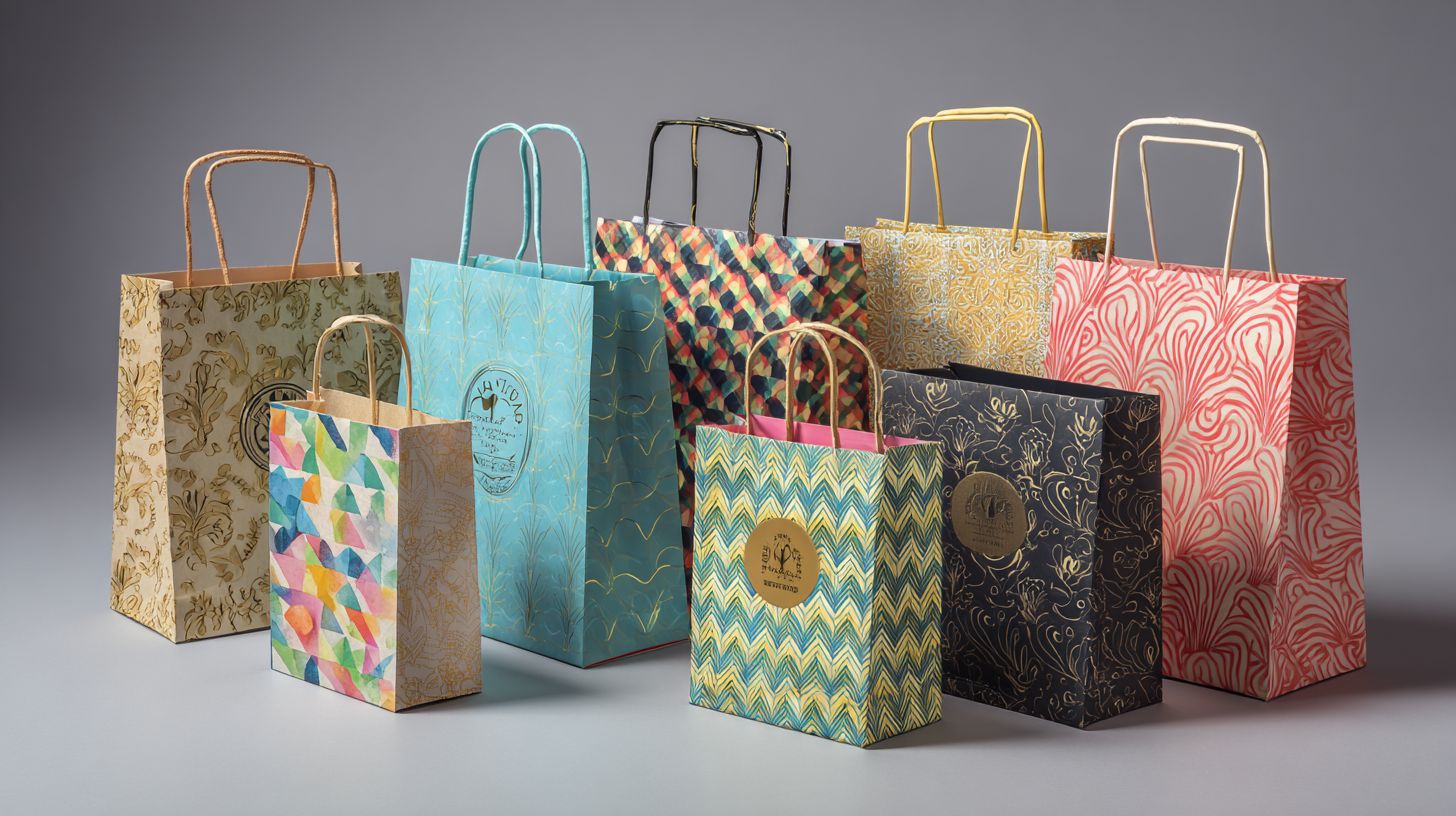
For custom paper bags, the best printing methods are flexographic for high-volume runs with sharp details, screen printing for bold, opaque colors on textured surfaces, and UV printing for quick-drying, high-resolution designs. These options allow for full-color graphics, custom patterns, or simple text, ensuring your brand stands out while maintaining durability on various paper types.
How can I choose colors and finishes for custom paper bags?
When customizing paper bags, opt for Pantone-matched colors for brand consistency, matte or gloss finishes for visual appeal, and specialty options like metallic or pearlescent coatings. These choices enhance aesthetics-matte for a sophisticated look, gloss for eye-catching shine-while considering factors like recyclability and how the finish interacts with printed designs.
What handles and closures work best for custom paper bags?
The best handles for custom paper bags are twisted paper for strength and style, cotton webbing for a reusable feel, or plastic for lightweight affordability. For closures, add custom stickers, ribbons, or drawstrings to secure contents elegantly. These options improve functionality and branding, making bags suitable for retail, events, or gifting.
Are eco-friendly customization options available for custom paper bags?
Yes, eco-friendly customization for custom paper bags includes using FSC-certified recycled paper, soy-based inks for printing, and biodegradable laminates instead of plastic coatings. These sustainable choices maintain quality while reducing environmental impact, ideal for brands promoting green initiatives without compromising on design versatility.
What is the process for ordering custom paper bags with unique designs?
To order custom paper bags, start by selecting base materials and sizes, then submit your artwork for design approval. The process involves proofing digital mocks, choosing customization like printing or die-cutting, and final production. Lead times vary from 7-14 days for small orders, ensuring your unique designs-logos, patterns, or messages-are perfectly executed.
Ready to create custom paper bags that truly represent your brand?
At aplasticbag.com, we make customization easy—from bag sizes and handle styles to premium paper materials and eye-catching logo printing. Whether you need retail, food, or promotional paper bags, our team delivers high-quality, eco-friendly packaging tailored to your business needs.
Don’t settle for ordinary packaging—stand out with custom paper bags designed just for you.
👉 Order now at aplasticbag.com and turn every bag into a powerful branding opportunity!

 How to Choose Custom Paper Bags for Retail Businesses: A Complete Buyer’s Guide
  Why Custom Paper Bags Are the Top Choice for Eco-Friendly Brands
  Custom Plastic Bags vs Paper Bags for Retail Businesses Impact Branding, Customer Experience, and Sales
Comments