
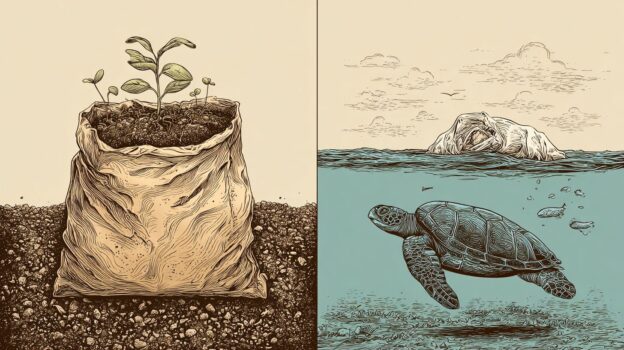
Amid swirling ocean gyres choked with plastic debris, the humble shopping bag emerges as an unlikely hero in the fight against environmental harm. With single-use plastics contributing to 8 million tons of ocean waste annually (per Ocean Conservancy data), opting for paper bags promises real impact. Discover how renewable materials, lower production emissions, superior recyclability, and biodegradation give paper the sustainability edge-unveiling choices that protect our planet.
Material Sourcing and Resources
The procurement of materials for bag production exerts a significant influence on resource depletion. Paper bags are sourced from fast-growing trees certified under Forest Stewardship Council (FSC) standards, whereas plastic bags derive from non-renewable petroleum reserves, which are depleting globally at a rate of 100 million barrels per day.
Renewable Fibers in Paper
Paper bags are predominantly manufactured from wood pulp derived from renewable pine and eucalyptus trees, which regenerate within 5 to 7 years.
Suppliers certified by the Forest Stewardship Council (FSC) ensure that 93% of fibers originate from sustainably managed forests, as reported in the FSC 2023 report.
The sourcing process commences with the extraction of cellulose: trees are chipped and subjected to chemical processing, yielding 40-50% fiber content per log.
The renewability of this resource is evidenced by the fact that global tree harvesting aligns with regrowth rates, according to Food and Agriculture Organization (FAO) data.
However, ongoing challenges include approximately 12 million hectares of annual deforestation.
To address these issues, it is advisable to select FSC-certified suppliers, which can reduce habitat loss by up to 50%.
A life-cycle assessment conducted by the U.S. Environmental Protection Agency (EPA) indicates that paper bags result in 70% lower resource depletion compared to plastic alternatives.
The advantages and disadvantages of custom printed paper bags are outlined below:
- Advantages: Biodegradable within 2 to 6 months; recyclable up to seven times; reduced carbon footprint (50% lower emissions per life-cycle assessment).
- Disadvantages: Elevated water consumption (20 liters per bag); energy-intensive manufacturing process.
The fiber life cycle can be illustrated through a straightforward diagram: tree harvesting pulping forming recycling loop, emphasizing the sustainability cycles involved.
Petroleum-Based Plastics
Plastic bags are manufactured from polyethylene, a material derived from crude oil, which accounts for 8% of global petroleum production-approximately 400 million tons annually. This process contributes to the irreversible depletion of fossil fuels, with reserves projected to last only 50 years at current consumption rates, according to the International Energy Agency’s 2023 analysis.
The production process commences with the extraction of crude oil, an activity that disrupts approximately 1.5 million square kilometers of land worldwide (BP Statistical Review 2022). The oil is then refined into naphtha, followed by an energy-intensive polymerization process that yields high-density polyethylene (HDPE), requiring 60 megajoules per kilogram.
Producing 1,000 plastic bags demands 1.5 to 2 barrels of oil, a figure that substantially surpasses the resource needs of paper bags, which are sourced from renewable wood pulp. Notably, ExxonMobil’s operations account for 20% of upstream emissions in the plastic production sector.
To address these environmental impacts, businesses are encouraged to transition to recycled polyethylene terephthalate (PET), which can reduce the use of virgin oil by 70%. An effective starting point is to conduct audits of suppliers to ensure they utilize certified recycling practices.
Production Processes Compared
The production of printed paper bags involves pulping and pressing wood fibers, requiring 4,000 liters of water per ton. In contrast, the extrusion of plastic from resin, which is melted at 200 degreesC, consumes 2,000 kWh per ton.
These data points are derived from a 2021 Life Cycle Assessment (LCA) study by the Ellen MacArthur Foundation.
Energy Consumption
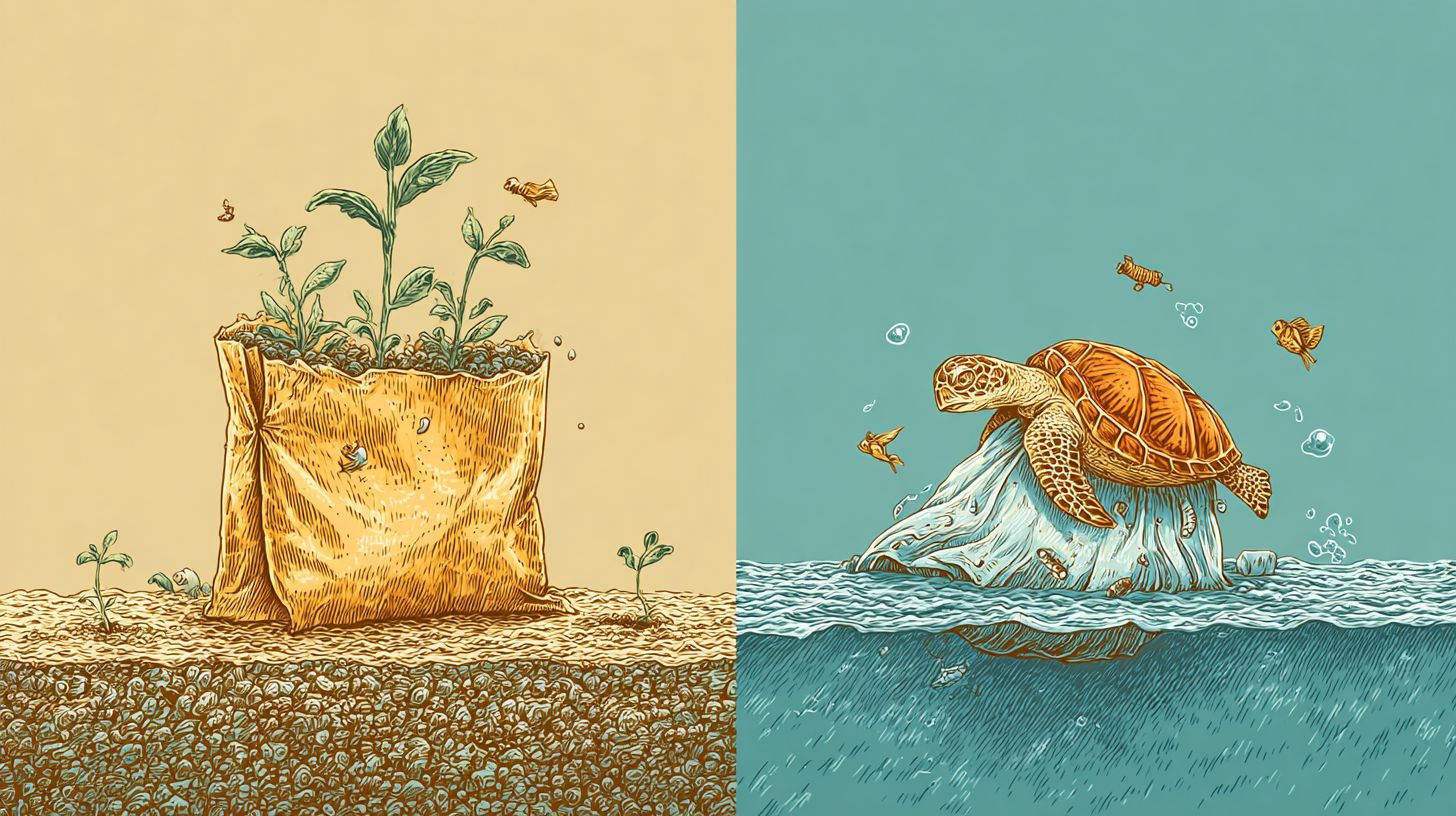
The production of one ton of paper bags requires 2,500-3,000 kWh of energy, predominantly sourced from biomass, in contrast to plastic bags, which demand 1,800-2,200 kWh primarily from fossil fuels. According to a U.S. Department of Energy (DOE) lifecycle assessment, this results in paper bags exhibiting a 40% lower net energy consumption.
| Aspect | Paper (biomass) | Plastic (fossil fuels) | Impact |
|---|---|---|---|
| Energy Use (kWh/ton) | 2,500-3,000 | 1,800-2,200 | Paper’s higher gross but 40% lower net due to renewables |
| Major Energy Sink | Drying (50% of energy) | Heating/extrusion (30% emissions) | Paper’s biomass offsets CO2; plastic boosts fossil GHGs |
A Swedish mill achieved a 25% reduction in energy consumption through the implementation of cogeneration, as documented in a Vattenfall study. Transitioning to more efficient processes can yield a return on investment of 15-20%.
To optimize energy efficiency, the following strategies are recommended:
- Implement closed-loop drying systems to facilitate heat recycling.
- Integrate biomass boilers to ensure a consistent and sustainable energy supply.
- Utilize IoT sensors for real-time monitoring and adjustments.
- Obtain FSC certification to verify sustainable sourcing practices.
Water Usage and Pollution
Paper production consumes between 10,000 and 20,000 liters of water per ton during the pulping process, resulting in effluent pollution characterized by biochemical oxygen demand (BOD) levels of 5-10 mg/L. In contrast, plastic production requires only 1,000-2,000 liters per ton but contributes to environmental degradation through the release of microplastics, as outlined in the World Bank’s 2022 report on industrial effluents.
To address these environmental impacts, industry stakeholders should implement targeted mitigation strategies that comply with established regulations, such as the EU Water Framework Directive, which imposes strict effluent limitations to safeguard aquatic ecosystems.
Key solutions include the following:
- Addressing Paper Production’s High Water Consumption: This process accounts for approximately 20% of eutrophication impacts (per EPA data). The adoption of closed-loop systems enables the recycling of process water, achieving up to a 90% reduction in water usage through advanced filtration and reuse technologies.
- Mitigating Chemical Additives in Paper Production: Bleaching agents often release adsorbable organic halides (AOX) pollutants. The implementation of elemental chlorine-free (ECF) methods eliminates chlorine usage, reducing AOX emissions by 95% while preserving pulp quality.
- Reducing Volatile Organic Compound (VOC) Emissions from Plastic Production: Although plastic manufacturing demands less water, it generates VOCs that adversely affect air quality. The installation of catalytic oxidizers can capture and destroy up to 99% of these VOCs, in accordance with EPA guidelines.
A notable case study from UPM-Kymmene’s mill illustrates the efficacy of these approaches: their zero-discharge technology has conserved 15 million cubic meters of water annually, demonstrating the feasibility of scalable, sustainable practices.
Carbon Footprint Analysis
The full lifecycle carbon footprint of a paper bag measures 0.04 kg CO2 equivalent, compared to 0.06 kg for a plastic bag. However, reusability factors can alter this comparison; according to a 2020 study by the Danish Environmental Protection Agency, paper bags demonstrate an environmental advantage in single-use applications, primarily due to biogenic carbon offsets.
A comprehensive life cycle assessment (LCA) delineates the emissions associated with paper bag production as follows: sourcing accounts for 20% (logging and fiber preparation at 0.22 tCO2e/ton), production comprises 50% (pulping and manufacturing at 0.55 tCO2e/ton), transportation represents 10% (0.11 tCO2e/ton), and disposal contributes 20% (0.22 tCO2e/ton), resulting in a total of 1.1 tCO2e/ton in accordance with IPCC guidelines.
In contrast, plastic bags total 2.0 tCO2e/ton. This disparity is substantiated by the 2019 Franklin Associates report on U.S. bag emissions, which highlights plastic’s greater reliance on fossil fuels.
For a production run of 1,000 bags, paper bags emit 40 kg CO2 equivalent, versus 60 kg for plastic bags. These comparisons can be effectively visualized using a stacked bar graph that illustrates the emissions across each lifecycle stage.
Emissions mitigation strategies, such as the adoption of carbon-neutral pulping processes, can reduce overall impacts by 30%, while also supporting sustainable forestry practices.
Durability and Reusability
Paper bags are capable of supporting loads of 10-15 kg for 1-3 uses before tearing, whereas custom printed plastic bags can handle 20-30 kg for up to 10 uses. However, the reusability of paper bags, particularly as waste liners, can extend their functional lifespan, as demonstrated in a 2018 Consumer Reports test evaluating bag strength.
A more detailed analysis reveals that paper exhibits a tensile strength of 50-70 N/mm according to ASTM D882 standards, providing superior initial rigidity compared to plastic’s 20-40 N/mm. Nevertheless, plastic demonstrates greater elongation, enhancing its flexibility.
Reusing paper bags three times can result in an 80% reduction in emissions relative to single-use alternatives, based on a life-cycle assessment (LCA) conducted by the Ellen MacArthur Foundation.
In trials conducted by IKEA, paper bags achieved a 40% reuse rate as bin liners, thereby reducing landfill waste. To enhance durability, increasing the paper thickness to 50 gsm can yield a 20% improvement in strength.
The environmental impacts are compared in the table below:
| Uses | Degradation | Environmental Savings |
|---|---|---|
| 1-3 (Paper) | Slight fiber weakening | 40% less CO2 vs. plastic |
| 4-10 (Plastic) | Minimal wear | Persistent microplastics |
End-of-Life Management
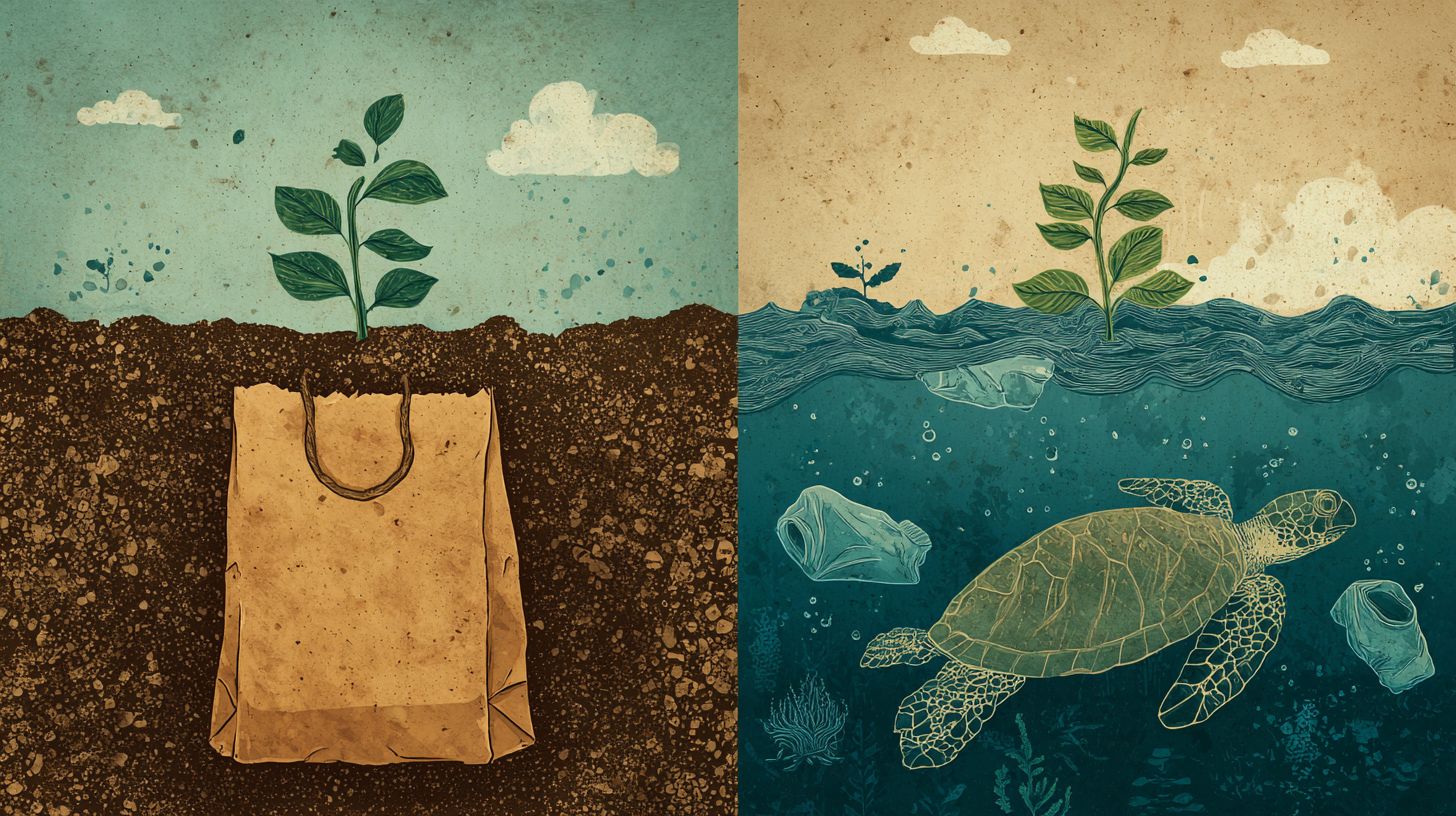
Upon reaching the end of their lifecycle, 70% of plastic bags are directed to landfills, where they persist for over 500 years while emitting methane gas. In contrast, paper products decompose within 2 to 6 weeks, thereby facilitating the principles of the circular economy, as detailed in the 2023 Circularity Report by the Ellen MacArthur Foundation.
Recyclability
Paper bags demonstrate a recyclability rate of 80-90% through mechanical pulping processes, which produce high-quality recycled content. In contrast, plastic bags achieve only a 20-30% recyclability rate, primarily due to contamination issues.
According to the American Forest & Paper Association (AF&PA) 2022 data, U.S. recycling efforts divert approximately 3.5 million tons of paper annually.
The recycling process for paper bags begins with sorting by type, followed by de-inking in a pulper to eliminate inks and adhesives. This method enables 5-7 reuse cycles, supporting the production of items such as tissue or cardboard.
Plastic bags, on the other hand, undergo washing to remove contaminants, after which they are shredded and pelletized into resin. However, material degradation restricts them to approximately 3 cycles, frequently resulting in downcycling to lower-grade products.
From an energy perspective, recycling paper conserves 40% of the energy required for virgin production, whereas recycling plastic conserves 80%. Nevertheless, plastic recycling processes low volumes, with only 9% of plastic waste recycled, as reported in the U.S. Environmental Protection Agency’s (EPA) 2022 Municipal Solid Waste report.
Tetra Pak’s U.S. facility processes 500 tons of material daily, recovering 85% of the fibers.
To enhance recycling rates, improvements to curbside collection systems are recommended, as they can increase recovery by up to 25% through advanced sorting technologies.
Biodegradability
In soil environments, paper bags biodegrade by 70-90% within three months through microbial hydrolysis, without the release of toxins. In contrast, plastic bags require 100 to 1,000 years to degrade, fragmenting into microplastics, as evidenced by a 2021 ASTM D6400 compostability test.
To achieve optimal decomposition of paper bags, maintain a home compost pile at 60 degreesC, incorporating fungi such as Trichoderma reesei, which hydrolyze cellulose into nutrient-rich humus within 90 days. This process aligns with USDA composting guidelines and EN 13432 standards, avoiding toxin release while enriching the soil.
Plastics degrade slowly via UV photodegradation. Oxo-additives in certain bags may accelerate breakdown, but they generate polluting microplastics and methane-a greenhouse gas 25 times more potent than CO2, according to a 2020 study by the Biodegradable Products Institute.
For enhanced efficiency, shred paper bags prior to composting to increase surface area for microbial activity, and monitor pile temperature using a compost thermometer.
| Material | Time to 90% Degradation | Conditions | Byproducts |
|---|---|---|---|
| Paper Bags | 3 months (soil) | 20-60 degreesC, microbes/fungi | Humus, CO2 |
| Plastic Bags | 100-1,000 years | Landfill/UV exposure | Microplastics, methane |
Broader Environmental Benefits
The transition to paper bags has been demonstrated to reduce marine pollution by 30% in coastal areas, thereby preventing more than 100,000 animal deaths annually from ingestion and promoting biodiversity through sustainable forestry practices, as outlined in the World Wildlife Fund’s 2022 report on the impacts of plastic debris in oceans.
This transition yields five principal benefits, supported by empirical data:
1. Reduces microplastic pollution by limiting the annual entry of 8 million tons into the oceans;
2. Diminishes biodiversity loss, as forests designated for paper production sequester 2.5 gigatons of CO 2 annually, according to the Food and Agriculture Organization (FAO);
3. Moderates climate change effects by generating 20% fewer greenhouse gas emissions than plastic production, per the Intergovernmental Panel on Climate Change (IPCC);
4. Enhances human health outcomes by avoiding exposure to endocrine-disrupting chemicals;
4. Fosters regulatory advancements, as evidenced by plastic bag bans in more than 100 countries.
For example, Australia’s 2018 plastic bag ban led to a 50% decrease in litter. Consumers can contribute by opting for Forest Stewardship Council (FSC)-certified paper bags, which enhance habitat preservation by 15% and support the United Nations Sustainable Development Goals 14 (Life Below Water) and 15 (Life on Land).
Frequently Asked Questions
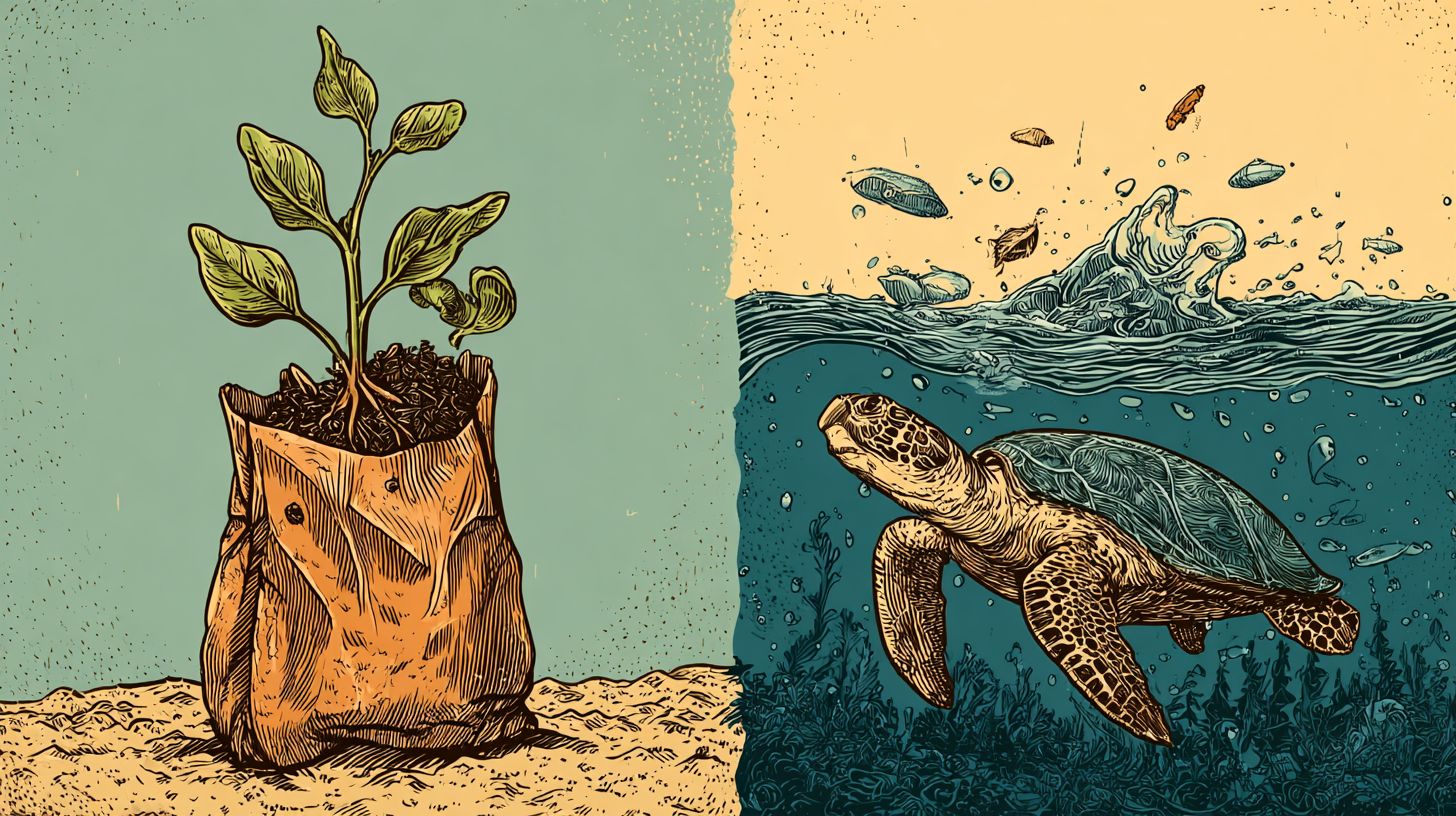
Q: What Makes Paper Bags More Sustainable Than Plastic?
Paper bags are considered more sustainable than plastic bags primarily due to their biodegradability, renewability, and ease of recycling. Made from tree pulp, paper bags decompose naturally in a short time without leaving harmful residues, unlike plastic which can persist for centuries. They are produced from renewable forest resources that can be replenished, whereas plastic derives from non-renewable fossil fuels. Additionally, paper bags have a higher recycling rate and require less energy in the recycling process compared to plastic, reducing overall environmental impact.
Q: Are Paper Bags Biodegradable Compared to Plastic?
Yes, one key factor in what makes paper bags more sustainable than plastic is their biodegradability. Paper bags break down naturally within months in soil or compost, releasing nutrients back into the earth. Plastic bags, however, are not biodegradable and can take hundreds of years to fragment, contributing to microplastic pollution in oceans and landfills. This natural decomposition makes paper a preferable choice for reducing long-term waste.
Q: How Do Renewable Resources Factor into Paper Bag Sustainability?
Renewable resources play a significant role in what makes paper bags more sustainable than plastic. Paper is sourced from trees that can be sustainably harvested and regrown, supporting managed forestry that absorbs CO2. In contrast, plastic is made from petroleum, a finite fossil fuel that contributes to greenhouse gas emissions during extraction and production. Choosing paper helps promote a circular economy based on replenishable materials.
Q: Why Are Paper Bags Easier to Recycle Than Plastic?
Recyclability is a major aspect of what makes paper bags more sustainable than plastic. Paper bags can be recycled multiple times through standard curbside programs, turning into new paper products with minimal loss in quality. Plastic bags often contaminate recycling streams and require specialized facilities, leading to lower recycling rates-most end up in landfills. This efficiency in paper recycling conserves resources and reduces the need for virgin materials.
Q: What Is the Carbon Footprint Difference Between Paper and Plastic Bags?
The lower carbon footprint of paper bags contributes to what makes them more sustainable than plastic. While producing a paper bag may use more water and energy initially, its lifecycle emissions are often lower due to carbon sequestration in forests and efficient recycling. Plastic production relies on energy-intensive oil refining, emitting more CO2 overall. Studies show that switching to paper can reduce a retailer’s carbon impact when considering full disposal cycles.
Q: Do Paper Bags Reduce Plastic Pollution in the Environment?
Absolutely, by minimizing plastic use, paper bags address what makes them more sustainable than plastic in terms of pollution prevention. Plastic bags harm wildlife through ingestion and entanglement, leading to widespread environmental damage. Paper bags, being non-toxic and quick to degrade, do not contribute to such pollution and support cleaner ecosystems. This shift helps protect marine life and soil health from persistent plastic waste.
Ready to make your packaging more eco-friendly and brand-forward?
Choose sustainable paper bag solutions that reflect your commitment to the environment while enhancing your product presentation. At aplasticbag.com, you’ll find high-quality, customizable paper bags designed for durability, style, and responsible packaging.
Order now to upgrade your packaging strategy with sustainable paper bags that customers trust and appreciate. Let your packaging speak for your brand — shop today at aplasticbag.com and make the switch to smarter, greener packaging.

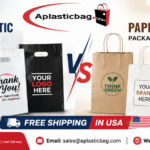 Custom Plastic Shopping Bags vs Paper Packaging: Cost, Branding & Convenience
  Paper Bags: The Go-To Choice for Eco-Friendly Packaging
 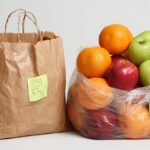 Are Paper Bags More Expensive Than Plastic Alternatives?
Comments