
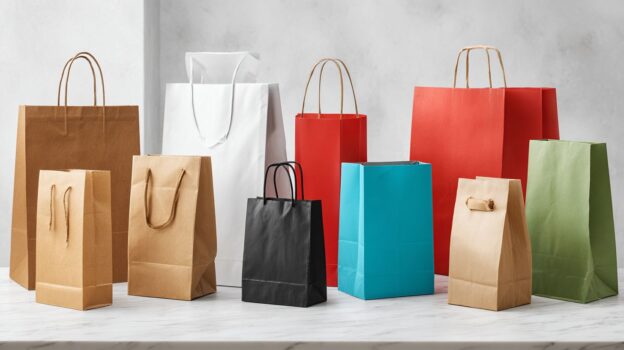
In the competitive retail landscape, where first impressions seal loyalty, paper bags offer a sustainable edge that elevates branding without compromising functionality. As businesses face mounting pressure to curb plastic pollution-backed by EPA data showing over 300 million pounds of plastic bags discarded annually-these versatile carriers are critical. Discover eight key types, from retail shopping to custom printed bags, alongside their environmental perks and selection strategies to match your needs.
1. Retail Shopping Bags
Consider a vibrant clothing boutique where patrons depart with their acquisitions elegantly packaged in sophisticated carriers that elevate the overall shopping encounter.
Sarah, proprietor of Thread Haven, has recently transitioned to bespoke, environmentally sustainable tote bags supplied by Bags Unlimited at a cost of $2.50 per unit. These totes feature her brand’s logo alongside the refined motto: ‘Style That Lasts.’
As the morning influx commences, a young executive selects a scarf, which Sarah presents within the resilient canvas tote-patrons respond with approval, capturing images for social platforms and prominently featuring the establishment in their posts.
By midday, loyal customers revisit, attracted by the conspicuous branding that transforms each departure into an inadvertent promotional opportunity.
According to a Nielsen analysis, branded packaging enhances brand recall by 23%, a benefit reflected in Sarah’s 15% increase in repeat patronage during the initial month.
Strategic recommendation: Collaborate with providers such as Vistaprint to procure robust, recyclable alternatives priced below $3 per unit, thereby enhancing customer engagement and fostering sustained loyalty with minimal effort.
2. Grocery Bags
Have you ever considered why certain grocery purchases reach their destination undamaged while others do not? The primary cause is frequently the inadequacy of thin plastic bags, which rupture under the load of heavier articles such as milk containers or canned products, resulting in spills and inconvenience during transit.
A dependable alternative is robust paper grocery bags, equipped with strengthened bottoms and twisted paper handles that provide enhanced durability.
For example, select kraft paper bags with a load capacity of 50 to 75 pounds, such as those offered by retailers like Trader Joe’s or Whole Foods, which can accommodate over 100 items without failure. To optimize stability, ensure an even distribution of weight by positioning heavier items toward the center, and consider double-bagging perishable goods.
This straightforward transition, supported by environmentally conscious policies such as California’s prohibitions on plastic bags, guarantees that your groceries arrive at their destination intact on every occasion.
3. Gift Bags
A simple gift bag possesses the capacity to transform an ordinary present into a memorable unboxing experience.
Basic gift bags, typically constructed from inexpensive paper and priced under $1 each, provide economical solutions for casual occasions such as children’s birthdays. However, they often lack durability and elegance, frequently resulting in disposal as waste.
In contrast, premium gift bags, crafted from reusable materials like linen or jute and priced between $5 and $15, enhance the overall experience through sophisticated designs and personalization options, including monogramming or eco-friendly dyes.
These premium options are particularly well-suited for formal events such as weddings or anniversaries, while also advancing sustainability efforts. Research from the Packaging Institute indicates that reusable packaging can reduce waste by 40%.
For everyday gifting, basic options are advisable to manage costs effectively; however, premium selections should be prioritized when the objective is to create lasting impressions, thereby balancing budgetary considerations with meaningful impact.
4. Food Takeout Bags
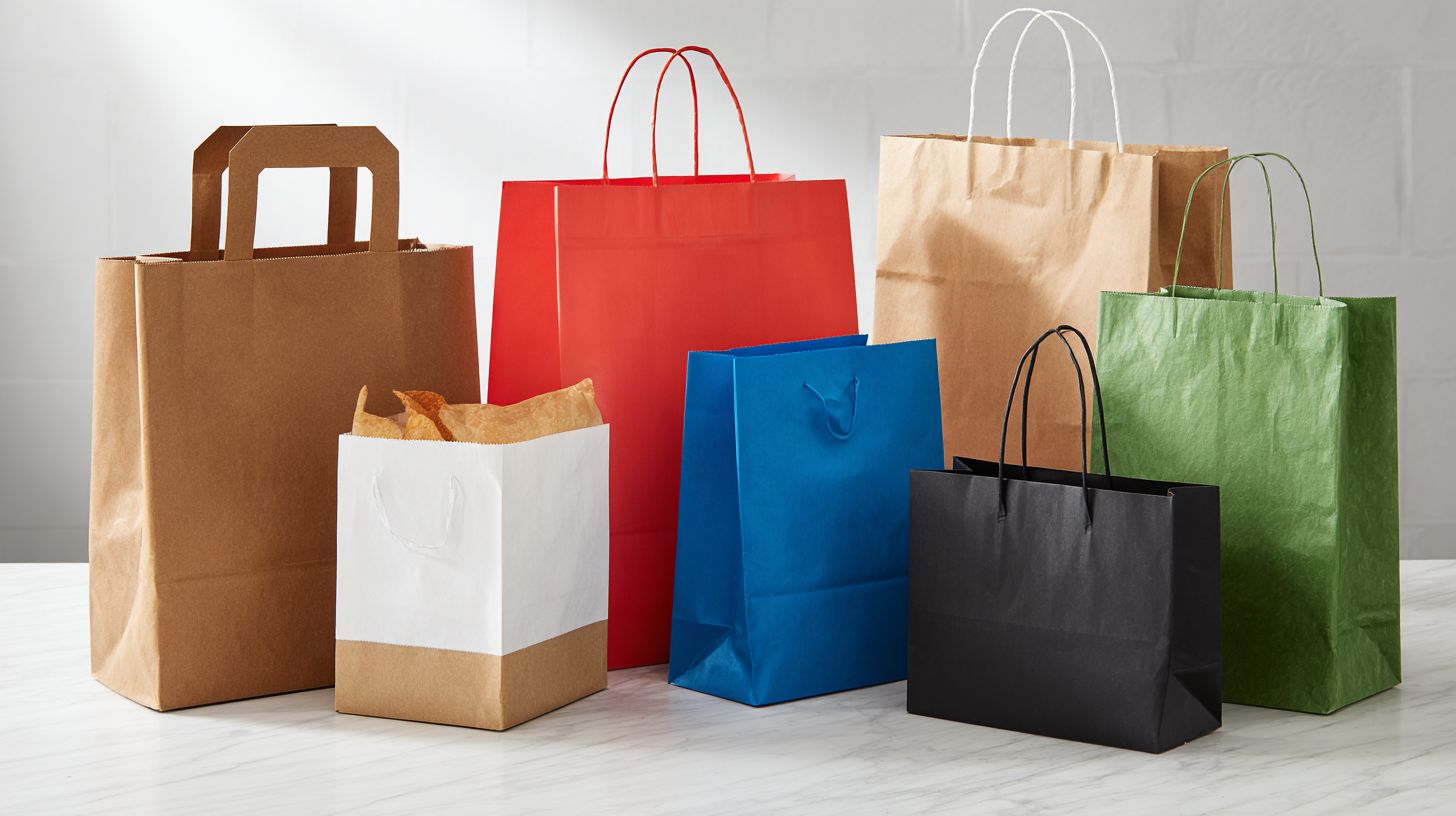
In managing a high-volume restaurant, ensuring that takeout orders remain fresh and free from spills is imperative.
Invest in premium packaging solutions, such as vented, microwave-safe containers from manufacturers like Dart or Sabert.
These containers facilitate steam escape, thereby preventing sogginess in fried foods-a benefit substantiated by a 2022 National Restaurant Association study, which found that 68% of customers are more likely to return when superior packaging is utilized.
Secure lids with tamper-evident seals, and for liquids, employ double-bagging with insulated carriers, such as those from Thermal Packaging Solutions, to preserve temperature during transportation.
Common errors to avoid:
- Selecting non-grease-resistant materials: This results in oil leakage and inconvenience to customers; instead, opt for poly-lined paperboard to effectively contain fats.
- Overlooking lid fit: This can lead to spills during transit, causing dissatisfaction among diners; test with stackable, snap-on designs to ensure reliability.
- Ignoring insulation for hot items: This results in cooled meals and customer complaints; utilize foam or corrugated inserts to retain heat for up to 30 minutes longer.
5. Bakery Bags
To initiate the enhancement of your bakery’s packaging, begin by evaluating bags specifically designed to preserve the aroma and freshness of freshly baked goods.
Question: What is the ideal GSM for pastries?
Answer: For delicate pastries such as croissants or clairs, kraft paper bags with a grammage of 60-80 GSM are recommended. This thickness strikes an optimal balance between durability and breathability, thereby preventing sogginess while facilitating the subtle release of aroma.
Bags exceeding 100 GSM are better suited for heavier loaves; however, they may retain moisture. It is advisable to conduct testing with a sample batch to verify that crispness is maintained for at least 24 hours.
Question: How do ventilation features improve presentation?
Answer: Micro-perforated bags, such as those provided by PackSavvy Solutions with 0.5 mm holes spaced 2 cm apart, are ideal. These perforations efficiently vent steam, preserving flaky crusts and enhancing visual appeal by allowing the golden hue of the baked goods to be prominently displayed.
According to a 2022 study by the Institute of Food Science and Technology (IFST), appropriate ventilation can extend shelf life by 30%, making it particularly advantageous for display cases. For superior freshness management, these bags should be paired with resealable liners.
6. Pharmacy Bags
In the pharmacy sector, the discretion and reliability of packaging play a pivotal role in fostering patient trust.
For instance, HealthRx Pharmacies, a mid-sized chain operating 50 locations throughout the Midwest, encountered HIPAA compliance issues with transparent plastic bags that inadvertently revealed sensitive medication labels.
In 2022, the chain transitioned to discreet and durable paper bags supplied by EcoPack Solutions. These bags, constructed from kraft paper with an opaque lining, reinforced handles, and custom branding for a professional appearance, were acquired at a cost of $0.15 per unit for bulk orders.
The implementation process included comprehensive staff training on appropriate sealing methods and seamless integration with the point-of-sale (POS) system via the supplier, which was completed within two weeks.
Ahead of this adoption, customer surveys indicated 25% dissatisfaction stemming from privacy concerns, as corroborated by a 2021 study published in the Journal of Pharmacy Practice examining the effects of packaging on patient perceptions.
Following the switch, feedback ratings improved to 92% positive, accompanied by a 12% rise in repeat customer visits, as documented through internal analytics.
This strategic change not only ensured regulatory adherence but also enhanced customer loyalty, demonstrating that straightforward material enhancements can deliver quantifiable improvements in trust.
7. Promotional Bags
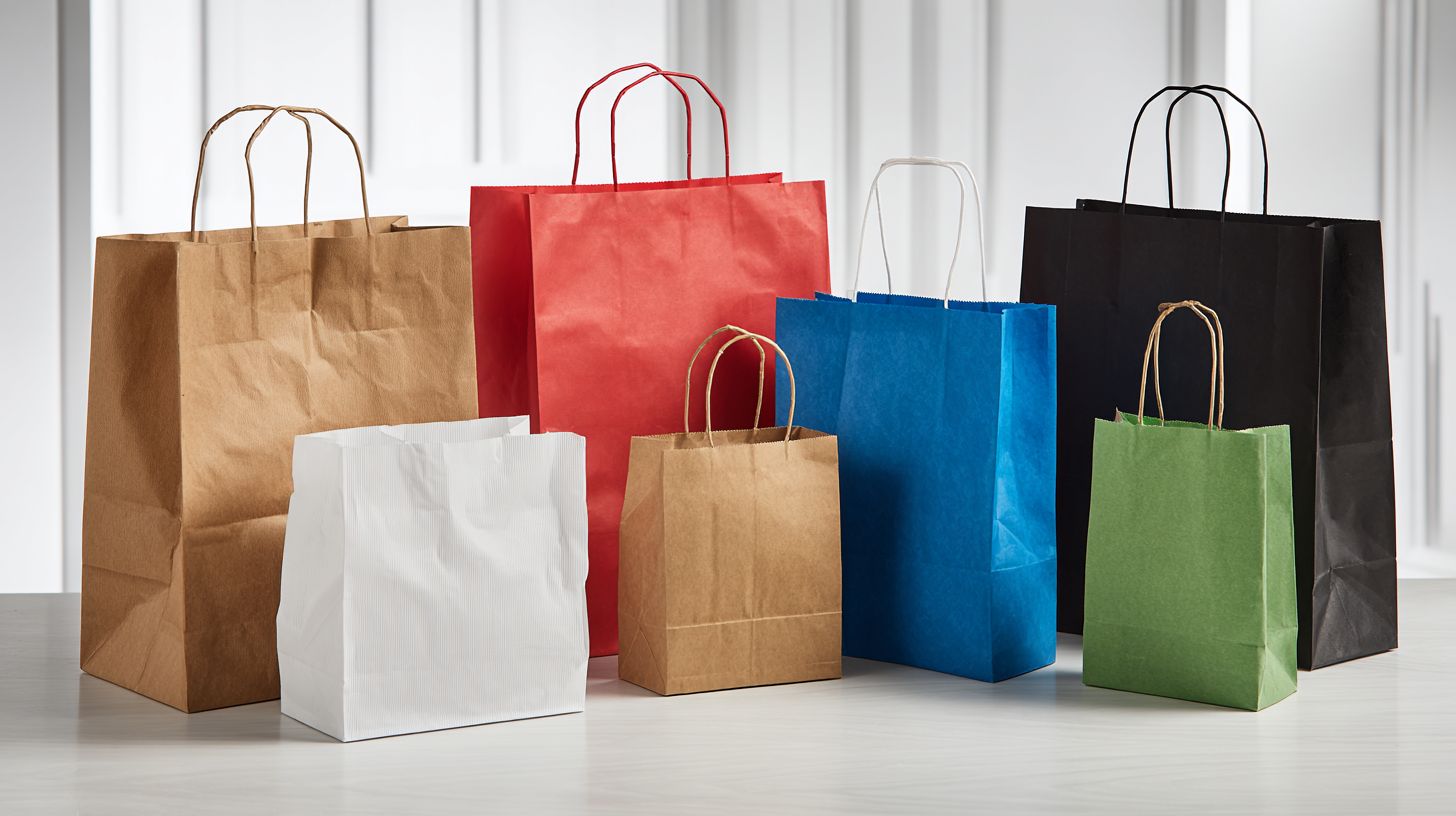
Envision distributing bags at trade shows that function as mobile advertisements for your brand.
To maximize their visual impact, select the most appropriate printing technique based on your production requirements. Digital printing is recommended for small runs of fewer than 500 units, delivering rapid turnaround times (typically 2-3 days) and customization options with CMYK or UV inks to produce sharp, fade-resistant designs on fabric totes.
For larger quantities exceeding 1,000 units, offset printing delivers superior color vibrancy through the use of lithographic plates, although it entails higher setup costs and a lead time of 1-2 weeks.
Integrate soy-based inks into both methods to enhance environmental compliance. These renewable, vegetable-derived inks emit up to 80% fewer volatile organic compounds (VOCs) than petroleum-based alternatives, according to EPA-aligned studies from the Soy Ink Coalition.
They provide excellent visibility on bags, biodegrade more rapidly, and appeal to environmentally conscious audiences without diminishing durability.
8. Custom Printed Bags
Maximize the potential of your business by utilizing customized bags that embody your distinctive brand identity.
Custom-printed bags enhance brand visibility and foster customer loyalty, with research from the Custom Packaging Institute indicating a 20% increase in sales attributable to branded merchandise. For small businesses, efficient turnaround strategies enable prompt implementation without undue delays.
Adhere to the following step-by-step checklist:
- Initial Design Sketches: Utilize free tools such as Canva or Adobe Spark to develop 2-3 mockups within one hour, incorporating your logo and brand colors.
- Select Printing Partner: Opt for on-demand services like Printful or Vistaprint, which offer 7-10 day turnaround times; upload designs directly through their platforms.
- Prototype and Review: Order 5-10 samples (total cost: $50-100) to evaluate quality; refine designs based on feedback as necessary.
- Bulk Production Run: Proceed to scale production to 100+ units upon approval, utilizing rush options for 3-5 day delivery. Total setup time: 1-2 weeks.
What are the environmental benefits of paper bags for businesses?
Businesses today encounter significant pressure to incorporate more sustainable practices, and the adoption of paper bags provides a practical and effective pathway to achieving this goal.
A widespread misconception asserts that printed paper bags are equally detrimental to the environment as plastic bags, primarily due to the energy consumed in their production. However, lifecycle assessments by the Environmental Protection Agency (EPA) disprove this notion, indicating that paper bags decompose 100 times faster and generate 70% fewer greenhouse gas emissions across their full lifecycle (EPA, 2019).
Unlike plastic bags, which endure for centuries and exacerbate landfill overcrowding, paper bags are recyclable up to seven times.
For successful implementation, businesses should procure FSC-certified paper bags from reliable suppliers, such as PackSavvy Solutions, to minimize the risks of deforestation.
Furthermore, staff training on optimal usage protocols can help reduce waste, while integrating in-store recycling bins enhances efficiency. These initiatives not only yield annual cost savings of 15-20% but also foster greater loyalty among environmentally aware customers.
Biodegradability and recyclability?
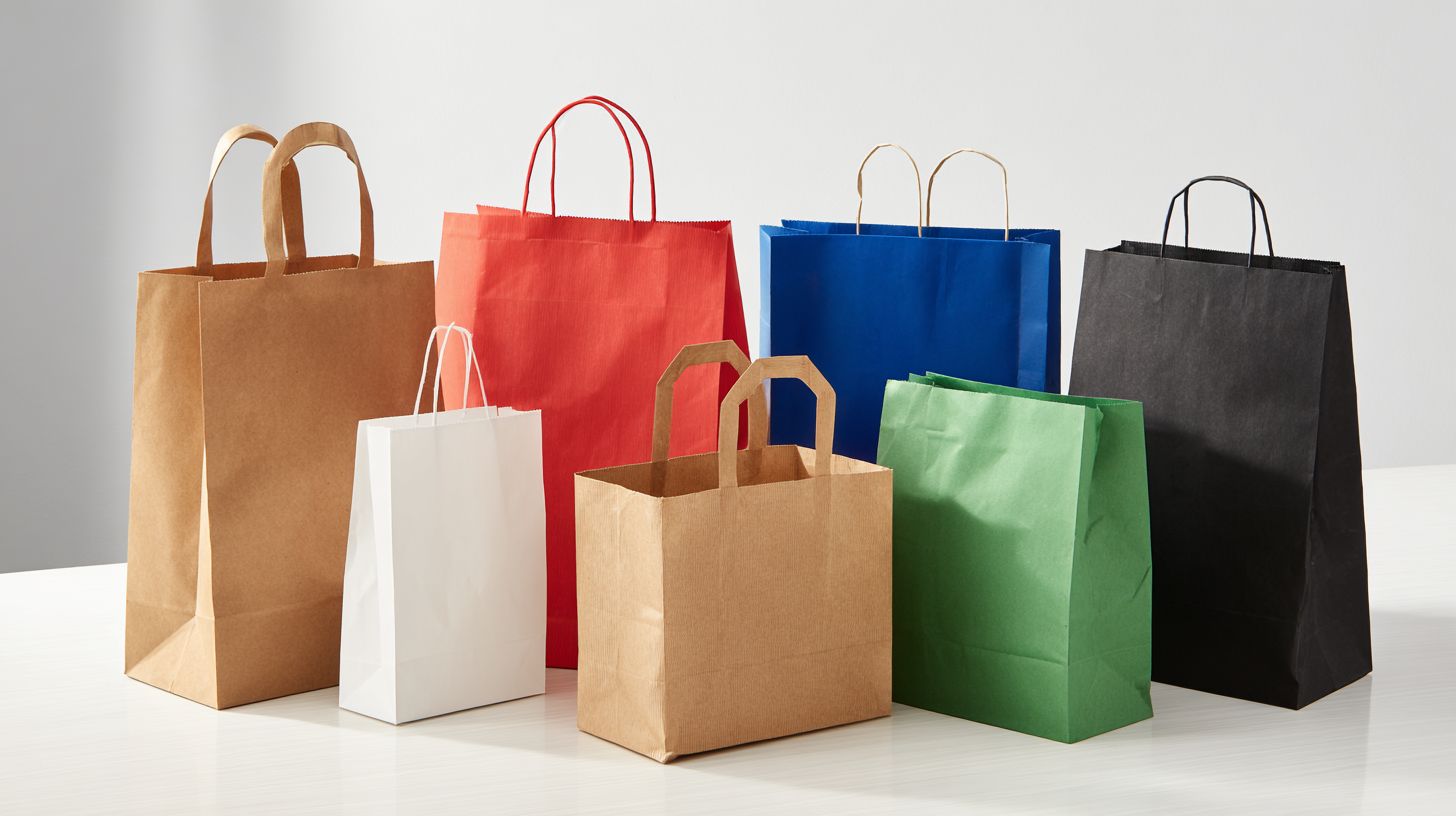
Unlike plastics, which persist for centuries, paper bags decompose naturally within months.
The biodegradation process occurs through several key stages.
- Initially, exposure to moisture softens the fibers, as evidenced by the bag absorbing water and darkening in appearance.
- Microbial colonization follows, during which enzymes break down the cellulose; this typically takes 2 to 6 months under optimal conditions, such as soil with 50-60% moisture content and temperatures ranging from 55-65 degreesF.
- For composting, shred the bags into 1- to 2-inch pieces and layer them in a bin with green materials (such as vegetable scraps) and brown materials (such as leaves) in a 1:2 ratio, turning the pile weekly to ensure aeration; this method accelerates decomposition to 4-8 weeks.
Research from the Ellen MacArthur Foundation demonstrates that such circular economy practices can reduce waste by 30%, while promoting reusable systems and mitigating landfill methane emissions through enhanced microbial activity in residential or industrial composting facilities.
Reduction in plastic waste?
Transitioning to paper-based alternatives can significantly reduce the volume of single-use plastics accumulating in landfills globally.
According to the World Wildlife Fund’s 2022 report, plastic pollution results in the death of over 1 million seabirds each year. Adopting paper alternatives can decrease this impact by up to 70% in retail packaging (wwf.org/plastic-pollution-report).
For organizations, an effective starting point is to conduct an audit of plastic usage through the U.S. Environmental Protection Agency’s WasteWise program (epa.gov/wastewise), which provides complimentary templates for monitoring and tracking reductions.
Useful resources include the following:
- Joule app (free): This application scans receipts to document plastic items and recommends suitable paper-based substitutions.
- Rubicon software (custom pricing): It tracks waste streams and demonstrates return on investment for paper transitions, such as the 20% cost savings observed in trial implementations.
- Zero Waste Scotland’s toolkit (zerowastescotland.org.uk): This resource offers certification guidelines to facilitate quantifiable progress.
To maintain these benefits, organizations should conduct audits on a quarterly basis.
How to select the best paper bag type for your business needs?
Selecting the appropriate paper bag requires careful consideration beyond mere aesthetics; it must align with your operational requirements.
Begin the selection process with this decision framework: Determine your primary application.
- For grocery retail, select heavy-duty kraft bags with a basis weight of 12-18 lb and twisted handles, capable of supporting loads of 20-50 lb, in compliance with USDA guidelines for produce handling.
- For food service, choose grease-resistant variants, such as polyethylene-coated paper bags from suppliers like Huhtamaki, in dimensions of 6x3x12 inches suitable for takeout purposes.
- For lightweight retail applications, opt for recycled solid bleached sulfate (SBS) bags designed for loads under 10 lb, which support branding through flexographic printing.
Subsequently, evaluate your volume requirements: For high-throughput operations, procuring in bulk from manufacturers such as International Paper can yield cost savings of 15-20%.
Emphasize sustainability by prioritizing Forest Stewardship Council (FSC)-certified bags, which ensure environmental compliance while maintaining structural integrity. This methodical approach optimizes selections for operational efficiency and regulatory adherence.
Assess load capacity and durability?
To select the appropriate paper bags for your needs, begin by calculating the typical daily weight they will carry. This assessment is crucial for determining the suitable paper grammage (GSM) to ensure durability.
For lightweight loads under 2 kg, such as retail apparel, 70 GSM kraft paper is recommended. This option is cost-effective, priced at $0.05-0.08 per bag, and aligns with eco-friendly standards outlined by the Paper Bag Institute.
For heavier items, such as groceries up to 10 kg, opt for 120 GSM paper, which provides 40% greater tear resistance according to ASTM D1922 standards. This enhanced strength helps prevent bag failures in high-volume operations.
Key considerations include the following:
- For 70 GSM: Advantages include its lightweight nature and recyclability; disadvantages encompass reduced robustness in wet conditions.
- For 120 GSM: Advantages feature superior strength, making it ideal for sectors like food service; disadvantages include a higher cost of $0.10-0.15 per bag.
To verify performance and ensure compliance, conduct testing in accordance with ISO 9895 burst strength protocols.
Consider branding and customization options?
The narrative of your brand merits prominence in every aspect of its packaging design.
To achieve this, consider integrating twisted handles crafted from recycled paper. These elements provide a tactile and environmentally conscious feature, akin to the approach employed by sustainability-focused brands such as Allbirds to underscore their commitment to eco-friendliness.
For enhanced visual distinction, select custom colors that align with your brand’s aesthetic palette-for instance, earthy greens for organic product lines, as exemplified in Grove Collaborative’s reusable totes.
Such design choices can elevate the unboxing experience and improve brand recall by up to 30%, according to a 2022 study published in Packaging Digest.
To facilitate customization, reputable vendors such as Packhelp (with pricing starting at $0.50 per unit for orders of 500 or more) or Noissue (offering biodegradable options from $1 per unit) are recommended.
It is advisable to test prototypes at an early stage to ensure alignment with your brand’s core narrative, thereby guaranteeing that each carrier authentically embodies your organizational values.
Frequently Asked Questions (FAQs)
1. What type of paper bag is best for retail businesses?
Retail businesses in the USA commonly prefer kraft paper bags with handles due to their durability, eco-friendly appeal, and ability to carry medium to heavy products while enhancing brand presentation.
2. Are paper bags strong enough for heavy items?
Yes, high-quality paper bags such as multi-layer kraft bags or laminated paper bags are designed to handle heavier items. At Aplasticbag.com, we offer reinforced options with sturdy handles for added strength.
3. Can I customize paper bags with my logo?
Absolutely. Custom printed paper bags allow you to showcase your brand logo, colors, and messaging. This helps improve brand recognition and creates a professional customer experience.
4. Are paper bags eco-friendly compared to plastic bags?
Paper bags are widely considered more eco-friendly because they are biodegradable, recyclable, and made from renewable resources, making them a popular choice for environmentally conscious businesses in the USA.
5. What industries benefit most from custom paper bags?
Industries such as retail, food & beverage, boutiques, grocery stores, and eCommerce brands benefit significantly from using customized paper bags for packaging and branding.
6. What sizes of paper bags are available?
Paper bags come in a wide range of sizes, from small takeaway bags to large shopping bags. At Aplasticbag.com, you can order custom sizes based on your product requirements.
7. How long does it take to receive bulk orders in the USA?
Production and delivery times vary depending on customization and quantity, but Aplasticbag.com ensures fast turnaround and reliable nationwide shipping across the USA.
8. Are custom paper bags cost-effective for bulk orders?
Yes, ordering in bulk significantly reduces per-unit cost. Businesses can save more while maintaining consistent branding with wholesale custom paper bags.
9. Can paper bags be used for food packaging?
Yes, food-grade paper bags are safe for packaging items like bakery goods, takeout meals, and groceries. Grease-resistant options are also available.
10. Why should I choose Aplasticbag.com for paper bags?
Aplasticbag.com offers premium quality, full customization, eco-friendly materials, competitive bulk pricing, and dependable delivery across the USA—making it a trusted packaging partner for businesses.
Upgrade your packaging with premium paper bags designed to impress your customers and strengthen your brand identity. At Aplasticbag.com, we deliver high-quality, customizable solutions trusted by businesses across the USA. Enjoy competitive pricing, fast turnaround, and reliable bulk supply.
Why Choose Aplasticbag? Superior print quality, eco-conscious materials, bulk order savings, and dependable nationwide delivery.
Order Now and give your packaging the professional edge it deserves.

 Custom Plastic Shopping Bags vs Paper Packaging: Cost, Branding & Convenience
  Paper Bags: The Go-To Choice for Eco-Friendly Packaging
 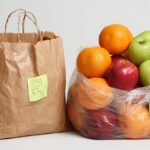 Are Paper Bags More Expensive Than Plastic Alternatives?
Comments