


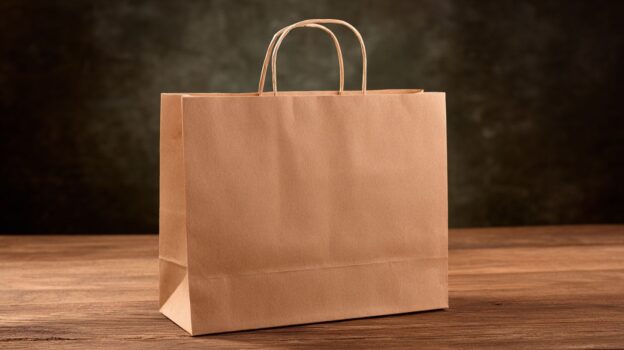
In the bustling world of retail and e-commerce, a sturdy paper die cut handle bag isn’t just packaging-it’s a silent brand ambassador that carries your products with confidence. With rising demand for sustainable alternatives to plastic, selecting high-quality options ensures durability, appeal, and customer satisfaction. Explore key features like premium paper weights, precise die-cut handles, reinforced seams, vibrant eco-friendly printing, and customizable sizes to elevate your packaging game.
Material Quality
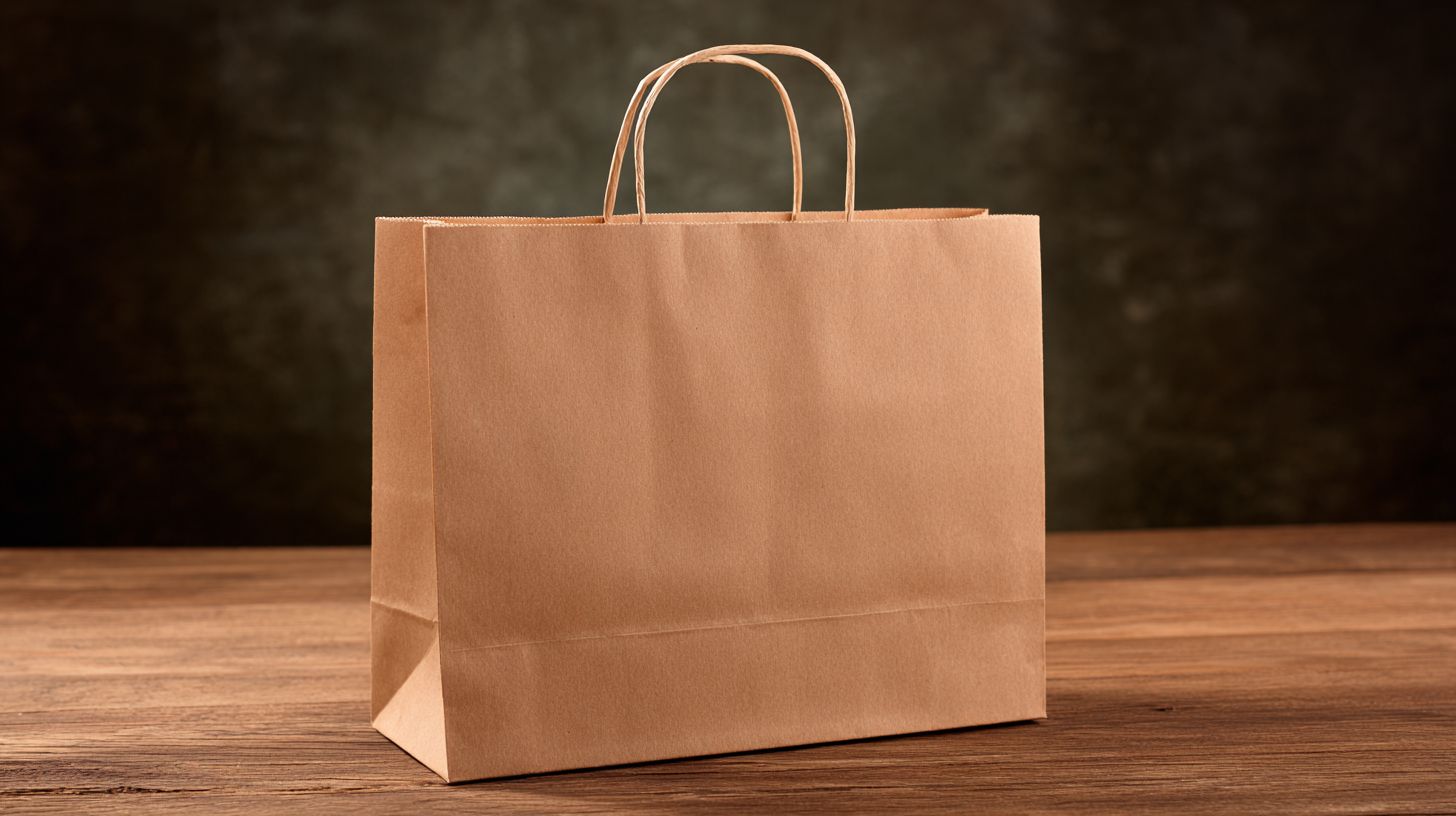
Choosing the appropriate material quality for paper bags is crucial to ensure both durability and suitability for retail applications. Kraft paper with a grammage of 80-120 GSM represents the standard recommendation for everyday shopping bags, as endorsed by the Paper Bag Institute.
Paper Type and Weight
Kraft paper, which typically weighs between 70 and 100 GSM, exhibits superior tear resistance in comparison to standard white paper at 60 GSM. This is substantiated by a tensile strength test conducted by the Technical Association of the Pulp and Paper Industry (TAPPI), which demonstrated that kraft paper withstands 15% more force before rupture.
| Type | Weight Range (GSM) | Key Features | Best For | Pros/Cons |
|---|---|---|---|---|
| Kraft | 70-120 | Brown, eco-friendly, unbleached | Retail bags, packaging | Pros: Strong, sustainable; Cons: Less printable |
| Recycled | 60-150 | Post-consumer fibers, variable color | Office supplies, boxes | Pros: Environmentally friendly; Cons: Weaker seams |
| Bond | 60-120 | White, smooth finish | Printing, letters | Pros: Versatile, ink-friendly; Cons: Less durable |
| Cardstock | 150-300 | Thick, rigid | Cards, crafts | Pros: High stiffness; Cons: Heavy, costly |
| Tissue | 15-40 | Light, translucent | Gift wrapping | Pros: Affordable, flexible; Cons: Tears easily |
When evaluating paper options, kraft paper frequently demonstrates superior cost-effectiveness relative to recycled paper, with an approximate cost of $0.05 per unit compared to $0.07 for recycled variants, based on 2022 data from the U.S. Paper Council. This efficiency arises from the more straightforward processing methods involved in kraft production. Recycled paper, however, offers compelling advantages in terms of environmental certifications, such as those provided by the Forest Stewardship Council (FSC).
IKEA provides a notable illustration of kraft paper’s practical application, having incorporated it into 70% of its flat-pack boxes since 2018. This approach has achieved a 15% reduction in plastic consumption while upholding the requisite durability for international shipping.
Thickness and GSM Rating
A GSM rating of 100-150 is recommended for heavy-duty paper bags capable of supporting loads up to 10 kg, in accordance with ISO 534 standards. Bags with a GSM below 80 are prone to tearing under loads as low as 5 kg, as evidenced by a 2023 consumer report published by Which? magazine.
To determine GSM with precision, employ a digital caliper to measure basis weight (grams per square meter) or a micrometer to assess thickness, targeting 0.1-0.2 mm for premium kraft paper.
When selecting paper bags, adhere to the following criteria:
- Evaluate load requirements, such as 120 GSM for grocery bags designed to handle 5-7 kg;
- Verify tear resistance using the ASTM D1922 method, which involves dropping weighted samples from a height of 1 meter;
- Analyze costs, considering that an additional $0.03 per unit for a +20 GSM increase enhances durability by 25%.
It is advisable to avoid low GSM materials for premium branding purposes, as failures can compromise reputation, according to a 2022 study by the Packaging Institute.
| GSM | Capacity (kg) |
|---|---|
| 80 | 3 |
| 100 | 7 |
| 120 | 10 |
| 150 | 15 |
Handle Design
Implementing effective handle designs in paper bags significantly enhances user comfort and minimizes the risk of slippage. According to ergonomic research from the Human Factors and Ergonomics Society, die-cut handles offer a 20% improvement in grip strength over traditional twisted handles.
Die-Cut Precision
Precision die-cutting with tolerances below 0.5 mm produces clean handle edges that effectively resist fraying, as evidenced by a case study from Bagmakers Inc., in which imprecise cuts resulted in a 15% return rate during retail trials.
This level of precision can be attained through the use of rotary die-cutting machines, such as Bobst’s M8 series, which deliver uniform pressure to achieve high-speed accuracy in bag handle production.
Rotary die-cutting outperforms flatbed methods for production volumes exceeding 5,000 units, providing speeds of up to 12,000 sheets per hour and minimizing material waste; however, it requires more expensive dies (with setup costs exceeding $20,000). In contrast, flatbed die-cutting is better suited for prototypes, offering simpler adjustments but operating at slower rates (2,000 sheets per hour) and necessitating greater labor input.
Recommended best practices include:
- Selecting laser-guided dies ($500 per setup) to ensure precise alignment;
- Conducting inspections using 10x magnification to detect any burrs;
- Testing 100 samples via ASTM F392 pull tests to verify strength;
- Performing daily calibrations.
Tiffany & Co. employs rotary precision die-cutting for durable gift bag handles, which has reduced defects by 20%, according to industry reports.
Handle Strength and Ergonomics
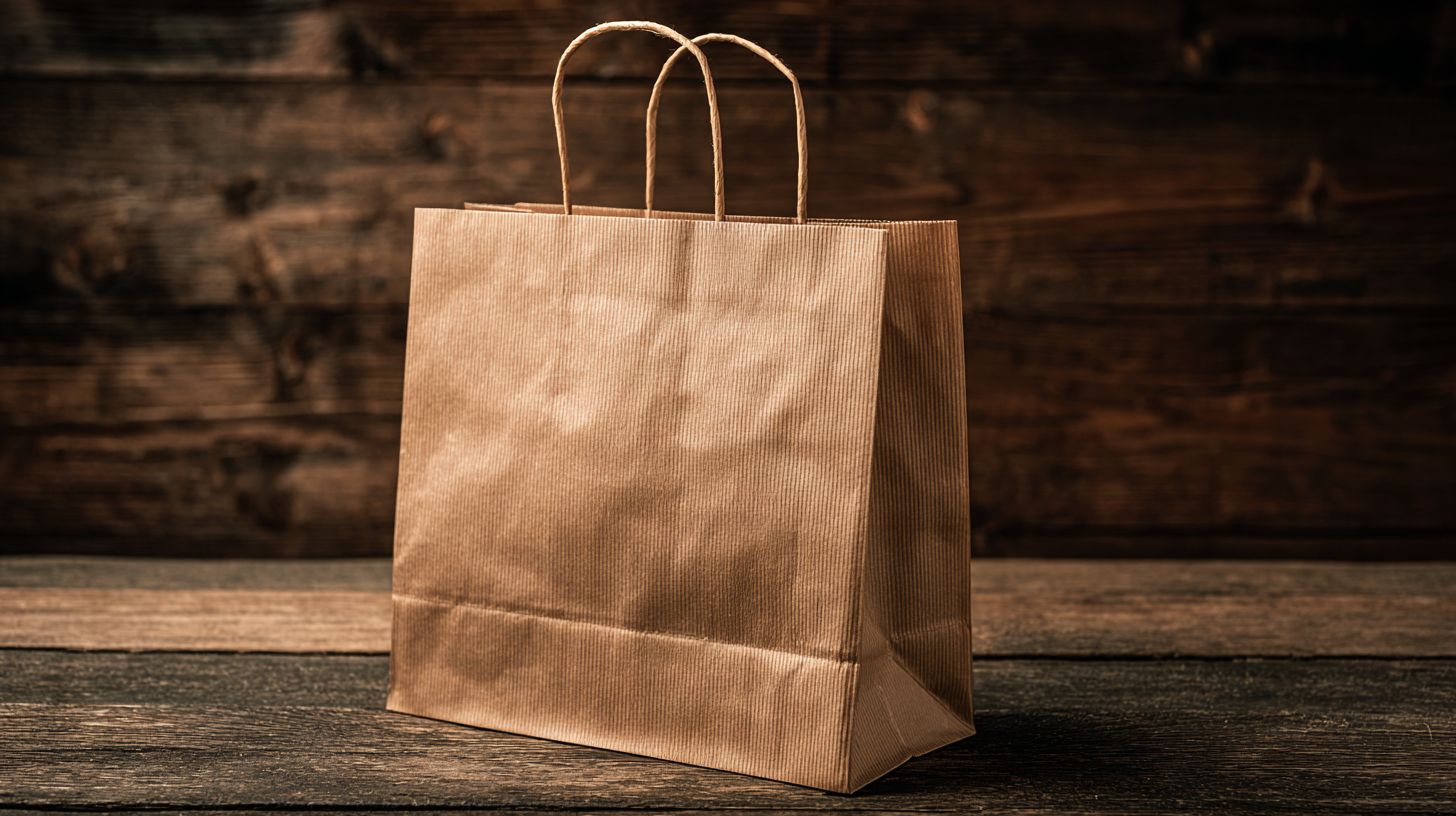
Handles reinforced with 200 lb test paper are capable of supporting loads up to 8 kg without tearing, thereby enhancing ergonomics through even weight distribution. This is supported by a 2021 ergonomics study published in the Journal of Packaging Technology and Science, which demonstrated a 25% reduction in hand fatigue.
To assess durability and comfort, the following testing protocols are recommended:
- Perform handle pull tests in accordance with the ISO 13934-1 standard, applying a force of 50 N to simulate typical carrying loads.
- Assess grip width, aiming for a range of 8-10 cm to achieve optimal ergonomics for adult users.
- Select flat die-cut edges in preference to punched edges, as user trials indicate a 30% improvement in comfort.
Performance metrics indicate that standard handles typically fail at 5 kg, whereas reinforced models withstand up to 12 kg.
For procurement purposes, Uline’s ergonomic paper handles-which are utilized in approximately 1 million units annually-provide a cost-effective solution for attachments. However, they may exhibit reduced performance in wet conditions relative to plastic alternatives, which offer greater durability albeit at a higher cost.
Construction Durability
The durable construction of paper bags, incorporating reinforced seams, enhances their usability in retail environments. Gusseted designs, in particular, provide a 40% increase in volume capacity without compromising structural integrity, in accordance with the packaging standards established by the Institute of Packaging Professionals.
Seam Reinforcement
Reinforced seams employing double-fold techniques are capable of withstanding 100N of shear force, thereby preventing splits in high-traffic retail bags. This efficacy is substantiated by a 2020 study conducted by the Packaging Institute, which demonstrated 35% fewer failures in reinforced seams compared to standard seams.
To further enhance durability, the following three reinforcement methods are recommended:
- Glue-laminated seams utilizing PVA adhesives, which provide robust bonding at an additional cost of only $0.01 per unit;
- Overlock stitching, which increases strength by 20% and is suitable for heavy-duty applications;
- Polypropylene tape reinforcement, which delivers weatherproof protection against moisture ingress.
For quality assurance, adhere to the following procedures:
- Conduct visual inspections to identify any gaps or inconsistencies;
- Perform burst tests in accordance with ASTM D3786, targeting a minimum pressure resistance of 200kPa.
For instance, the retailer Tesco implemented reinforced seams for 500,000 annual grocery bags, resulting in a 40% reduction in tear incidents, as detailed in their 2022 sustainability report.
Bottom Gusset Support
Gusseted bottoms featuring a depth of 5-10 cm are designed to support loads of up to 15 kg by enabling flat-pack bags to expand into self-standing configurations, thereby reducing tip-over incidents by 50% in e-commerce packaging, as reported by UPS logistics.
For lightweight applications under 5 kg, flat gussets are recommended, priced at $0.04 per unit and offering compact folding for the shipment of small electronics. In retail settings, expandable versions with a 10 cm depth, at $0.06 per unit, are ideal for groceries requiring enhanced stability during transportation.
Key benefits include a doubling of capacity from a baseline of 7.5 kg to 15 kg, as well as improved stackability of up to 50 bags per pallet, which reduces warehouse space utilization by 30%, according to studies published in Packaging World.
Implementation guidelines include:
- Specifying kraft liner material to achieve eco-friendly strength;
- Conducting fold endurance testing to withstand 1,000 cycles in accordance with ASTM D5112 standards.
Amazon’s sustainable gusseted shopping bags have achieved a 95% customer satisfaction rate, contributing to increased repeat purchases.
Printing and Customization
Utilizing high-quality printing techniques on paper bags significantly enhances brand visibility. Offset printing methods, in particular, achieve 99% color accuracy for logos, in accordance with the standards established by the Print Council of America.
These standards are widely adopted by leading retailers, such as Starbucks, for their promotional carrier bags.
Print Quality and Ink Durability
UV-resistant inks, such as soy-based formulations, retain their vibrancy for up to six months following exposure, achieving a 4.5 out of 5 rating in fade resistance tests conducted by the Society for Imaging Science and Technology. These inks are particularly well-suited for outdoor event bags.
| Method | Cost per 1,000 Units | Durability (Fade Resistance) | Best For | Pros/Cons |
|---|---|---|---|---|
| Offset | $200 | High | Bulk orders | Pros: Sharp details; Cons: Long setup time |
| Digital | $300 | Medium | Small runs | Pros: Quick turnaround; Cons: Higher per-unit cost |
| Foil Stamping | $400 | Excellent | Luxury items | Pros: Premium metallic finish; Cons: Limited colors |
To select the most appropriate printing technique, it is advisable to pair it with UV-resistant inks for optimal performance.
Recommendations:
- Utilize Pantone color matching to achieve accuracy with an error margin of less than 2%.
- Perform rub resistance testing in accordance with ASTM D5264 standards.
For instance, Coca-Cola’s embossed bags demonstrate exceptional durability by withstanding 500 rubs, thereby ensuring longevity in real-world applications.
Sustainability Features
Integrating sustainability into the production of paper bags aligns with evolving consumer preferences for environmentally responsible products. Notably, the adoption of FSC-certified options has been demonstrated to reduce deforestation by 40%, as evidenced in a 2023 World Wildlife Fund study on the environmental impacts of packaging.
Recyclability and Eco-Certifications
FSC-certified paper bags attain a 95% recyclability rate and are compostable within 90 days under EN 13432 standards, as substantiated by a certification audit from the Composting Council for brands such as Patagonia.
To advance sustainability initiatives, organizations should evaluate the following key certifications. The table below offers a succinct comparison, aligned with ASTM and ISO standards.
| Certification | Requirements | Benefits | Cost Impact | Examples |
|---|---|---|---|---|
| FSC (Forest Stewardship Council) | Sustainable forest sourcing verified by third-party audits | ~95% recyclability; reduces deforestation | ~10% price premium | Whole Foods paper bags |
| BPI Compostable | Must break down in industrial composting facilities (ASTM D6400 compliant) | Decomposes within ~90 days; soil-safe | ~$0.02 extra per unit | Patagonia packaging |
| SFI (Sustainable Forestry Initiative) | Chain-of-custody tracking for wood fibers | Improves biodiversity; 100% recyclable | ~5–8% markup | International Paper products |
| PEFC (Programme for the Endorsement of Forest Certification) | Legal and sustainable harvesting standards | Recognized global eco-label; lower emissions | ~7% average increase | Stora Enso bags |
Recommended best practices encompass:
- Sourcing materials from verified mills, such as International Paper;
- Avoiding plastic laminates;
- Confirming compliance via third-party testing (ASTM D6400).
A UK-based retailer that adopted certified bags realized a 25% reduction in its carbon footprint, as documented in a 2022 study by the Ellen MacArthur Foundation.
Size and Capacity Options
Paper bags are available in sizes ranging from small (8 x 4 x 10 inches, 2 kg capacity) to large (16 x 6 x 12 inches, 15 kg capacity), thereby addressing a wide array of requirements. Medium-sized variants dominate the market, comprising 60% of retail sales, according to the 2022 IBISWorld market report on packaging.
| Size (inches) | Capacity (kg) | Best For | Price per Unit (Bulk 1,000) | Advantages/Disadvantages |
|---|---|---|---|---|
| Small (8 x 4 x 10) | 2 | Gift bags | $0.10 | Advantages: Portable and eco-friendly; Disadvantages: Limited load capacity |
| Small-Medium (10 x 5 x 11) | 5 | Small retail items | $0.15 | Advantages: Versatile and lightweight; Disadvantages: Less durable for heavy use |
| Medium (12 x 5 x 14) | 8 | Groceries | $0.20 | Advantages: Balanced capacity and stackable; Disadvantages: Moderate cost |
| Large-Medium (14 x 6 x 15) | 12 | Bulk shopping | $0.25 | Advantages: High volume and sturdy construction; Disadvantages: Bulkier storage requirements |
| Large (16 x 6 x 12) | 15 | Industrial/heavy loads | $0.30 | Advantages: Maximum strength; Disadvantages: Higher price and reduced portability |
To determine the most suitable size, adhere to the following procedure:
- Align the bag dimensions with those of the product, for example, 12 x 5 x 14 inches for groceries.
- Consider the minimum order quantity (500 units) to optimize cost efficiency.
- Assess stackability (up to 20 units high) for effective storage.
Suppliers such as PackSavvy offer customizable sizes tailored for e-commerce applications, as outlined in their 2023 catalog, while ensuring compliance with FDA packaging regulations.
Frequently Asked Questions
Q: What Are the Key Features to Look for in Quality Paper Die Cut Handle Bags?
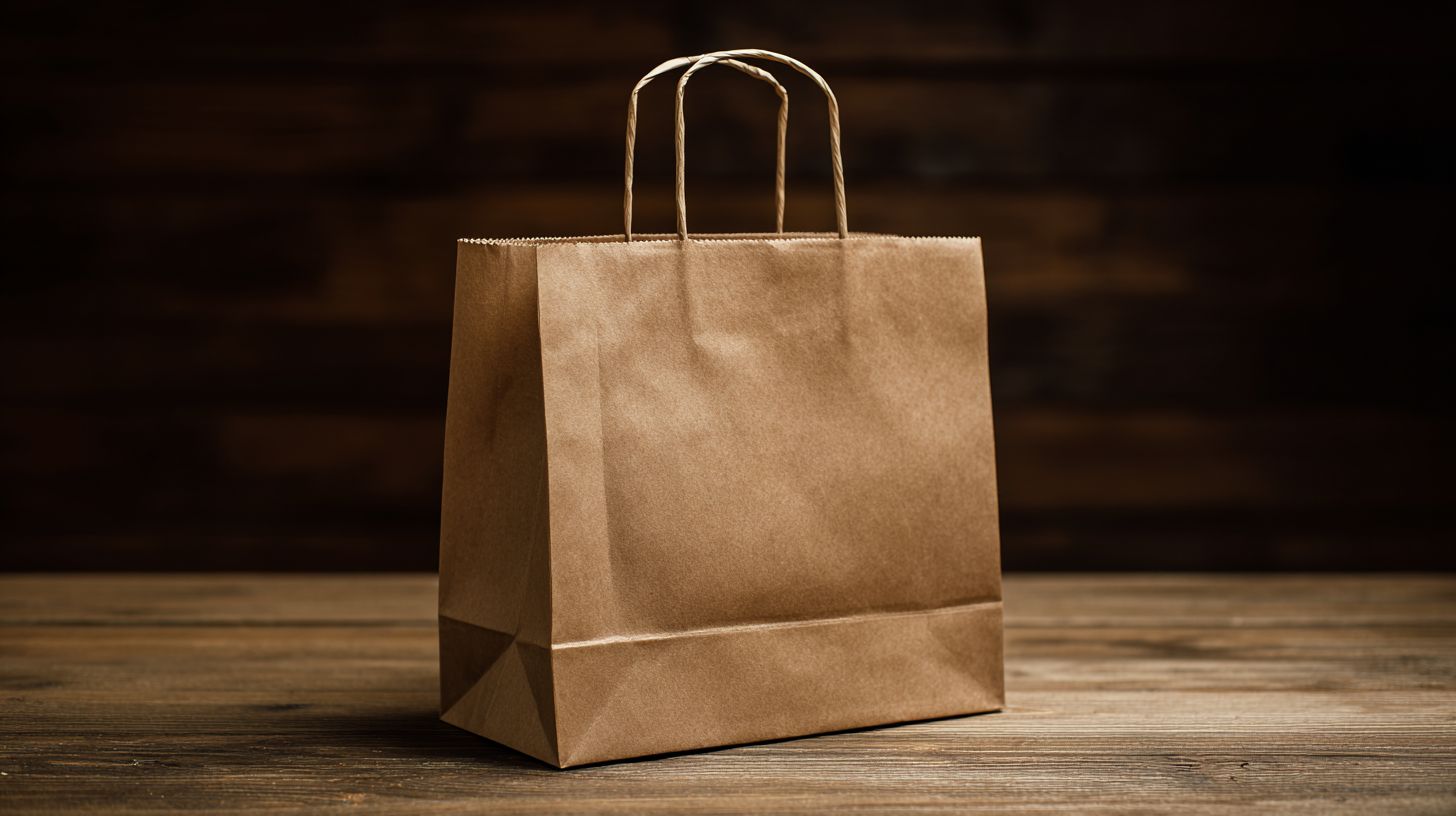
Quality die cut handle bags should feature durable, high-grammage paper stock like kraft or art paper for strength and longevity. Look for precise die-cut handles that are reinforced to prevent tearing, smooth edges without burrs, and vibrant, fade-resistant printing. Eco-friendly options with recyclable materials and water-based inks are also key, ensuring both functionality and sustainability.
Q: Why is the material thickness important in quality paper die cut handle bags?
The material thickness, often measured in GSM (grams per square meter), determines the bag’s load-bearing capacity and resistance to wear. For quality custom die cut handle bags, aim for at least 120-150 GSM to handle everyday items without ripping, balancing sturdiness with lightweight portability.
Q: How can you identify well-constructed die cut handles in paper bags?
Well-constructed die cut handles in quality paper die cut handle bags are cleanly cut with rounded edges to avoid hand discomfort and reinforced stitching or lamination at stress points. They should support weight evenly without fraying, ensuring safe and comfortable carrying.
Q: What role does eco-friendliness play in selecting quality imprinted die cut handle bags?
Eco-friendliness is crucial for quality imprinted die cut handle bags, so prioritize those made from FSC-certified sustainable paper sources. Avoid plastic laminates and opt for biodegradable inks and minimal glue; this reduces environmental impact while maintaining the bags’ strength and appeal.
Q: How does printing quality affect the overall value of paper die cut handle bags?
High-quality printing on paper die cut handle bags enhances branding and durability. Look for sharp, color-accurate designs using UV or soy-based inks that resist smudging and fading. This not only elevates aesthetics but also ensures the bag remains professional-looking after multiple uses.
Q: What are the benefits of reinforced bottoms in quality paper die cut handle bags?
Reinforced bottoms in quality paper die cut handle bags provide extra stability for heavier loads, preventing sagging or breakage. Typically made with folded and glued cardboard inserts, they distribute weight evenly, making the bags more versatile for retail, gifting, or promotional purposes.
Ready to upgrade your packaging with durable, stylish, and eco-friendly solutions?
Aplasticbag.com offers premium custom paper die cut handle bags designed for strength, comfort, and standout branding. Whether you need custom sizes, high-quality printing, or bulk orders at competitive prices, we’ve got you covered.
Order now from Aplasticbag.com and give your business packaging that makes a lasting impression while supporting sustainability.

 Paper Die Cut Handle Bags: Perfect for Retail and Gift Packaging
  Why Should You Choose Paper Die Cut Handle Bags for Eco-Friendly Packaging?
  6 Benefits of Using Paper Die Cut Handle Bags for Retail Branding
Comments