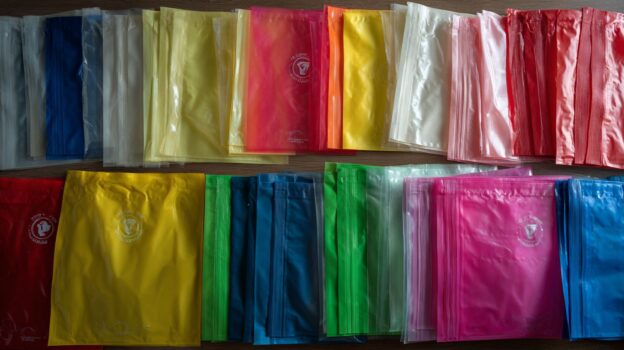
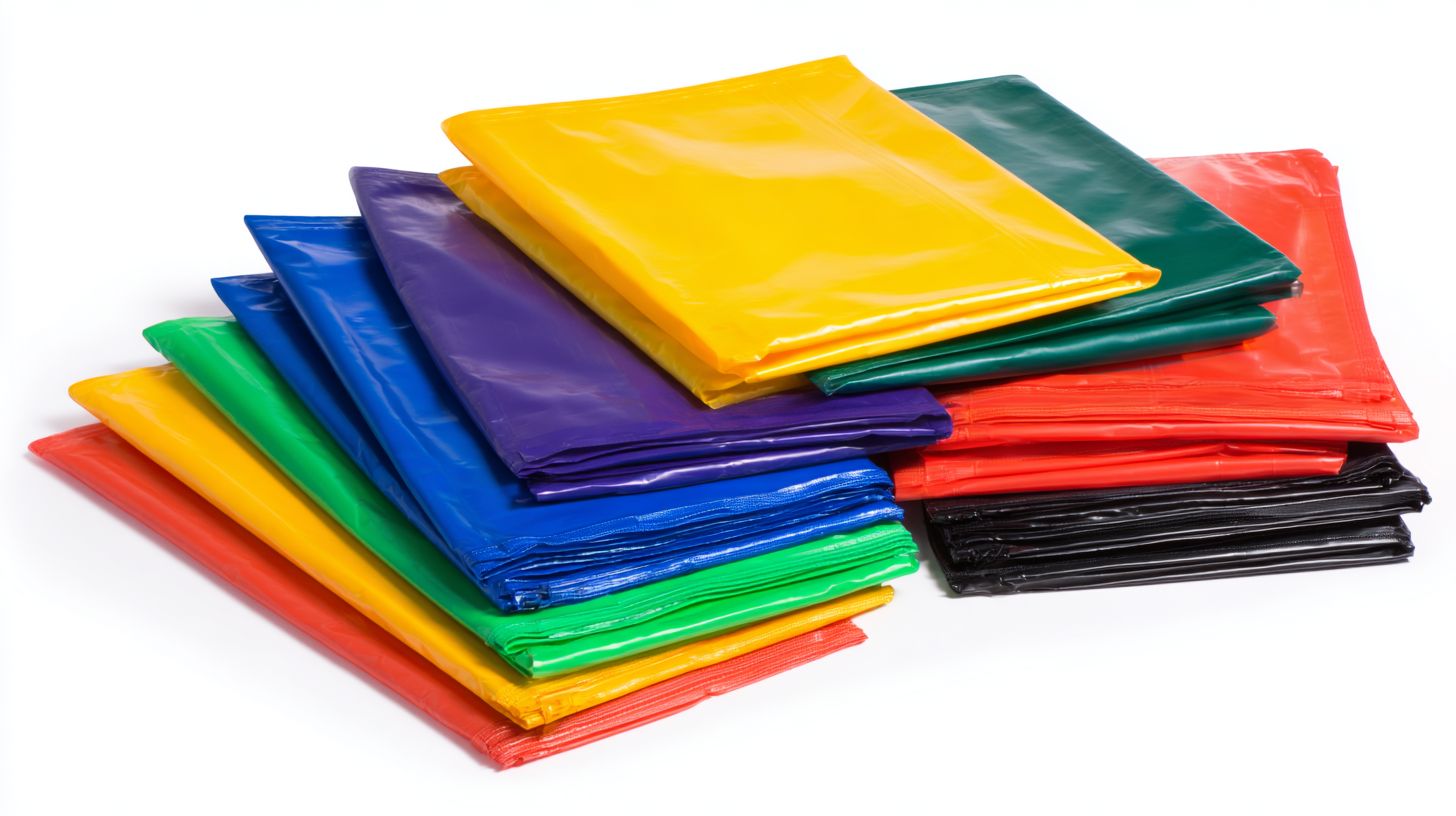
In the competitive world of packaging, flat poly bags offer unmatched versatility for protecting and presenting products-from retail goods to industrial supplies. Yet, unlocking their full potential lies in smart customizations that boost branding, durability, and efficiency. Discover top options in materials, sizes, colors, printing techniques, functional add-ons, and sustainable choices to elevate your packaging game.
Material and Thickness Options
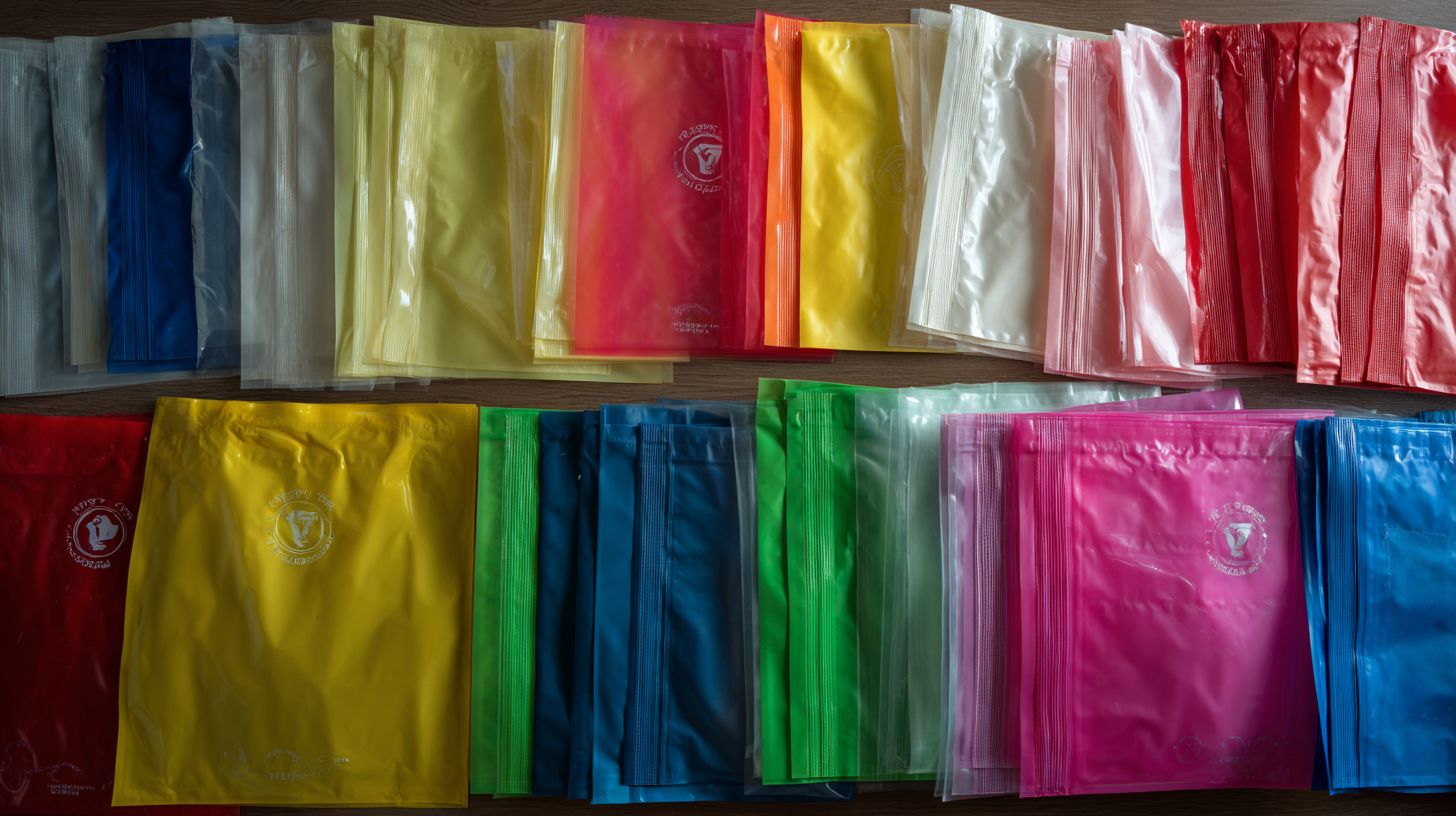
To achieve optimal protection, it is essential to select the appropriate material and thickness for flat poly bags. Low-Density Polyethylene (LDPE) provides flexibility at thicknesses of 1-2 mil, while High-Density Polyethylene (HDPE) offers enhanced rigidity up to 6 mil, in accordance with recommendations from the Plastics Industry Association.
Polyethylene Variants
Low-Density Polyethylene (LDPE) is particularly suitable for lightweight and flexible flat poly bags utilized in retail environments, whereas High-Density Polyethylene (HDPE) is well-suited for heavy-duty industrial applications. According to a 2022 study by the Freedonia Group, LDPE constitutes 60% of the market share.
To determine the most appropriate variant, it is essential to evaluate factors such as density, flexibility, and the specific requirements of the application. LDPE, with a density of 0.92 g/cm, performs exceptionally well in food-safe bags capable of supporting 5-10 pounds for e-commerce purposes, offering straightforward sealing capabilities while demonstrating comparatively lower tear resistance.
HDPE, possessing a density range of 0.94-0.97 g/cm, provides superior puncture resistance for shipping applications; however, it exhibits brittleness under cold conditions.
Linear Low-Density Polyethylene (LLDPE), a variant of LDPE, is particularly effective for stretch films due to its enhanced elasticity.
| Variant | Density (g/cm³) | Best Use | Pros | Cons |
|---|---|---|---|---|
| LDPE | 0.92 | Retail bags | Flexible, seals easily | Lower tear resistance |
| HDPE | 0.94–0.97 | Industrial shipping | High puncture resistance | Brittle in cold |
| LLDPE | 0.91–0.94 | Stretch films | High elasticity | Higher cost |
Selection of the material should align with the intended use case: LDPE for lightweight retail applications and HDPE for enhanced durability, in accordance with ASTM D4976 standards.
Gauge Thickness Choices
Gauge thickness, measured in mils (thousandths of an inch), varies from 1 mil for thin protective covers to 6 mils for robust shipping bags. This parameter directly influences load capacity, which can extend up to 50 pounds in accordance with ISO 527 testing standards.
The appropriate gauge selection is determined by the weight and fragility of the cargo. For lightweight garments, 1-2 mil bags, priced at $0.03 each, provide minimal protection with a tensile strength of approximately 1,500 psi.
Medium-duty 3-4 mil bags are suitable for books, costing $0.05 per bag and offering a tensile strength of 2,500 psi. Heavy-duty 5-6 mil bags, priced at $0.08 per bag with a tensile strength of 3,500 psi, are capable of accommodating tools up to 50 pounds.
| Thickness | Cost per 1,000 | Applications | Strength (tensile in psi) |
|---|---|---|---|
| 1–2 mil | $30 | Garments, light fabrics | 1,500 |
| 3–4 mil | $50 | Books, documents | 2,500 |
| 5–6 mil | $80 | Tools, hardware | 3,500 |
Excessive thickness should be avoided to prevent cost increases of 20-30%; testing pursuant to ISO 527 is recommended to ascertain precise load requirements.
Size and Shape Customizations
The customization of size and shape for flat poly bags enables a precise fit for various products, ranging from standard 6×9 inch dimensions for mailers to bespoke 24×36 inch sizes for banners. This approach can reduce material waste by up to 25%, as reported by Packaging World magazine.
Standard vs. Custom Dimensions
Standard flat poly bags in common sizes, such as 4×6 inches for small components, are available at a cost of $20 per 1,000 units from suppliers like Uline. In contrast, custom options beginning at 12×18 inches incur an additional 15-20% premium on pricing, yet provide precise dimensions tailored to e-commerce products.
For a comprehensive side-by-side comparison, evaluate standard and custom poly bags according to essential criteria. Standard bags are ideal for retail applications due to their expedited production timelines, whereas custom bags are preferable for branded promotional items that demand exact specifications.
| Attribute | Standard | Custom |
|---|---|---|
| Sizes | Pre-cut: 2×3 to 18×24 inches | Tailored via CAD software like Adobe Illustrator |
| MOQ | 500 units | 5,000 units |
| Lead Time | 1 week | 4-6 weeks |
| Cost per Bag | $0.02-0.10 | $0.15+ |
Employ Vectorworks for design simulations to assess custom configurations prior to manufacturing. According to data from Uline’s 2023 catalog, standard options can decrease inventory expenses by 30% for small-scale retailers.
Color and Design Selections
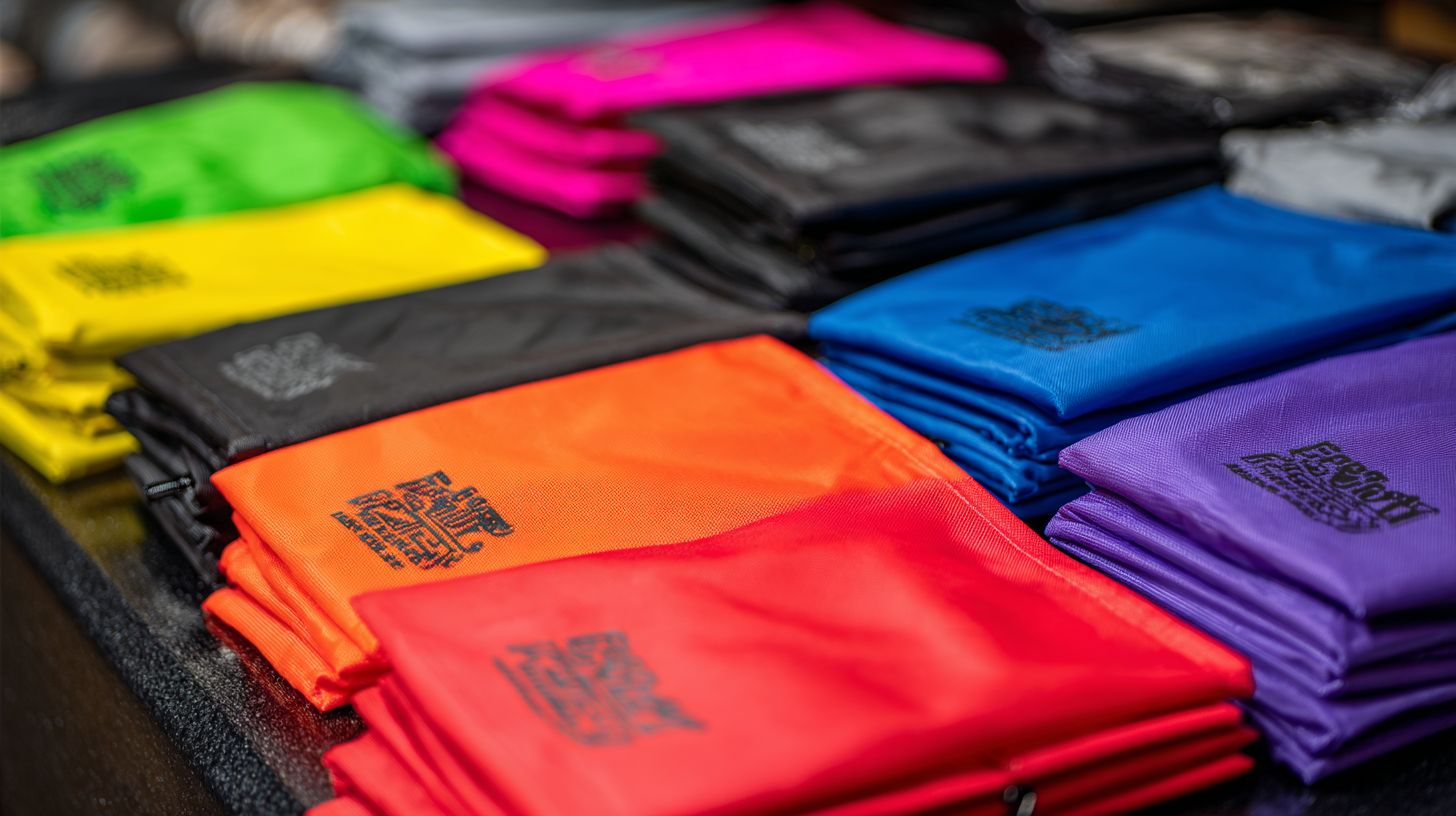
Careful selection of colors for flat poly bags plays a pivotal role in enhancing brand identity, offering a spectrum of choices from clear, transparent finishes to vibrant hues precisely matched to Pantone standards. According to a Nielsen study on packaging aesthetics, such color strategies can increase product visibility by up to 30% within retail displays.
Pantone Matching
The Pantone Matching System (PMS) provides precise color reproduction on flat poly bags, offering more than 2,300 shades to enable brands such as Coca-Cola to maintain a consistent red (PMS 485) across their packaging.
To achieve accurate PMS matching on poly bags, adhere to the following steps:
- Determine the appropriate PMS code using the Pantone Connect application ($49.99 annual subscription), which facilitates scanning and matching of colors from physical samples or digital files.
- Prepare vector artwork in Adobe Illustrator at a resolution of 300 DPI, converting spot colors to the precise PMS swatch to generate print-ready files.
- Conduct test prints on sample bags obtained from suppliers such as Poly Pak America, anticipating a setup fee of $50-100 per color run.
Target color tolerances of +-2 E, in accordance with ISO 12647-2 printing standards, to guarantee consistency across production batches. This methodology effectively reduces variations attributable to substrate absorption in plastic materials.
Multi-Color Printing
Multi-color printing on flat poly bags accommodates up to eight colors, allowing for detailed and intricate logos. Digital printing methods facilitate production runs as small as 1,000 units, with an additional cost of $0.10 per bag, making it particularly suitable for small businesses.
When selecting the appropriate printing technique, consider CMYK digital printing for shorter runs. This approach utilizes a resolution of 600 DPI to achieve vibrant results, offering advantages such as rapid proofing and greater flexibility.
However, it may involve a modest increase in per-unit costs.
For applications requiring precise branding, spot color printing is optimal, supporting up to four Pantone shades and incurring a setup fee of $200. This method ensures consistent color accuracy across production batches.
A case study from Packaging Strategies highlights a coffee brand that redesigned its four-color poly bags, resulting in an 18% increase in sales due to improved shelf appeal.
To facilitate efficient production, artwork should be prepared in vector-based formats such as AI or EPS files using Adobe Illustrator, thereby preventing pixelation and optimizing the manufacturing process.
Printing and Labeling Techniques
Sophisticated printing methods for flat polyethylene bags encompass flexographic printing, which is particularly suitable for high-volume production runs, and digital printing, which is ideal for prototyping and small-scale applications. According to a report by Smithers, the global flexible packaging printing market was valued at $42 billion in 2023.
Digital vs. Flexographic
Digital printing provides on-demand customization for poly bags without the requirement for plates, in contrast to flexographic printing, which demonstrates superior efficiency for production runs exceeding 10,000 units. According to a 2022 PMMI report, flexographic printing achieves a 40% cost reduction in such scenarios.
| Aspect | Digital Printing | Flexographic Printing |
|---|---|---|
| Run Size | Short runs (<5,000 units) | Long runs (>10,000 units) |
| Cost per Bag | $0.15 | $0.05 |
| Lead Time | 1–2 weeks | 4–6 weeks |
| Best For | Prototypes, no setup waste | Wholesale, uses anilox rollers for precision |
Both printing methods commonly utilize UV-curable inks to enhance durability, providing resistance to fading and scratches as specified by ASTM standards. To optimize operational efficiency, a hybrid approach is advisable: employ digital printing for prototyping, rapid sample production, and testing, then transition to flexographic printing for large-scale production to balance costs and expedite delivery.
Functional Add-Ons
The integration of functional add-ons, such as zip locks and handles, significantly enhances the usability of flat poly bags. Moreover, resealable features have been demonstrated to extend product shelf life by 50% in food packaging applications, according to a study by the United States Department of Agriculture (USDA).
Closures and Seals
Zip lock closures on flat poly bags offer tamper-evident sealing capabilities with pull strengths of up to 20 pounds, whereas heat seals provide airtight protection for moisture-sensitive products, such as electronics.
To select the appropriate closure method, please consider the following options:
- Zip Lock: This resealable option facilitates repeated access, incurring an additional cost of $0.02 per bag. It is particularly suitable for food items, such as snacks, and can be integrated seamlessly through extrusion during the manufacturing process.
- Heat Seal: A permanent and airtight solution, this method utilizes poly film with a thickness of 1-2 mils at a cost of $0.01 per bag. It can be applied using impulse sealers, such as the AIE-300 model (8-inch width, priced at $150), to achieve efficient and professional seals for electronics packaging.
- Adhesive Tape: Serving as a temporary option for shipping purposes, this closure costs less than $0.01 per use and is ideal for quick overwraps on bulk items.
All closures should be tested for burst strength exceeding 10 psi, in accordance with the ASTM D3786 standard. For enhanced retail appeal, Ziploc-style zip locks are recommended to foster consumer trust and promote reusability.
Sustainability and Eco-Customizations
Eco-customizations for flat poly bags encompass biodegradable alternatives derived from oxo-degradable low-density polyethylene (LDPE), which reduce plastic waste by 30 percent and ensure alignment with the European Union Directive 94/62/EC on packaging and packaging waste reduction.
Recycled poly bags further diminish carbon footprints by 50 percent, as reported by the Ellen MacArthur Foundation in 2023. Principal options include:
- Biodegradable variants, certified under ASTM D6400, priced at $0.07 per bag, achieving 90 percent breakdown within three years;
- Bags incorporating recycled content, ranging from 20 to 100 percent post-consumer resin (PCR) and compliant with the NSF/ANSI 359 standard, priced between $0.05 and $0.10 per bag.
To adhere to best practices, procure materials from Novolex’s OxoBiodegradable product line to guarantee regulatory compliance. For instance, Walmart’s transition to bags containing 50 percent recycled content resulted in the annual diversion of 1,000 tons of plastic from landfills, while simultaneously enhancing brand loyalty among consumers.
Return on investment is realized through premium pricing strategies that are offset by the appeal to environmentally conscious consumers, typically enabling cost recovery within 6 to 12 months via elevated sales volumes.
Frequently Asked Questions
Q: What materials are best for customizing flat poly bags?
The best materials for customizing flat poly bags are low-density polyethylene (LDPE) for flexibility and durability, or high-density polyethylene (HDPE) for strength in heavier applications. These allow for options like varying thicknesses from 1-6 mil to suit your needs, ensuring the bags remain lightweight yet robust.
Q: How can I add custom printing to flat poly bags?
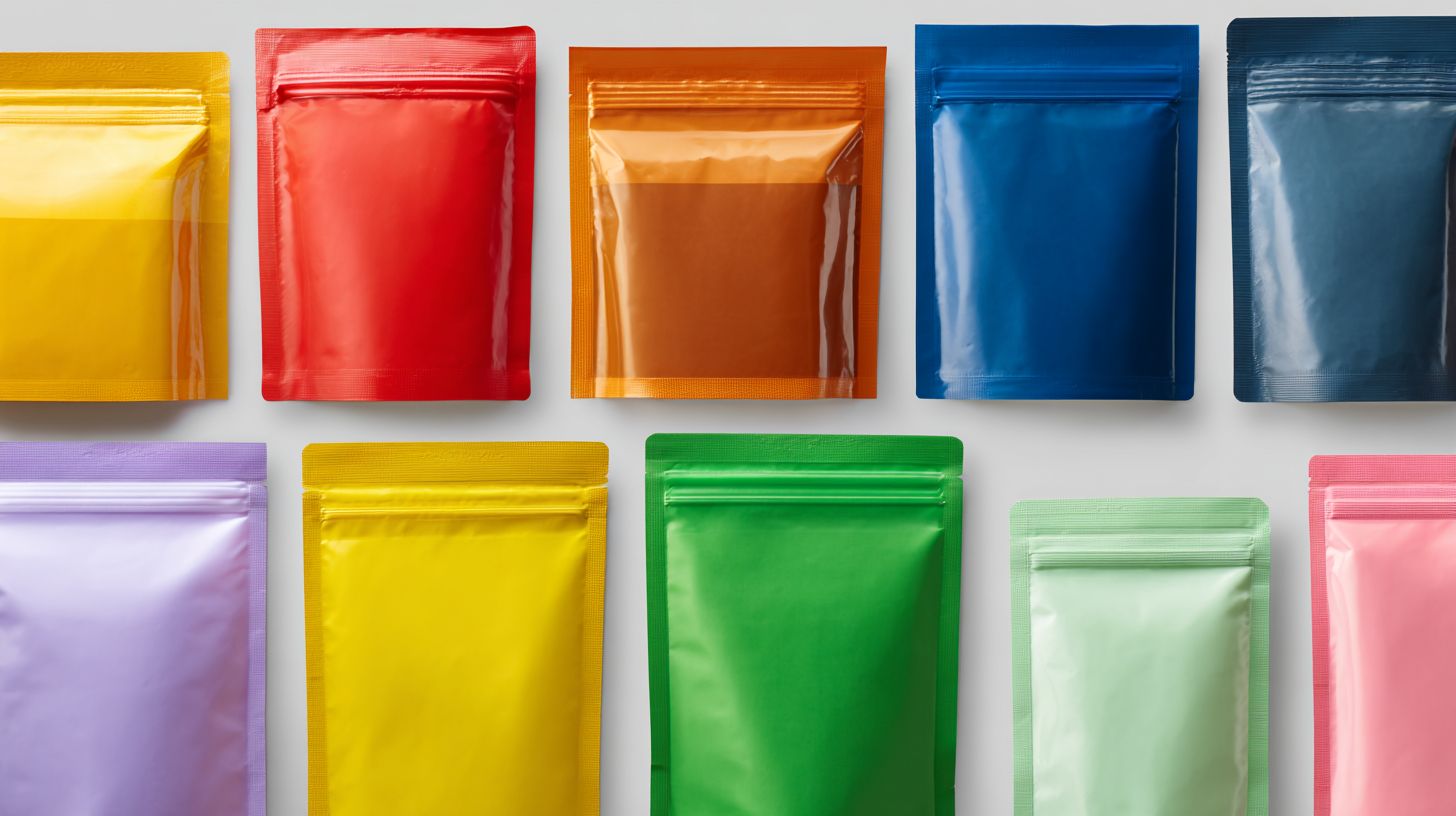
Custom printing on flat poly bags can be achieved through flexographic printing for high-volume runs or digital printing for smaller quantities. You can include logos, text, or designs in up to 8 colors, with options for matte or glossy finishes to enhance visibility and branding.
Q: What size and shape customizations are available for flat poly bags?
Flat poly bags can be customized in a wide range of sizes, from small 2×3 inches for jewelry to large 24×36 inches for bulk items. Shapes are typically rectangular, but custom cuts like gussets or rounded corners can be added for specific packaging requirements.
Q: Can flat poly bags be customized with closures like zippers?
Yes, flat poly bags can be customized with reclosable zippers, sliders, or wicket hangers for easy access and display. These features are ideal for retail or food storage, with zipper options in various strengths to prevent leaks or contamination.
Q: What color options exist for customizing flat poly bags?
Customization includes clear, tinted, or solid colors like black, white, blue, or red, achieved through pigmentation during manufacturing. Opaque or translucent variants are popular for privacy or UV protection, allowing full matching to your brand aesthetics.
Q: Are there eco-friendly customization options for flat poly bags?
Eco-friendly options include biodegradable poly bags made from oxo-degradable additives or recycled polyethylene content up to 100%. Customizations like reduced thickness for less material use or compostable inks for printing make them sustainable without compromising functionality.
Ready to upgrade your packaging with high-quality custom flat poly bags tailored to your business needs?
At aplasticbag.com, we offer complete customization sizes, thickness, printing, finishes, and branding-so your products look professional and stay protected.
👉 Order Now and get durable, cost-effective flat poly bags designed specifically for your industry. Whether you need small batches or bulk orders, our team ensures fast turnaround, competitive pricing, and consistent quality.
Don’t settle for standard packaging customize with confidence. Order now at aplasticbag.com and make your brand stand out today!

 How Do Flat Poly Bags Ensure Product Safety During Shipping?
  Flat Poly Bags: Versatile and Reliable for Retail and Industrial Use
  What Are the Best Uses for Flat Poly Bags?
Comments