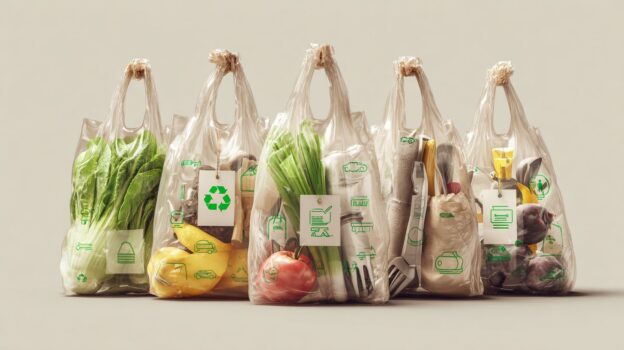
In the competitive landscape of modern packaging, where every penny counts, poly bags deliver unmatched efficiency and adaptability for safeguarding products. As a staple endorsed by the Flexible Packaging Association for their cost-effectiveness, these solutions streamline operations across sectors. Explore their affordability, design versatility, diverse types, industrial applications, sustainability challenges, and expert selection tips to unlock their full potential.
Key Advantages of Poly Bags
Poly bags offer superior cost-efficiency and durability, enabling businesses to reduce packaging expenses by up to 30% compared to rigid alternatives, as reported in a 2022 study by Packaging World.
Affordability and Cost Savings
Polyethylene bags are available at costs as low as $0.02 per unit for bulk orders of 10,000 units from suppliers such as Uline, allowing small retailers to reduce their annual packaging budgets by 25-40%.
To optimize expenses, consider the following comparative breakdown of options:
| Size | Material | Price per 1,000 | Supplier |
|---|---|---|---|
| 6×9 inch | LDPE | $20-30 | Uline |
| 8×10 inch | HDPE | $30-40 | PolyPak |
| 12×15 inch | Recycled PE | $40-50 | IPC |
In terms of return on investment, a garment retailer that orders 50,000 custom LDPE bags can achieve annual savings of $1,500 compared to paper alternatives, according to industry benchmarks.
Studies conducted by the Environmental Protection Agency (EPA) indicate that polyethylene bags reduce waste by 70%, thereby decreasing disposal costs by 30%.
For further cost efficiencies, negotiate volume discounts by targeting 10-20% reductions on orders of 100,000 or more units. This can be accomplished by bundling various sizes and obtaining quotes from multiple suppliers, including Uline and PolyPak.
Versatility in Design and Use
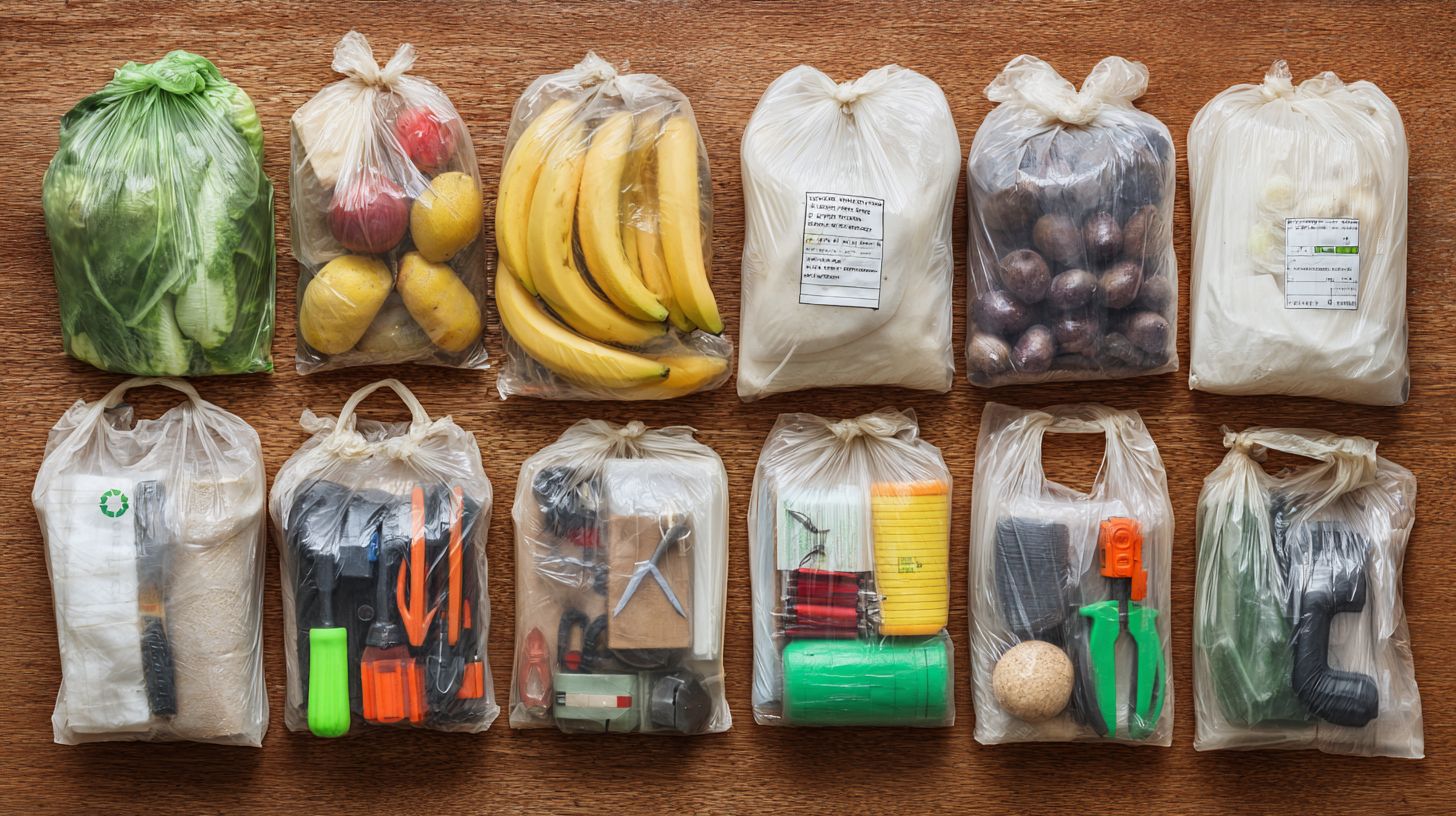
Poly bags provide versatile solutions, featuring gusseted designs that expand up to 4 inches and ziplock seals for secure closure, accommodating more than 20 applications ranging from food storage to hardware shipping.
Key design features include:
- Gusseted sides for handling bulky items, such as clothing bundles that accommodate up to 50% more volume.
- Ziplock closures for resealable produce, as employed by BerryWorld for berries to prolong freshness.
- Layflat construction for efficient stacking, resulting in up to 15% savings in warehouse space.
- Perforated edges for rapid access in mailers, suitable for promotional inserts.
- UV-resistant coatings for outdoor hardware storage, preventing degradation for over 6 months.
- Antistatic linings for electronics packaging, minimizing static damage in compliance with ASTM D6400 standards (load-bearing capacity up to 50 lbs).
Available in widths from 2 to 48 inches and thicknesses of 1 to 6 mil, these bags offer exceptional versatility. Customization options include uploading logos via suppliers such as Berlin Packaging for an additional $0.05 per bag, thereby enhancing brand visibility.
Common Types of Poly Bags
Polyethylene bags are available in a diverse range of configurations, each designed to address specific requirements. According to a 2023 analysis by the Freedonia Group, clear and custom variants dominate 60% of the market share.
Clear Poly Bags
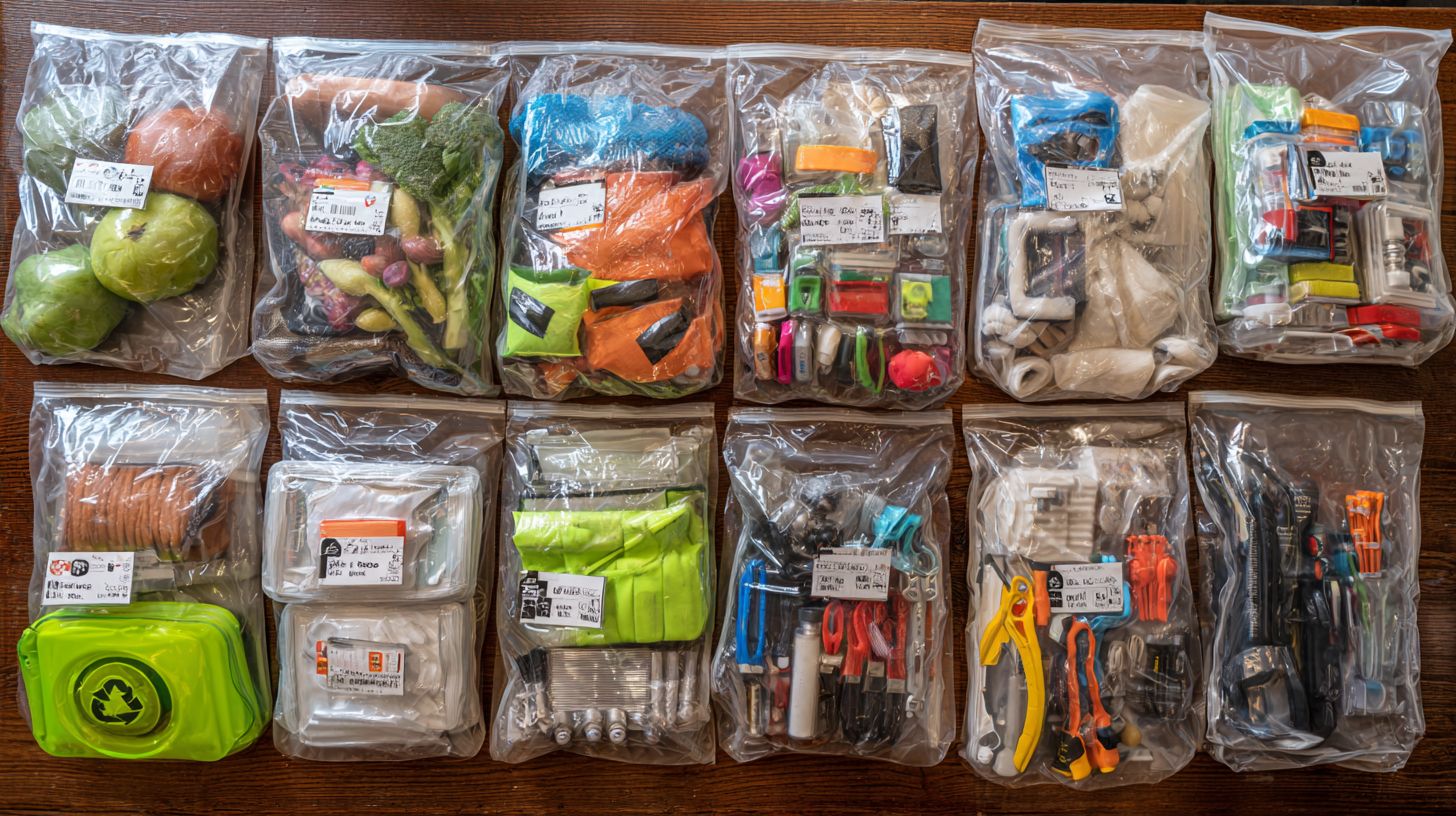
Clear poly bags, typically ranging from 1 to 2 mil in thickness and available in sizes from 2×3 to 36×48 inches, provide complete product visibility and are utilized by 70% of retailers for display purposes. These bags are categorized into three primary types to accommodate various applications.
Standard clear poly bags measure 1 mil in thickness and come in sizes from 2×3 to 12×15 inches, making them ideal for small retail items such as jewelry. For instance, a 4×6-inch bag is commonly used at a cost of $0.01 per unit.
Heavy-duty variants, at 2 mil thickness and sizes from 6×8 to 24×36 inches, are suited for more robust products like tools and electronics; an example is the 8×10-inch bag priced at $0.03 per unit.
Custom options feature 1.5 mil thickness and extend up to 36×48 inches, perfect for bulk packaging such as apparel, with a 12×18-inch size available at $0.05 per unit.
These bags adhere to ISO 9001 standards for moisture resistance and offer puncture protection up to 10 pounds, which, according to a Uline study, reduces shipping damage by 30%.
For procurement, it is recommended to order from Global Industrial with a minimum order quantity of 1,000 units to optimize cost efficiency.
Amazon’s implementation of clear poly bags has resulted in a 20% improvement in order fulfillment speed, thereby enhancing customer satisfaction and streamlining returns processing, as detailed in the Amazon Logistics report from 2022.
Colored and Opaque Poly Bags
Colored polyethylene bags are available in more than ten hues, such as black for enhanced opacity or red for branding purposes. These bags effectively block 99% of ultraviolet (UV) light and are priced at $0.03 to $0.08 per unit from suppliers such as Inteplast.
When selecting the appropriate color, it is essential to consider the specific applications and formulations that incorporate UV stabilizers, such as hindered amines, which are tested in accordance with ASTM D4329 standards for over 1,000 hours of protection. The following table presents a comparison of four common colors:
| Color | Uses | Pros | Cons |
|---|---|---|---|
| Black | Light-sensitive goods (e.g., pharmaceuticals) | High opacity for privacy; full UV block | Reduces visibility, harder to inspect contents |
| Blue | Industrial parts (e.g., tools, machinery) | Corrosion resistance; professional look | May fade under prolonged sun exposure |
| Green | Plant protection in nurseries | UV filtering promotes growth; eco-friendly appeal | Less opaque, allowing some light penetration |
| Red | Branding for retail packaging | Eye-catching for marketing; moderate UV block | Can overheat contents in direct sun |
For example, a study conducted by the United States Department of Agriculture (USDA) found that green bags reduced spoilage in nurseries by 15% by filtering harmful rays while permitting photosynthesis.
Custom-Printed Poly Bags
Custom-printed poly bags can incorporate logos through flexographic printing, supporting up to eight colors. Minimum order quantities are 5,000 bags, with an additional cost of $0.05 to $0.15 per bag provided by PolyPrint.
For high-volume production exceeding 5,000 units, flexographic printing is recommended due to its $2,000 setup cost, which yields vibrant and durable logos suitable for large-scale applications. In contrast, smaller orders are best served by digital printing, which eliminates the need for plates, enables rapid turnaround times, incurs no upfront fees, and maintains higher per-unit costs.
The design process begins with creating artwork in Adobe Illustrator, followed by exporting high-resolution files at 300 DPI, and approving proofs within three days.
For bags intended for food contact, it is imperative to use FDA-approved inks to comply with safety regulations.
A notable example involves a coffee brand that implemented custom poly bags and achieved a 25% increase in brand recall, as documented in a Nielsen study.
To enhance tear resistance and durability, select a poly bag thickness of 2 to 4 mils.
Applications Across Industries
Poly bags are utilized across a wide array of industries, ranging from e-commerce shipping, which accounts for 40% of the market share, to medical containment applications. These versatile packaging solutions enhance supply chain efficiency, as highlighted in the 2023 McKinsey logistics report.
Key applications include:
- E-commerce: Major platforms such as Amazon process over 1 million packages daily using poly bags, resulting in a 20% reduction in costs through the use of lightweight yet durable materials (Amazon Logistics Report, 2023).
- Food: FDA-approved poly bags are employed for produce packaging, reducing waste by 10% and maintaining freshness during transportation, according to USDA studies.
- Medical: Anti-static variants of poly bags for pharmaceutical containment comply with ISO 13485 standards, thereby preventing contamination in sterile environments.
- Agriculture: Nursery bags for seedlings improve germination rates by 15%, as demonstrated by research from the University of California Agricultural Extension.
- Retail: Walmart’s implementation of poly display bags has increased sales by 15% by optimizing shelf organization (Walmart Sustainability Report, 2022).
- Manufacturing: Poly bags protect components from dust, decreasing defect rates by 25% in automotive assembly lines (Ford Quality Metrics, 2023).
- Logistics: In bulk shipping operations, poly bags reduce tare weight, leading to a 12% savings in fuel consumption in accordance with EPA efficiency guidelines.
Manufacturing Process Overview
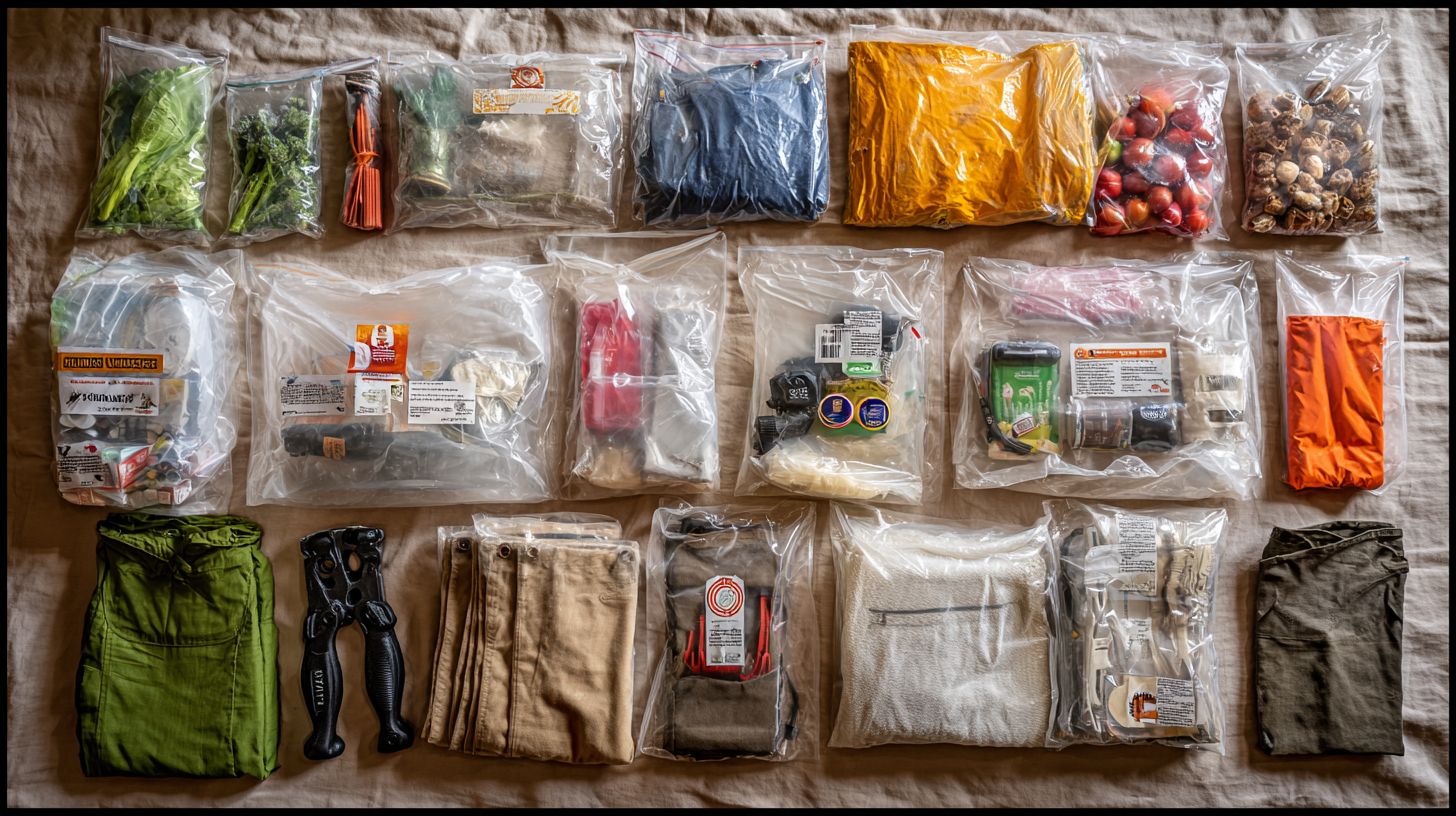
The production of poly bags begins with the blown film extrusion of LDPE resin at temperatures between 350 degreesF and 400 degreesF, producing films with thicknesses ranging from 1 to 6 mil. These films are then slit and sealed into bags at production rates of 500 to 1,000 units per minute.
After extrusion, the manufacturing process advances through a series of critical stages designed to enhance operational efficiency.
- Resin Selection: Select LDPE or HDPE resin, available at approximately $1.20 per pound (per Plastics News 2023 data), while ensuring adherence to FDA regulations for food-grade compliance.
- Extrusion: Employ blown film towers, measuring 20 to 50 feet in height, to inflate the molten resin into a tubular bubble.
- Cooling and Slitting: Utilize rotary knives to cool and slit the film to widths of 2 to 60 inches, frequently incorporating chill rolls maintained at 50 to 70 degreesF.
- Sealing: Form bottom and side seams using heat bars heated to 250 degreesF.
- Quality Control: Execute tensile strength testing in accordance with ASTM D882 standards to validate product integrity.
The production of 10,000 bags generally requires 4 to 6 hours. Berry Global’s manufacturing facilities provide outstanding examples of scalable operations; the extrusion tower can be envisioned as a vertical apparatus in which a balloon-like bubble expands and subsequently flattens into continuous film.
Environmental Impact and Sustainability
Traditional poly bags generate approximately 8 million tons of plastic waste each year (EPA, 2022). In contrast, recyclable low-density polyethylene (LDPE) options and variants containing 30% recycled content can reduce carbon footprints by 25% relative to virgin materials.
This transition mitigates significant environmental impacts: the production of virgin polyethylene emits roughly 300 kg of CO2 per ton (IPCC), while recycling rates in the United States remain at only 9% (EPA).
For effective implementation, the following actionable solutions are recommended:
- Transition to recycled polyethylene, such as PolyQuest’s 100% post-consumer resin, which incurs an additional cost of merely 10%.
- Integrate biodegradable additives, including oxo-degradable variants that comply with ASTM D6954 standards.
- Adopt compostable alternatives derived from BioBag’s starch-based blends.
Unilever’s shift to sustainable polyethylene packaging resulted in a 20% reduction in emissions (2023 report).
Compliance with the EU Single-Use Plastics Directive is imperative to prevent fines and achieve the 2030 sustainability targets.
Comparison with Alternative Packaging
Polyethylene (poly) bags demonstrate superior performance compared to paper alternatives in terms of cost ($0.02 per unit versus $0.10 per unit) and moisture resistance; however, they are less favorable in terms of biodegradability, according to a 2023 lifecycle analysis conducted by the SPI Association.
To facilitate an effective comparison of packaging options, the following side-by-side analysis is provided:
| Aspect | Poly Bags | Paper Bags | Cardboard Boxes |
|---|---|---|---|
| Cost per Unit | $0.02-0.10 | $0.08-0.20 | $0.15-0.50 |
| Weight | Lightweight (5g per unit) | Moderate (10g per unit) | Heavier (20g per unit) |
| Properties | Recyclable LDPE, high durability, moisture-resistant | Biodegradable, absorbent, lower strength | Rigid, recyclable, suitable for stacking |
| Use Cases | Shipping (e.g., eBay orders, reducing weight by 40% per UPS study) | Retail branding (e.g., grocery carryout) | Bulk storage (e.g., warehouse pallets) |
For applications involving food, hybrid lined poly-paper bags are recommended, as they integrate moisture protection with enhanced eco-friendliness. Selection of packaging should be guided by specific requirements: poly bags for operational efficiency and paper bags for sustainability priorities.
Selecting the Right Poly Bag Solution
When selecting poly bags, align the thickness (1-2 mil for lightweight items, 4 mil or greater for heavy-duty applications) and supplier minimum order quantities (MOQs, typically ranging from 1,000 to 10,000 units) with specific operational requirements. Reputable suppliers, such as Uline, provide samples for a nominal fee of approximately $10.
Adhere to the following six best practices to ensure optimal selection:
- Evaluate requirements thoroughly; for instance, select 2 mil low-density polyethylene (LDPE) for garments that meet puncture-resistance standards per ASTM D1709.
- Compare suppliers, such as Uline versus Packlane, considering pricing ($0.01-$0.20 per unit) and lead times (1-4 weeks).
- Request samples (typically 5-10 units available at no cost from most suppliers).
- Verify certifications, including FDA compliance and ISO 9001 accreditation.
- Compute total cost of ownership (TCO), incorporating volume discounts (15-30% for orders of 50,000+ units).
- Conduct prototype testing, such as a drop test to confirm 10-foot durability.
Selection Checklist:
- Align specifications with intended use;
- Validate supplier quotations;
- Evaluate samples;
- Confirm regulatory compliance;
- Analyze overall costs;
- Perform prototype trials.
Case Example: An e-commerce startup implemented gusseted poly bags, which improved fit and durability, resulting in an 18% reduction in return rates.
Frequently Asked Questions
Q: What are poly bags and why are they a popular choice?
Poly bags, as an affordable and versatile packaging solution, are made from polyethylene plastic and come in various forms like clear bags, ziplock bags, or custom-printed options. They are widely used for protecting items from moisture, dust, and damage during storage or shipping due to their lightweight and flexible nature.
Q: How do poly bags provide an affordable packaging option?
Poly bags offer an affordable and versatile packaging solution because they are inexpensive to produce and purchase in bulk, often costing just pennies per unit. This makes them ideal for businesses looking to minimize packaging costs without compromising on functionality.
Q: In what ways are poly bags versatile for different applications?
As an affordable and versatile packaging solution, poly bags can be used for a wide range of purposes, from retail product packaging and food storage to industrial parts protection and even garbage disposal. Their customizable sizes and features like seals or handles enhance their adaptability across industries.
Q: Are poly bags suitable for shipping and storage?
Yes, poly bags serve as an affordable and versatile packaging solution for both shipping and storage, providing excellent protection against environmental factors while being easy to seal and stack. They are commonly used in e-commerce for bagging products securely and cost-effectively.
Q: What sizes and types of poly bags are available?
Poly bags are available in countless sizes and types, making them an affordable and versatile packaging solution for any need, from small 2×3 inch bags for jewelry to large 24×36 inch bags for bulk items. Options include flat poly bags, gusseted bags, and heavy-duty variants to suit specific requirements.
Q: Are there eco-friendly alternatives to traditional poly bags?
While traditional poly bags are an affordable and versatile packaging solution, eco-friendly alternatives like biodegradable or recycled poly bags are increasingly available. These maintain the same benefits of affordability and versatility while reducing environmental impact through sustainable materials.
Why Choose Aplasticbag for Poly Bags in the USA?
Looking for packaging that’s durable, affordable, and designed to elevate your brand? At Aplasticbag, we deliver high-quality poly bags trusted by businesses across the USA for retail, shipping, storage, and custom branding needs.
Why Businesses Choose Our Poly Bags
- Strong & lightweight packaging solutions
- Cost-effective options for bulk orders
- Custom printing available for brand visibility
- Fast USA-wide shipping & reliable service
- Multiple sizes, styles, and finishes available
- Ideal for retail, eCommerce, food, and industrial use
Order Affordable Poly Bags Today!
Boost your packaging game with premium-quality poly bags that protect your products while promoting your brand. Whether you need custom printed poly bags or wholesale packaging supplies, Aplasticbag has the perfect solution for your business.
Ready to Upgrade Your Packaging?
- Competitive wholesale pricing
- Premium quality materials
- Custom branding support
- Quick turnaround for USA businesses
Order Now from Aplasticbag
Get durable, versatile, and affordable packaging solutions tailored for your business needs. Don’t settle for ordinary packaging when your brand deserves better.
👉 Shop now at Aplasticbag.com and place your order today!

 Poly Bags: Versatile and Affordable Packaging Solutions
  How to Choose the Right Gusseted Poly Bags for Packaging, Storage, and Shipping Needs
  How Can Poly Bags Be Customized for Maximum Impact?
Comments