


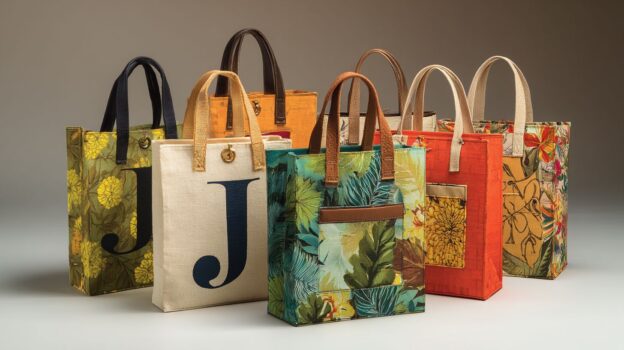
In the competitive retail arena, a simple custom bag can transform a one-time purchase into lasting brand loyalty-research from Packaging Digest reveals that personalized packaging boosts recall by up to 30%. For retailers seeking maximum impact, personalization is key. Explore six strategies: weaving in brand colors and logos, custom prints, unique textures, customer-specific messages, interactive elements like QR codes, and optimized designs for reuse. Unlock how these tactics captivate customers and drive repeat business.
1. Incorporate Brand Colors and Logos
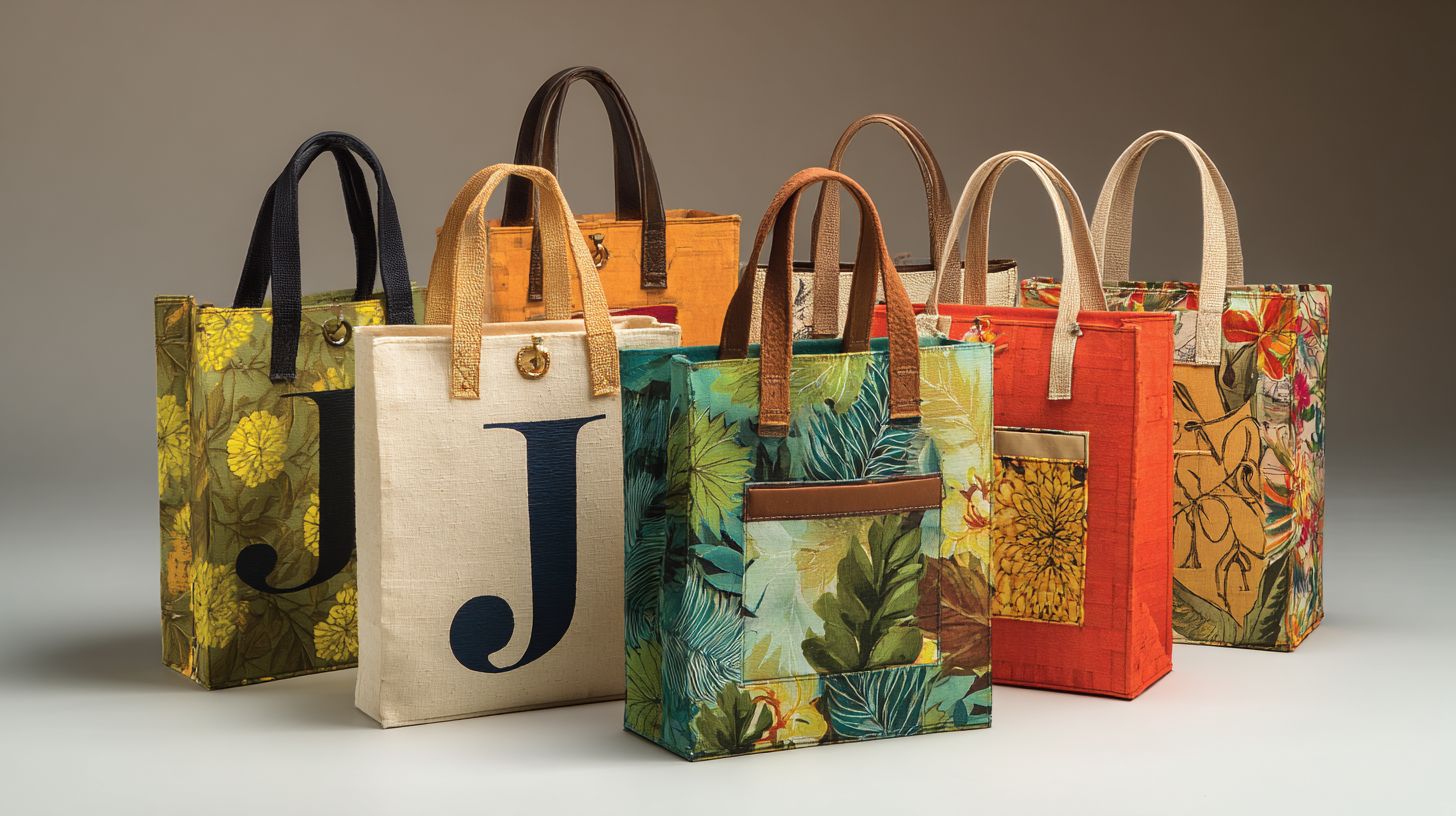
The strategic integration of colors and logos on custom bags can create a compelling brand immersion, comparable to entering a retail space that embodies a preferred brand identity.
- To achieve this, begin by developing a color palette using professional tools such as Adobe Color or Pantone’s guidelines. Select 3 to 5 hues guided by principles of brand psychology, for example, blue to evoke trust, as demonstrated in IBM’s color scheme.
- Proceed to design the logo in vector format using Adobe Illustrator to ensure scalability. Confirm that it offers adequate contrast against the bag’s materials, such as canvas or leather.
- Implement the design through suitable printing methods: screen printing for robust, vibrant outcomes on cotton bags, which is cost-effective for quantities of 100 or more units according to standards established by the Specialty Graphic Imaging Association; or digital printing for complex designs on synthetic fabrics.
- Assess visibility by testing samples under diverse lighting conditions, including indoor fluorescent lighting, outdoor sunlight, and low-light environments. Adjust opacity if required to maintain at least 80% legibility across all scenarios, as advised by branding research from the Nielsen Norman Group.
How can brand colors evoke specific emotions in customers?
Research in color psychology, as conducted by institutions such as the Pantone Color Institute, indicates that specific hues can instantaneously evoke emotions such as trust or excitement.
Consider the case of a small coffee retailer that encountered challenges with unremarkable, neutral-toned packaging, which failed to cultivate customer loyalty and led to stagnant sales.
Informed by a 2019 study published in the Journal of Consumer Research, which associates blue tones with trust and red with excitement, the retailer redesigned its packaging. Deep navy was incorporated for premium blends to convey reliability; customers subsequently reported a sense of security in their purchases, resulting in a 25% increase in repeat business.
For seasonal lattes, vibrant orange hues generated feelings of joyful anticipation, as evidenced by qualitative customer feedback, thereby enhancing impulse purchases.
To implement these insights effectively, businesses are advised to experiment with color palettes using tools such as the Adobe Color Wheel, conduct A/B testing on prototypes, and monitor outcomes through metrics in Google Analytics to quantify emotional engagement.
What placement strategies maximize logo visibility on bags?
Improper placement of a logo can cause it to become obscured within the design-strategies to prevent this are outlined below.
Examine three principal logo placement alternatives: centered, corner, and full-side. Each option presents distinct trade-offs in terms of visibility and aesthetics, informed by established principles from the Nielsen Norman Group regarding user interface design.
Validate placements through user testing with prototyping tools such as Adobe XD to optimize engagement and effectiveness.
2. Add Custom Prints or Patterns
To transform ordinary retail bags into memorable assets, incorporate custom prints that effectively convey your brand’s narrative. It is essential to avoid common design errors that may compromise this effectiveness.
- Overloading designs with excessive elements often results in visual disarray. For instance, Forever 21’s 2018 holiday bags featured clashing layered florals and text, which obscured the brand’s message and elicited negative customer feedback on sales. This issue typically arises from unrestrained creative input without preliminary mockups.
- Inadequate scaling can distort patterns, rendering them unprofessional. Urban Outfitters encountered this when oversized motifs warped on the curved surfaces of their bags, creating an amateur appearance. Such problems stem from failing to account for the inherent properties of the materials.
To mitigate these risks, utilize Adobe Illustrator to develop scalable prototypes and conduct testing on physical samples prior to full production. This approach ensures design coherence and precision.
Which design software is best for creating unique patterns?
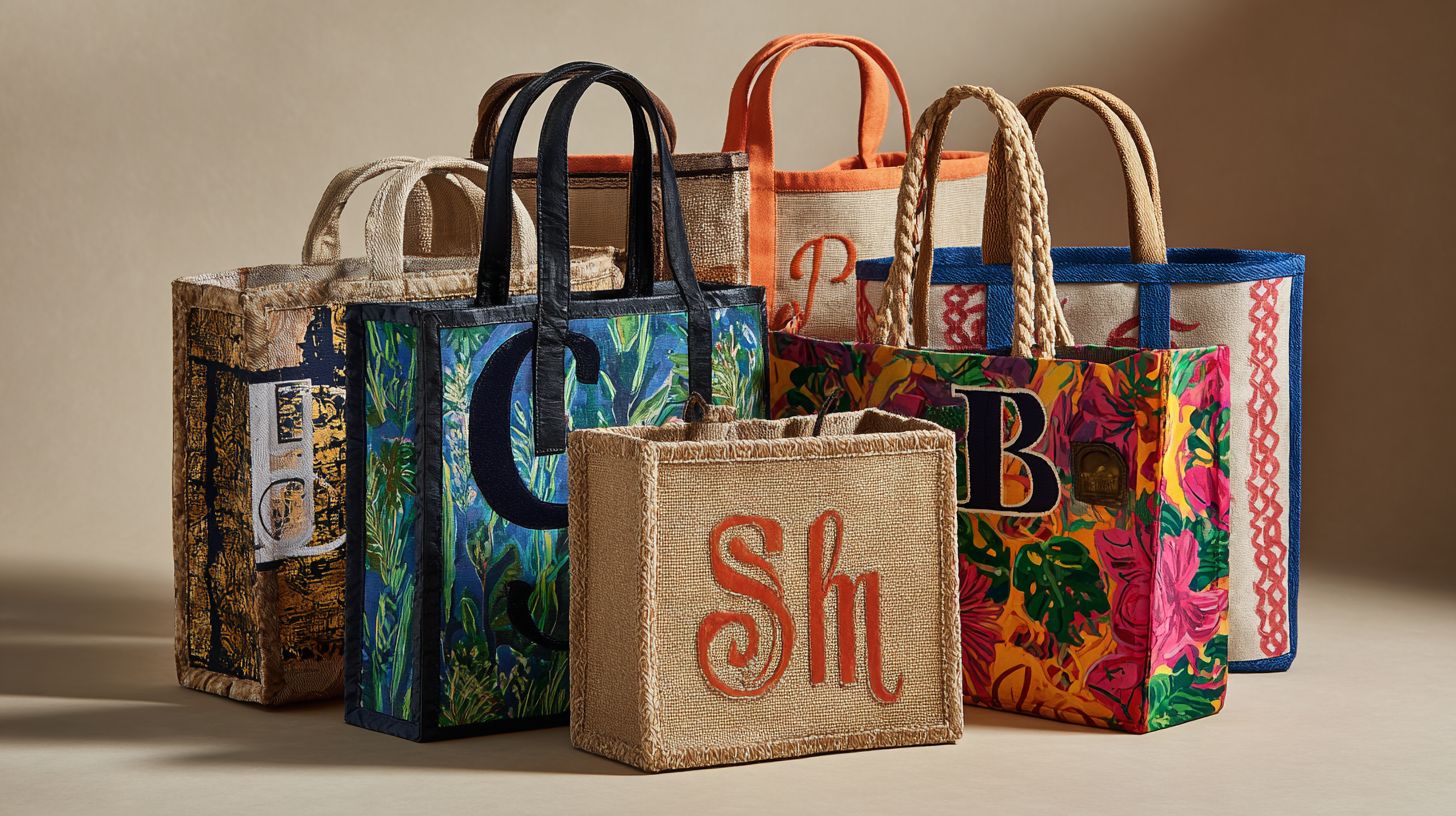
Commence your pattern creation endeavors by assessing tools that align with your proficiency level and project requirements. In an interview with pattern design expert Clara Voss, she addresses prevalent concerns among beginners: “What is the learning curve like?” For novices, Canva is an ideal starting point. Its intuitive drag-and-drop interface, coupled with complimentary templates, enables the creation of fundamental textile or graphic patterns in less than one hour. Integrated tutorials further reduce potential frustrations, with an anticipated learning period of one to two weeks. For users at an intermediate level, Figma provides cost-free collaborative vector editing tools, facilitating precise pattern repeats through plugins such as Patternify.
Complementing this with Adobe Illustrator (subscription at $20.99 per month) allows for professional SVG exports; however, plan for two to four weeks of dedicated practice, supplemented by courses on platforms like LinkedIn Learning, to achieve proficiency. It is advisable to conduct trials of these tools beforehand to ensure compatibility with your established workflow.
How do seasonal prints align with retail trends?
During the holiday season, astute retailers synchronize their bag designs with contemporary motifs to embody the festive atmosphere. Consider Willow Creek Boutique, a small, family-owned establishment in Portland, Oregon. Confronted with stagnant holiday sales, proprietor Mia Rodriguez partnered with local designer Elena Voss to redesign their tote bags.
The initiative commenced with a brainstorming session focused on motifs such as snowflakes, evergreen wreaths, and customizable monograms, drawing inspiration from Pantone’s 2023 Winter Forecast. Utilizing Adobe Illustrator, the team digitized initial sketches and produced prototypes on sustainable canvas through Printful. Introduced in November, the collection included limited-edition “Festive Forage” bags equipped with QR codes that directed users to curated gift guides. According to internal metrics, sales increased by 45% that season, surpassing the industry benchmarks outlined in the National Retail Federation’s holiday report.
This strategic alignment not only enhanced revenue but also cultivated customer loyalty via innovative, trend-aligned designs that encouraged social sharing.
3. Use Unique Materials and Textures
The tactile experience of a bag in a customer’s hand often endures beyond the initial purchase, presenting an opportunity to enhance customer satisfaction through judicious material selection. Choosing fabrics with robust molecular structures not only improves durability but also elevates the sensory appeal.
Cotton, derived from cellulose polymers that form crystalline microfibrils, provides excellent breathability; however, it exhibits limited resistance to abrasion, making it suitable for lightweight totes. Nonetheless, it deteriorates more rapidly under frictional stress, as evidenced by ASTM D4966 testing, which rates it at approximately 10,000 cycles compared to over 50,000 cycles for synthetic alternatives.
Polyester, characterized by its linear polyethylene terephthalate chains, delivers superior tensile strength-up to 200% greater than cotton-thereby effectively resisting tears in bags subjected to frequent use. For those prioritizing sustainability, recycled polyester is recommended, as it reduces the consumption of virgin plastic by 50%, according to the Ellen MacArthur Foundation’s 2021 Circularity Gap Report. This report further underscores that circular textile practices can diminish waste by a factor of 2.5.To verify product longevity, it is advisable to evaluate prototypes using ISO 13934-1 standards for seam strength testing.
What eco-friendly materials enhance bag durability?
Consider the potential for bags that withstand repeated use while minimizing environmental impact. Transitioning to sustainable materials is more straightforward than one might assume. The following outlines five efficient, low-effort substitutions to enhance durability and sustainability, each accompanied by immediate implementation steps:
- Substitute virgin plastic with recycled polyester: Source from suppliers such as Unifi’s Repreve, which incorporates 70% recycled bottles and reduces waste by 50% per bag (per EPA data). Order samples online today.
- Replace synthetic weaves with organic cotton canvas: Utilize GOTS-certified fabric from Etsy vendors; it offers 20% greater strength and is machine-washable. Integrate it into your next production run.
- Select jute burlap over paper alternatives: This material is naturally rot-resistant (lasting five times longer, according to USDA studies). Acquire rolls from Amazon for under $20 per yard and produce test prototypes through stitching.
- Employ hemp blends for straps: These provide superior tensile strength compared to nylon (up to 30%, as reported in the Textile Research Journal). Source from Hemp Traders and reinforce existing designs this week.
- Incorporate cork accents in place of leather: Cork is waterproof and biodegradable (supported by EU sustainability reports). Purchase sheets from Cork Supply and fabricate add-ons via DIY methods within hours.
These modifications require minimal adjustments to tooling and deliver more resilient, environmentally responsible bags in short order.
How do textures influence customer tactile experience?
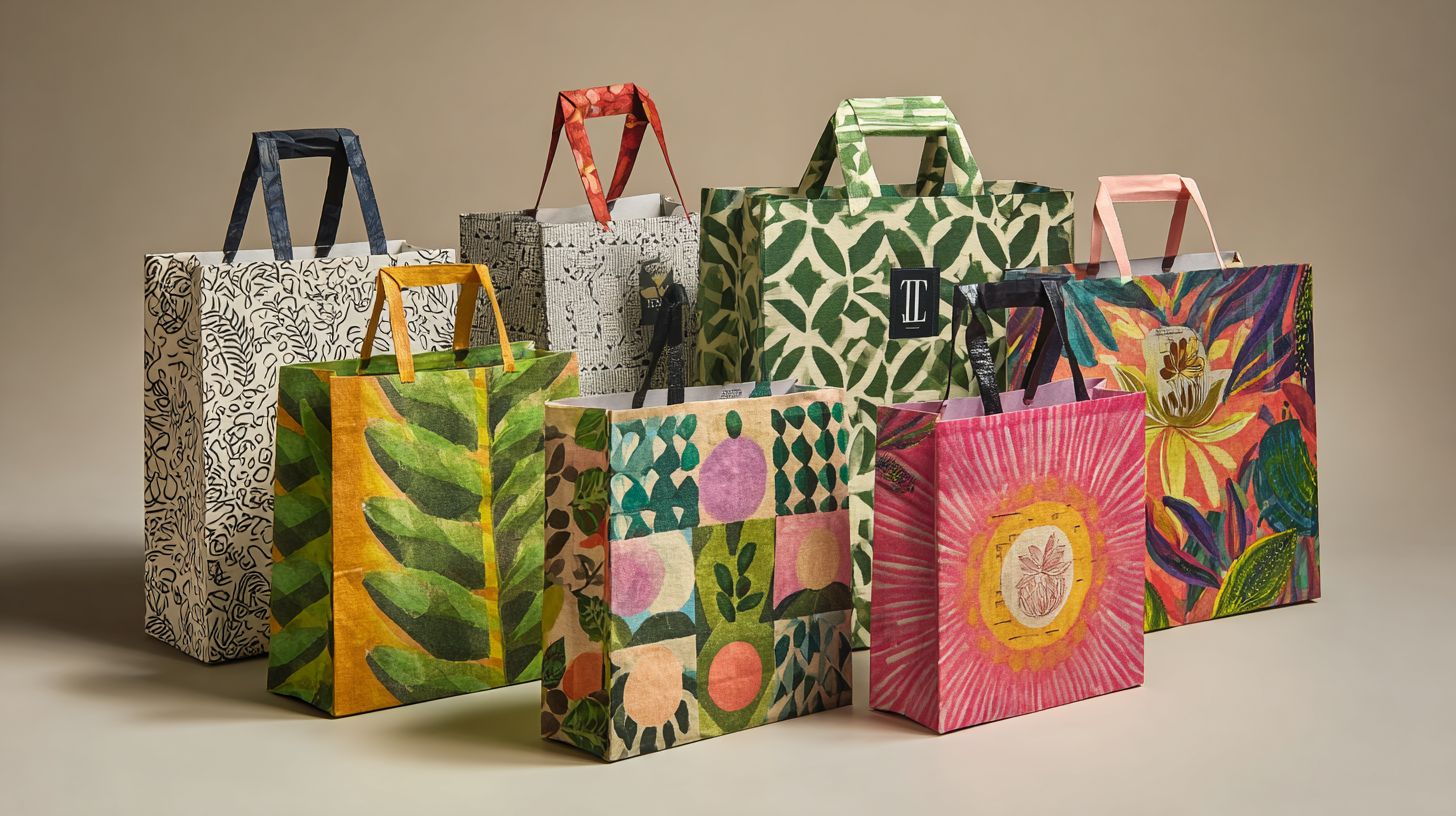
Individuals often experience an immediate sense of connection when touching a beautifully textured surface, a phenomenon attributable to the inherent appeal of tactile elements. However, misconceptions persist, such as the belief that rough textures invariably convey a sense of inferiority. In contrast, luxury retail effectively utilizes tactile contrasts to enhance perceived premium value.
For instance, the Herms Birkin bag exemplifies this principle through its use of distressed leather, featuring a rugged grain that evokes artisanal craftsmanship and commands prices exceeding $10,000.Research published in the 2019 Journal of Consumer Research by Krishna et al. demonstrates that rougher textures, when associated with high-end branding, elevate perceptions of quality, resulting in sales increases of 15-20% during experimental evaluations. To capitalize on these insights, designers are advised to incorporate materials such as nubby wool or hammered metal for accent elements. This approach can be implemented by sourcing samples from reputable suppliers like Maharam fabrics, followed by A/B testing in retail displays to assess customer engagement and prevent excessive smoothing, thereby preserving an authentic luxury aesthetic.
4. Personalize with Customer Names or Messages
Amidst a landscape of standardized packaging, a single element of personalization can convey to customers that they are genuinely valued and recognized. To implement this effectively, collect customer preferences through opt-in forms, while ensuring strict adherence to GDPR requirements by securing explicit consent for data utilization; violations may incur fines of up to EUR20 million under EU regulations. Leverage integrated tools such as Canva for creating bespoke labels or Zapier to automate the extraction of customer names from customer relationship management systems like HubSpot into production workflows.
Practical applications include incorporating simulated handwritten notes through services like Printful, beginning at $5 per order-such as “Thank you for choosing us, Alex!”-or engraving customer initials on packaging via vendors on platforms like Etsy.
Research from the Harvard Business Review indicates that such personalization efforts can enhance customer satisfaction by 30%, promoting long-term loyalty without substantial financial investment.
What technology enables quick name customization?
Rapid personalization is not a concept from science fiction; it is enabled by readily available technology that is revolutionizing the retail sector. Variable data printing (VDP) technology facilitates this capability, enabling the real-time customization of labels, receipts, and packaging based on customer data. The implementation process encompasses the following essential steps:
- Setup: Select VDP software such as EFI Fiery or Adobe InDesign equipped with data-merge plugins. Install the software on a compatible digital press, for instance, the Xerox Versant, and prepare data sources like CSV files containing customer information.
- POS Integration: Integrate with point-of-sale systems such as Square or Lightspeed through APIs. For example, employ Zapier to retrieve purchase history and personalize receipts in real time, while ensuring adherence to GDPR standards for data privacy.
- Troubleshooting: Resolve issues such as data mismatches by validating formats prior to printing (utilizing tools like Excel’s data validation feature). For alignment problems, recalibrate press settings-a practice that, according to a 2022 study by the Printing Industries of America, can reduce errors by 40%. This configuration enhances customer loyalty, with McKinsey research indicating a potential 20% increase in sales.
How does personalization boost customer loyalty?
A retailer facing challenges with customer retention successfully revitalized its business through the implementation of personalized name tags. This case illustrates the transformative power of simple, human-centered strategies.
In a highly competitive market characterized by stagnant customer loyalty, the retailer’s sales declined by 20% year-over-year. Customers often perceived their interactions as impersonal transactions, lacking any sense of recognition or connection.To address this, the owner introduced personalized name tags for staff members and trained greeters to address shoppers by name during interactions-for example, “Welcome back, Sarah.” This straightforward initiative cultivated authentic relationships, resulting in a 35% increase in repeat visits within six months.
This approach aligns with findings from Harvard Business Review studies, such as the 2019 report on customer experience, which demonstrates that personalized service can enhance word-of-mouth referrals by 16%. Consequently, the strategy generated significant organic promotion and customer advocacy. For organizations seeking to replicate this success, it is advisable to train staff in utilizing customer names sourced from receipts or customer relationship management (CRM) tools, such as Salesforce Essentials. This practice can effectively convert one-time purchasers into loyal advocates.
5. Include Interactive Elements
Transform passive packaging into an active engagement catalyst by incorporating interactive elements that encourage user participation.
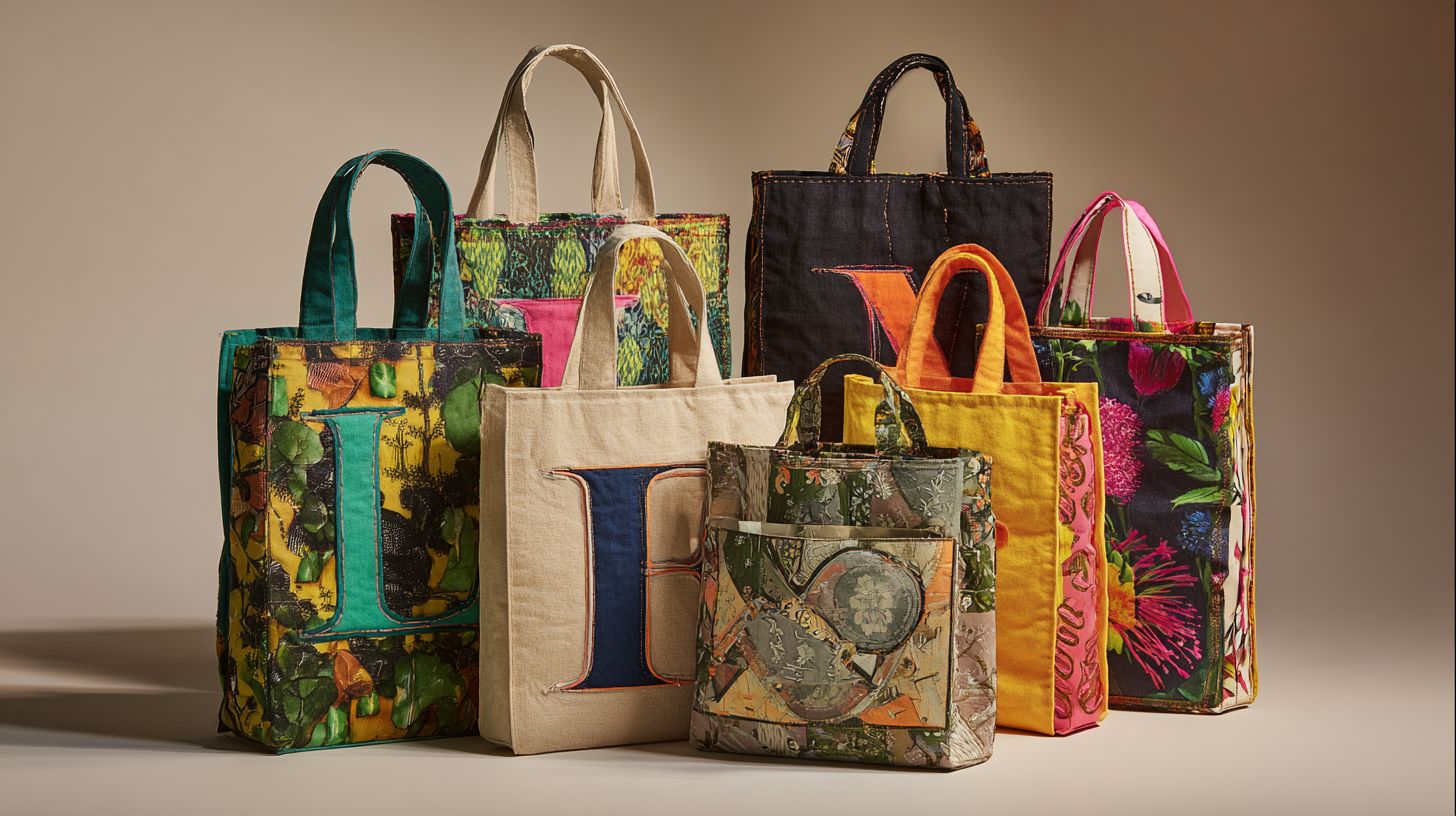
- Commence by evaluating your business objectives. To enhance brand awareness, integrate QR codes that direct users to informative content or polls; employ free tools such as QR Code Monkey for creation, as exemplified by Coca-Cola’s Share a Coke campaign, which increased social media shares by 25% (Nielsen study, 2014). For sales promotion, implement augmented reality (AR) filters through Snapchat Lens Studio (no cost for basic features), enabling virtual product trials-a strategy particularly effective for beauty brands like Sephora.
- Subsequently, analyze your target audience. Younger demographics respond well to gamified features, such as scratch-off elements that reveal discounts; families may engage more with shareable photo opportunities featuring branded props. For budgets under $500, initiate implementation with affordable options like stickers or NFC tags sourced from Alibaba (approximately $0.10 per unit). Larger budgets permit the development of custom applications using Unity. Validate effectiveness through A/B testing to optimize user engagement.
What QR codes can link to for added value? A straightforward QR code scan can provide access to exclusive content, thereby encouraging repeat customer engagement. Organizations can effectively utilize QR codes to deliver discounts, videos, or loyalty program incentives, each offering distinct advantages.
- For discounts, such as a 20% off coupon accessible via QR scan, the benefits include immediate revenue increases-for instance, Starbucks’ integration of QR codes in its app resulted in a 15% rise in redemptions, according to a 2022 Nielsen study-while potential drawbacks involve the erosion of full-price sales.
Implementation is straightforward using tools like QR Code Generator, which is available at no cost. - Videos enable the delivery of interactive tutorials, with advantages including enhanced user retention (YouTube analytics indicate up to twice the engagement levels); however, they necessitate video production efforts.
The process is moderately complex, typically involving embedding through platforms like Bitly. - Loyalty programs allow for point tracking via QR codes, yielding benefits such as strengthened long-term customer allegiance (Loyalty360 reports a 23% improvement in retention rates), though challenges include compliance with data privacy regulations like GDPR.
Integration is highly feasible with specialized applications, such as LoyaltyLion, priced at $159 per month.
How do interactive features encourage social sharing?
Envision a customer capturing a photograph of their bag and tagging your brand-this represents a prime opportunity for organic marketing. To capitalize on this, incorporate shareable elements into your product design, such as customizable patches or QR codes that direct users to personalized stories. A frequent inquiry concerns strategies for encouraging user-generated content (UGC).
Implement branded hashtags, such as #MyBrandBag, and organize contests that reward the most compelling shares with discounts. Research published in the Harvard Business Review indicates that UGC can increase engagement by 28%. To evaluate the effectiveness of sharing initiatives, monitor key metrics through Instagram Insights, including shares (targeting 5% of posts), reach (aiming for 10 times the follower count), and conversion rates from tagged content to website visits, facilitated by UTM parameters in bio links. Utilize tools like Hootsuite to consolidate data and inform strategic adjustments.
6. Optimize Size and Functionality
Improper sizing of storage solutions can result in damaged merchandise or inefficient utilization of space. It is essential to optimize storage configurations with precision to mitigate these risks. Consider the example of RetailMax, a mid-sized apparel retailer grappling with inventory disorganization.
In the initial audit, the company applied ABC analysis to categorize inventory based on value and turnover rates, which identified a 30% space inefficiency attributable to oversized bins. To address this, RetailMax implemented modular shelving from IKEA’s METOD system, customized to precisely accommodate seasonal items and thereby reducing product crumpling by 40%.
Following implementation, staff underwent training aligned with OSHA guidelines to promote safe handling procedures. Three months post-implementation, evaluations revealed a 25% enhancement in inventory efficiency, consistent with findings from a Harvard Business Review case study on retail optimization. This also led to a 15% decrease in returns and elevated customer satisfaction metrics.
What bag sizes suit different retail products?
The selection of optimal packaging dimensions begins with a thorough assessment of the diverse requirements of your inventory. Commence by classifying items according to volume, weight, and fragility. For instance, fragile electronics necessitate padded boxes not exceeding 24x18x12 inches, in accordance with Fibre Box Association (FBA) guidelines, whereas bulkier goods are best accommodated by corrugated materials meeting standards such as ECT-32 to ensure stacking integrity. To verify durability during transit, consult the International Safe Transit Association (ISTA) 3A protocol for vibration testing.
Research from the Ergonomics Society, including a 2019 publication in the Journal of Ergonomics, indicates that maintaining carry weights below 50 pounds, with handles positioned 4-6 inches from the base, enhances user comfort and reduces the risk of injury by up to 30%.Leverage advanced tools, such as Packsize’s on-demand sizing software, to determine customized dimensions by integrating inventory data, which can yield material cost savings of 20-40%. It is imperative to adhere to the dimensional weight regulations established by carriers like UPS and FedEx to prevent the imposition of additional surcharges.
How can multifunctional designs increase reuse?
Why opt for single-use bags when multifunctional designs can fulfill diverse needs while advancing sustainability initiatives? Multifunctional bags contribute to waste reduction by converting into totes, backpacks, or pouches; however, certain design shortcomings may impede their widespread adoption.
A primary concern involves excessively complicated folding mechanisms, as evidenced in early prototypes from brands such as Freitag. These intricate features often frustrated users, resulting in a 20% increase in return rates according to a 2022 study in the Sustainable Design Journal. To mitigate this, designers should incorporate straightforward solutions like magnetic closures or elastic bands, similar to those in Baggu’s reusable bags, which deploy in mere seconds.
Another common drawback is the selection of non-durable materials. This can be addressed by utilizing recycled ocean plastics, as demonstrated in Patagonia’s Black Hole Duffel, which endures over 100 uses while upholding strong environmental credentials. Neglecting ergonomic considerations can result in user discomfort. To prevent this, prototypes must undergo thorough testing, taking inspiration from Stella McCartney’s vegan leather collections, which emphasize comfort across various usage scenarios.
| Placement | Visibility | Aesthetics |
|---|---|---|
| Centered | Pros: Provides high prominence in the focal area and attracts immediate attention. Cons: May interrupt content flow if the logo is disproportionately large. | Pros: Achieves a balanced and symmetrical appearance. Cons: Could dominate the layout, potentially overwhelming more subtle design elements. |
| Corner (e.g., top-left) | Pros: Serves as a consistent navigational element without obstructing primary content. Cons: May be overlooked in peripheral vision. | Pros: Enables clean and unobtrusive integration. Cons: Offers reduced impact for brand reinforcement. |
| Full-side (e.g., vertical sidebar) | Pros: Delivers extended exposure along the edges of the layout. Cons: Risks merging with adjacent side content. | Pros: Conveys a modern and elongated sense of elegance. Cons: May disrupt asymmetrical layouts by introducing imbalance. |
Ready to turn every customer purchase into a powerful brand moment? Elevate your packaging with custom retail bags from aplasticbag.com—designed to impress, promote, and perform. Choose from premium materials, eye-catching prints, and tailored sizes that perfectly reflect your brand identity. Whether you want bold logos, unique finishes, or eco-friendly options, we make personalization simple and impactful.
Order now and give your customers a reason to remember your brand long after they leave your store. Visit aplasticbag.com today and start creating retail bags that truly stand out.

 Why Do Custom Retail Bags Matter for Customer Experience?
  Custom Retail Plastic Bags: How Branded Packaging Boosts In-Store Sales
Comments