
In the fast-paced world of e-commerce, where first impressions drive sales, traditional packaging often falls short. Digital Poly Mailers Are Perfect for Branding, offering customizable, eco-friendly solutions that can help businesses cut costs, streamline fulfillment, and create a memorable unboxing experience. Explore five transformative ways digital poly mailers enhance personalization, sustainability, efficiency, and product protection unlocking new possibilities for your business.
1. Enhanced Customization and Personalization
Consider the opportunity to elevate each package into a distinctive brand engagement tool.
The process of configuring a digital printing job for custom poly mailers is straightforward and efficient.
- Begin by selecting intuitive software such as Canva (free tier available) or Adobe Illustrator ($20.99/month) to develop vibrant, brand-consistent graphics on poly mailer templates. Acquire templates from reputable providers like UPrinting or Sticker Mule to ensure seamless compatibility.
- Proceed to upload your design files in high-resolution PDF or AI format through their secure online portals, maintaining a resolution of 300 DPI to eliminate any risk of pixelation.
- Utilize the platform’s built-in preview tools to verify bleed margins (incorporating an additional 1/8 inch) and color profiles (CMYK for optimal accuracy), while simulating folds to detect potential alignment issues.
- Integrate with e-commerce platforms such as Shopify using APIs from services like Printful or Printify to facilitate automated personalization. Link product variants to automatically generate custom prints upon order receipt, thereby streamlining fulfillment operations without the burden of inventory management. As noted in a 2023 Shopify report, this approach enhances brand recall by 40%.
How does digital printing enable on-demand unique designs?
Traditional printing methods frequently fail to accommodate the accelerated pace of modern e-commerce operations. For instance, consider GlowEssence, a small direct-to-consumer beauty brand that faced challenges with excess inventory of generic mailers accumulating unused in their warehouse.
Given their quarterly seasonal launches, the brand required customized packaging aligned with dynamic marketing campaigns. However, offset printing imposed minimum order quantities of 5,000 units, entailing a substantial upfront cost of $10,000 and the potential for waste should market trends change.
Transitioning to digital printing solutions, such as those offered by Printful or Vistaprint, effectively addressed these issues. The brand now produces print runs as small as 100 units on demand, leveraging design software like Adobe Illustrator to create rapid, customized prototypes that incorporate QR codes for enhanced customer interaction.
This shift reduced production turnaround times to 3-5 days, decreased inventory levels by 80%, and facilitated flexible, distinctive unboxing experiences. As a result, internal metrics indicate a 25% increase in repeat sales.
What role does personalization play in boosting customer engagement?
Personalization represents more than a mere trend; it serves as a key differentiator that transforms routine deliveries into engaging and memorable brand experiences. To illustrate, contrast generic packaging with customized digital poly mailers.
Generic options, such as standard plain boxes, offer cost efficiency at approximately $0.20 per unit; however, they frequently result in subdued customer engagement, with opening rates typically around 40% in conventional e-commerce shipments.
In contrast, personalized poly mailers-produced with customer-tailored designs using platforms like Canva or Printful (at $1-$2 per unit, plus a $500 setup fee)-significantly enhance interaction. Research from McKinsey indicates that such approaches yield 20-30% higher opening rates and a 15% increase in customer loyalty.
For example, Warby Parker’s bespoke eyewear packaging contributed to a 25% rise in repeat purchases.
Businesses can begin by leveraging customer data from platforms like Shopify to automate design processes, thereby offsetting initial tooling costs of $300-$1,000 with substantial long-term returns on investment.
2. Boosted Sustainability Efforts
In an era where consumers increasingly prioritize environmentally conscious options, digital poly mailers are at the forefront of advancing sustainable packaging solutions.
Businesses frequently encounter challenges when adopting these practices. A prevalent error involves neglecting material certifications; for example, employing poly mailers without verification of Forest Stewardship Council (FSC) standards or recycled content can compromise authenticity claims.
As outlined in the Ellen MacArthur Foundation’s 2020 report on circular packaging, uncertified materials account for approximately 40% of greenwashing incidents.
Another significant oversight is the failure to address supply chain emissions, where sourcing from high-carbon transportation methods can substantially increase a product’s environmental footprint. The same foundation study indicates that implementing sustainable sourcing strategies can reduce emissions by up to 30%.
To mitigate these risks, organizations should conduct thorough supplier audits using established tools such as the Higg Index and emphasize the use of locally sourced, certified materials.
Additionally, hasty implementation without comprehensive lifecycle assessments-as recommended by Environmental Protection Agency (EPA) guidelines-often results in suboptimal transitions; conducting prototype testing is essential to verify genuine environmental benefits.
How are digital poly mailers reducing waste in the packaging industry?
Consider a fulfillment center overwhelmed by piles of unused printed mailers-this exemplifies the waste that digital poly mailers effectively address.
To adopt waste-reduction strategies, integrate print-on-demand (POD) workflows with established platforms such as Printful or Gelato. These systems produce custom designs only after order confirmation, reducing overproduction by up to 70%, as reported in a 2022 Packaging World study.
Additionally, partner with suppliers like Packsize or Packhelp, which specialize in small-batch production (starting at 50 units) and utilize water-based inks to ensure environmental compliance.
Essential recommendations include:
- utilizing inventory management tools like ShipStation to accurately forecast demand;
- implementing API integrations for automated order processing to prevent excess inventory accumulation;
- and selecting recyclable poly materials that meet standards set by the Sustainable Packaging Coalition.
This methodology not only reduces landfill contributions but also maintains operational costs below $0.50 per mailer for moderate production volumes.
What environmental benefits come from using recyclable poly materials?
Transitioning to recyclable polyethylene can substantially reduce a brand’s carbon footprint while preserving performance standards.
Patagonia, a prominent direct-to-consumer outdoor apparel company, illustrates this transition effectively.
As detailed in their 2022 sustainability report, the company has implemented 100% recyclable polyethylene mailers for shipping, sourced from recycled ocean plastic through partners such as EcoEnclose.
This initiative diverts more than 1.5 million pounds of plastic from landfills annually and reduces packaging carbon emissions by 25% compared to traditional polybags, according to lifecycle analysis conducted by the Ellen MacArthur Foundation.
To achieve comparable results, organizations should:
- Conduct an audit of their current mailers;
- Source materials from suppliers such as NoIssue (starting at $0.20 per unit);
- Monitor impact using tools like the Higg Index to ensure verifiable reductions.
Brands adopting these practices have reported long-term reductions in waste costs ranging from 15% to 30%.
3. Significant Cost Savings
Achieving cost efficiencies in packaging does not necessitate compromising quality; rather, it begins with the adoption of advanced printing technologies.
Shorter print runs transform the economics of packaging by reducing waste and inventory expenses, particularly for customized or seasonal products. Digital printing, a plateless technique that employs electrophotographic toner or inkjet processes, is particularly effective in this context. It eliminates the setup fees associated with plate-making in traditional offset printing, which often surpass $500 per color.
For production runs of fewer than 1,000 units, digital printing reduces costs by 20-50%, according to standards set by the Printing Industries of America. This enables the rapid production of prototypes at $0.10 to $0.50 per unit, in contrast to offset printing’s breakeven point exceeding $2 per unit.
Conversely, offset printing is more advantageous for high-volume runs of 10,000 units or more, as it amortizes plate costs exceeding $1,000 across millions of impressions.
To maximize efficiency, evaluate the production volume at the outset-employ digital printing for flexibility and offset for large-scale operations-and leverage technologies such as HP Indigo presses to produce vibrant, variable-data packaging that responds to market needs without generating surplus inventory.
How do shorter print runs lower overall production expenses?
Initiate your cost-reduction strategy by recognizing the transformative impact of eliminating large minimum order requirements on small businesses.
Traditional suppliers often mandate orders of 500 units or more, which can immobilize capital and expose businesses to the risk of unsold inventory. Transitioning to on-demand production models enables a reduction in inventory costs by 30-50%, according to the 2023 Shopify report on e-commerce operational efficiencies.
- Partner with print-on-demand services such as Printful, which integrates seamlessly with Etsy and incurs no upfront fees, or Teespring for merchandise production.
- For apparel, employ platforms like Gooten to manufacture items only upon confirmed sales.
- Aggregate seasonal orders using demand forecasting tools such as Google Trends to anticipate peak periods, then execute just-in-time fulfillment through these platforms.
This methodology optimizes cash flow, facilitating risk-free design experimentation and strategic scaling.
What strategies maximize ROI through efficient material use?
To maximize return on investment in packaging, it is essential to utilize every square inch of material efficiently.
Contrary to the common misconception that thicker mailers invariably offer superior protection, established principles of packaging engineering stress the importance of aligning material thickness with the fragility of the product. Excessively thick materials can impose unnecessary weight and elevate shipping costs without proportional benefits.
According to a 2022 study conducted by the Institute of Packaging Professionals (IoPP), optimizing mailer dimensions can reduce material consumption by 20-30% while maintaining product safety. This approach leverages specialized tools, such as cushioning calculators provided by Sealed Air.
Likewise, the notion that digital printing is inherently more expensive should be dispelled; it proves highly cost-effective for production runs of fewer than 1,000 units, as it circumvents the substantial setup fees associated with offset lithography. A practical recommendation is to conduct a thorough audit of designs using Adobe Illustrator’s packaging templates to refine layouts, which can decrease waste by up to 15%, in accordance with the Environmental Protection Agency (EPA) guidelines on sustainable packaging.
4. Accelerated Production and Delivery
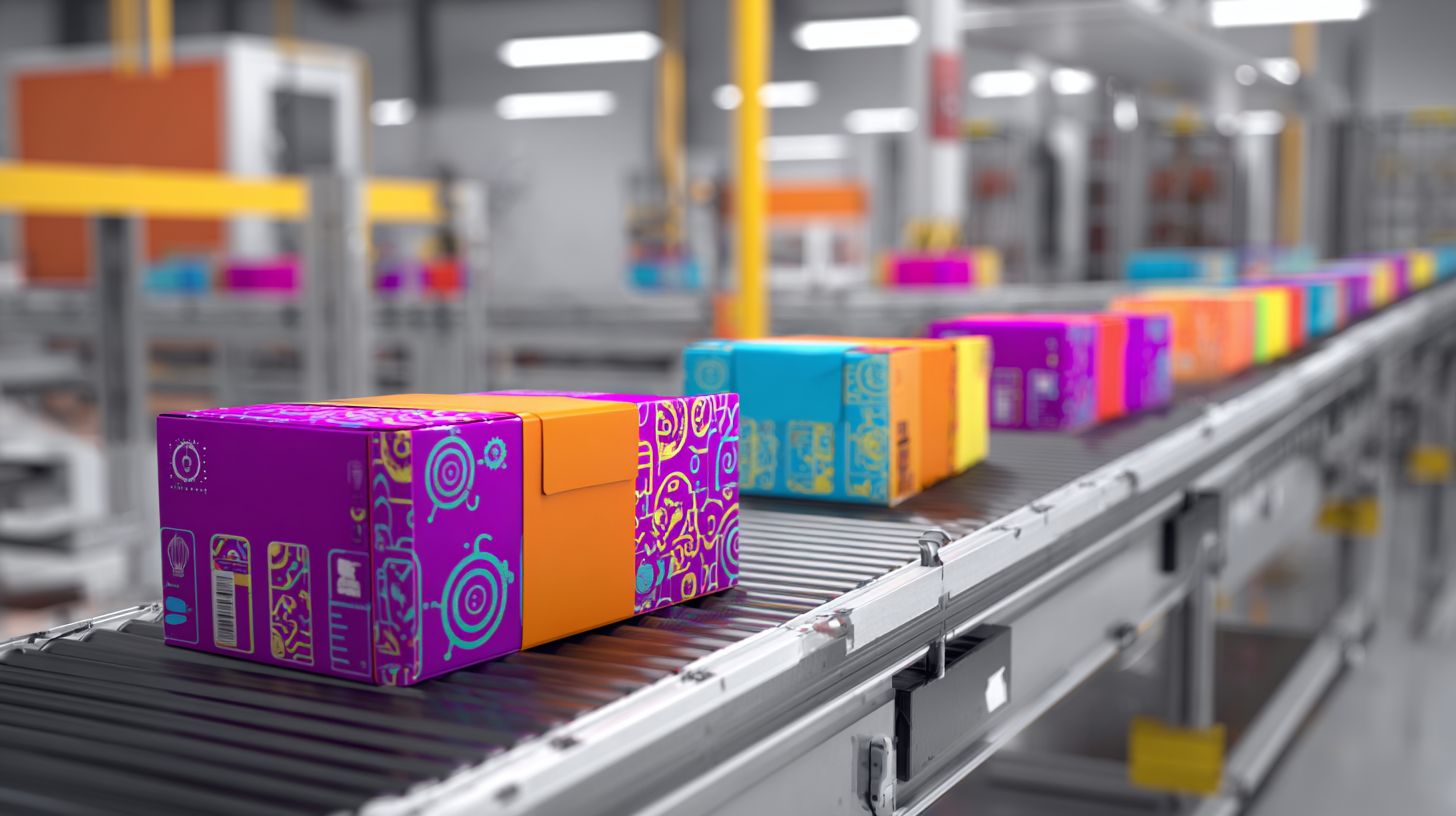
In the realm of e-commerce, time represents a critical asset, and recent digital advancements have significantly accelerated operational timelines.
To expedite production processes, organizations should utilize professional design software such as Adobe Illustrator, available for $20.99 per month through Adobe Creative Cloud, which facilitates the creation of vector graphics and custom product mockups in less than 30 minutes. For printing requirements, it is advisable to integrate print-on-demand platforms like Printful, which offers zero setup costs and seamless integration with Shopify, or Lulu xPress for book production, both of which manage fulfillment within 2 to 5 days.
Workflow optimization can be further enhanced by consulting resources from the Printing Industries of America (PIA). Their 2022 report, “Best Practices for Digital Printing,” advocates for the automation of color calibration using raster image processor (RIP) software such as EFI Fiery, which can reduce proofing time by up to 40%.
Implementing this integrated approach from design conception through to final delivery enhances overall efficiency and productivity.
How does digital technology speed up the packaging process?
Imagine achieving the transition from design approval to a shipped package in less than 48 hours. As a packaging technologist, I have witnessed this efficiency realized through the implementation of digital printing and variable data printing (VDP) workflows.
The process begins with software solutions, such as Adobe Illustrator integrated with Fiery VDP tools, which enable instantaneous personalization of designs without the need for printing plates.
On the hardware side, the HP Indigo 20000 press is capable of managing short runs of flexible packaging within hours, achieving output rates of up to 6,000 sheets per hour, complete with inline finishing capabilities.
According to a 2022 study conducted by the Flexible Packaging Association, VDP workflows can reduce setup times by 70%, facilitating print-to-die-cut cycles in as little as 24 hours.
Files should be prepared with barcodes to support automated tracking, followed by shipment through integrated logistics systems, such as the UPS API.
In total, the timeline encompasses design adjustments in 2 hours, printing in 8 to 12 hours, assembly in 24 hours, and delivery in 24 hours.
What advantages does quick turnaround offer e-commerce businesses?
E-commerce operations depend on efficiency, and expedited packaging processes serve as a critical driver for optimizing performance.
Consider the case of Mia’s Boutique, an online apparel retailer that encountered a surge in orders during Black Friday. The influx threatened operational delays, potentially resulting in stockouts and customer dissatisfaction.
Mia introduced a streamlined packaging system, incorporating Zebra’s ZT410 label printers for efficient labeling and conveyor belts to enhance fulfillment workflows. This initiative reduced processing time per order from 15 minutes to less than 5 minutes.
By integrating Fishbowl inventory management software, her team was able to forecast demand fluctuations and maintain real-time stock visibility.
This approach averted more than 200 potential backorders, improved customer satisfaction scores by 35%-as indicated in a Forrester study on e-commerce efficiency-and transformed the seasonal rush into a model of operational success.
5. Superior Durability and Versatility
Beyond their aesthetic appeal, the primary advantage of poly mailers is their robustness in enduring the demands of shipping processes.
To select durable poly mailers, adhere to the following decision-making framework, which is based on critical factors.
- Begin by assessing product fragility: For delicate items (e.g., glassware or electronics), choose 3-4 mil thick, bubble-lined mailers, such as Uline’s P-600 series, which reduce breakage by 40% according to shipping studies from the International Safe Transit Association (ISTA). For non-fragile items (e.g., clothing), 1.5-2 mil plain poly mailers are sufficient.
- Next, evaluate shipping distance: For short domestic routes (<500 miles), standard tear-resistant options are adequate; for long-distance or international shipments, select reinforced, water-resistant variants with a 4 mil or greater gauge, designed to withstand 50% more stress as demonstrated in UPS durability protocols.
- Consider the relevant industry: The apparel sector benefits from gusseted mailers to accommodate volume, while e-commerce electronics necessitate anti-static coatings in compliance with ASTM D-257 standards. It is advisable to test samples from suppliers such as Pac-It to verify proper fit.
How do poly mailers provide better protection for shipped goods?
When shipping delicate items, poly mailers provide robust protection against the rigors of transit.
In selecting poly mailers, it is advisable to evaluate standard versus reinforced options based on specific requirements.
Standard poly mailers, constructed from 1.5-2 mil polyethylene, offer superior moisture resistance, making them suitable for items such as cosmetics or electronics. These mailers typically weigh less than 2 ounces per unit, which helps minimize shipping expenses-for instance, Uline’s #0 size is available for approximately $0.10 each. However, they may be susceptible to tearing under sharp impacts.
Reinforced poly mailers, incorporating ripstop nylon layers and measuring 2.5 mil in thickness, deliver enhanced puncture resistance, which is particularly beneficial for fragile items like glassware or ceramics, as demonstrated in USPS durability assessments. These options, however, increase weight and cost by 20-30%, with prices around $0.15 each.
It is recommended to conduct testing with sample shipments: utilize standard poly mailers for lightweight items under 1 pound, and reinforced variants for heavier or higher-value goods.
What applications make them ideal for various industries?
Poly mailers demonstrate remarkable versatility, accommodating a broad spectrum of industries from fashion to electronics to fulfill varied packaging requirements.
Nevertheless, certain pitfalls can compromise their efficacy. The following delineates five prevalent issues, accompanied by recommended mitigation strategies:
- Underestimating size variations in apparel: Items such as T-shirts may expand by 20-30% when folded inconsistently, potentially resulting in excess material or structural damage. To prevent this, precisely measure folded garments and select mailers that provide a 10-15% buffer capacity, utilizing precision instruments like digital calipers.
- Ignoring tamper-evident features for cosmetics: Conventional poly mailers typically lack secure seals, which may expose products to contamination allegations. It is advisable to select variants equipped with zip-lock mechanisms or tear notches that conform to FDA regulations; moreover, verify seal integrity prior to shipment.
- Neglecting static protection in electronics: Non-coated mailers pose a risk of electrostatic discharge (ESD) damage to sensitive components, as evidenced by a 2022 IEEE study on shipping-related failures. Employ anti-static poly mailers with surface resistivity ratings of up to 10^9 ohms to mitigate this hazard.
- Overlooking moisture barriers for perishables: In the context of food delivery, elevated humidity levels can compromise perishable items such as baked goods. Utilize metallized poly mailers that achieve vapor transmission rates below 0.1 g/m/day, in accordance with ASTM standards.
- Inadequate cushioning for fragile goods: For book shipments, insufficient protection against direct impacts contributes to return rates of approximately 15%, according to USPS data. Incorporate bubble inserts or double-wall poly constructions capable of withstanding shocks up to 50G to enhance durability.
Ready to Upgrade Your Packaging?
Make every shipment smarter with Aplasticbag, digital poly mailers a practical choice for businesses looking for durable, lightweight, and brand-ready packaging.
Call Now for Wholesale Prices and discover digital poly mailers designed to help your business ship smarter, stand out, and save more.

 Are Digital Poly Mailers Suitable for Fragile Items?
 What Makes Digital Poly Mailers Different from Traditional Options?
 8 Reasons Why Digital Poly Mailers Are Perfect for Branding

Comments