
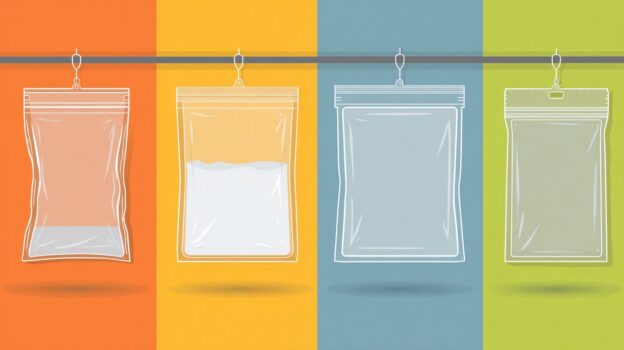
In the high-stakes arena of shipping and storage, even minor product damage can erode customer trust and inflate costs-yet robust packaging often gets overlooked. Flat poly bags emerge as a game-changer, offering superior protection without complexity. Explore five transformative benefits: bolstered durability against tears, unwavering moisture resistance, budget-friendly efficiency, tailored customization, and streamlined space savings that safeguard your inventory and bottom line.
1. Enhanced Durability Against Physical Damage
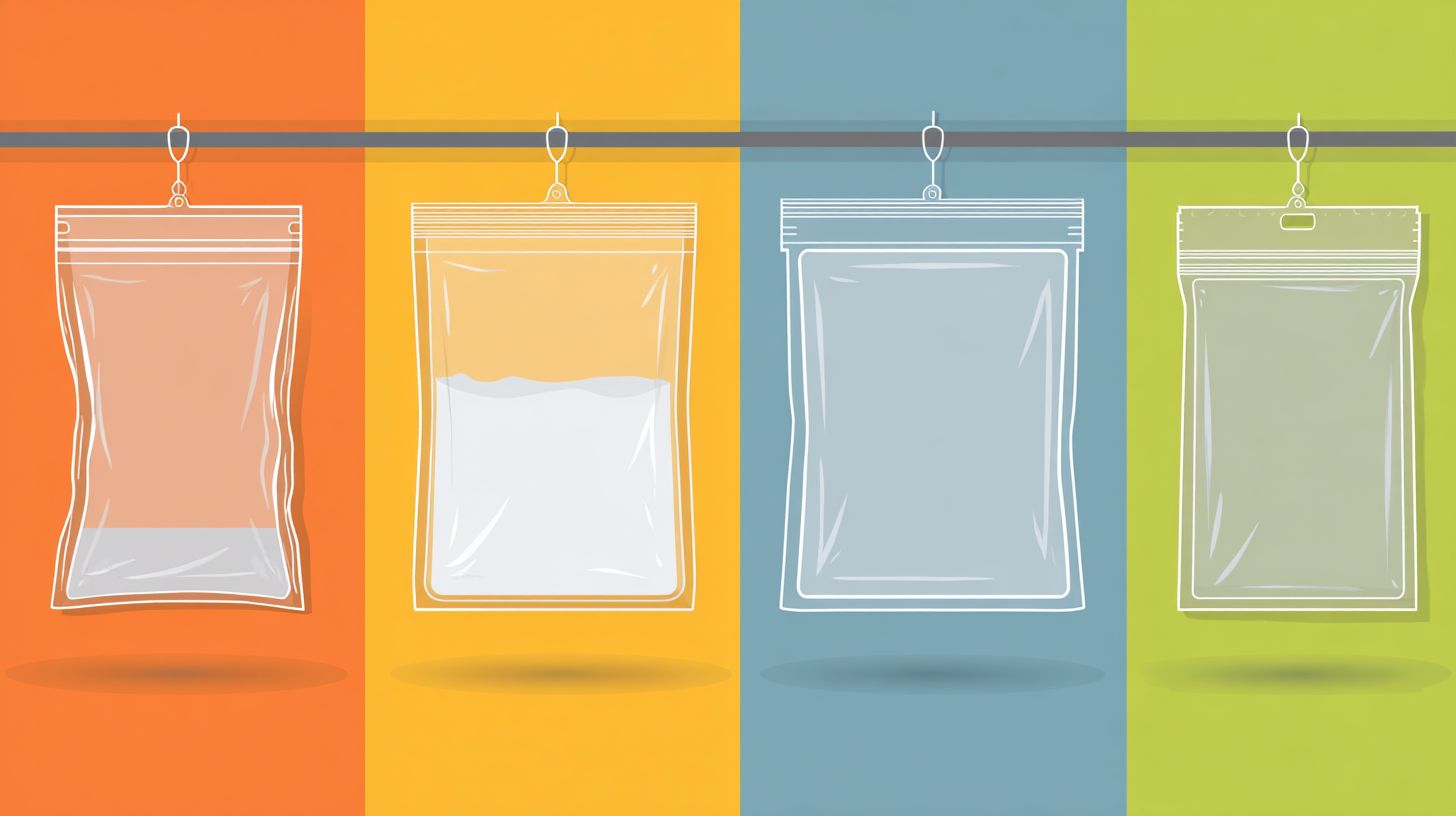
Envision a streamlined shipping process for fragile items, free from the risks of tears or punctures that could compromise delivery success.
The selection and testing of flat poly bags for durability begin with identifying low-density polyethylene (LDPE) options rated at 2-4 mil thickness, suitable for standard shipping applications and compliant with ASTM D882 standards. Tear resistance should be evaluated using an Elmendorf tear tester (available from Thwing-Albert for over $5,000), which measures the force in grams required to propagate a tear-target values of 200 grams or more per inch to ensure bag robustness.
- Obtain samples from reputable suppliers such as Uline.
- Perform testing: Initiate a 63mm slit and measure cross-tear resistance across 10 samples, then compute the average results.
- Incorporate findings into operational workflows by establishing standardized bag specifications within the enterprise resource planning (ERP) system, providing staff training on appropriate sealing techniques using impulse sealers, and conducting quarterly reviews of failure rates to optimize selections.
This methodical approach, supported by a 2022 Packaging Institute study demonstrating a 30% reduction in damage incidents, guarantees consistent and reliable product protection.
How do flat poly bags resist tears and punctures?
A minor lapse in packaging can transform an ordinary shipment into a significant financial liability.
For instance, consider a shipment of fragile glassware packaged in standard cardboard boxes without adequate cushioning. During transit, vibrations may result in breakage, contributing to return rates as high as 20% and generating customer dissatisfaction, as evidenced by UPS studies indicating annual e-commerce losses surpassing $1 billion.
The underlying problem lies in insufficient safeguards against physical impacts and moisture exposure.
Adopting flat poly bags constructed from robust 3-mil polyethylene effectively addresses these concerns. These bags provide a close fit to the contents, delivering resistance to punctures and water while reducing overall weight by up to 30%, thereby lowering shipping expenses.
- begin by measuring the product’s dimensions,
- then choose suitable bag sizes (such as 12×15 inches for smaller items),
- and secure the packaging with heat-sealing tools to achieve tamper-evident protection.
This method ensures reliable and efficient deliveries, enhancing customer satisfaction while minimizing losses.
What thickness options provide optimal protection?
Selecting the appropriate thickness for flat poly bags is not merely a matter of bulk; it requires a careful balance between protection and practicality.
Flat poly bags are available in light (0.5-1 mil), medium (1.5-2 mil), and heavy (3+ mil) thicknesses, each designed to meet specific requirements, with no single option being universally superior.
| Thickness | Advantages | Disadvantages | Suitable Products |
|---|---|---|---|
| Light (0.5-1 mil) | Cost-effective; lightweight for shipping; easy to store in bulk | Limited puncture resistance; susceptible to tearing with sharp items | Small, lightweight items such as jewelry or apparel; suitable for retail display in accordance with ASTM D6400 standards |
| Medium (1.5-2 mil) | Balanced durability and flexibility; adequate tear resistance for moderate handling | Greater cost compared to light options; still vulnerable to heavy impacts | Books, electronic components, or produce; versatile for e-commerce applications as supported by studies from the Flexible Packaging Association |
| Heavy (3+ mil) | Superior protection against punctures and abrasions; reusable for demanding transport conditions | Bulkier, which increases shipping weight and costs; reduced flexibility | Tools, hardware, or industrial components; optimal for high-value items in line with ISO 780 packaging guidelines |
It is advisable to evaluate the weight, fragility, and shipping method of your products when making a selection-opting for light thicknesses for high-volume sales and heavy thicknesses for enhanced security.
2. Superior Moisture and Water Resistance
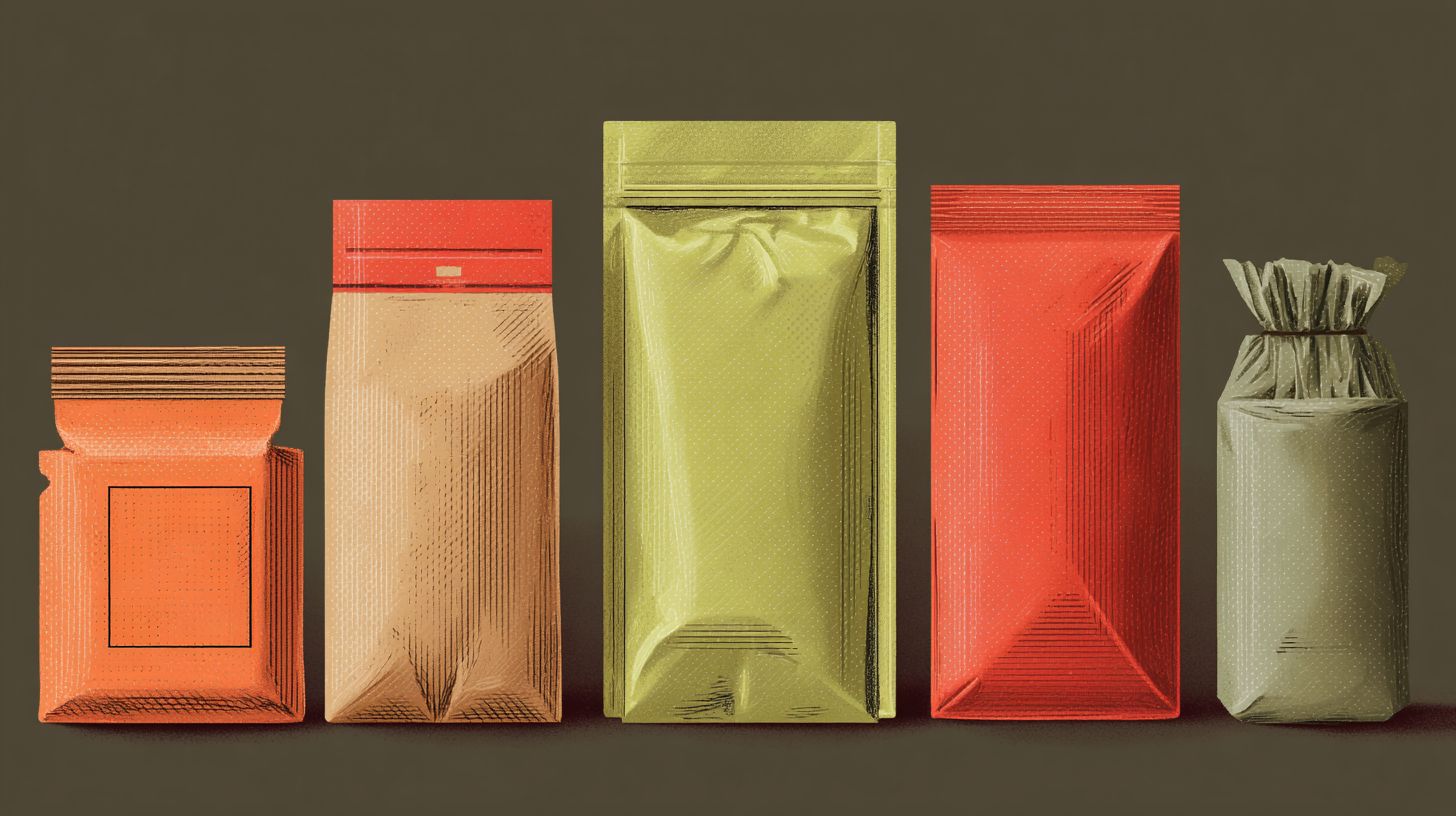
Even brief exposure to humidity can compromise the integrity of products. Businesses frequently overlook critical packaging pitfalls when handling moisture-sensitive items.
- Selecting the incorrect poly bag thickness: It is advisable to choose 4-6 mil flat poly bags from reputable suppliers such as Uline to effectively barrier moisture, as thinner options (under 3 mil) prove inadequate in humid conditions, in accordance with ASTM D3985 standards.
- Improper sealing: Manual folding methods should be avoided; instead, employ heat sealers, such as the Impulse Sealer (available for approximately $50 on Amazon), to create airtight bonds and prevent the 20-30% leakage rate commonly observed with tape seals.
- Inadequate size selection: Bags should be selected that are 20% larger than the products to enable straightforward sealing without air pockets, thereby reducing the risk of mold formation by up to 50%, as indicated by studies from the Institute of Packaging Professionals.
How do poly materials block humidity effectively?
Begin by examining the scientific principles underlying polyethylene’s impermeability to water vapor. Polyethylene’s extended, non-polar hydrocarbon chains form a compact molecular structure that effectively repels water molecules, resulting in vapor transmission rates as low as 1 g/m/day, in accordance with ASTM E96 standards. Packaging experts advocate the use of low-density polyethylene (LDPE) for flexible wrappings on moisture-sensitive products, such as electronics or pharmaceuticals, which can prolong shelf life by up to 50%, as demonstrated in a 2020 study published in the Journal of Applied Polymer Science.
To capitalize on these properties, consider applying a thin polyethylene laminate to cardboard boxes for transporting perishable goods; prior testing of vapor permeability with a MOCON Permatran instrument is advisable.
For ongoing maintenance, refrain from exposing the material to temperatures exceeding 80 degreesC to avert degradation, and utilize mild isopropyl alcohol wipes for cleaning to reinstate hydrophobicity without undermining structural integrity.
In practice, Amazon employs polyethylene-bagged packaging for electronic devices in humid storage facilities, thereby reducing return rates by 20%.
In what scenarios do they prevent water damage?
Flat poly bags demonstrate their value during inclement weather at loading docks, effectively protecting shipments from environmental hazards. These robust, waterproof enclosures safeguard products against moisture, thereby preventing water penetration during transportation.
For instance, EcoMart, an e-commerce retailer focused on electronics, operates in humid climates such as the Pacific Northwest and encountered frequent returns attributable to water-damaged merchandise.
By adopting flat poly bags featuring 3-mil thickness seals, EcoMart achieved airtight packaging and incorporated desiccant packets for enhanced protection. Comprehensive staff training on proper overlapping fold techniques further ensured efficacy.
A 2022 report from Packaging World magazine on e-commerce logistics indicates that such measures have reduced water-related returns by 30% across the industry.
EcoMart realized comparable outcomes within six months, resulting in elevated customer satisfaction and annual savings of $150,000 in refund expenses.
3. Cost-Effective Packaging Solution
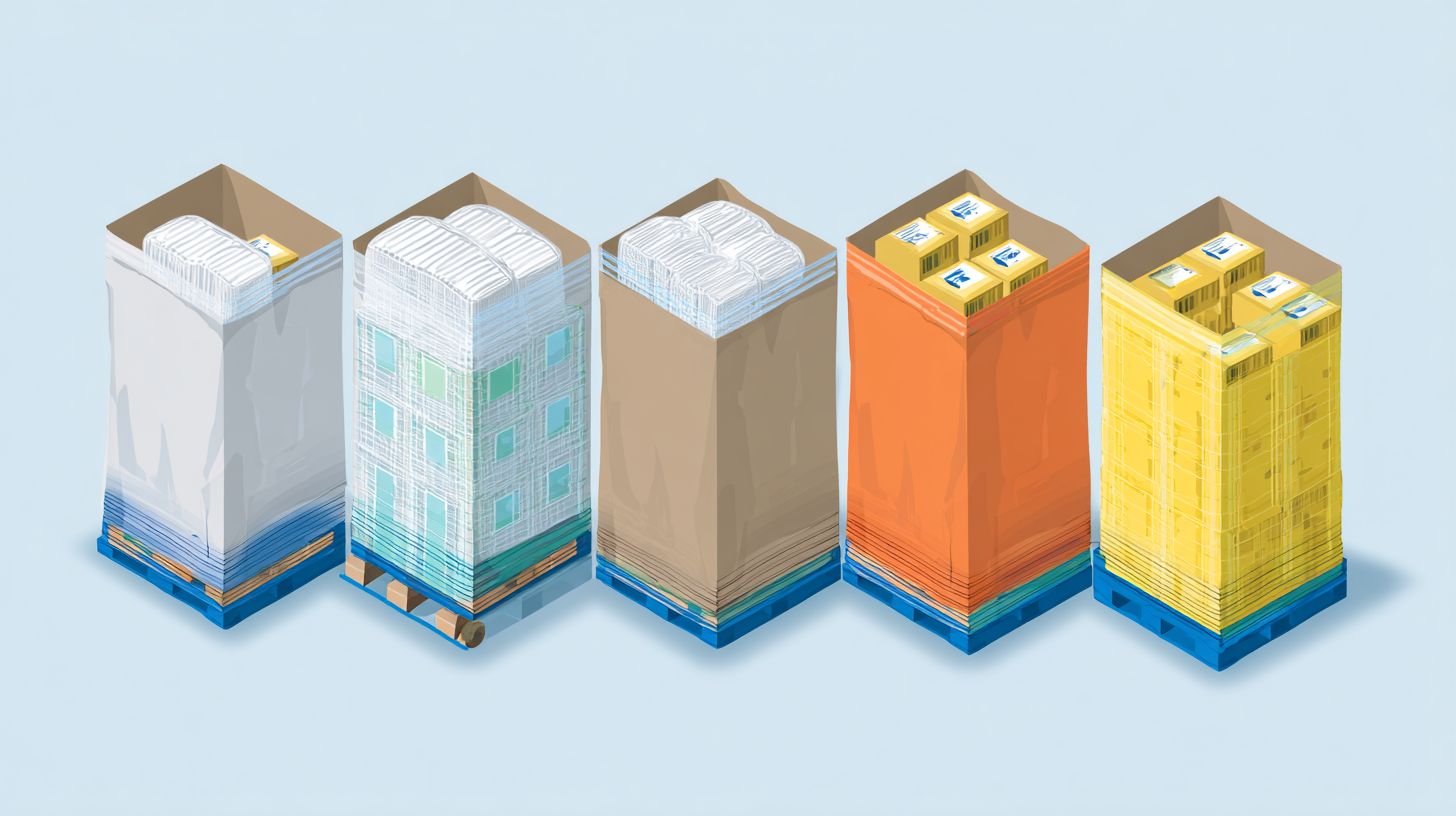
In an era of escalating logistics costs, judicious selections in packaging can effectively protect your organization’s financial performance.
Flat poly bags, predominantly constructed from low-density polyethylene (LDPE), provide a cost-effective packaging option owing to their straightforward material composition and streamlined manufacturing processes. LDPE, which is produced through the polymerization of ethylene, is priced at approximately $0.80 to $1.20 per pound according to standards set by the Plastics Industry Association (PIA), allowing for bulk production of bags at less than $0.01 per unit.
The production process utilizes blown film extrusion, wherein resin pellets are heated to 350-450 degreesF, extruded through a circular die to form a tubular structure, inflated to achieve the desired width, and then cooled to create flat sheets, which are subsequently slit and sealed. This efficient, high-velocity method generates 500 to 1,000 feet of material per minute, thereby reducing labor and energy expenditures.
To achieve tangible cost reductions, procure materials from PIA-certified suppliers and select thicknesses ranging from 0.5 to 1 mil. This approach optimizes durability and economy while avoiding unnecessary material consumption.
How do flat poly bags reduce overall shipping costs?
Have you ever considered the impact of additional weight on your postage costs?
A single ounce can significantly increase expenses with USPS First-Class Mail, where rates rise from $0.55 for the first ounce to $0.70 for the second ounce, according to the 2023 pricing schedule.
For bulk shipments, UPS Ground imposes additional charges per pound, reaching up to $10.50 for the first pound on packages weighing less than 5 pounds.
One effective strategy is to adopt lightweight flat poly bags, such as those available from Uline starting at $0.05 per unit, which can reduce weight by 0.5 to 1 ounce per item compared to padded envelopes.
For a monthly volume of 500 shipments, this adjustment could yield savings of up to $75, based on a 0.5-ounce reduction at the $0.15 per ounce incremental rate.
To validate potential savings, weigh sample packages and utilize the USPS Price Calculator tool for accurate quotations.
What makes them more economical than alternatives?
Contrary to common perception, lower cost does not invariably equate to superior value in packaging solutions.
Polyethylene bags, frequently undervalued as substandard or environmentally detrimental, in fact provide exceptional long-term benefits.
According to Environmental Protection Agency (EPA) guidelines on recyclable plastics, polyethylene bags such as low-density polyethylene (LDPE) exhibit high recyclability. A 2019 study demonstrated that, when processed appropriately, they can reduce landfill waste by up to 30 percent-significantly outperforming non-recyclable alternatives.
These bags are notably lightweight, thereby reducing shipping expenses by as much as 50 percent relative to heavier paper-based options. Moreover, their durability supports multiple uses, thereby prolonging the service life of packaged products.
For enterprises, transitioning from more expensive materials to poly bags can yield annual cost savings of 20 to 40 percent, while simultaneously advancing sustainability objectives. To achieve compliance and facilitate effective recycling initiatives, it is advisable to procure from certified suppliers.
4. Versatile Customization for Various Products
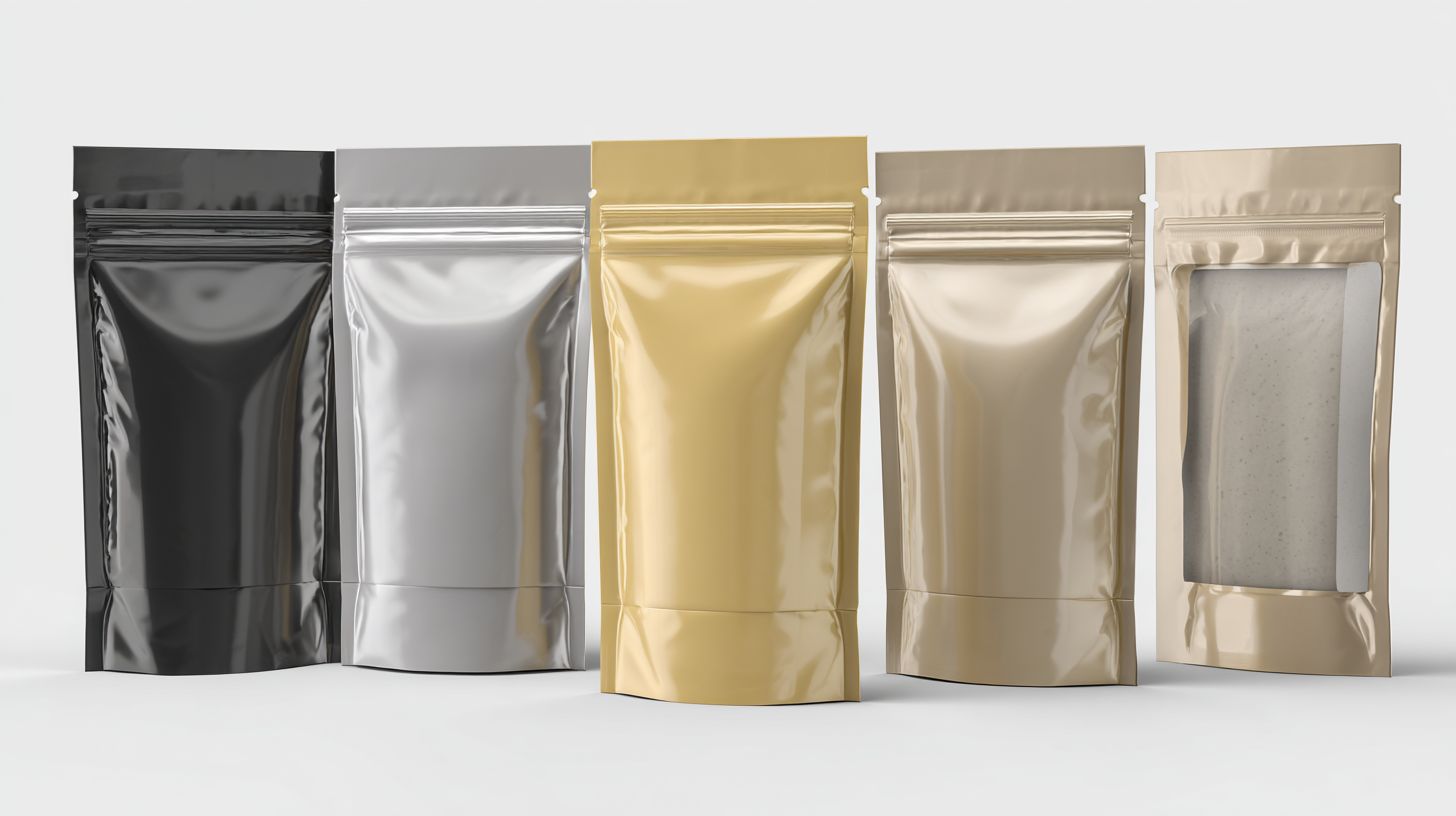
Personalizing your packaging is a strategic initiative that can significantly enhance customer loyalty. Essential resources for customizing flat poly bags streamline the process, making it both efficient and economical.
Begin with reputable suppliers such as Uline (uline.com), which provides a complimentary packaging calculator. This tool allows users to determine appropriate bag sizes based on product dimensions and obtain instant quotations, with prices starting at $0.05 per bag for orders of 1,000 units.
Similarly, Poly Pak America (polypakamerica.com) offers an online design platform for incorporating logos or colors, accommodating minimum orders as low as 500 bags.
For more sophisticated customization, consider ClearBags.com’s intuitive wizard, which supports eco-friendly materials compliant with ASTM standards. These digital tools generally require only 10-15 minutes to set up and can increase brand recognition by as much as 23%, as reported in a 2022 study by Packaging Digest.
How can sizes be tailored to fit different items?
Adapting packaging solutions to specific products begins with accurate measurements to ensure optimal fit and protection.
Q: How can one accurately determine the size of flat poly bags for electronics, such as smartphones?
A: Sarah Kline, a packaging engineer with the Institute of Packaging Professionals, recommends employing digital calipers to measure the length, width, and height of the item, adding 1 to 2 inches for cushioning. For a smartphone measuring 6 x 3 x 0.5 inches, a 9 x 6-inch bag is appropriate to facilitate easy insertion and secure sealing.
It is essential to account for bulkier protective cases as well.
Q: How should flat poly bags be sized for apparel, such as t-shirts?
A: Tim Rivera, an industry expert, suggests laying the folded garment flat and incorporating a 2- to 3-inch margin to avoid tears. A standard medium t-shirt, folded to 12 x 16 inches, should be accommodated in a 15 x 18-inch bag to provide wrinkle-free protection.
Prototypes should be tested to ensure compliance with ASTM D4169 standards for durability.
What printing options enhance branding and protection?
Consider the potential for packaging to serve as an effective marketing instrument.
For flat poly bags, the selection of an appropriate printing method can elevate standard packaging into compelling promotional materials. The following decision framework assists in choosing between flexographic and digital printing:
- Assess Volume: For low volumes (under 5,000 units), opt for digital printing, which is well-suited for short runs and offers expedited turnaround times, as evidenced by Packaging World studies indicating a 40% faster setup compared to flexography.
- Evaluate Budget: When funds are limited, digital printing reduces initial costs ($0.05-$0.15 per unit) by eliminating the need for plates. For high volumes (10,000+ units), flexographic printing achieves superior efficiency, lowering costs to $0.01-$0.05 per unit through economies of scale, according to data from the Flexographic Technical Association.
- Consider Product Requirements: If requirements include vivid colors or variable data for personalization, digital printing excels with its CMYK+ capabilities. For applications necessitating durability and high-speed production on poly materials, flexographic printing provides enhanced ink adhesion.
This structured approach ensures the creation of cost-effective, brand-aligned packaging that incorporates marketing functionality.
5. Improved Storage and Space Efficiency
Are your warehouses experiencing capacity issues? A more compact solution may be the key to optimization.
Consider Alex, the manager at BusyBee Retailers, whose facility previously operated amid disorganized stacks of bulky boxes and scattered inventory. Overcrowded shelves resulted in frequent order errors and staff dissatisfaction, with daily search times consuming significant hours.
The introduction of flat poly bags-compact, resilient plastic pouches that offer 70% greater compression than conventional options, according to the 2022 Warehouse Optimization Study by the Material Handling Institute-provided an effective remedy.
Alex adopted these by transitioning to 12×18-inch clear poly bags sourced from Uline (available starting at $20 per 500-pack). This allowed for the systematic organization of small components into labeled stacks, thereby reclaiming 40% of the floor space.
As a result, order-picking efficiency increased by 25%, transforming a disorganized environment into a highly efficient workflow.
To implement a similar initiative:
- Conduct a thorough audit of your available space,
- Choose bag dimensions that align with your inventory requirements,
- And provide training to your team for seamless integration.
How do flat designs save warehouse space?
Optimizing storage efficiency requires a strategic reevaluation of packaging choices to minimize the overall footprint.
Flat poly bags provide substantial benefits compared to traditional bulky boxes in terms of warehouse operations. Research from the Warehousing Education and Research Council (WERC) 2022 study indicates that poly bags can reduce storage volume by as much as 75%, allowing for 4-6 times denser stacking than boxes. This efficiency can decrease shelving requirements by up to 50% in high-density facilities.
The advantages of poly bags include their lightweight construction, which can lower shipping costs by 20-30%, and their ease of use for packaging small items such as apparel. However, a notable drawback is their limited resistance to punctures.
In contrast, boxes offer superior durability, making them ideal for fragile goods, though they occupy 2-3 times more space according to WERC benchmarks.
To implement improvements, conduct a thorough inventory audit and transition non-fragile items to poly bags, thereby reclaiming 30-40% of floor space immediately.
In what ways do they simplify inventory management?
Optimizing inventory management in the stockroom may initially appear daunting, but it becomes more approachable by focusing on essential principles.
Q: What are the primary inventory challenges in a stockroom?
Overstocking, mislabeling, and inadequate stock rotation often result in operational errors. According to studies published in the Supply Chain Management Review, these issues can lead to up to 20% waste from outdated inventory.
Implementing FIFO (First In, First Out) principles, as recommended by experts at MIT’s Supply Chain Lab, addresses this by prioritizing the use of the oldest items first.
Q: How do transparent and sealable flat poly bags enhance tracking and minimize errors in accordance with FIFO protocols?
These bags provide clear visibility, facilitating rapid scanning and accurate date labeling to prevent mix-ups. They can be securely sealed using zip-lock mechanisms or heat sealers, such as the Impulse Sealer (available for $30 on Amazon), to preserve product integrity.
Actionable Recommendation: Affix entry dates to incoming bags using a Dymo LabelMaker, and rotate stock by selecting the oldest items first. This approach can reduce errors by 30%, as reported by Gartner research, while decreasing shrinkage by 15%.
Protect Your Products with Confidence — Order Now from Aplasticbag.com!
Looking for reliable packaging that keeps your products safe, clean, and professional? Flat poly bags from Aplasticbag.com offer durable protection against moisture, dust, and handling damage while maintaining a sleek, cost-effective solution for your business. Whether you need packaging for retail, shipping, or storage, our high-quality flat poly bags are designed to perform.
Don’t compromise on product safety or presentation. Order now from Aplasticbag.com and give your products the protection they deserve with packaging you can trust.

 How Do Flat Poly Bags Ensure Product Safety During Shipping?
  Flat Poly Bags: Versatile and Reliable for Retail and Industrial Use
  What Are the Best Uses for Flat Poly Bags?
Comments