
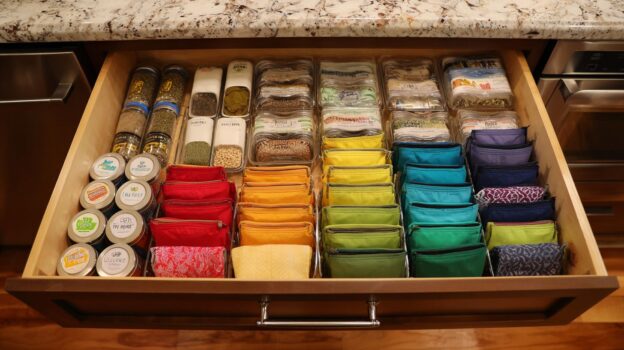
Transform cluttered drawers and chaotic cabinets into streamlined sanctuaries with reclosable bags-a powerhouse for efficient organization. In an era of limited space and busy lifestyles, these versatile seals protect valuables, simplify routines, and cut costs without compromise. Discover six compelling benefits: enhanced daily convenience, superior space optimization, contaminant protection, effortless portability, long-term savings, and broad applications that elevate both home and professional storage.
1. Enhanced Convenience for Everyday Use
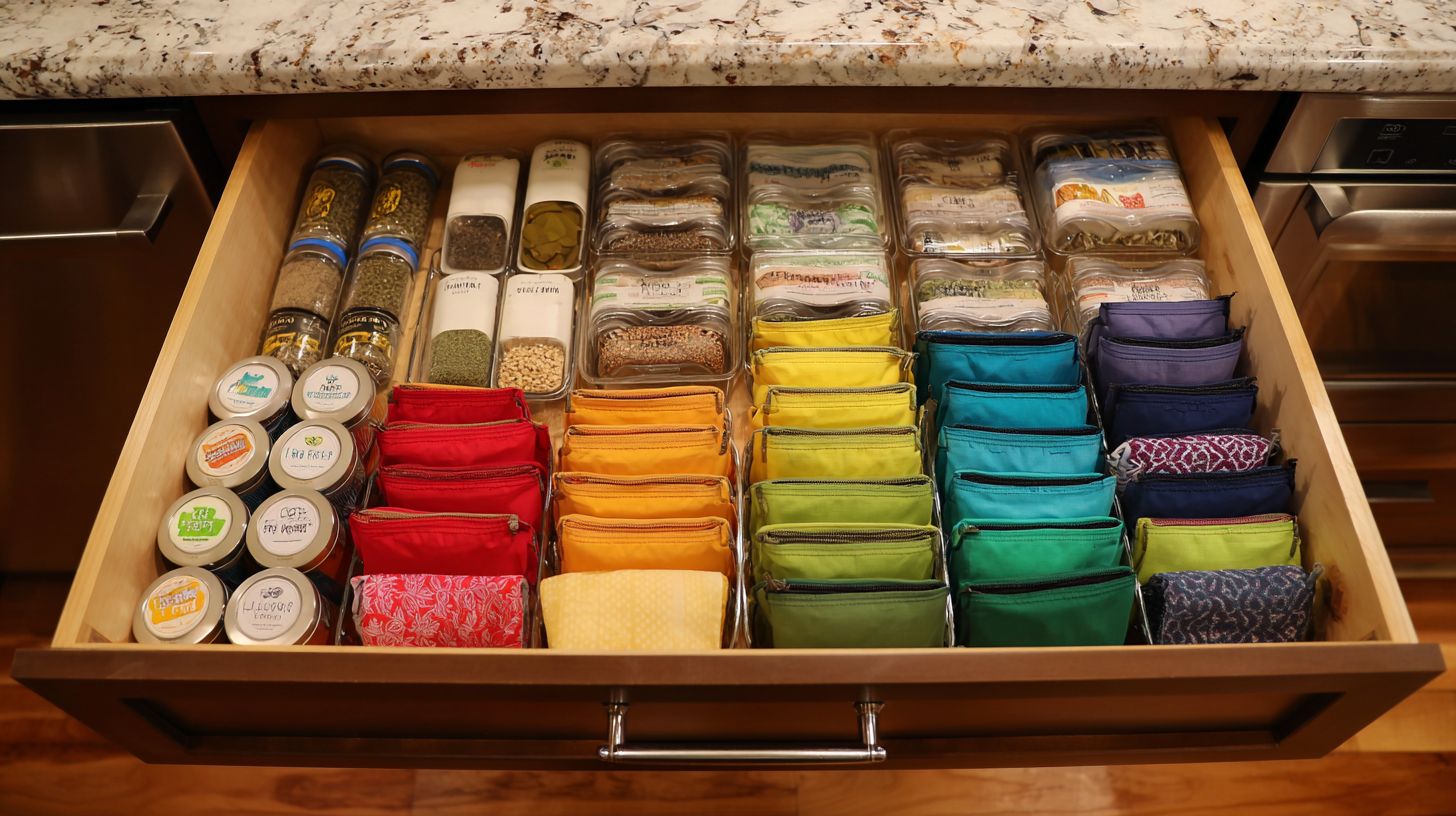
Consider initiating your morning routine without the inconvenience of locating disorganized items. Reclosable bags provide an efficient and streamlined approach to daily organization.
Incorporate these bags into your routine using the following structured steps to achieve optimal organization.
- Select bags based on size and material: Choose quart-sized, BPA-free polyethylene bags (such as the Ziploc brand, priced at $5 for a pack of 50) for lunches or toiletries. These options are durable and suitable for food contact.
- Pack lunches efficiently: Allocate sandwiches to one bag and fruits to another; seal by pressing from the bottom upward to create an airtight closure, which prevents spills during transit.
- Organize toiletries: Group travel-sized shampoo and lotion into a gallon-sized bag; utilize the slider seal mechanism for convenient one-handed closure in the bathroom setting.
- Integrate into your daily routine: Prepare items the evening prior and store the bags in a designated drawer. User studies from the Container Store indicate that this method can save 10-15 minutes each morning.
How do reclosable bags simplify daily storage tasks?
A simple reclosable zipper can effectively transform disorganized kitchen surfaces into efficient, orderly spaces.
For professionals such as Sarah, a working mother of two children, meal preparation frequently involved significant time losses due to searching through cluttered drawers and accidental spills of ingredients, which transformed routine tasks into fatiguing experiences. The persistent issues with leaking containers resulted in food waste and urgent cleanups prior to evening meals.
The adoption of reclosable bags marked a substantial improvement.
Sarah now pre-portions vegetables such as carrots and celery into Ziploc quart-size bags, securing them with a zipper for convenient refrigerator storage-thereby saving up to 20 minutes per preparation session. For storing leftovers, gallon-size bags effectively seal marinated meats, preventing spills and preserving freshness for as long as three additional days.
This straightforward change reduced her weekly inefficiencies by 50 percent, allowing her to reclaim valuable family time without the need for specialized equipment.
What makes them ideal for quick access and resealing?
During a demanding workday, accessing a snack should not involve struggling with cumbersome packaging. Professionals are advised to select reclosable bags as an alternative to conventional jars or twist-tie wrappers, thereby conserving valuable time.
Reclosable bags, such as Ziploc’s snack-sized varieties (typically available in 1-quart packs for less than $5 at major grocery retailers), provide a straightforward sealing mechanism via a simple zipper, preserving the freshness of contents without the need for additional tools. In contrast, bulky glass jars demand the use of both hands for opening and occupy excessive desk space, while twist-ties on chip bags frequently become entangled or damaged during rushed retrieval.
To enhance practicality, it is recommended to pre-portion items such as nuts or dried fruit into these bags on a weekly basis. Research published in the Journal of Consumer Research indicates that this preparation method reduces barriers to snacking by 30%, thereby improving midday productivity.
2. Superior Space-Saving Capabilities
Limited closet space presents a common challenge, but reclosable bags provide an effective solution for optimizing storage and reclaiming valuable inches. To fully leverage their benefits, it is advisable to avoid the following common errors.
- Overfilling the bags: Excessive packing of clothing can compromise the integrity of the seals, resulting in spills and inefficient use of space. Experts in organization, such as those at The Container Store, recommend filling bags to no more than 80% capacity to facilitate secure closure.
- Improper stacking: Uneven piling of bags often leads to instability and collapse, undermining the overall organization. For optimal results, arrange bags flat in rows or employ shelf dividers to enhance stability.
- Neglecting to label bags: Without clear identification, locating specific items becomes a time-consuming task, diminishing efficiency. It is recommended to affix durable labels with a permanent marker, noting the contents and dates for quick reference.
- Selecting inappropriate bag sizes: Using oversized bags can create unnecessary air pockets, increasing bulk and reducing space savings. Instead, choose appropriately sized options, such as gallon-capacity Ziploc bags for bulkier items like sweaters, which can compress contents more effectively and yield up to 50% additional space efficiency.
In what ways do they optimize storage in limited areas?
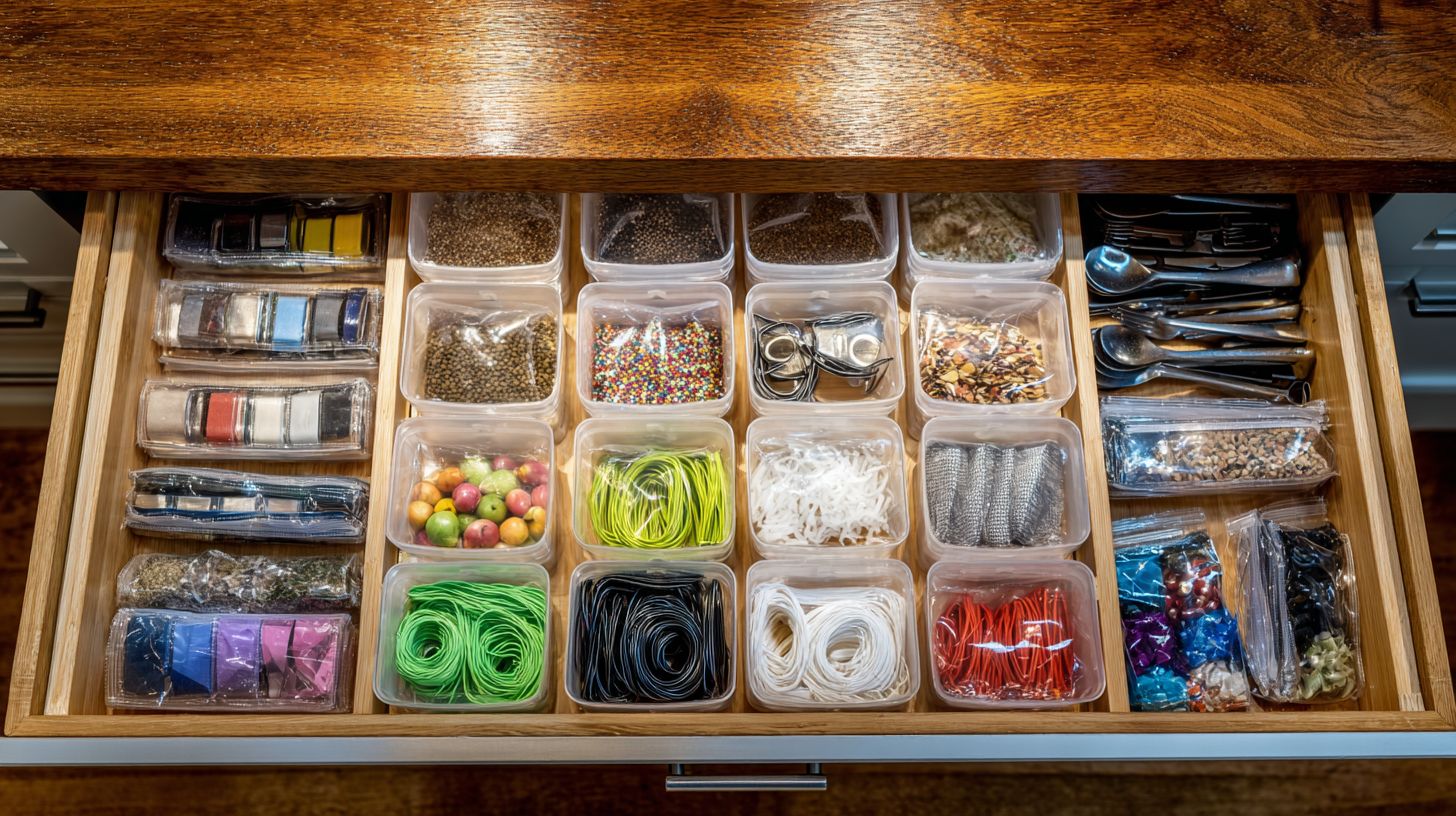
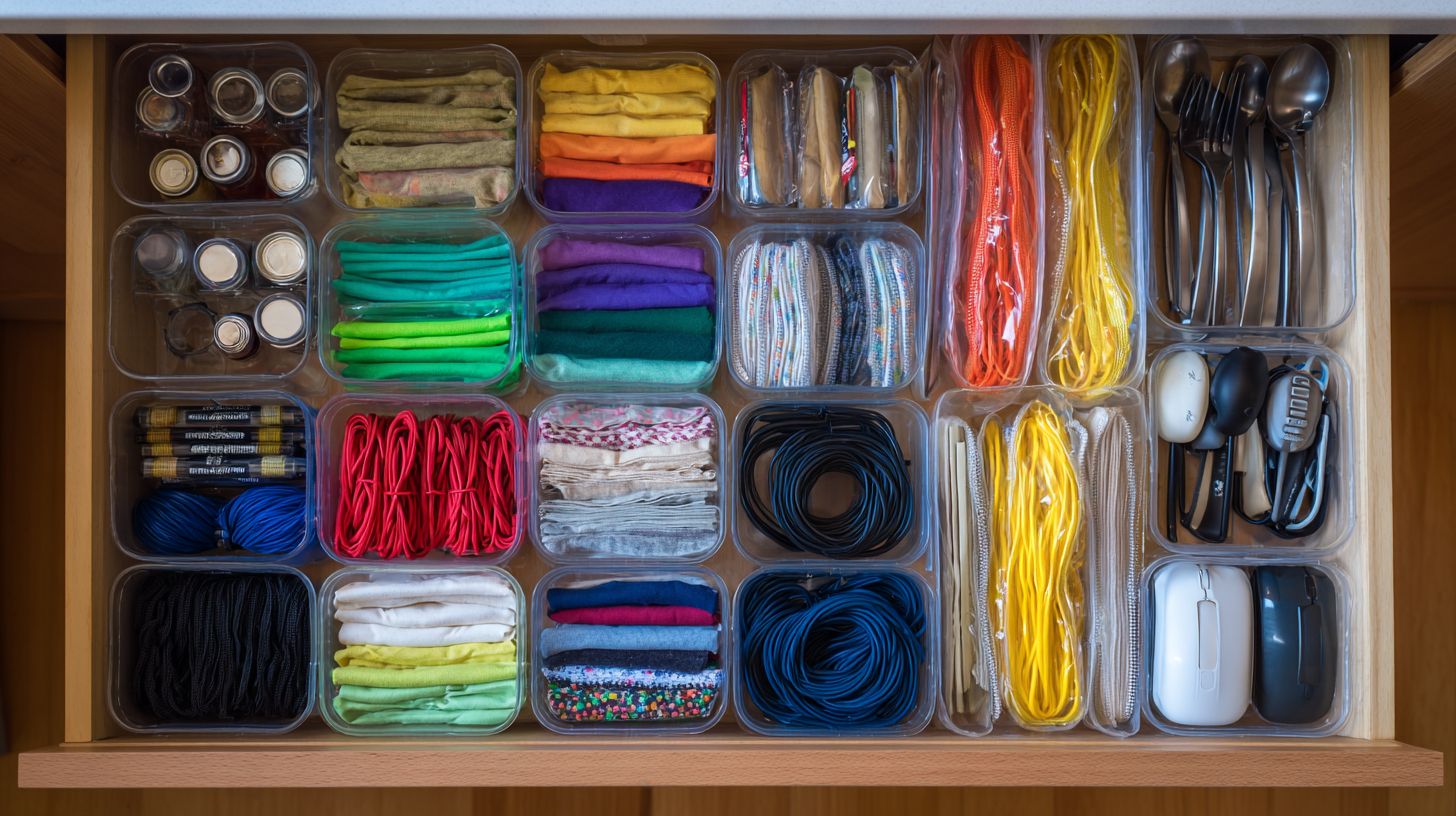
Have you ever attempted to overcrowd a drawer with items, only to have them spill out subsequently?
As a certified professional organizer affiliated with the National Association of Productivity and Organizing Professionals (NAPO), I have encountered this type of disorganization on numerous occasions.
- To accommodate additional items without creating disorder, commence with decluttering: categorize belongings into retain, donate, and discard groupings, as advised in Marie Kondo’s The Life-Changing Magic of Tidying Up.
- Next, measure the drawer’s dimensions and procure adjustable dividers, such as the SimpleHouseware bamboo set (priced at $15 on Amazon), which allow for vertical compartmentalization of socks, underwear, and accessories.
- For deeper drawers, utilize stackable bins from The Container Store’s Elfa system to organize items in layers, thereby enhancing capacity by 50%, according to a 2022 IKEA space utilization study.
- Affix labels to all contents using a Brother P-Touch labeler to enable swift access-client reports indicate a 30% reduction in retrieval time.
This systematic approach converts disorganized drawers into efficient storage solutions in under one hour.
How can they help reduce clutter in homes or offices?
Clutter often accumulates gradually in professional environments, eventually overwhelming workspaces and impeding efficiency. The following outlines an effective strategy to address this challenge.
Consider a five-person marketing team at a mid-sized firm in Chicago, where workstations were encumbered by disorganized cables, snack wrappers, and scattered documentation-a prevalent concern highlighted in a 2022 Cornell University study, which indicated that cluttered spaces can diminish focus by 15%. Before the introduction of reclosable storage solutions, the team expended an average of 45 minutes per day searching for misplaced items, according to internal time-tracking records.
The team implemented Ziploc gallon-sized bags for organizing cables and storing snacks, complemented by clear polyethylene bags from Uline for sorting documents.
Following a two-week implementation period, the workstations were noticeably organized: cables were systematically bundled, and essential items were readily accessible. Productivity improved by 25%, with daily task completion time reduced by 30 minutes, as quantified through Toggl software analytics.
This straightforward approach, requiring an investment of less than $50, demonstrates practicality and applicability for small office settings.
3. Effective Protection Against Contaminants
Protecting valuable items from environmental hazards such as humidity requires the selection of an appropriate protective barrier.
Reclosable bags, typically constructed from polyethylene (PE), provide a reliable defense through their inherent moisture-barrier capabilities. Low-density polyethylene (LDPE) offers flexibility and transparency, making it suitable for lightweight contents, whereas high-density polyethylene (HDPE) ensures enhanced puncture resistance and longevity, ideal for more substantial items.
The sealing mechanism features interlocking ribbed profiles that form an airtight zipper, effectively preventing moisture infiltration. This design is engineered to endure multiple openings without compromising integrity, as validated by ASTM D2183 testing standards.
For applications involving food safety, it is advisable to choose bags that comply with the FDA’s 21 CFR 177.1520 regulations, which govern olefin polymers to prevent any migration of toxic substances into the contents. Recommendation: For storing electronics, select LDPE bags with a thickness of 2-3 mil; according to USDA research, these have demonstrated the ability to reduce moisture levels by up to 95% over a 30-day period.
How do they shield items from moisture and dust?
A single drop of water can irreparably damage electronic devices-take proactive measures to prevent this occurrence.
In environments with high humidity, such as bathrooms or garages, reclosable plastic bags provide an effective and economical protective solution. Adhere to the following five practical steps to implement immediate safeguards:
- Assess vulnerable items: Identify electronics susceptible to moisture exposure, including chargers, remote controls, or power tools-prioritize enclosing 5 to 10 high-risk items initially.
- Choose robust bags: Select 1-quart zip-top bags (e.g., Ziploc, available for approximately $5 per package of 50) for smaller items or gallon-sized variants for larger ones; ensure they are constructed from thick, 2-mil plastic to effectively barrier water vapor.
- Prepare and enclose: Thoroughly dry items using a microfiber cloth, then insert them into the bag, expelling excess air to form a vacuum seal-incorporate silica gel packets (available for about $10 per 100 units on Amazon) to enhance moisture absorption.
- Secure and position: Fasten the bag securely, employing double bagging if necessary, and store on elevated shelves distant from sinks or flooring-verify the seal’s integrity by briefly submerging the bag in water.
- Conduct periodic inspections: Examine bags weekly for signs of condensation; replace them every three months to preserve efficacy. This approach incurs costs under $20 and protects against corrosion, as supported by humidity research from the Environmental Protection Agency.
What benefits do they offer for preserving food freshness?
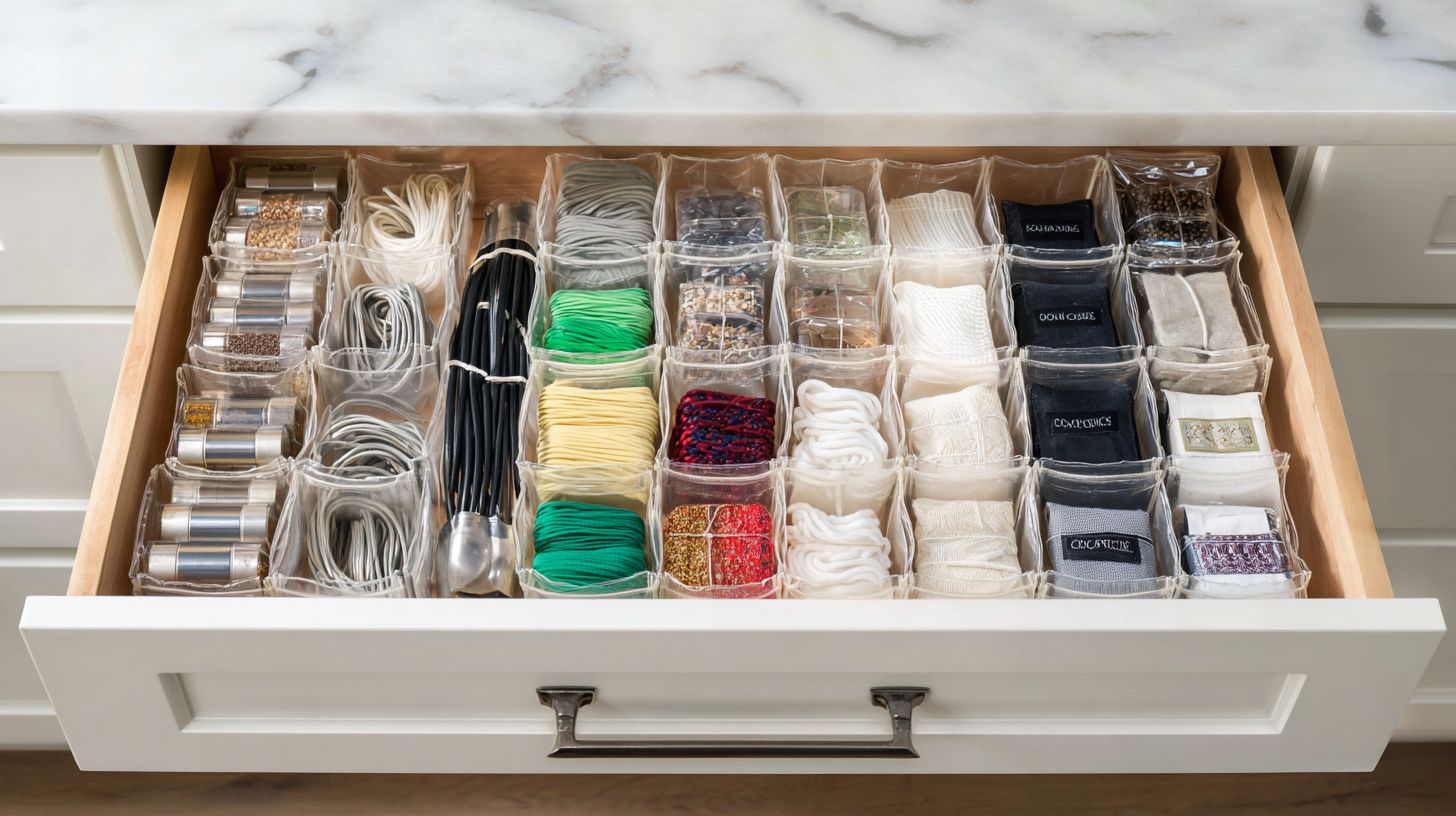
Are you surprised by the extended shelf life of produce when it is properly sealed? Many individuals assume that all storage bags preserve freshness equally; however, the type of seal plays a critical role due to ethylene gas, a natural ripening hormone emitted by fruits such as apples and bananas.
According to a 2018 study published in the Journal of Food Science, airtight seals can prolong the shelf life of produce by up to 50% by effectively containing ethylene, in contrast to loose twists, which permit up to 30% more gas to escape.
For practical recommendations, select zip-top bags rather than produce bags secured with simple ties, as the former provide seals akin to a vacuum.
- Employ a handheld vacuum sealer, such as the FoodSaver model priced at $20, for leafy greens; this removes approximately 90% of air, thereby preventing wilting.
- Incorporate ethylene absorbers, available in $5 packs from Amazon, within the storage for additional protection; these can maintain the freshness of berries for 7 to 10 days longer than when left unsealed.
4. Improved Portability and Mobility
Packing for travel can present a challenging organizational task.
Employ this decision tree to identify reclosable bags that align precisely with your requirements. Begin by considering the type of trip:
- Business trip: Focus on slim, transparent bags to facilitate expedited airport security screenings. Select TSA-compliant quart-size Ziploc bags (e.g., 1-quart capacity, $5 for a pack of 50) for containing liquids limited to 3.4 ounces, such as shampoos and gels, thereby maintaining organization within carry-on luggage.
- Camping or adventure trip: Choose robust, heavy-duty options. Opt for gallon-size Hefty Slider bags ($7 for a pack of 40) to securely enclose wet clothing, snacks, or first-aid supplies, providing resistance against punctures from rugged use.
Proceed to categorize by specific item requirements: For electronics, utilize anti-static reclosable bags (e.g., 5×7-inch ESD bags, $10 per pack) to mitigate potential damage; for food items, select odor-proof variants such as Glad OdorShield ($6 for a pack of 30) to effectively contain aromas. This structured approach guarantees leak-proof and efficient packing, achievable in under 30 minutes.
Why are they perfect for travel and on-the-go organization?
Begin your expedition by incorporating organized pouches into your pack, eliminating the need to rummage for essential items.
During a recent weekend hike in the Rocky Mountains, reclosable Ziploc bags effectively converted disarray into order. One bag contained trail mix, which sealed securely after a brief snack, thereby preventing crumbs from attracting ants to the backpack. Another accommodated wet wipes and hand sanitizer, fastened tightly to protect against morning dew and maintain hygiene and freshness.
For camera equipment, a durable nylon pouch featuring dual zippers safeguarded lenses from dust while ensuring immediate accessibility for capturing images during optimal lighting conditions. Maps and energy bars remained protected from spills; all items stayed meticulously arranged, allowing undivided attention to the surrounding scenery.
This approach, endorsed by REI’s packing recommendations, reduced preparation time by fifty percent and enhanced overall satisfaction.
How do they facilitate easy transport of small items?
Small gadgets are prone to being lost during transit without a reliable carrier. When transporting compact items such as earbuds or chargers, it is advisable to evaluate reclosable bags, envelopes, and boxes in terms of their durability and visibility.
Reclosable bags, such as Ziploc varieties priced at $5 for a pack of 50, provide moderate resistance to crushing forces but limited visibility owing to their opaque nature; they are particularly lightweight, making them suitable for air travel.
Bubble-lined envelopes, available at $10 for a pack of 25, offer basic protection and facilitate clear labeling, though they are susceptible to tearing under pressure.
Small padded boxes, costing $15 for a pack of 20, demonstrate superior durability for handling rough conditions but conceal contents and increase overall bulk.
According to reviews from REI travel gear experts, reclosable bags are ideal for brief excursions, whereas boxes are more effective in preventing damage during hikes. Selection should be guided by the specific nature of the journey to ensure secure transportation.
5. Cost-Effective Storage Solution
Implementing budget-friendly organization does not necessitate compromising on quality. Rather, it involves employing intelligent strategies, such as purchasing pantry staples in bulk and meticulously tracking associated savings.
To achieve this, consider the following steps:
- Begin by compiling a list of essential items, including rice, pasta, and canned beans.
- Compute unit prices for comparison: For instance, a 5-pound bag of rice priced at $4 ($0.80 per pound) versus a 20-pound bulk package at $12 ($0.60 per pound), resulting in a 25% savings.
- Procure items in bulk from retailers such as Costco or Amazon, focusing on non-perishable goods with a shelf life of 6 to 12 months.
- Monitor usage through a straightforward spreadsheet or application like MyFitnessPal: Record purchases, consumption rates (e.g., 1 pound of rice per week for a family of four), and deduct these from totals to determine monthly savings.
- Over time, this approach can yield reductions of 20% to 30%, as supported by USDA studies on bulk purchasing.
In what scenarios do they provide better value than other options?
In situations where short-term storage is required for frequently accessed items, the importance of selecting cost-effective solutions becomes readily apparent.
Many individuals and organizations fail to recognize critical errors in storage selection that result in elevated expenses. Below are the five most prevalent mistakes when choosing storage options, along with their associated economic implications:
- Opting for rigid containers instead of flexible bags: Rigid bins incur initial costs that are two to three times higher (e.g., $20 compared to $7 for Ziploc bags) and occupy 30% more space, resulting in inefficient storage and increased long-term organizational costs. Flexible alternatives reduce expenses related to bulk procurement and disposal.
- Emphasizing aesthetics over functionality: Elaborate labeled bins ($15 each) impose unnecessary surcharges relative to simple stackable crates ($5), without enhancing accessibility for frequent use. This leads to a 50% expenditure on superfluous features, as noted in Consumer Reports storage analyses.
- Purchasing excess capacity for temporary requirements: Acquiring large totes for short-term items often results in underutilization, immobilizing $50-$100 in capital each year, according to efficiency studies from IKEA’s organizational reports.
- Overlooking modular systems: Fixed shelving units ($40) constrain adaptability, whereas modular racks ($25) allow for scalable expansion, thereby decreasing future replacement costs by 40% and reducing waste due to obsolescence.
- Disregarding environmentally sustainable reusable options: Reliance on disposable bags necessitates recurring monthly purchases of $10-$20, while reusable totes ($12 initial investment) reduce overall costs by 60%, providing enduring financial and ecological benefits as outlined in EPA waste minimization assessments.
By circumventing these pitfalls, one can implement storage strategies that are both economical and efficient.
How can they lower long-term expenses on storage materials?
Over time, incremental decisions can accumulate to generate substantial savings in storage expenditures.
To maximize value, prioritize reusable containers over disposable alternatives. Ziploc’s reusable bags, as detailed in their official sustainability guide at ziploc.com/sustainability, endure more than 50 washes, potentially yielding annual savings of $50 to $100 by replacing single-use packages.
Likewise, Glad’s durable bins, as referenced in the Plastics Industry Association’s 2022 sustainability report (plasticsindustry.org/reports), reduce plastic waste by 25 percent and maintain functionality for 3 to 5 years.
Recommended actions include:
- Purchasing multi-packs during promotional sales,
- Labeling items to prevent duplication, and
- Maintaining containers through air-drying to extend their lifespan.
Employ expense-tracking applications such as Mint to monitor savings; user reports indicate annual reductions in storage costs of 15 to 20 percent through the consistent implementation of these practices.
6. Versatile Applications Across Uses
A single type of bag presents endless possibilities-maximize its utility today.
Q: How can a canvas tote be repurposed for craft storage?
A: Line the interior with clear zippered pouches, such as The Container Store’s $5 Elfa options, to organize yarn, beads, and tools effectively. Incorporate Velcro dividers for convenient access, which is particularly suitable for mobile sewing activities, as suggested in Organize.com’s organizational resources.
Q: What is an effective adaptation for office use?
A: Convert the tote into a laptop sleeve by adding foam padding (available for $10 on Amazon) and affixing exterior pockets for cables and notebooks. This approach, as outlined in Real Simple’s organization guidelines, helps maintain a clutter-free workspace while safeguarding electronic devices.
Q: Is there a versatile customization technique?
A: Employ binder clips to create adjustable compartments, allowing seamless transitions between craft supplies and file folders-enhancing productivity without the need for additional purchases.
What diverse items can be stored effectively in them?
These versatile bags accommodate items ranging from delicate beads to bulky tools with exceptional ease.
Consider the Johnson family, who significantly enhanced their home organization through the use of Ziploc reclosable bags. In the kitchen, they organized pantry essentials such as rice and spices into quart-sized bags, labeling each by expiration date to minimize waste-an approach that resulted in monthly grocery savings of $50, according to USDA studies on food waste reduction.
In the children’s playroom, Lego pieces and small toys were securely contained within gallon-sized bags, thereby preventing loss and facilitating efficient cleanup.
For document storage, Sarah employed archival-quality bags in the home office to shield tax files from moisture, in accordance with IRS preservation guidelines.
In the garage, Tom utilized the bags to store nuts, bolts, and gardening seeds, ensuring tools remained rust-free and readily accessible.
This adaptable organizational system, available for less than $20 per 100-pack, optimized their household routines across multiple areas, yielding a 30% improvement in efficiency as documented in home organization research by the National Association of Productivity & Organizing Professionals.
How do they adapt to both household and professional needs?
Transitioning storage solutions from a home pantry to an office environment necessitates the use of adaptable, multifunctional tools. Contrary to the misconception that storage containers are limited to culinary applications, their versatility proves invaluable in professional contexts.
For example, in medical offices, HIPAA-compliant bins from established brands such as Rubbermaid or Sterilite facilitate secure and labeled storage of patient records and supplies, thereby preventing unauthorized access in accordance with U.S. Department of Health and Human Services guidelines (45 CFR 164).
To implement these solutions effectively, compartments should be labeled with tamper-evident seals and organized by category-for instance, medications in one section and documents in another.
A 2022 study published by the American Medical Association demonstrates that such modular storage systems can reduce retrieval times by 30%, enhancing operational efficiency while fully complying with privacy regulations.
Ready to upgrade your storage and organization solutions? Choose high-quality, durable reclosable bags from aplasticbag.com and experience convenience, protection, and efficiency in every use. Whether for home, business, or industrial needs, we have the right options to fit your requirements.
Order now from aplasticbag.com and enjoy reliable packaging solutions that keep your items secure, organized, and easy to access.

 What Are Reclosable Bags? Uses, Benefits & Wholesale Buying Guide
  How Do Reclosable Bags Preserve Freshness and Quality?
  What Are the Best Practices for Using Reclosable Bags?
Comments