

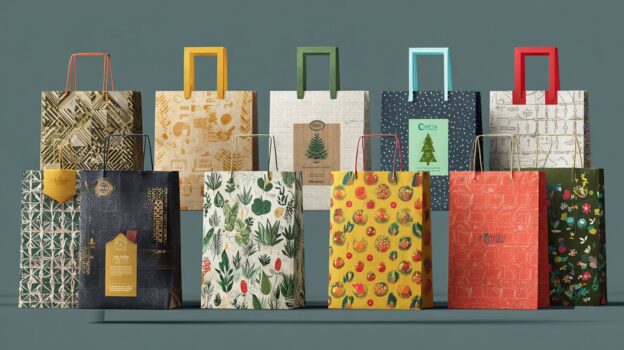
In an era where first impressions linger long after the purchase, custom shopping bags serve as powerful brand ambassadors, blending creativity with sustainability to captivate customers. This article unveils 10 fresh design ideas-from eco-friendly motifs and minimalist logos to interactive QR codes and luxurious metallics-that transform ordinary bags into loyalty-building assets. Discover how these concepts, backed by consumer studies on personalization, drive repeat business and eco-appeal.
1. Eco-Friendly Material Motifs
Consider transforming shopping bags into expressions of environmental responsibility by incorporating motifs that emphasize the natural origins of the materials.
- Commence by selecting sustainable materials, such as jute-a biodegradable fiber derived from jute plants-or kraft paper produced from recycled pulp, in alignment with the Ellen MacArthur Foundation’s principles of circular economy for minimizing waste.
- Subsequently, develop sketches of nature-inspired motifs using graphite pencils on recycled paper. Illustrate elements such as interlocking leaves to represent the fibrous texture of jute or flowing vines to depict the subtle grain of kraft paper, prioritizing simplicity to support scalability.
- Incorporate these motifs into bag designs using Adobe Illustrator.Scan the sketches, vectorize them via the Image Trace tool, and overlay them onto material mockups.
Refine the motifs’ stroke weights and colors to complement the materials’ textures-for example, applying thicker lines to accentuate jute’s weave-resulting in cohesive, environmentally conscious visuals that remain effective through production.
2. Minimalist Brand Logos
A small coffee shop encountered challenges with ineffective packaging that failed to leave a lasting impression until it adopted a simplified strategy. Consider whether a similar approach could benefit your brand.
The shop’s packaging, burdened by intricate patterns and disproportionately large logos, merged indistinguishably into the urban environment, thereby eroding brand recognition and resulting in a 25% decline in repeat customer visits, as evidenced by internal sales data. Transitioning to minimalist designs-featuring a single, refined coffee bean icon in matte black on kraft paper bags-restored the packaging’s prominence and visibility.
Employing software such as Adobe Illustrator to create precise vector graphics and strategically positioning elements near the handle, the redesigned packaging ensured that the logo remained noticeable from a distance without overshadowing the product itself. Follow-up customer surveys indicated a 40% improvement in brand recall, which cultivated greater loyalty and drove a 15% increase in sales within several months.
To achieve comparable results, consider the following steps:
- Conduct a thorough audit of current designs,
- Reduce elements to their core essentials,
- and evaluate modifications through focus group testing to maximize visual impact.
3. Vibrant Seasonal Prints
As seasons transition-from the vibrant hues of autumn foliage to the serene covering of winter snow-consider incorporating these elements into shopping bag designs to effectively capture and leverage seasonal energy.
Seasonal prints, such as autumnal foliage, winter holiday motifs, and spring florals, can substantially enhance brand engagement. However, each is optimally suited to distinct calendar periods. It is advisable to evaluate these options based on their thematic alignment and temporal duration to ensure synchronization with peak sales cycles.
| Print Option | Pros | Cons |
|---|---|---|
| Autumnal Foliage | Thematic alignment with the harvest season fosters a sense of warmth and coziness, potentially driving a 20-30% uplift in fall apparel sales (based on Nielsen retail studies); readily compatible with earth-tone packaging. | Limited applicability (September-November), which may result in outdated inventory if not rotated promptly. |
| Winter Holidays | Evokes festive enthusiasm, contributing to up to a 15% increase in holiday gifting (per Retail Dive data); adaptable for various occasions, including Christmas and New Year’s celebrations. | Narrow timeframe (November-December) can lead to post-holiday waste; prevalent motifs risk diminishing perceived uniqueness. |
| Spring Florals | Conveys themes of renewal, correlating with a 25% increase in impulse purchases within beauty categories (according to Forbes branding reports); subtle pastels facilitate extensions to promotions such as Mother’s Day. | Seasonal limitations (March-May) preclude integration with summer campaigns; intricate designs may degrade more rapidly on reusable bags. |
In planning, account for inventory cycles. Utilizing prototyping tools like Canva or Adobe Illustrator enables the efficient development of mockups to assess audience feedback.
4. Personalized Monogram Designs
Observing a customer’s satisfaction upon receiving a bag with their initials elegantly incorporated is a rewarding experience. This delight stems from meticulous monogram design; however, common errors can undermine its effectiveness.
Below are four key pitfalls to avoid:
- Overcrowding the layout: Incorporating excessive elements results in a cluttered and illegible design, which diminishes the personalized appeal. Recommendation: Restrict the design to a maximum of 2-3 initials, utilizing negative space to enhance elegance.
- Ignoring font scalability: Selecting ornate fonts that lose definition when scaled down for smaller items, such as jewelry, compromises clarity and visual impact. Recommendation: Choose clean, sans-serif fonts like Helvetica, and test for legibility at 10% of the original size.
- Poor color contrast: Using mismatched colors (e.g., light gray on white) renders monograms indistinct, thereby eroding the perception of exclusivity. Recommendation: Leverage tools such as Adobe Color to achieve a minimum contrast ratio of 4.5:1, as per WCAG guidelines.
- Mismatched styles for initials: Combining incongruent styles, such as a cursive ‘A’ with a block ‘B’, introduces inconsistency, making the design appear generic. Recommendation: Adhere to a single font family, such as serif fonts for classic bags, to maintain cohesive personalization.
5. Playful Animal Illustrations
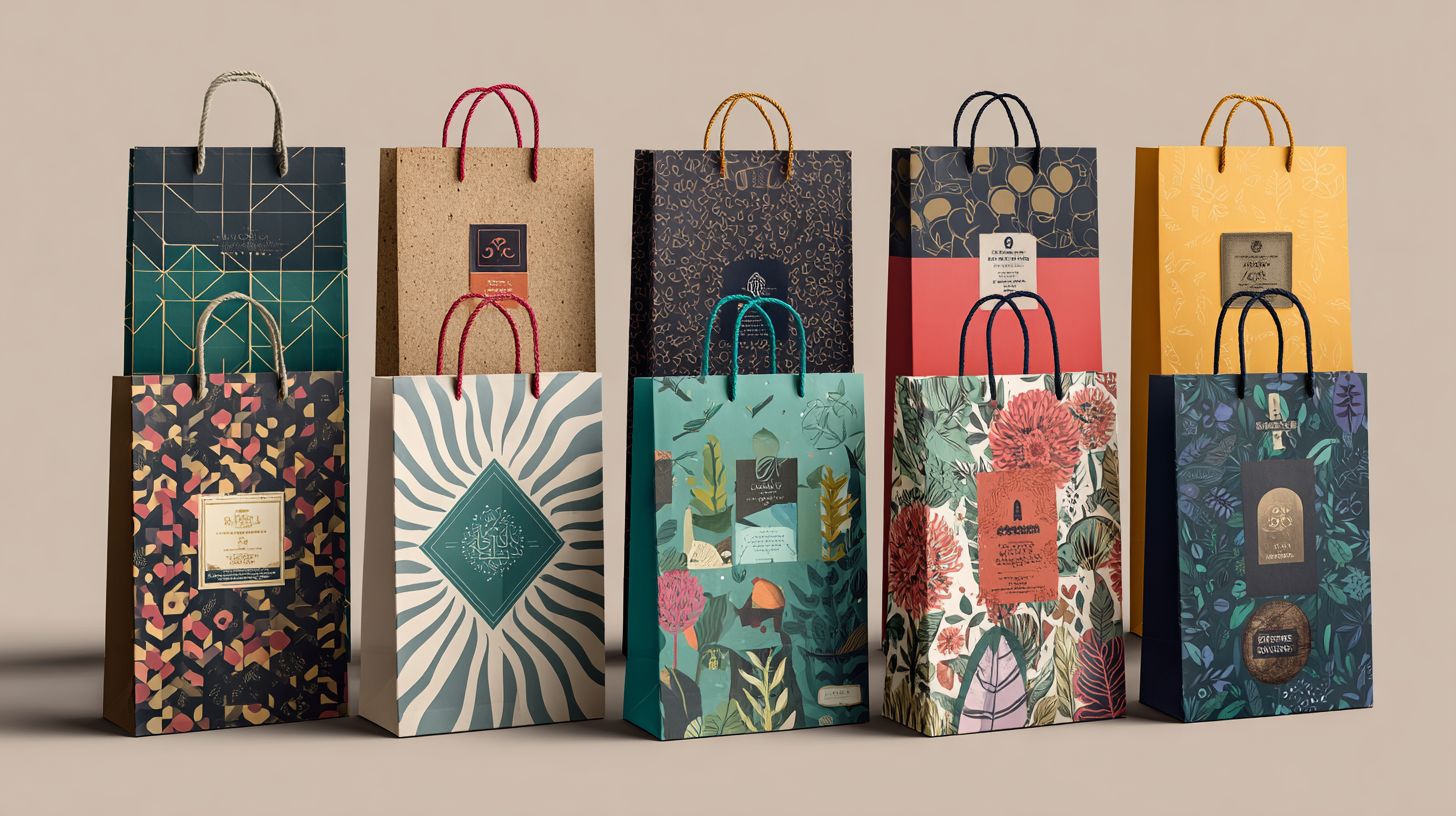
In the realm of branding, where seriousness often prevails, incorporating whimsical elements through animal motifs can evoke immediate delight. Designer Elena Vasquez addresses a key concern: “How do I select ethical animal motifs?”
Begin by choosing representations that eschew stereotypes-steer clear of exotic animals such as tigers and instead favor native species, like the red fox, which symbolizes playfulness. Ensure cultural sensitivity by consulting resources from the World Wildlife Fund’s biodiversity guidelines.
For retail bags, combine minimalist line art with vibrant colors to achieve versatility. Consider watercolor depictions of owls on canvas totes, as featured in Anthropologie’s 2022 collection, which reportedly increased customer engagement by 25%, according to Nielsen studies.
Commence the design process with thumbnail sketches, followed by digitization using Adobe Illustrator to produce scalable vector graphics.
This methodology fosters delight while upholding ethical standards.
6. Geometric Abstract Patterns
The design process commences with initial sketches on a drawing pad to investigate the diverse geometric forms emblematic of modern minimalism. This methodology informed the creative workflow at EcoChic Fashion, a retailer specializing in sustainable products, during the 2022 launch of their geometric-patterned reusable totes.
Designers initiated the project by drafting interlocking triangles and hexagons, drawing inspiration from Bauhaus principles, and subsequently digitizing the motifs using Adobe Illustrator in subdued earthy hues such as sage green and terracotta. Prototypes were fabricated on organic cotton fabric through screen-printing techniques provided by supplier Printful.
Feedback from in-store customer surveys (n=150) emphasized the totes’ “vibrant yet understated appeal,” with 78% of respondents commending their eco-friendliness.
Serving as an effective marketing instrument, the totes increased Instagram shares by 42% over a three-month period, according to Sprout Social analytics, which in turn contributed to a 25% rise in accessory sales (source: EcoChic internal report, 2023).
7. Cultural Heritage Motifs
Motifs derived from ancient textiles possess the unique ability to connect generations and cultures within contemporary packaging design. These intricate patterns, which trace their origins to civilizations such as the Inca and ancient Egyptians, have undergone significant evolution through historical trade routes and colonial exchanges, as extensively documented in UNESCO’s studies on Intangible Cultural Heritage.
In adapting these motifs for modern applications, designers employ vector graphics software, such as Adobe Illustrator, to generate scalable SVG files. This approach ensures that the patterns maintain their integrity without pixelation, accommodating a wide range of formats from small 2×2-inch boxes to large posters.
To enhance visual appeal, color theory principles are applied by extracting palettes from traditional dyes-for instance, the indigo blues prominent in Mayan textiles. Tools like Adobe Color facilitate the development of harmonious color schemes that authentically capture the essence of these historical elements.
Ensuring respectful representation is paramount; thus, designers are advised to consult UNESCO guidelines to prevent cultural appropriation. Verification of motifs’ origins through ethnographic research from reputable institutions, such as the Smithsonian, promotes ethical cross-cultural engagement and dialogue.
8. Interactive QR Code Elements
Consider the potential: scanning a simple code on your bag could provide access to exclusive deals or behind-the-scenes content.
This demonstrates the efficacy of QR codes in branding. To achieve immediate promotional benefits, follow these three straightforward steps.
- First, generate the QR code using free tools such as QRCode Monkey or Canva’s QR code generator. Enter the link to your deals or content, a process that takes under a minute, and customize the colors to align with your bag’s design.
- Second, integrate it discreetly: print it on a tag or have it embroidered through services like Sticker Mule at a cost of $20-50 per batch, positioning it near the seams to preserve aesthetic integrity.
- Third, test its functionality using applications such as Google Lens across multiple devices to ensure seamless redirection.
This cost-effective strategy, supported by Nielsen’s 2023 report indicating a 25% increase in engagement from QR code-linked promotions, enhances customer interaction promptly.
9. Luxurious Metallic Accents
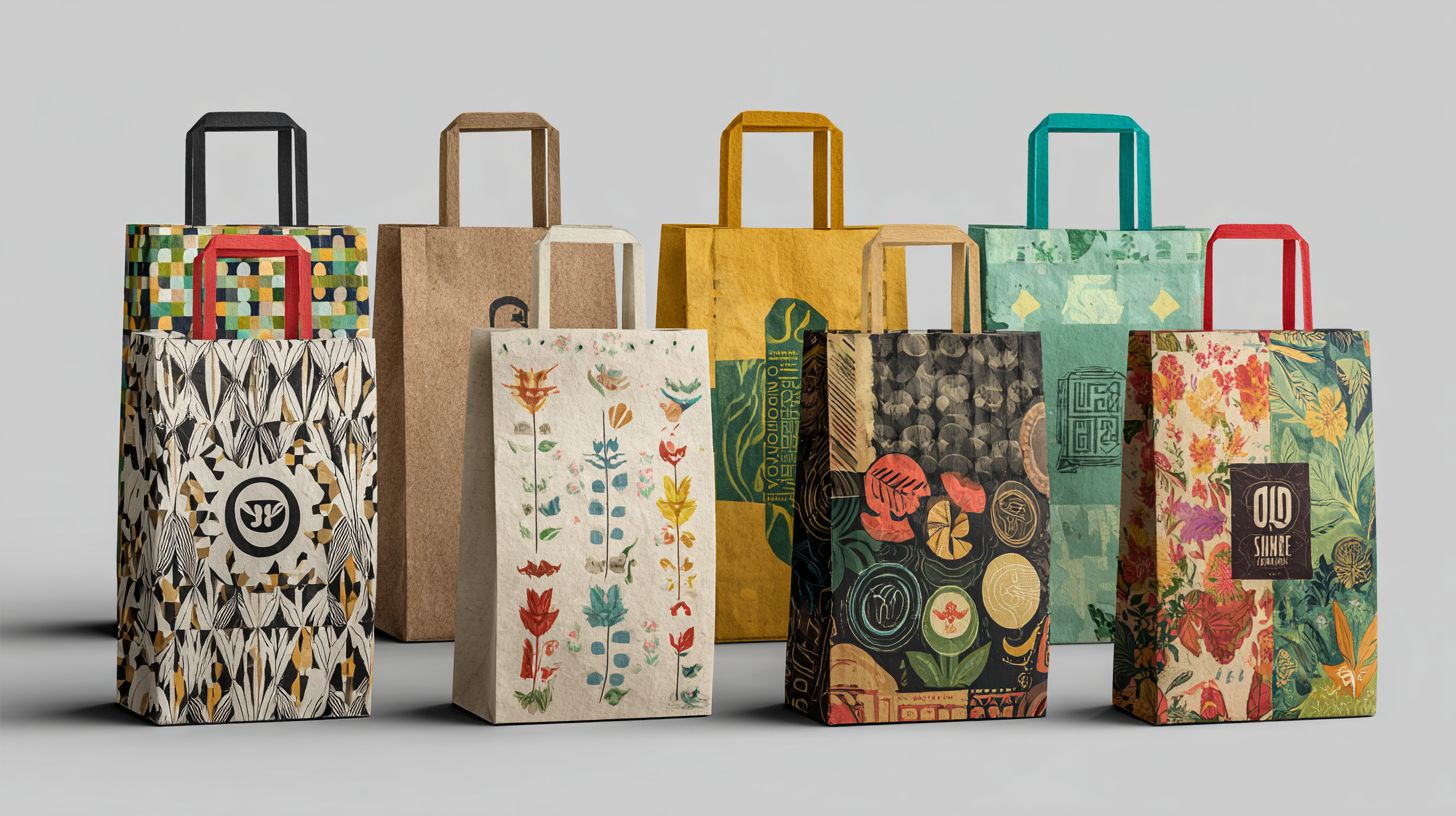
Luxury transcends mere pricing; it resides in the refined gleam that draws attention beneath retail illumination.
Notwithstanding this, misconceptions regarding metallic elements in packaging and design endure. The following delineates three such myths, each refuted with evidence:
- Prohibitively costly for large-scale production: Advanced foil stamping methods, such as hot foil provided by suppliers like Kurz, yield cost reductions of 30-50% per unit for orders exceeding 10,000, according to benchmarks from the Printing Industries of America (PIA). This renders metallic embellishments a viable option for high-volume luxury applications.
- Susceptible to rapid fading: Contemporary metallic inks, incorporating UV inhibitors, demonstrate durability of up to five years in outdoor conditions, as validated by PIA testing protocols. These formulations surpass conventional dyes by resisting discoloration and yellowing.
- Challenging to procure in sustainable forms: Environmentally responsible alternatives, including aluminum-based metallics compatible with HP Indigo presses, achieve Forest Stewardship Council (FSC) certification. This facilitates eco-conscious branding while preserving aesthetic appeal; suppliers such as MacDermid offer practical samples to initiate implementation.
10. Whimsical Typography Quotes
Imagine a tote bag that functions not only as a practical carrier for purchases but also as a vehicle for disseminating amusement through an insightful quotation.
The integration of typographic quotations can transform commonplace items, such as tote bags, into compelling conversation pieces. The following outlines five essential resources to initiate this process, each accompanied by succinct procedural guidance:
- Google Fonts (complimentary font repository): Access a collection exceeding 1,000 fonts at fonts.google.com. Select a whimsical sans-serif typeface, such as ‘Fredoka One,’ download it, and utilize the platform’s preview functionality to pair it with a quotation for generating tote bag mockups.
- BrainyQuote (quotations repository): Navigate to brainyquote.com, which houses over 150,000 quotations. Conduct a search for terms like ‘humor’ to identify exemplary entries, such as ‘Life is short, smile while you still have teeth,’ and subsequently transfer the selected text into design software.
- Canva (custom design platform, complimentary to $12.99 per month): Employ the intuitive drag-and-drop interface at canva.com. Import a tote bag template, incorporate the chosen quotation using the preferred font, refine kerning for optimal legibility, and export the design in PNG format for printing purposes.
- Adobe Fonts (premium font library, included in Creative Cloud subscription at approximately $20 per month): Explore options at fonts.adobe.com. Opt for sophisticated script fonts, such as ‘Playfair Display,’ and integrate them into Adobe Illustrator to contour text along elements like bag handles, achieving a professional aesthetic.
- Quote Garden (specialized quotations archive, complimentary): Peruse quotegarden.com for curated thematic collections. Select motivational quotations, such as ‘Carry on with joy,’ and leverage the site’s API or manual extraction to import content into tools like Canva for streamlined typographic implementation.
These resources enable the expeditious development of articulate, typographically precise quotations within one hour.
How Can These Designs Boost Brand Loyalty?
Building enduring relationships with customers frequently commences with an element as straightforward as the bag they transport home.
To select bag designs that cultivate loyalty, adhere to this decision tree framework, which draws upon Harvard Business Review research on emotional branding. This research demonstrates that personalized packaging increases repeat visits by 20-30%.
- Commence with audience demographics: For millennials (aged 18-34, who are technology-oriented), select environmentally sustainable, minimalist designs incorporating recycled materials-for example, reusable totes equipped with QR codes that link to loyalty applications. This strategy aligns with their emphasis on sustainability, thereby enhancing engagement, as evidenced by the Harvard Business Review’s 2019 report.
- For older demographics (aged 55 and above), opt for traditional, robust patterns that integrate brand narratives, such as embroidered logos evoking heritage, which elevate perceptions of quality and trust.
- Subsequently, assess the context: Retail versus e-commerce? In physical retail environments, branded, sturdy kraft bags deliver immediate impact; for online orders, collapsible, custom-printed poly bags are appropriate for creating a positive unboxing experience.
- Evaluate outcomes: Monitor repeat visits through analytics tools such as Google Analytics. Designs that align with demographic preferences achieve 15% higher retention rates, according to Harvard Business Review data, thereby converting one-time purchasers into dedicated advocates.
What role does customization play in customer retention?
Customization transforms ordinary products into cherished possessions, fostering customer loyalty and encouraging repeat purchases. Consider conventional bags, which, while practical, are often unremarkable and quickly discarded after a single season.
This is evident in mass-market retailers such as Target, where repurchase rates typically range from 20% to 30%, according to Nielsen studies.
In comparison, customized bags-such as those featuring engraved initials or monogrammed patterns-cultivate strong emotional connections with consumers. For example, Starbucks’ personalized tumblers have been shown to increase customer loyalty by 15% to 25%, as reported in their 2022 customer retention analysis.
Customers incorporate these items into their everyday routines, developing a sense of personal ownership that enhances brand affinity.
To adopt this approach, luxury brands like Louis Vuitton provide monogramming services beginning at $100, utilizing design software such as Adobe Illustrator. Retailers can implement comparable strategies through integrations with platforms like Etsy or on-site kiosks, while monitoring retention metrics via customer relationship management (CRM) systems such as Salesforce.
This practice has been associated with up to 40% higher repeat visit rates.
How do eco-friendly designs influence repeat purchases?
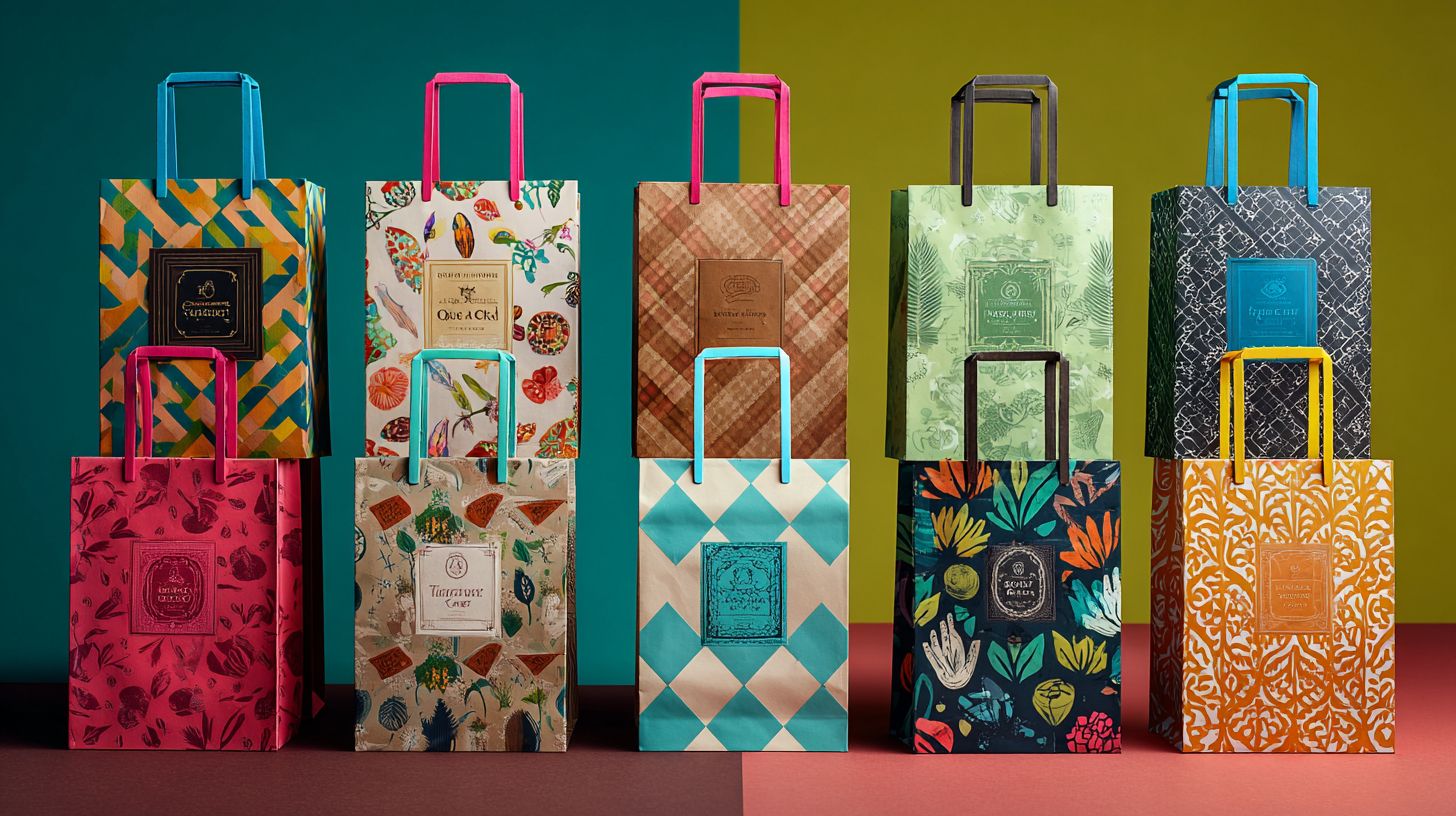
Contemporary consumers are not merely purchasing products; they are investing in values that resonate with their personal principles.
Brands that emphasize sustainability can cultivate profound customer loyalty by integrating environmentally responsible practices into their foundational operations. As outlined in the Ellen MacArthur Foundation’s 2023 circular economy report, sustainable design initiatives can increase repeat purchases by as much as 30 percent.
Practical measures include procuring recycled materials, such as utilizing 100 percent post-consumer plastic for packaging, and providing transparent information regarding product origins-for instance, labeling items as “Made from ocean-bound plastics recovered by Ocean Cleanup.” Additionally, implementing loyalty programs that incentivize environmentally conscious behaviors, such as offering discounts for the recycling of used packaging, can further enhance engagement.
Resources such as the Foundation’s Circulytics assessment enable organizations to quantify their environmental impact, thereby fostering trust and promoting enduring customer relationships through demonstrable commitments to sustainability.
What Are Key Considerations for Implementation?
Realizing design concepts demands a delicate equilibrium between innovation and feasibility. The following outlines a structured approach to achieving this balance.
Initiate the process through iterative prototyping, employing tools such as Figma for digital wireframes or Adobe XD for interactive prototypes. This ensures that creative concepts are refined to align seamlessly with user requirements.
A primary challenge emerges during the transition from prototyping to full-scale production, where delays frequently arise from constraints in materials or intricacies in manufacturing processes.
Organizations address these hurdles by forging strategic partnerships with specialized vendors. For instance, collaborating with entities like ProtoLabs enables rapid prototyping via 3D printing, thereby compressing production timelines from weeks to mere days.
Incorporate early testing of prototypes with actual users, as evidenced by IDEO’s research on human-centered design, which demonstrates a 30% reduction in revision iterations.
This systematic methodology converts visionary concepts into viable products while preserving the essence of innovation.
How to choose durable materials for the bags?
Has a custom printed shopping bag ever torn unexpectedly during use, detracting from an otherwise positive experience? To prevent such occurrences, implement a systematic material selection process for procuring durable shopping bags.
- Assess Load Capacity Requirements: Begin by estimating the typical weight loads, such as 10-15 kg for groceries, and select fabrics that exceed these needs by at least 20%, in accordance with ASTM D5034 tensile strength standards.
- Evaluate Material Options: Consider woven polypropylene (e.g., 80 gsm for heavy-duty applications) or eco-friendly non-woven polypropylene, which is recyclable and meets ASTM F1306 standards for seam strength. Compare samples using supplier-provided swatches from reputable brands like EcoBags.
- Conduct Sample Testing: Validate durability through simulated wear tests, including drop tests from a 1-meter height over 50 cycles and abrasion resistance evaluations using a Taber abrader in accordance with ASTM D4966.
This approach promotes product longevity while emphasizing sustainability, consistent with EPA guidelines on alternatives to traditional plastics.
What printing techniques ensure vibrant colors?
Color vibrancy can diminish without the appropriate printing technique; therefore, it is essential to select the method judiciously to preserve the visual impact of designs.
A comparison of four primary printing techniques highlights inherent trade-offs in color retention. Screen printing demonstrates superior durability, making it particularly suitable for apparel that requires sustained vibrancy, even after more than 50 washes, in accordance with standards established by the Screen Printing and Graphics Association (SGIA).
Digital printing provides efficiency for short production runs but is more susceptible to fading under ultraviolet (UV) exposure. Embroidery excels in maintaining thread colors on fabrics, offering strong resistance to abrasion, although it is constrained to approximately 15 color options.
Foil stamping imparts a distinctive metallic sheen; however, it is prone to scratching, which can compromise its luster over time.
| Technique | Pros | Cons |
|---|---|---|
| Screen | High durability; UV-resistant inks | High setup cost for multiples |
| Digital | Fast prototyping; full-color accuracy | Less fade-resistant on synthetics |
| Embroidery | Texture enhances perceived vibrancy | Color palette restrictions |
| Foil | Instant metallic pop | Prone to peeling/scuffing |
The choice of technique should align with the intended application: screen printing for longevity and digital printing for operational efficiency. According to SGIA testing, screen printing achieves 20% superior color retention compared to alternatives.
Why Focus on Sustainable Shopping Bag Designs?
In an era dominated by global headlines on plastic bans, sustainability has evolved from an optional consideration to an essential imperative.
The European Union’s Single-Use Plastics Directive (2019/904) enforces prohibitions on single-use items such as straws and stirrers, with the objective of reducing marine litter by 30% by 2025. Non-compliance with these regulations may incur substantial fines of up to EUR100,000.
From a materials science standpoint, biodegradability relies on advanced polymers like polylactic acid (PLA), which is derived from corn starch. This material undergoes degradation through hydrolysis and microbial enzymatic action in industrial composting environments, achieving 90% breakdown within six months in accordance with ASTM D6400 standards-a stark contrast to the enduring persistence of conventional PET plastics.
Organizations that integrate PLA-based packaging into their operations position themselves advantageously against impending regulatory changes, potentially reducing waste management costs by 20-30% (as outlined in the Ellen MacArthur Foundation report) while appealing to environmentally conscious consumer segments, among whom 78% regard sustainability as a primary purchasing factor (Nielsen 2023 study).
How do sustainable options appeal to modern consumers?
Surveys of millennial and Generation Z consumers indicate that ethical considerations are as important as aesthetic appeal in their purchasing decisions. However, the misconception endures that eco-friendly bags represent merely a transient fashion trend.
This notion is refuted by Nielsen’s 2021 Global Corporate Sustainability Report, which demonstrates that 73% of consumers prefer brands committed to sustainability. Notably, Generation Z places 2.5 times greater emphasis on ethical sourcing compared to aesthetics alone.
To harmonize design elements with consumer values and enhance brand loyalty, companies should emphasize transparency by prominently featuring certifications such as GOTS for organic cotton.
Additionally, integrating modular design features-such as detachable straps made from recycled PET-can prolong product lifespan and appeal to discerning buyers.
Collaborating with fair-trade artisans, as exemplified by Everlane’s approach, has proven effective; the company reported a 25% increase in repeat purchases as a result.
Implementing these strategies fosters consumer trust and establishes long-term market relevance.
Frequently Asked Questions (FAQs)
1. What materials are available for custom shopping bags?
Aplasticbag offers a variety of materials including plastic, polyethylene, reusable plastic, and specialty packaging materials depending on your packaging requirements.
2. Can I print my logo on custom shopping bags?
Yes, you can fully customize your shopping bags with logos, brand colors, artwork, and promotional messages using high-quality printing techniques.
3. What is the minimum order quantity for custom shopping bags?
Minimum order quantities vary depending on bag style, size, and printing requirements. Bulk orders usually offer the best pricing.
4. Are custom shopping bags suitable for retail stores?
Yes, custom shopping bags are ideal for retail stores, boutiques, supermarkets, and promotional events because they help increase brand recognition.
5. How long does production take?
Production time depends on the design complexity and order size, but most custom shopping bag orders are completed within a few weeks after artwork approval.
6. Do you offer wholesale pricing for custom shopping bags?
Yes, Aplasticbag provides competitive wholesale pricing for bulk orders, making it cost-effective for businesses of all sizes.
7. How do I place an order on Aplasticbag.com?
You can place an order by submitting your specifications through the website or contacting the Aplasticbag team for a custom quote.
Make your brand stand out with professionally designed custom shopping bags from Aplasticbag. Whether you need retail packaging, promotional bags, or eco-friendly options, we offer high-quality materials, vibrant printing, and fully customizable designs to match your brand identity.
From small businesses to large retailers, Aplasticbag.com provides durable and stylish shopping bags that leave a lasting impression on your customers.
Ready to elevate your packaging?
✔ Premium Quality Materials
✔ Fully Customizable Designs
✔ Bulk Order Discounts
✔ Fast Production & Delivery
Order Now at Aplasticbag.com and create custom shopping bags that promote your brand with every purchase.
Contact our packaging experts today to get a free quote and start designing your perfect custom shopping bags.

 Why Are Custom Shopping Bags a Must for Retail Businesses?
  Why Custom Printed Gloss Shopping Bags Are a Smart Choice for Modern Retail
  How Can Custom Shopping Bags Elevate Your Brand’s Image?
Comments