

Environmental awareness has grown rapidly over the past decade, and with it, consumer interest in sustainable packaging solutions. As people move away from single-use plastics, paper bags have emerged as a popular alternative. But a common question still remains: are paper bags recyclable, and if so, how eco-friendly are they really?
In this in-depth guide, we’ll explore how paper bags are recycled, what factors affect their recyclability, and how businesses and consumers can make smarter choices to reduce waste and support the circular economy.
Why Paper Bags Are Considered an Eco-Friendly Option
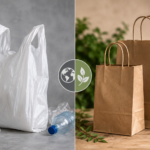
Paper bags are widely viewed as environmentally responsible because they are made from renewable resources, primarily wood pulp. Unlike many plastic bags, paper decomposes naturally and does not release harmful microplastics into the environment.
Another reason paper bags are favored is their versatility. They are commonly used in retail stores, grocery outlets, and food service businesses, making them a practical alternative for companies looking to align with sustainability goals while maintaining functionality and brand appeal.

Are All Paper Bags Recyclable?
The short answer is yes—most paper bags are recyclable, but there are important details to understand.
Standard brown paper bags, kraft paper bags, and white paper shopping bags can typically be recycled with other mixed paper products. However, some paper bags are reinforced with thin plastic coatings, laminations, or decorative finishes that make the recycling process more complex.
Many modern recycling facilities are equipped to handle mixed materials, separating paper fibers from plastic elements. This means that even bags designed for durability and branding can often still be processed correctly, depending on your local recycling plant.
How the Paper Bag Recycling Process Works
Paper recycling begins by breaking down used paper into pulp using water. This pulp is then cleaned, filtered, and processed to remove contaminants such as ink, glue, and non-paper materials. The clean fibers are reused to manufacture new paper products, including bags, cardboard, and packaging materials.
Paper fibers can typically be recycled five to seven times before they become too short for reuse, making paper bags a strong contributor to a circular recycling system.
What About Wet, Greasy, or Damaged Paper Bags?
Unfortunately, not all paper bags can be saved. If a paper bag becomes soaked, greasy, or contaminated with food residue, it may no longer be recyclable.
Oil and grease interfere with the pulping process and can ruin entire batches of recycled paper. For example, paper bags used to carry takeout food often absorb oils, making them unsuitable for recycling. In such cases, composting (if available) or disposal may be the better option.
Paper Bags with Handles, Glue, or Printing
Many people worry that handles, glue, or printed designs prevent recycling. In most cases, this is not true.
-
Paper handles can usually remain attached.
-
Water-based adhesives dissolve during recycling.
-
Printed logos and ink are removed during the de-inking process.
However, handles made of rope, twine, or synthetic materials should be removed before recycling to ensure proper processing.
Know Your Local Recycling Rules
Recycling capabilities vary by location. Some facilities specialize in plastic recycling, while others focus on paper or mixed materials. Before placing paper bags in your recycling bin, it’s best to check your local recycling guidelines.
Using a recycling locator or contacting your municipal waste authority can help you confirm which materials are accepted. Taking this small step ensures your recycling efforts actually make a positive impact.

Reuse Before You Recycle
Recycling is important, but reusing paper bags is even better. Paper bags can be reused multiple times for storage, gift wrapping, arts and crafts, or future shopping trips. Reuse extends the life of the product and reduces demand for new raw materials.
For businesses, encouraging customers to reuse bags reinforces eco-friendly branding and supports sustainability messaging.
The Role of Businesses in Sustainable Packaging
Companies play a critical role in reducing environmental impact through smart packaging decisions. Many brands are now choosing Custom Printed Reusable Bags to minimize waste while strengthening brand visibility and customer loyalty. These bags are designed for repeated use, lowering overall consumption and environmental footprint.
Retailers that switch to sustainable packaging often find that customers appreciate the effort, which can positively influence brand perception and purchasing behavior.
Paper Bags as a Smart Choice for Commercial Use
Retailers, restaurants, and grocery stores increasingly rely on paper bags for business because they strike a balance between durability, cost-effectiveness, and environmental responsibility. Paper bags can be customized, recycled, and reused, making them suitable for a wide range of industries.
Food service providers, in particular, benefit from paper packaging that is safe, breathable, and easy to dispose of responsibly.
Bulk Buying and Sustainable Food Packaging
Restaurants and takeout businesses often opt for Wholesale custom paper food bags to maintain consistent branding while managing costs. Buying in bulk reduces packaging expenses and ensures a steady supply of recyclable bags for daily operations.
These bags are ideal for bakeries, cafés, and quick-service restaurants looking to meet sustainability expectations without compromising on quality.
Brand Visibility with Recyclable Packaging
Businesses aiming to enhance brand recognition often choose paper bags wholesale with logo options. Custom branding on paper bags offers a marketing advantage while remaining eco-conscious. Since printed paper bags are recyclable, companies can promote their brand without increasing environmental harm.
This approach combines advertising value with responsible packaging practices.
Choosing the Right Supplier Matters
Working with a reliable paper bags manufacturer ensures that your packaging meets quality standards and sustainability requirements. Reputable manufacturers use responsibly sourced materials and eco-friendly production methods, helping businesses align with environmental regulations and consumer expectations.
Selecting the right supplier also guarantees consistency in size, strength, and print quality.
Paper Bags in Grocery Retail
Paper Grocery Bags remain a staple in supermarkets and local stores due to their strength and recyclability. They can carry heavier loads, stand upright for easy packing, and break down naturally if they end up in the environment.
When recycled or reused properly, grocery paper bags contribute significantly to waste reduction efforts.
Frequently Asked Questions (FAQ)
Q: Are paper bags better for the environment than plastic bags?
In most cases, yes. Paper bags are biodegradable, recyclable, and made from renewable resources, making them a more sustainable choice when reused and recycled properly.
Q: Can laminated or coated paper bags be recycled?
Some can, depending on the recycling facility. Bags with heavy plastic coatings may require specialized recycling or should be reused instead.
Q: Should I remove handles before recycling paper bags?
Paper handles can stay on, but non-paper handles like rope or plastic should be removed.
Q: What’s the best way to dispose of greasy paper bags?
If composting is available and the bag is compost-safe, compost it. Otherwise, disposal may be necessary.
Final Thoughts: Make Recycling Count
Paper bags are a practical and sustainable packaging solution when used responsibly. By understanding how recycling works, reusing bags whenever possible, and choosing eco-friendly options, both consumers and businesses can significantly reduce waste.
With modern recycling facilities and increasing access to sustainable packaging, making environmentally conscious choices has never been easier. Every small step, whether reusing a bag or choosing recyclable packaging, helps create a cleaner, greener future.

 Custom Plastic Bags vs Paper Bags for Retail Businesses Impact Branding, Customer Experience, and Sales
  7 Reasons Why Custom Paper Bags Are Ideal for Your Business
  Why Are Custom Paper Bags the Best Choice for Food Packaging?
Comments